Investor's Corner
Tesla Model 3 fever sweeps across Europe as China gears up for possible March deliveries

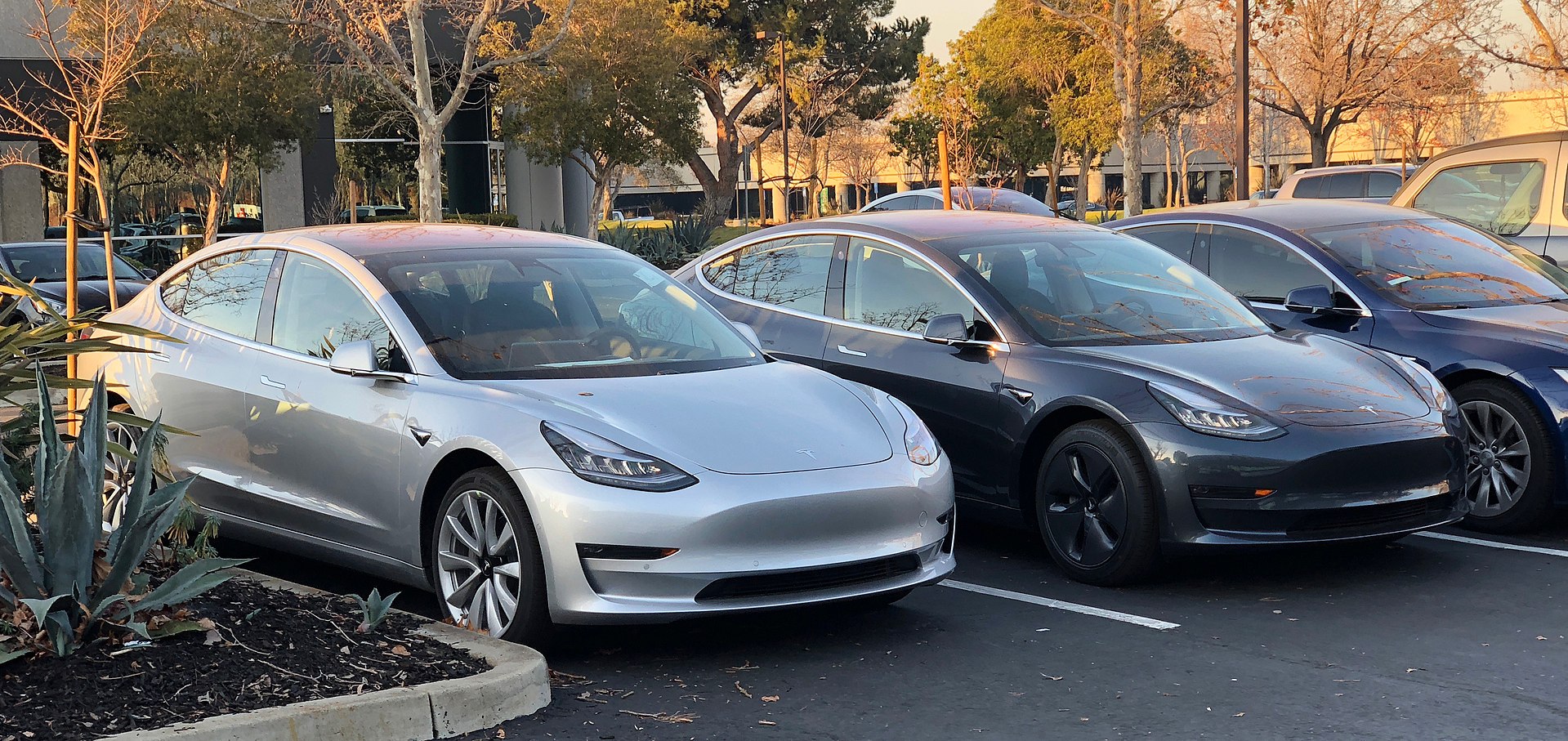
It took what Elon Musk could only describe as “excruciating” effort, but Tesla appears to be setting the stage for the Model 3’s entrance into the global market. With exhibits of the electric car making its way into multiple countries in Europe and key cities in China, there seems to be very little doubt that the Model 3 invasion is just around the corner.
Reports and anecdotes from the Tesla community indicate that Tesla’s Model 3 exhibits have attracted a notable amount of attention. Over the past 24 hours, reservation holders and electric car enthusiasts have shown up en masse to view and get some hands-on experience with the electric sedan. In some areas in the European region, the Model 3 even attracted lines of people, with interested individuals waiting outside Tesla stores for an opportunity to interact with the company’s latest vehicle.
M3 on display in Mall of Scandinavia. It's 1PM on a Thursday and there's about 40 people in the store and 10 more outside waiting in line.@vincent13031925 pic.twitter.com/3YRxSHFgdW
— 🇮🇸 🇸🇪 Hjörtur Brynjarsson 🇺🇦 (@HjorturBrynjars) November 15, 2018
The warm reception of the European region towards the Model 3 bodes well for the company. If any, the Model 3 fever spreading across Tesla’s stores in Europe suggests that the demand for the electric sedan remains strong even in territories beyond North America.
https://twitter.com/m_xalher/status/1062731482236624896
Einige visuellen Eindrücke vom heutigen #Model3 Event im Tesla Store Zürich für jeden, der es selbst nicht erleben konnte. Herzlichen Dank, @marTW33T. https://t.co/43kWInkiCy pic.twitter.com/vELezp4t1t
— Tesla Community Schweiz 🇨🇭 (@TeslaSchweiz) November 14, 2018
On the other side of the world, Tesla’s Model 3 push is starting to become evident as well. Amidst Model 3 exhibits in key cities such as Shanghai and Shenzen, local Chinese media are also providing what could very well be the first details on the vehicle’s upcoming rollout in the region. According to local news outlet Gasgoo.com, for one, Tesla would be entering the Chinese market with the Model 3’s top two variants — the Model 3 Performance and the Long Range AWD Model 3. The vehicles will be priced higher than their counterparts due to import tariffs, though the impending construction of Gigafactory 3 is expected to reduce the price of electric cars that will be delivered in the country.
A Red Tesla Model 3 arrived Shenzhen, China 🇨🇳 yesterday. $TSLA #Tesla #Model3 #China #TeslaChina pic.twitter.com/I0YQBTq2oX
— vincent (@vincent13031925) November 15, 2018
In the past 24 hrs, Tesla Model 3 has appeared in many European countries for the first time, causing huge crowds. Beginning of this year, Model 3 also appeared in many of China's Tesla showrooms the very first time, which also caused huge crowds. $TSLA #Tesla #TeslaChina pic.twitter.com/FooR1gqXNV
— vincent (@vincent13031925) November 15, 2018
Recent updates from Elon Musk have provided some details on Tesla’s upcoming push in China. In a recent tweet, Musk stated that some Model 3 deliveries in the country might be possible in March 2019, though April might be a safer bet. With Musk’s recent update, though, it appears that Tesla’s global push for the Model 3 would likely begin sometime in the first quarter or early in the second quarter of 2019.
Probably some deliveries in March, but April is more certain
— Elon Musk (@elonmusk) November 15, 2018
After passing through “production hell” and “delivery logistics hell,” Tesla appears to have reached a place where it is confident of its capability to manufacture and deliver the Model 3. In order to accomplish this, the company is thinking outside the box once more. In a recent set of tweets, for example, Elon Musk has noted that Tesla just “acquired trucking capacity” to ensure that all Model 3 ordered by November 30 would be delivered by December 31. In a later tweet, Musk elaborated that Tesla had “bought some trucking companies and secured contracts with major haulers” to ensure that the delivery difficulties the company faced at the end of the third quarter do not happen again.
Tesla produced and delivered a record number of vehicles in the third quarter, even surprising Wall Street by posting $6.8 billion in revenue and beating earnings estimates with a GAAP profit of $312 million. Considering Tesla’s preparations for a massive end-of-year delivery push, as well as the arrival of the Mid Range Model 3, though, the electric car maker’s fourth quarter’s numbers would likely be even more impressive.



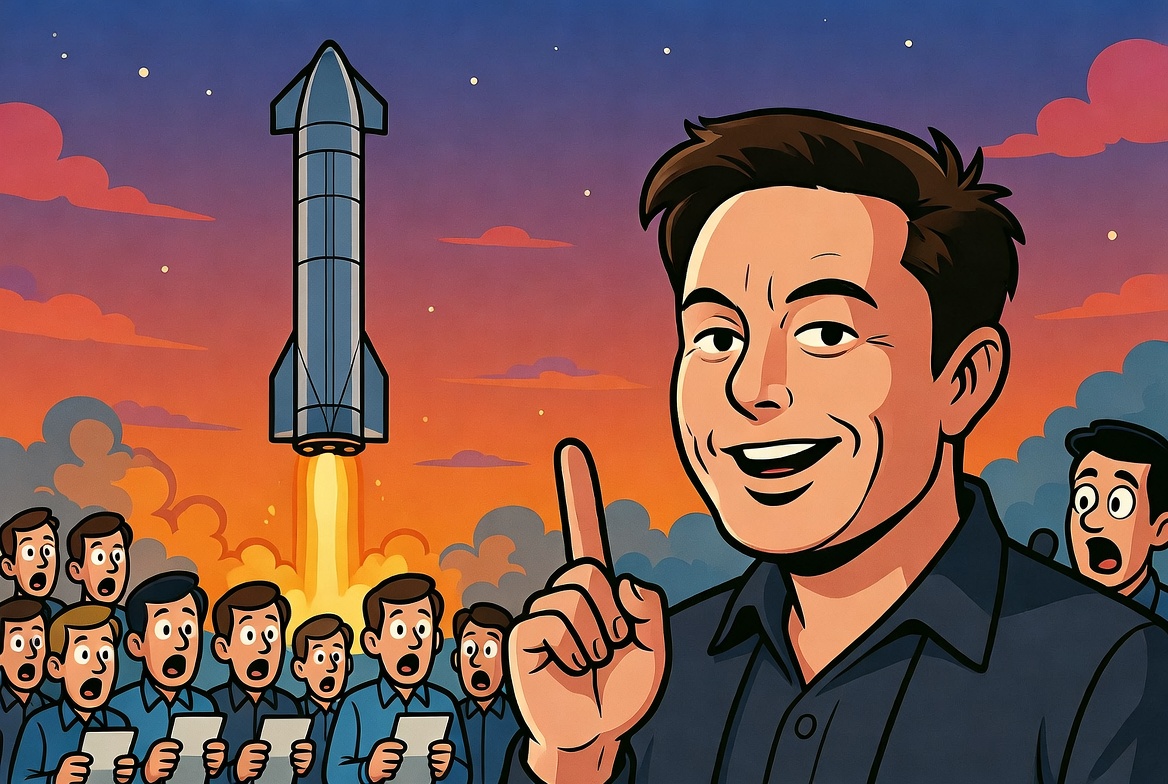
Elon Musk has firmly denied recent media reports suggesting that SpaceX has reduced its target valuation for an upcoming initial public offering.
The denial came directly from the SpaceX and Tesla frontman on his social media platform X, where he responded with a single word, “False,” to a post from ZeroHedge that cited Bloomberg sources.
This swift rebuttal underscores Musk’s ongoing effort to manage speculation surrounding one of the most anticipated market debuts in recent history.
False
— Elon Musk (@elonmusk) May 29, 2026
According to the disputed reports, SpaceX had lowered its IPO valuation goal to at least $1.8 trillion from previous ambitions exceeding $2 trillion.
The claims emerged amid growing anticipation for the company’s confidential S-1 filing, which positions it for a potential public listing as early as June.
Some had pointed to strong revenue growth, particularly from the Starlink satellite internet service, which contributed heavily to the firm’s 2025 figures of $18.7 billion. Yet challenges persist in other areas, including substantial investments and losses tied to ambitious projects like Starship development and artificial intelligence initiatives, which plan to make life multiplanetary eventually.
Musk’s response highlights a pattern in which he actively counters what he views as inaccurate portrayals of his companies’ trajectories.
SpaceX, already valued privately at extraordinary levels, stands as a cornerstone of Musk’s empire alongside Tesla and xAI. The entrepreneur has long emphasized the transformative potential of reusable rockets and global broadband access, factors that fuel investor enthusiasm despite operational hurdles.
By rejecting the valuation downgrade narrative, Musk signals confidence in SpaceX’s fundamentals and its readiness for public markets on terms favorable to its long-term vision. People have been waiting a very long time to invest in SpaceX, and the valuation, as well as the introductory share price, is not going to need adjusting.
They’ll have plenty of suitors.
This episode reflects broader dynamics in the technology sector, where rumors often swirl around high-profile entities. Musk’s direct engagement with media narratives serves to maintain transparency and control the narrative around his ventures.
As SpaceX prepares for greater scrutiny in public markets, the founder’s denial reinforces optimism about its prospects. Supporters argue that the company’s innovative edge positions it for enduring success, far beyond short-term valuation debates. With the denial now public, attention turns to forthcoming regulatory filings that could provide clearer insights into SpaceX’s strategy and financial health.
The coming weeks promise to reveal more about how SpaceX will transition into a publicly traded powerhouse.
Elon Musk
The Tesla and SpaceX merger everyone is talking about is quietly building
Tesla and SpaceX may be closer to merging than Wall Street or either company is admitting.

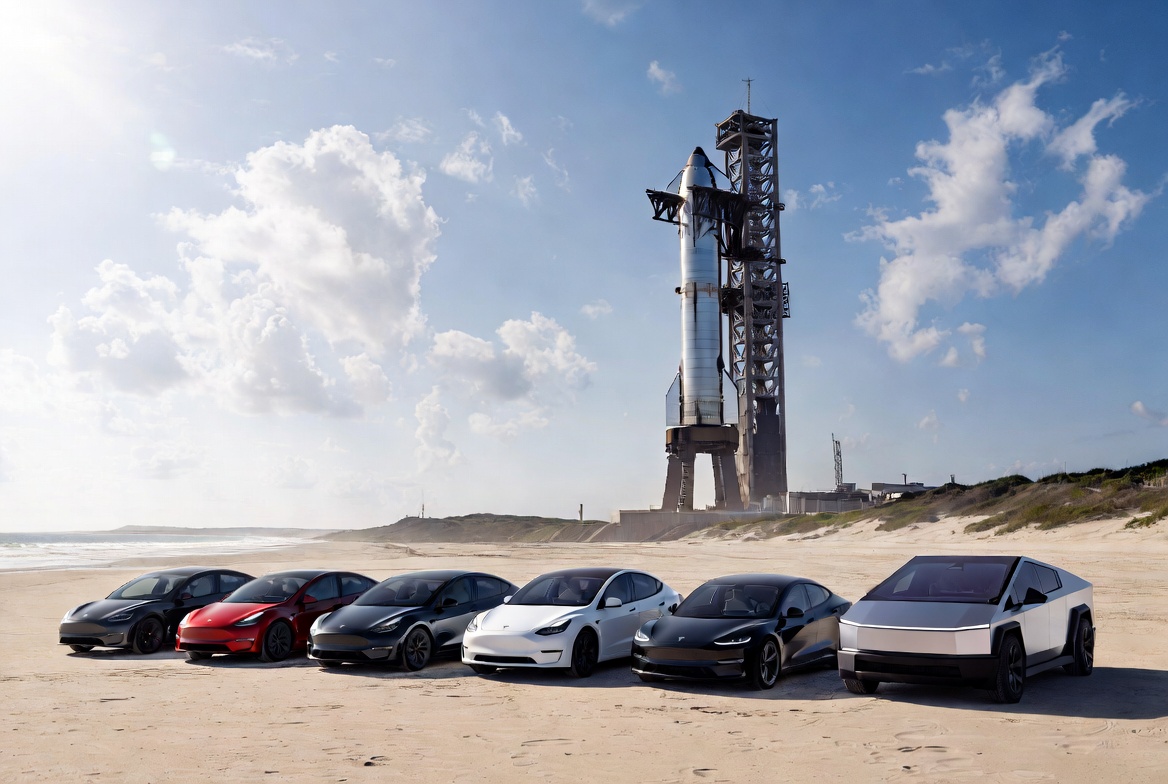
Elon Musk has reportedly discussed merging Tesla and SpaceX with people close to him, according to CNBC, which cited sources familiar with the conversation. Tesla employees have long expected such a transaction and the topic is openly discussed internally, according to internal sources. With SpaceX is days away from kicking off its Wall Street roadshow for what could be the largest IPO in market history, this would be the first time the company will have public market currency to execute a stock-for-stock deal with Tesla.
The financial logic for a merger would make sense. A combined SpaceX and Tesla would create a conglomerate spanning rockets, satellites, electric vehicles, AI infrastructure, and energy storage valued at roughly $3.35 trillion to $3.6 trillion based on SpaceX’s IPO target range and Tesla’s current market capitalization. The two companies are already more intertwined than most people realize. SpaceX bought $697 million worth of Tesla Megapack systems for xAI data centers and $131 million worth of Cybertrucks. Tesla invested $2 billion in xAI, which subsequently merged with SpaceX. Past transactions also include Tesla selling solar equipment and parts to SpaceX, and SpaceX helping with Cybertruck materials.
Will Tesla join the fold? Predicting a triple merger with SpaceX and xAI
Musk himself signaled where this was heading in November 2025 when he posted on X, “My companies are, surprisingly in some ways, trending towards convergence.” Tesla and SpaceX announced a joint semiconductor fabrication facility in Austin called Terafab on the Gigafactory Texas campus, covering two advanced chip factories, with one serving Tesla’s AI needs for vehicles and Optimus robots, the other targeting space-based data centers under SpaceX’s infrastructure vision.
Wedbush analyst Dan Ives places the probability of a merger at 80% to 90% with a target completion in the first half of 2027. The mechanics of a deal became possible the moment SpaceX filed its S-1. Legal experts said a merger likely would not spark antitrust issues but would raise concerns among shareholders in each company, with questions around which company would be the parent, how a stock swap would take place, and who determines the appropriate price. Musk holds about 20% of Tesla’s equity but controls 85.1% of SpaceX’s voting power through a super-voting share class, meaning he would largely be negotiating the terms with himself.
Not everyone is convinced the timing is imminent. Traders on Kalshi place only 33% odds that a merger will happen before May 2027. The more immediate concern for Tesla shareholders is whether the SpaceX IPO pulls capital and Musk’s attention away from Tesla before any merger consolidates the upside for both.
What is clear is that the structural groundwork is already being laid. The Terafab announcement, the xAI merger, the shared supply chain, the cross-company balance sheet transactions, and now the IPO all point in the same direction. Whether the merger follows in 2027 or later, the two companies are already operating more like divisions of a single entity than independent competitors.
Elon Musk
SpaceX just filed for the IPO everyone was waiting for
SpaceX filed its public S-1, revealing $18.7 billion in revenue and billions in losses.
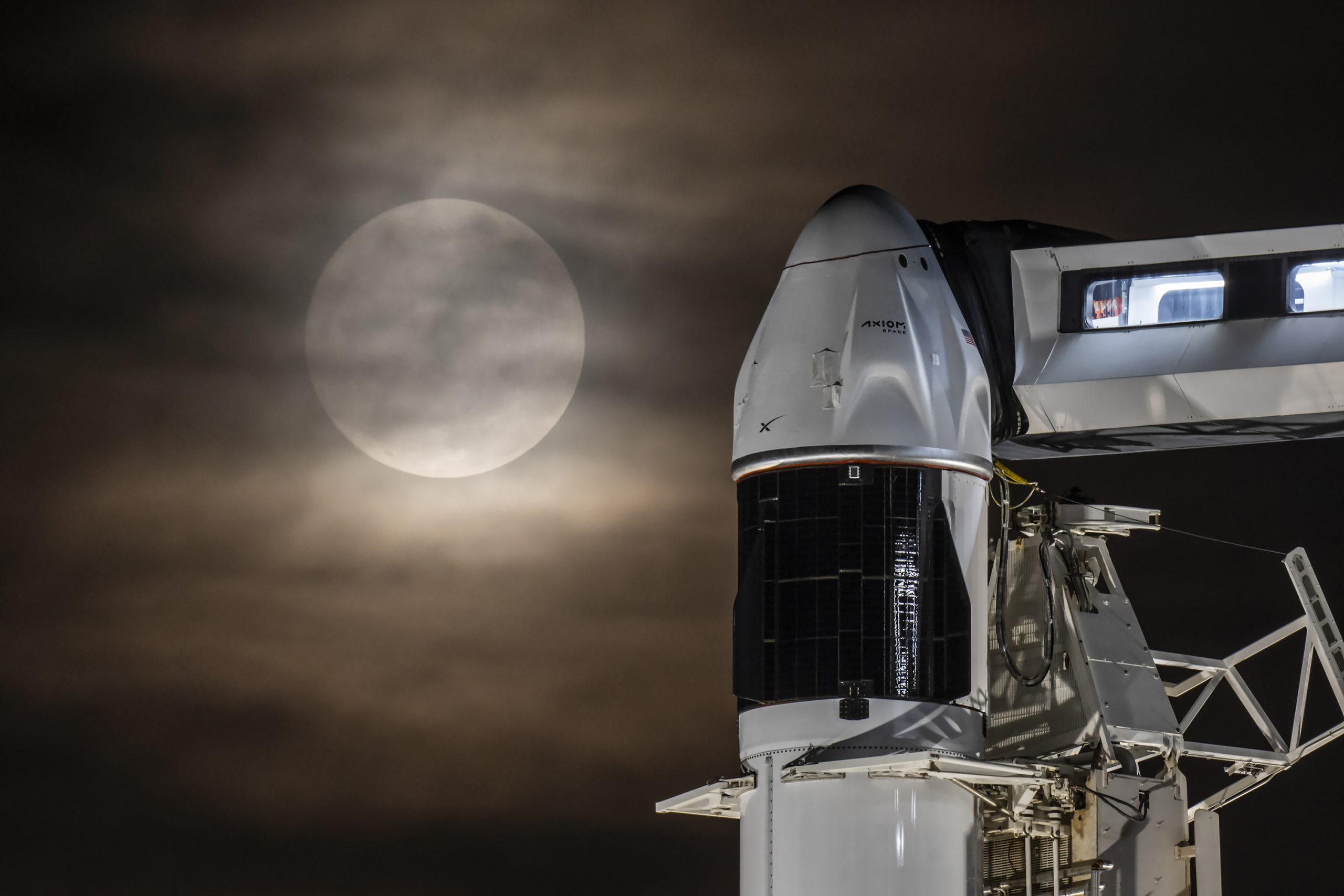
SpaceX publicly filed its S-1 registration statement with the Securities and Exchange Commission on May 20, 2026, making its financial details available to the public for the first time ahead of what could be the largest IPO in history.
An S-1 is the formal document a company must submit to the SEC before going public. It includes audited financials, risk factors, business descriptions, and how the company plans to use the money it raises. Companies are required to file one before selling shares to the public, and it must be published at least 15 days before the investor roadshow begins. SpaceX had already submitted a confidential draft to the SEC in April, which allowed regulators to review the filing privately before it went public.
The S-1 reveals that SpaceX generated $18.7 billion in consolidated revenue in 2025, driven largely by its Starlink satellite internet division, which posted $11.4 billion in revenue, growing nearly 50% year over year. Despite that growth, the company lost about $4.9 billion in 2025 and has burned through more than $37 billion since its founding.
SpaceX just forced Verizon, AT&T and T-Mobile to team up for the first time in history
A significant portion of those losses trace back to xAI, Elon Musk’s artificial intelligence company, which was recently merged into SpaceX. SpaceX directed roughly 60% of its capital spending in 2025 to its AI division, totaling around $20 billion, yet that division lost billions and grew revenue by only about 22%.
SpaceX plans to list its Class A common stock on Nasdaq under the ticker SPCX, with Goldman Sachs, Morgan Stanley, and Bank of America leading the offering. The dual-class share structure means going public will not meaningfully reduce Musk’s control, as Class B shares he holds carry 10 votes per share compared to one vote for public Class A shares.
The company is targeting a raise of around $75 billion at a valuation of roughly $1.75 trillion, which would make it the largest IPO ever. The investor roadshow is reportedly planned for June 5.

Tesla’s European Comeback: Registrations soar in May as recovery gains momentum

Tesla plans ingenious improvement to one of its best features


