News
Tesla enlists former Formula One champion as Model S driver for Nürburgring run

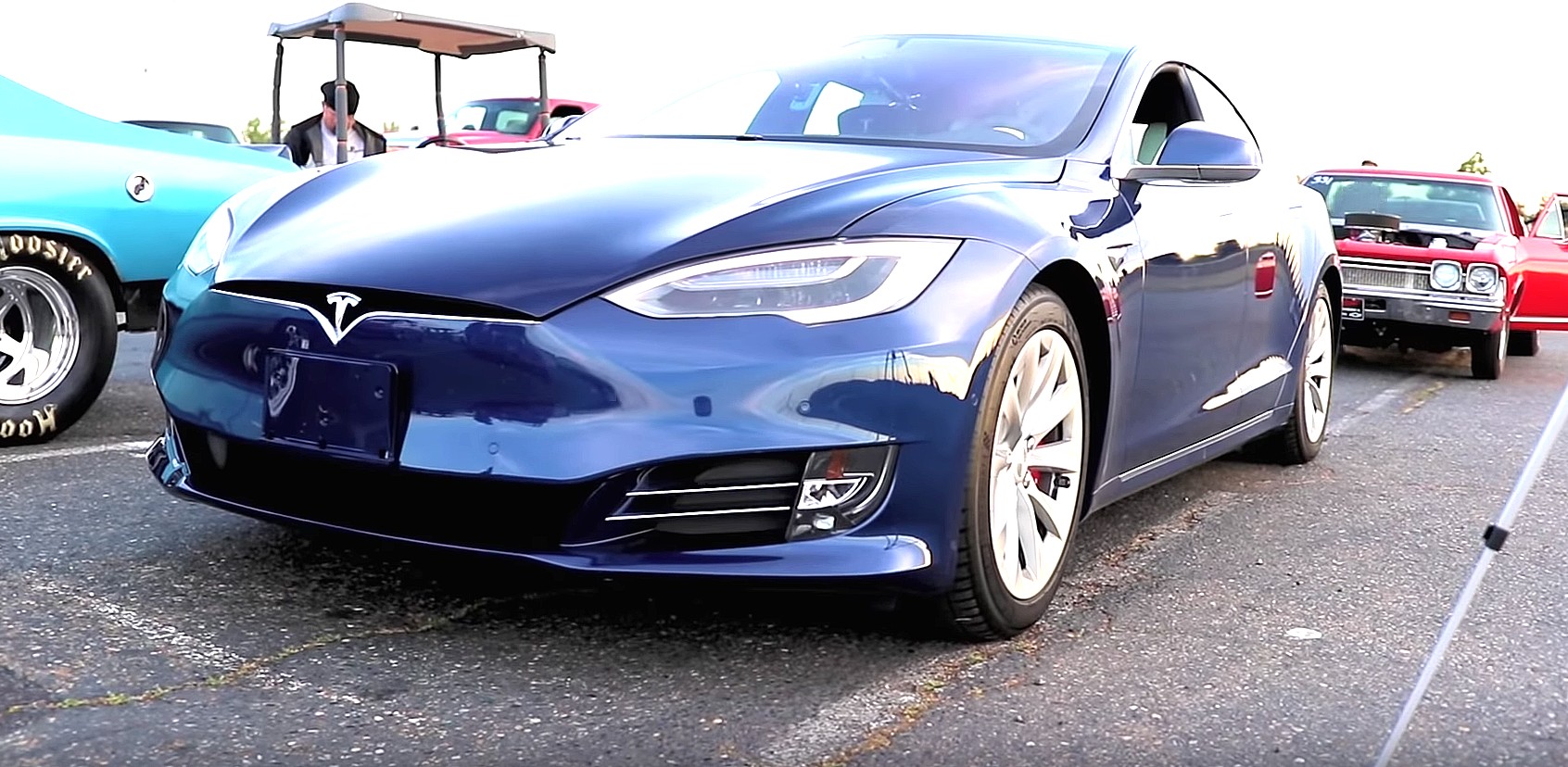
Tesla’s upcoming Nürburgring run with the Model S just became even more interesting. Not long after CEO Elon Musk announced that Tesla will be taking its flagship sedan to the iconic German track, former Formula One World Champion Nico Rosberg volunteered to be the electric car maker’s test driver. Musk graciously accepted.
In a rather humble gesture, Rosberg offered his professional driving skills to Tesla by asking Musk if the company needed a “decent driver” for the Model S’ Nürburgring run. Musk responded very positively, stating that having the former Formula One champion as Tesla’s driver “would be great.”
Since retiring after his historic win at the Formula One World Championship in 2016, Rosberg has proven to be a strong proponent of sustainable transportation. Apart from his open love for Tesla’s electric cars such as the Model 3 Performance, Rosberg has also co-founded the Greentech Festival, an event that showcases some of the world’s most cutting-edge environmentally-friendly technologies.
This makes Rosberg the perfect driver for Tesla’s Model S Nürburgring lap. Apart from his impeccable skills as a professional racing driver, Rosberg is also very familiar with the way electric cars work, at times even remarking that he wants EVs to go faster. While testing the Tesla Model S Performance’s Ludicrous Plus launch, for example, Rosberg joking stated that he wants a vehicle with “Ludicrous Plus Plus Mode.” With this in mind, Rosberg is probably the best driver in the industry that can push the Tesla Model S to its limits on the Nürburgring.
Tesla’s Model S of choice for its Nürburgring lap might already in Germany, as hinted at by sightings of a vehicle with US plates being transported by a truck that seemed to be heading towards the iconic racetrack. Quite interestingly, the Tesla Model S in question was reportedly equipped with Michelin Sport Pilot Cup 2 R tires, which are optimized for track use. Tire review site TireBuyer describes the Michelin’s Pilot Cup 2 R as a “semi-slick tire developed to beat track records.”
While initial reports following Elon Musk’s Twitter announcement noted that Tesla has not reserved an exclusive slot for a record attempt at the Nürburgring, a later statement from a Tesla spokesperson explained that the electric car maker will simply be part of the coming week’s Industry Pool testing in the track. “Tesla is excited to be a part of the Industry Pool testing community next week at the Nürburgring. Our participation is confirmed and contracted by the Nürburgring,” the spokesperson said.
It should be noted that while Tesla will not be allowed to conduct lap timing for the Model S during its participation in this coming week’s Industry Pool testing, the company will nevertheless be able to openly test the capabilities of its flagship sedan around the nearly 13-mile circuit.



Tesla released what analysts believe the company will report in terms of deliveries and energy deployments for Q2, but the figures seem to confirm a long-standing theory on the company’s vehicle division.
For years, Tesla was just looked at as a car company. Now that it has established itself as a powerhouse in energy, AI, and tech as a whole, the company is now less hellbent on achieving quarterly growth, on a sequential basis, at least from a major standpoint.
Tesla topped out its annual deliveries in 2023 at 1.81 million, and in the two years since, the company has reported a decrease in deliveries for the entire 12-month term both times.
With Tesla delivering 358,023 cars in Q1, a 6.3 percent increase over Q1 2025, but falling short of Wall Street expectations at 365,000-370,000 units, the narrative around vehicle deliveries and their importance continued to change earlier this year. Some might say it is convenient, but others might say it is the typical evolution of a company that continues to change over time.
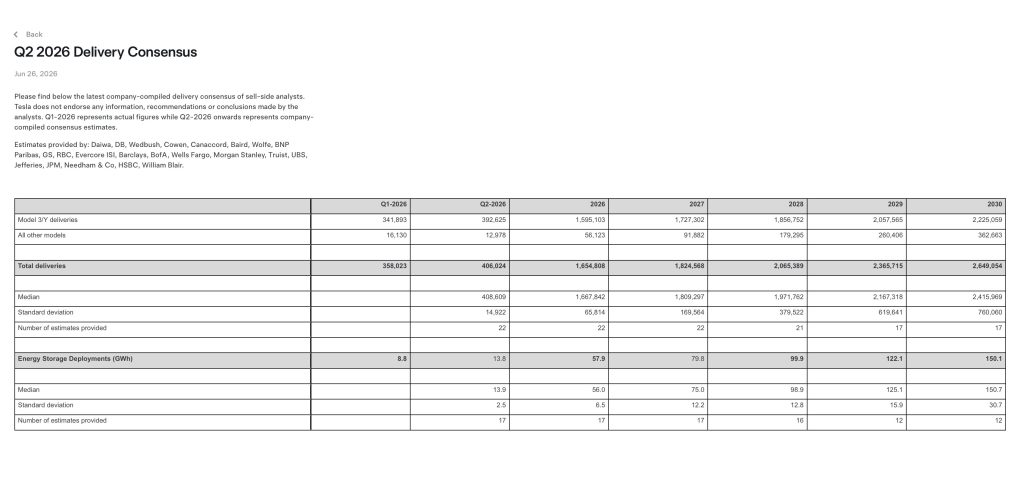
For Q2, Tesla’s delivery consensus estimates sit at 406,024 units, analysts believe. They were surveyed from Daiwa, DB, Wedbush, Cowen, Canaccord, Baird, Wolfe, BMP Paribas, Goldman Sachs, RBC, Evercore ISI, Barclays, Bank of America, Wells Fargo, Morgan Stanley, Truist, UBS, Jefferies, JPM, Needham & Co., HSBC, and William Blair.
Credit: Tesla
Tesla is also expected to report deployments of 13.8 GWh this quarter.
The change to Tesla’s overall narrative now leans less on vehicle deliveries and more on its other projects. Most notably, Tesla’s Robotaxi project has taken the priority over most of its other business ventures, and investors and the public are more concerned about the deployment of vehicles into the fleet, the operation of a driverless ride-hailing service, Cybercab production and operation, and expansion into new cities.
Tesla analyst realizes one big thing about the stock: deliveries are losing importance
This big narrative switch happened when Tesla indicated it was looking at making transportation a service by launching a ride-hailing service that will operate using Tesla’s Full Self-Driving suite. Once unsupervised operation begins, Robotaxi could be a new way for people to get around, all without a driver in their car.
Instead, they will rely on the billions of miles Tesla has accumulated from its real-world fleet.
It is important to note that Tesla remains significant in the automotive sector, and deliveries must continue as they have for years. Tesla still has a strong automotive business and needs to execute further on all facets to keep its investors happy.
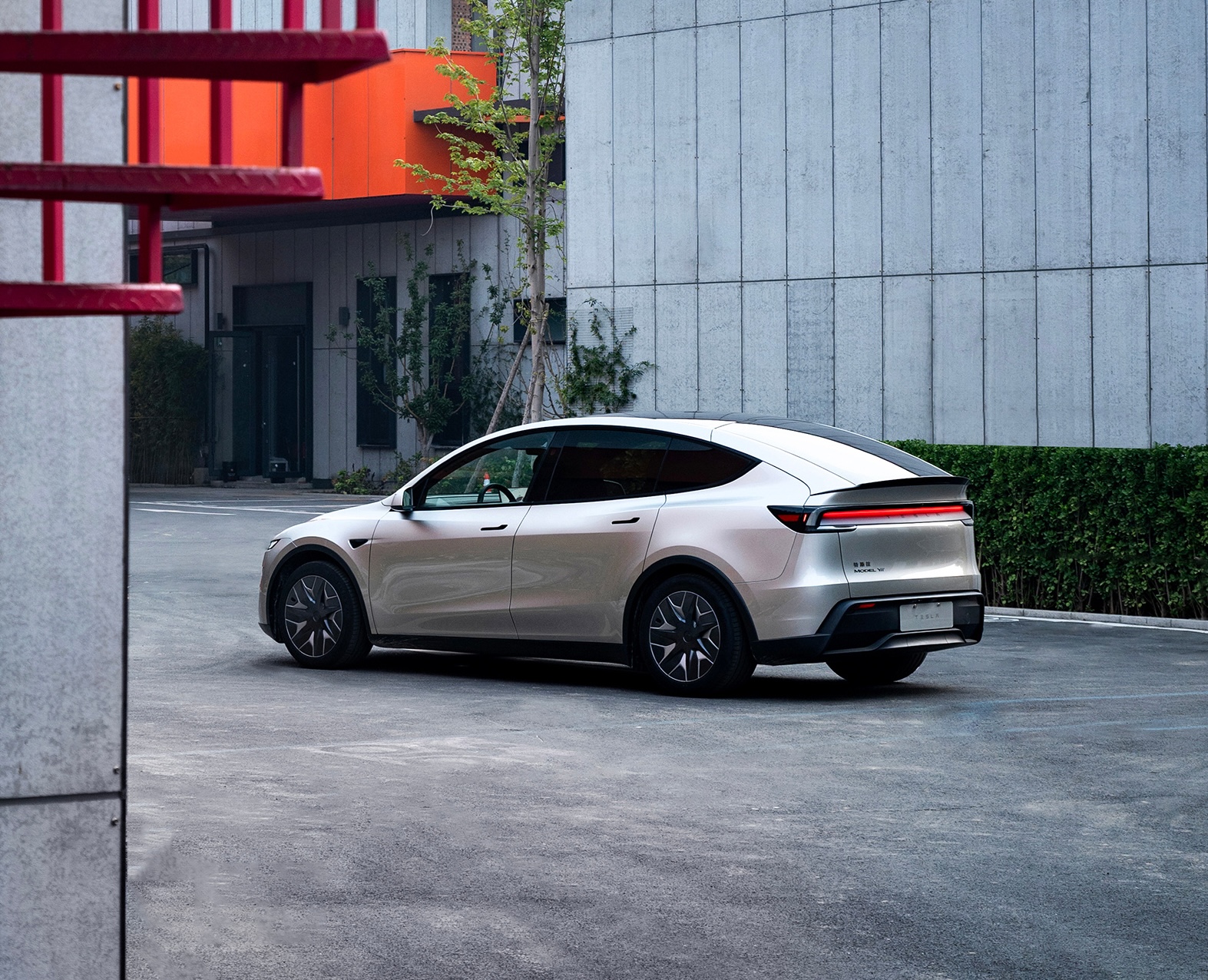
Tesla launched the slightly larger Model Y L in China last year, and it became a hit in no time. The longer wheelbase, larger interior, and slightly more forgiving legroom area in the Model Y L became a sought-after possibility for U.S. buyers, who have been begging the company for a larger SUV.
Now, Tesla needs it more than ever, especially considering the Model X was discontinued alongside its Model S sibling earlier this year. It looks to be more likely than ever, and based on recent reports, it will fall in line with CEO Elon Musk’s prediction that it would arrive in the United States in late 2026.
Recent reports from Forbes and Not a Tesla App both have indicated Tesla plans to bring the Model Y L to the U.S. this year. The reports cite “credible sources,” and an analyst from AutoForecast Solutions named Sam Fiorani stated that the car would enter production later this year.
Fiorani said:
“China, Australia, and India are supplied by the factory in China, which will not supply vehicles to the U.S. Production of the Model Y L is expected to begin in the U.S. in September, which will lead to sales beginning before the end of 2026.”
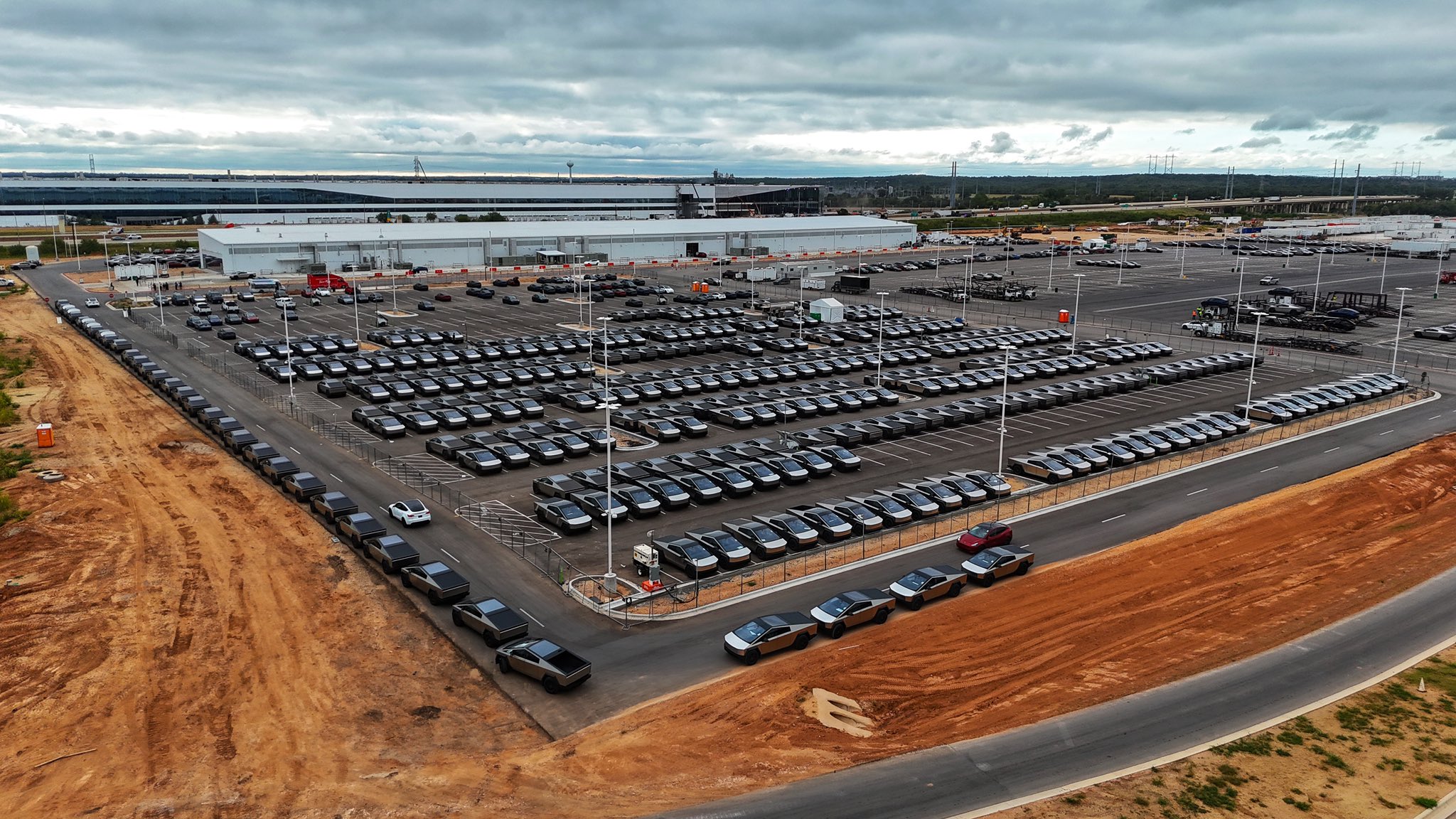
Production would take place at Gigafactory Texas.
Additionally, a few Model Y L units have been spotted under wraps in the United States, giving more indication that Tesla plans to bring the vehicle to the U.S. When Tesla is close to launching a vehicle in the U.S., it is not uncommon to see these models with the exact car covers that you see below:
Looks like another Tesla Model Y L was spotted in the U.S.! pic.twitter.com/jhsdkcN5Go
— TESLARATI (@Teslarati) June 26, 2026
It makes sense, especially considering Musk hinted the Model Y L would make it to the U.S. in late 2026, but it was up in the air. The CEO said the advent of self-driving might not warrant a larger SUV coming to the U.S. market specifically.
The problem is, consumers do not want to hear that. They love Tesla’s tech, FSD, and other features, but they need more space for growing families. The Model X is gone, and the most anyone can fit in a Tesla right now is seven people in the seven-seat Model Y. That back row is truly only large enough to fit small children comfortably.
Tesla fans have requested a full-size SUV, and the company has made some hints that it could be in the plans.
The Model Y and Model Y L differ noticeably in size, with the Model Y L being a stretched, six-seat variant designed for great interior room. The Standard Model Y measures approximately 4,790mm in length, 1,982 mm in width with the mirrors folded, 1,624mm in height, and 2,890mm in wheel base.
In contrast, the Model Y L extends to be about 4,969–4,976mm long (roughly 179mm or 7 inches longer), stands 1,668mm tall (+44mm), and features a significantly longer 3,040 mm wheelbase (+150mm), while maintaining the same width.
This elongation primarily benefits rear passenger space and enables a 2+2+2 seating layout with captain’s chairs, though it slightly reduces maximum cargo capacity behind the rearmost seats and adds a bit of overall mass and turning radius. The result is a more spacious family hauler that still shares the core footprint and agile character of the original Model Y.
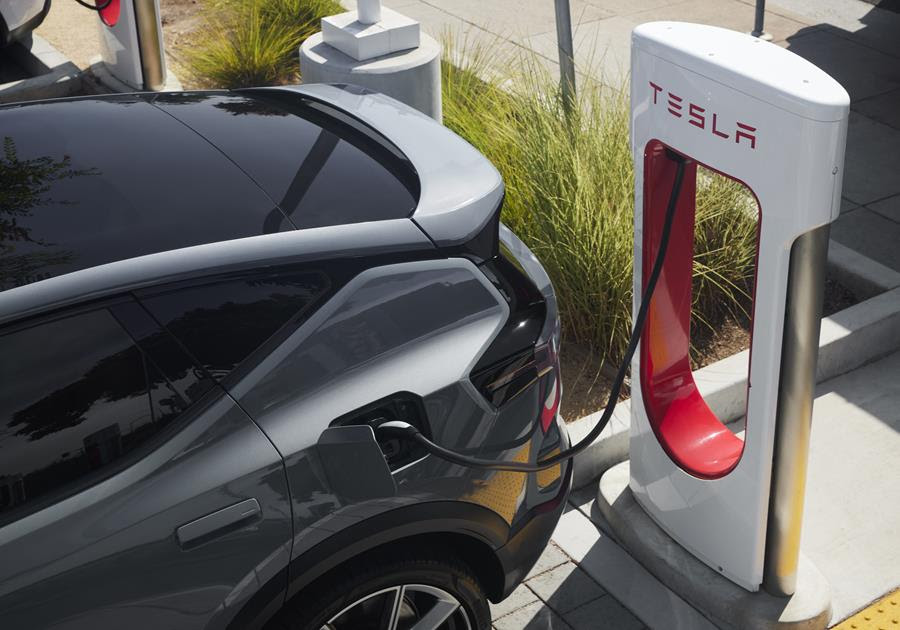
In a major development that will inevitably strengthen Tesla’s dominant position in the American EV market, Polestar has been effectively banned from selling new vehicles in the United States, starting with the 2027 model year.
The U.S. Department of Commerce denied Polestar authorization under the Connected Vehicle Rule, which prohibits vehicles containing certain connected technologies (Cellular, Wi-Fi, Bluetooth, etc.) linked to China or Russia due to national security risks, including potential data collection on American drivers.
🚨 A Tesla competitor goes down
Polestar will no longer sell new vehicles in the United States starting with the 2027 model year.
The U.S. Department of Commerce denied the brand authorization under the Connected Vehicle Rule, which restricts the sale of cars with software and… pic.twitter.com/TrwnQeoiES
— TESLARATI (@Teslarati) June 25, 2026
Polestar, which is majority-owned by China’s Geely Holding, could not obtain the required exemption despite producing some models domestically.
Polestar confirmed it will sell off any remaining inventory of the Polestar 3 and Polestar 4 models, while continuing service and warranty support for existing customers. No new models or major refreshes will reach U.S. buyers, and the company is pivoting its growth strategy to Europe, where it already generates the vast majority of its sales.
The outcome removes a direct premium EV competitor that had positioned itself as a stylish, performance-oriented alternative to Tesla’s lineup. The Polestar 2 challenged the Model 3, while the Polestar 3 and 4 targeted segments overlapping with the Model Y and upcoming Tesla offerings. Polestar’s U.S. sales had already been sluggish amid intense competition and slower demand, representing just 6 percent of its global volume in the first quarter of 2026.
While Polestar was not on Tesla’s level in the U.S., it still places a dent in the evergrowing field of Tesla competitors in the country, where it has long dominated EV sales.
Tesla faces none of these hurdles. As a U.S.-founded and U.S.-headquartered company with major manufacturing in Fremont, Austin, and Nevada, Tesla’s vehicles are built with compliant domestic and allied supply chains. Its Full Self-Driving technology, over-the-air software updates, and vertically integrated ecosystem were developed entirely in-house without foreign ownership entanglements that trigger national security reviews, at least in the U.S.
Of course, it did face a similar threat in China a few years back:
Elon Musk responds to reports of Tesla ban among China’s military over security concerns
The Connected Vehicle Rule, first advanced under the prior administration and upheld under the current one, is part of a broader U.S. effort to protect the domestic auto industry and critical technology from Chinese influence. High tariffs on Chinese-made EVs and related restrictions have already reshaped the market. Tesla benefits directly: it avoids these barriers while continuing to lead in U.S. EV sales volume, Supercharger network expansion, and energy storage integration.
By clearing Polestar from the new-vehicle playing field, the policy reduces competitive pressure in the premium and performance EV segments where Tesla has invested billions. American consumers seeking cutting-edge electric vehicles now have one fewer option tied to foreign adversaries — and one clearer path to the market leader that has driven the EV transition from the start.
For Tesla, this is more than regulatory relief. It is a strategic tailwind that reinforces its position as America’s premier EV innovator at a time when domestic manufacturing and technological independence matter most.

Tesla Q2 delivery consensus confirms this long-standing theory

Tesla looks keen to bring larger Model Y L to the U.S.


