Investor's Corner
Tesla Q3 2025 earnings: What analysts expect
The automaker delivered a record 497,099 vehicles and logged its highest-ever energy storage sales in Q3 2025.

Tesla’s (NASDAQ:TSLA) Q3 2025 earnings, which would be released after markets close today, could prove to be a test of confidence for the company’s shareholders.
The automaker delivered a record 497,099 vehicles and logged its highest-ever energy storage sales, but analysts noted that these gains might have come at a cost.
Record vehicle deliveries
Tesla’s profit per share is expected to fall about 25% year over year to around $0.53–$0.55, even as revenue rises from 4% to 6%, as noted in a report from Market Pulse. Analysts noted that Tesla’s record quarter was partly fueled by buyers rushing to complete purchases before the U.S. federal EV tax credit expired in September, a surge that could dampen Q4 demand. The company also dipped into its inventory to reach the record delivery number.
Analysts expect automotive gross margin (excluding regulatory credits) to land between a conservative 16.5% and 17%. This suggests that a good portion of Tesla’s Q3 delivery growth came from aggressive price cuts. If margins fall below 16.5%, it could hint at more cost pressures that the company would have to handle in the coming months.
Tesla’s Energy segment, meanwhile, is expected to act as a stabilizer. The business deployed 12.5 GWh of storage in Q3, driven by strong demand from AI data centers. Analysts expect this high-margin division to partially cushion the hit from the automaker’s thinner car profits.
AI, FSD, and Musk’s role
Tesla’s lofty valuation, trading about 17% above the average analyst consensus of $365, would likely depend heavily on investor belief in its AI and robotics initiatives. Industry watchers have stated that management must deliver credible updates on Full Self-Driving and the Robotaxi program to help justify the company’s current valuation.
Elon Musk’s proposed 2025 CEO Performance Award, which proxy advisors have urged shareholders to reject, would likely be discussed in the Q3 2025 earnings call has well. Musk has hinted that a failed vote could jeopardize Tesla’s AI strategy, making the company’s upcoming results quite crucial for market confidence.


Investor's Corner
Tesla reports Q1 deliveries, missing expectations slightly
The figure, however, fell short of Wall Street’s consensus estimate of 365,645 units, reflecting ongoing headwinds in the global EV market.

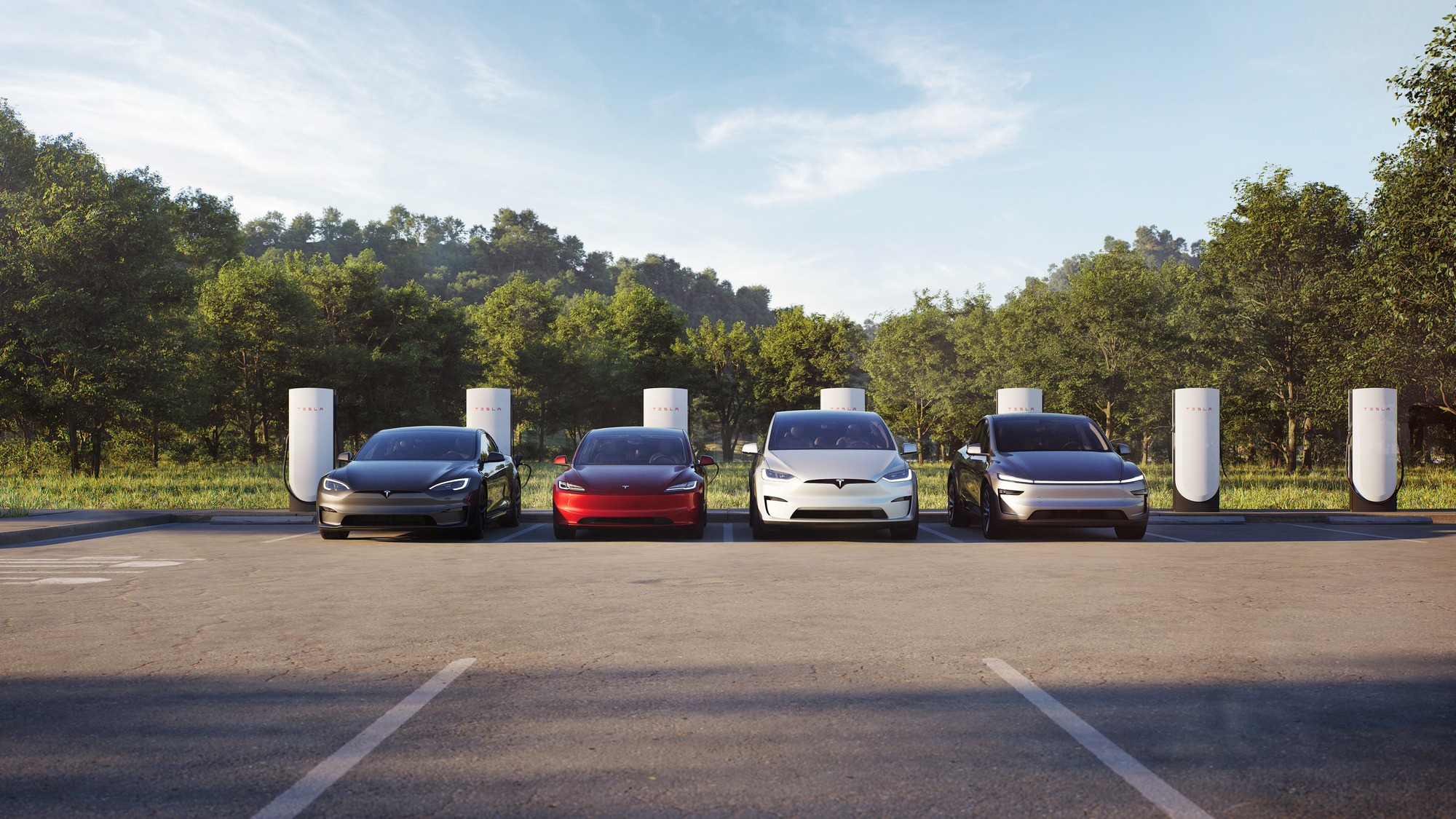
Tesla reported deliveries for the first quarter of 2026 today, missing expectations set by Wall Street analysts slightly as the company aims to have a massive year in terms of sales, along with other projects.
Tesla delivered 358,023 vehicles in the first quarter of 2026, marking a 6.3 percent increase from 336,681 vehicles in Q1 2025.
The figure, however, fell short of Wall Street’s consensus estimate of 365,645 units, reflecting ongoing headwinds in the global EV market. Production reached approximately 362,000 vehicles, with Model 3 and Model Y accounting for the vast majority. The results come as Tesla navigates softening demand, intensifying competition in China and Europe, and the expiration of key U.S. federal tax incentives.
🚨 BREAKING: Tesla delivered 358,023 vehicles in Q1 2026
Tesla also reported record energy deployments of 8.8 GWh
Wall Street had delivery consensus estimates of 365,645 pic.twitter.com/EVNAu5L3UT
— TESLARATI (@Teslarati) April 2, 2026
Energy storage deployments provided a bright spot, hitting a record 8.8 GWh in Q1. This underscores the accelerating momentum in Tesla’s energy segment, which has become a critical growth driver even as automotive volumes stabilize.
Year-over-year, the energy business continues to outpace vehicle sales, with analysts noting strong backlog demand for Megapack systems amid rising grid-scale needs for renewables and AI data centers.
Looking ahead, analysts project full-year 2026 vehicle deliveries in the range of 1.69 million units—a modest 3-5% rise from roughly 1.64 million in 2025.
Growth is expected to accelerate in the second half as production ramps and new incentives emerge in select markets. However, risks remain: persistent high interest rates, price competition from legacy automakers and Chinese EV makers, and potential margin pressure could cap upside.
Tesla has not issued official full-year guidance, but executives have signaled confidence in sequential quarterly improvements driven by cost reductions and refreshed lineups.
By the end of 2026, Tesla plans several major product launches to reignite momentum. The refreshed Model Y, including a new 7-seater variant already rolling out in select markets, is expected to boost family-oriented sales with updated styling, efficiency gains, and interior enhancements.
Autonomous ambitions remain central to Tesla’s mission, and that’s where the vast majority of the attention has been put. Volume production of the Cybercab (Robotaxi) is targeted to begin ramping in 2026, potentially unlocking new revenue streams through unsupervised Full Self-Driving (FSD) deployment.
A next-generation affordable EV platform, possibly under $30,000, is also in advanced planning stages for 2026 or 2027 introduction. On the energy front, the Megapack 3 and larger Megablock systems will drive further deployment scale.
While Q1 highlights transitional challenges in autos, Tesla’s diversified roadmap, spanning refreshed consumer vehicles, commercial trucks, Robotaxis, and explosive energy growth, positions the company for a stronger second half and beyond. Investors will watch Q2 closely for signs of sustained recovery, especially with new vehicles potentially on the horizon.
Elon Musk
Elon Musk debunks latest rumors about SpaceX IPO
Musk has swiftly put to rest circulating reports suggesting that SpaceX would exclude popular retail brokerages Robinhood and SoFi from its highly anticipated initial public offering. In a direct response posted on X on March 31, Musk stated simply, “These reports are false,” addressing widespread speculation fueled by a Reuters article.
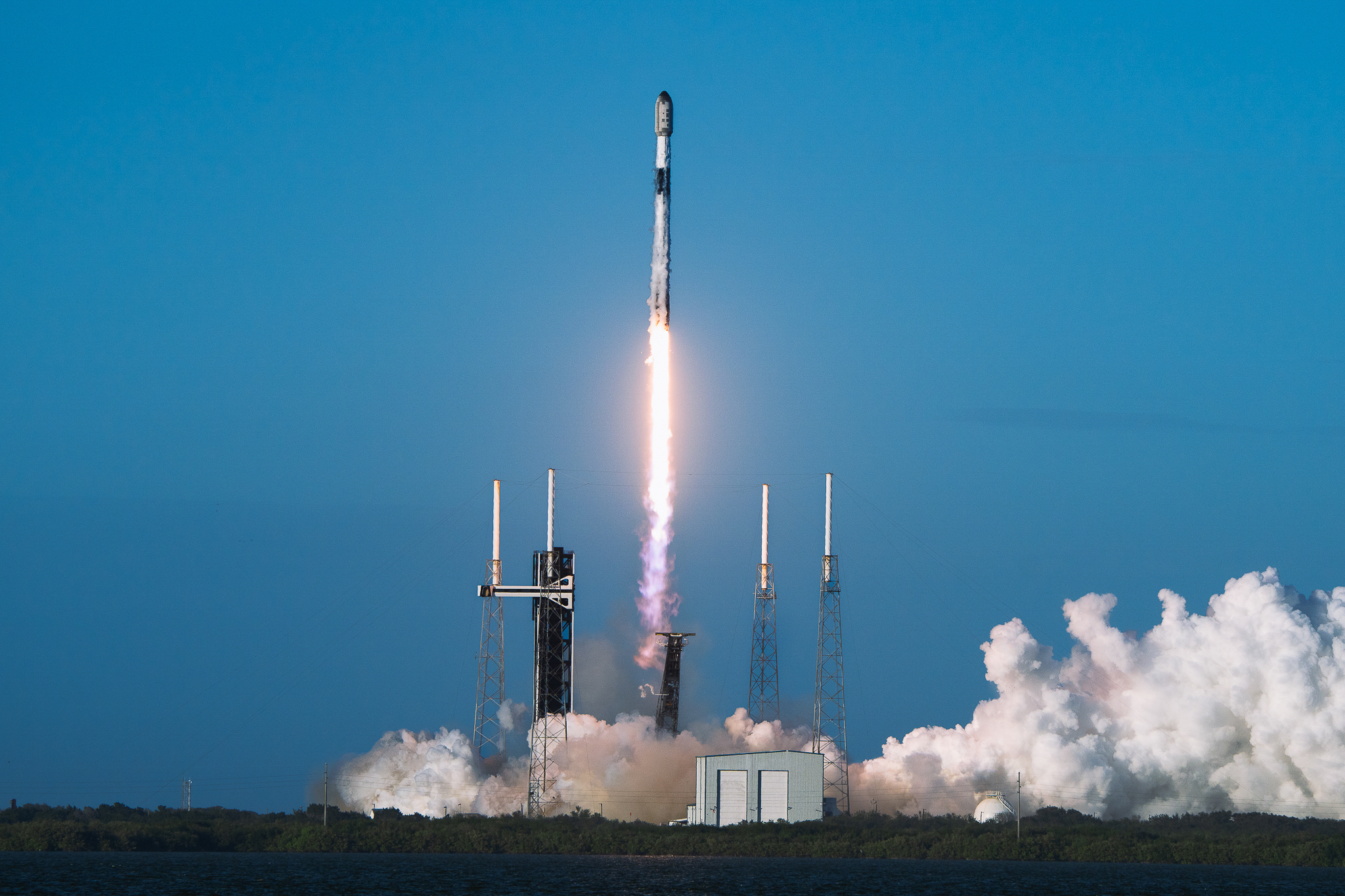
Tesla and SpaceX CEO Elon Musk debunked the latest rumors about the space exploration company’s initial public offering (IPO), which has been the subject of a wide array of speculation over the last few weeks.
With SpaceX likely heading to Wall Street to become a publicly-traded stock in the coming months, there is a lot of speculation surrounding how it will happen, whether the company will potentially combine with Tesla, and more.
Tesla and SpaceX to merge in 2027, Wall Street analyst predicts
But the latest rumors have to do with where SpaceX will list the stock.
Musk has swiftly put to rest circulating reports suggesting that SpaceX would exclude popular retail brokerages Robinhood and SoFi from its highly anticipated initial public offering.
In a direct response posted on X on March 31, Musk stated simply, “These reports are false,” addressing widespread speculation fueled by a Reuters article.
These reports are false
— Elon Musk (@elonmusk) March 31, 2026
The Reuters report, published March 30, claimed that Morgan Stanley’s E*Trade was in talks to lead the sale of SpaceX shares to small U.S. investors.
Sources indicated that Robinhood and SoFi, despite pitching for roles, faced potential exclusion from the retail allocation, with Fidelity also competing for a piece of the action. The story quickly spread across financial media, raising concerns among retail investors eager to participate in what could be one of the largest IPOs in history.
SpaceX has a reported valuation nearing $1.75 trillion, and Musk’s plan to allocate up to 30 percent of shares to individual investors — far above the typical 5-10% — had generated massive excitement.
Musk’s concise denial immediately calmed the narrative. The original X post quoting the rumor garnered significant engagement, with users expressing relief that everyday investors would not be sidelined.
This episode reflects Musk’s hands-on approach to SpaceX’s public debut.
Earlier reporting revealed plans for an unusually large retail slice to leverage Musk’s dedicated fan base and stabilize post-IPO trading. SpaceX aims to file potentially as early as this period, building on momentum from its Starship program and Starlink growth.
The IPO could mark a transformative moment, potentially elevating Musk’s status further while democratizing access to a company long reserved for accredited investors and institutions.
The rumor’s quick debunking also revives debates about retail access in high-profile listings. Robinhood gained popularity during the 2021 meme-stock surge but faced criticism for past trading restrictions.
SoFi has positioned itself as a modern financial platform for younger investors. Excluding them could have limited participation from tech-savvy retail traders who form a core part of Musk’s supporter base across Tesla and SpaceX.
While details remain fluid, Musk’s intervention reinforces commitment to broad accessibility. As preparations advance, investors await official filings. For now, the message is clear: rumors of restricted retail access were overstated, keeping the door open for widespread participation in SpaceX’s public chapter.
This development comes amid broader market enthusiasm for space and technology stocks. Musk’s transparency through X continues to shape public perception, distinguishing SpaceX’s path from traditional Wall Street norms. With retail allocation potentially reaching 30 percent, the IPO promises to be both commercially massive and culturally significant.
Investor's Corner
Tesla and SpaceX to merge in 2027, Wall Street analyst predicts
The move, Ives argues, is no longer a distant possibility but a logical next step, fueled by deepening operational ties, shared AI ambitions, and Elon Musk’s vision for dominating the next era of technology.
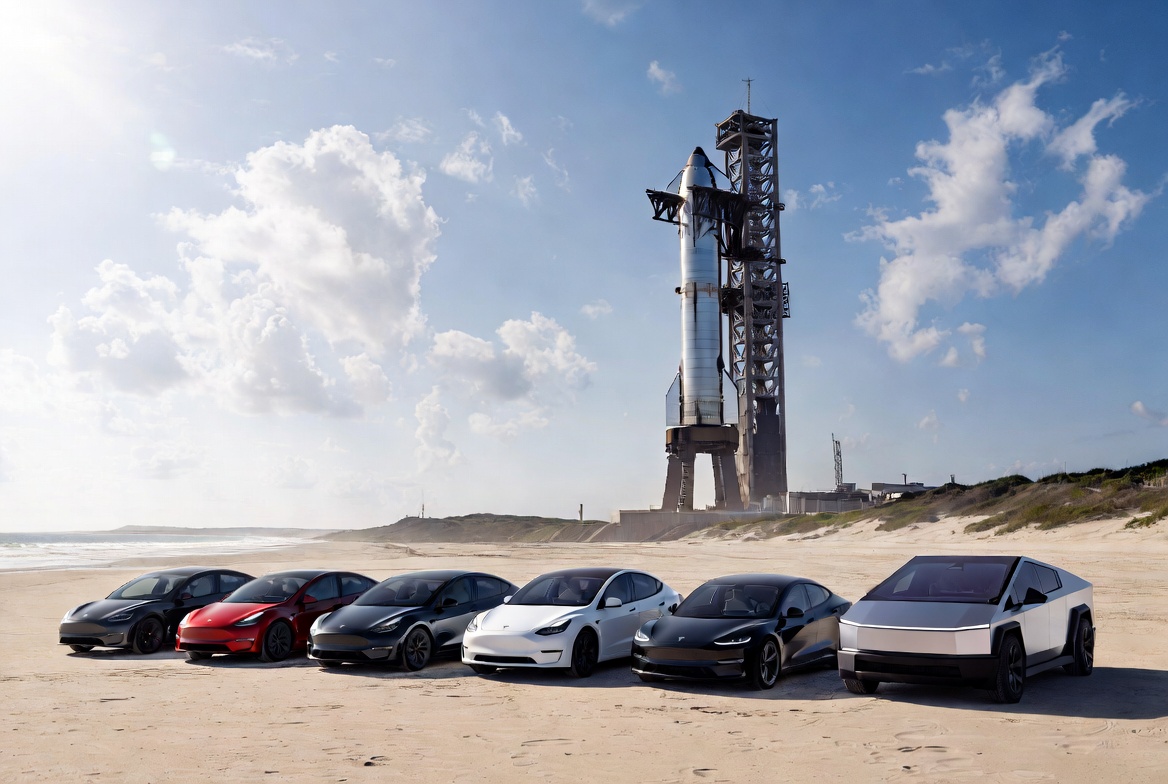
Tesla and SpaceX are two of Elon Musk’s most popular and notable companies, but a new note from one Wall Street analyst claims the two companies will become one sometime next year, as 2027 could see the dawn of a new horizon.
In a bold new research note, Wedbush analyst Dan Ives has reaffirmed his long-standing prediction: Tesla and SpaceX will merge in 2027.
The move, Ives argues, is no longer a distant possibility but a logical next step, fueled by deepening operational ties, shared AI ambitions, and Elon Musk’s vision for dominating the next era of technology.
He writes:
“Still Expect Tesla and SpaceX to Merge in 2027. We continue to believe that SpaceX and Tesla will eventually merge into one company in 2027 with the groundwork already in place for both operations to become one organization. Tesla already owns a stake in SpaceX after the company’s $2 billion investment in xAI got converted to SpaceX shares following SpaceX’s acquisition of xAI earlier this year initially tying both of Musk’s ventures closer together but still represents <1% of SpaceX’s expected valuation. The recent announcement of a joint Terafab facility between SpaceX and Tesla further ties both operations together making it more feasible to merge operations given the now existing overlap being built out across the two with this the first step.”
The groundwork is already being laid. Earlier this year, SpaceX acquired xAI, converting Tesla’s $2 billion investment in the AI startup into a small equity stake, less than 1 percent, in SpaceX.
Regulatory filings cleared the transaction in March 2026, formally linking the two Musk-led companies financially for the first time. Then came the announcement of a joint TERAFAB facility in Austin, Texas: two advanced chip factories, one dedicated to Tesla’s AI needs for vehicles and Optimus robots, the other targeting space-based data centers.
Elon Musk launches TERAFAB: The $25B Tesla-SpaceXAI chip factory that will rewire the AI industry
Ives calls Terafab the “first step” toward full operational integration.
SpaceX’s impending IPO, expected as soon as mid-June 2026, will turbocharge these plans. The company aims to raise approximately $75 billion at a roughly $1.75 trillion valuation, far exceeding earlier estimates.
Proceeds will fund Starship rocket flights, a NASA-contracted lunar base, expanded Starlink services across maritime, aviation, and direct-to-mobile applications, and crucially, orbital AI infrastructure
A major driver is the exploding demand for AI compute. U.S. data centers are projected to consume 470 TWh of electricity by 2030, constrained by power grids and land.
🚨 Wedbush’s Dan Ives says that Tesla and SpaceX will merge in 2027. SpaceX will IPO soon, his new note says:
“According to media reports, SpaceX could file a prospectus for an IPO imminently with the goal of raising ~$75 billion above the prior expectation of ~$50 billion…
— TESLARATI (@Teslarati) March 27, 2026
SpaceX’s strategy, launching millions of solar-powered satellites to host data centers in orbit, bypasses Earth’s energy bottlenecks. Solar energy captured in space avoids atmospheric losses and day-night cycles, offering a scalable solution for AI training and inference.
The xAI acquisition ties directly into this vision, positioning the combined entity as a leader in extraterrestrial computing.
The merger would create a formidable conglomerate spanning electric vehicles, robotics, satellite communications, human spaceflight, and defense.
Ives highlights SpaceX’s role in the Trump administration’s “Golden Dome” missile defense shield, which would leverage Starlink satellites for tracking.
For Tesla, access to SpaceX’s launch cadence and orbital assets could accelerate autonomous driving, Robotaxi fleets, and Optimus deployment.
Musk, who has signaled his desire to own roughly 25 percent of Tesla to steer its AI future, views the combination as essential to overcoming fragmented regulatory scrutiny from the FTC and DOJ.
Challenges remain. Antitrust hurdles could delay or reshape the deal, and shareholder approvals on both sides would be required. Yet Ives remains bullish, maintaining an Outperform rating on Tesla with a $600 price target, implying substantial upside from current levels. The analyst sees the merger as the “holy grail” for consolidating Musk’s disruptive tech empire.
If realized, a 2027 Tesla-SpaceX union would not only reshape corporate boundaries but redefine humanity’s trajectory in AI and space exploration. It would mark the moment two pioneering companies become one unstoppable force, pushing the limits of what’s possible on Earth and beyond.

Tesla’s Q1 delivery figures show Elon Musk was right

Tesla reports Q1 deliveries, missing expectations slightly

NASA sends humans to the Moon for the first time since 1972 – Here’s what’s next

Elon Musk says Tesla is developing a new vehicle: ‘Way cooler than a minivan’

Elon Musk launches TERAFAB: The $25B Tesla-SpaceXAI chip factory that will rewire the AI industry


