News
Tesla Track Mode V2 turns the Model 3 Performance into a more potent racing beast

Tesla will be rolling out Track Mode V2 as a free over-the-air (OTA) update to all Model 3 Performance owners who purchase the company’s race-focused Track Package.
Track Mode V2 introduces a deeper level of customizations and settings for Model 3’s Handling Balance, Stability Assist, and Regenerative Braking. Also included in Tesla’s second-generation Track Mode are features geared for Post-Driving Cooling, Compressor Overclock, and even one that acts as an onboard lap recorder.
The electric carmaker invited select Tesla owners and vloggers to a secret event last month at the Thunderhill Raceway in Willow, a town about eight hours away from Los Angeles, California, to showcase what drivers can do with the Model 3 Track Package and Track Mode V2. YouTuber Salomondrin was one of the fortunate guests to try the new hardware package in combo with the improved Track Mode. The Track Mode V2, according to Alejandro of the Salamondrin YouTube channel, is a huge upgrade from the previous iteration. The new Tesla Track Mode allows you to personalize the settings so drivers can squeeze more performance out of the car while feeling safer as well.
“Tesla wants to show that these cars are not just meant to go on road trips. These cars are not just meant to be your daily. These cars are fun like crazy,” said Alejandro.
-

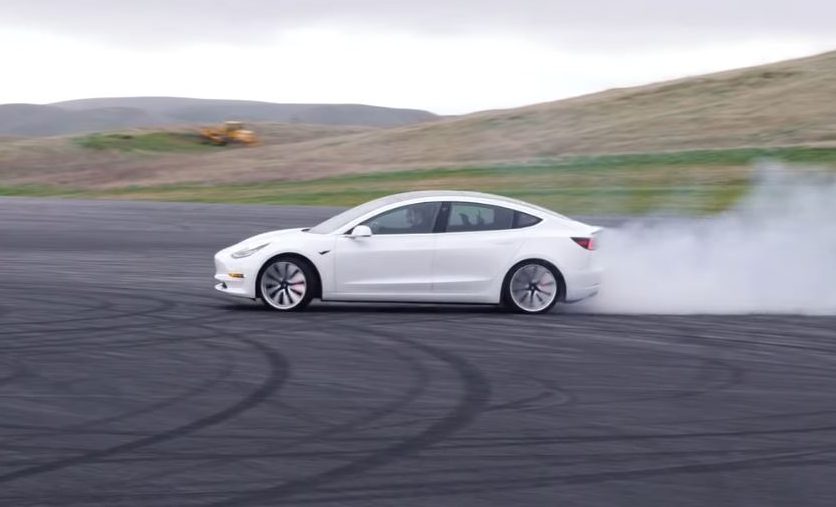
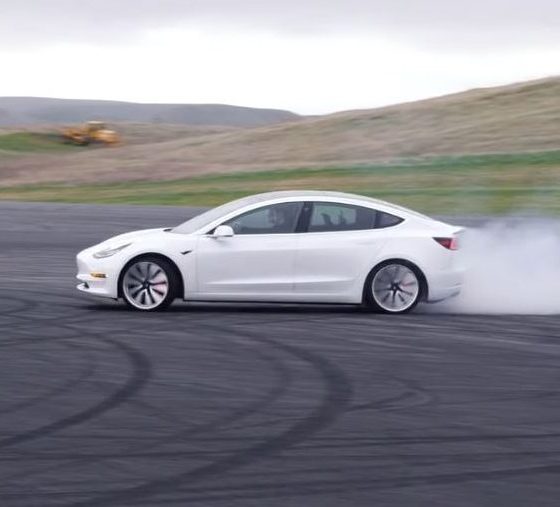
- Tesla Model 3 Track Mode V2 (Source: Salomondrin | YouTube)
-

- Tesla Model 3 Track Mode V2 (Source: Salomondrin | YouTube)
-

- Tesla Model 3 Track Mode V2 (Source: Salomondrin | YouTube)
-

- Tesla Model 3 Track Mode V2 (Source: Salomondrin | YouTube)
Tesla Track Mode V2 comes as a welcomed addition to any Tesla race car driver and veteran performance tuner like California-based Unplugged Performance. CEO Ben Schaffer, whose company’s race-tuned Tesla Model 3 Ascension-R has continued to set lap records with, tells Teslarati that Track Mode has empowered amateur racers to compete with some of the industry’s most notable performance cars.
“Software is so deeply rooted into the driving experience when racing any Tesla. Software is absolutely a key advantage of the Tesla platform, especially when more control is given to drivers to adjust settings to their liking. There is no question that V2 will instantly unlock faster lap times and allow more fun for all Tesla drivers of every level of skill and modification,” says Schaffer.
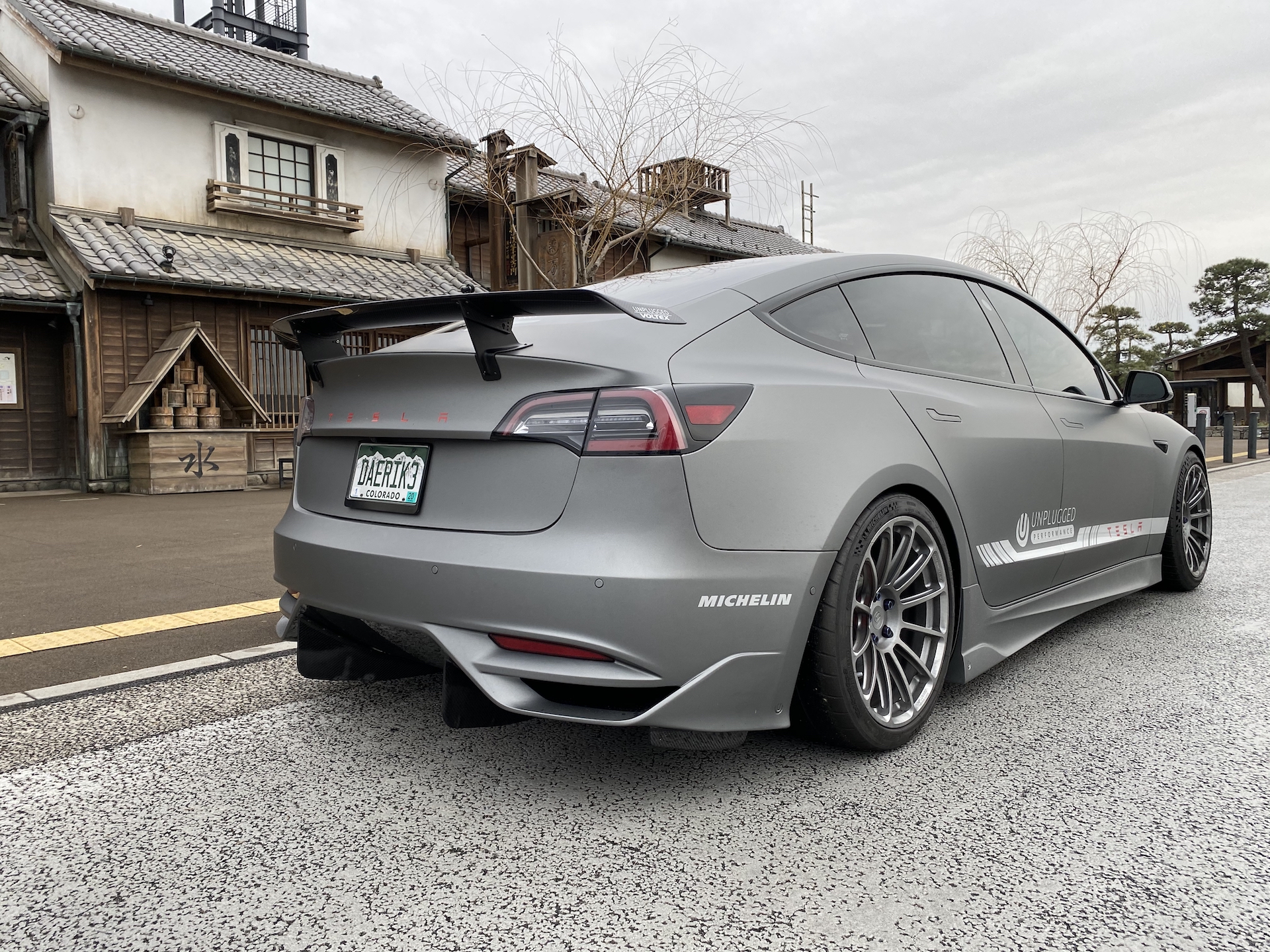
Tesla Track Mode V2
To access Tesla Track Mode, one can click the car icon on the touchscreen, then go to Driving, and then click Track Mode. A disclaimer would pop up reminding drivers that the Track Mode disables or restricts certain Driver Assistance features and vehicle functions and that it should not be used in public roads.
Track Mode V2 will provide vehicle statuses, including data for the powertrain, tire temperature, and G-Force.
Track Mode V2 Release Notes
Track Mode has been improved to make it easier to monitor the status of your car, create custom track mode settings profiles and record your track day data.
Monitor the status of your car motors, battery, brakes and tires, allowing you to adjust your driving in real time. G-meter, a real-time accelerometer, can now be viewed in the Cards area of the touchscreen. The map now displays a Lap Timer. Follow the onscreen instructions to place a start/finish pin on the map. At the completion of each lap, the Lap Timer displays the duration of the lap. It also displays the times associated with the previous and best laps in the driving session.
Track Mode allows you to save up to 20 Track Mode profiles to suit your preferences or driving scenario, or customize for a specific track. A new settings profile can be created by tapping Track Mode Settings > Add New Settings, entering a name for the settings profile, then adjusting settings including Handling Balance, Stability Assist, Regenerative Braking, Post-Drive Cooling and Compressor Overclock. Refer to the Owner’s Manual for more information regarding each setting.
You can now save a video and data of the Track Mode driving session to a plugged in USB flash drive which must contain a folder named “TeslaTrackMode” (without the quotation marks). When “Save Dashcam for Laps” is enabled, Track Mode stores a video of each lap in a driving session when using the Lap Timer. Track Mode also stores the car status and telemetry data including details about the vehicle’s position, speed, acceleration, and use of accelerator which is stored as a .CSV file on the USB flash drive.
“… fine-tuning control to get the rear bias, front bias however you like, and then stability and regen. Track Mode 2 was created for enthusiasts that just needed more control and Tesla went above and beyond here,” said YouTuber YouTuber EverythingApplePro who was also invited to test drive a Model 3 Performance with Track Mode Package and Track Mode V2 software.
“It’s well worth it. The amount of control you are given in the software is amazing. No manufacturer really gives you that amount of control where you can actually change a hundred percent to the rear and take away all the safety features. Beautiful experience.”
Tesla has not disclosed when the OTA update for the Track Mode V2 will roll out but the $5,500-Model 3 Track Package— which includes Zero-G Performance wheels, Michelin Pilot Sport Cup 2 tires, high-performance brake pads, track-focused brake fluid, center cups, pressure sensors, and lug nut covers– shipment is expected to begin in April.
Check out the Tesla Model 3 Track Mode V2 videos from Salomondrin and EverythingApplePro below:


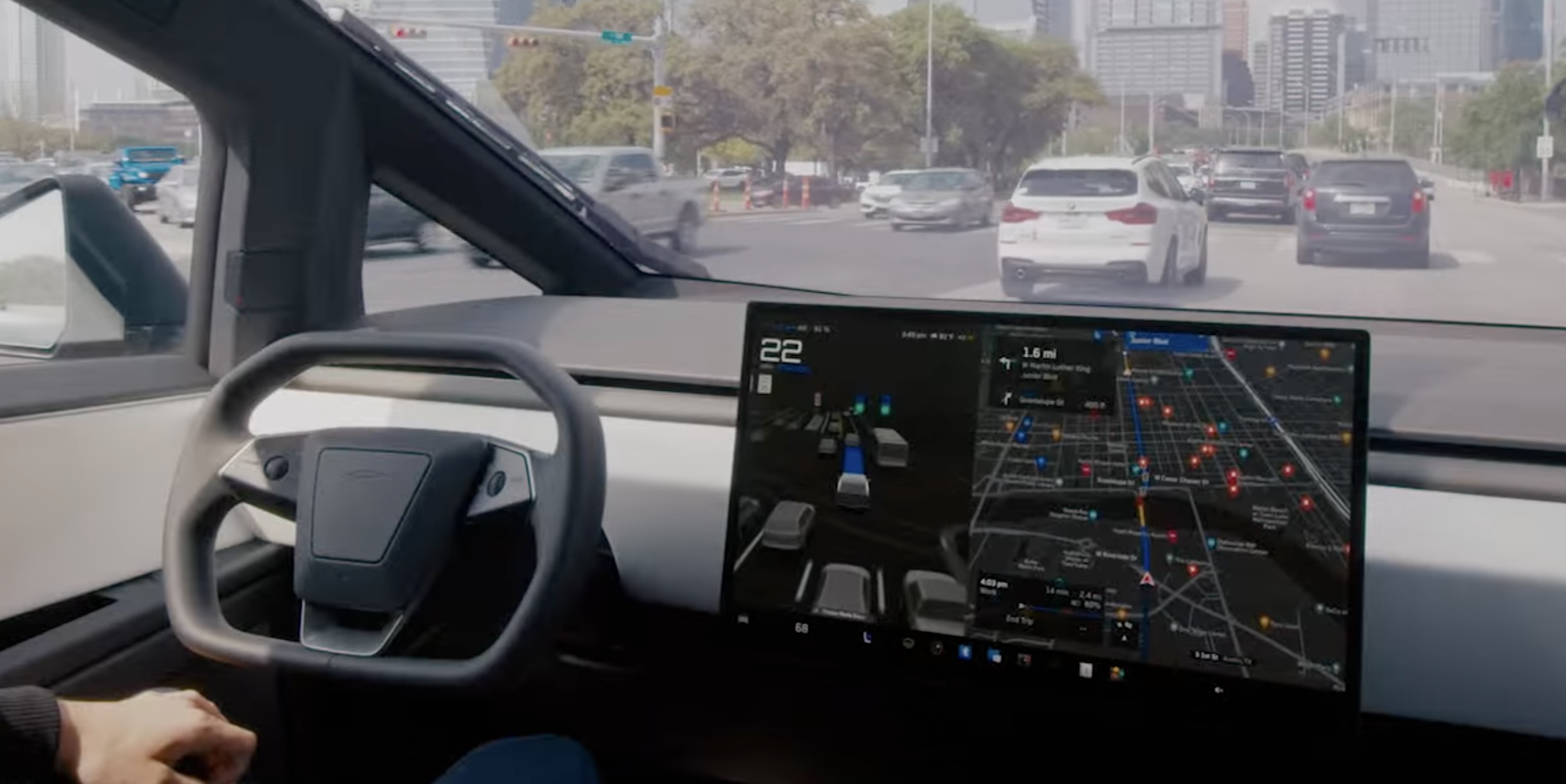
Tesla’s Automatic Collision Evasion feature can be seen in one of the first owner videos of it in action.
Tesla owner Spencer (@scotsrule08) posted on Monday that the feature “worked flawlessly,” saying FSD reengaged itself just as he was about to hit a curb. Ashok Elluswamy, who leads Tesla’s AI team, shared the clip and wrote, “A guardian angel always looking out for you.”
The video arrives in the middle of a staged rollout. Tesla first shipped Automatic Collision Evasion with FSD (Supervised) v14.3.9 in software update 2026.27.6 earlier this month, which Teslarati covered as it reached cars. Update 2026.27.10, which began going out on September 19, carried the feature improvements with FSD v14.3.10, according to release notes tracked by Not a Tesla App. The newer 2026.27.11 build is now reaching another wave of vehicles.
The new Automatic Collision Evasion feature worked flawlessly! FSD reengaged itself just as I was about to hit a curb.
Kudos @Tesla_AI team! 👏 pic.twitter.com/Fbp15HhpL2
— Spencer (@scotsrule08) September 28, 2026
The feature only runs on HW4 vehicles, and it requires an active FSD purchase or subscription with both FSD (Supervised) and Automatic Emergency Braking enabled. HW3 owners receive FSD v14.2 Lite in the same updates, but that build does not include collision evasion.
Tesla’s release notes describe two triggers. The first is an imminent frontal collision that braking alone may not prevent, in which case the car can activate FSD to steer, brake or accelerate around the hazard. That scenario is limited to highways below 85 mph, with no pedestrians or cyclists detected and no slippery road surface. The second covers a driver who appears inattentive, such as reaching into the back seat, or who seems to have switched off FSD by accident. Spencer’s curb clip appears to fall into that second category.
Tesla plans big safety improvements for Full Self-Driving v15
Once the system takes over, the accelerator is muted and light brake input will not cancel the maneuver. Drivers need to apply firm, deliberate steering force to take back control, and the car chimes to hand control back once the danger has passed.
Elluswamy recently noted that earlier hazard prediction, faster reaction time and better collision avoidance would arrive with FSD v15, the next major version.

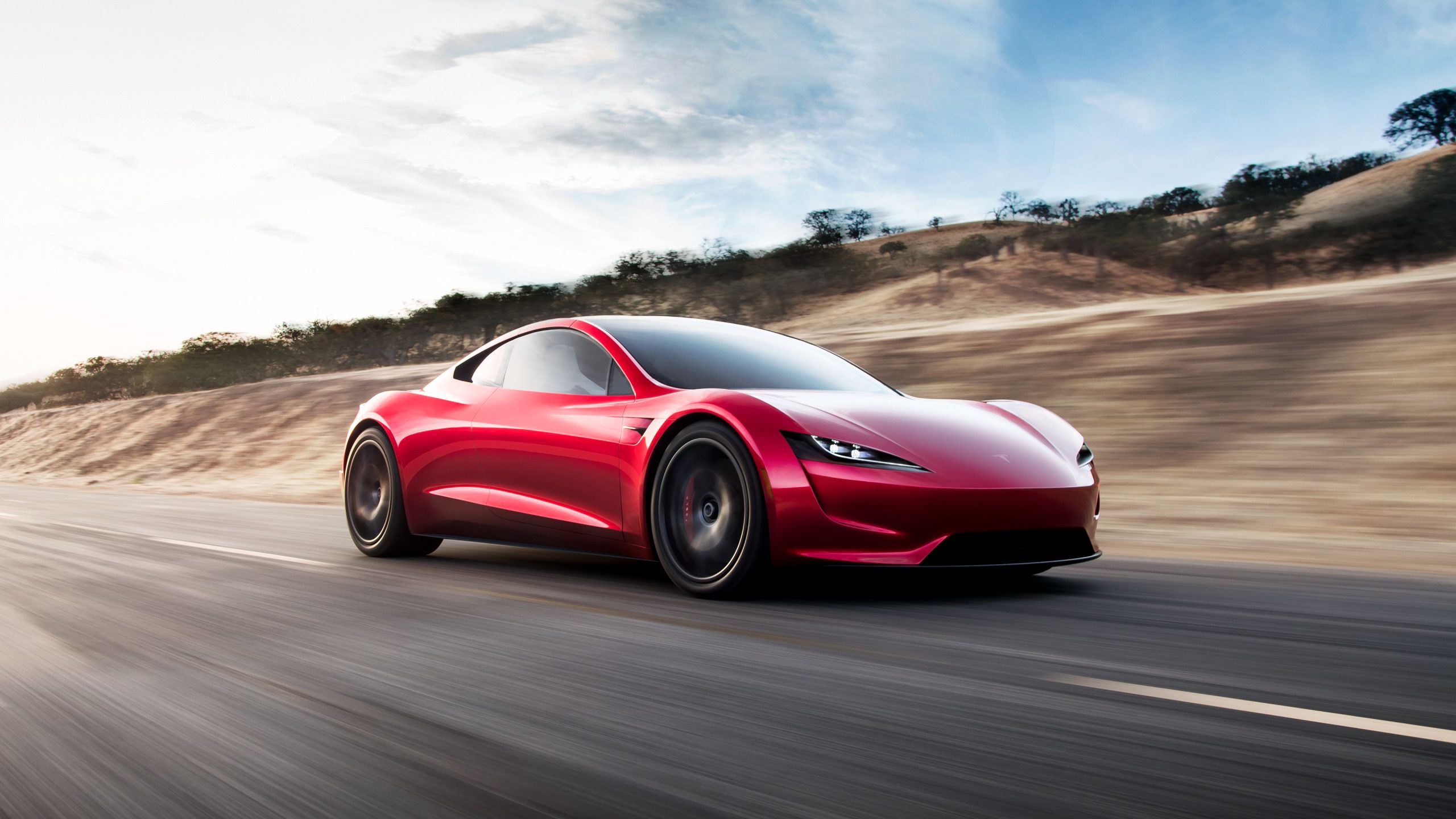
Tesla is delaying its event for the Roadster, moving it from this Thursday, October 1, to Thursday, October 15, due to unfavorable weather.
The company has said it has been tracking the weather for this Thursday closely with local meteorologists, and because the event can only be held outside, Tesla is making the call to delay it:
“We’ve been tracking the weather closely with local meteorologists, but given the severe conditions predicted & because this event can only be held outdoors, we’ve made the difficult decision to reschedule. New date is October 15. Additional details to follow.”
Roadster event update
We’ve been tracking the weather closely with local meteorologists, but given the severe conditions predicted & because this event can only be held outdoors, we’ve made the difficult decision to reschedule.
New date is October 15. Additional details to…
— Tesla (@Tesla) September 28, 2026
We are sure that this is bringing back PTSD for some Tesla fans, and we know it is not ideal, but this also reveals some things about the event. Tesla said that this can only be held outdoors, meaning it bodes well for the rumors that the vehicle could potentially hover.
Some believe that this was essentially confirmed by the FAA airspace restriction they were granted, but this could have been for a drone show or to keep drones from spying on the event.
Tesla Roadster is available for order once again following brief hold
The Roadster event has been long-awaited, and it is unfortunate that the weather is going to keep us all waiting a little bit longer.
The Tesla Roadster will be unveiled in Waco, Texas.
Elon Musk
SpaceX turned a heralding moment for Starship into its greatest
Starship reached orbit despite losing an engine, deployed 26 Starlink V3 satellites on Flight 14.

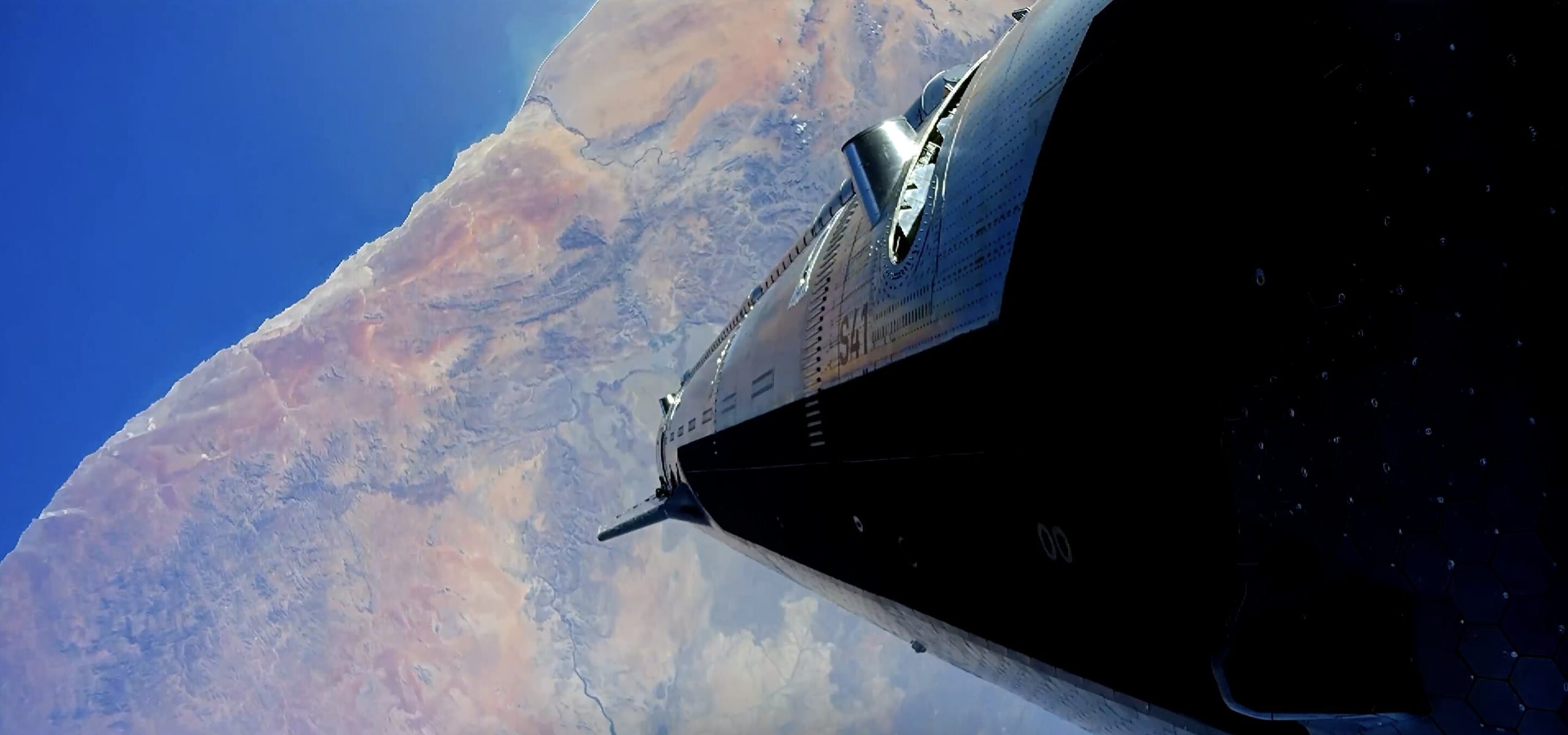
SpaceX’s Starship reached orbit for the first time on Monday, and for a few nail-biting minutes it looked like it wouldn’t. During ascent on Flight 14, one of Ship 41’s six Raptor engines shut down early, and SpaceX’s livestream host Dan Huot told viewers the team had decided not to commit to orbit. Minutes later, after what Huot described as a lot of conversation in the control room, the final poll came back in favor, and a roughly 19 second burn of a single Raptor pushed the ship into orbit about 170 miles up.
The reversal matters because SpaceX had written the exit ramp into the mission plan. The company said it would only fire the orbital insertion burn if flight controllers confirmed enough backup hardware remained for the deorbit burn, a condition Teslarati laid out ahead of the flight. Losing an engine was exactly the scenario that rule was built for.
Pressing forward fits Elon Musk’s history. Falcon 1 failed three straight times before its fourth launch reached orbit in 2008, with SpaceX nearly out of money, and Starship was developed by flying prototypes until they broke. What changed this year SpaceX going public, and with $SPCX sliding below its IPO price in July when Flight 13 slipped, the short interest climbed significantly, as Teslarati reported at the time. A Starship potentially lost today with revenue generating next-gen Starlink satellites aboard would have landed directly on shareholders.
Splashdown confirmed. Congratulations to the entire SpaceX team on the first orbital flight of Starship! pic.twitter.com/urjmiwnvNl
— SpaceX (@SpaceX) September 28, 2026
That pressure showed up after orbit. SpaceX cut a flight planned to last nearly 10 hours to about three, moving splashdown from west of Chile to the North Pacific near Hawaii. SpaceX gave no reason, though Musk said this month the company was being extremely cautious about debris risk. The single Raptor for deorbit worked, and Ship 41 completed its flip and landing burn before breaking apart in the water, an outcome SpaceX expected. Musk has structured SpaceX’s governance to shield long term bets from market pressure.
The payload is the bigger business story. Musk posted that all 26 Starlink V3 satellites deployed and are “operating nominally.” Each V3 is rated for about 1 Tbps of downlink and 160 Gbps of uplink, so this single launch adds roughly 26 Tbps, about 10 times what a Falcon 9 load of V2 Mini satellites adds. The V3 is too large for Falcon 9, making Starship the only vehicle that can build out the planned 100,000 satellite constellation, at up to 60 per flight once it reaches routine service. Unlike the 20 V3 units on Flight 13, which reentered on a suborbital path, these will raise their orbits and could begin serving customers within weeks and bring in hundreds of millions of additional dollars in projected Starlink revenue.
SpaceX has already begun winding down Falcon 9 Starlink launches from Florida in favor of Starship. Reported targets put Flight 15 as early as October 19, leaving about three weeks to diagnose Monday’s engine shutdown before the next orbital attempt.
Starship’s 14th flight is set to launch on Monday, Sept 28. The 75-minute launch window opens at 7:15 a.m. CT. Live coverage of the mission starts ~35 minutes before launch → https://t.co/uQKQvgaTmJ
— SpaceX (@SpaceX) September 27, 2026

Watch Tesla’s “guardian angel” FSD feature take over for collision evasion

Tesla Roadster event gets delayed due to unfavorable weather


