SpaceX
SpaceX Crew Dragon joins Falcon 9 for last mate before astronaut launch debut

NASA and SpaceX are less than two weeks away from the first crewed mission to launch from U.S. soil in nearly a decade. But there’s still work to do before the craft blasts off towards the International Space Station.
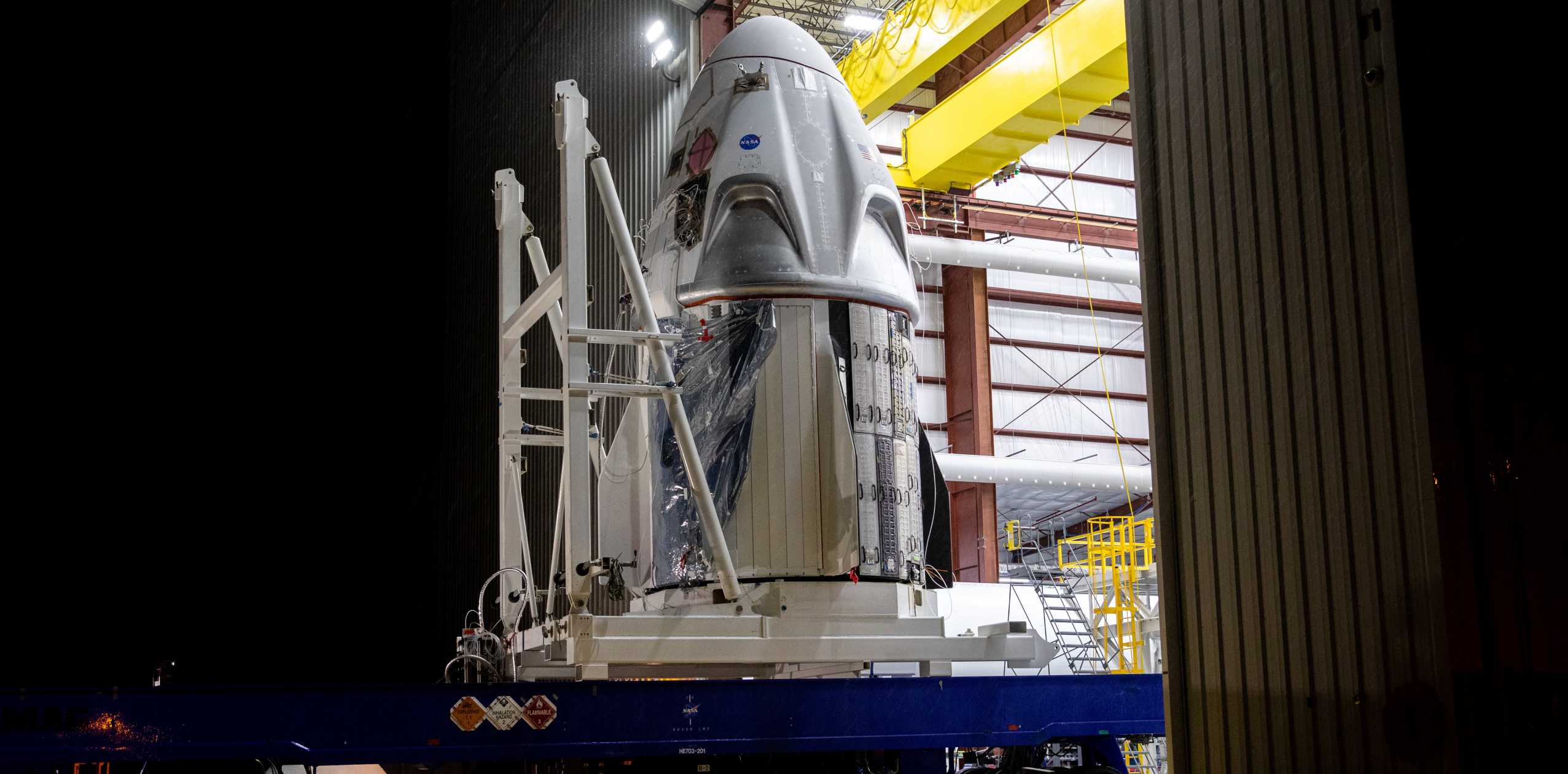
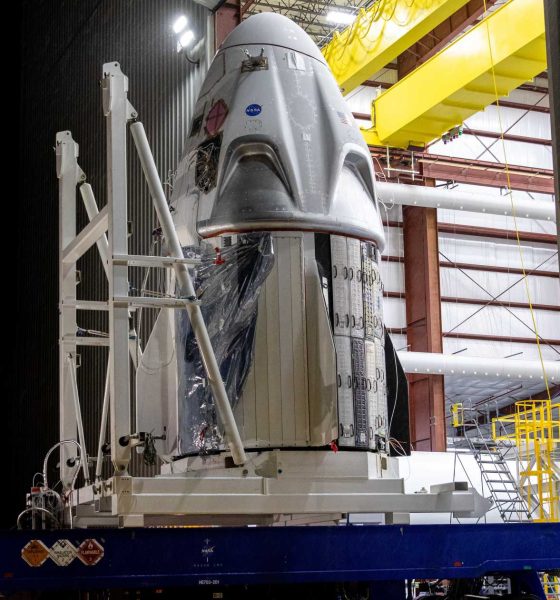
On Friday, May 15, the Crew Dragon spacecraft journeyed from a fueling facility at Cape Canaveral’s Air Force Station to launch pad 39A at NASA’s Kennedy Space Center. Tucked inside the SpaceX hangar, the craft will undergo testing and checkouts before being attached to it Falcon 9 launcher in a few days.
The Dragon was filled up with hypergolic fuel (hydrazine and nitrogen tetroxide), which its built-in escape system and onboard thrusters use to maneuver.
Liftoff is scheduled for May 27 at 4:33 p.m. EDT (2033 UTC). At that time, NASA astronauts Bob Behnken and Doug Hurley will rocket towards space, and synch up with the space station less than 24 hours later. During their time on orbit, the duo will put the Crew Dragon’s systems to the test.
Hurley will get to manually pilot the autonomous spacecraft, ensuring the control systems are working as expected. Then the spacecraft will begin the docking process. But before Dragon can attach itself to the space station, it has to be prepped for launch.
-
- The SpaceX Crew Dragon spacecraft arrives at Launch Complex 39A at NASA’s Kennedy Space Center in Florida, transported from the company’s processing facility at Cape Canaveral Air Force Station on Friday, May 15, 2020, in preparation for the Demo-2 flight test with NASA astronauts Robert Behnken and Douglas Hurley to the International Space Station for NASA’s Commercial Crew Program. Crew Dragon will carry Behnken and Hurley atop a SpaceX Falcon 9 rocket, returning crew launches to the space station from U.S. soil for the first time since the Space Shuttle Program ended in 2011. (NASA – Kim Shiflett, 05/15/20)
-
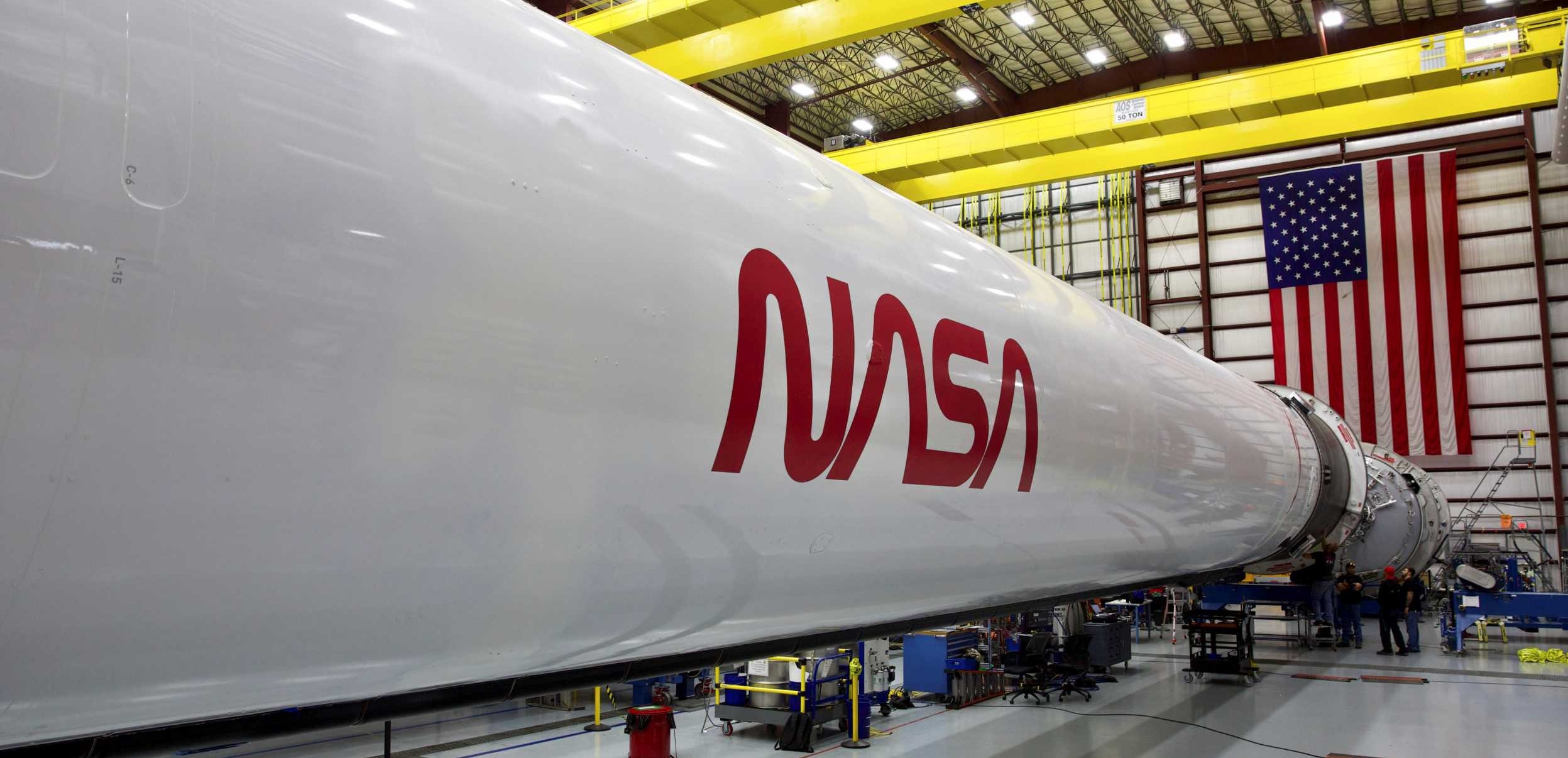
- Assigned to support Crew Dragon’s inaugural NASA astronaut launch, Falcon 9 booster B1058 is pictured here at Pad 39A on April 1st, 2020. (SpaceX)
-
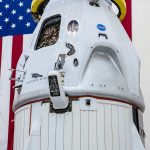
- Crew Dragon C206 was installed on its trunk by May 1st, one month before launch. (SpaceX)
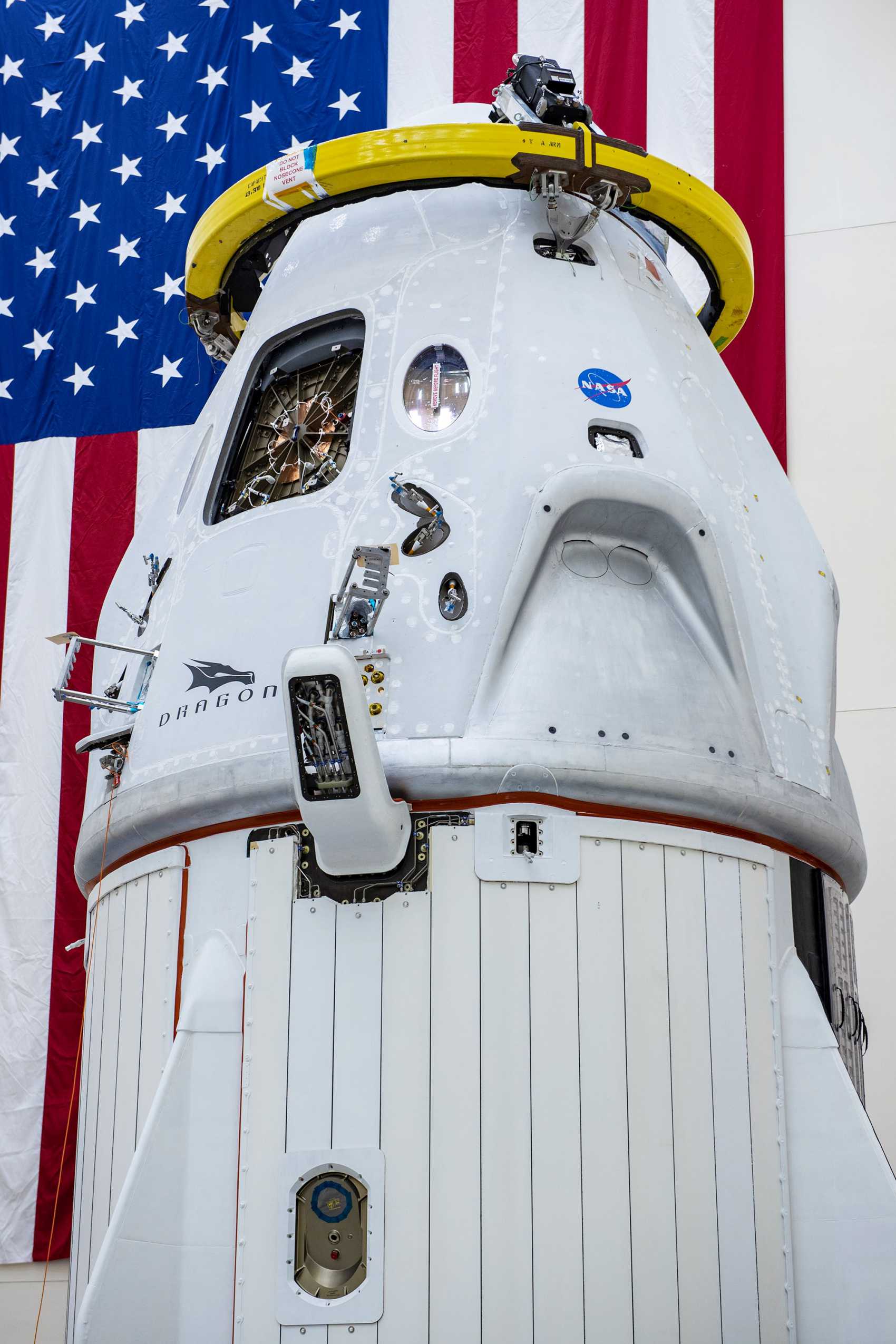
This week, SpaceX crews will inspect the Dragon’s electrical and mechanical attachments before attaching it to the Falcon 9. Using a massive crane, the crew will hoist the Dragon onto the rocket. The duo will then be loaded onto SpaceX’s transporter and make the trek up to the launch pad.
Hurley and Behnken know this pad well. Both astronauts flew their previous missions after launching from this pad. The crew is set to make the trip to Kennedy this week, arriving on May 20. They’ve been in official mission quarantine since May 13, although the duo has quarantined with each other for several weeks now, with minimal contact with other non-essential staff members.
Once the Dragon and Falcon are on the launch pad, SpaceX engineers will take some time to inspect and examine the vehicles before putting the Falcon through some routine pre-launch testing, including a fueling run and a static fire test.
The next major hurdle before launch will be a flight readiness review, which will take place on May 21. If that goes as planned, there will be a final launch readiness review on May 25th. In the meantime, after they arrive at the launch site, Behnken and Hurley will undergo some last-minutes training, make sure their spacesuits are fitting correctly, and do a full launch practice run on Saturday, May 23.
According to NASA, there is still a lot of work to be done ahead of the May 27th launch date, but currently, everything is on schedule. Once on station, Behnken and Hurley will stay up to four months on the orbital outpost before returning to Earth.



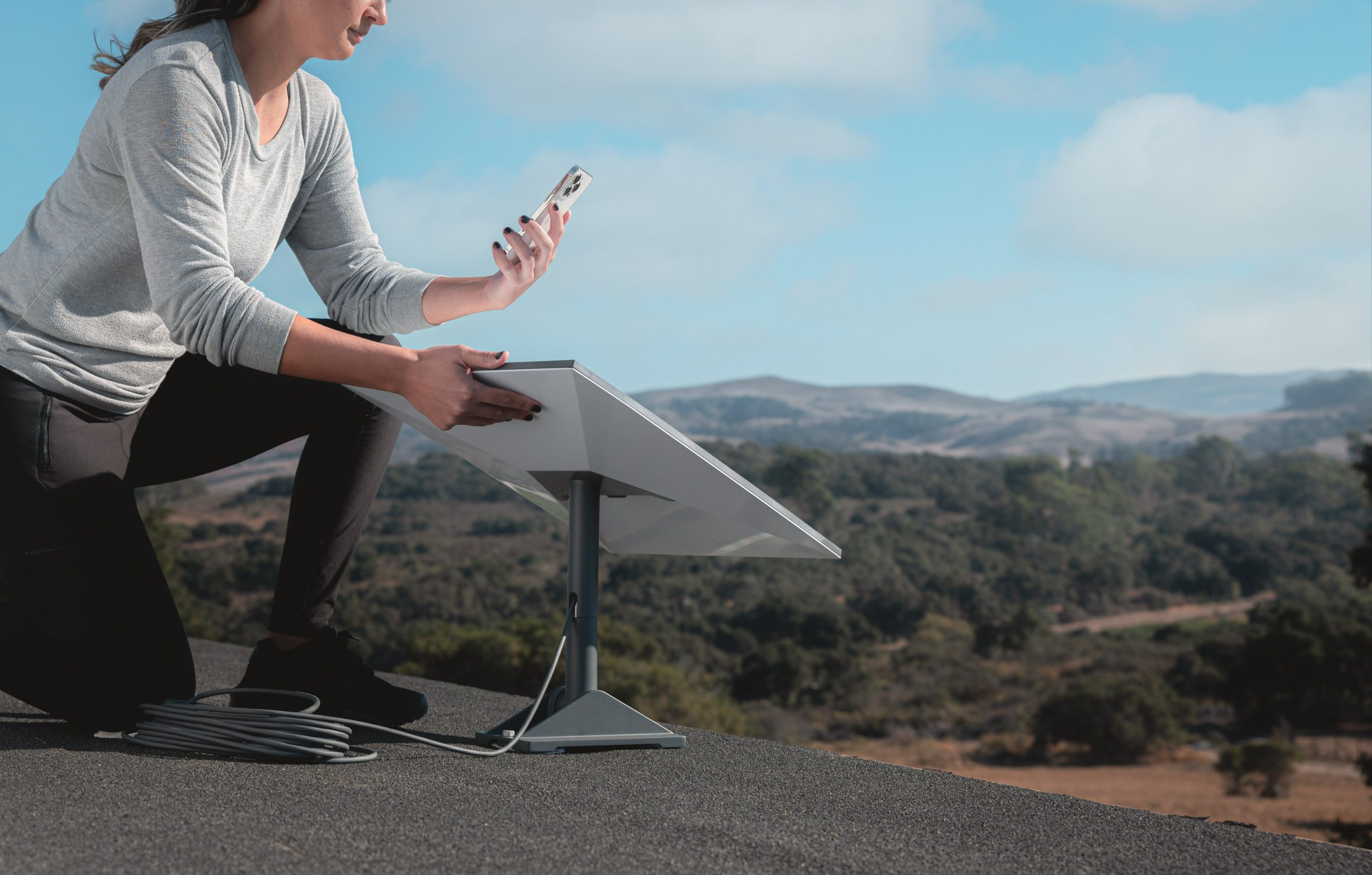
Starlink is launching a new beta path for ordinary property owners and local operators to turn a single Starlink kit into a small shared-access business for passive income.
Under the Starlink for Communities program, a host installs one dish and router setup in a location with nearby demand: an apartment complex, campground, rural crossroads, or event site. Neighbors or local users can buy short-term passes rather than full individual subscriptions, giving the Starlink provider a potential path to passive income.
Hour, day, and week passes cover one device. A month pass covers up to four. Starlink handles account creation, payments, access controls, and the satellite link itself. The host’s role is mainly placement, power, and basic upkeep, with earnings tied to each paid connection.
Big news! SpaceX is introducing a new @Starlink for Communities program that lets you earn money by providing Starlink internet to your neighbors or people nearby, who can pay for access by the hour, day, week, or month.
Neighbors pay for the access they need, while the person… pic.twitter.com/DtOUs0Ekvt
— Sawyer Merritt (@SawyerMerritt) October 1, 2026
The model echoes the passive-income vision long attached to Tesla’s Robotaxi plans, and it seems like it’s something Musk has hinted toward in the past as he believes AI will make the need to work relatively optional. In both cases, the platform owns the hard parts of matching, billing, and network management, while an individual supplies a physical asset that sits idle much of the time.
A Starlink host’s dish can serve multiple nearby users without each household buying and installing its own terminal. A Tesla owner, under the stated Robotaxi concept, would leave a vehicle enrolled in the fleet during unused hours so the car generates rides while the owner is at work or asleep.
Both arrangements convert under-utilized hardware into a revenue stream. They also let the company scale coverage or capacity without owning every endpoint.
Differences are practical. A Starlink kit is a fixed, relatively low-cost terminal whose main constraint is local congestion and line-of-sight. A Tesla Robotaxi is a mobile, high-value vehicle whose earnings depend on demand density, utilization rates, insurance, cleaning, and charging.
Starlink’s program is already accepting host applications in multiple countries and describes the revenue split as ongoing. Tesla’s owner-network version remains more aspirational.
The company currently operates a limited company-controlled robotaxi service in select areas and has solicited interest from fleet buyers for Cybercab vehicles, while private Full Self-Driving owners have not yet been able to dispatch their own cars for paid rides at scale.
Tesla primes Cybercabs for 4K streaming and high bandwidth gaming with Starlink integration
Starlink is a satellite broadband service operated by SpaceX that uses a constellation of low-Earth-orbit satellites to deliver internet to locations where terrestrial broadband is slow, expensive, or absent. It has grown to millions of subscribers worldwide by selling direct residential, mobile, and enterprise terminals, and have become widely available at a wide array at retail locations like Target and Best Buy.
The Communities program extends that reach by letting hosts resell short bursts of capacity to people nearby, while also providing high-speed internet access to those who are simply around a Starlink user.
News
SpaceX’s midnight spy satellite launch quietly set a new record
Falcon Heavy launched its first NRO mission while SpaceX landed four boosters in one day.

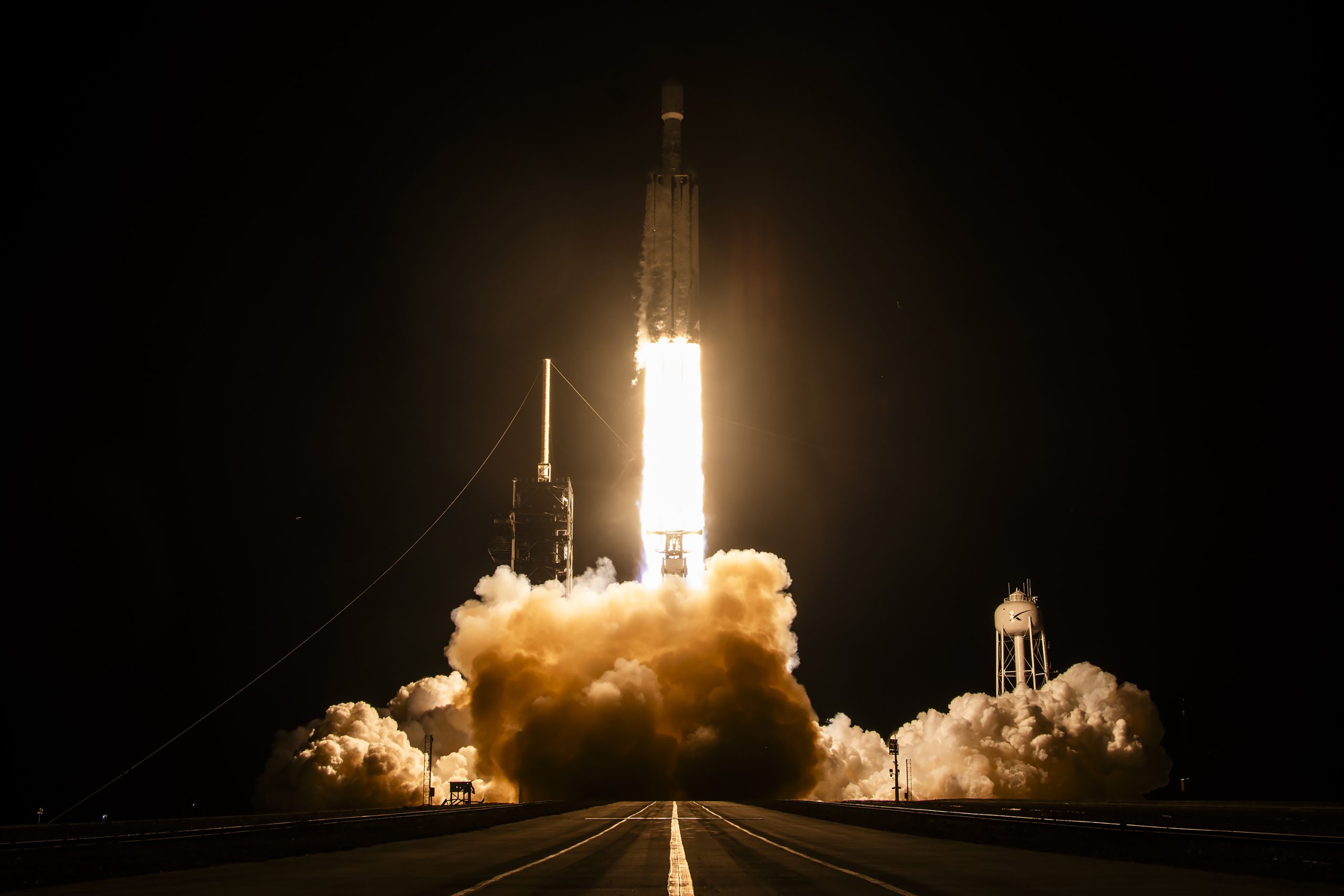
SpaceX closed out one of its busiest days ever with a midnight Falcon Heavy launch from Florida, and the rocket’s two side boosters came home to finish off a landing record the company had never set before.
Falcon Heavy lifted off from Launch Complex 39A at NASA’s Kennedy Space Center at 11:54 p.m. ET Thursday carrying NROL-97, a classified payload for the National Reconnaissance Office. It was the first time the NRO has flown on Falcon Heavy after 22 missions on Falcon 9, and the first NRO mission bought through the National Security Space Launch Phase 3 Lane 2 contract awarded in 2025, according to Spaceflight Now.
Falcon Heavy lifts off from pad 39A in Florida for the 14th time! pic.twitter.com/uuZLKNTdD7
— SpaceX (@SpaceX) October 2, 2026
Roughly eight minutes after liftoff, side boosters B1104 and B1072 touched down at Landing Zones 1 and 2 at Cape Canaveral Space Force Station, setting off double sonic booms across Brevard County. B1104 was flying for the second time and B1072 for the fourth. Both last flew on August 30 on NASA’s Nancy Grace Roman Space Telescope, making NROL-97 the quickest turnaround between Falcon Heavy missions to date. The brand new center core, B1106, was expended in the Atlantic so the payload could reach its high energy orbit, and SpaceX’s mission page noted the fairing had previously flown on the NROL-95 mission in July.
The two landings capped a record for SpaceX. Earlier Thursday, Falcon 9 booster B1101 returned to Landing Zone 40 after sending the Crew-13 astronauts to the International Space Station, and another Falcon 9 launched the Transporter-18 rideshare with 130 payloads from Vandenberg Space Force Base in California. Spaceflight Now reported it was the first time SpaceX has landed four boosters in a single day, wrapping up the triple header Teslarati previewed on Wednesday.
Falcon Heavy’s side boosters land on LZ-1 and LZ-2 pic.twitter.com/dBPcNeggFx
— SpaceX (@SpaceX) October 2, 2026
The mission also brought Landing Zone 1 back for what may be its final landing. SpaceX first landed an orbital class booster there in December 2015, but its lease on the former Launch Complex 13 site ended in 2025 as the company moved Florida landings to new pads at its own launch complexes. With LZ-40 already holding the Crew-13 booster, SpaceX brought LZ-1 back into service for one more night. Launch tracker Next Spaceflight listed NROL-97 as the final expected landing at the site.
NROL-97 adds to a fast growing stack of national security work for SpaceX. The company has flown four Space Force missions from Vandenberg since mid August, several believed to carry Starshield satellites, pushing its Pentagon contract total for 2026 past $8 billion. Elon Musk was also named this week to help lead the Pentagon’s Project Meridian study on the future of warfare.
The Florida doubleheader stood out for another reason. The Space Coast saw only one launch in all of September as SpaceX shifts more of its East Coast infrastructure toward Starship, which reached orbit for the first time on Flight 14 just three days earlier.
Elon Musk
SpaceX nails “Lucky 13” astronaut launch, leaning into Tesla tradition and superstition
SpaceX launched Crew-13 astronauts to the ISS Thursday, setting up a record fast Dragon docking.
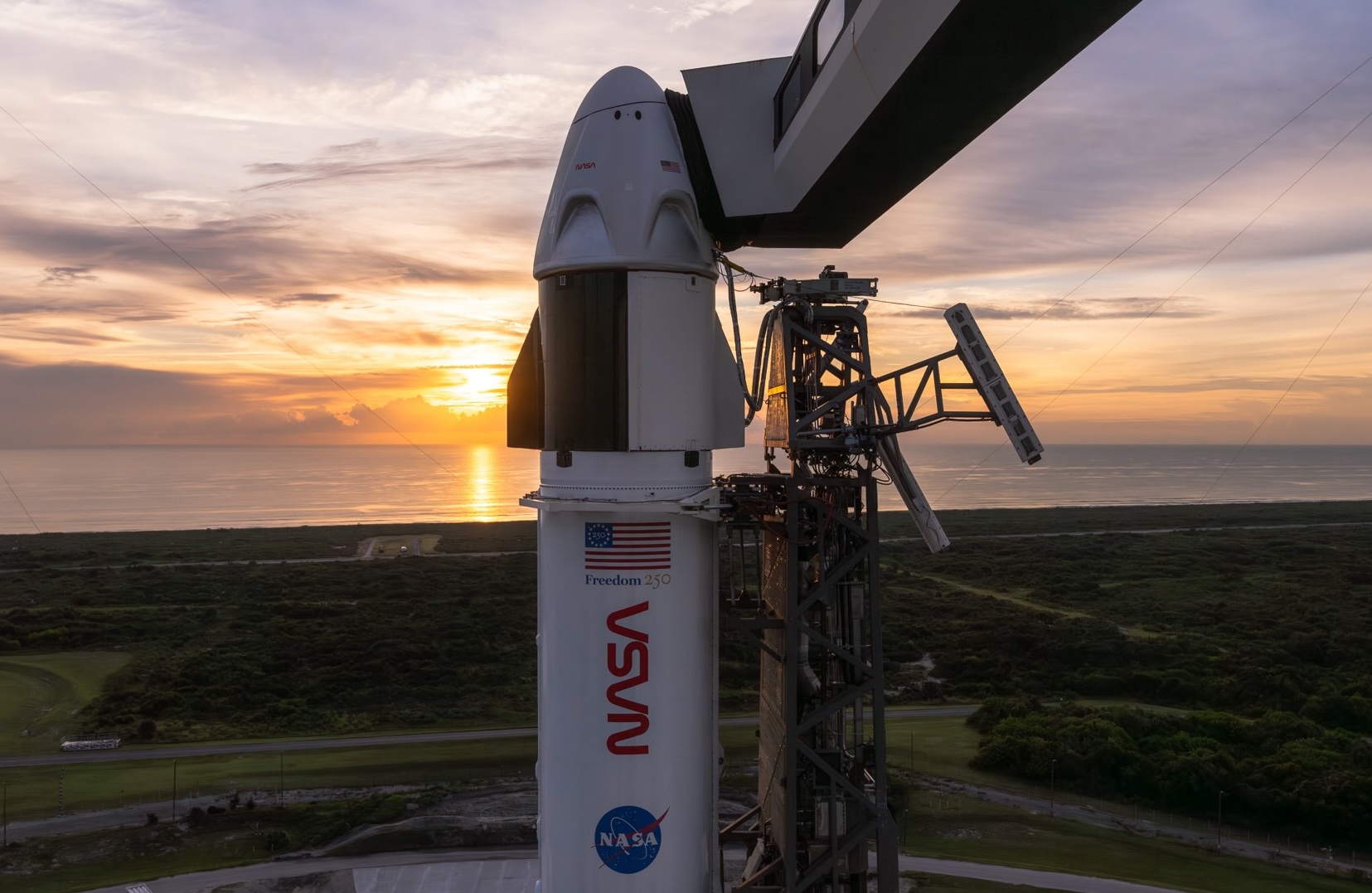
SpaceX launched NASA’s Crew-13 mission to the International Space Station on Thursday morning, getting four astronauts to orbit despite a forecast of thunderstorms and gusty winds that had threatened to push the flight to Friday.
Falcon 9 lifted off from Space Launch Complex 40 at Cape Canaveral Space Force Station at 11:10 a.m. ET carrying Dragon Grace, NASA confirmed. On board are NASA commander Jessica Watkins, NASA pilot Luke Delaney, Canadian Space Agency astronaut Joshua Kutryk and Roscosmos cosmonaut Sergey Teteryatnikov. The first stage booster, B1101, landed at Landing Zone 40 beside the pad on its third flight after previously supporting Crew-12 and a Starlink mission.
Liftoff of Crew-13! pic.twitter.com/vteT0DXMTh
— SpaceX (@SpaceX) October 1, 2026
It was the first spaceflight for Delaney, Kutryk and Teteryatnikov. Watkins, who flew on Crew-4 in 2022, became the first NASA astronaut to launch aboard a Crew Dragon twice.
Before launch, the crew rode to the pad in Teslas, a tradition on NASA’s SpaceX crew flights since 2020. This time the cars carried specialty plates reading “Lucky 13.” Watkins said the mission patch leans into the number on purpose, as a nod to Apollo 13 and the resilience of that crew.
Grace is now on a short trip to the station. Docking at the forward port of the Harmony module is scheduled for about 7 p.m. ET, roughly 7 hours and 50 minutes after liftoff, which Space.com notes would be the fastest Crew Dragon transit to the ISS yet. Most Dragon flights take around 15 to 24 hours to catch the station. Hatch opening is planned for 8:25 p.m. ET.
The launch came more than two weeks later than originally planned. An oxidizer leak was found in Grace’s propulsion system in August, and NASA and SpaceX added time for tests. That pushed back the return of Crew-12, which has been aboard the station since February and is now set to splash down off Southern California next week. Crew-13 is expected to stay about six months.
SpaceX rescue mission for stranded ISS astronauts nears end — Here’s when they’ll return home
SpaceX already holds NASA orders for crew rotations through Crew-17, while Boeing is preparing an uncrewed Starliner flight to the station as early as December.
Crew-13 was only the first of three SpaceX launches planned for Thursday, as Teslarati previewed on Wednesday. A Falcon 9 launched its Transporter-18 mission from California today, where Google will be launching its first orbital artificial intelligence (AI) test satellite. Meanwhile, Falcon Heavy is set to launch the classified NROL-97 mission for the National Reconnaissance Office from Launch Complex 39A at 11:53 p.m. ET. Its two side boosters will return to Landing Zones 1 and 2, which means Central Florida could hear up to three sonic booms in a single day. The busy stretch follows Starship’s Flight 14 on Monday, which reached orbit for the first time.

Starlink launches Communities Program for passive income through internet sharing

Tesla just made its headlights even better through a software update


