News
Ford puts its money where its mouth is for EVs as ICE cars take a back seat

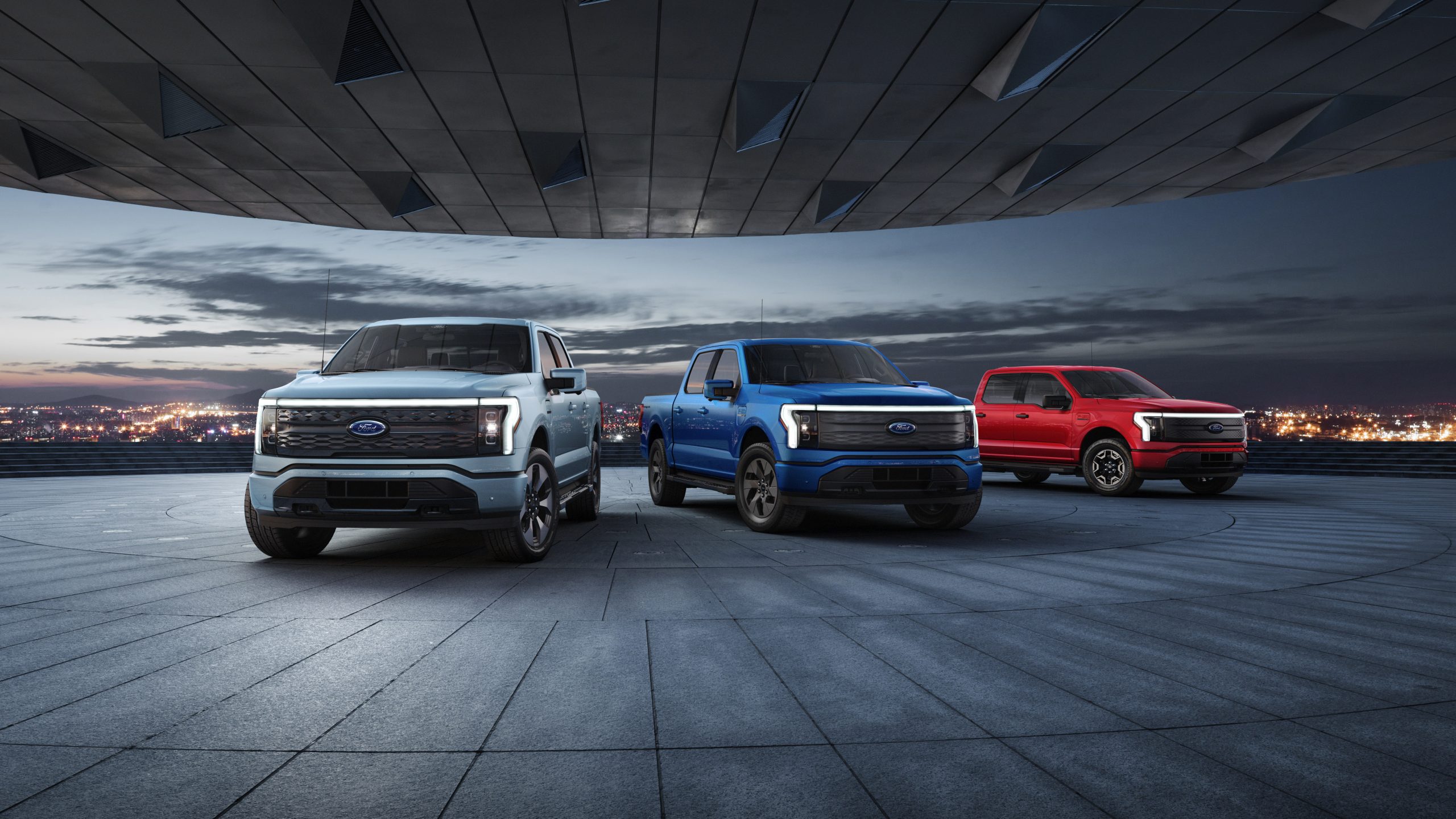
Ford is putting its money where its mouth is, pledging to spend more money on electric vehicles than the internal combustion engine cars that have fueled its 118-year history. Lisa Drake, Ford’s COO, said that in 2023, company spending would reflect its commitment to EVs, and the investment into electrification will officially surpass that of internal combustion engines.
“In 2023 … we’ll spend more on EVs than we will on ICE,” the COO said, speaking at an event hosted by Barclays. “We’ve been over the moon about the success of Mach-E, and the F-150 Lightning, by bringing in over 70% new customers to the Ford brand. What that allows us to do is, now we have an opportunity not only to lead on our ICE business, but also in the EV space with F-150. So our aspirations are high.”
Ford is committed to spending $30 billion on EVs by 2025, and the company has been the most committed in terms of electrification, undoubtedly. After the Mustang Mach-E began deliveries, Ford fans, and plenty of others, gave the company’s first EV a shot, and the reviews have been positive. With some small but expected bottlenecks with software, Ford is slowly but surely ironing out the issues within its first EV.
This is opening the door for the automaker to begin expanding its lineup of electric vehicles, starting with the all-electric F-150 Lightning, the EV version of the most popular pickup in the U.S. market. Ford also has plans to begin producing the E-Transit van in the future, offering sustainable options for its commercial selections.
CEO Jim Farley has been more than ecstatic with Ford customers accepting the company’s transition to EVs. “The demand for our first round of high-volume EVs clearly has exceeded our most optimistic projections,” he said. During the Q2 2021 Earnings Call, Farley said that Ford had amassed 120,000 reservations for the F-150 Lightning since being unveiled in May.
Ford, along with other legacy car companies that were invited to the White House last week to discuss electrification, expects its lineup to be 50% electric by 2030. Drake believes the government will have a major influence on the U.S. automotive market transitioning to electrification. “We’re going to rely a lot on some of the infrastructure policies and the administration’s aspiration to make this a bit more ubiquitous. We can’t do it alone,” Drake added, according to DetroitNews. “We’re very excited to see some of the bipartisan work that’s happening in Washington right now, because it’s going to be necessary to help us.”
The Bipartisan Infrastructure Bill that made its way to Senate last week should help automakers establish EV infrastructure, especially with charging points. The Bill has $7.5 billion set aside for the installation of EV chargers, especially in rural areas, according to the language used in the Bill.
What do you think? Let us know in the comments below, or be sure to email me at joey@teslarati.com or on Twitter @KlenderJoey.


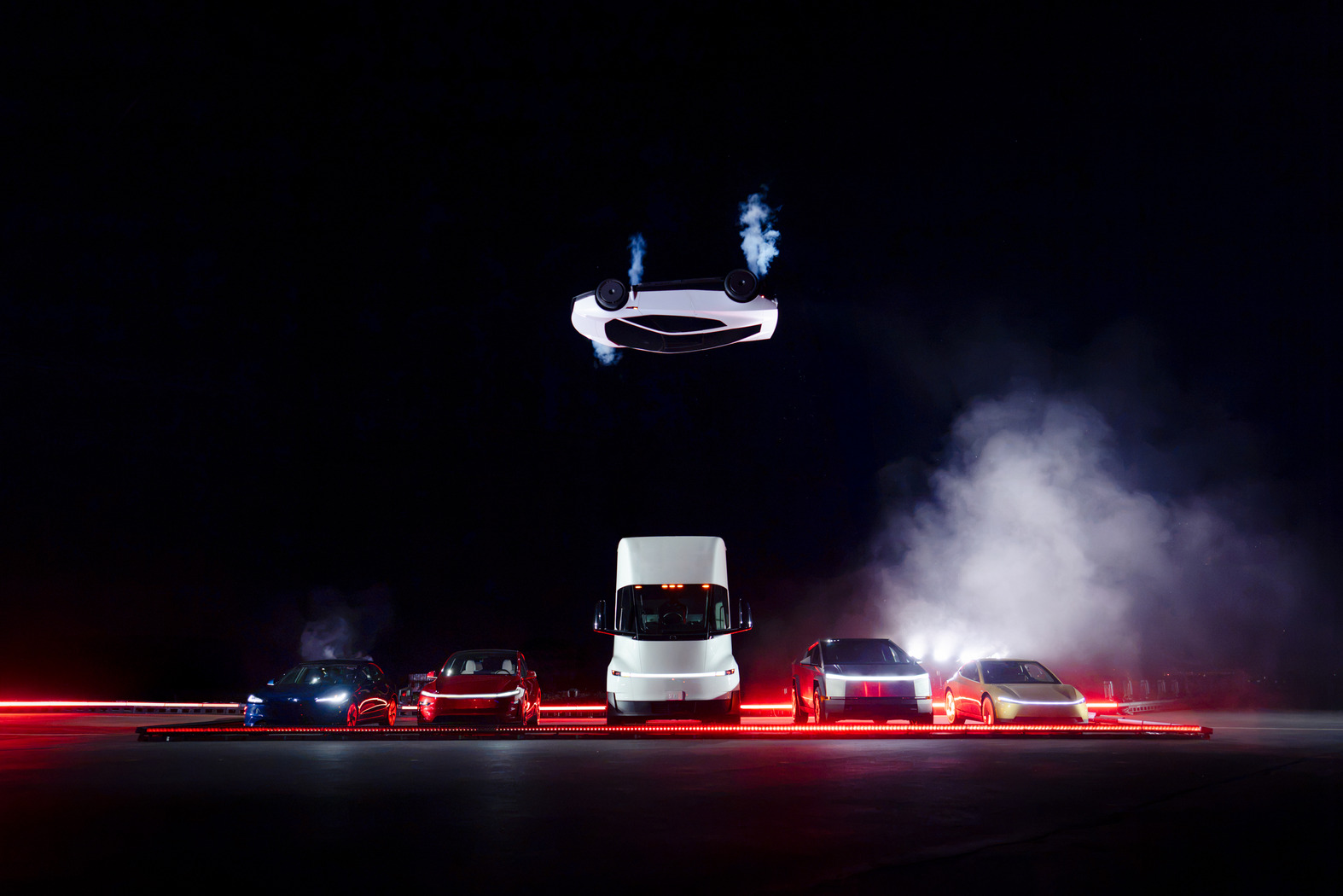
Tesla (NASDAQ: TSLA) reported its earnings for the third quarter of 2026, marking a reasonable performance on the various financial metrics. Tesla still plans to hold a call that will field investor questions at 5:30 p.m. ET, 4:30 p.m. CT.
Here’s where Earnings came in:
- Total Revenues: $28.046 reported vs. $28.34B expected
- Non-GAAP EPS: $0.48 reported vs. $0.45 expected
- Operating Margin: 2.6 % reported vs. 2.5% expected
- Operating Income: $718M reported vs. $721M expected
- Free Cash Flow: $1.531B reported vs. ~-$4.51B expected
Tesla $TSLA Earnings Results:
Revenues: $28.046B
Non-GAAP EPS: $0.48
Operating Margin: 2.6%
Operating Income: $718M
FCF: $1.531B— TESLARATI (@Teslarati) October 21, 2026
Major Takeaways
Full Self-Driving (Supervised)
“FSD (Supervised)⁴ attach rate continued to grow, reaching over 75% of new vehicle deliveries in North America – our most mature market – a nearly twenty percentage point sequential increase. We believe that FSD is driving demand in markets where it is available, and we continue to work with regulators to get it approved in other markets.”
Tesla Semi
“We began volume production of Tesla Semi, our Class 8 heavy-duty truck. The top variant can go 500 miles at full 82,000 lbs gross combination weight while achieving an efficiency of 1.7 kWh/mile. That efficiency allows the Tesla Semi to use a third of the energy used by a comparable diesel truck to haul the same payload. In a transportation market where energy is one of the largest components of total cost per mile, this will provide a meaningful advantage to Tesla Semi operators.”
SI Compute
“We plan to reach 400 MW of SI training compute by the end of the year, supporting the development of both vehicle and humanoid robot autonomy software. Additionally, we continued construction for the Austin Fab, where we plan to start commissioning equipment in 2027.”
Robotaxi
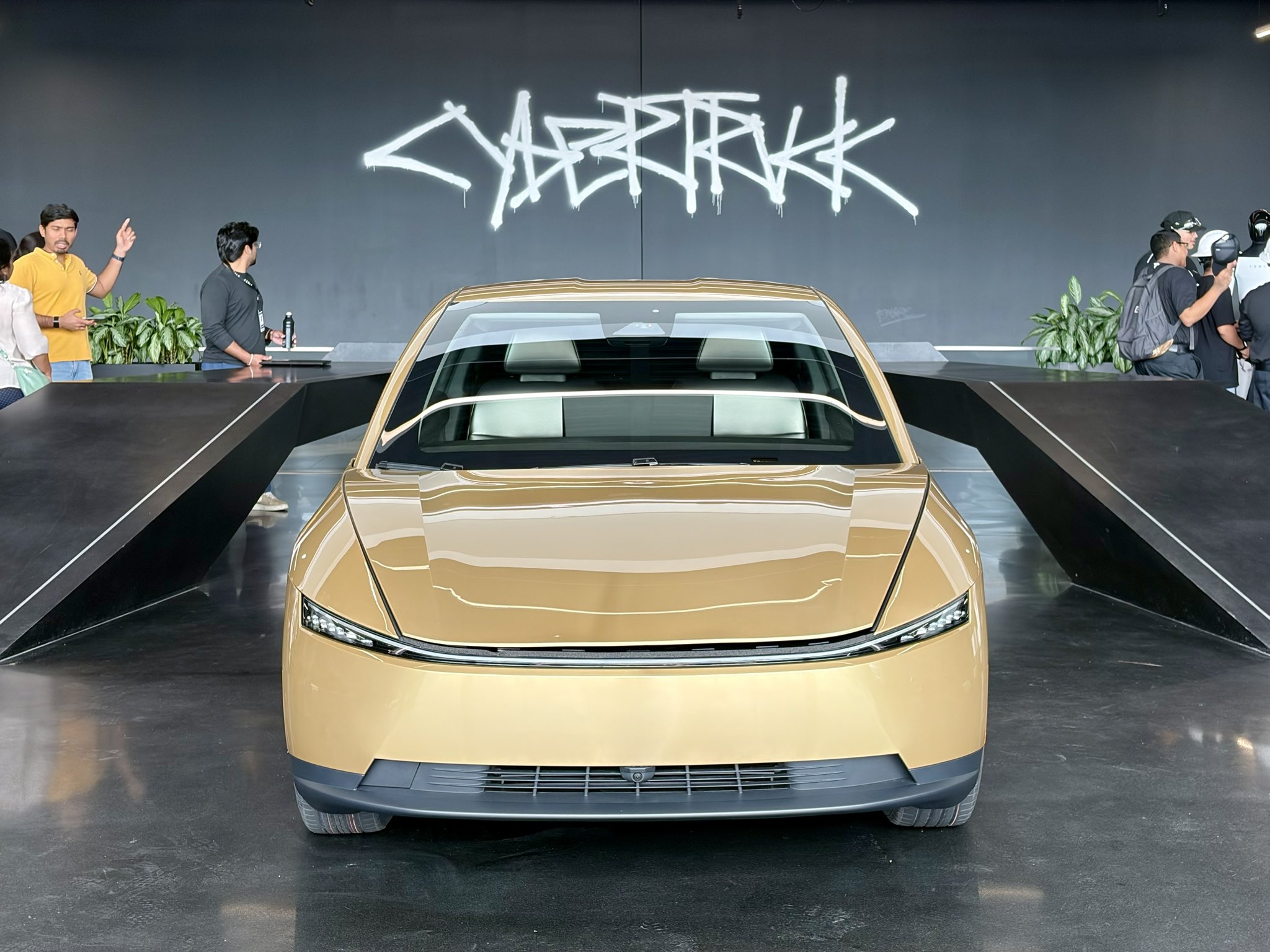
“We began deployment of Cybercab into our Robotaxi fleet in Austin. We reached nearly two million cumulative unsupervised miles for our Robotaxi service as of the end of the quarter. Operating hours in Austin are now 6am to midnight, and we expect to reduce wait times via increased fleet supply and improvement of Robotaxi orchestration algorithms. Grok is available in Cybercab with access to Grok Bot and Connectors, which allows users to manage their inbox, calendars, files, chats and tasks – all hands free via voice command – making Cybercab a mode of transport, a productivity space and, with our entertainment options, a second living room.”
Interested in ordering a Tesla? Use my referral code for three free months of Full Self-Driving (Supervised) here.
Tesla (NASDAQ: TSLA) reports its earnings for Q3 today. Here’s what to expect, as the company will reveal its balance sheet after the market closes on Wednesday.
Tesla already reported deliveries just after Q3 ended, and it demolished Wall Street consensus estimates of roughly 462,000 vehicles. Tesla delivered 486,532 cars in the third quarter, which was a big beat, but was down 2.1 percent from the same quarter last year. Energy storage deployments were 13.7 GWh, up year-over-year.
Tesla showrooms picked clean ahead of Q3 end as demand looks strong
For the quarter, analysts have already compiled their predictions for what Tesla will report this afternoon:
- Total Revenues: $28.34B
- Non-GAAP EPS: $0.43
- Operating Margin: 2.5%
- Operating Income: $721M
- Free Cash Flow: ~-$4.51B
Here are a few things we are looking forward to hearing about on the call:
Automotive Gross Margin and Overall Profitability
This was 16.3 percent in Q2, down from 19.2 percent in Q1, and was impacted by warranty charges and some fading regulatory credits. Consensus implies overall gross margin near 18 percent, but a miss here would potentially reinforce concerns about pricing pressure on its vehicles.
Pay attention to energy storage margins as well, especially since Tesla missed GWh expectations, although it was still a strong quarter.
Robotaxi/Cybercab, Unsupervised FSD, and Optimus Progress
The Say questions from retail investors usually focus on these types of projects, and this quarter is no different. Scaling the Cybercab fleet beyond Austin amid the open NHTSA safety review, timeline for Unsupervised FSD in customer cars, Robotaxi unit economics, and Optimus cost per unit plus when it could start generating revenue, are all things to be looking for.
Any concrete timelines or regulatory path details will likely move the stock more than the near-term numbers. SpaceX merger speculation, which was detailed during SpaceX’s earnings call last night, may also surface, although the key details were shared last night.
Elon Musk just confirmed the Tesla and SpaceX merger step everyone was waiting for
Say Investor Questions
- How does the Cybercab fleet scale past Austin, and what’s the regulatory path outside Texas given NHTSA’s open safety review?
- When can we anticipate FSD unsupervised in customer cars?
- When will the CyberCab be available for customer purchase/ownership?
- What’s the unit economics per paid robotaxi mile, and how does it compare to the thirty-cent target?
- Tesla has acknowledged that HW3 vehicles cannot support unsupervised FSD. When will owners know whether they can upgrade their hardware for free, and when will Tesla provide a clear plan?
The full Earnings Call will be streamed this evening after market close around 5 p.m. this evening.
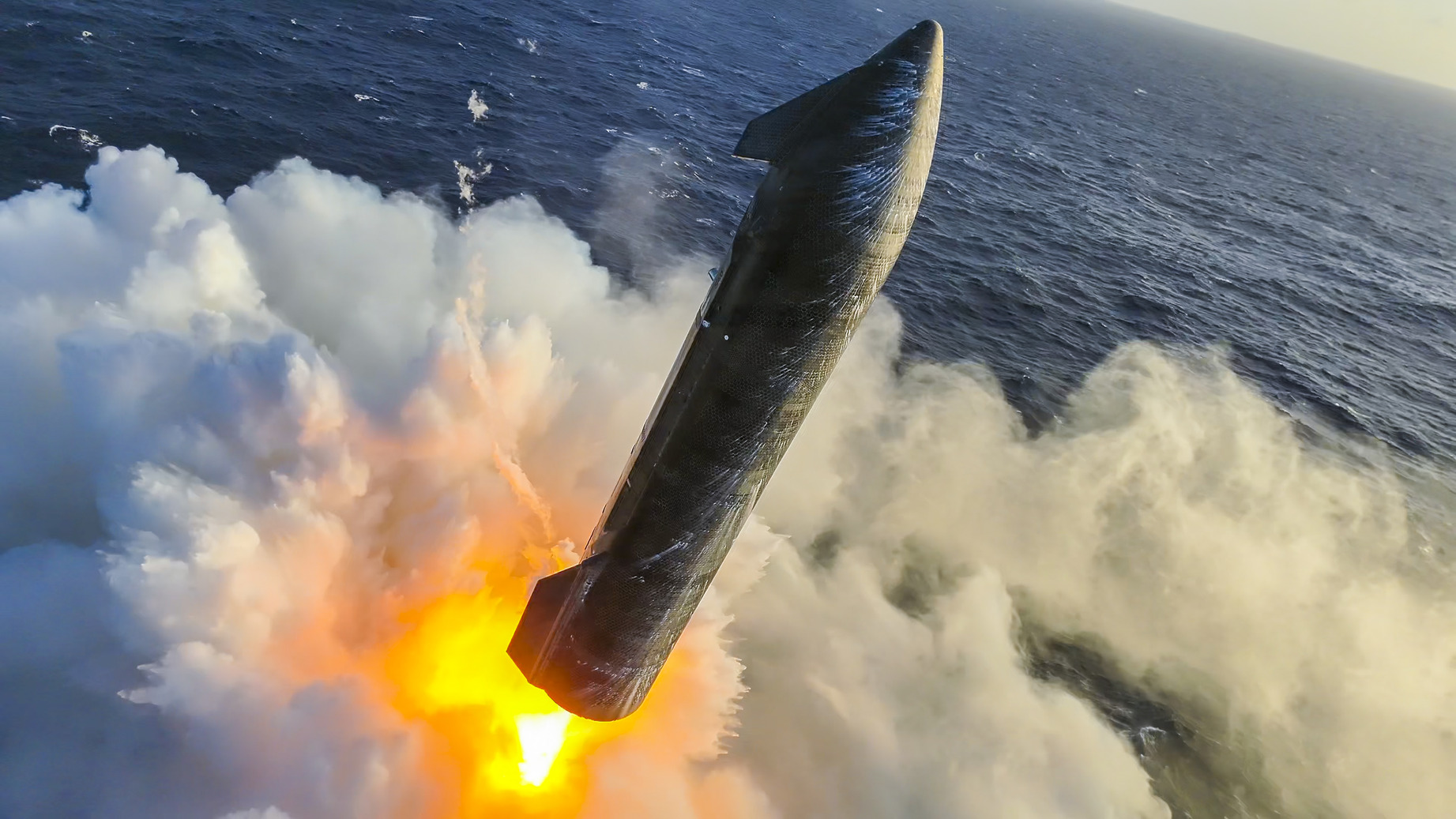
SpaceX confirmed the date of Starship’s 15th launch window with some massive ambitions for the mission, as it will attempt to catch Ship for the first time.
CEO Elon Musk confirmed during SpaceX’s Earnings Call last night on October 20 that it would launch Starship for its 15th test flight in November, and there are some incredible things the company wants to try, making it perhaps the most groundbreaking launch in the program’s history.
SpaceX delivers blockbuster Q3 results as Super Intelligence segment booms
The most major development of the call was SpaceX’s intention to catch Ship alongside catching the Super Heavy Booster, something that has happened in the past. SpaceX showed an animation of the Ship catch, which will be done on the launch tower’s chopsticks:
SpaceX has released a new Starship tower catch animation for the upcoming Flight 15! https://t.co/kStn01Da8u
— Truthful🛰️ (@Truthful_ast) October 20, 2026
This monumental goal is to catch both the Ship and Booster in a dual-catch scenario, an incredible feat since SpaceX has never been able to reuse a Ship after launch. Musk said it would be “the first time that an orbital launch vehicle has been fully recovered,” and said it would be a “profound technology milestone.”
Musk said the odds of success on this first Ship catch attempt are “more likely than not,” but SpaceX is ultimately prepared for more tries moving forward. The SpaceX frontman said that, starting next year, Starship would have a “steady stream” of flights through the end of the year.
The cadence will accelerate in 2027, with Musk stating the company plans to target weekly flights in the first half of 2027 and twice-weekly by year-end.
The Flight 15 attempt follows that of Flight 14, which took off in late September and was Starship’s first orbital mission. It deployed 26 Starlink V3 satellites, accomplished a controlled ocean splashdown of both stages, and shed more light on potential challenges for the program moving forward.
As of now, the Starship program is firing on all cylinders.
Interested in ordering a Tesla? Use my referral code for three free months of Full Self-Driving (Supervised) here.

Tesla Q3 2026 Earnings results: in-line revenues, slight beat on EPS

Tesla reports Q3 Earnings today: here’s what to expect


