Investor's Corner
Tesla stops sale of bonds backed by vehicle leases as market maintains unpredictability

Tesla has stopped the offering of more than $1 billion in bonds backed by vehicle leases on its cars as market conditions continue a trend of unpredictability, a report from Bloomberg said.
Citing people with knowledge of the matter, the report states that bankers for Tesla had placed a “significant portion” of the bonds with fund managers before marketing was halted. Inflation, which CEO Elon Musk hinted would increase vehicle prices, along with the uncertainty of Russia’s war with Ukraine, has sent short-term interest rates through the roof in the past several weeks. Some issuers are pausing financing plans until market conditions have stabilized.
Tesla is the third issuer to halt a sale amid the market’s unpredictable nature in the past week. World Omni, an auto-finance company, postponed auto lease-backed bond offerings on Friday, although it had already started to market it. Affirm Holdings Inc. also delayed an offering of debt backed by consumer installment loans on the same day.
Bloomberg said Tesla, nor the banks involved in arranging the deal, which were Wells Fargo, Credit Suisse, Barclays, and Citigroup, declined to comment.
The report indicates at least seven securitized debt deals in all have been halted since Russia started its invasion of Ukraine. Market conditions have not been ideal for several months, and skyrocketing inflation is affecting nearly every sector. Tesla announced price hikes across its entire vehicle fleet earlier this week, with its cheapest vehicle now starting at nearly $47,000.
Tesla raises prices across its entire vehicle lineup, Model X Plaid sees $12.5k rise
The Tesla ABS offering is known as TESLA 2022-A, according to the report. It launched on March 7, with pricing guidance released on March 10. Most of the tranches were sold, and pricing was imminent by Tuesday, the company said. The deal was incomplete as communication went silent before Tesla ultimately halted it.
Tesla has issued seven transactions since starting its ABS program in early 2018. This year’s collateral pool consists of borrowers with an average FICO score of 774, according to presale reports recovered by Bloomberg.
According to Fitch Rating analysts, Tesla’s managed portfolio and securitizations have performed well despite the company having “limited experience” in originating, underwriting, and servicing auto leases.
I’d love to hear from you! If you have any comments, concerns, or questions, please email me at joey@teslarati.com. You can also reach me on Twitter @KlenderJoey, or if you have news tips, you can email us at tips@teslarati.com.


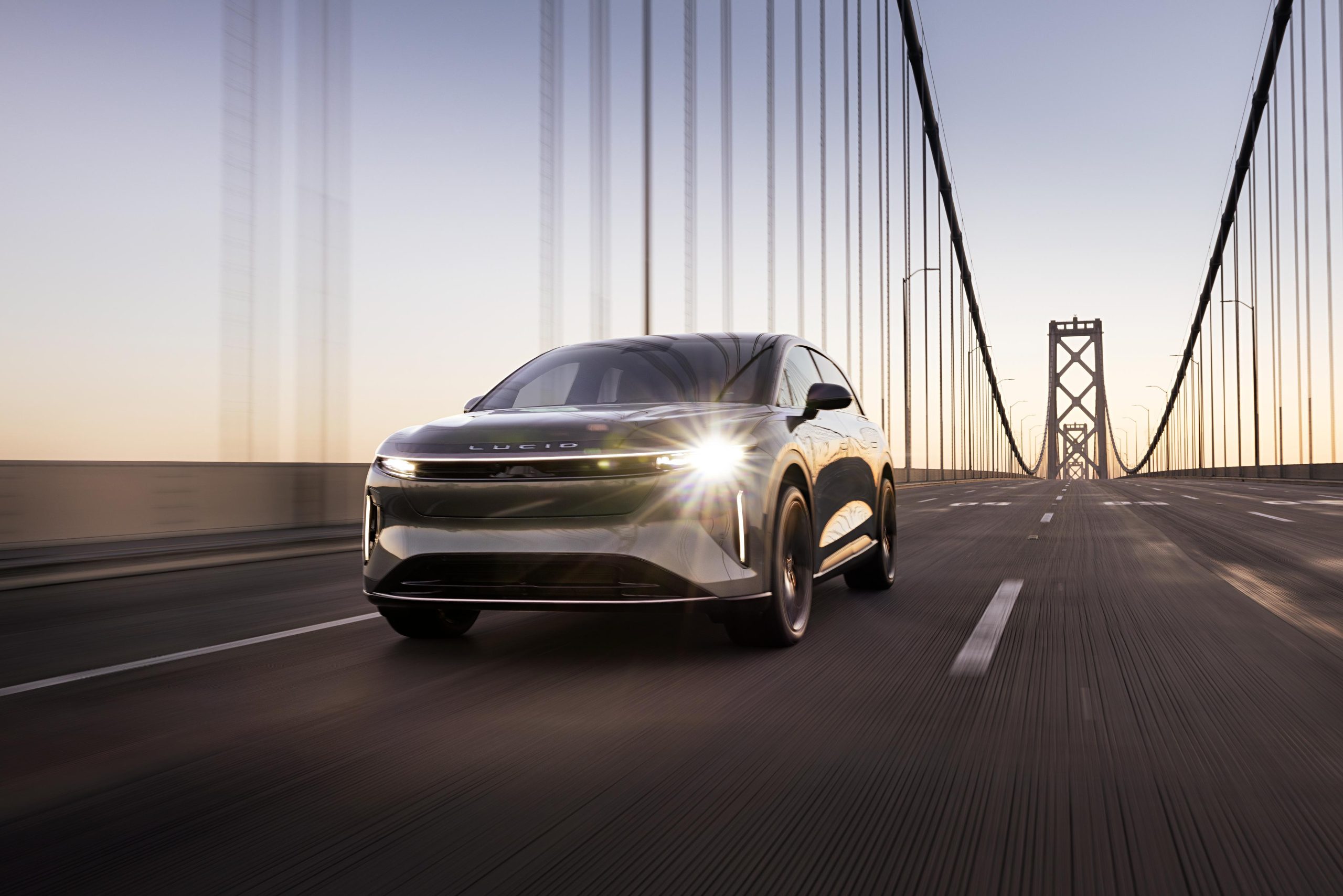
Electric vehicle maker Lucid Group has denied rumors of an imminent bankruptcy after a report from this morning sent the stock on a dramatic drop on Wall Street, seeing losses of more than 40 percent during trading hours.
Lucid’s Director of Communications, Nick Twork, responded to the report from Eletric-Vehicles.com, which stated the company’s restructuring advisor, AlixPartners, was asked to review two decisions: taking Lucid shares private or filing for Chapter 11 bankruptcy protection.
The report also claims AlixPartners told the Lucid board to “concentrate on Gravity production while improving its quality, and to temporarily hold back the Lucid Air, the sedan that has defined the company since its launch.”
Twork said:
$LCID The rumors are completely false. The company has sufficient liquidity to carry its operations well into next year, as recently published in its last quarterly filings, and it has not formed any special Board committee to explore the scenarios reported today. Our focus is…
— Nick Twork (@ntwork) July 14, 2026
Shares rebounded after the response to the report, halving its losses as the trading day neared 3 p.m. Eastern.
Lucid has struggled to get its sales off the ground and into more respectable numbers, but the company is in its early years, when things are hard to begin with. It is also backed by several notable investors, including the Saudi Public Investment Fund (PIF), which has nearly limitless money and likely would not ditch an investment of this size so soon.
Lucid shares were down just 14 percent at the time of publication, a far cry from the 55 percent its losses topped out at during the day.
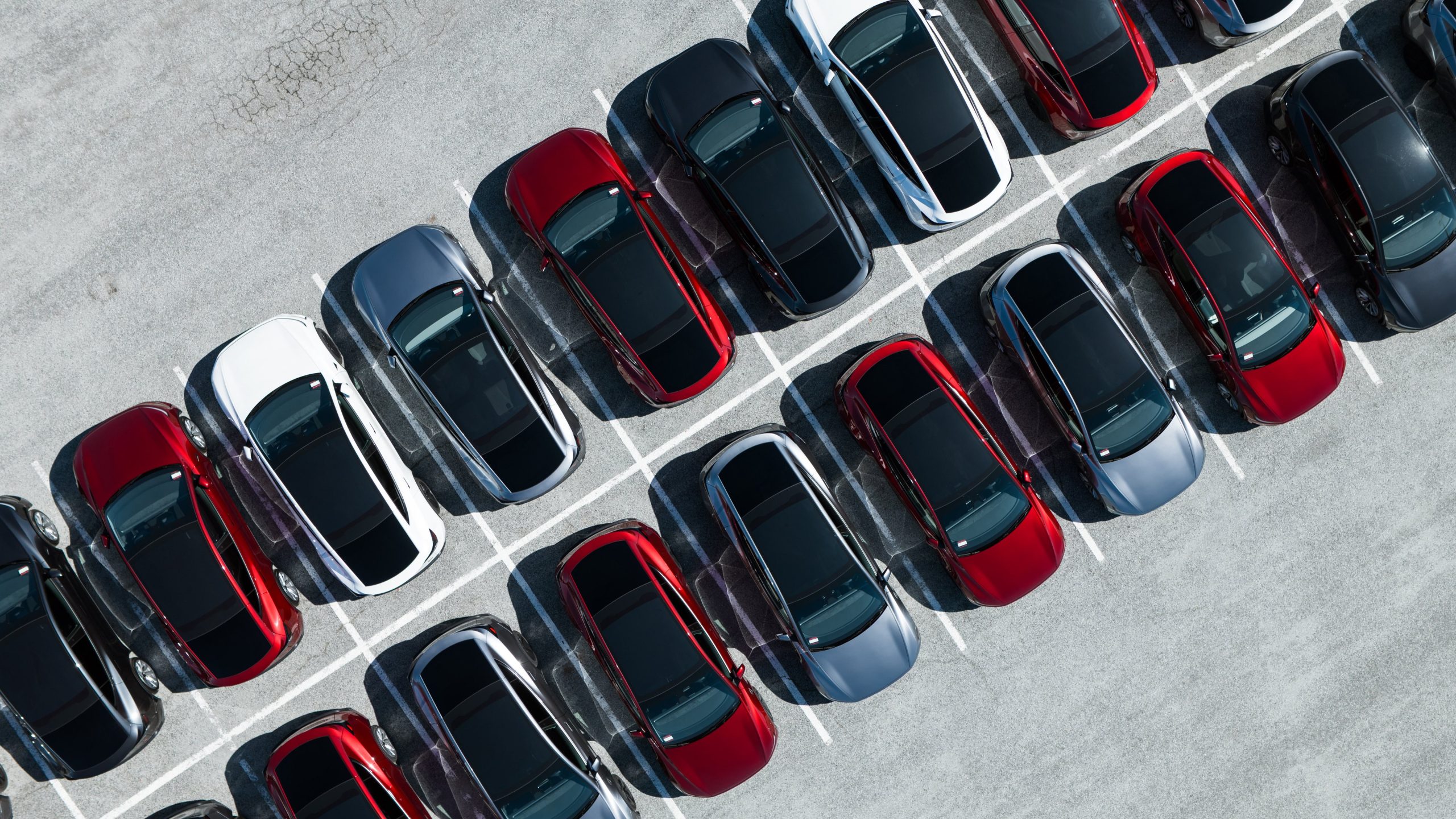
Tesla received a price target upgrade just on the heels of what was a crazy successful quarter for its automotive business, as the company reported a delivery beat of over 15 percent for Q2.
Jefferies analysts are upping Tesla’s price target (NASDAQ: TSLA) to $400 from $375, while maintaining their “Hold” rating on shares, and the strong automotive deliveries from Q2 is a big reason. However, there are some other catalysts that Jefferies believes position Tesla for a strong position in the second half of the year.
Strong Deliveries
Tesla reported 480,000 deliveries for Q2, while Wall Street was between 395,000 and 405,000, as an overall consensus. It was an incredibly strong quarter from a delivery perspective, and Tesla sold well more than it produced during the three months.
Tesla crushes Wall Street expectations, beats delivery estimates by over 15 percent
While vehicle deliveries are not necessarily looked at in the light that they used to be, Tesla still maintains a lot of advantages for keeping deliveries strong. With the loss of the $7,500 EV Tax Credit last year, Tesla still maintains a strong demand case for its EVs.
Robotaxi Performance
Tesla has been operating Robotaxi for over a year now, as it launched in Austin in mid-2025. That program has expanded to Houston and Dallas, the San Francisco Bay Area, and, most recently, Miami, Florida, the suite’s first appearance in the Sunshine State.
While the Robotaxi suite is still in its early phases and Tesla is working through things like fleet size and wait times, the company has been able to undercut the pricing of its competitors and has a great safety record.
Merger Speculation with Tesla and SpaceX
This is perhaps the biggest topic that many are speaking about with Tesla and SpaceX, and it is the one thing that seems to be on the mind of every investor.
Jefferies warns that growing talk of a Tesla-SpaceX merger could cause Tesla stock to trade more like a SpaceX proxy, which may disconnect it from underlying automotive fundamentals. SpaceX has a lot going for it, especially its compute deals that have been widely publicized as of late.
Profitability in New Projects Could Take Some Time
Tesla has a few long-term ventures in the pipeline, most notably the Optimus project and Robotaxi, which is launched but will take several years to expand to a meaningful level that resonates with everyday people.
This is something that investors need to be careful of. Tesla’s projects could take some time to round out, so Jefferies advises that these may carry initial losses, rather than immediate profit. Seasoned Tesla investors have echoed something like this for a long time; they knew going in it would not be an open-and-shut strategy. It was going to take time.
These new projects are no different.
Investor's Corner
NASA taps SpaceX to launch the telescope that could unlock new worlds
NASA’s Roman Space Telescope heads to orbit this August aboard SpaceX’s Falcon Heavy with massive scientific ambitions.

SpaceX is set to play a central role in one of NASA’s most anticipated science missions in years. The company’s Falcon Heavy rocket, currently the most powerful operational launch vehicle in the world, will carry the Nancy Grace Roman Space Telescope into orbit on August 30 from Kennedy Space Center in Florida. Roman is now in final preparations inside the Payload Hazardous Servicing Facility, where on June 26 technicians used a crane to lift the observatory into a specialized stand for fueling and pre-launch testing.
Roman is named after Nancy Grace Roman, NASA’s first chief of astronomy, whose career helped shape how the agency approaches space science.
NASA chose SpaceX Falcon Heavy because of Roman’s needs to reach a specific orbit far from Earth, well beyond where a standard Falcon 9 can deliver it. The Falcon Heavy, which first flew in 2018, has since become NASA’s go-to option for missions that need serious muscle without the cost and complexity of older launch systems.
Celebrating SpaceX’s Falcon Heavy Tesla Roadster launch, seven years later (Op-Ed)
Roman will carry a field of view at least 100 times wider than the Hubble Space Telescope, meaning it can photograph enormous swaths of the universe in a single shot rather than the narrow slices Hubble captures. That difference in scale is significant. While Hubble reshaped our understanding of the cosmos over 30 years, Roman is built to work faster and wider, surveying hundreds of millions of galaxies at once.
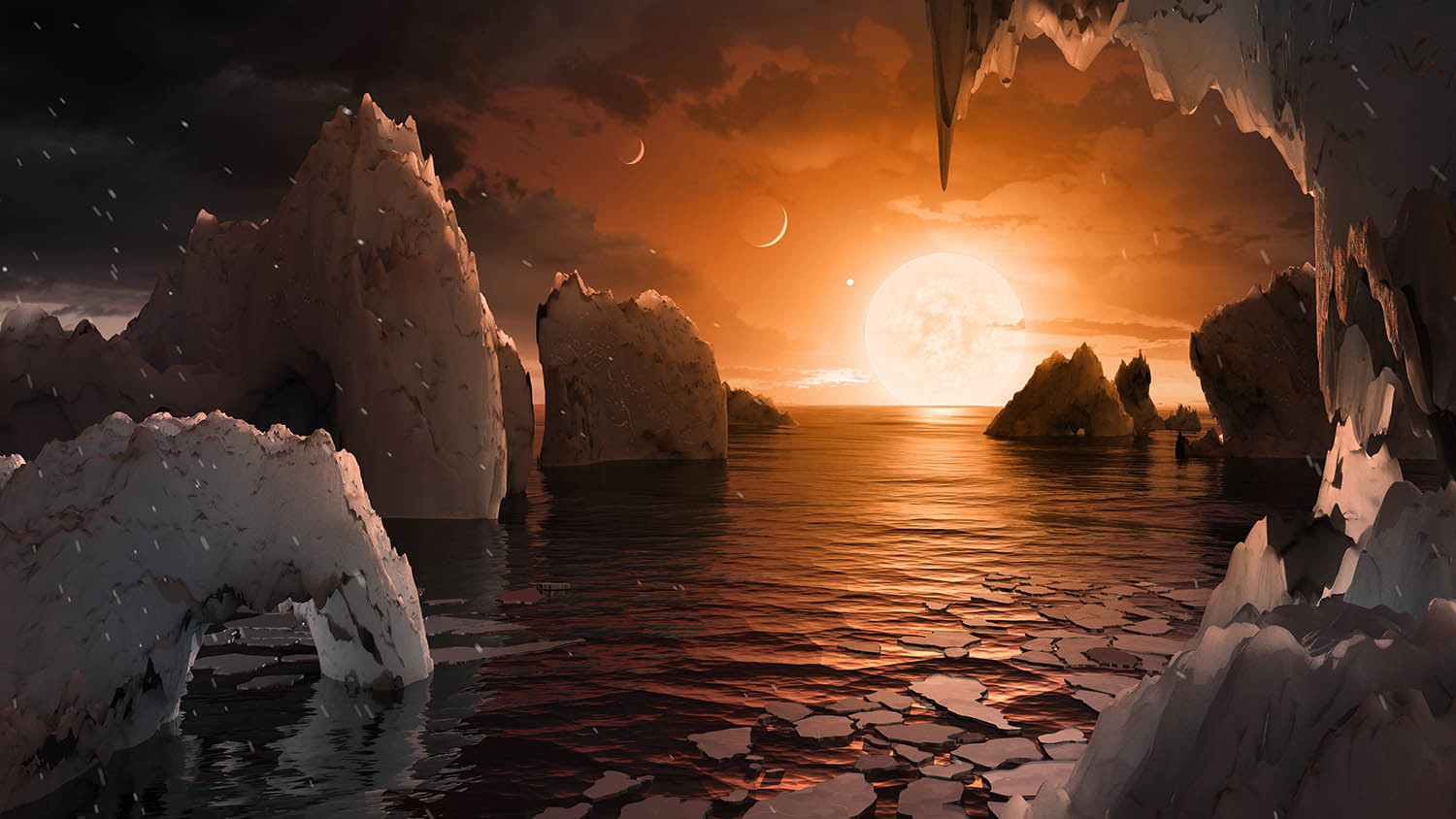
One of Roman’s most compelling capabilities is its potential to discover and photograph planets orbiting stars outside our solar system, and with enough precision to directly image planets that would otherwise be lost. That means scientists could study the atmosphere and surface characteristics of distant worlds rather than simply confirming they exist. Combined with Roman’s sweeping field of view, the telescope could detect thousands of exoplanets, and some of those planets may be in habitable zones where liquid water could exist. No telescope currently in operation has this level of power and capability. That capability alone could change what we know about other worlds, and perhaps finally answer the question: are we the only intelligent lifeforms in existence?
What Roman actually finds once it reaches orbit is an open question, and that is exactly what makes this launch worth watching.

Lucid denies rumors of bankruptcy after over 40% stock drop

Tesla owner attempts resale of Model S Signature Edition for over $260k


