News
SpaceX outfits Starship, Super Heavy with dozens of Raptor engines

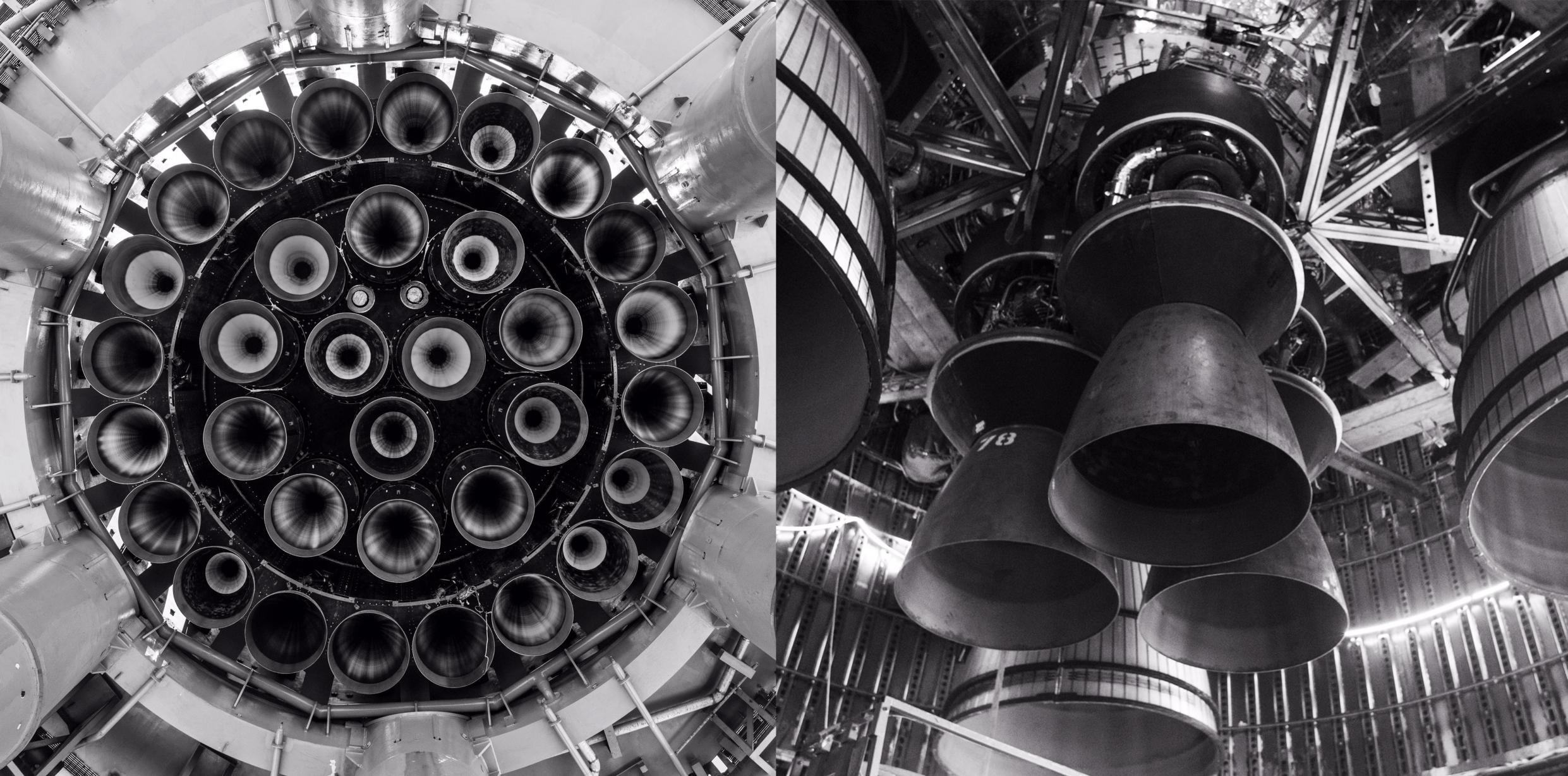
New photos shared by SpaceX show that the company has nearly finished installing a total of 39 upgraded Raptor engines on a new Starship and its Super Heavy booster.
Those prototypes – known as Ship 24 and Booster 7 – could be tasked with supporting Starship’s first orbital launch attempt sometime later this year if both make it through upcoming test campaigns without major issues. Whether that’s a probable outcome is still uncertain but recent progress suggests that it won’t take long for the prospects of both prototypes to shift into clearer focus.
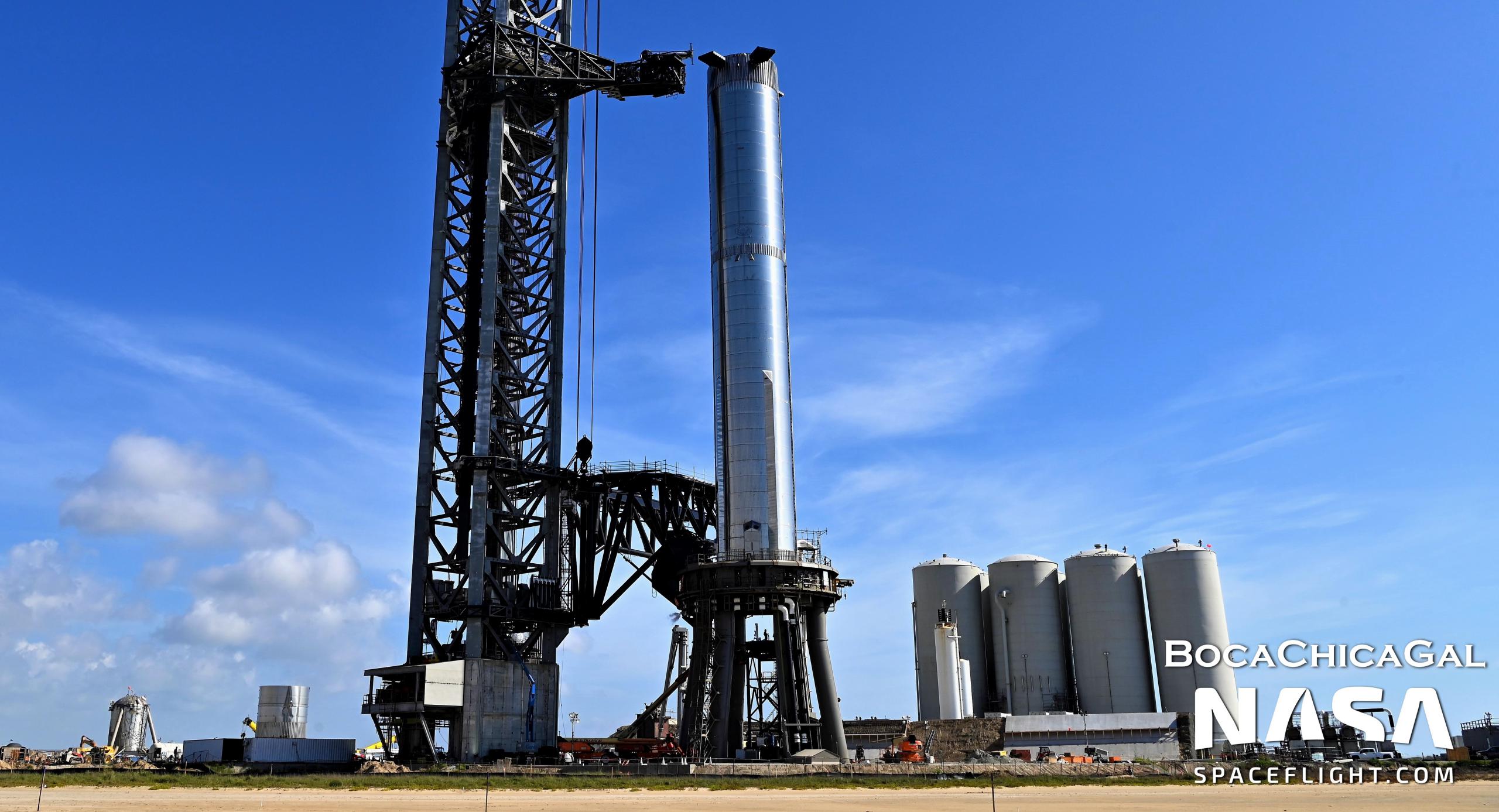
After several rounds of proof testing and two trips to and from SpaceX’s Starbase, Texas orbital launch site (OLS) in March, April, and May, Super Heavy Booster 7 (B7) made its third trip to the pad on June 23rd.
“SpaceX used the six weeks Booster 7 spent back in a factory assembly bay to finish installing aerocovers, surfaces known as chines or strakes, car-sized grid fins, Starlink internet dishes, and – most importantly – 33 upgraded Raptor V2 engines. Combined, Booster 7 could produce up to 7600 metric tons (~16.8M lbf) of thrust at or before liftoff. Crucially, SpaceX also finished installing most of Booster 7’s Raptor heat shield in the same period, completing in six weeks work that took Booster 4 closer to half a year. With its heat shield and all 33 Raptors mostly in place, Booster 7 should be ready to kick off static fire testing almost as soon as it’s installed on Starbase’s orbital launch mount.”
Teslarati.com – June 24th, 2022
Building, qualifying, shipping, and installing 33 new Raptor 2 engines on Super Heavy B7 was already an impressive achievement and produced the most (potentially) powerful rocket booster ever assembled. On July 2nd, a pair of photos published by SpaceX showed off Booster 7’s nearly-finished engine section and simultaneously revealed that the company has finished installing all six of Starship S24’s Raptor engines – and even part of the ship’s aft thermal protection.
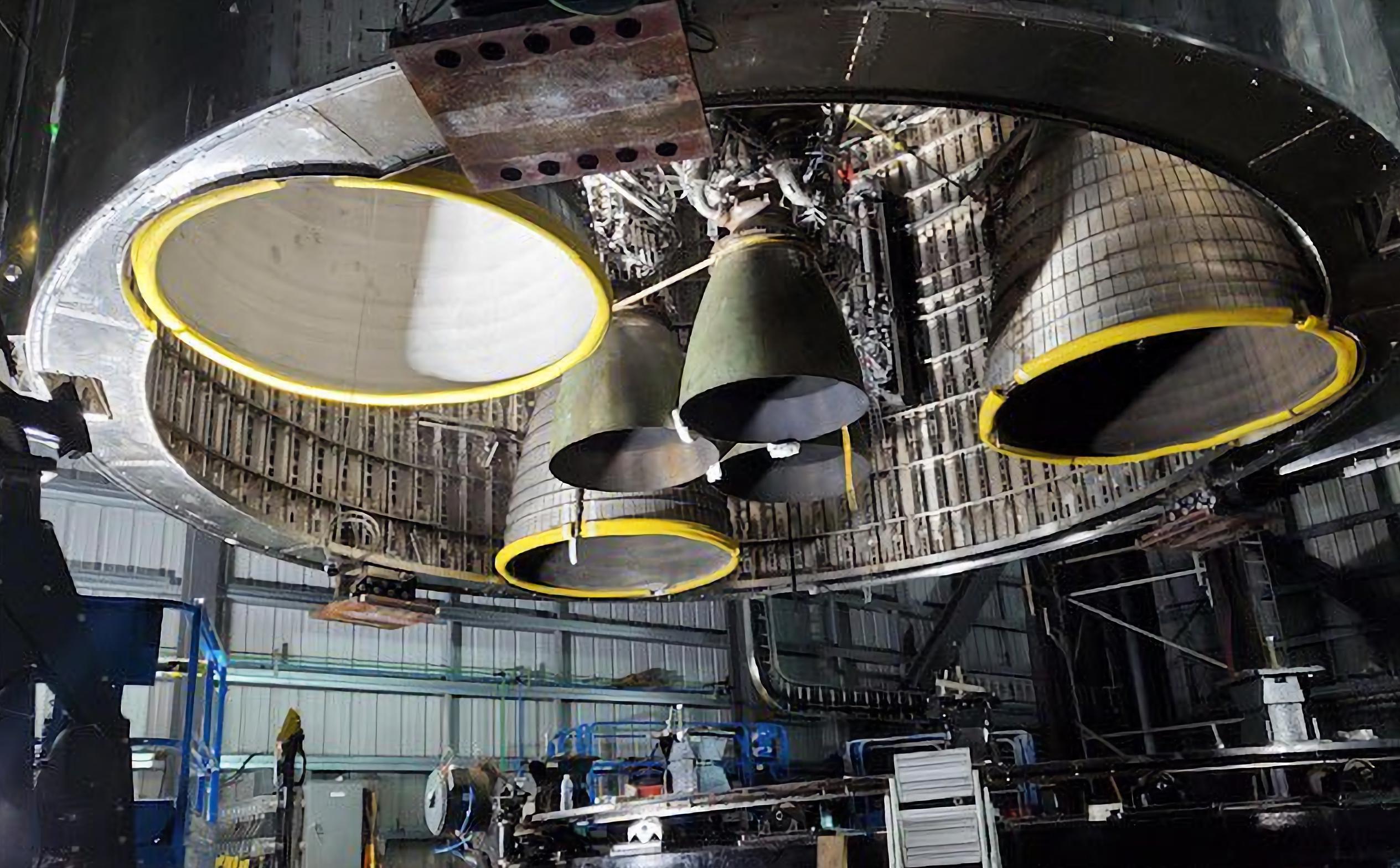
Differences are already visible between Ship 24 and Ship 20, the only other Starship prototype to have six Raptors installed. The most notable change is the addition of a metal framework that covers the entire breadth of the ship’s aft – most likely destined to support flat sections of insulation and thermal protection that will partially seal off sensitive engine, plumbing, pressure vessels, and avionics components located inside Starship’s aft. That extra shielding should help limit the extreme conditions that hardware will be subjected to during ground testing and, perhaps, in flight.
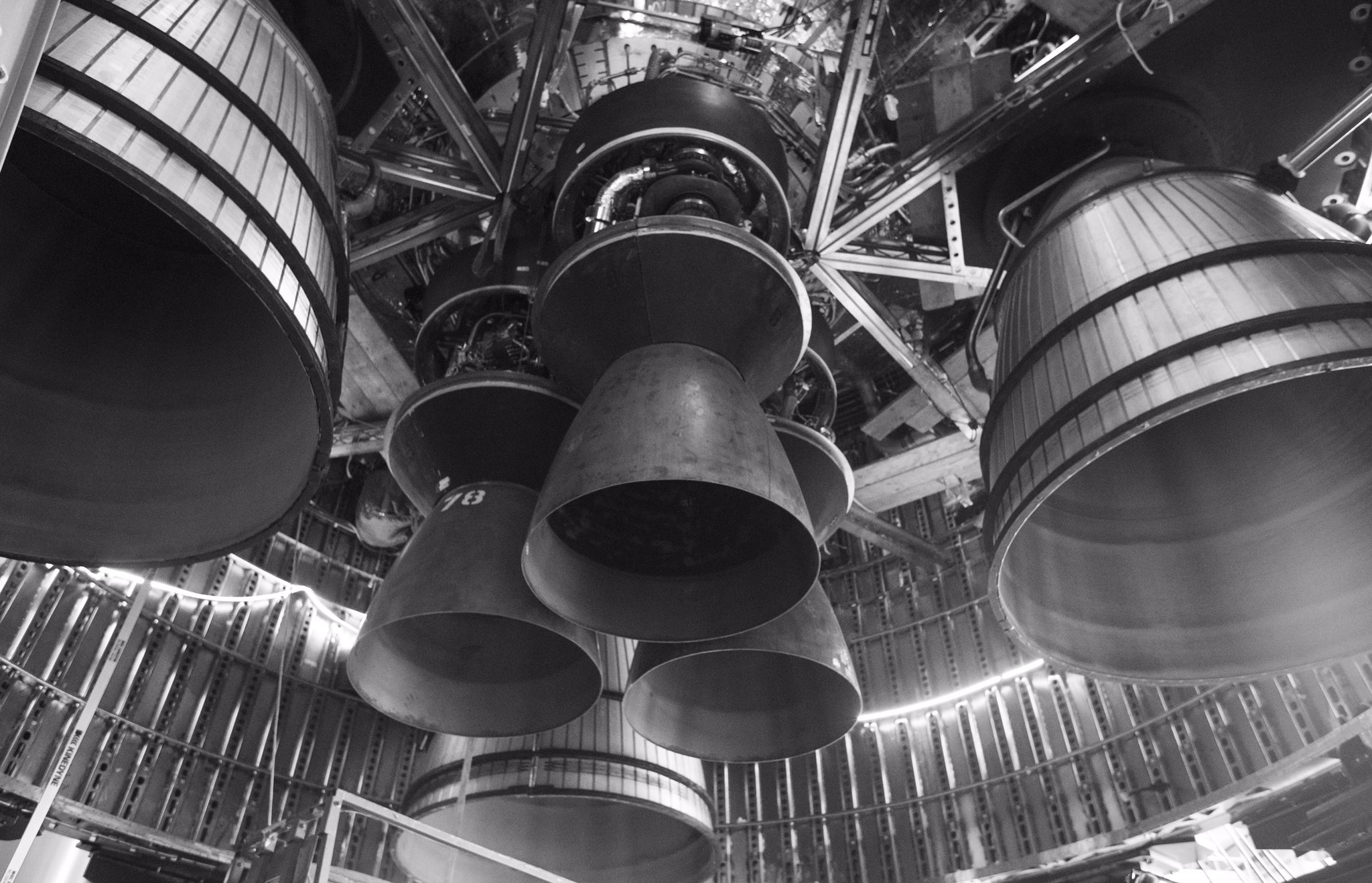
Super Heavy Booster 7 has already completed a significant amount of testing, including four cryogenic proofs (cryoproofs) and one Raptor thrust simulation test. Since its third return to the pad, SpaceX has several more ambiguous tests, none of which appeared to involve cryogenic propellant loading. It’s possible that those tests focused more on Booster 7’s pressurization system, perhaps filling its tanks with the hot oxygen and methane gases it will eventually use to pressurize its tanks. It’s likely that SpaceX wants to put Booster 7 through at least one successful wet dress rehearsal – using real liquid methane and oxygen propellant – before attempting to static fire any of its 33 Raptors. Booster 7’s aft thermal protection system also isn’t entirely complete, so technicians will need to finish installing several more panels before any static fire testing.
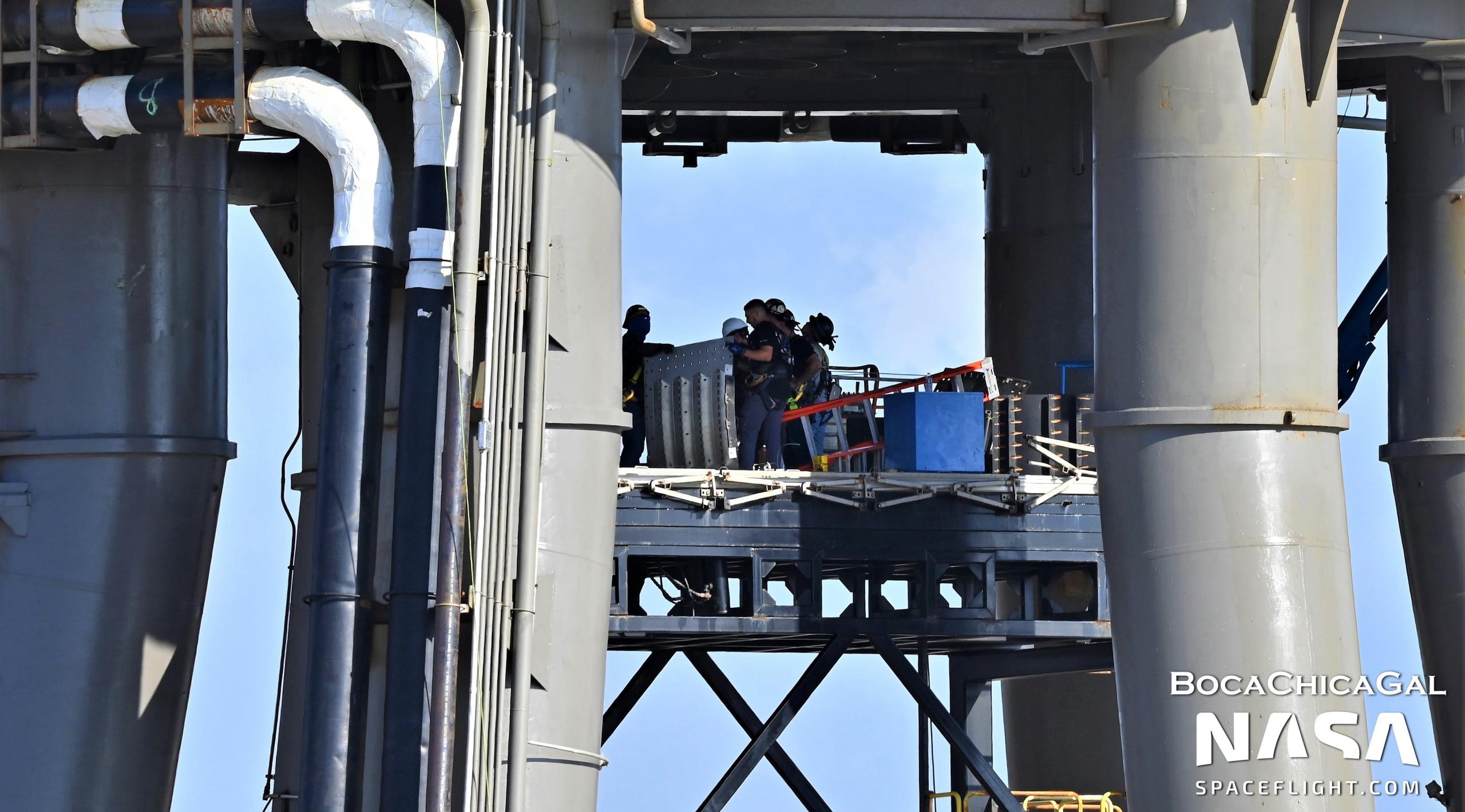
Alongside B7, Starship S24 has completed a good amount of cryoproof and Raptor thrust simulation testing, which it survived without any irreperable issues. The ship was then returned to an assembly bay on June 9th, where where workers have been installing heat shield tiles, finalizing the ship’s engine section, and completing dozens of other less visible closeout tasks. SpaceX also recently finished modifying one of its two suborbital test and launch mounts for Starship static fire testing, leaving the other mount semi-permanently modified for cryoproof and thrust simulation testing of future prototypes.
SpaceX has requested permission for road closures – each a potential 12-hour test window – on July 5th, 6th, 7th, 11th, and 12th.



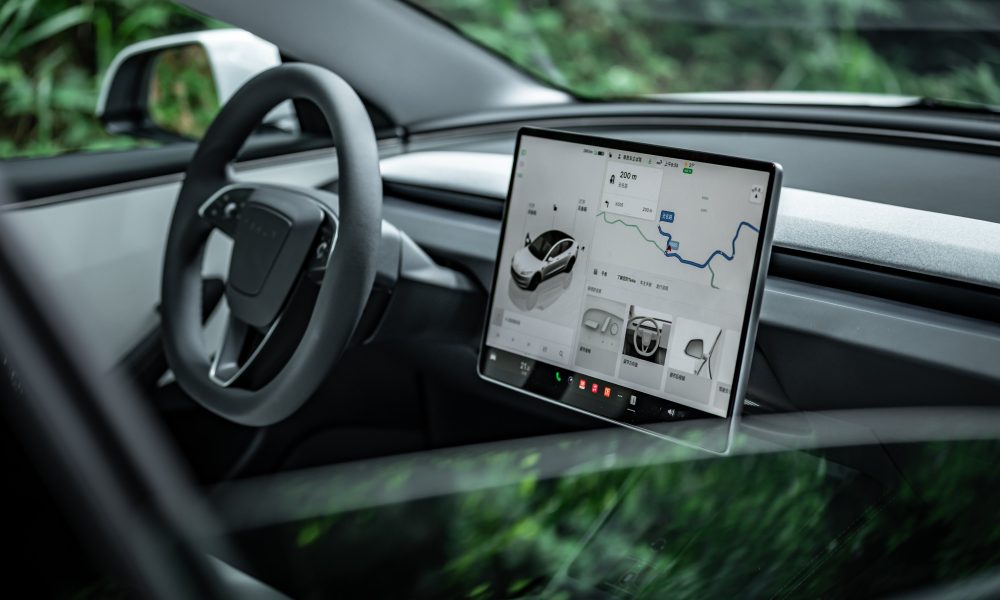
Tesla Full Self-Driving is set to receive improvements to address its two biggest issues, according to a company engineer.
Director of Engineering at Tesla AI, Phil Duan, revealed in a post on X that improvements to both pothole avoidance and navigation “are coming,’ something we have heard many times in the past. However, there are a few things that seem to hint that things might be different this time around.
Improvements on both are coming.
— Phil Duan (@pduan) October 1, 2026
Pothole avoidance, navigation, speed control, and left lane camping are some of the most prevalent and frequently mentioned shortcomings of the Full Self-Driving suite. These are a few of the biggest issues that have kept Tesla Full Self-Driving as a Supervised suite, meaning drivers must remain attentive during operation.
Pothole Avoidance
Pothole avoidance was first mentioned as an “Upcoming Improvement” with the Tesla Full Self-Driving v14.3 update back in early April of this year. It was listed alongside “Expand reasoning to all behaviors beyond destination handling.”
It’s been six months since we first saw pothole avoidance explicitly mentioned, and it has not moved beyond that and joined the main release notes yet.
Tesla has not shed any light on why pothole avoidance has been such an issue for it to solve, but it also has issues identifying large bumps much of the time, so its modeling of sudden changes in road conditions is likely pretty weak at this particular point. I’ve had more issues with large bumps than potholes, personally, but both are issues that need to be resolved.
This is that big bounce that I mentioned in the quoted post.
It’s just a tad too drastic to take at the speed FSD wants to go over it. You can see me quickly swipe down into Sloth, but I intervened. https://t.co/K20PK9ysBg pic.twitter.com/81Oc82ZJcZ
— TESLARATI (@Teslarati) August 2, 2026
It makes sense that things might be pretty close to being released to the public, as we are going on such an extensive period of time between it being mentioned and it actually being deployed.
Navigation
Navigation is likely the most painful part of using Full Self-Driving, as it routinely takes strange routes, has trouble with local rules (like Except Right Turn Stop Signs in Pennsylvania), and sometimes does not realize that maneuvers it is suggesting are against the law. Turning out of my neighborhood, you cannot turn left, yet my Model Y still suggests it roughly 70 percent of the time when I’m leaving.
However, Tesla might be close to a breakthrough on this. With the Summer Update, Tesla added “Preferred Routes” alongside “Automatic Navigation.”
Preferred Routes prioritized roads that the driver had actually taken before, instead of always defaulting to what the vehicle believes is the most efficient path. This has already solved many of my issues. Formerly, I would turn off the Online Routing setting, and that would eliminate most of my complaints with routing, but then you lose out later on the Live Traffic Visualization.
Tesla’s Navigation has improved tremendously thanks to the Preferred Routes release with the Summer Update, but it still could use some polishing, as it still suggests strange routes from time to time, and it also has a lot of issues getting out of a parking lot. I find that those truly confuse FSD sometimes.
News
SpaceX’s midnight spy satellite launch quietly set a new record
Falcon Heavy launched its first NRO mission while SpaceX landed four boosters in one day.

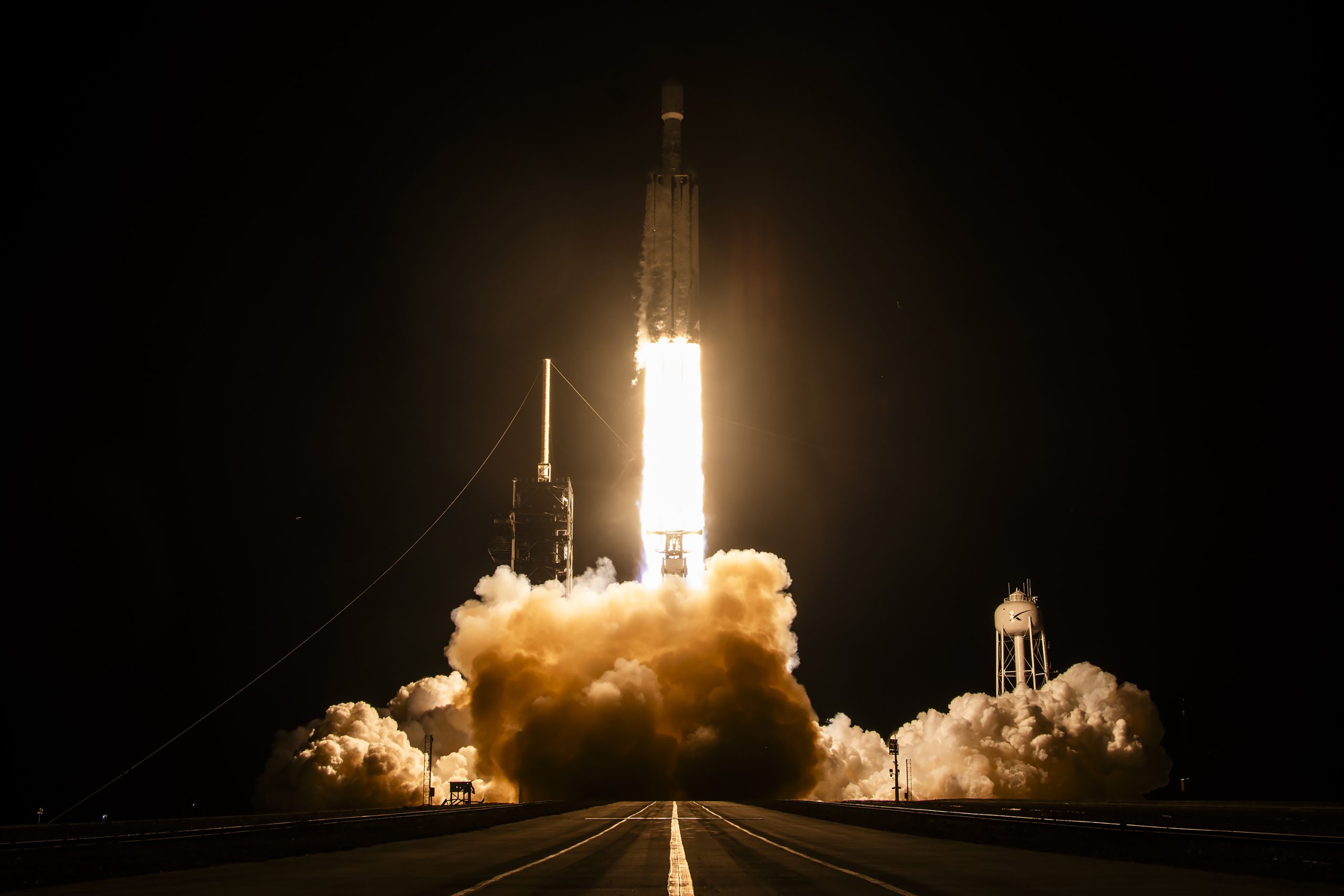
SpaceX closed out one of its busiest days ever with a midnight Falcon Heavy launch from Florida, and the rocket’s two side boosters came home to finish off a landing record the company had never set before.
Falcon Heavy lifted off from Launch Complex 39A at NASA’s Kennedy Space Center at 11:54 p.m. ET Thursday carrying NROL-97, a classified payload for the National Reconnaissance Office. It was the first time the NRO has flown on Falcon Heavy after 22 missions on Falcon 9, and the first NRO mission bought through the National Security Space Launch Phase 3 Lane 2 contract awarded in 2025, according to Spaceflight Now.
Falcon Heavy lifts off from pad 39A in Florida for the 14th time! pic.twitter.com/uuZLKNTdD7
— SpaceX (@SpaceX) October 2, 2026
Roughly eight minutes after liftoff, side boosters B1104 and B1072 touched down at Landing Zones 1 and 2 at Cape Canaveral Space Force Station, setting off double sonic booms across Brevard County. B1104 was flying for the second time and B1072 for the fourth. Both last flew on August 30 on NASA’s Nancy Grace Roman Space Telescope, making NROL-97 the quickest turnaround between Falcon Heavy missions to date. The brand new center core, B1106, was expended in the Atlantic so the payload could reach its high energy orbit, and SpaceX’s mission page noted the fairing had previously flown on the NROL-95 mission in July.
The two landings capped a record for SpaceX. Earlier Thursday, Falcon 9 booster B1101 returned to Landing Zone 40 after sending the Crew-13 astronauts to the International Space Station, and another Falcon 9 launched the Transporter-18 rideshare with 130 payloads from Vandenberg Space Force Base in California. Spaceflight Now reported it was the first time SpaceX has landed four boosters in a single day, wrapping up the triple header Teslarati previewed on Wednesday.
Falcon Heavy’s side boosters land on LZ-1 and LZ-2 pic.twitter.com/dBPcNeggFx
— SpaceX (@SpaceX) October 2, 2026
The mission also brought Landing Zone 1 back for what may be its final landing. SpaceX first landed an orbital class booster there in December 2015, but its lease on the former Launch Complex 13 site ended in 2025 as the company moved Florida landings to new pads at its own launch complexes. With LZ-40 already holding the Crew-13 booster, SpaceX brought LZ-1 back into service for one more night. Launch tracker Next Spaceflight listed NROL-97 as the final expected landing at the site.
NROL-97 adds to a fast growing stack of national security work for SpaceX. The company has flown four Space Force missions from Vandenberg since mid August, several believed to carry Starshield satellites, pushing its Pentagon contract total for 2026 past $8 billion. Elon Musk was also named this week to help lead the Pentagon’s Project Meridian study on the future of warfare.
The Florida doubleheader stood out for another reason. The Space Coast saw only one launch in all of September as SpaceX shifts more of its East Coast infrastructure toward Starship, which reached orbit for the first time on Flight 14 just three days earlier.
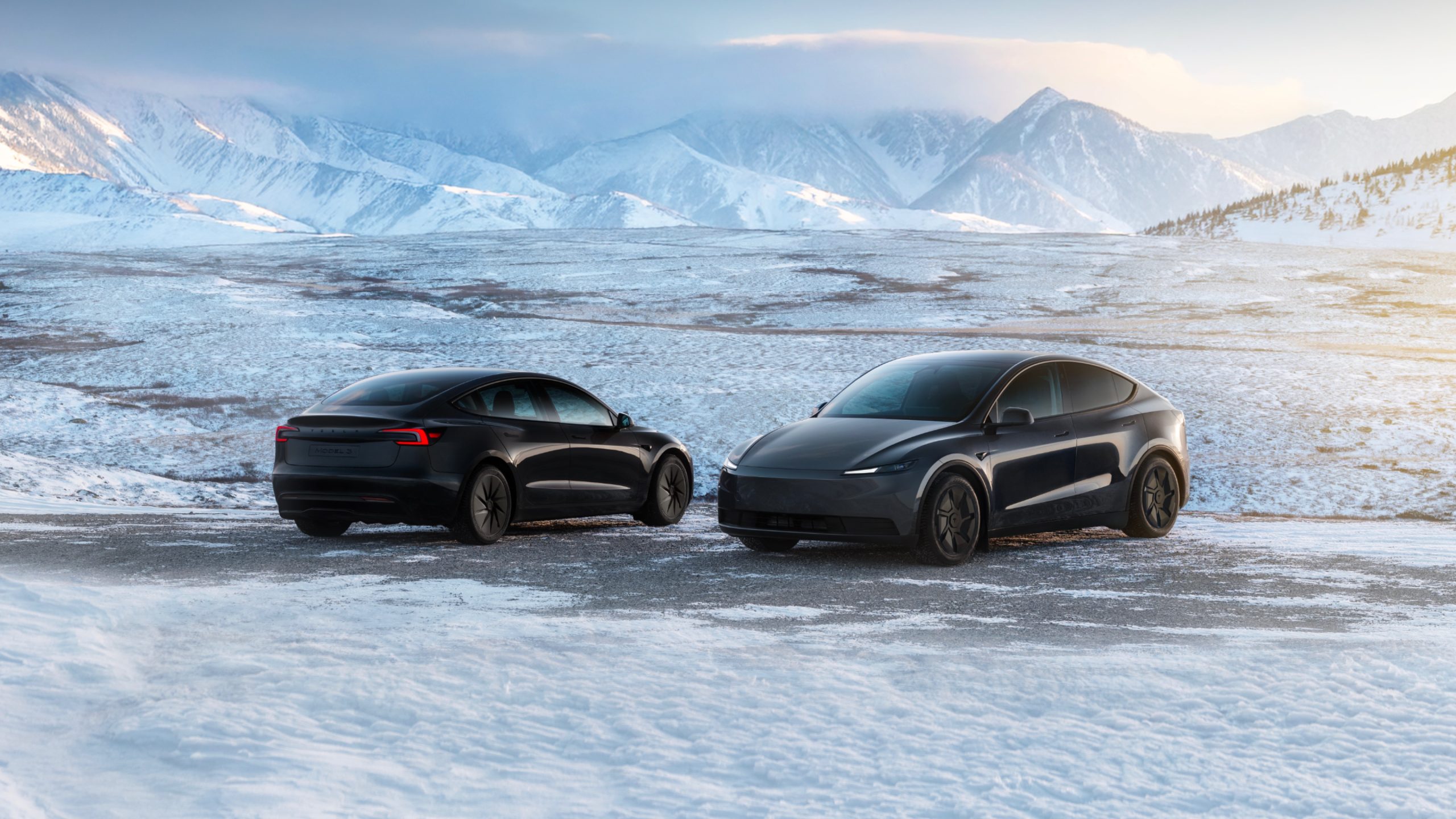
Tesla (NASDAQ: TSLA) reported strong delivery figures that beat Wall Street guesses, and they were revealed alongside the company’s second-best quarter in terms of energy deployments ever.
Tesla announced this morning that it delivered 486,532 cars in Q3, while producing 464,391, exceeding analyst consensus, which sat around 462,000 units.
Meanwhile, Tesla reported 13.7 GWh of energy storage deployed for the quarter. That’s the second-best quarter Tesla has ever reported on that side of things.
🚨 Tesla delivered 486,532 vehicles in Q3, beating expectations at 464,391.
Big Q from the Tesla team, also 13.7 GWh of energy was deployed. pic.twitter.com/olioLWgG7a
— TESLARATI (@Teslarati) October 2, 2026
Vehicle Deliveries
Deliveries were strong, and it was another quarter when Tesla had the opportunity to outshine the Wall Street pundits who are quick to criticize and slow to give credit. Tesla saw a slight decrease in deliveries compared to Q3 2025, but Tesla still had the $7,500 EV Tax Credit to use to help incentivize consumers to pick an EV.
A small decrease of 2.1 percent is pretty telling because it shows Tesla does not need massive federal credits to convince consumers to purchase its vehicles.
It was also the company’s third-best performance all-time in terms of deliveries, trailing that of Q3 2025 with 497,099 deliveries and Q4 2024, when the company handed over 495,570 cars.
We reported several days ago that Tesla Showrooms across the United States were completely bare of inventory or unclaimed units. Many locations also removed Demo Drive units, which had been bought by customers looking to take delivery sooner.
Tesla showrooms picked clean ahead of Q3 end as demand looks strong
Energy Generation
Tesla’s Energy Generation performance in Q3 was also very strong, as the company deployed 13.7 GWh of energy storage over the past three months. The only quarter when Tesla reported stronger energy deployment figures was Q4 2025, when 14.2 GWh of energy storage was deployed.
Tesla’s Q3 performance in energy generation has continued to grow each quarter, with the company increasing its deployments by ten-fold since Q3 2021, when just 1.3 GWh was deployed.
It is also nearly double what it was in Q3 2024, when the company reported 6.9 GWh. This is one of Tesla’s quickest-growing divisions, and it flies under the radar with fans and analysts, as many are focused on self-driving or the vehicles themselves.
Tesla Stock
Shares rose 5.07 percent to $372.06 at just after 10 a.m. on the East Coast. This is a rarity for Tesla after a strong delivery report, as positive news usually brings the stock down. Many quarters with extremely robust delivery reports have not been as kind to the Teslanaires of the world.

Tesla says fixes on Full Self-Driving’s two biggest issues are on the way

SpaceX’s midnight spy satellite launch quietly set a new record


