Elon Musk
Tesla’s Omead Afshar, known as Elon Musk’s right-hand man, leaves company: reports
Tesla’s Head of North American sales and European ops, Omead Afshar, has reportedly left the company. He was widely-known as Elon Musk’s right-hand man.

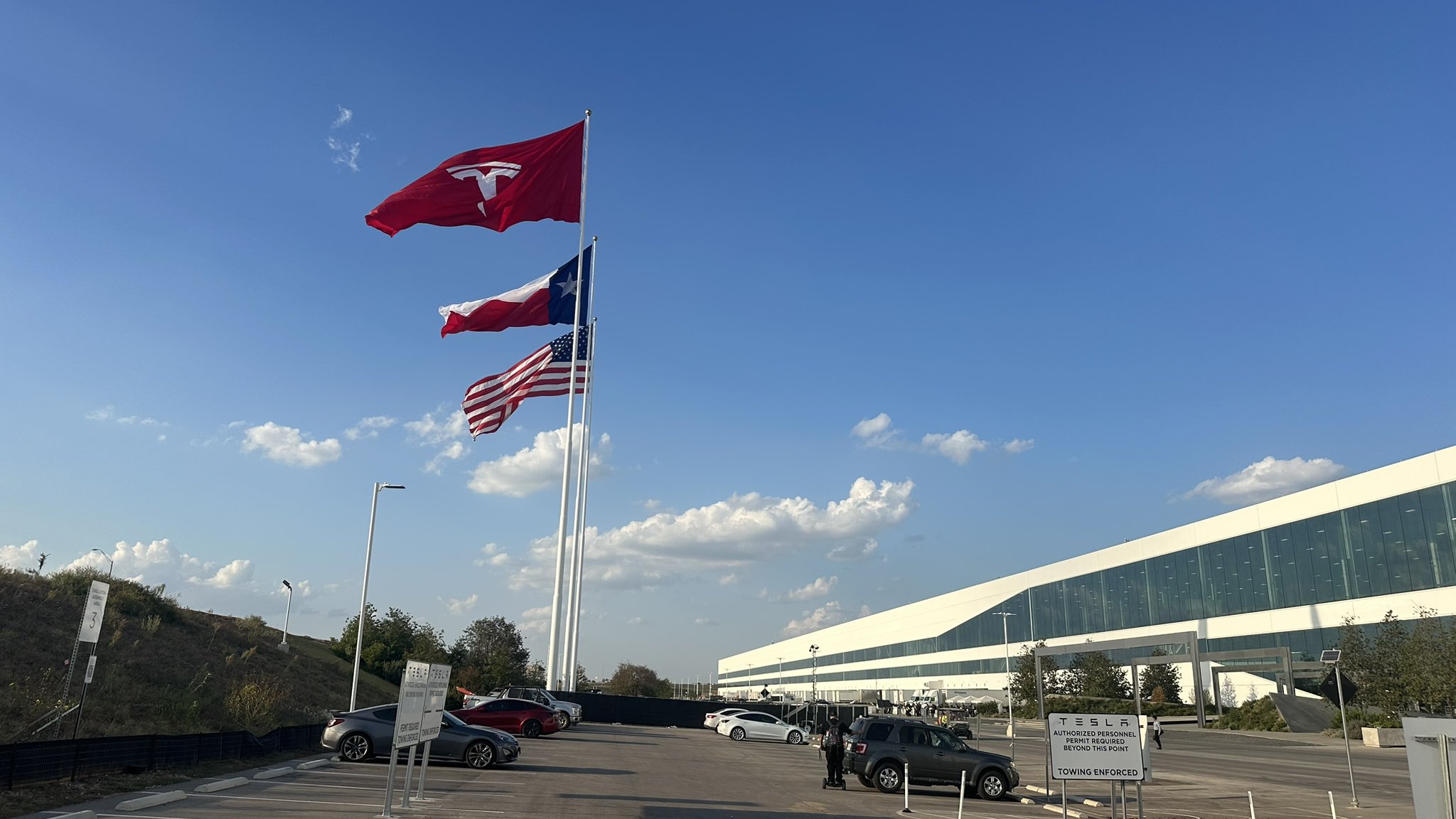
Tesla’s Omead Afshar, who is widely known as CEO Elon Musk’s right-hand man, has reportedly left the company.
Several outlets are reporting that Afshar either left voluntarily or was potentially terminated on Thursday. His LinkedIn profile has not been updated to reflect this, and still states he presently works at Tesla in the “Office of the CEO.”
Afshar was promoted to Head of North American sales and European operations late last year. We reported on his promotion in October, as he was previously a Project Manager in the Office of the CEO before Musk and co. stepped up his responsibilities.
According to the initial report on Afshar’s departure from Bloomberg, the news has been circulating throughout the company in recent days. His name no longer appears in the company’s internal directory.
It is interesting to think about what could have caused this. Tesla has felt some pressure in Europe with struggling sales figures in some markets. It is the second-best-selling EV maker in the region, with Volkswagen performing slightly better for the year, according to EU-EVs.
Tesla’s Model Y is the best-selling EV in the region.
While the company has not directly confirmed the news, it appears to be true based on the reports.
Tesla is usually relatively quick to dispel any headlines that go out from mainstream media that are not factual. This has yet to be responded to by any executive, including Musk.
Afshar has been with Tesla for seven years and ten months, first joining in September 2017 as a Project Manager in the Office of the CEO.
He then became a Project Director, before his job title was updated to a Cowboy hat emoji in July 2020, around the time Tesla started moving some things to Texas.
Forbes is reporting that Afshar was terminated and did not leave voluntarily. This has yet to be confirmed.


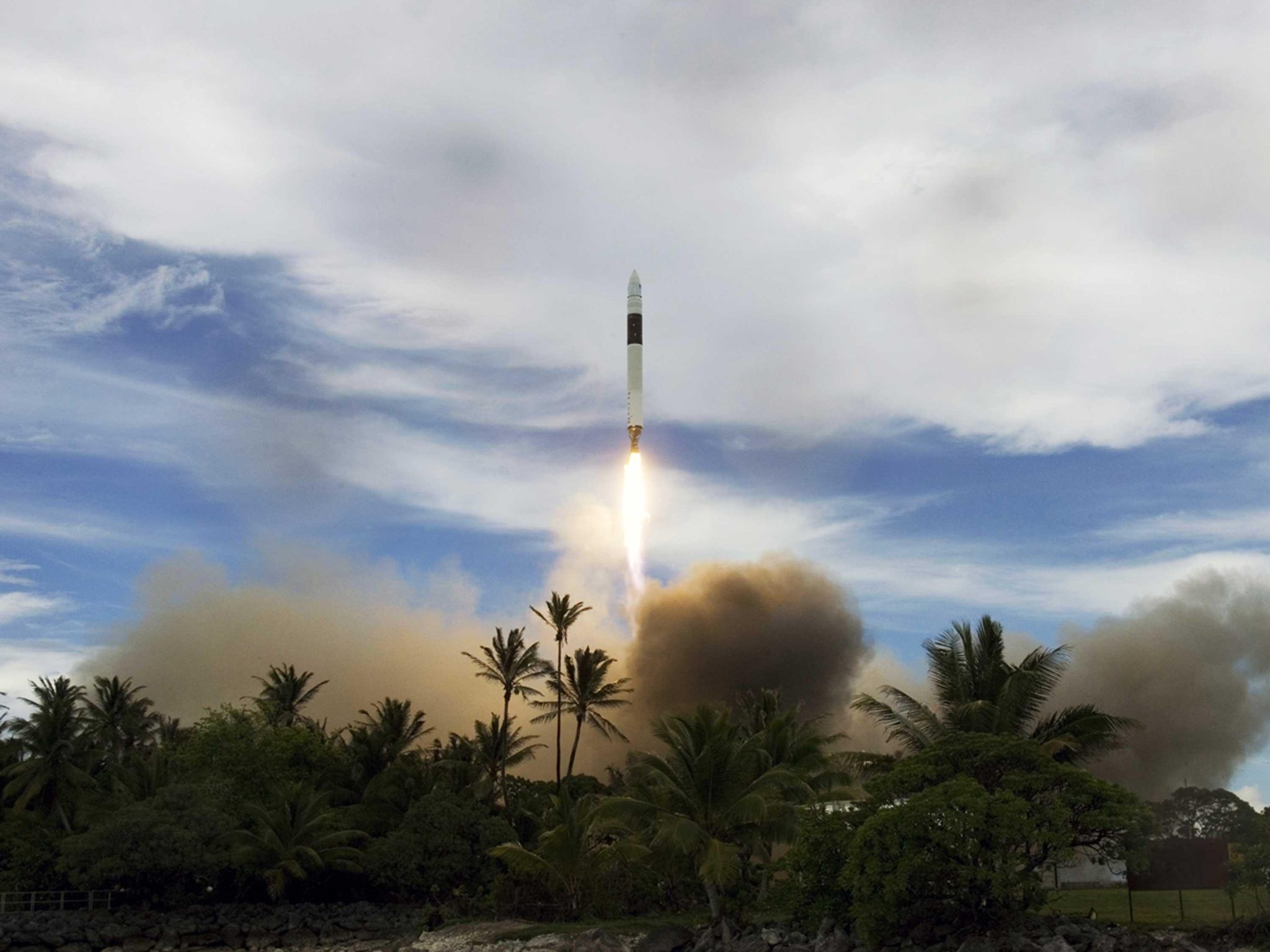
Elon Musk recently restated a fact that still defines SpaceX’s origin story: if Falcon 1’s fourth launch had failed, the company would not exist. The comment answered a reminder that after three consecutive losses, SpaceX had money for only one more attempt.
On X, Peter Diamandis said that the present-day acknowledgement of SpaceX’s success does not discount the rough start the company had. “Almost nobody remembers that Elon’s first rocket failed three times, and there was money for exactly only one more attempt.”
Musk said, “If the 4th launch had failed, SpaceX would not exist.”
If the 4th launch had failed, SpaceX would not exist
— Elon Musk (@elonmusk) August 30, 2026
In late 2008, the firm was nearly out of cash. Another failure would have ended payroll, closed the Hawthorne factory, and left the Falcon 9 and Dragon programs as unfinished drawings.
The first flight lifted off from Omelek Island on 24 March 2006. Thirty-three seconds later, a corroded aluminum fitting on a fuel line leaked. Kerosene ignited around the Merlin engine, control was lost, and the vehicle came apart. The small DARPA payload, FalconSAT-2, survived the short flight only to land on a storage shed near the pad. Investigators later traced the fitting to a materials mix-up that should never have reached the rocket.
Flight 2, on 21 March 2007, looked far better at first. The first stage burned cleanly and handed off to the Kestrel-powered upper stage. The vehicle crossed 100 kilometers and reached a peak of about 289 kilometers. Then propellant slosh in the second-stage tank started a circular coning motion that grew until the engine shut down. Telemetry faded as the stage tumbled, and SpaceX had reached space but not orbit. Over the next year, the team redesigned everything from the ground up, including tanks, baffles, and the new regeneratively cooled Merlin 1C.
That engine flew on Flight 3 on 2 August 2008. The first stage performed almost perfectly and reached 217 kilometers. After main-engine cutoff, leftover fuel in the cooling channels produced a faint residual thrust, roughly 10 pounds per square inch of chamber pressure. On a Texas test stand, the effect was invisible beneath ambient air pressure. In vacuum it was enough to push the spent first stage back into the second stage after separation. The stages collided, the upper stage spun, and the mission was lost. Musk later said a slightly longer delay before staging would have saved the flight.
Six weeks later, the team assembled Flight 4 from remaining parts and flew it on 28 September 2008 at 23:15 UTC. The payload was Ratsat, a 165-kilogram aluminum mass simulator built in-house. Staging was delayed so residual thrust could decay. The Kestrel ignited, the fairing split away, and nine and a half minutes after liftoff the vehicle was in orbit. After a coast, the second stage restarted, settling into a 621-by-643-kilometer path at 9.35 degrees inclination. Falcon 1 became the first privately developed liquid-fueled rocket to reach Earth orbit. Musk called the insertion “middle of the bull’s-eye.”
SpaceX restores a Falcon 1 rocket for 10th anniversary of first launch success
That success unlocked NASA’s Commercial Resupply Services award later that year. Without it, there would have been no Falcon 9, no reusable first stages, and no Dragon cargo or crew flights to the International Space Station. Launch prices would have remained far higher. Starlink’s constellation would not exist; broadband from low Earth orbit would still be a paper concept.
Ride-share markets, high launch cadence, and the current pace of lunar and Mars hardware would be years behind. Communications, Earth observation, and the cost of putting anything into space would look more like the 2000s than the 2020s.
One extra second of residual thrust in August 2008 would have written a different decade.
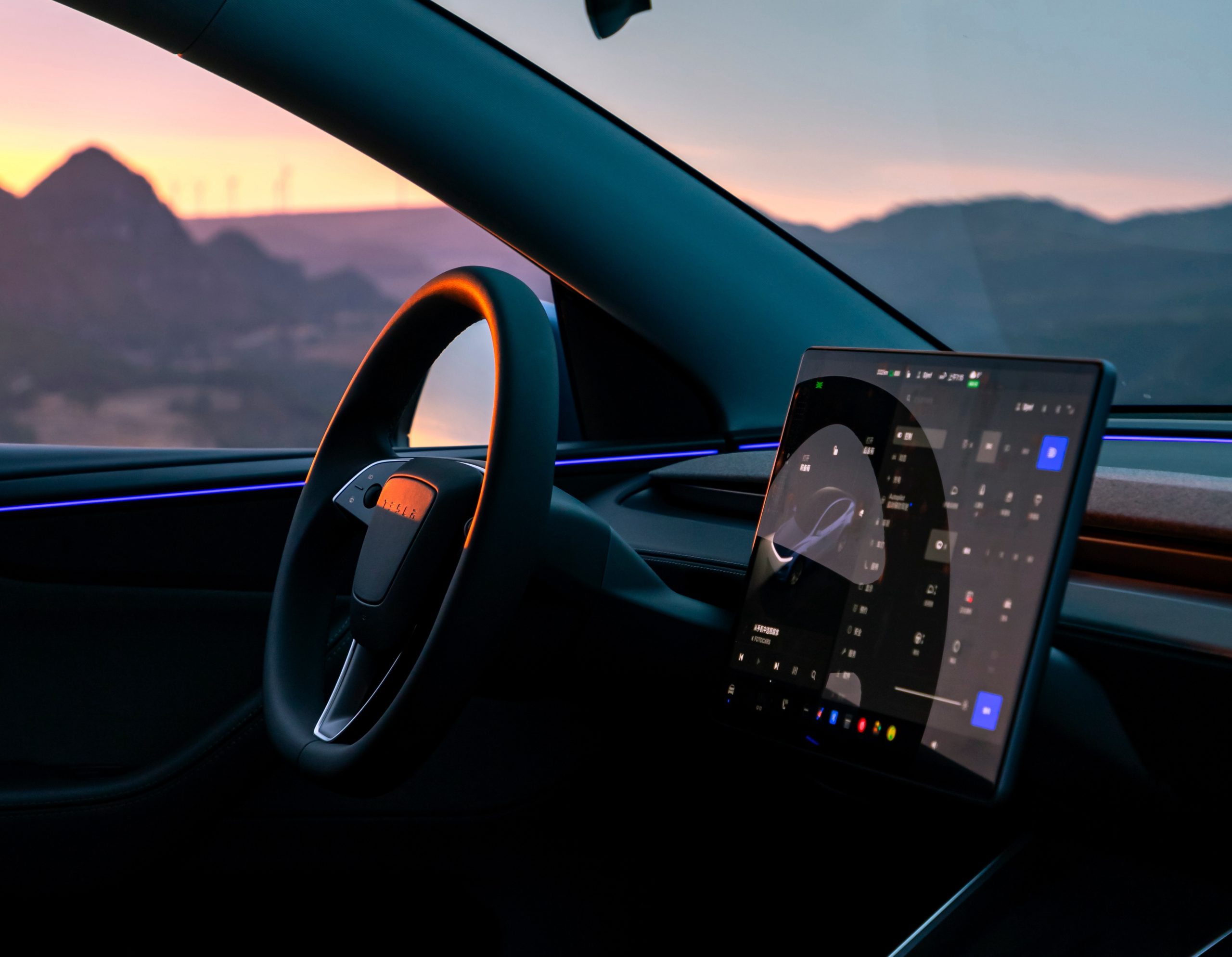
Tesla’s 2026 Summer Update turns Grok from a talking companion into a true in-car controller, with considerably expanded capabilities. Where the assistant once answered questions and handled navigation, it can now operate hardware and software through ordinary speech, including several requests at the same time.
Grok has become incredibly robust over the past few quarters, and this new ability that Tesla has included with its Summer Update is perhaps the clearest sign of just how capable it has become.
You can issue many commands to Grok at once, and each will be taken care of: anything from headlight control to climate adjustments to mirror folding can now all be taken care of with a simple sentence spoken toward Grok:
This is cool, you can now give Grok a ton of commands at once in your Tesla and it’ll do them all together.
The commands I gave:
• Fold mirrors
• Turn on wipers to fastest setting
• Change temp to 65°
• Open self-driving app
• Open gloveboxComes with Tesla’s 2026 Summer… pic.twitter.com/drZxoHrknv
— Sawyer Merritt (@SawyerMerritt) August 26, 2026
Here’s another example I used in my Model Y:
🚨 Using Grok to control the cabin temperature and turn on headlights in 2026 Model Y on FSD v14.3.8 and 2026.26.6.5 pic.twitter.com/7clgQkGABk
— TESLARATI (@Teslarati) August 27, 2026
Tesla’s official Release Notes list the core powers of Grok’s new capabilities: Grok can place phone calls from a paired phone, search a streaming service and queue music, adjust climate, and search the Controls panel. Drivers can also ask it questions about the vehicle or the latest features included in a recent software update.
It can also take care of driving settings, dynamics, and other relevant preferences that deal with how the car operates and handles.
Tesla Summer Update begins rolling out: a look at the new features
It’s also more of a use case than a novelty feature. Grok was great for learning about something that was being pondered while Full Self-Driving was taking care of the major automotive responsibilities, but it did have some useful functionality when it came to navigation.
Another less-noted improvement is the swift transition that Grok has from thinking of its answer to giving you one. In the past, it would take a few seconds for Grok to truly come up with a valuable response. It now seems that it is improving, at least slightly.
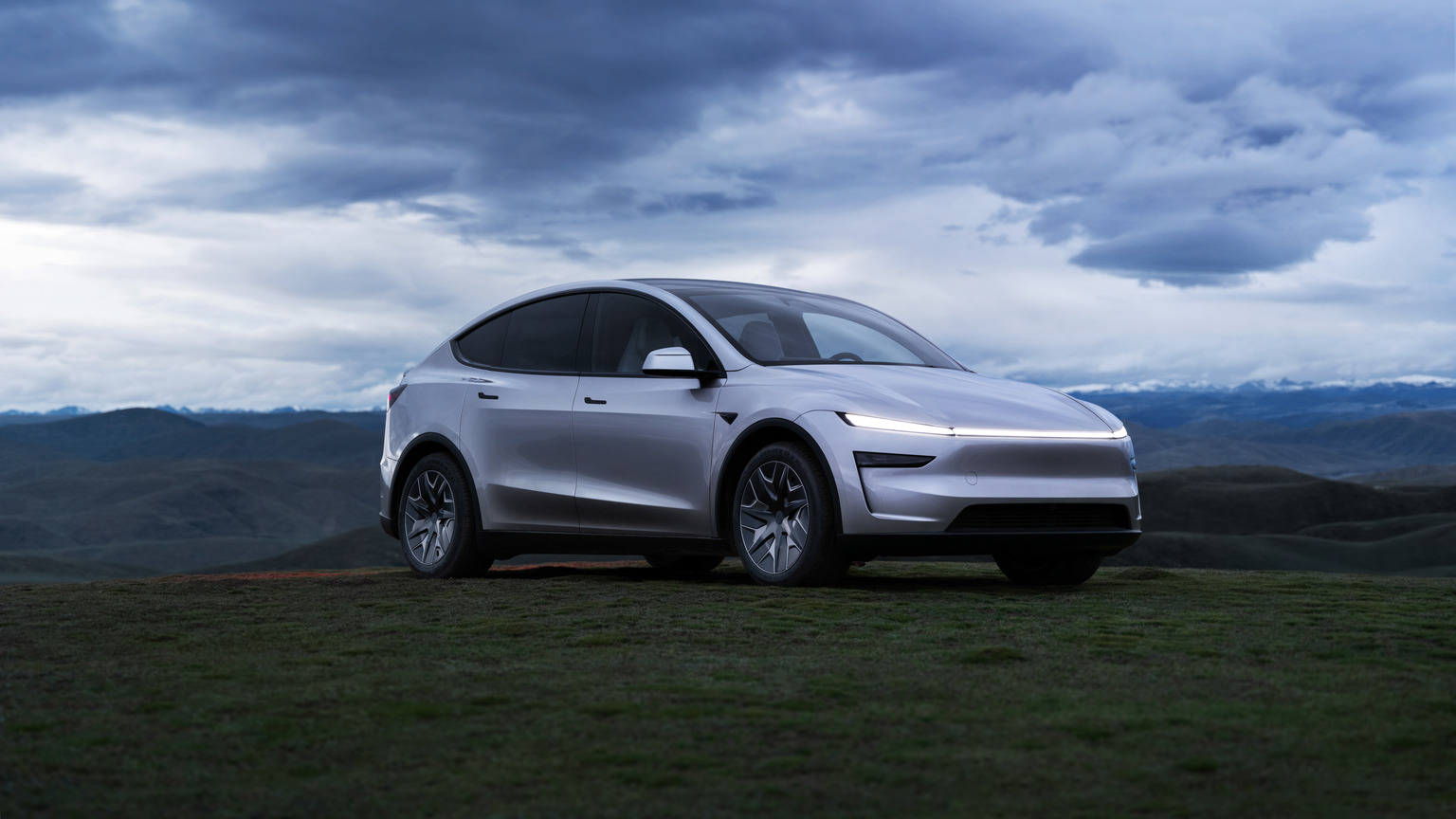
Tesla Full Self-Driving is set to get a major fix with pothole avoidance, a feature that CEO Elon Musk said recently was “coming soon.” The feature has been included within the FSD v14 release notes for some time as an upcoming improvement.
Potholes come in all shapes and sizes, but one thing is universal about them, and that is the fact that every driver wants to avoid them. Driving into or over a pothole can cause tire and wheel damage, alignment issues, and even, in some more severe instances, injury to occupants or major damage to a vehicle in despair.
Tesla Cybercab uses a unique strategy for picking up the right rider
Musk said late last night in a post that pothole avoidance while utilizing the Full Self-Driving suite is “coming soon.”
Coming soon
— Elon Musk (@elonmusk) August 31, 2026
Full Self-Driving, even in its most recent and robust forms, still has its shortcomings. While the suite has performed exceptionally well with avoiding on-road obstacles like cardboard boxes, horse droppings, car parts, and other debris, it still seems to struggle with recognizing certain things.
Potholes and other abrupt changes in a road’s layout are things that FSD still tends to struggle with. Perhaps the suite’s 3D modeling is still in need of some additional data or some sort of script that will help it to avoid a potentially destructive pothole or bump in the road that would be easily recognizable by the human eye.
Musk has mentioned pothole avoidance for some time, with the initial idea coming in April 2019 when an owner first requested the feature. Musk said that Tesla would “definitely” develop pothole avoidance.
In August 2020, Musk said Tesla was in the process of labeling bumps and potholes so cars can either slow down or steer around them altogether.
Tesla to utilize micro maps for pothole-detection in future update
Avoiding major disturbances in the road is a necessary feature for Full Self-Driving to have, especially as Tesla is working toward a fully autonomous program that will eventually allow every occupant in the vehicle to sleep, work, or enjoy leisure time while traveling.
That truly begins this week with the launch of Cybercab on Thursday.

Tesla crosses major Unsupervised Self-Driving milestone

Tesla Robotaxi will be a 24/7 service: here’s when


