News
Tesla responds to strange Supercharging pricing error with classy move

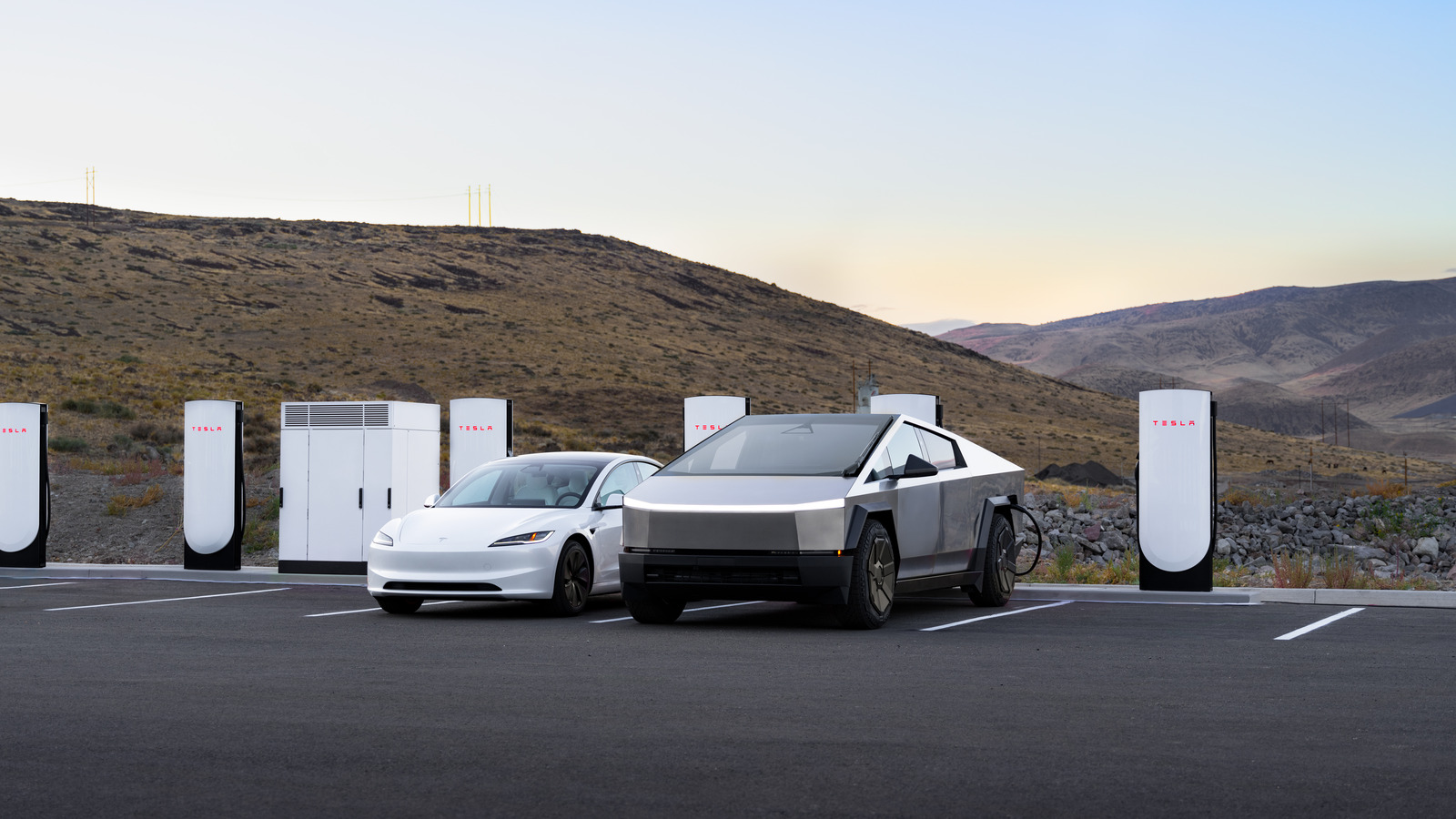
Tesla has once again demonstrated strong customer focus by swiftly addressing and fully refunding a bizarre Supercharger pricing glitch that affected drivers in Atlantic Canada.
The issue surfaced earlier this month when the Tesla app began displaying dramatically inflated per-minute charging rates at stations in Prince Edward Island and parts of New Brunswick.
One widely shared screenshot from a Charlottetown, PEI Supercharger showed rates reaching ridiculous levels: $6.00 per minute for the 180-250 kW tier, along with $3.57/min for 100-180 kW and $2.29/min for 60-100 kW.
Correct pricing will be going live at midnight tonight. All fees since July 2nd 2026 will be waived.
— Tesla Charging (@TeslaCharging) July 13, 2026
These figures were several times higher than normal Supercharger pricing in the region.
To put the error in perspective, charging at the highest incorrect rate would have been shockingly expensive.
At 250 kW, a common charging speed at Superchargers, a vehicle pulls roughly 4.17 kWh per minute. Under the glitch, a driver spending just 10 minutes at peak power would face a $60 bill. A typical 20- to 30-minute session to add meaningful range could have cost $120 to $180 or more, before any congestion fees.
Tesla gets another layer of gamification with Free Supercharging on the line
By comparison, standard Canadian Supercharger rates usually fall between $0.25 and $0.60 per kWh, making a similar session cost roughly $15–$40. The erroneous per-minute structure, combined with the inflated numbers, turned what should be a convenient stop into a potential financial shock.
The glitch appears to have started sometime around early July, and quickly drew attention on social media as owners questioned whether Tesla had implemented steep hidden increases. Some drivers even reported seeing $0 charges in their history, indicating broader billing confusion.
Tesla’s official Charging account on X stated that correct pricing would roll out at midnight on July 13, so the fix is already in effect. More importantly, the company announced it would waive all fees for every Supercharger session since July 2. This blanket waiver covers the entire affected period without requiring users to file individual claims, with automated refunds expected soon. The decision affects stations in PEI and nearby areas in New Brunswick and Nova Scotia.
It’s a classy move, and rather than issuing partial credits or forcing owners to submit support tickets, Tesla simply absorbed the cost of the system error and made drivers whole. In an industry where hidden fees and bill disputes are common, Tesla’s proactive, no-questions-asked approach reinforces owner trust and highlights the company’s commitment to service excellence.
The incident, while disruptive for a short time, ultimately showcases Tesla’s ability to own mistakes and prioritize customer satisfaction. Atlantic Canada Tesla owners can now charge with confidence again, knowing the company has their back when technology glitches occur.
In an era of complex EV billing, such transparency and generosity are refreshing and set a positive example for the industry.


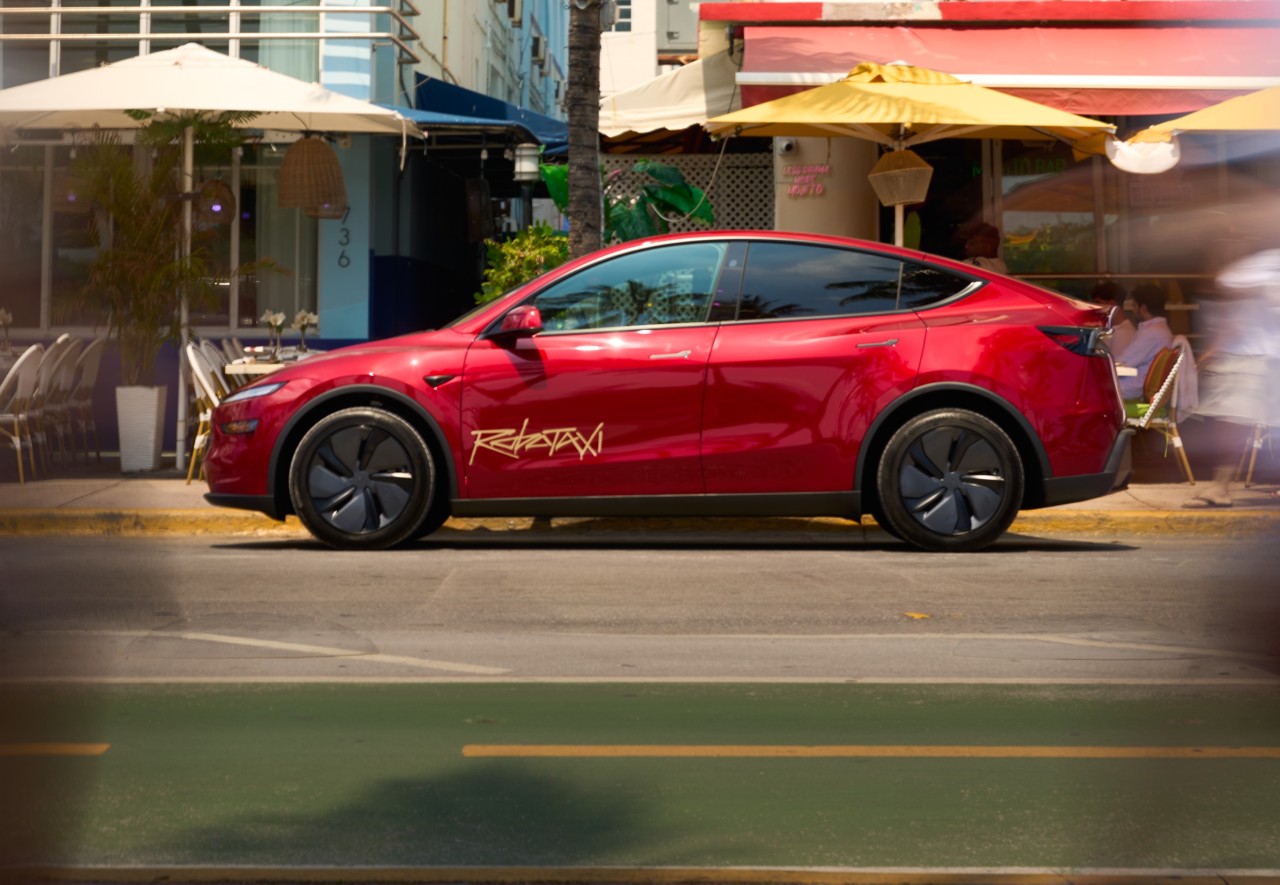
Tesla just doubled the serviceable area that its Robotaxi platform can travel in Miami, Florida.
On November 16, Tesla announced a major expansion of its Miami service area with a message stating that it would now service substantially more of the city. A new map shows the new service area, which is roughly double the initial geofence, including key urban districts into Robotaxi for the first time.
Miami’s geofence for Tesla Robotaxi has expanded considerably https://t.co/GpBqendVRN
— TESLARATI (@Teslarati) November 16, 2026
Tesla first launched unsupervised Robotaxi rides in Miami on July 3, making it the company’s initial market outside of Texas and California. The original geofence covered a very limited portion of the western Miami-Dade area, including West Miami, Doral, Sweetwater, and Miami International Airport. It was roughly 25 square miles, before a small expansion put it at about 31.
Now, Downtown Miami, the popular Brickell neighborhood, and Miami Beach, which were deliberately left outside the boundary initially, now are included in operations. Riders can now hail Model Y vehicles booked through the Tesla Robotaxi app and have run 24 hours a day since mid-November.
The map now looks to be about 59 square miles, a roughly 92 percent increase. The new eastern edge of the geofence now includes Downtown, Bickell, Wynwood, Little Havana, and the Biscayne Bay waterfront, nailing down a lot of typical tourist locations for Miami visitors. Additionally, the new geofence also extends North, reaching Hialeah, and adding coverage closer to the airport corridor.
At its widest, the zone now stretches roughly 11 miles from west to east. Miami Beach remains outside the service area, though Elon Musk previously indicated beach coverage was “coming soon” after Florida Governor Ron DeSantis publicly called for it.
Relative to Tesla’s other markets, Miami’s roughly 59-square-mile zone is now larger than Orlando (about 26 square miles) and Tampa (about 24 square miles) combined.
It remains smaller than Texas hubs such as Austin (around 443 square miles), San Antonio (about 275), Houston (about 254), and Fort Worth (about 143), but the rapid growth brings it closer to competitor Waymo’s approximately 60-square-mile Miami footprint, which already includes beach areas.
For Miami residents and visitors, the expansion makes driverless rides practical for trips into the city’s densest commercial and residential core, offering a new option amid heavy traffic and limited parking.
For Tesla, covering higher-demand downtown corridors should increase ride volume, generate more real-world autonomy data, and strengthen its competitive position as it scales the Robotaxi network toward broader profitability and eventual Cybercab deployment. The overnight growth also signals accelerating operational confidence less than five months after the city’s launch.
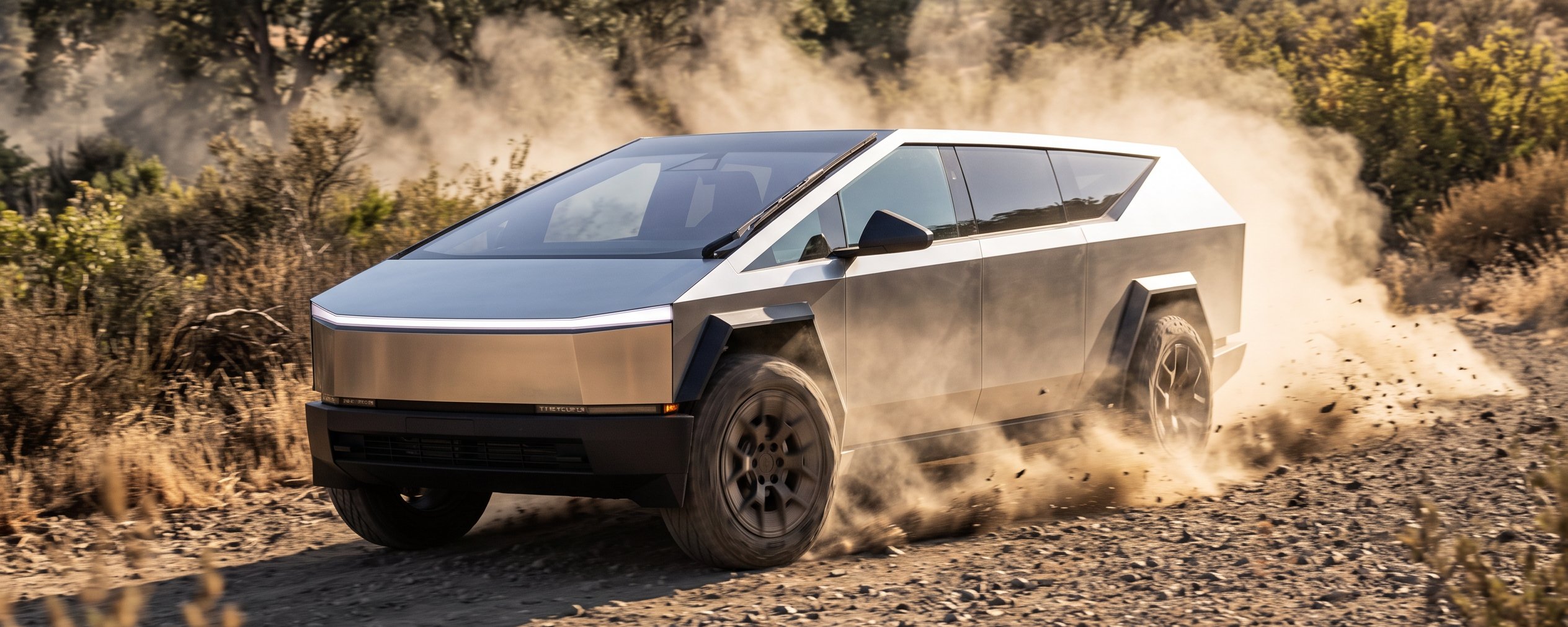
Tesla tuner Unplugged Performance, the company pleading to save the Cybertruck, detailed in a new phase of its plan to rescue manufacturing lines from Gigafactory Texas that it would also build a three-row CyberSUV.
UP has already navigated a lot of the difficult thought work, including how it will woo Tesla to turn over the all-electric pickup’s production lines at no cost or risk to them. Tesla has signaled it will wind down Cybertruck output at Gigafactory Texas sometime around the middle of next year.
Unplugged, the Hawthorne-based aftermarket specialist that has tuned Teslas since 2013, first floated an open offer on November 10 and followed with a more specific “Phase 3” outline on November 15. Under the structure, outside investors would fund the new company.
82% of respondents want a three-row CyberSUV. The line to build it is about to be dismantled. Our proposal keeps it alive at no added cost to Tesla. Tesla keeps the IP, signs its first FSD license, and earns on every vehicle.
👇 https://t.co/y9y33EuLPr— UP (@UnpluggedTesla) November 15, 2026
The line would leave Giga Texas on Tesla’s schedule, supplier contracts would transfer, and Unplugged would hire its own staff, drawing from interested Tesla alumni, without pulling current Tesla employees or engineering resources.
Tesla would retain intellectual-property ownership, final say on specifications and brand, a quality veto, and an option to reclaim the line. In return, Tesla would collect a license fee on every vehicle plus margin on parts it continues to supply, Full Self-Driving and Robotaxi revenue, and a no-cost equity stake in the new entity.
If Unplugged cannot meet demand or capital targets Tesla sets, it would withdraw.
UP looked at the overwhelming demand for a full-size SUV, something that Tesla has had a lot of demand for but has not developed internally. A poll put out by the tuner that surveyed 892 responses showed 82 percent of voters favored a CyberSUV. There is a substantially deeper market for three-row SUVs priced above $80,000 compared to pickups.
Not to mention, the new body tooling plus limiting other changes from the Cybertruck line would enable the company to use the existing platform to produce an all-terrain family vehicle while continuing to produce Cybertruck builds at a modest incremental cost.
Tesla has already shown interest in a CyberSUV, as it hid Cybertruck-inspired clay models of what appeared to be a full-size SUV in a video last year:
The proposal from UP also contemplates multiple configurations that would enable owners to utilize a full-fledged Robotaxi in the form of a CyberSUV, aiming to build one with conventional controls for private buyers while a no-wheel/pedal version would be available for the Robotaxi fleet.
Tesla has made it clear that its manufacturing space and cell capacity is set aside for Cybercab, but UP already has soft commitments from a conglomeration of investors, but it all hinges on Tesla’s willingness to engage.
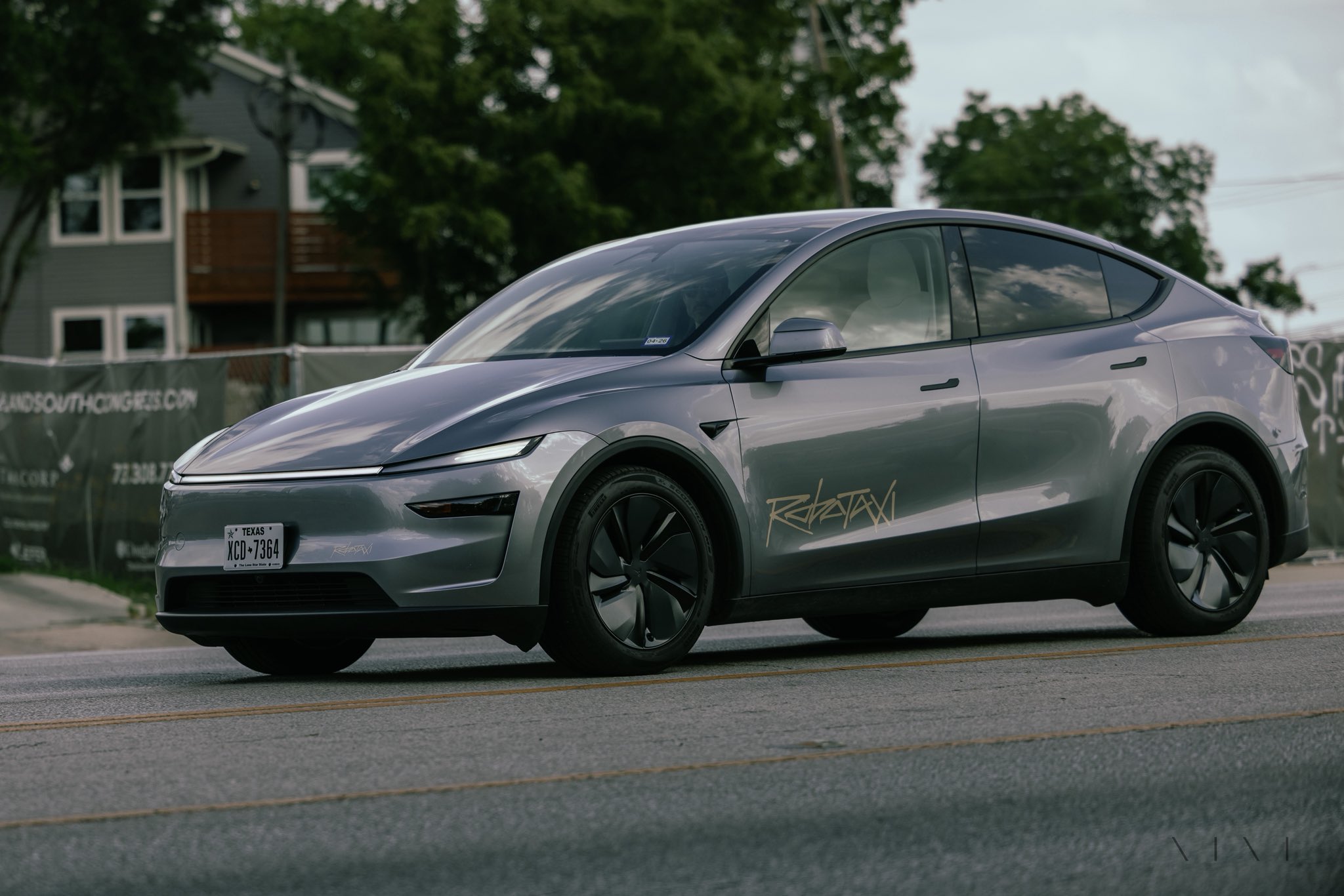
Elon Musk says that Tesla could test adding customer-owned vehicles to the Robotaxi platform as soon as December.
In a reply on X to an Austin-based Uber driver who uses a Model Y with Full Self-Driving and keeps only 49-63% of fares after the platform’s cut, Musk wrote:
“Coming soon. If things well, may start trials next month. Much better to manage a fleet of cars than have to drive just one car by yourself!”
@apostlejohn @WorldlyReviewer Coming soon. If things well, may start trials next month.
Much better to manage a fleet of cars than have to drive just one car by yourself!
— Elon Musk (@elonmusk) November 16, 2026
The exchange highlights the appeal of passive income from an autonomous vehicle versus actively driving for rideshare platforms.
This potential December start is technically earlier than prior company guidance, but it also aligns with the currently-projected first delivery of the Tesla Cybercab, a vehicle that has no manual controls.
Nevertheless, Tesla planned to bring customer vehicles into the fleet later on. During Tesla’s Q3 earnings call, AI leadership had pointed to roughly the second quarter of 2027 for customer vehicles joining the network. Musk’s comment suggests an accelerated pilot, most likely beginning in Austin, where Tesla’s Robotaxi service has operated longest and where new features typically roll out first.
December is also the target month for the first customer deliveries of the Cybercab. In mid-November, Tesla began inviting select buyers to purchase the purpose-built, two-seat vehicle for personal use at $29,990 plus a required $299 monthly Autonomy Subscription, with estimated deliveries in Austin.
Tesla Cybercab goes on sale for $29,990, slated for December deliveries
Those initial private Cybercabs are restricted to personal use within existing Robotaxi zones and do not automatically include commercial network participation; the large majority of Cybercabs are expected to remain Tesla-owned fleet vehicles.
The coincidence of the two December milestones underscores Tesla’s parallel paths. Customer Model Ys already on the road with FSD hardware could rapidly enlarge the vehicle pool for unsupervised trials, while the Cybercab, which is void of a steering wheel or pedals and equipped with only dedicated Robotaxi hardware, arrives as a purpose-built platform.
Hardware differences, such as additional cameras or cleaning systems on company Robotaxis, may constrain which Model Ys are eligible at the outset. Regulatory approvals, insurance arrangements, and software readiness will also determine whether the “if things go well” condition is met.
For owners, successful trials would fulfill a vision Musk first sketched in Tesla’s 2016 Master Plan: vehicles that earn money while their owners sleep or work.
Combined with the arrival of privately owned Cybercabs in the same month, December could mark the transition from Tesla-controlled Robotaxi operations to a broader ecosystem in which both company fleets and customer vehicles contribute to the company’s autonomous ride-hailing platform, which continues expanding.

Tesla just doubled its Miami Robotaxi geofence

Tesla tuner pleading to save Cybertruck also wants to build CyberSUV


