News
Pencils down on Tesla Model 3: here’s what I hope to see

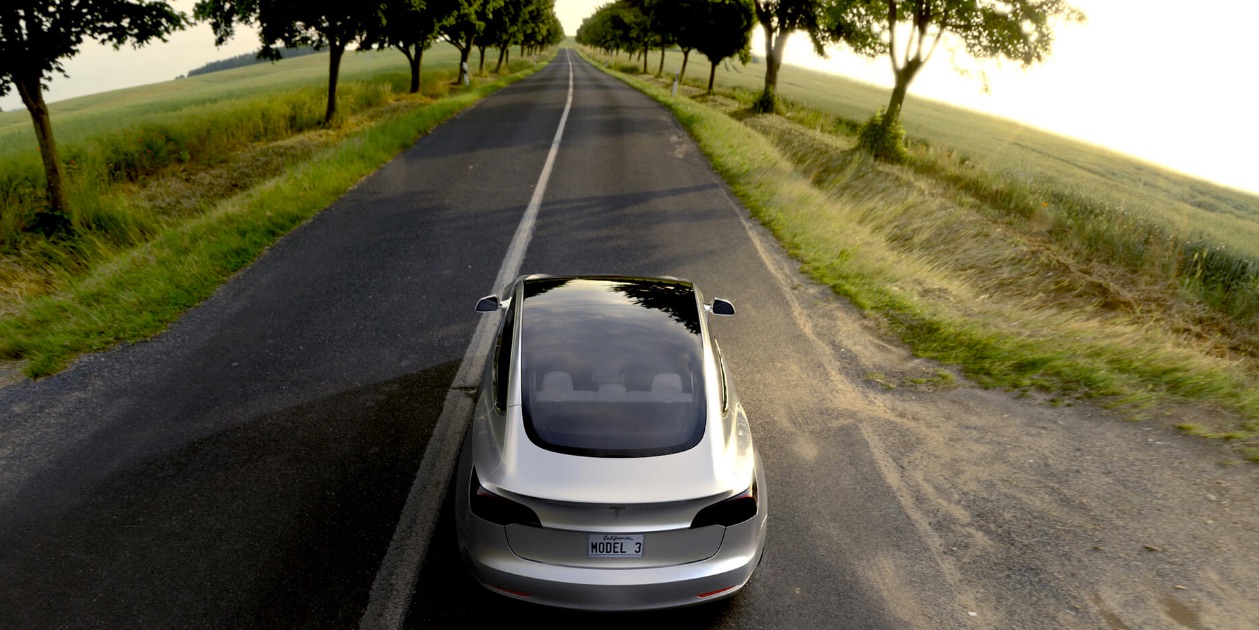
From what tidbits Tesla has shared, it’s already “pencils down” on the Model 3 design. We’ve seen the prototype, we’ve poured over spy spots and video stills. We’ve even accidentally drooled on our copy of a Franz print. (Oh, that was just me?) In fact, there are quite a few things we already know.
But because this is the age of instant information and chronic impatience – and because I have an enormous amount of faith in Tesla – I’ll pass the time by sharing 10 things I hope to see on the smaller and much more affordable Model 3 that if true, would arguably make owning it an even better experience than the Model S.
Efficiency
The Model 3 will require a smaller battery to go 200 miles on a single charge than a Model S would require. What this should also mean is that on a miles per kWh basis, it’s cheaper to drive than the Model S. I’ve already figured out using very rough and imperfect math that it costs me $.06/mile to drive the Model S given our just slightly above average electricity rates. That is about 1/3 the cost to run my ICE. It’s a bit closer now as gasoline prices have dropped, but the Model S still wins by plenty. If the Model 3 does what I think it will, it should cost even less.
Wheelbase
Maybe it’s me, maybe it’s my age, or maybe it’s the fact that I’ve never owned a 4-door car before the Model S but I really crave a slightly shorter wheelbase in a car. The Model S is a phenom in acceleration at any trim level. The Model 3, especially in a dual motor Performance version, will be no different. Pair this with the agility that comes with having a lighter, shorter car and perennial favorite “car guy” cars like the BMW 335 or Mustang GT will be made to look a fool.
Steering Feel
This right here. Of all the goofy things a person can insist upon when picking out a car, a tightly tuned steering situation is inordinately high on my list. In fact, I almost ended up in a Camaro or Mustang in late 2012. My machismo really wanted to like them. Aside from the fact that I couldn’t actually see over the hood scoop in certain models, I loathed feeling like I was steering a minivan and thus opted for neither. Well, what I assume a minivan feels like. I’ve never actually had the pleasure (?) of driving one. It should go without saying that Tesla will offer driver selectable steering on the Model 3 like it does on the Model S. This pairs nicely with my wheel base argument.
Kicking the Clutter
I’m anti a lot of stuff: Anti “big oil,” anti the color olive green, anti waiting in line at a chain restaurant when you live in a major city with approximately 17,045 better places to eat. One of the other things I’m against is something that our Model S has not only indulged me on but has made me more so. I’m of course talking about car clutter: unnecessary buttons, knobs, cupholders, nooks, crannies and dust magnets. I do expect a center console of some sort, as well as some semblance of perceived normalcy regarding cupholders but I trust Tesla will maintain their trademark lack of crap.
Ease of manufacturing was a major cornerstone of designing the Model 3. It needs to be given Tesla’s ambitious plans to ramp up production. Cupholders aside, I expect the Model 3 to have an even cleaner cabin. There may be a HUD, may be a simpler instrument cluster (if one at all) and there may even be super minimalistic HVAC vents. As if driving a Tesla isn’t calming and soothing enough, the modern, clean and clutter free interior I’m expecting will probably transport me to an even happier place than a Model S can. The Model S design, while utterly amazing and thus far ageless, was still made to look like a car. The original front end, for example, gently lulled first time EV owners away from the look and feel of a gasoline powered car. Model 3 will have to do no such thing in order to sell.
More Power
Tim the tool man Taylor would be proud that anyone who may own a non-performance Model S or X and chooses to add a performance Model 3 to their garage, may have a hard time going backwards. I don’t imagine it will be quite as stark a contrast as when a Model S owner jumps into a rental ICE, but it’ll surely be plenty to make you want pickup your 3 fob when given the choice.
Next-gen Autopilot
A series of recent Elon tweets speaks to at least a moderate upgrade being possible for Autopilot on today’s equipped cars via software update. Because Tesla is Tesla, I also expect that some hardware refinements will be present by the time the Model 3 rolls off the line. Also because Tesla is Tesla, if the Model 3’s Autopilot isn’t better than a an early AP Model S at the moment you get the Model 3, it probably will be eventually. If my hopes and dreams estimations are correct, I should have a Model 3 around my the third birthday of my Model S. (December 2017.) It speaks to reason that once my youngest Tesla grows up just a bit, he may even exceed the skills of his older sister.
Fit and Finish
Disclaimer: I have never owned a luxury car. The Model S replaced a Jeep Wrangler and to me, it’s perfect. It’s gorgeous, flawless even, elegant and comfortable. The leather, despite not being my choice, is soft and the cabin seems well put together. There are no rage-inducing rattles, nothing has faded or worn or cracked. The car is a real gem, at least in the eyes of someone with my car history. I fully expect the Model 3 will be manufactured with a fit and finish quality on par with an automaker far more experienced than Tesla. Even if it’s not, the many owners who have never had a luxury car before will probably, like me, assume it’s perfect!
Comfort
See: fit and finish above. 30,000 miles later and I still have no idea why people say the seats in the Model S aren’t comfortable. I don’t pretend to be old or tall or especially large so maybe that’s it. All I do know is that the people have spoken and Tesla has listened. Next-gen seats now exist for the Model S and Tesla will certainly keep seat comfort in mind. For anyone with a Model S with standard seats, the Model 3 may very well be more comfortable.
Booster Seat Ease
I can count on one hand how many times I’ve had kids in the Model S but I can already tell you that installing a car seat or worse, using a booster seat, sucks big time. The seat belts are so deeply recessed (which looks great, by the way) that it makes buckling them over a booster require a circus act of contortion and a whole lot of force. Actually, I hope Tesla is listening to this one because aren’t kids supposed to be able to buckle themselves in? I don’t mean babies, I mean kids. (Aren’t you now required to use a booster seat until Junior Prom?) Neither my 5 or 7-year-old nephew would be able to do it in our S and I imagine having to buckle it for them would get old quickly.
Recognizability
I’m not going to lie here. I love when people recognize our Model S. I sometimes get smiles, raised thumbs and even compliments as I drive the car and there are few things in life I enjoy more than answering questions about it. I expect that to skyrocket in the Model 3. As I learned at the car show, Average Jane already knows about Model 3. If the aforementioned hopes and dreams do come true, I will be a very early Model 3 owner. I can not wait to be stopped and questioned, nodded to and waved at because people recognize the car. The Model S, despite being immensely gorgeous and still well ahead of it’s technological time, will be overshadowed by the excitement of the first Model 3 cars to hit the road.
It’s hard to imagine having a car that is better to drive than the Model S, but boy does it sound like that’s exactly what is going to happen.


Elon Musk
Elon Musk just confirmed the Tesla and SpaceX merger step everyone was waiting for
Tesla and SpaceX formed special committees to weigh a merger, and Elon Musk supports it.

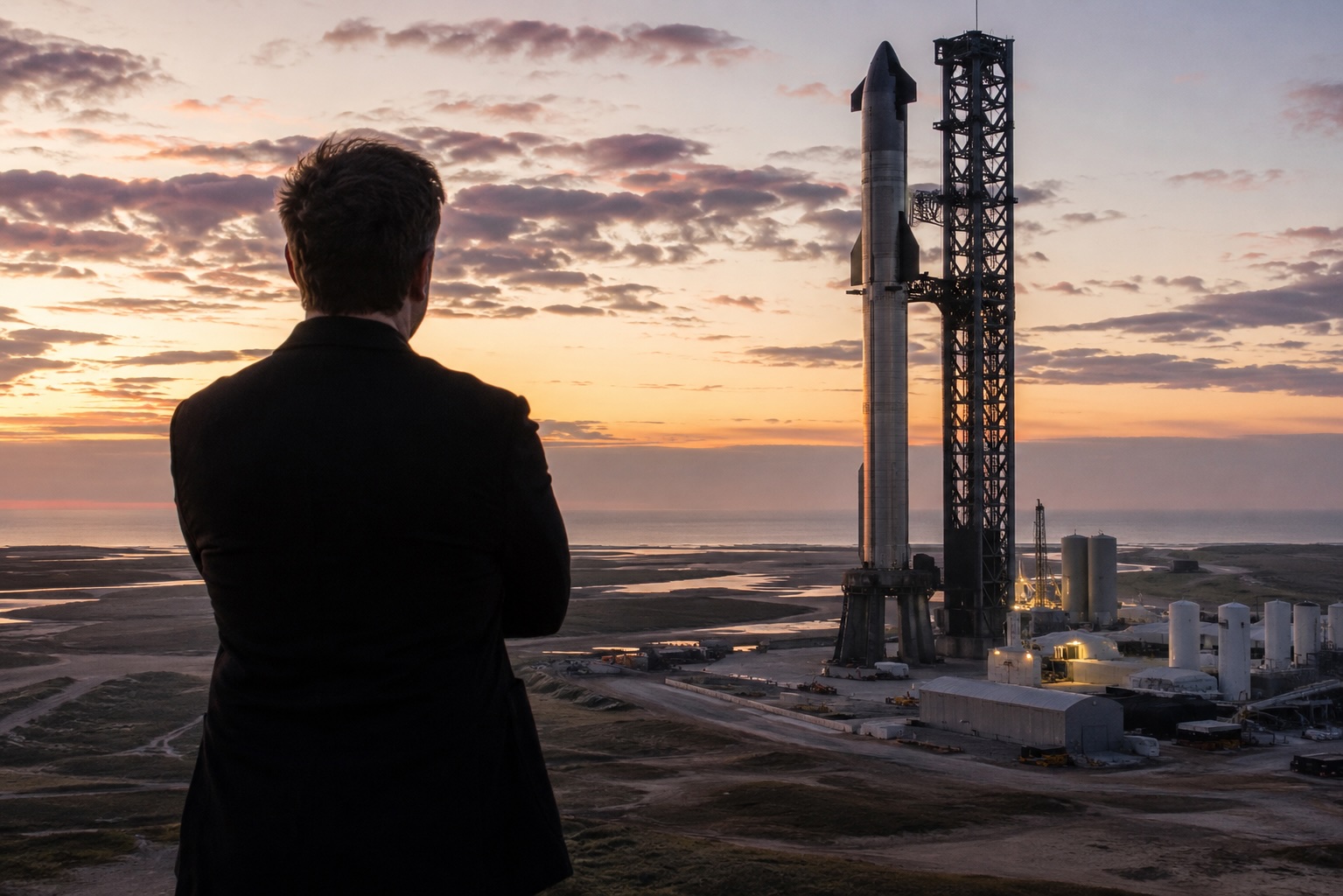
Elon Musk confirmed Tuesday that Tesla and SpaceX have each formed special committees of independent directors to study a possible merger, the first formal step toward combining the two companies after months of speculation.
Musk made the disclosure during SpaceX’s third quarter earnings call. “Both SpaceX and Tesla have formed special committees to discuss this idea at the request of shareholders,” he said. “Because I’m a conflicted party, I can’t actually be in the discussions of the special committees.” He described the setup as “an odd kabuki dance where two groups of people are talking and I can’t be in the conversation.”
Musk did not hide where he stands. “Do I think it would be a good idea? Yes,” he said, pointing to shared work on super intelligence software, chip design, the Terafab facility in Austin, robotics, mass to orbit and connectivity. “I do think there’s a lot of merit to combining the companies as we are pretty much in the super intelligence singularity.”
He also tried to cool expectations. The committees have not agreed on terms for any transaction, and Musk said assuming a merger is a certainty “would be overstating it.” Any deal would go to shareholders, and on the Tesla side it would need approval from 50 percent of all outstanding shares, not just the shares that are voted. Musk called that “quite a high hurdle.”
That bar has tripped Tesla up before. The company’s 2025 attempt to declassify its board won support from only 39.4 percent of outstanding shares and failed. Musk’s own voting stake sits near 20 percent after he exercised his 2018 options in June, so a deal would need broad backing from institutions and a retail base that often leaves votes uncast.
Timing is another open question. Tesla filed its proxy statement Monday for its December 3 annual meeting, and the ballot has only three items: director elections for Musk, Robyn Denholm and JB Straubel, a say on pay vote and auditor ratification. Barclays analyst Dan Levy had argued that an announcement would need to land by late October or early November to make the annual meeting, as Teslarati noted in its SpaceX earnings preview. With no terms agreed, any vote would likely require its own special meeting.
Elon Musk gives his most telling Tesla-SpaceX merger conversation yet
Musk has been edging toward this for weeks. At the All-In Summit in September, he asked “who can imagine what action one might take when there’s so much close collaboration,” Teslarati reported. Last week’s Roadster unveil, built around SpaceX derived cold gas thrusters, pushed the talk further. The two companies already share the Terafab chip project, and Tesla holds a small SpaceX stake that came from its earlier investment in xAI.
SpaceX brought strong numbers to the conversation. It reported Q3 revenue of $14.58 billion, up 161 percent year over year, with its Super Intelligence segment now its largest at $7.56 billion. A higher SpaceX valuation would shape any exchange ratio Tesla holders are offered.
Tesla reports its own third quarter results after the close on Wednesday, October 21. Investors had already ranked merger timing among the top retail questions for SpaceX’s call, and the committees will almost certainly come up again on Tesla’s.

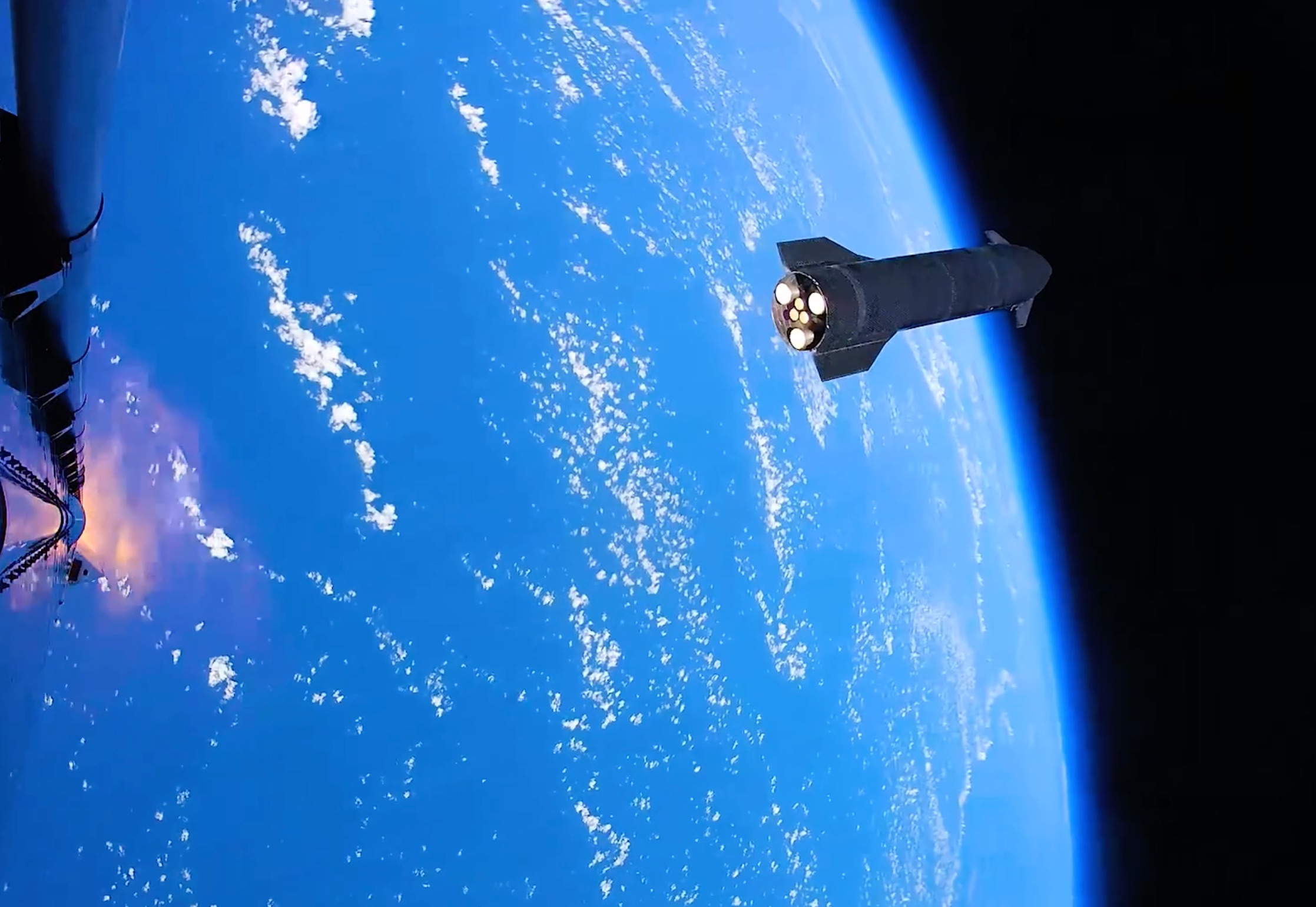
SpaceX reported its third-quarter 2026 financial results on October 20, posting the company’s first solidly profitable quarter since going public earlier in the year under the ticker $SPCX.
Revenue reached $14.58 billion, up 161 percent year-over-year from $5.6 billion, and well ahead of consensus estimates in the $12.7 to $12.9 billion range. The results highlight a rapid shift in SpaceX’s center of gravity toward artificial intelligence/super intelligence, while Starlink and traditional space operations continue to show robust progress.
Here are the key financial results for the quarter:
- Revenue of $14.58 billion (+161% YoY)
- Adjusted EBITDA of $8.8 billion (+306% YoY)
- GAAP net income of $4.4 billion (versus a $1.1 billion net loss in the prior-year quarter)
- Adjusted EPS of approximately $0.35 (versus roughly $0.13–0.16 expected)
- Income from operations of $2.8 billion
The AI/SI segment generated $7.56 billion in revenue, an 830 percent year-over-year increase, making it the company’s largest segment for the first time. Growth was primarily driven by the activation of major cloud services agreements, the integration of Cursor (acquired earlier in 2026), and rising usage of Grok models and the newly introduced Grok Bot personal agent.
🚨 SpaceX just reported earnings! Here are some highlights:
Financial:
Revenue $14.58B (+161% YoY) vs. consensus ~$12.7–12.9B
Adjusted EBITDA $8.8B (+306% YoY)
GAAP net income $4.4B (vs. prior-year loss; first solidly profitable quarter post-IPO)
Adjusted EPS ~$0.35 vs. ~$0.13–0.16 expectedSegments:
Super Intelligence (SI, formerly AI): $7.56B (+830% YoY) — now the largest segment, driven by cloud contracts, Cursor, and Grok.
Connectivity (Starlink): $5.25B (+69% YoY).
Space: $1.77B.Other highlights:
Starlink subscribers: 13.6M (+89% YoY).
Nameplate compute: 1.7 GW.
Capex: $19.6B (majority AI infrastructure).
Cash & marketable securities: ~$90B.
First revenue-generating Starship mission (26 V3 Starlink satellites, ~10× Falcon 9 downlink capacity per launch).— TESLARATI (@Teslarati) October 20, 2026
SI adjusted EBITDA reached $5 billion, and nameplate compute capacity stood at 1.7 GW at quarter-end, up from 1.4 GW in June and 0.6 GW a year earlier. Capital expenditures totaled $19.6 billion, with the majority allocated to AI infrastructure, including continued expansion of the Colossus facilities.
The Connectivity segment, which primarily surrounds Starlink, produced $5.25 billion in revenue, a 69 percent year-over-year and 22 percent sequentially. These are pleasant results to see and expected, considering how many airlines have adopted Starlink over the past year.
Starlink consumer subscribers reached 13.6 million, an 89 percent increase from the prior year, and a sequential gain of 1.6 million. Consumer average revenue per user improved to $69. Meanwhile, Enterprise and Government revenue also grew strongly, and Starlink is now installed on more than 3,800 aircraft, making internet more accessible and better performing than previous options.
The Space segment also performed well and contributed $1.77 billion in revenue, up 6 percent year-over-year and 84 percent sequentially. A major milestone was the successful first revenue-generating Starship mission (Flight 14), which deployed 26 V3 Starlink satellites. Those satellites added roughly 10 times the downlink capacity of a typical Falcon 9 Starlink launch.
SpaceX completed 12 customer launches during the quarter, including NASA’s Nancy Grace Roman Space Telescope mission, and continued to grow its backlog of crewed, national security, and commercial flights.
CFO commentary noted that the combination of launch leadership, recurring Starlink revenue, and rapid SI expansion is producing meaningful operating leverage.
The company ended the quarter with roughly $90 billion in cash and marketable securities, providing substantial resources for ongoing investment while targeting an investment-grade balance sheet. Sequential revenue nearly doubled from the $7.81 billion reported in the second quarter, illustrating the pace of the AI-driven acceleration. Things are looking strong for SpaceX.
What’s incredibly striking is the fact that SI has grown to be larger than the rest of the company in such a short amount of time. CEO Elon Musk said on the earnings call that Grok Bot is the “fastest-growing product I’ve ever seen,” so it seems that it could be a true keystone of SpaceXSI over the next few years.
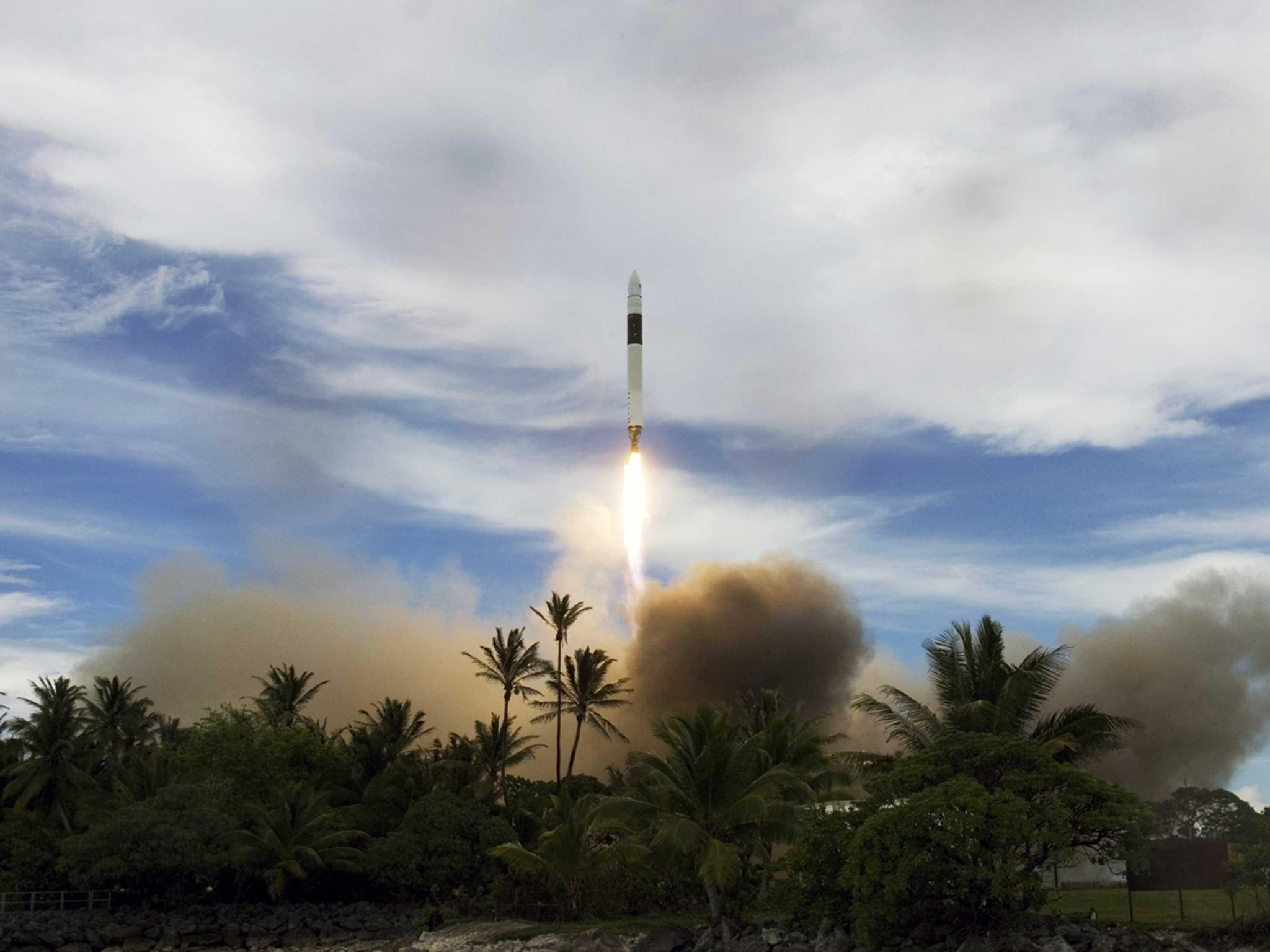
SpaceX (NASDAQ: SPCX) will report its second public earnings call today since its IPO earlier this year, and there are a few things we expect to hear about, as well as Wall Street analysts, who have already outlined their expectations for the call.
Wall Street analysts have a consensus of $12.72 billion in revenue and an earnings per share (EPS) of $0.13. These are broken down into three sectors: Space, Connectivity, and AI/SI, which are perceived in this way:
- Space: $1.41 billion
- Connectivity: $4.84 billion
- AI/SI: $6.47 billion
Other outlets cluster near $12.8 or $12.9 billion in revenue and $0.14 – $0.15 EPS. This implies a roughly 65 percent sequential growth from Q2’s $7.81 billion, driven mostly by AI/SI, with the first post-IPO positive EPS expected.
Here are the three things to watch for on the call:
AI Revenue Ramp and the $100B+ ARR target
AI is truly the swing factor for SpaceX, and analysts expect it to roughly double from Q2’s $2.56 billion and become about half of total revenue. Management previously guided to a $100 billion+ annualized run rate by December, including the Cursor acquisition, which was $60 billion, to close the quarter.
Listen for updates on SpaceX’s compute capacity, especially pertaining to its contracts with Google, Anthropic, and others, revenue per watt, any new deals, and Cursor’s early contribution.
Starlink/Connectivity Metrics and Mobile Expansion
Connectivity remains a main profit engine for SpaceX. Subscriber additions will be something to pay attention to, as Q2 ended at 12 million and previews are looking at 14 million for this quarter. Additionally, ARPU trends, enterprise and government growth, and any commentary on Starlink Mobile will be something to pay attention to, especially following the recent low-band spectrum deal and FCC-related constellation approvals.
Capex Trajectory, Cash Burn/FCF, and Starship/Operational Updates
Q2 capex of roughly $18.4 billion weighed on the stock. Investors will look to scrutinize Q3 spending levels, any guidance on the pace into Q4/2027, free cash flow, backlog, and liquidity. Operational color on Starship (Flight 14 milestones and Flight 15 timing/reusability progress), Falcon cadence, and government/NASA contracts are also in focus.
Of course, there will also be some speculation on the potential Tesla-SpaceX merger, but there was nothing mentioned in the company’s proxy it sent earlier this week.
SpaceX will report earnings after market close today and will stream the call on X.
Watch live as SpaceX discusses our Q3 2026 earnings at 3:30pm CT today → https://t.co/Qrb0qeVG15
— SpaceX (@SpaceX) October 20, 2026
Interested in ordering a Tesla? Use my referral code for three free months of Full Self-Driving (Supervised) here

Elon Musk just confirmed the Tesla and SpaceX merger step everyone was waiting for

SpaceX delivers blockbuster Q3 results as Super Intelligence segment booms

SpaceX reports its second earnings today: here’s what to expect

SpaceX reveals how its 1 Million AI satellite network will work and prevent space collisions

Tesla Roadster: Three configs, one can fly, 0-60 in 0.8 seconds


