Lifestyle
On the front lines of AI automation, cooperation is key

Over the winding course of the last two or so decades, the world as a whole has experienced wave after wave of cycles of technological development and disruption. Uninterrupted telecommunications, handheld computing, robotics, and artificial intelligence have progressed and proliferated in ways that were not broadly anticipated, and they did so at a pace often faster than predicted.
Recently on the minds of many prominent academic philosophers and less-than-academic laypersons are topics of human-AI interaction both in the present and future. Far more publicly visible is the popular coverage and “discourse” that has over the last several years latched onto a near-universal Zeitgeist of fear and anxiety about artificial intelligence, robotics, and how their cooperation might hasten or enable the obsolescence of purely biological humans.
Yes, Elon has a company for it
Elon Musk is in no way ignorant of these plausible existential risks, and is personally involved in at least two current ventures attempting to better direct scientific and technological resources towards rational solutions and mediation. OpenAI, begun in 2015 as an non-profit for open source artificial intelligence research and development, currently has an endowment of approximately $1 billion and Musk reports spending at least a couple hours of his notoriously busy week with the company. Not one to ever solely tackle the abstract, Musk also cofounded Neuralink, a nanotechnology company hoping to develop a “high bandwidth interface for the nervous system”, in early 2017. Neuralink’s hope is to ensure that humans remain competitive with ever-improving artificial intelligence, particularly once AI reaches a level of general intelligence at or above that of humans.
-

- While we have no clue what Neuralink’s stealthed work has produced, it’s perhaps the most long-term venture Musk has started. The path to market for medical devices is very long and even more expensive.

Together, OpenAI and Neuralink provide a cohesive narrative. While OpenAI hopes to prevent artificial intelligence from developing or being used in such a way that it harms humanity, the company simultaneously argues that it is “hard to fathom how much human-level AI could benefit society”. Even so, AI with general capabilities equal to or greater than those of humans would inherently create a sort of societal redundancy, whereby AI would combine most of the benefits of human intelligence with the many ways computers are superior to biological computation. The lack of biological limitations would immediately place any AI ahead of any human with comparable capabilities, without even beginning to explore the reality that AI can logically be improved over time through software and hardware updates in ways that humans simply cannot compete with. Neuralink hopes to slip around this logical problem by directly supplementing the human mind with technological elements that might eventually allow for the effortless and intuitive integration of biological and artificial intelligence.
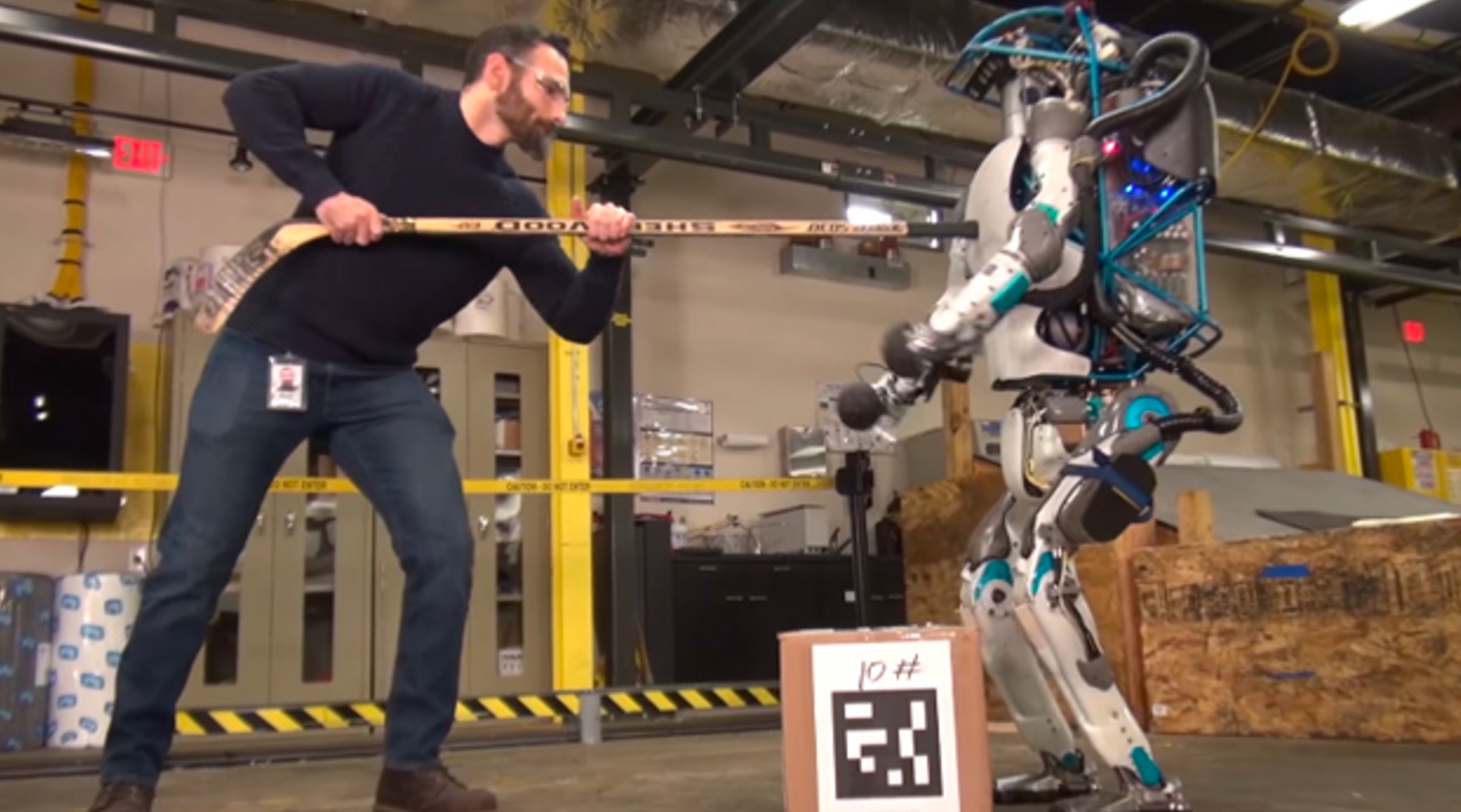
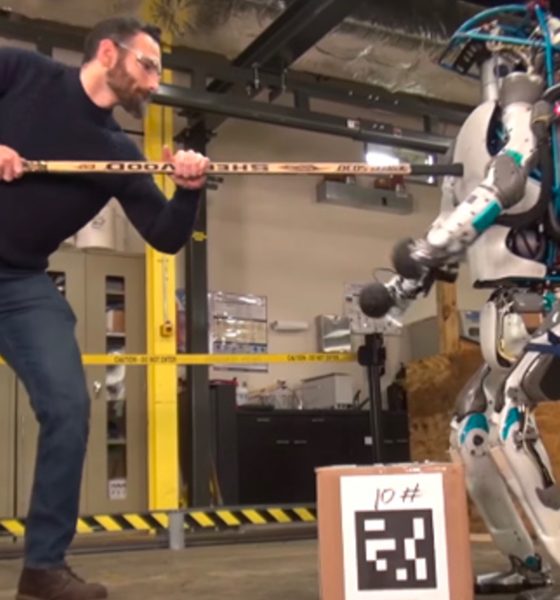
Researcher at Boston Dynamics tests AI’s ability to course-correct [Source: Boston Dynamics]
The idea is admittedly Gibsonian upon first examination, in spite of the fact that the concept has almost never been explored thoroughly, even in fiction. A crude idea of what such a technological might feel like can be found by examining less direct examples like Tony Stark’s Jarvis, or even modern day pocketable AI like Siri and Google Assistant. While the immediate thought of having Apple’s Siri as the voice in your head might give some (including the author) spine-tingling shivers of sheer terror, the reality would almost certainly be far more slick. Assuming artificial intelligence continues to rapidly improve and eventually becomes capable of passing the Turing Test, imagine instead the utility and genius of Jarvis directly interfaced with your mind. Rather than using the painfully slow and imprecise bottleneck of human speech, this intelligent and conscious assistant would communicate with you far faster than any human could communicate otherwise. Such an interface would further allow humans to communicate and interact with each other far more efficiently and effectively.
Regardless, talk of superintelligent AI implants is all but highly speculative in the present and is highly unlikely to exist in the near future, barring any sort of paradigmatic and exponential leaps in science and technology over the next few years. The current reality of AI in the eyes of the general public revolves around nonsensical and uninformed fearmongering, largely due to bad reporting on complex scientific research.
The threats of workplace automation
Far more pressing, although considerably less publicized, is the threat of robotic automation of specific tasks and jobs typically performed by humans. This technologically-based economic displacement has regularly occurred throughout the history of humanity, but robotic automation has the potential to completely disrupt economic systems based upon capitalism. Without prompt and aggressive responses to the growing threat of automation, fears of increased economic inequality are arguably warranted. In its current nascent state, automation technology is focused largely on manufacturing.
Somewhat ironically, over the course of the development and construction of Tesla’s Gigafactory 1, cofounder Elon Musk has taken to discussing the highly automated factory as the cornerstone of manufacturing affordable EVs at extremely high volumes.
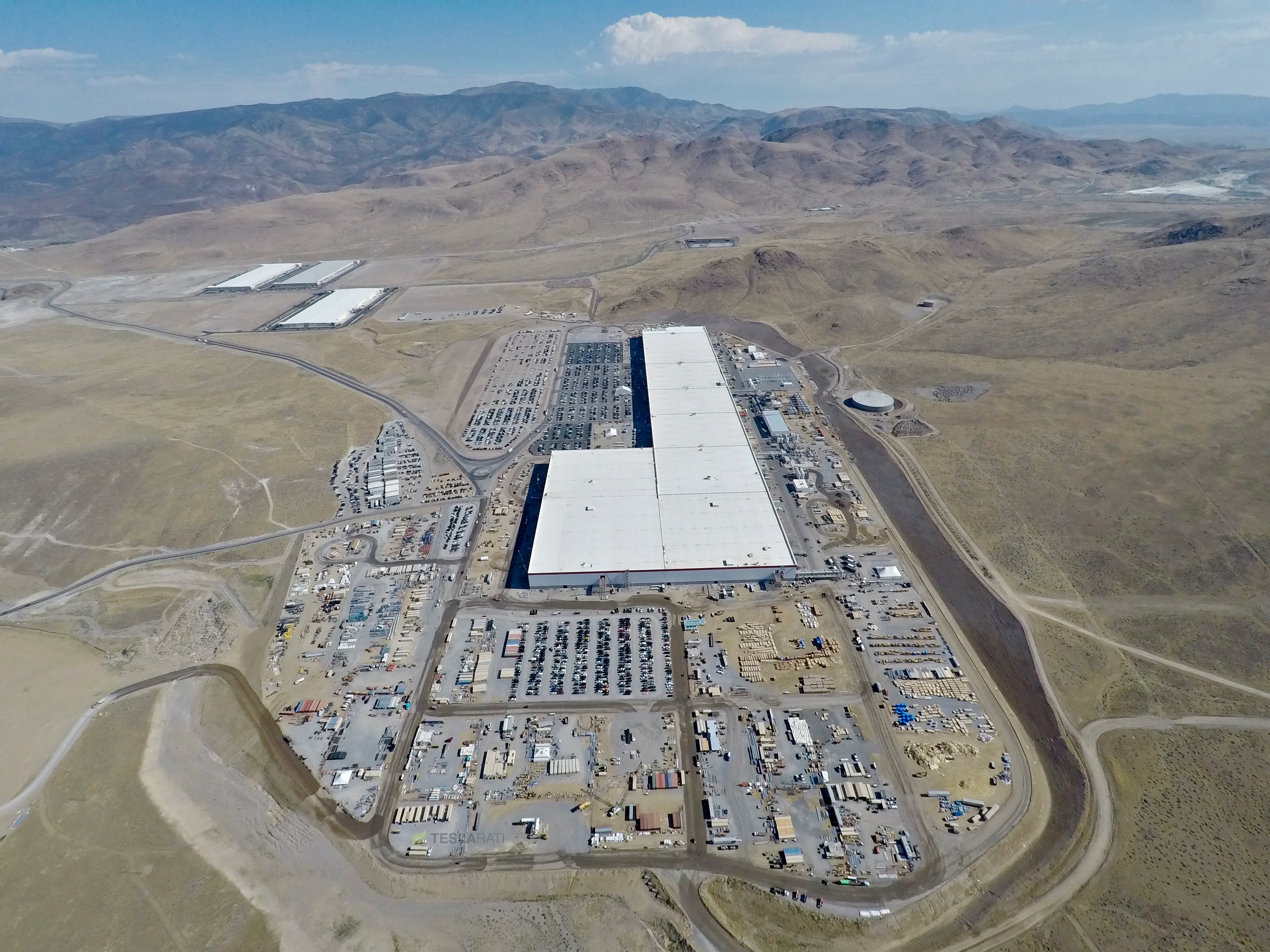
Tesla Gigafactory photos from July 2017 reveal new land being graded for expansion
Even more ironically, the pursuit of a high level of automation in the Gigafactory and the company’s Fremont facilities has been partially motivated by extremely high demand for Tesla’s Model 3, of which fully autonomous self-driving capabilities have been a major source of excitement and publicity. Musk and Tesla eventually hope to offer true autonomy to recently manufactured vehicles by way of a software update, and the company eventually wants to introduce a “Tesla Network” where an owner’s car can be allowed to act as a self-driving taxi when not in use, thus logically earning its owner money. While today’s “gig economy” has enabled some form of flexibility and freedom, it has also allowed for large corporations to more easily exploit its workers. Furthermore, companies like Uber and Lyft are aggressively engaged in the development of their own autonomous driving systems, given the potentially lucrative margins autonomous taxi services might offer their shareholders.
In relatively free economies that encourage competition between corporate entities, even the most empathetic and philanthropic companies must inherently remain competitive to ensure their continued existences. In the likely event that technology continues to expand and improve its affordable alternatives to human labor, the only conceivable methods of safeguarding humanity involve universal corporate cooperation to forego profit margins and the desires of shareholders, aggressive and intelligent government regulation, or the improvement humans in order for them to remain competitive. For reasons too broad to discuss here, the first two methods are arguably very unlikely to happen to or to at least occur in a beneficial manner.
While the actual social and economic issues that are behind and will be created by the issue of automation are vast, abstract, and horrifyingly complex, the third option, however, just might work in the interim. Elon Musk has storied and largely successful history of exploiting the competitive market in order to introduce products that seek to intrinsically benefit humanity as a whole. While financially assisted by NASA, SpaceX managed to efficiently develop a uniquely affordable launch vehicle that has since captured a large market share of the launch industry. The eventual profits from this and other interconnected goals will fund and attempt to make humanity multiplanetary, thus protecting our species from single-planet mass extinction events. Tesla pursued the development of high quality electric vehicles that consumers then chose to purchase in volumes that outclassed their competitors, which allowed them to fund the development of a mass-market EV that might rapidly hasten humanity’s move away from gasoline-driven cars. SolarCity, now a part of Tesla, pursued different economic models that worked to make solar installations viable for private homes. With SolarCity now integrated into Tesla’s Energy branch, the company will be able to sell beautiful, long-lasting solar roofs and affordable electric vehicles at the same time, to the same customer.
To put it simply, Elon Musk strives to create uniquely capable and affordable products that strategically benefit humanity. If a company can create an exceptionally competitive product that also happens to benefit the world and the consumer, then a lightly regulated economy can in fact be manipulated into accomplishing abstract, philanthropic, and long-term goals. Neuralink and OpenAI are arguably the most difficult challenges yet for Musk’s strategy, given the chronic immaturity of both the science and technology needed in relation to their purposes. From a theoretical perspective, however, the potential draw of products and knowledge the companies might create are obvious. A true high-bandwidth neural interface for humans could provide a vast array of beneficial uses, ranging from memory improvement to things like the ability to instantaneously learn new skills. The reality that the project will undoubtedly require a better understanding of human consciousness is also certain to be a major source of intrigue for the general public, as well as those interested in studying neuroscience and medicine in general.
-
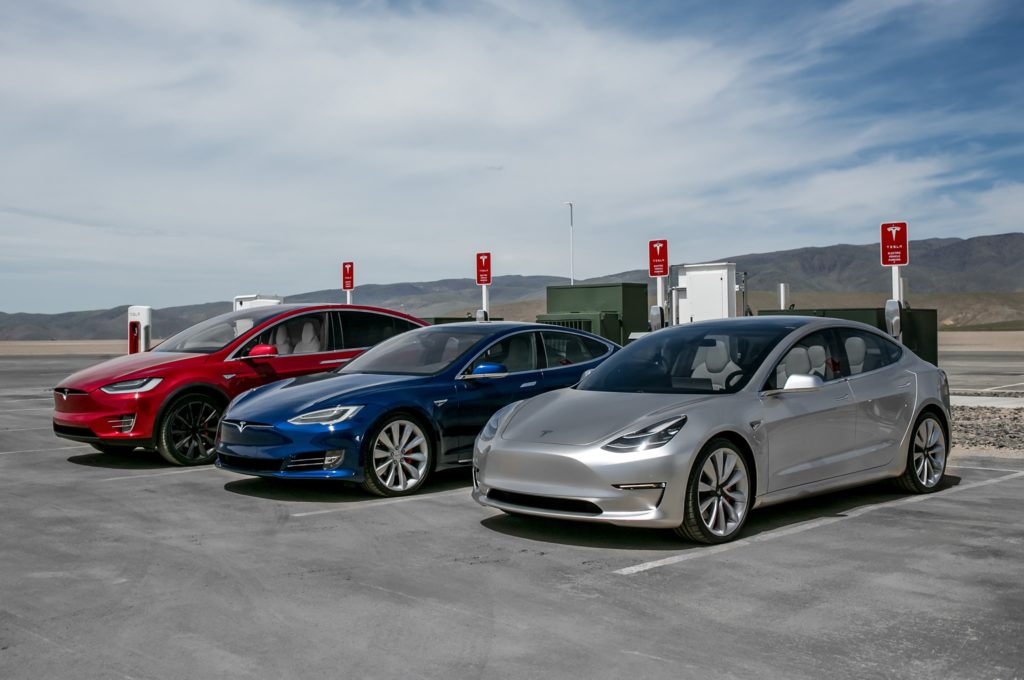
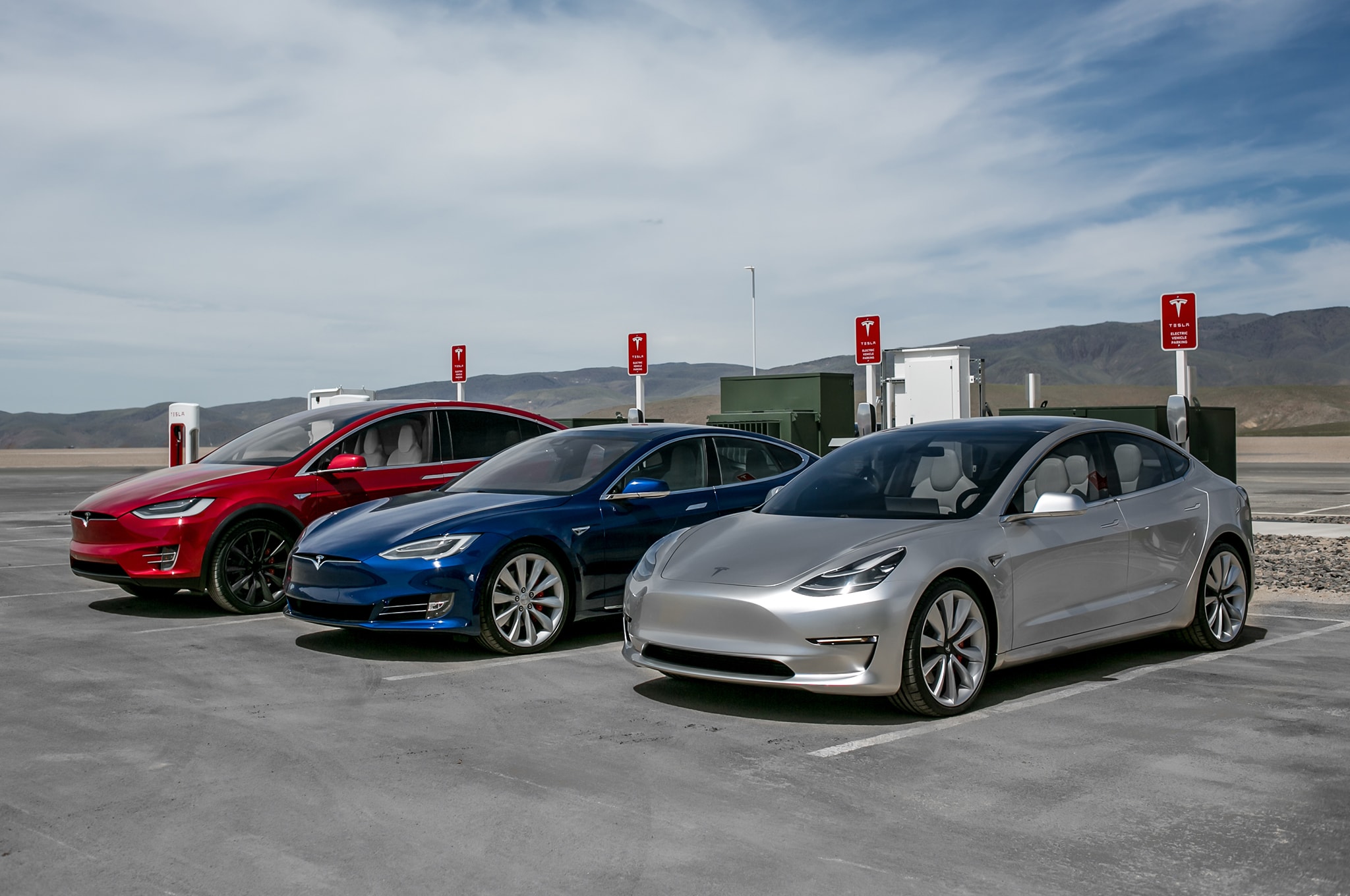
- Tesla’s Model S, X, and 3. (Motor Trend)
-
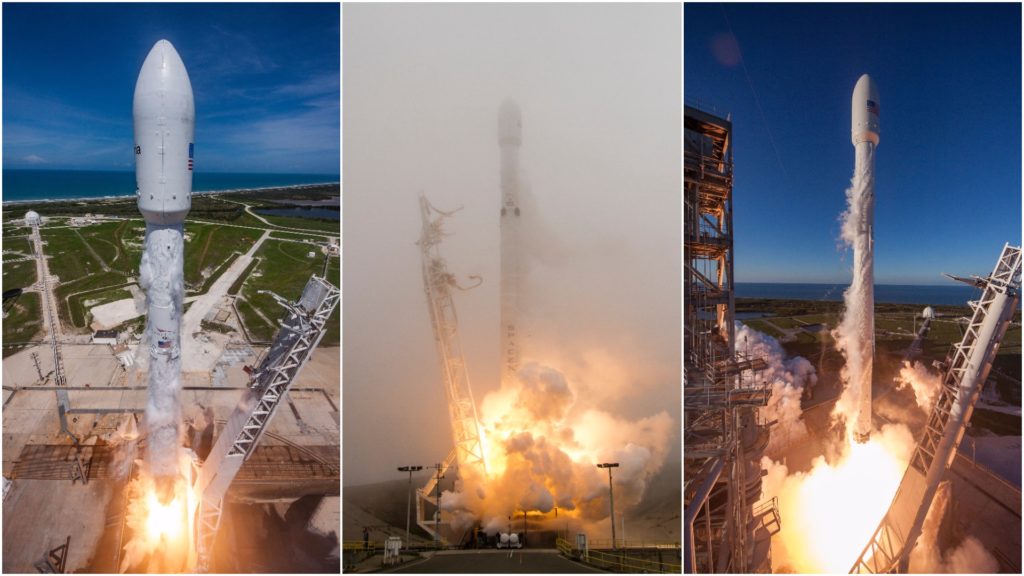
- SpaceX’s Falcon 9 has become a force to be reckoned with in the competitive global launch industry. (SpaceX)

Success on the front lines
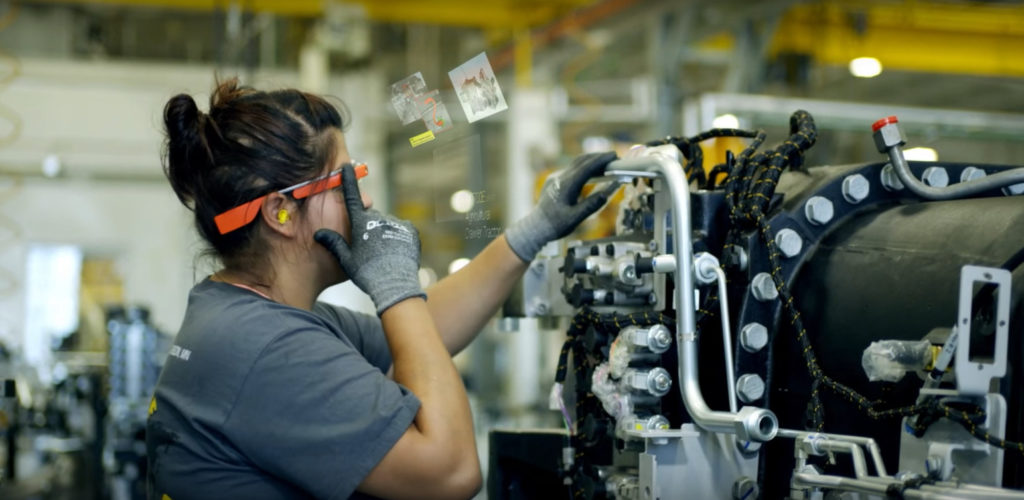
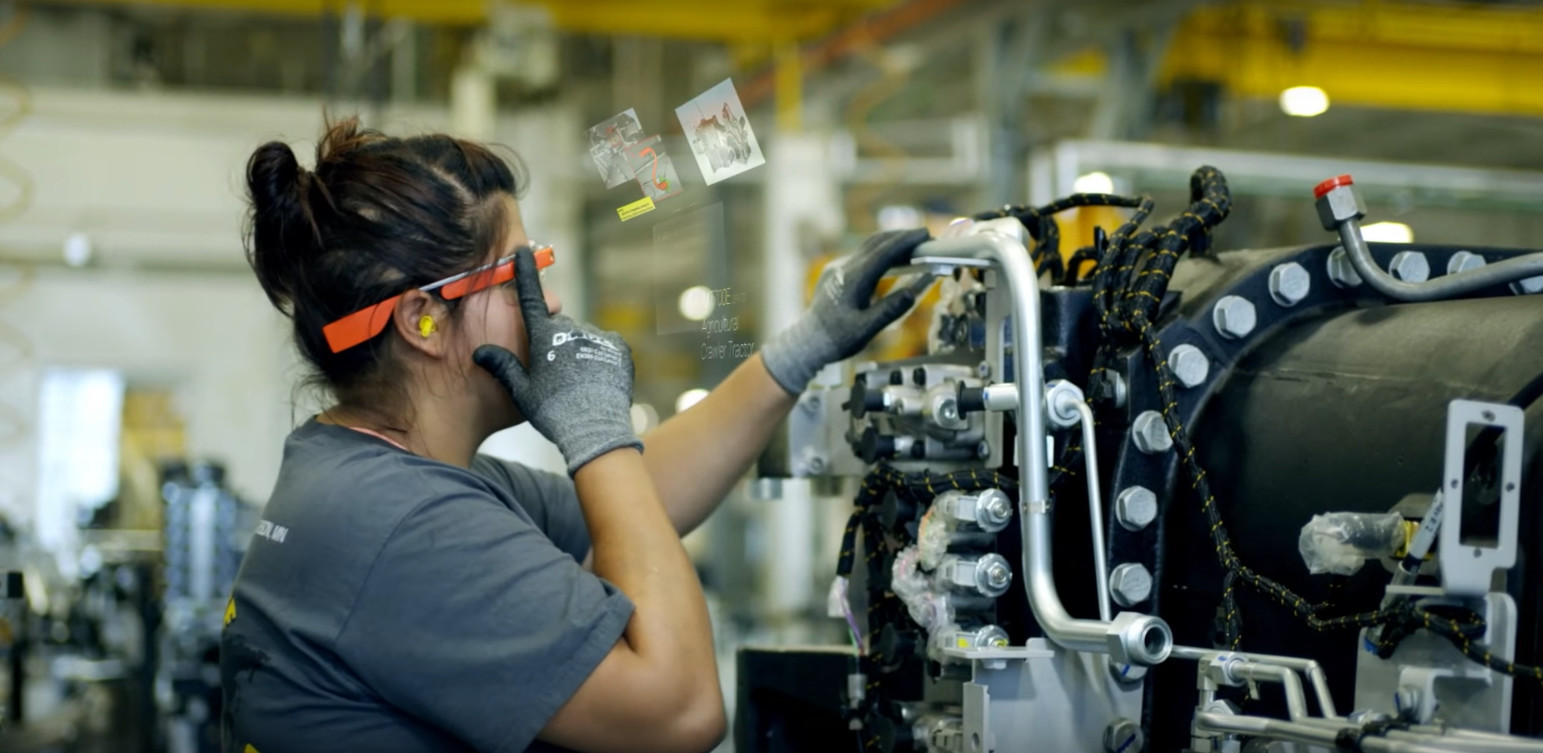
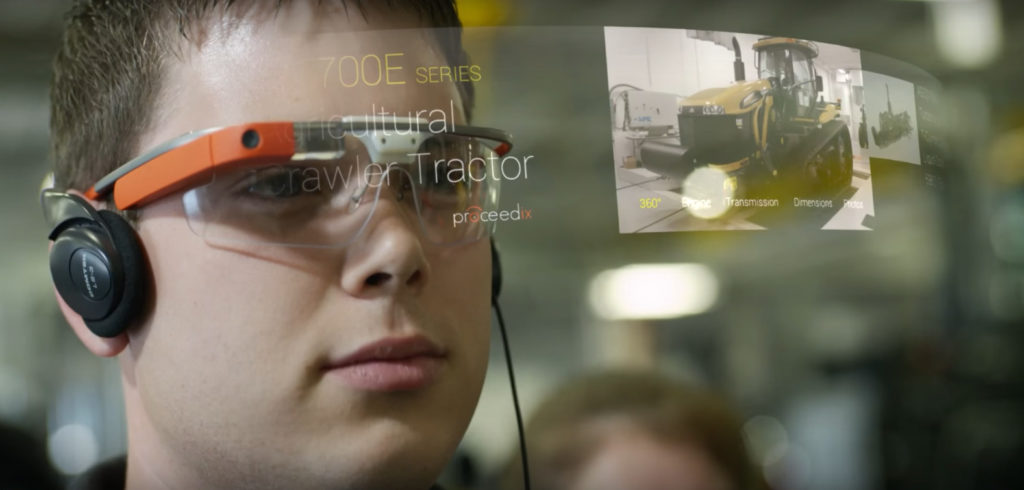
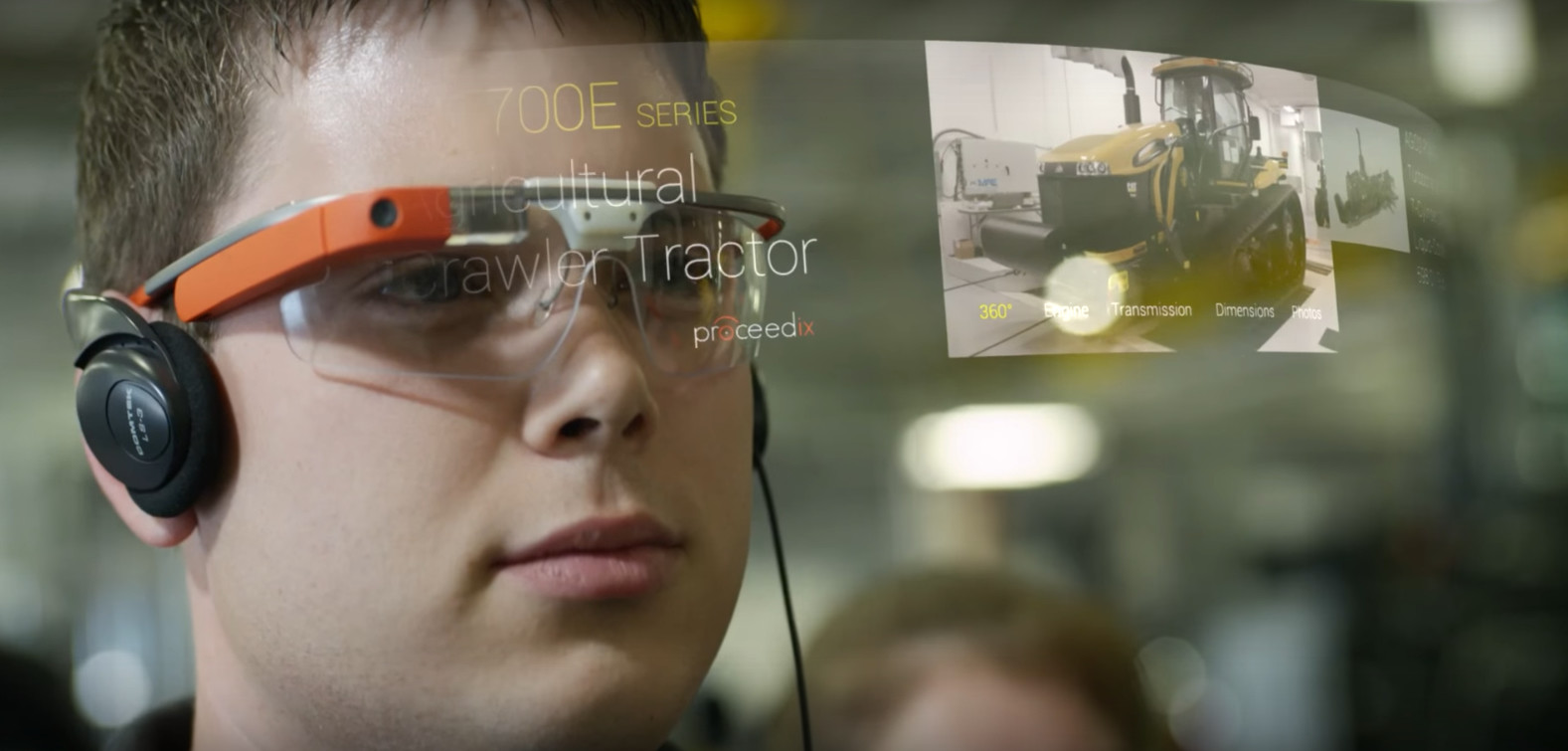
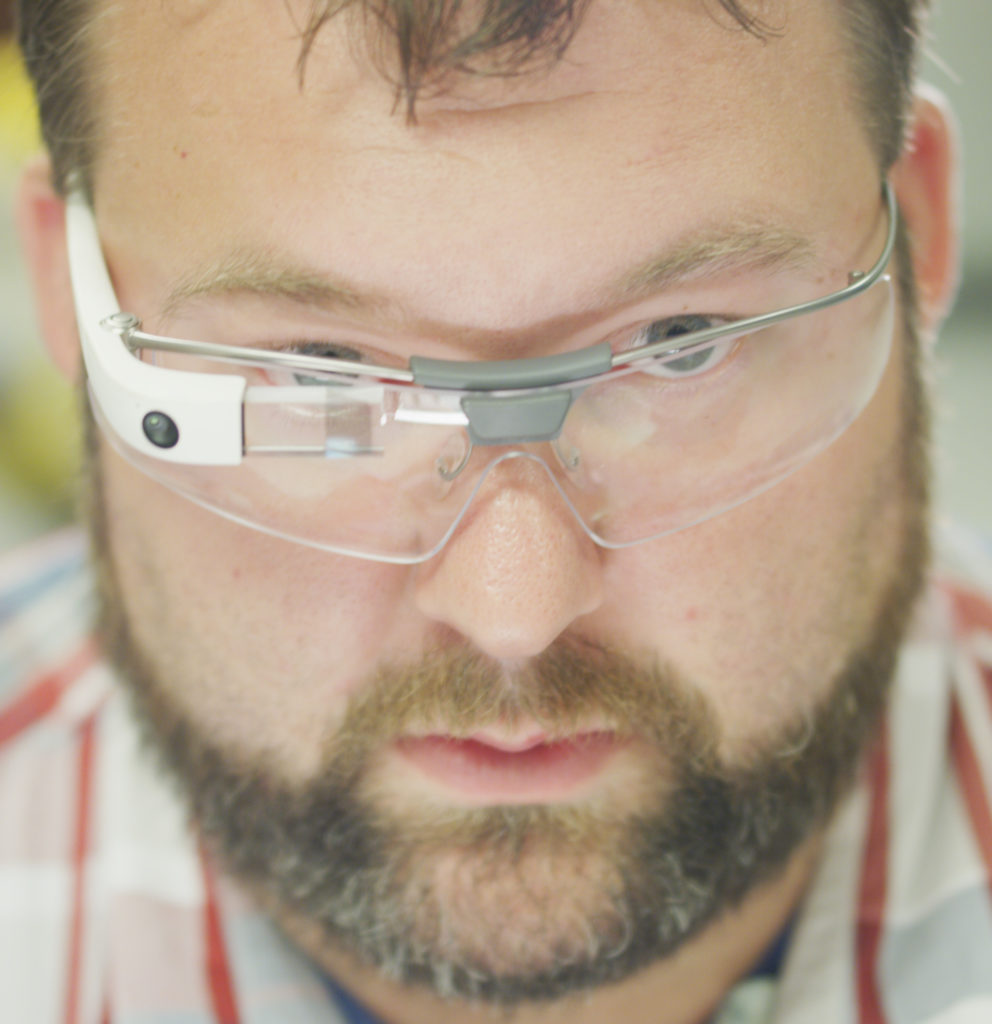
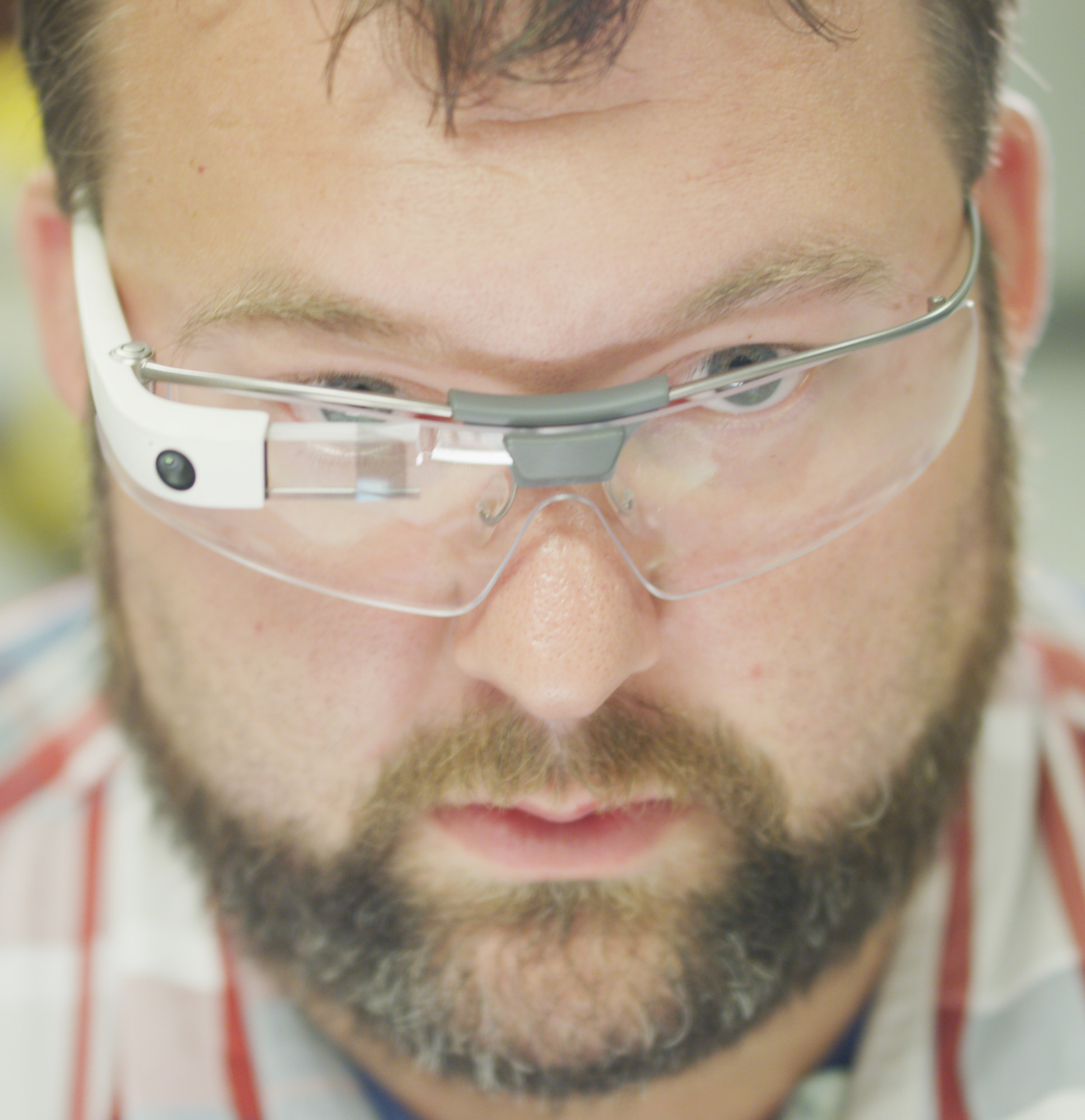
While the prospect of a future of highly intelligent AI and equally capable robotics is daunting and easily exploited to strike fear into the hearts of non-experts, there are plenty of reasons to remain optimistic that the worst-case scenarios often treated as inevitable are highly unlikely. Enter an unusual and controversial piece of technology: Google Glass. Initially released in 2013 as a developer-focused experiment, the device immediately rose into the publicly eye after several unfortunate occurrences, gaining a considerable degree of mockery and disapproval. While its failure as a consumer technology was effectively guaranteed shortly after its limited release, the device has since become an invaluable tool and steady niche market for manufacturing companies and several other industries. More recently, Google became aware of this growing niche use-case and worked with the companies using it to develop a new, enterprise-focused version of Glass, which was publicly acknowledged and released earlier this year.
The most extraordinary aspect of this already-intriguing story is the reception the device has received at the companies that have been trialling it over the last several years. Not only has the relatively simple augmented reality device become a sign of things to come for the future of manufacturing workers, the companies that have taken to it have begun to report truly amazing benefits realized through its use. It has been credited with cutting necessary training times from 10 days to 3 days, making the completion of tedious and complex tasks as much as 25-30% faster, improving the efficiency of warehouse workers by more than half, and drastically lowering error rates when using torque wrenches.
AGCO, a massive agriculture-focused manufacturing company, plans to aggressively grow the number of workers using the devices on their factory floors. DHL has begun the process of incorporating Glass Enterprise Edition into the workflow of every single one of their 2000+ distribution facilities around the world. The device has also shown significant utility in fields related to health care, and is being trialled by Sutter Health, based in Northern California. The success seen with Glass in these fields flies in the face of automation fear-mongering, particularly given the common attribution of manufacturing jobs as those most at risk from automation. The fact that high-profile economic advisers of massive corporations believe that “combinations of humans and machines outperform either working alone [for many jobs]” is a testimony to the potential of humans augmented by computers. Even if or when robotic alternatives become more affordable than human workers, it is clear that augmenting humans can result in efficiency and effectiveness that can easily rival purely autonomous systems of manufacturing, particularly for more complex tasks. At some point, it becomes the only rational path forward when automating tasks might cost a company tens or hundreds of thousands of dollars up front per worker, while adopting forms of worker augmentation could be expected to cost $1,000-$5,000 each (Glass EE is about $1,500).
-
- (AGCO)
-
- (AGCO)
-
- (AGCO)
The future is bright
There are still plenty of reasons to retain hope for the future of human-robot and human-AI cooperation and coexistence. While it is impossible to deny that there will always be uncertainty about what might or what could occur, real world examples of the reality of those relationships suggest that the future could be bright. Just recently, OpenAI revealed that it has developed AI capable of beating the best known humans of a highly complex modern video game, Defense of the Ancients 2 (Dota 2). Future goals for the AI include building a full five-person team of AIs, and eventually integrating the AIs they develop into teams of humans in the hope of surpassing either humans or AI working by themselves. The corollaries with the success of Google Glass EE are obvious, but the consequences of OpenAI successfully pursuing human-AI cooperation in complex and unintuitive environments would be vastly more significant. While cooperative human-AI gaming might not seem consequential, even if successful, it opens the door for the development of more tangible, realistic applications.
Of course, it is still rational and arguably necessary to work to safeguard humanity from the potentially worrisome outcomes, and companies like OpenAI and Neuralink will undoubtedly continue to pursue their ultimate goals of doing so. At the worst, they can be expected to develop technologies and knowledge that have the potential to benefit humanity as a whole. Neutral, cooperative AI would be truly incredible on its own, as would a truly high bandwidth, multipurpose neural interface for humans. Whatever outcomes the future holds, humanity is clearly standing on the edge of many a precipice of far-reaching technological disruption. Stay tuned.


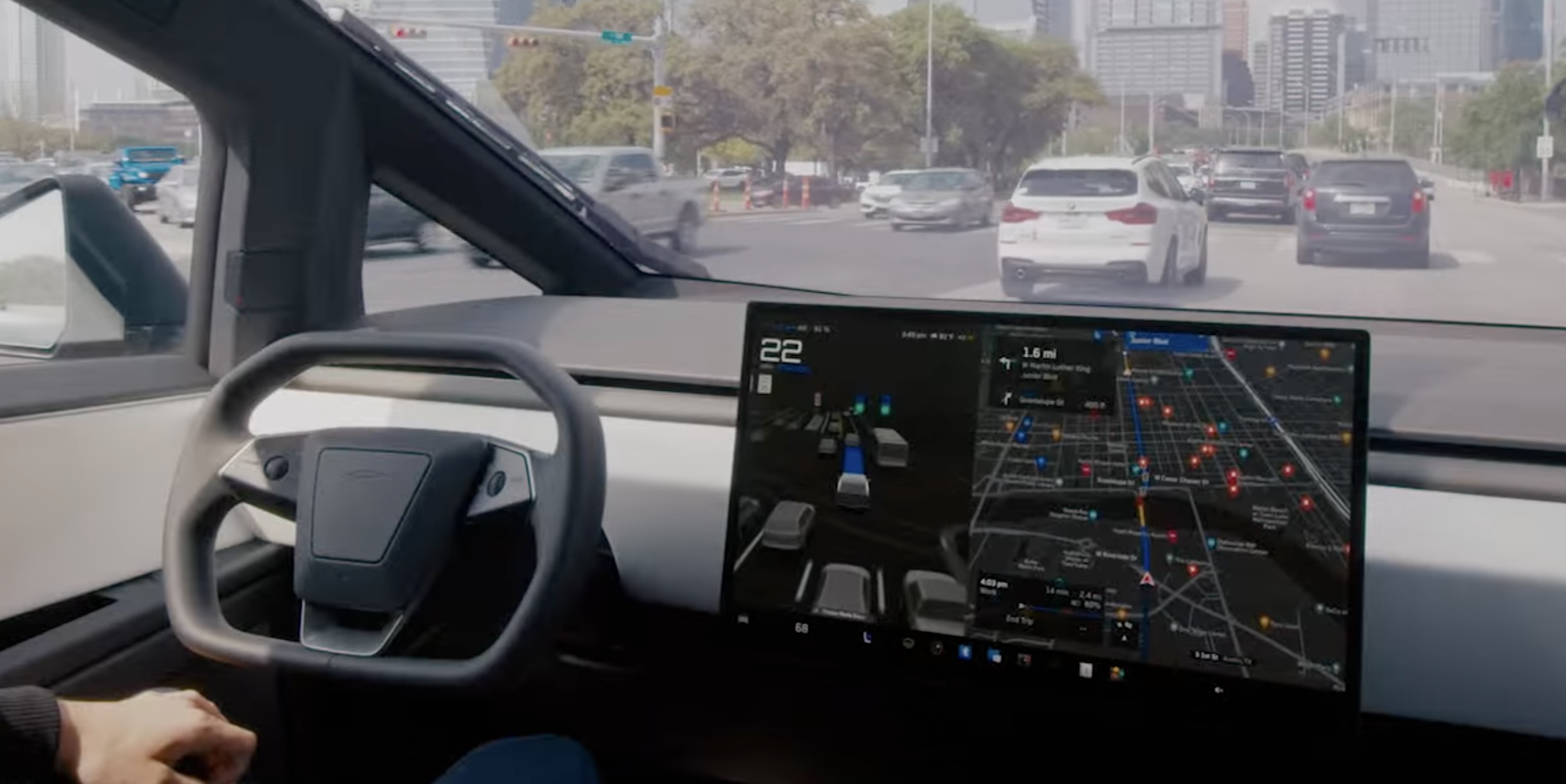
Tesla’s Automatic Collision Evasion feature can be seen in one of the first owner videos of it in action.
Tesla owner Spencer (@scotsrule08) posted on Monday that the feature “worked flawlessly,” saying FSD reengaged itself just as he was about to hit a curb. Ashok Elluswamy, who leads Tesla’s AI team, shared the clip and wrote, “A guardian angel always looking out for you.”
The video arrives in the middle of a staged rollout. Tesla first shipped Automatic Collision Evasion with FSD (Supervised) v14.3.9 in software update 2026.27.6 earlier this month, which Teslarati covered as it reached cars. Update 2026.27.10, which began going out on September 19, carried the feature improvements with FSD v14.3.10, according to release notes tracked by Not a Tesla App. The newer 2026.27.11 build is now reaching another wave of vehicles.
The new Automatic Collision Evasion feature worked flawlessly! FSD reengaged itself just as I was about to hit a curb.
Kudos @Tesla_AI team! 👏 pic.twitter.com/Fbp15HhpL2
— Spencer (@scotsrule08) September 28, 2026
The feature only runs on HW4 vehicles, and it requires an active FSD purchase or subscription with both FSD (Supervised) and Automatic Emergency Braking enabled. HW3 owners receive FSD v14.2 Lite in the same updates, but that build does not include collision evasion.
Tesla’s release notes describe two triggers. The first is an imminent frontal collision that braking alone may not prevent, in which case the car can activate FSD to steer, brake or accelerate around the hazard. That scenario is limited to highways below 85 mph, with no pedestrians or cyclists detected and no slippery road surface. The second covers a driver who appears inattentive, such as reaching into the back seat, or who seems to have switched off FSD by accident. Spencer’s curb clip appears to fall into that second category.
Tesla plans big safety improvements for Full Self-Driving v15
Once the system takes over, the accelerator is muted and light brake input will not cancel the maneuver. Drivers need to apply firm, deliberate steering force to take back control, and the car chimes to hand control back once the danger has passed.
Elluswamy recently noted that earlier hazard prediction, faster reaction time and better collision avoidance would arrive with FSD v15, the next major version.
Elon Musk
Elon Musk drops a surprise update on Boring Company’s next big dig
Musk says Boring Company could shrink the Austin to San Antonio drive to just minutes.

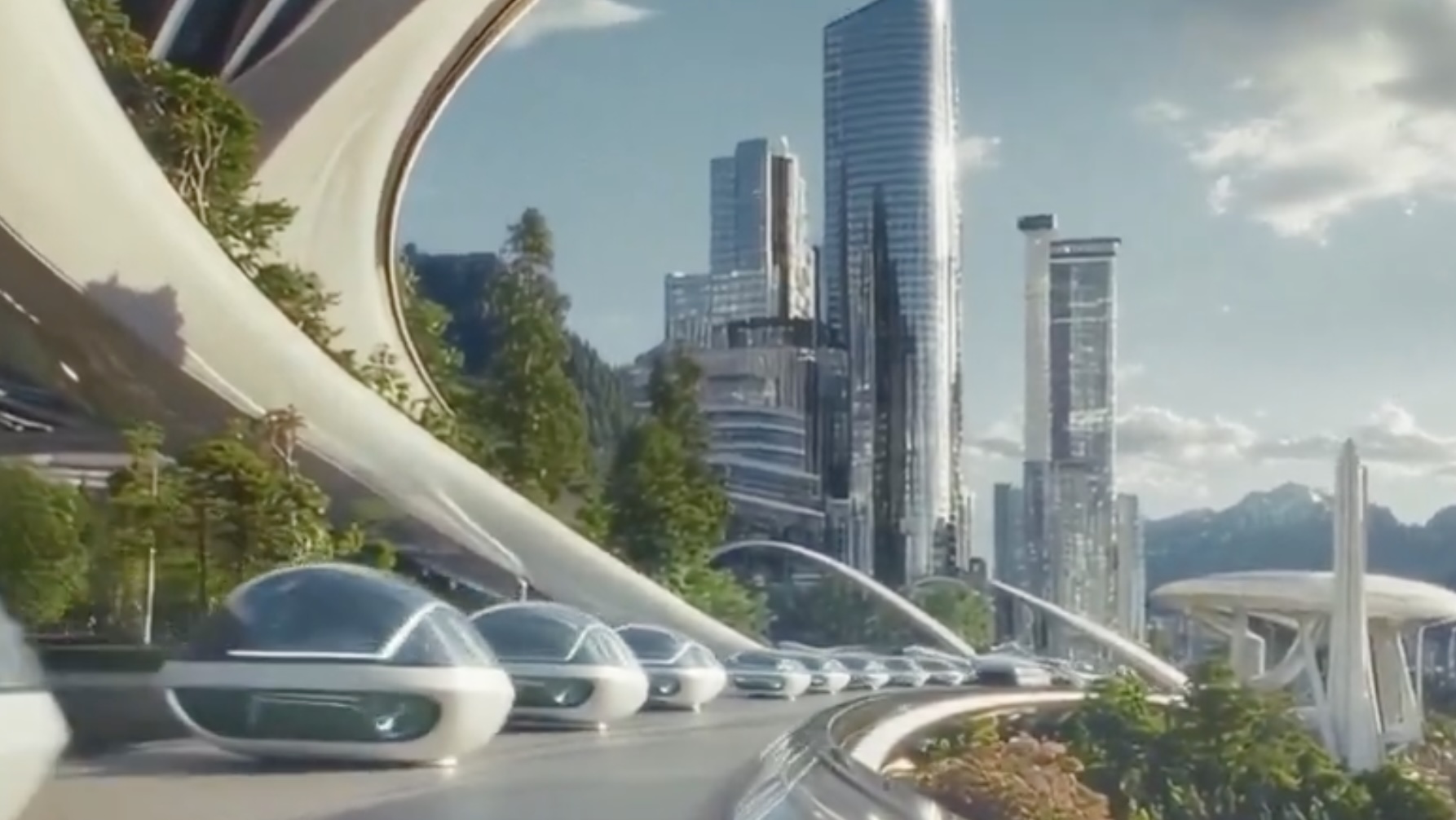
Elon Musk says The Boring Company is working on what he called “a simple, precursor Hyperloop” tunnel connecting Austin and San Antonio, targeting speeds above 200 mph and cutting a drive that can take up to two and a half hours down to a consistent under 30 minutes. Musk posted the idea on X Sunday, in a reply to a repost of an AI generated video imagining a science fiction future with human colonies on other worlds, which he shared with the line “This is the future we shall bring into being.”
This is the future we shall bring into being pic.twitter.com/8aD0w8MDVc
— Elon Musk (@elonmusk) September 20, 2026
The Boring Company’s own account picked up the idea in the same thread, adding a detail about how the trip would actually work: “Because Loop/Hyperloop is express (i.e. no intermediate stops), one could travel from an Austin parking lot to a favorite San Antonio restaurant in about 30 minutes. As long as they both have Loop stations.” That framing ties the proposed intercity link to the same station model the company already runs in Las Vegas, where riders enter the tunnel network through small, garage style stops rather than one central terminal.
This is not the company’s first run at the Austin to San Antonio corridor. Boring Company floated tunnels between the two cities as far back as 2021, and later competed for a separate San Antonio Loop project tied to the airport before that specific bid stalled. Pitches for tunnels in Chicago, Los Angeles, and a New York to Washington corridor have followed a similar pattern of big announcement without a shovel in the ground.
What is different this time is the balance sheet, especially since The Boring Company closed a 3 billion dollar funding round led by investors in the United Arab Emirates earlier this month at a valuation near 23 billion dollars, giving the tunneling company more capital to chase speculative projects than it had during its earlier Texas pitches. The company is also mid-build on two other intercity systems it has actually broken ground on, inc;luding a Nashville tunnel linking downtown to the airport, where a second boring machine finished commissioning in June, and its Las Vegas network, where the station count keeps climbing on paper faster than tunnels get dug.
That gap between announcement and execution is the reason to treat Sunday’s post as an opening bid rather than a project. A tunnel spanning roughly 80 miles between two metro areas, running at speeds Boring Company has not demonstrated over any real distance, would dwarf anything the company has built. For now, the Austin to San Antonio Hyperloop exists as a caption under an AI generated space video.
Elon Musk
Tesla eyes supply partners for Optimus mass production
Tesla certified three Chinese suppliers for Optimus mass production, signaling its robot timeline is accelerating.
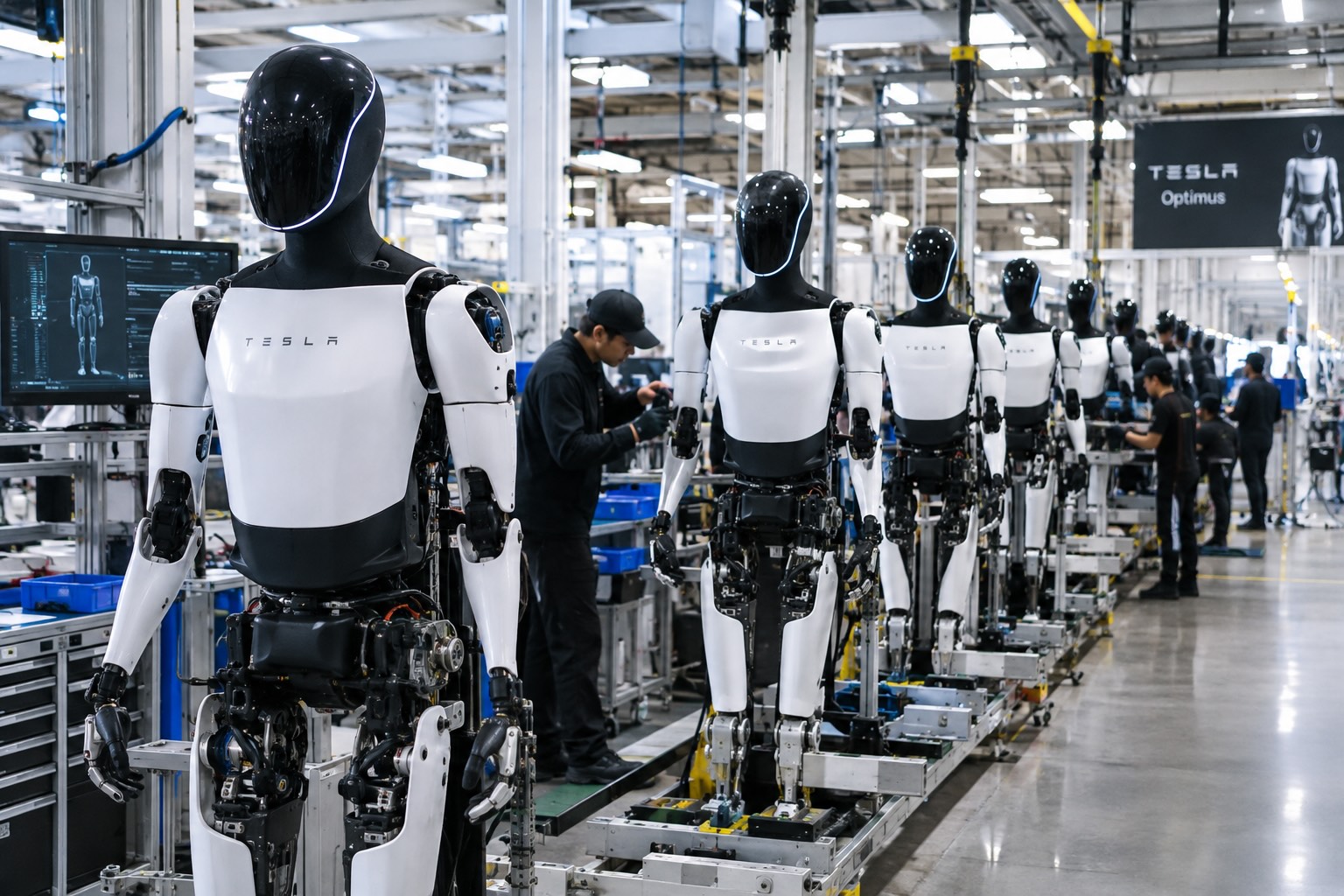
Tesla’s robotics team traveled to Ningbo, in China’s Zhejiang province, on September 16 and spent the following day auditing component suppliers for Optimus, according to a Bloomberg report cited by RobotAIGeek. The visit moved three manufacturers from provisional status to certified mass production partners: Tuopu Group, which handles actuators and chassis components, Ningbo Joyson Electronic, a sensor supplier, and Zhejiang Sanhua Intelligent Controls, which builds thermal management systems. All three already supply parts to Tesla’s electric vehicles, and the audit reportedly came with fresh orders that supply chain reports put at an initial batch of roughly 5,000 units.
Tuopu, Joyson, and Sanhua built their manufacturing base serving the automotive industry, where tolerances and volume requirements are already close to what a mass produced humanoid robot demands. Sanhua in particular has history here. Teslarati reported last October that the company had received a roughly $685 million order for linear actuators tied to Optimus, a volume industry watchers estimated could cover around 180,000 robots once production ramped.
Supply chain reports tied to this week’s audit put Tesla’s near term production goal at about 1,000 Optimus units a week by late September, rising to 2,000 to 2,500 units a week by the end of the year. That pace would put real weight behind the timeline Tesla has been building toward since May, when it wound down Model S and Model X production at Fremont to convert that floor space into a dedicated Optimus line targeting one million units annually. JPMorgan analysts who toured the factory in August confirmed the conversion took roughly four months, a pace Musk has called unprecedented for a facility that size.
New drone video shows Tesla’s Optimus Factory reaching a turning point
Fremont is only the first phase. A second, larger Optimus plant is rising at Gigafactory Texas, where drone footage shared by Joe Tegtmeyer last week showed the structural steel nearing completion on the north end of the building. Tesla has said that facility is meant to eventually support production of up to 10 million units a year, though volume output there is not expected before 2027.
Commercial sales of Optimus are still targeted for the second half of 2027, but production is expected to start well before then. JPMorgan analyst Rajat Gupta has said Tesla’s “Optimus Academy” program, which uses early units to collect real world training data inside Tesla’s own facilities, is expected to be running later this year. Bloomberg Intelligence analyst Ian Ma described the Ningbo audits as “a positive commercialization signal for China’s humanoid supply chain,” noting that sentiment could improve further if the visit leads to confirmed supplier nominations and larger orders. The Solactive China Humanoid Robotics Index rose about 1.4% on the news, though it remains down roughly 30% for the year.

Why Tesla Roadster unveiling delay might have nothing to do with it flying

SpaceX nails “Lucky 13” astronaut launch, leaning into Tesla tradition and superstition


