News
Tesla Model 3 configurator in China teases March deliveries, Standard Range in 2nd half of 2019

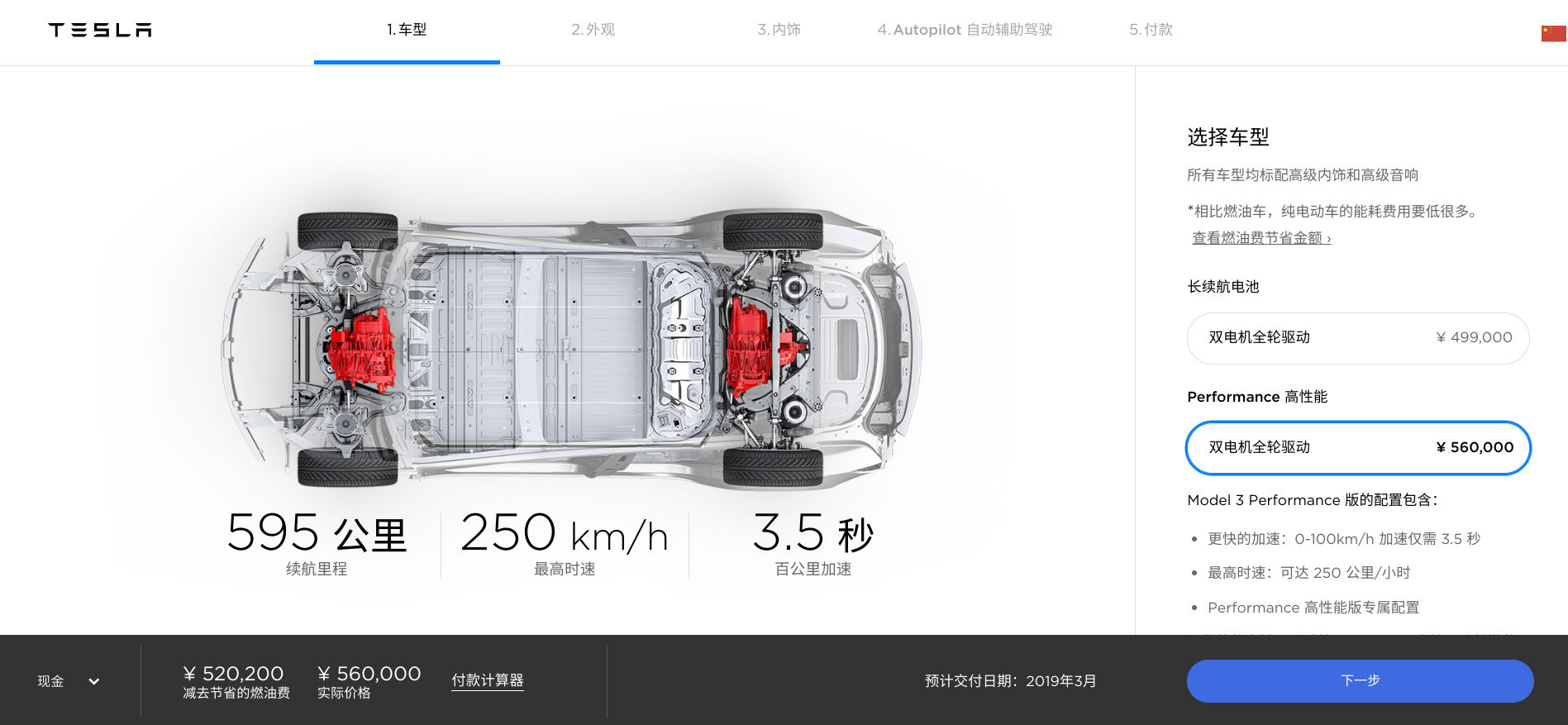
Tesla has opened its Model 3 configurator for the Chinese market, allowing potential buyers of the electric sedan to design their vehicles. As could be seen in Tesla’s Chinese website, the company is only offering two variants of the Model 3 in China for now — the Long Range AWD and the Performance version. The Mid Range Model 3 RWD, the vehicle’s most affordable variant available today, is currently unavailable in the country.
The Model 3 configurator in China reflects the vehicle’s updated prices, which were rolled out after the Chinese State Council Customs Tariff Commission announced last month that it was suspending the extra 25% tariffs it placed on cars and parts being imported from the United States. With these adjustments in place, the Model 3 Performance, which was initially announced with a price of 689,000 RMB (roughly $100,000), was adjusted to 560,000 RMB (around $81,000). The Long Range AWD variant, initially listed with a price of 580,000 RMB (around $84,000), was reduced to 499,000 RMB (roughly $72,600).
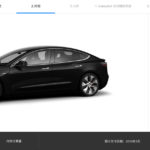
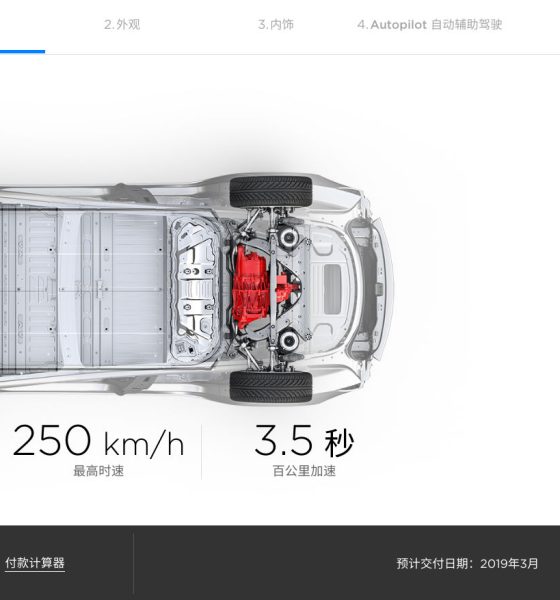
Tesla’s Model 3 configurator in China. (Credit: Tesla)
White seats are currently priced at 9,300 RMB (~$1,300), while paint options such as “China Red” multicoat are priced at 23,100 RMB (~$3,300). In the case of the Model 3 Performance, the Chinese version of the electric vehicle is also equipped with 19″ “Power Wheels,” which feature a design that combines “balanced performance and cruising range.” Enhanced Autopilot is priced at 46,300 RMB (~$6,700) as well, though the company notes that purchasing the driver-assist system after taking delivery would raise its price to 65,000 RMB (~$9,400). The electric car maker also included a reminder about Autopilot’s upcoming features, stating that “the specific functions and specific time of the push will depend on the relevant laws, regulations, and rules of the People’s Republic of China.”
Tesla’s Model 3 page in China notes that first deliveries for the vehicle are expected to begin sometime in March 2019. The company’s Chinese website further teased that the upcoming Standard Range version of the Model 3 would be available sometime in mid-2019. This is quite in line with Tesla’s timeframe for the Standard Range Model 3 in its US configurator, which estimates the electric car’s availability within 3-4 months.
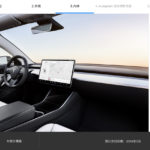
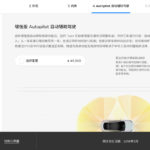
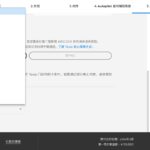
Tesla’s Model 3 configurator in China. (Credit: Tesla)
Chinese reservation holders who order the vehicle could pick up the Model 3 in select locations across the country. So far, Tesla’s website in China lists 14 pick-up locations, from Beijing to Wuhan. The company adds that if a vehicle is purchased without a test drive, buyers can return the electric car within three days of purchase for a refund.
With the Model 3 now saturating North America, Tesla is gearing up to bring the electric car to the international market. That said, even before the Model 3 configurator was opened to the public, Tesla was already making the vehicle attractive to potential buyers in China. The Model 3 Performance’s 560,000 RMB price, for one, massively undercuts the price of fossil fuel-powered rivals such as the BMW M3 and the Mercedes-AMG C 63 Coupe, which cost as much as 998,000 RMB ($162,000) and 1,198,000 RMB ($173,623), respectively. With its superior acceleration, zero emissions, features such as Enhanced Autopilot, and free over-the-air updates, Tesla has all but made the Model 3’s top-tier variant a bang-for-your-buck vehicle in the Asian country.
The start of Model 3 deliveries in China is but the tip of the iceberg for the electric car maker, as Tesla is also constructing Gigafactory 3 in Shanghai. The facility is expected to produce both battery packs and electric vehicles like the Model 3 and the Model Y. Estimates note that Gigafactory 3 would likely commence the production of electric cars sometime in the second half of 2019.



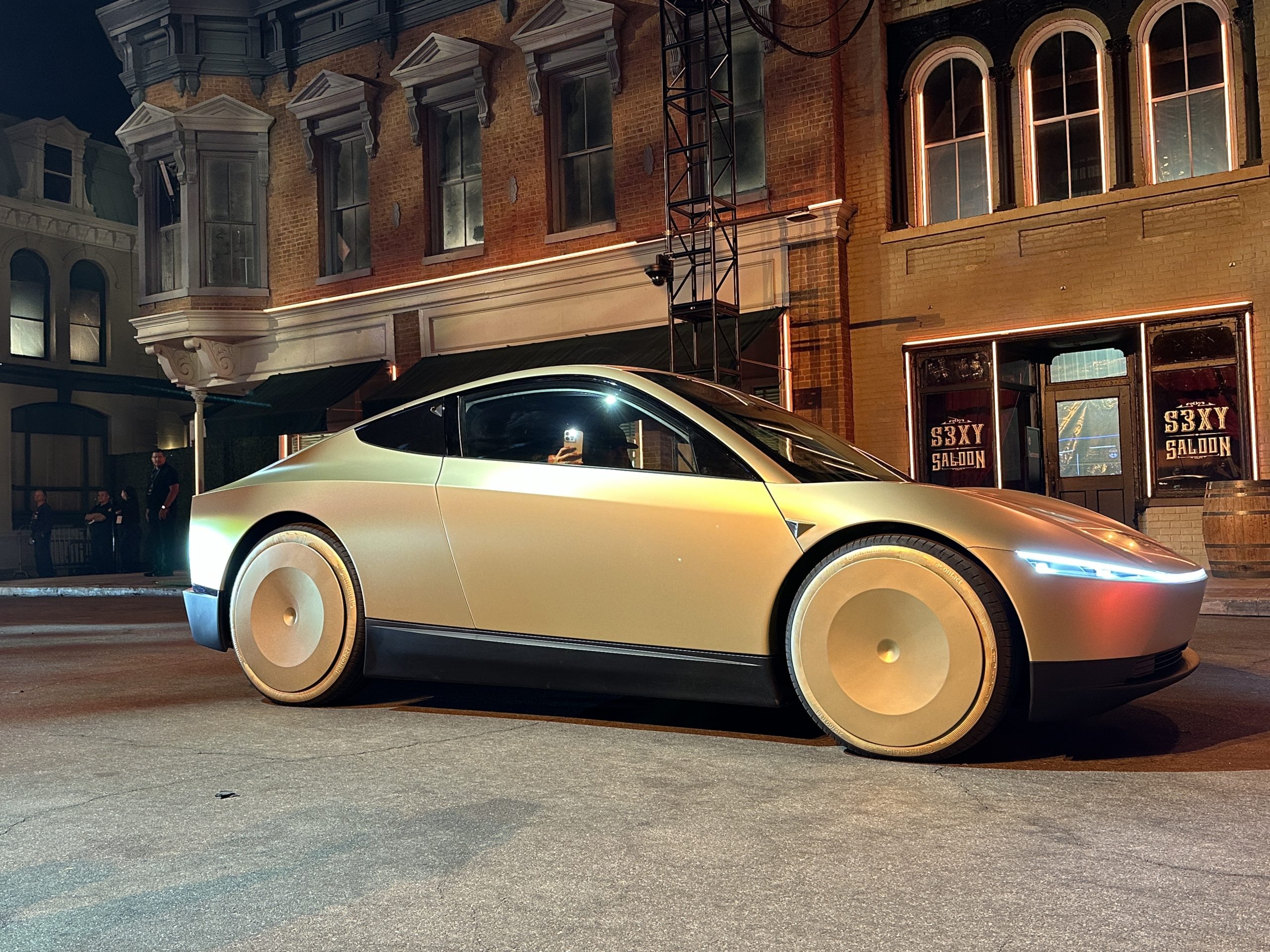
Tesla quietly doubled the size of its Cybercab fleet within the Robotaxi program in Austin, Texas, over the weekend to well over 100 units.
The move not only establishes more of the steering-wheel-less and pedal-less vehicles within the ride-sharing fleet Tesla has been operating for a year, but it also solidifies a more robust Robotaxi fleet as a whole.
Riders started receiving notifications from the Robotaxi app that stated: “Cybercab fleet has doubled: more rides available.”
I got this notification on the robotaxi app. They are saying the Cybercab fleet has doubled. Glad that they are advertising this pic.twitter.com/FFrnw4FRCF
— Abhimanyu Yadav (@WorldlyReviewer) September 26, 2026
Tesla first launched rides in the Cybercab in early September, although the Robotaxi fleet has been active for over a year, as rides began last Summer. Cybercab is truly Tesla’s most crucial vehicle release yet, as it is the first car any company has built that is geared toward full-fledged and end-to-end autonomy, never needing human intervention for anything.
Only available in Austin at the current time, Cybercab has two seats and has been spotted testing around various U.S. states and regions; Tesla plans to deploy the Cybercab in various U.S. cities in the coming months as a best-case scenario.
Tesla Cybercab gets initial tie-in to localized, in-house cathode plant
The availability of the Cybercab has doubled from just 58 units last Monday to 125 the following Friday. Marking a substantial increase in Cybercab availability, the additional ride-sharing units are more than welcome, as wait times for Cybercabs, especially, were quite high.
The dramatic increase is a sign that demand for Robotaxi is growing and Tesla is feeling more confident that its driverless ride-hailing suite, especially its Full Self-Driving software, is able to handle any traffic situation without explicit direction or supervision from a human being.
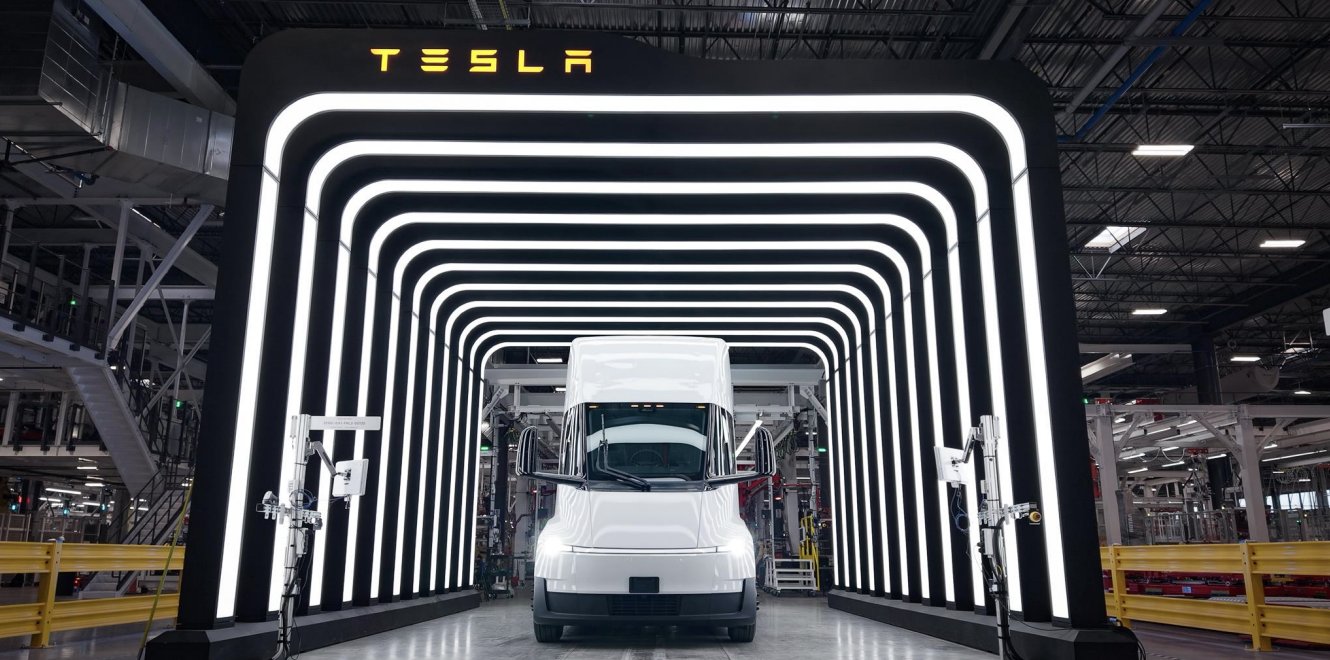
Tesla is advancing a fully automated pipeline for the 4680 battery cells used in its all-electric Semi, spanning production from Giga Texas through shipment and direct consumption on the line at the new dedicated Semi Factory in Sparks, Nevada.
The approach was outlined by Tesla at its September 24 Semi Handover event, which launched high-volume production at its new 1.8-million-square-foot plant in Nevada, which sits adjacent to Gigafactory Nevada and is designed for an annual production rate of 50,000 trucks per year.
After years of pilot builds and what was a four-year-long redesign of the truck, Tesla moved the Semi from 2170 batteries to its in-house 4680 cells, which are made in Austin. The change cuts battery mass and total energy while holding range, a key step in making volume production a realistic possibility.
Cells will leave Giga Texas in trailers, and at the Nevada Semi plant, Tesla intends for a dedicated line to unload those trailers automatically, station the cells, and feed them straight into pack and vehicle assembly.
🚨 Tesla plans to use a completely automated unloading process for cells coming from Giga Texas arriving at the Semi factory in Nevada
A line will “consume” cells from the trailer
The goal is to have zero human touch point throughout the entire process. Insane! pic.twitter.com/wdBFM8LC3F
— TESLARATI (@Teslarati) September 25, 2026
Both Lars Moravy, Tesla’s VP of Vehicle Engineering, and Dan Priestley, the Head of Tesla’s Semi program, described the goal as a “zero human touch point” from the moment the trailer arrives in Texas until a finished Semi drives off the production line in Nevada.
The unloading system that Moravy and Priestley described is just one piece of a much broader automation push. The plant uses what Tesla calls the highest-capacity electric monorail conveyance in vehicle manufacturing, carrying frames-in-white simultaneously. Powder-coating replaces conventional paint, and many processes that would normally require operators have been designed out.
Tesla has repeatedly said that “the best part is no part,” and the cell-handling plan extends that philosophy from the cell factory floor in Texas all the way to final assembly in Nevada.
If executed as described, the closed-loop flow would reduce labor, handling damage, and inventory buffers while tightening quality control on a component that represents a large share of the truck’s cost and weight. It also shortens the physical and organizational distance between two factories separated by more than 1,200 miles. The Semi itself now shares a bar-wound stator and other components with the Cybertruck, further linking Tesla’s passenger and commercial production systems.
High-volume output is expected to ramp gradually after the first trucks left the new line in April 2026. Early customers include PepsiCo, DHL, and U.S. Foods. Whether the automated trailer-to-line process reaches the promised zero-touch standard will be visible in the coming months as production scales. For Tesla, the Semi factory is another test of how far it can push “the machine that builds the machine” across sites.
Elon Musk
Elon Musk’s AI Grok Bot can now handle banking while your Tesla FSD handles the road
Elon Musk says Grok Bot can manage your finances through linked bank and investment accounts.

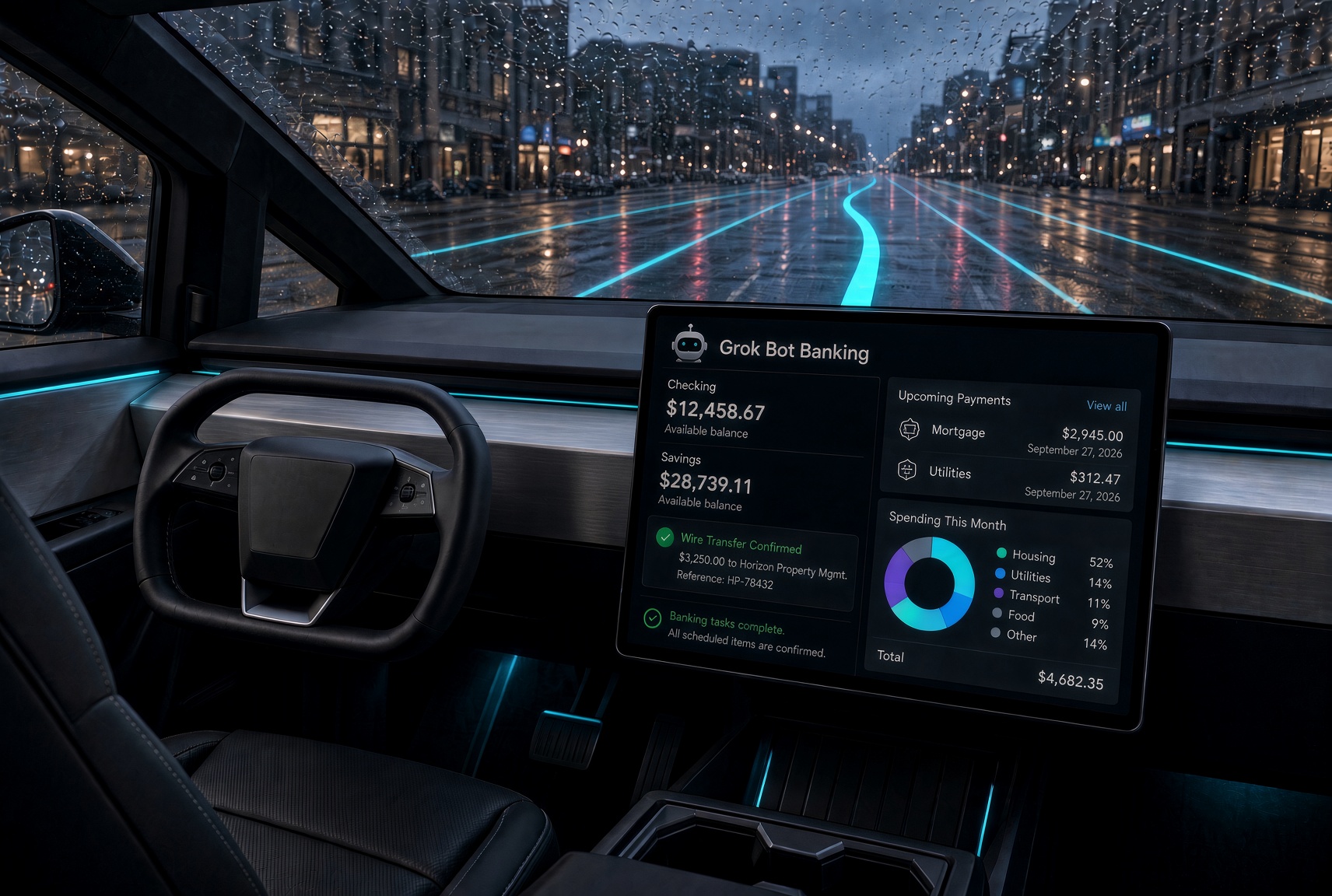
Grok Bot now wants access to your wallet, with SpaceXAI rolling out a new Finance integration for its agent platform that lets users link bank, credit card and investment accounts thereby letting their Bots help manage spending, investments and more. Elon Musk amplified the announcement on X with a short endorsement, “Grok Bot can manage your finances.”
The feature builds on two earlier steps. In early September, Grok gained the ability to answer questions about spending, savings, investments and cash flow using accounts connected through Plaid, starting with users in the U.S. Before that, on August 28, SpaceXAI let Grok Bot buy things online through Link, with users approving every spend request and the Bot receiving a single use card for each payment.
Musk has already shown how far he wants users to push it. In late August, when Tesla investor account Teslaconomics said he was weighing whether to give Grok Bot access to his bank accounts, Musk replied, “Try it out. If Grok Bot messes up, we will make you whole.” That promise goes beyond SpaceXAI’s consumer terms, which make users responsible for what their agents do and generally cap the company’s liability at the greater of fees paid or $100. SpaceXAI’s own documentation recommends requiring approval for purchases and financial transfers.
For Tesla owners, the update lands five days after Tesla brought Grok Bot into its vehicles, letting drivers hand off errands by voice while FSD (Supervised) handles the road. Bot access inside the car is currently limited to SuperGrok Heavy subscribers, though Connectors are open to anyone signed into Grok. With Finance linked, a driver could ask for a spending summary or a check on upcoming bills during the commute.
Grok’s role in the car has grown quickly since Tesla’s Summer Update let it control cabin features by voice. We have been using Grok Bot in our own Tesla for several weeks, and here’s how our latest test went.

Tesla Cybercab fleet doubles to well over 100 units

Tesla has a ‘no human contact’ approach for Semi production


