
Investor's Corner
Tesla is “absorbing” part of import tariffs to lower Model S and X prices in China

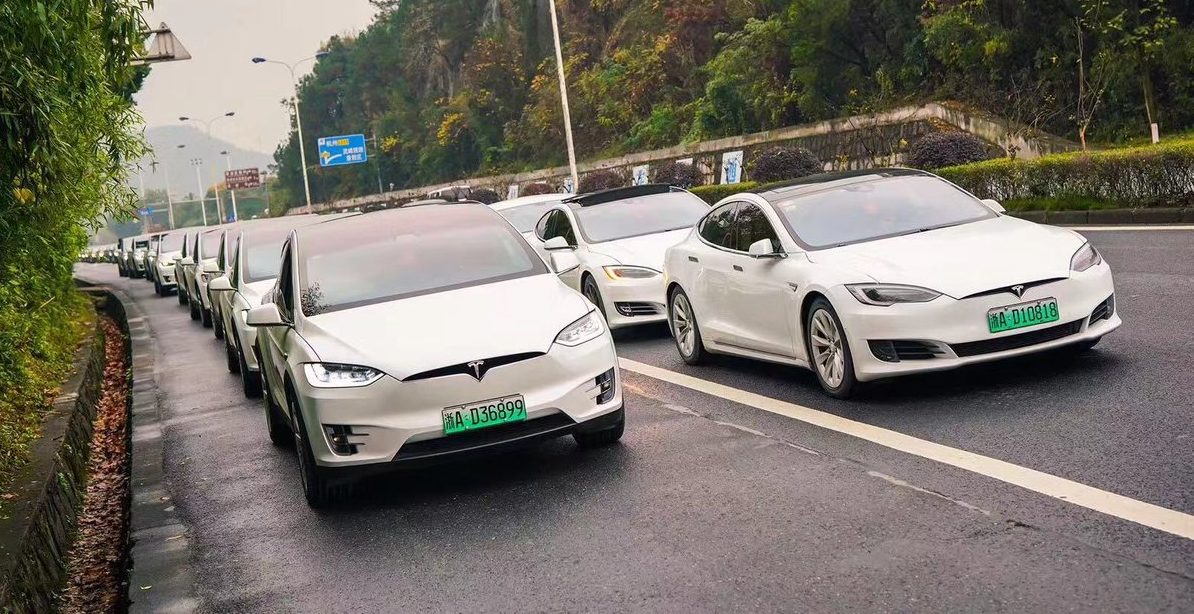
In an effort to make its electric cars more affordable to customers in China, Tesla has announced that it is cutting the prices of the Model S and Model X by 12 to 26% despite the ongoing trade war between the United States and the Asian economic powerhouse. Apart from lowering the prices of its two flagship vehicles, Tesla also opted to adjust the price of the Model 3, which is currently open for orders in the country.
China is the world’s largest electric car market, and the segment is only bound to get more prominent in the coming years due to the country’s aggressive push towards renewable transportation. That said, China has opted to place steep import taxes for vehicles entering the country, resulting in Tesla’s electric cars, which are produced in the United States, being weighed down with a 40% tariff.
When the additional duties took effect last July, Tesla had no choice but to raise the prices of the Model S and X by 150,000 yuan ($22,647) to 250,000 yuan ($37,744), resulting in a fully loaded Model S P100D costing as much as 1.47 million yuan ($221,937) in China — significantly higher than the $147,000 price of the electric car in the United States.
2/ Tesla Zhejiang (China 🇨🇳) Members Club meeting photos$TSLA #Tesla #China #TeslaChina pic.twitter.com/iIn82BMw76
— vincent (@vincent13031925) November 19, 2018
In a statement to Reuters, Tesla noted that the company would be lowering the prices of its vehicles in the country by “absorbing” part of the 40% import tariffs placed on its electric cars.
“We are absorbing a significant part of the tariff to help make our cars more affordable for customers in China,” Tesla stated.
Tesla further remarked that the Model 3, which is currently open for orders for Chinese reservation holders, is being given a price adjustment. When Tesla initially opened pre-orders for the vehicle, the Long Range Model 3 AWD started at 580,000 RMB (~$84,000) and the Model 3 Performance was listed with a starting price of 690,000 RMB (~$100,000). In the United States, the Long Range Model 3 AWD currently starts at $53,000 while the Model 3 Performance stars at $64,000.
With its recent price adjustments in place, Tesla noted to the publication that the Long Range Model 3 AWD would now start at 540,000 RMB (~$78,000), while the Model 3 Performance would start at 595,000 RMB (~$86,000). These prices, while still notably higher than the vehicle’s cost in the United States, offers a significant reduction from the Model 3’s initial price in China nonetheless.
Tesla Model 3 Performance ( China 🇨🇳 ) option pricing breakdown.
MP3: 689,000 RMB ($100K)
Red exterior (China addition):
26,900 RMB ($3.9K)White interior: 10,800 RMB ($1.5K)
19inch Wheel: Free
Advanced autopilot: 54,000 RMB
($7.8k)@TeslaPodcast $TSLA #Tesla #Model3 #China pic.twitter.com/XcKLjTTgvf— vincent (@vincent13031925) November 16, 2018
Such adjustments could bode well for Tesla’s business in the country. Before the US and China’s trade war resulted in a 40% tariff for Tesla’s vehicles, after all, China’s Customs Tariff Commission under China’s cabinet announced that it would reduce car import duties from 20-25% to just 15%. The announcement was met with much enthusiasm by electric car buyers in the country, resulting in a Tesla gallery in Shanghai clearing out its entire Model X 75D inventory in 24 hours.
Tesla’s lowered prices for its vehicles in China is but the tip of the iceberg in the company’s plans for the country’s growing electric car market. Last month, reports emerged from local Chinese media that Tesla’s Gigafactory 3 in Shanghai — which would allow the company to produce vehicles locally, thereby avoiding import taxes — is getting funding from local banks. Tesla has also announced in its third quarter vehicle and production delivery report that it is accelerating the construction of Gigafactory 3, which is expected to produce both batteries as well as the Model 3 and Model Y.





Investor's Corner
Two Tesla bulls share differing insights on Elon Musk, the Board, and politics
Two noted Tesla bulls have shared differing views on the recent activities of CEO Elon Musk and the company’s leadership.
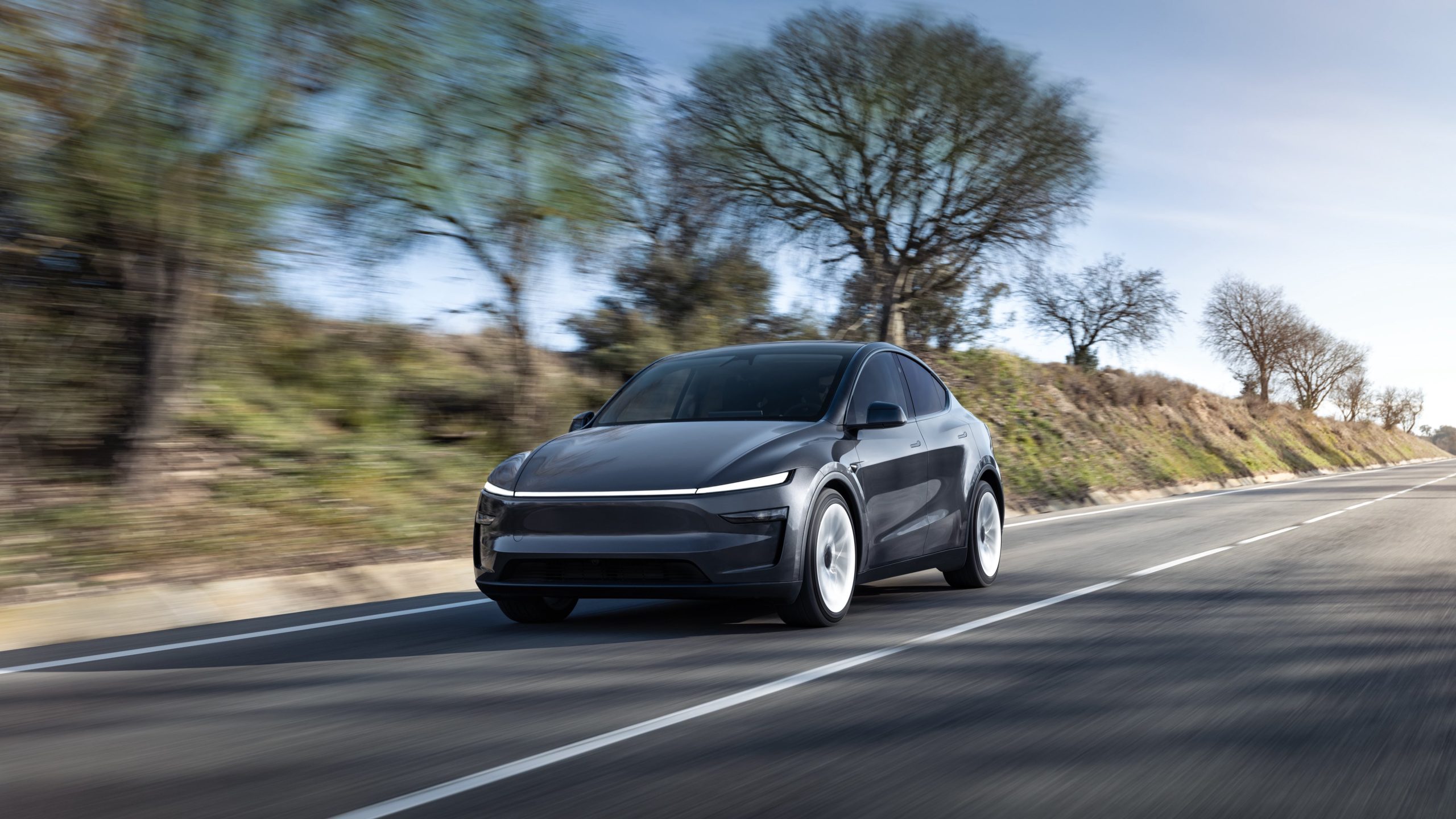
Two noted Tesla (NASDAQ:TSLA) bulls have shared differing views on the recent activities of CEO Elon Musk and the company’s leadership.
While Wedbush analyst Dan Ives called on Tesla’s board to take concrete steps to ensure Musk remains focused on the EV maker, longtime Tesla supporter Cathie Wood of Ark Invest reaffirmed her confidence in the CEO and the company’s leadership.
Ives warns of distraction risk amid crucial growth phase
In a recent note, Ives stated that Tesla is at a critical point in its history, as the company is transitioning from an EV maker towards an entity that is more focused on autonomous driving and robotics. He then noted that the Board of Directors should “act now” and establish formal boundaries around Musk’s political activities, which could be a headwind on TSLA stock.
Ives laid out a three-point plan that he believes could ensure that the electric vehicle maker is led with proper leadership until the end of the decade. First off, the analyst noted that a new “incentive-driven pay package for Musk as CEO that increases his ownership of Tesla up to ~25% voting power” is necessary. He also stated that the Board should establish clear guidelines for how much time Musk must devote to Tesla operations in order to receive his compensation, and a dedicated oversight committee must be formed to monitor the CEO’s political activities.
Ives, however, highlighted that Tesla should move forward with Musk at its helm. “We urge the Board to act now and move the Tesla story forward with Musk as CEO,” he wrote, reiterating its Outperform rating on Tesla stock and $500 per share price target.
Tesla CEO Elon Musk has responded to Ives’ suggestions with a brief comment on X. “Shut up, Dan,” Musk wrote.
Cathie Wood reiterates trust in Musk and Tesla board
Meanwhile, Ark Investment Management founder Cathie Wood expressed little concern over Musk’s latest controversies. In an interview with Bloomberg Television, Wood said, “We do trust the board and the board’s instincts here and we stay out of politics.” She also noted that Ark has navigated Musk-related headlines since it first invested in Tesla.
Wood also pointed to Musk’s recent move to oversee Tesla’s sales operations in the U.S. and Europe as evidence of his renewed focus in the electric vehicle maker. “When he puts his mind on something, he usually gets the job done,” she said. “So I think he’s much less distracted now than he was, let’s say, in the White House 24/7,” she said.
TSLA stock is down roughly 25% year-to-date but has gained about 19% over the past 12 months, as noted in a StocksTwits report.
Investor's Corner
Cantor Fitzgerald maintains Tesla (TSLA) ‘Overweight’ rating amid Q2 2025 deliveries
Cantor Fitzgerald is holding firm on its bullish stance for the electric vehicle maker.
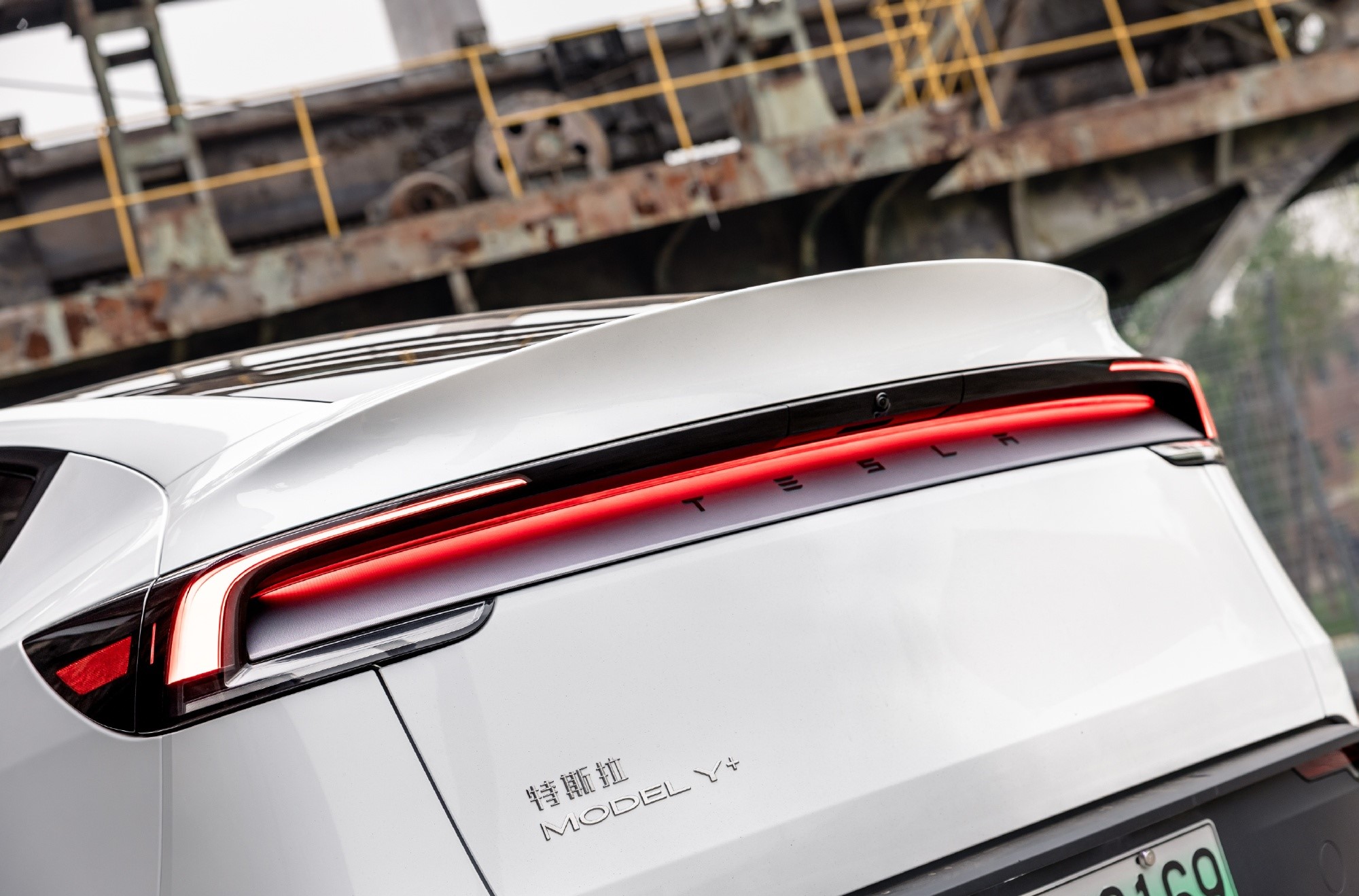
Cantor Fitzgerald is holding firm on its bullish stance for Tesla (NASDAQ: TSLA), reiterating its “Overweight” rating and $355 price target amidst the company’s release of its Q2 2025 vehicle delivery and production report.
Tesla delivered 384,122 vehicles in Q2 2025, falling below last year’s Q2 figure of 443,956 units. Despite softer demand in some countries in Europe and ongoing controversies surrounding CEO Elon Musk, the firm maintained its view that Tesla is a long-term growth story in the EV sector.
Tesla’s Q2 results
Among the 384,122 vehicles that Tesla delivered in the second quarter, 373,728 were Model 3 and Model Y. The remaining 10,394 units were attributed to the Model S, Model X, and Cybertruck. Production was largely flat year-over-year at 410,244 units.
In the energy division, Tesla deployed 9.6 GWh of energy storage in Q2, which was above last year’s 9.4 GWh. Overall, Tesla continues to hold a strong position with $95.7 billion in trailing twelve-month revenue and a 17.7% gross margin, as noted in a report from Investing.com.
Tesla’s stock is still volatile
Tesla’s market cap fell to $941 billion on Monday amid volatility that was likely caused in no small part by CEO Elon Musk’s political posts on X over the weekend. Musk has announced that he is forming the America Party to serve as a third option for voters in the United States, a decision that has earned the ire of U.S. President Donald Trump.
Despite Musk’s controversial nature, some analysts remain bullish on TSLA stock. Apart from Cantor Fitzgerald, Canaccord Genuity also reiterated its “Buy” rating on Tesla shares, with the firm highlighting the company’s positive Q2 vehicle deliveries, which exceeded its expectations by 24,000 units. Cannacord also noted that Tesla remains strong in several markets despite its year-over-year decline in deliveries.

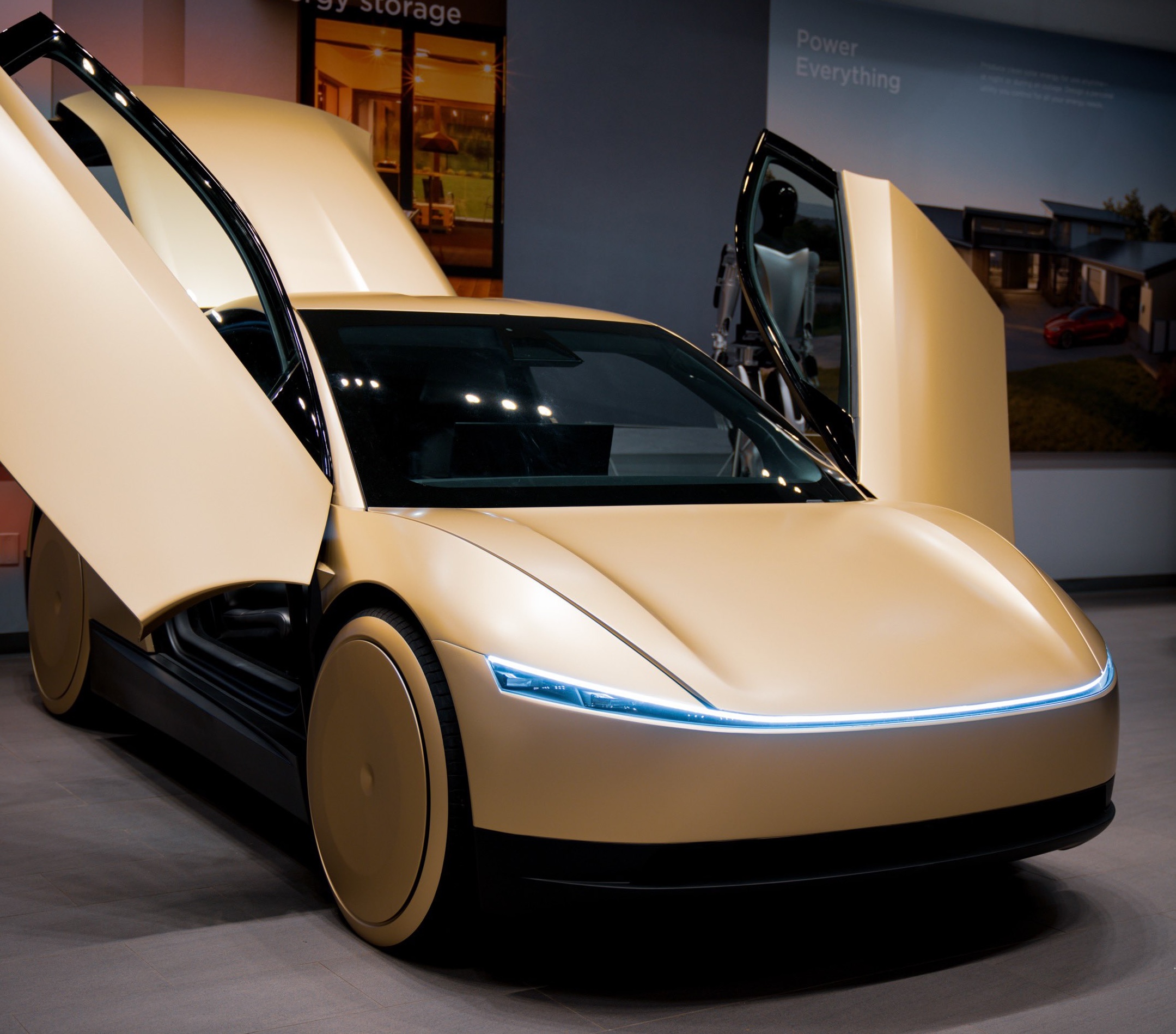
A Tesla analyst today said that investors should not lose sight of what is truly important in the grand scheme of being a shareholder, and that any near-term drama between CEO Elon Musk and U.S. President Donald Trump should not outshine the progress made by the company.
Gene Munster of Deepwater Management said that Tesla’s progress in autonomy is a much larger influence and a significantly bigger part of the company’s story than any disagreement between political policies.
Munster appeared on CNBC‘s “Closing Bell” yesterday to reiterate this point:
“One thing that is critical for Tesla investors to remember is that what’s going on with the business, with autonomy, the progress that they’re making, albeit early, is much bigger than any feud that is going to happen week-to-week between the President and Elon. So, I understand the reaction, but ultimately, I think that cooler heads will prevail. If they don’t, autonomy is still coming, one way or the other.”
BREAKING: GENE MUNSTER SAYS — $TSLA AUTONOMY IS “MUCH BIGGER” THAN ANY FEUD 👀
He says robotaxis are coming regardless ! pic.twitter.com/ytpPcwUTFy
— TheSonOfWalkley (@TheSonOfWalkley) July 2, 2025
This is a point that other analysts like Dan Ives of Wedbush and Cathie Wood of ARK Invest also made yesterday.
On two occasions over the past month, Musk and President Trump have gotten involved in a very public disagreement over the “Big Beautiful Bill,” which officially passed through the Senate yesterday and is making its way to the House of Representatives.
Musk is upset with the spending in the bill, while President Trump continues to reiterate that the Tesla CEO is only frustrated with the removal of an “EV mandate,” which does not exist federally, nor is it something Musk has expressed any frustration with.
In fact, Musk has pushed back against keeping federal subsidies for EVs, as long as gas and oil subsidies are also removed.
Nevertheless, Ives and Wood both said yesterday that they believe the political hardship between Musk and President Trump will pass because both realize the world is a better place with them on the same team.
Munster’s perspective is that, even though Musk’s feud with President Trump could apply near-term pressure to the stock, the company’s progress in autonomy is an indication that, in the long term, Tesla is set up to succeed.
Tesla launched its Robotaxi platform in Austin on June 22 and is expanding access to more members of the public. Austin residents are now reporting that they have been invited to join the program.

These Tesla, X, and xAI engineers were just poached by OpenAI

SpaceX share sale expected to back $400 billion valuation

Tesla Giga Texas continues to pile up with Cybercab castings


-
 Elon Musk1 week ago
Tesla investors will be shocked by Jim Cramer’s latest assessment
-
 News2 weeks ago
Tesla Robotaxi’s biggest challenge seems to be this one thing
-
 Elon Musk1 day ago
Elon Musk confirms Grok 4 launch on July 9 with livestream event
-
 News2 weeks ago
Watch the first true Tesla Robotaxi intervention by safety monitor
-
 News5 days ago
Tesla Model 3 ranks as the safest new car in Europe for 2025, per Euro NCAP tests
-
 Elon Musk2 weeks ago
A Tesla just delivered itself to a customer autonomously, Elon Musk confirms
-
 Elon Musk2 weeks ago
Elon Musk confirms Tesla Optimus V3 already uses Grok voice AI
-
 Elon Musk2 weeks ago
xAI welcomes Memphis pollution results, environmental groups push back