News
Tesla Europe builds momentum with expanding FSD demos and regional launches
Needless to say, it appears that Tesla is putting in some serious effort into boosting sales in Europe this year.

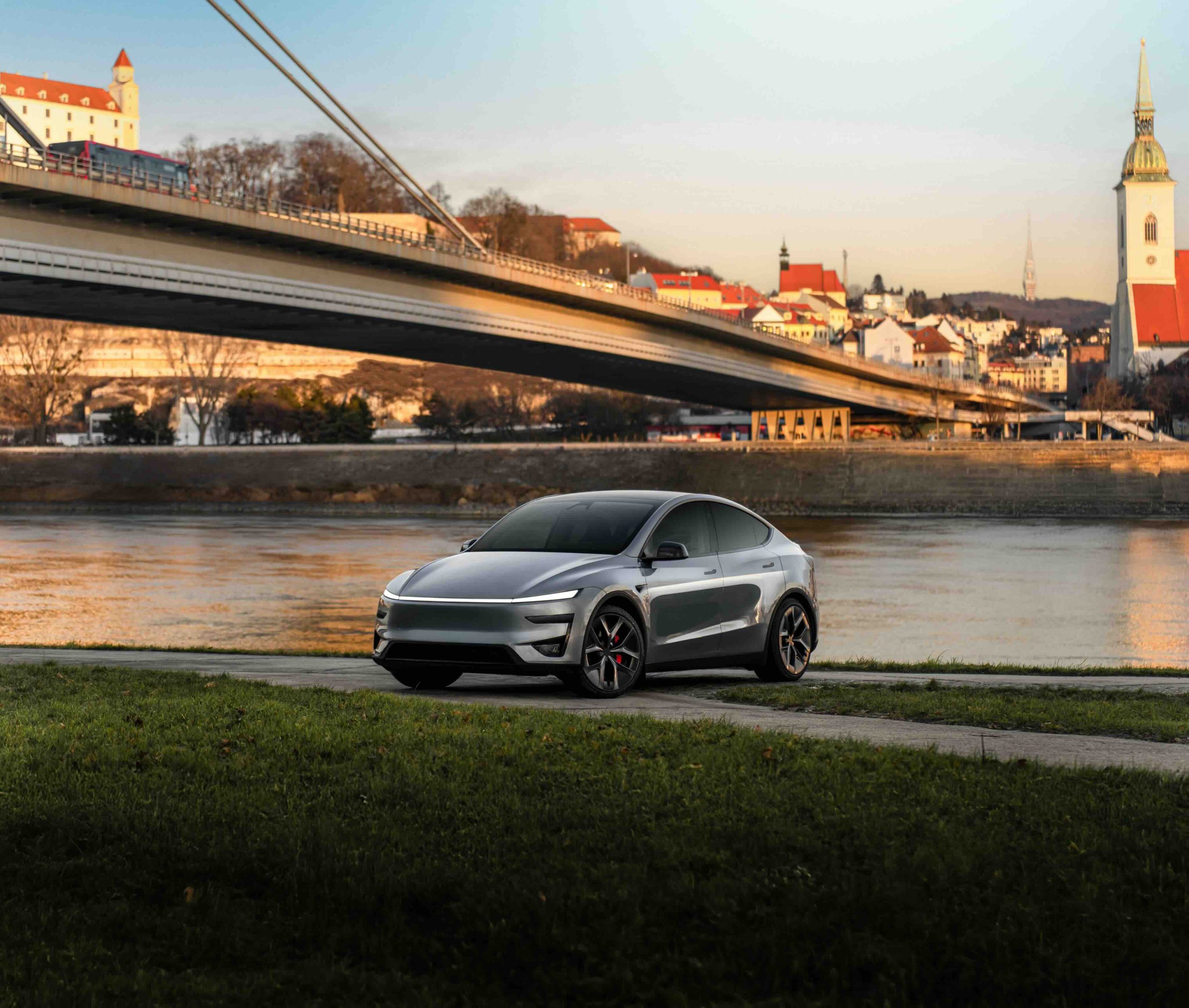
Tesla has been notably active across Europe in recent weeks, expanding its Full Self-Driving (Supervised) ride-along program, entering a new market, and showcasing its newest vehicles across multiple regions.
Needless to say, it appears that Tesla is putting in some serious effort into boosting sales in Europe this year.
Tesla Europe recently announced the expansion of its FSD (Supervised) ride-along experiences, inviting the public to experience the system on local roads. Initially available in Italy, France, and Germany when it launched, the program has now expanded to Hungary, Finland, and Spain.
The ride-along program allows participants to ride in the passenger seat and observe how FSD Supervised handles real-world traffic scenarios, including dense urban driving and other challenging conditions. Tesla has positioned the initiative as a way to familiarize European drivers and regulators with the system’s capabilities in everyday use. The program has received positive reviews so far, with many being impressed by FSD’s real-world capabilities.
Tesla also recently launched operations in Slovakia with a pop-up store and multi-day public event in Bratislava, as noted in an EV Wire report. The launch, held from January 16 to 18 at the Eurovea Mall Promenade, featured test drives, vehicle displays, including the Cybertruck, as well as family-focused attractions such as a mini-Tesla racetrack.
Local observers noted that Tesla Optimus was also shown at the event, while the Tesla Owners Slovakia club welcomed the brand with a coordinated light show near the Slovak National Theater. Tesla Europe later shared its appreciation for Slovakia in a post on its official social media account on X, stating, “Thanks, Slovakia, for the amazing last 3 days & for giving us such a warm welcome!”
Tesla’s Slovakia entry follows a familiar pattern used by the company in other European markets. Tesla opened a pop-up store in Bratislava as an initial step, with plans for a permanent showroom and a potential service center at a renovated site previously occupied by a Jeep and Dodge dealership. Tesla has used a similar approach in markets such as Czechia and Lithuania, where permanent facilities followed within a few months of pop-up launches.
Slovakia already has six Supercharging sites totaling 46 Superchargers, including two locations in Bratislava, providing early infrastructure support for Tesla owners. Tesla staff program manager Supratik Saha described the Slovakia launch as a strategic expansion in the heart of the EU, citing the country’s strong automotive manufacturing base and appetite for advanced technology.
Beyond the EU, the company also marked another milestone with the first Cybertruck deliveries in the United Arab Emirates, signaling continued geographic expansion for Tesla’s newest vehicle. Just like Tesla Slovakia, the Cybertruck also received a warm welcome from the UAE’s EV community.


Investor's Corner
Tesla and SpaceX to merge in 2027, Wall Street analyst predicts
The move, Ives argues, is no longer a distant possibility but a logical next step, fueled by deepening operational ties, shared AI ambitions, and Elon Musk’s vision for dominating the next era of technology.

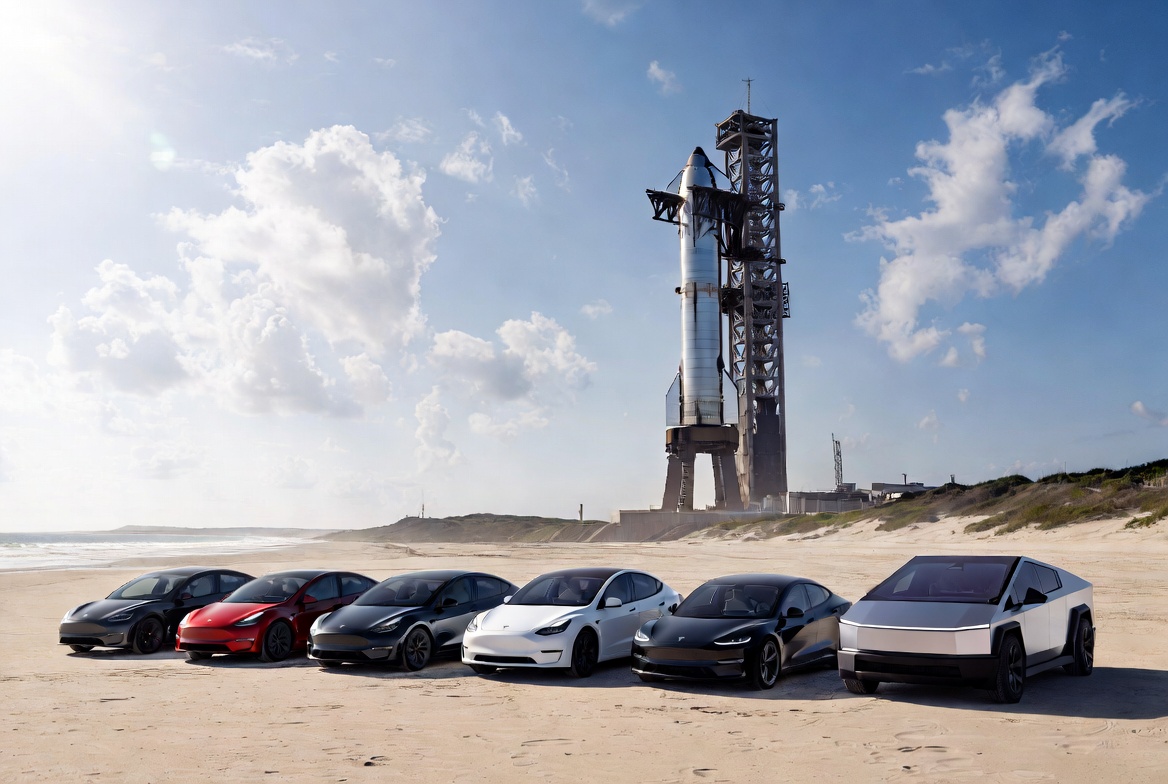
Tesla and SpaceX are two of Elon Musk’s most popular and notable companies, but a new note from one Wall Street analyst claims the two companies will become one sometime next year, as 2027 could see the dawn of a new horizon.
In a bold new research note, Wedbush analyst Dan Ives has reaffirmed his long-standing prediction: Tesla and SpaceX will merge in 2027.
The move, Ives argues, is no longer a distant possibility but a logical next step, fueled by deepening operational ties, shared AI ambitions, and Elon Musk’s vision for dominating the next era of technology.
He writes:
“Still Expect Tesla and SpaceX to Merge in 2027. We continue to believe that SpaceX and Tesla will eventually merge into one company in 2027 with the groundwork already in place for both operations to become one organization. Tesla already owns a stake in SpaceX after the company’s $2 billion investment in xAI got converted to SpaceX shares following SpaceX’s acquisition of xAI earlier this year initially tying both of Musk’s ventures closer together but still represents <1% of SpaceX’s expected valuation. The recent announcement of a joint Terafab facility between SpaceX and Tesla further ties both operations together making it more feasible to merge operations given the now existing overlap being built out across the two with this the first step.”
The groundwork is already being laid. Earlier this year, SpaceX acquired xAI, converting Tesla’s $2 billion investment in the AI startup into a small equity stake, less than 1 percent, in SpaceX.
Regulatory filings cleared the transaction in March 2026, formally linking the two Musk-led companies financially for the first time. Then came the announcement of a joint TERAFAB facility in Austin, Texas: two advanced chip factories, one dedicated to Tesla’s AI needs for vehicles and Optimus robots, the other targeting space-based data centers.
Elon Musk launches TERAFAB: The $25B Tesla-SpaceXAI chip factory that will rewire the AI industry
Ives calls Terafab the “first step” toward full operational integration.
SpaceX’s impending IPO, expected as soon as mid-June 2026, will turbocharge these plans. The company aims to raise approximately $75 billion at a roughly $1.75 trillion valuation, far exceeding earlier estimates.
Proceeds will fund Starship rocket flights, a NASA-contracted lunar base, expanded Starlink services across maritime, aviation, and direct-to-mobile applications, and crucially, orbital AI infrastructure
A major driver is the exploding demand for AI compute. U.S. data centers are projected to consume 470 TWh of electricity by 2030, constrained by power grids and land.
🚨 Wedbush’s Dan Ives says that Tesla and SpaceX will merge in 2027. SpaceX will IPO soon, his new note says:
“According to media reports, SpaceX could file a prospectus for an IPO imminently with the goal of raising ~$75 billion above the prior expectation of ~$50 billion…
— TESLARATI (@Teslarati) March 27, 2026
SpaceX’s strategy, launching millions of solar-powered satellites to host data centers in orbit, bypasses Earth’s energy bottlenecks. Solar energy captured in space avoids atmospheric losses and day-night cycles, offering a scalable solution for AI training and inference.
The xAI acquisition ties directly into this vision, positioning the combined entity as a leader in extraterrestrial computing.
The merger would create a formidable conglomerate spanning electric vehicles, robotics, satellite communications, human spaceflight, and defense.
Ives highlights SpaceX’s role in the Trump administration’s “Golden Dome” missile defense shield, which would leverage Starlink satellites for tracking.
For Tesla, access to SpaceX’s launch cadence and orbital assets could accelerate autonomous driving, Robotaxi fleets, and Optimus deployment.
Musk, who has signaled his desire to own roughly 25 percent of Tesla to steer its AI future, views the combination as essential to overcoming fragmented regulatory scrutiny from the FTC and DOJ.
Challenges remain. Antitrust hurdles could delay or reshape the deal, and shareholder approvals on both sides would be required. Yet Ives remains bullish, maintaining an Outperform rating on Tesla with a $600 price target, implying substantial upside from current levels. The analyst sees the merger as the “holy grail” for consolidating Musk’s disruptive tech empire.
If realized, a 2027 Tesla-SpaceX union would not only reshape corporate boundaries but redefine humanity’s trajectory in AI and space exploration. It would mark the moment two pioneering companies become one unstoppable force, pushing the limits of what’s possible on Earth and beyond.
News
Tesla ‘Killer’ heads to the graveyard as AFEELA taps out
SHM has officially discontinued development of its highly anticipated AFEELA electric vehicles. On March 25, the joint venture between Sony and Honda announced it would halt the AFEELA 1 luxury sedan and a planned SUV model.
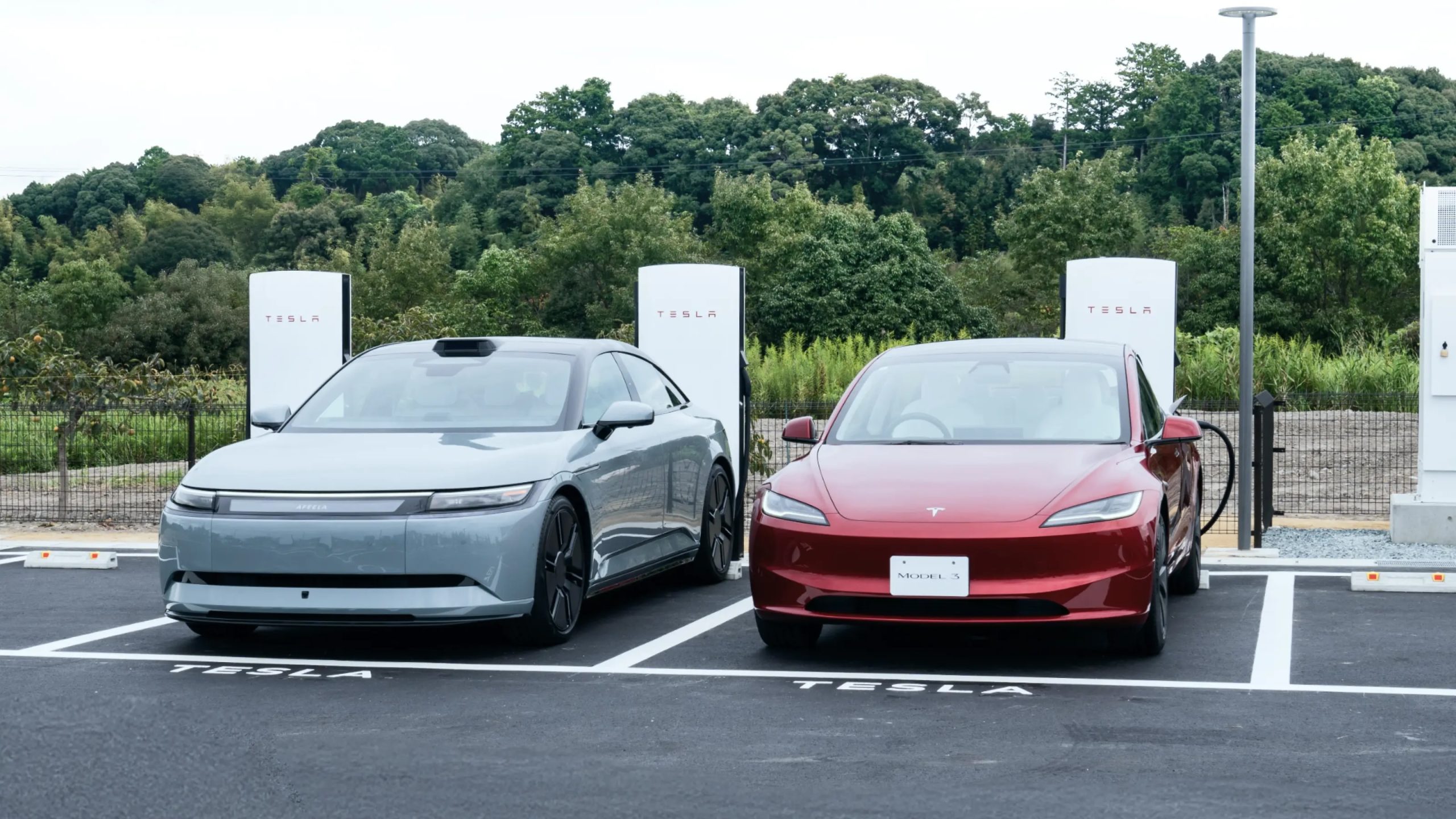
There have been many Tesla “Killers” over the years, all of which have either failed to dethrone the automaker from its dominance in the United States, or even make it to the market altogether.
The Sony Honda Mobility (SHM) project, known as AFEELA, is the latest to make it to the grave, as the company announced its intentions to abandon the project earlier this week, Bloomberg reported.
SHM has officially discontinued development of its highly anticipated AFEELA electric vehicles. On March 25, the joint venture between Sony and Honda announced it would halt the AFEELA 1 luxury sedan and a planned SUV model.
🚗 Tesla Killers Graveyard:
Sony-Honda AFEELA
The sleek, AI-packed luxury sedan with PlayStation integration. Officially cancelled in March 2026 after Honda scaled back its EV plans.Fisker Ocean
Stylish SUV with solar roof promises. Company filed for bankruptcy in 2024 amid… https://t.co/Om14UhISOy— TESLARATI (@Teslarati) March 26, 2026
The decision follows Honda’s March 12 reassessment of its electrification strategy, which scrapped several upcoming EV programs amid slowing demand, high costs, and shifting market conditions.
SHM stated that it could no longer rely on key Honda technologies and manufacturing assets, leaving “no viable path forward.” Reservation fees for early buyers in California are being fully refunded, and the joint venture’s future is now under review.
Launched with fanfare in 2022, the AFEELA was positioned as a tech-forward premium EV blending Honda’s engineering reliability with Sony’s entertainment and AI expertise.
Prototypes featured advanced autonomous driving systems, immersive in-cabin displays, and even PlayStation integration, earning it early media labels as a potential “Tesla Killer.”
Priced around $90,000, the sedan was slated for limited production at Honda’s Ohio plant with deliveries targeted for late 2026. Industry watchers saw it as a serious challenger to Tesla’s dominance in software, connectivity, and premium appeal.
Yet, like many ambitious EV projects, it fell victim to broader industry headwinds: softening consumer demand, persistent high interest rates, and intense competition from established players.
The AFEELA joins a long list of vehicles once hyped as “Tesla Killers” that failed to deliver. In the late 2010s, Fisker’s second act, the Ocean SUV, promised stylish design and solid-state battery tech but collapsed into bankruptcy in 2024 after production delays, quality issues, and financial shortfalls.
Faraday Future poured billions into the FF 91 luxury sedan, touting it as a hyper-tech rival with unmatched performance and features; the company delivered fewer than 100 vehicles before fading into obscurity.
Lordstown Motors’ Endurance electric pickup generated massive pre-order buzz and Wall Street excitement but imploded after exaggerated range claims, a factory sale, and eventual bankruptcy.
Even Lucid Motors’ Air sedan, frequently called a Tesla slayer for its superior range and luxury, has struggled with sluggish sales and missed growth targets despite strong reviews.
Rivian’s R1T and R1S trucks enjoyed similar early acclaim and a blockbuster IPO, yet production ramp-up challenges and profitability woes have prevented it from dethroning Tesla.
The AFEELA’s quiet demise underscores a harsh reality in the EV sector. While Tesla’s first-mover advantage in software, charging infrastructure, and brand loyalty remains formidable, legacy automakers and tech newcomers alike continue to underestimate the complexities of scaling affordable, desirable electric vehicles.
As market realities force tough choices, the graveyard of “Tesla Killers” grows longer, another reminder that innovation alone is rarely enough to topple an established leader.
Elon Musk
TIME honors SpaceX’s Gwynne Shotwell: From employee No. 7 to world’s most valuable company
Time Magazine honors Gwynne Shotwell as SpaceX reaches a $1.25 trillion valuation and eyes its IPO.

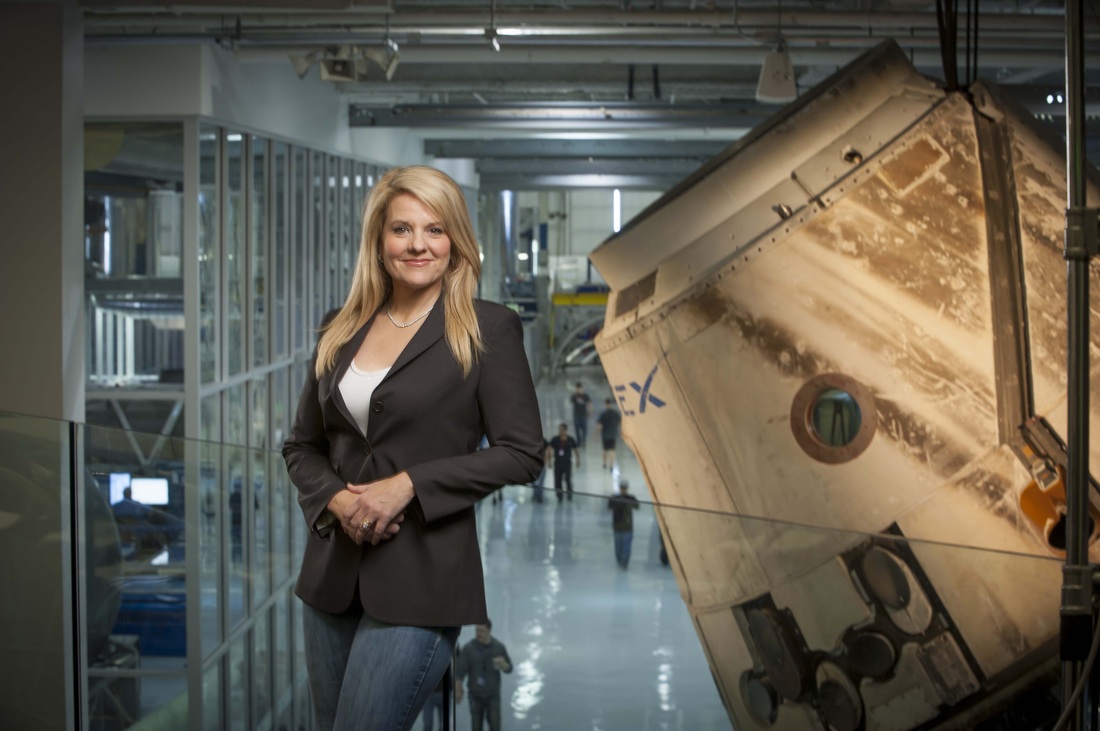
TIME Magazine has put SpaceX President and COO Gwynne Shotwell on its cover, and the timing could not be more fitting. Published today, the profile of Shotwell arrives at a moment when the company she has quietly run for more than two decades stands at the center of the most consequential developments in aerospace, artificial intelligence, and the future of human civilization.
Shotwell joined SpaceX in 2002 as its seventh employee and has never stopped expanding her role. She oversees day-to-day operations across multiple executive teams spanning Falcon, Starlink, Starship, and now xAI following SpaceX’s February 2026 merger with Elon Musk’s artificial intelligence company, a deal that made SpaceX the world’s most valuable private company at a reported valuation of $1.25 trillion. A highly anticipated IPO is expected in the second quarter of 2026.
Will Tesla join the fold? Predicting a triple merger with SpaceX and xAI
Her track record is historic. She oversaw the first landing of an orbital rocket’s first stage, the first reuse and re-landing of an orbital booster, and the first private crewed launch to Earth orbit in May 2020. She built the Falcon launch manifest from nothing to more than 170 contracted missions representing over $20 billion in business. Under her operational leadership, SpaceX completed 96 successful missions in 2023 alone and has now flown more than 20 crewed Falcon 9 missions. Starlink, which she championed as a financial pillar of the company long before it was a mainstream topic, now connects tens of millions of users worldwide and provided a critical communications lifeline to Ukraine following the 2022 invasion.
Elon Musk has never been shy about what Shotwell means to him and to SpaceX. When she shared her vision for worldwide internet connectivity through Starlink, Musk responded on X with a simple statement, “Gwynne is awesome.” It is a sentiment that has been echoed across the industry. NASA Administrator Bill Nelson once said of Musk: “One of the most important decisions he made, as a matter of fact, is he picked a president named Gwynne Shotwell. She runs SpaceX. She is excellent.”
Gwynne is awesome https://t.co/tiXtMWJmPE
— Elon Musk (@elonmusk) September 28, 2024
Now, with Starship targeting its first crewed lunar landing under the Artemis program by 2028, an xAI integration underway, and a pending IPO that could reshape capital markets, Shotwell’s mandate has never been larger. She told Time that 18 Starships are already in various stages of construction at Starbase. “By 2028,” she said, gesturing across the factory floor, “these should be long gone. They better have flown by then.” If Shotwell’s history at SpaceX is any guide, they will.

Tesla and SpaceX to merge in 2027, Wall Street analyst predicts

Tesla lands on Fortune’s 2026 Most Innovative Companies and the Cybercab is why

Tesla ‘Killer’ heads to the graveyard as AFEELA taps out

Elon Musk says Tesla is developing a new vehicle: ‘Way cooler than a minivan’

What is Digital Optimus? The new Tesla and xAI project explained


