Elon Musk
Tesla Full Self-Driving’s European launch frustrations revealed by Elon Musk
Tesla plans to launch Full Self-Driving in Europe later this year, but regulatory bodies are proving to make it a bigger challenge than it needs to be.

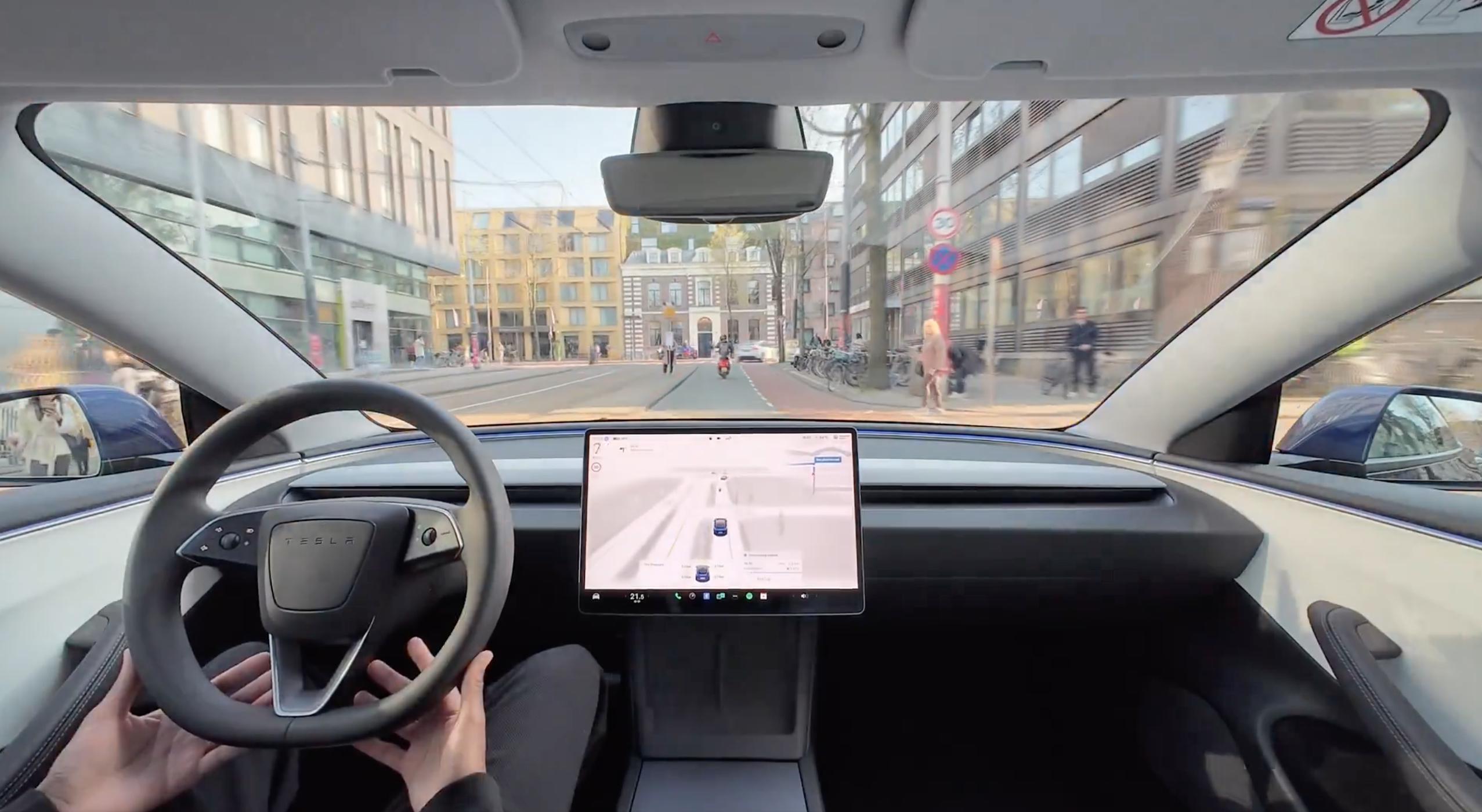
Tesla Full Self-Driving is set to launch in Europe in the future, but the region’s governing bodies are not giving the suite any chance to move forward, according to CEO Elon Musk, who blames the regulatory processes for robbing citizens of a safer mode of travel.
The automaker revealed late last year that it planned to bring Full Self-Driving to Europe sometime in 2025. However, Musk said that the launch of the suite is being continuously prolonged by both individual and European Union officials, dragging their feet with approvals.
In a post on X on Wednesday, Musk said the company is still dealing with and waiting for approvals from both the Dutch government and the EU’s governing officials, giving an indication that some progress has been made, but ultimately, there are still some bodies that are taking their time:
Waiting for Dutch authorities and then the EU to approve.
Very frustrating and hurts the safety of people in Europe, as driving with advanced Autopilot on results in four times fewer injuries!
Please ask your governing authorities to accelerate making Tesla safer in Europe. https://t.co/QIYCXhhaQp
— Elon Musk (@elonmusk) June 11, 2025
He continued by stating that the delays are “very frustrating” and they “hurt the safety of people in Europe” because of Autopilot’s statistical prowess, which shows it is much safer than human drivers.
Tesla is readying for the launch of a completely driverless Robotaxi platform in the U.S., which is set to occur in the coming days. While the initial rollout of the platform will be reserved for a select few, public rides are slated for June 22, meaning anyone will be able to come to Austin and hail a Tesla Robotaxi through the company’s smartphone app.
The first Robotaxi without a driver was spotted in Austin yesterday and shared on X:
First Tesla driverless robotaxi spotted in the wild in Austin, TX
Musk dropped several hints that the Robotaxi launch, which has been rumored for June 12, is imminent. For now, the operation will take place in Austin and will eventually expand, likely to California next, as noted in past reports. The City’s official website confirmed that Tesla gained a license as an Autonomous Vehicle operator in the City of Austin earlier this week.
Tesla applied for a similar license in California earlier this year.


Elon Musk
TIME honors SpaceX’s Gwynne Shotwell: From employee No. 7 to world’s most valuable company
Time Magazine honors Gwynne Shotwell as SpaceX reaches a $1.25 trillion valuation and eyes its IPO.

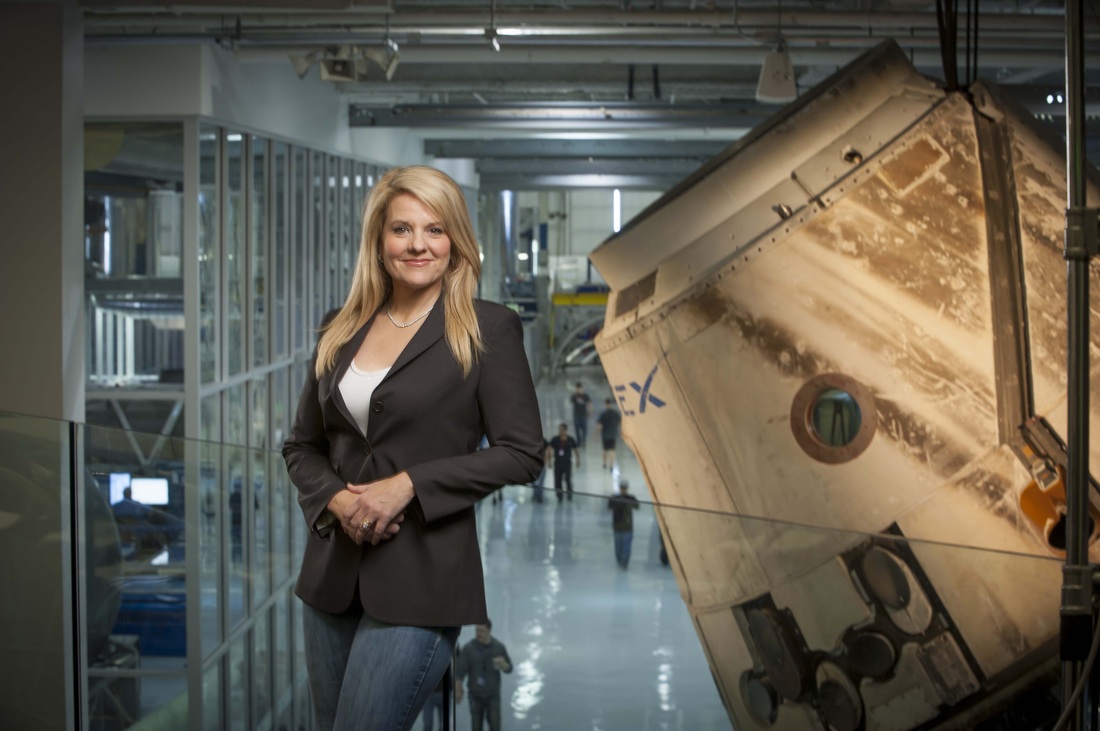
TIME Magazine has put SpaceX President and COO Gwynne Shotwell on its cover, and the timing could not be more fitting. Published today, the profile of Shotwell arrives at a moment when the company she has quietly run for more than two decades stands at the center of the most consequential developments in aerospace, artificial intelligence, and the future of human civilization.
Shotwell joined SpaceX in 2002 as its seventh employee and has never stopped expanding her role. She oversees day-to-day operations across multiple executive teams spanning Falcon, Starlink, Starship, and now xAI following SpaceX’s February 2026 merger with Elon Musk’s artificial intelligence company, a deal that made SpaceX the world’s most valuable private company at a reported valuation of $1.25 trillion. A highly anticipated IPO is expected in the second quarter of 2026.
Will Tesla join the fold? Predicting a triple merger with SpaceX and xAI
Her track record is historic. She oversaw the first landing of an orbital rocket’s first stage, the first reuse and re-landing of an orbital booster, and the first private crewed launch to Earth orbit in May 2020. She built the Falcon launch manifest from nothing to more than 170 contracted missions representing over $20 billion in business. Under her operational leadership, SpaceX completed 96 successful missions in 2023 alone and has now flown more than 20 crewed Falcon 9 missions. Starlink, which she championed as a financial pillar of the company long before it was a mainstream topic, now connects tens of millions of users worldwide and provided a critical communications lifeline to Ukraine following the 2022 invasion.
Elon Musk has never been shy about what Shotwell means to him and to SpaceX. When she shared her vision for worldwide internet connectivity through Starlink, Musk responded on X with a simple statement, “Gwynne is awesome.” It is a sentiment that has been echoed across the industry. NASA Administrator Bill Nelson once said of Musk: “One of the most important decisions he made, as a matter of fact, is he picked a president named Gwynne Shotwell. She runs SpaceX. She is excellent.”
Gwynne is awesome https://t.co/tiXtMWJmPE
— Elon Musk (@elonmusk) September 28, 2024
Now, with Starship targeting its first crewed lunar landing under the Artemis program by 2028, an xAI integration underway, and a pending IPO that could reshape capital markets, Shotwell’s mandate has never been larger. She told Time that 18 Starships are already in various stages of construction at Starbase. “By 2028,” she said, gesturing across the factory floor, “these should be long gone. They better have flown by then.” If Shotwell’s history at SpaceX is any guide, they will.
Elon Musk
SpaceX’s IPO might arrive sooner than you think
Musk has hinted for years that an eventual public offering was inevitable, though he has stressed the need to maintain operational focus. Insiders have told outlets that the CEO is pushing for a significant retail investor allocation, reportedly more than 20 percent of shares, and tighter lock-up periods to limit early selling pressure.
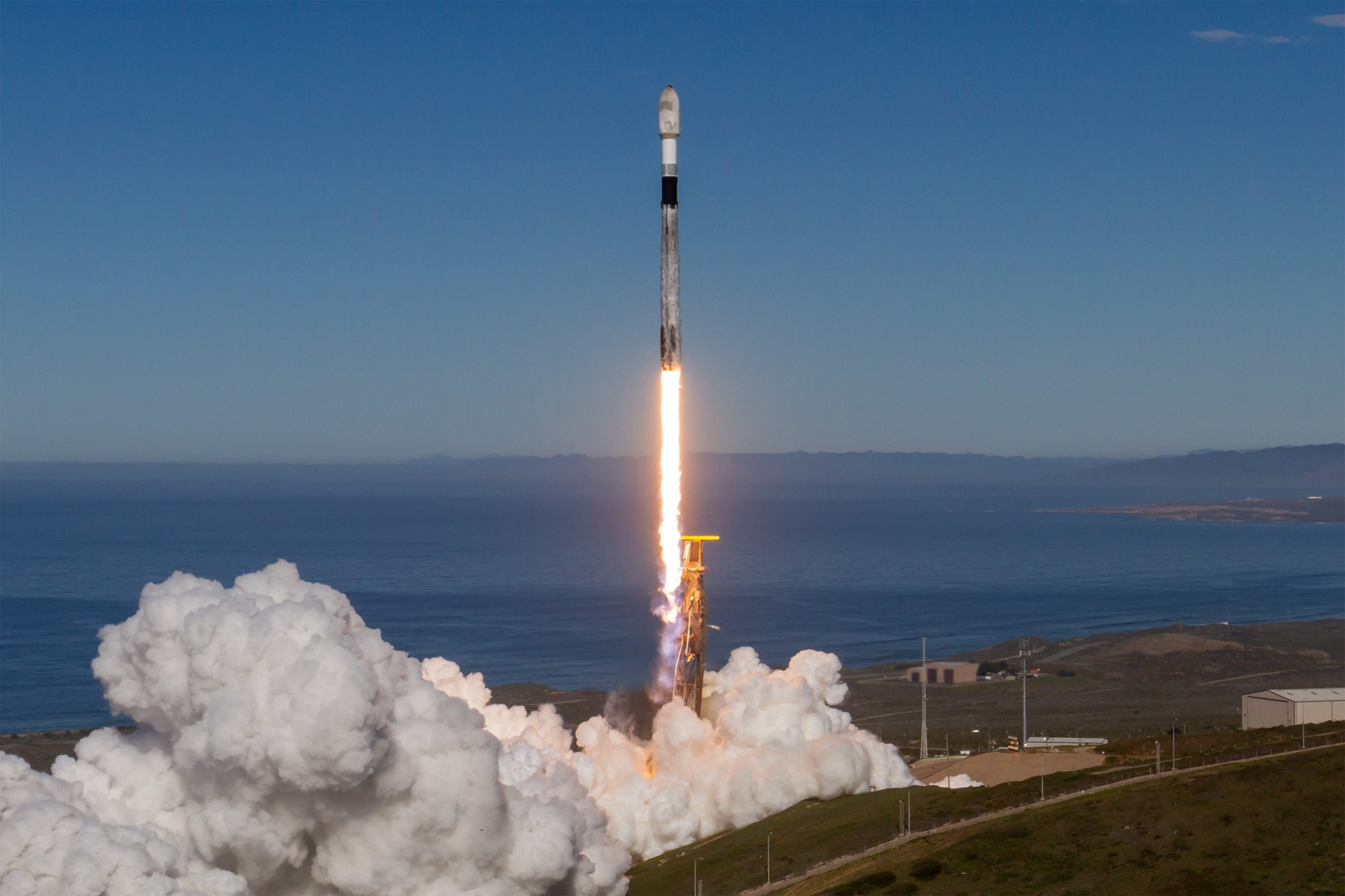
Elon Musk’s SpaceX is on the verge of one of the most anticipated Initial Public Offerings (IPO) in history.
However, a new report from The Information indicates the rocket and satellite giant is aiming to file its IPO prospectus with U.S. regulators as soon as this week, or early next week at the latest.
People familiar with the plans told The Information that advisers involved in the process expect the IPO could raise more than 75 billion dollars, potentially making it the largest stock market debut ever and eclipsing Saudi Aramco’s 29.4 billion dollar offering in 2019.
The filing would mark the formal start of what has long been rumored: SpaceX’s transition from a closely held private powerhouse to a publicly traded company.
The timing aligns with earlier signals.
In late February, Bloomberg reported that SpaceX was targeting a confidential IPO filing in March and a possible public listing in June, with a valuation north of 1.75 trillion dollars. At the time, the company’s private valuation hovered around 1.25 trillion dollars.
SpaceX considering confidential IPO filing this March: report
Starlink, SpaceX’s satellite internet constellation, has been the primary driver of that surge, now serving millions of customers worldwide and generating steady revenue. Recent Starship test flights and a record pace of Falcon launches have further bolstered investor confidence.
Musk has hinted for years that an eventual public offering was inevitable, though he has stressed the need to maintain operational focus. Insiders have told outlets that the CEO is pushing for a significant retail investor allocation, reportedly more than 20 percent of shares, and tighter lock-up periods to limit early selling pressure.
A June listing would give SpaceX immediate access to public capital markets at a moment when demand for space-related stocks remains high. It would also allow early employees and long-time investors to cash out portions of their stakes while giving everyday shareholders a chance to own a piece of the company behind reusable rockets, global broadband, and NASA contracts.
Of course, nothing is certain until the SEC filing appears. Market conditions, regulatory reviews, and Musk’s own schedule could still shift timelines.
Yet the latest word from The Information suggests the window has opened. If the filing lands this week, SpaceX’s roadshow could begin in earnest within weeks, setting the stage for what many analysts already call the IPO of the decade.
Elon Musk
Elon Musk hints what Tesla’s new vehicle will be
After Musk’s post earlier this week, many considered the possibility that the Tesla CEO was potentially talking about the Roadster, which is slated for an unveiling (again) next month. Some considered the possibility of the Robovan, which was unveiled back in 2024.
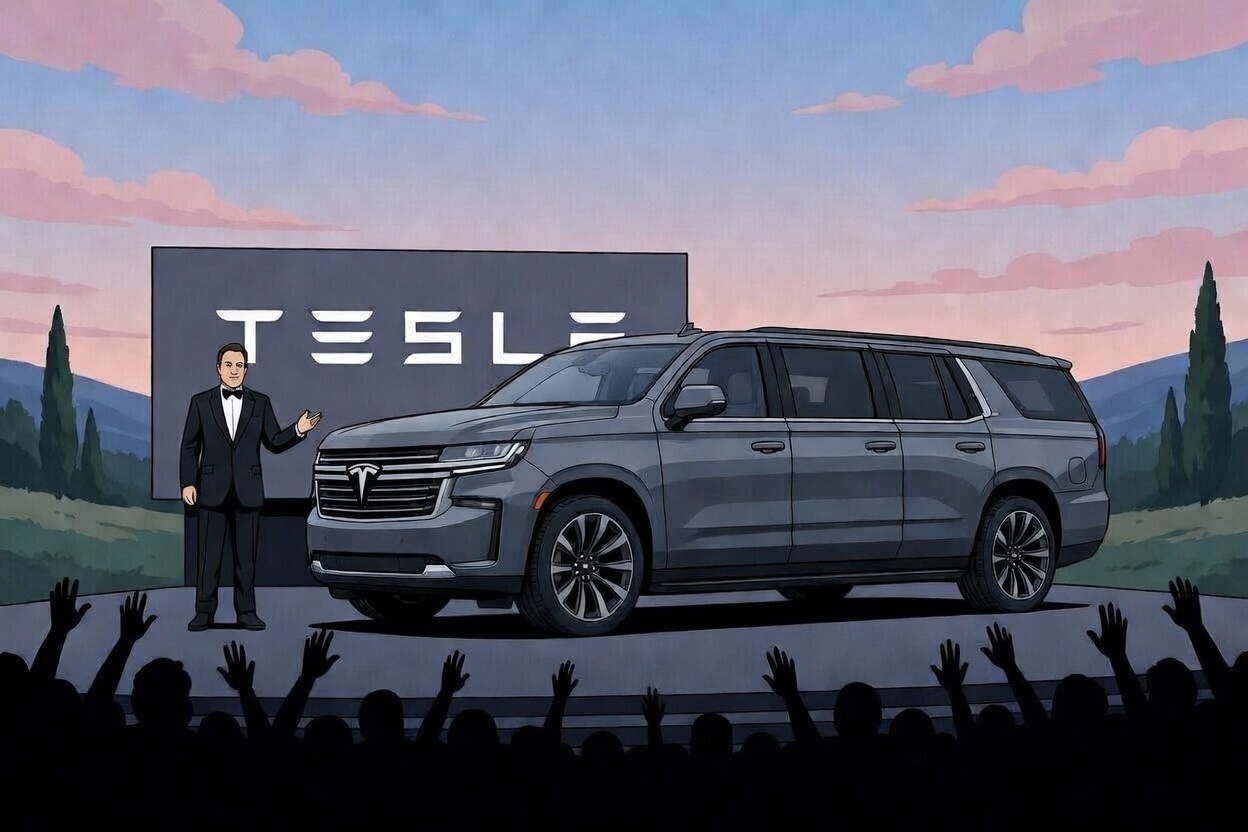
Elon Musk hinted at what Tesla’s new vehicle will be just a day or so after he essentially confirmed the company is developing something that will eventually be available for consumers.
Earlier this week, Musk said that something “way cooler than a minivan” was on the way from Tesla after a fan posted on X that the company needed to build something for larger families. Requesting this type of vehicle has been a move of many Tesla fans over the years, but now, the urgency is even higher for this type of car because of the company’s decision to sunset the Model X.
Following reports of Musk’s plans to build something that will be cooler than a minivan, speculation consisted of what could possibly be on the way.
Tesla has teased a CyberSUV for quite a while, and there were even some clay models built by the company that were strategically placed in a promotional video.
After Musk’s post earlier this week, many considered the possibility that the Tesla CEO was potentially talking about the Roadster, which is slated for an unveiling (again) next month. Some considered the possibility of the Robovan, which was unveiled back in 2024.
However, a new post from Musk seems to indicate that it will be a new project altogether. After one follower of Musk’s said:
“If Tesla makes a car with 3 rows of seats, each with its own pair of doors so nobody has to climb over anybody else to get to their seat, they will create a baby boom the likes of which we haven’t seen in 80 years.”
Musk’s reply was simple but definitely shed more insight into the company’s plans, as he said:
“Noted.”
Musk’s simple one-word answer might be enough to essentially expect something large, like a full-sized SUV. This would be an incredible addition to the Tesla lineup, especially as the Model X is going away.
Noted
— Elon Musk (@elonmusk) March 26, 2026
Even the Model X is not quite big enough, and not comparable to vehicles like the Chevrolet Tahoe, so a three-row, six-door SUV might be exactly what Tesla fans want.
It certainly does not sound like Tesla is planning to launch the Model Y L in the U.S., at least not exclusively, or use that car, which is currently built in China, to solve the needs of a larger family.
Tesla gives big hint that it will build Cyber SUV, smaller Cybertruck
It seems the time has certainly come for Tesla to answer the call of what consumers want. This has long been requested, and although the company’s sights are ultimately set on achieving full autonomy, there is still a need for larger families, and a full-size SUV could be a great addition for Tesla as it moves into the second quarter of 2026.

Tesla Semi is already winning over truck drivers

Tesla and SpaceX to merge in 2027, Wall Street analyst predicts

Tesla lands on Fortune’s 2026 Most Innovative Companies and the Cybercab is why

Elon Musk says Tesla is developing a new vehicle: ‘Way cooler than a minivan’

Elon Musk launches TERAFAB: The $25B Tesla-SpaceXAI chip factory that will rewire the AI industry


