News
Tesla’s Grok integration will be more realistic with this cool feature
Tesla is preparing Grok for its first integration into vehicles, but it’s making it more robust than ever, firmware shows.

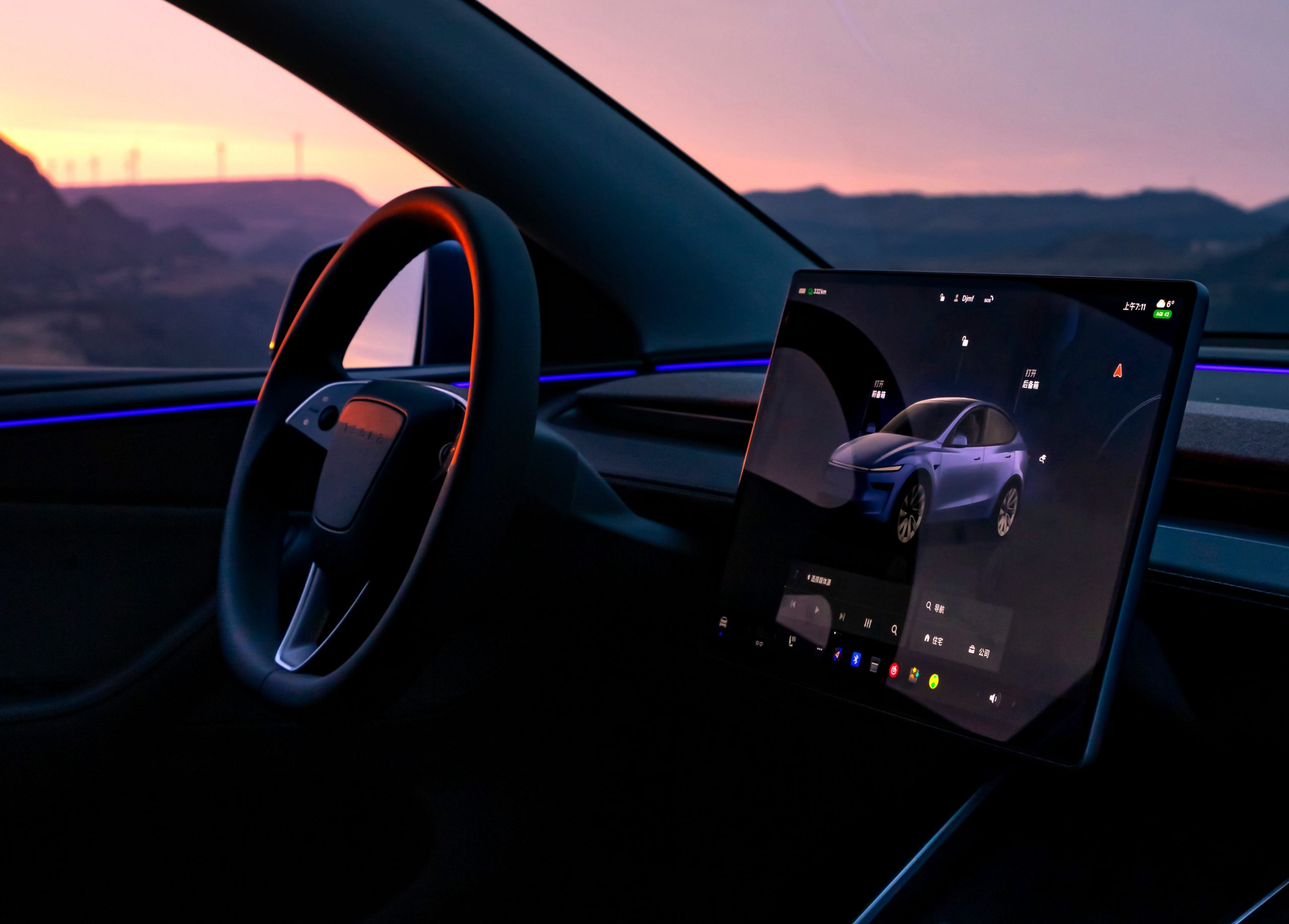
Tesla has not yet integrated the AI assistant Grok into its vehicles, but when it does, it will be even more realistic with a new feature that firmware coding shows.
CEO Elon Musk teased a few months back that Grok would be making its way into vehicles in the near future. The implementation has not yet occurred, but we are confident it will be rolling out soon, especially as Tesla has its sights set on a near-term rollout of the Robotaxi platform.
Tesla’s vehicles expected to get Grok voice assistant—but when?
Grok will enable AI assistance for drivers who are both manually operating Tesla vehicles or using the company’s Full Self-Driving suite. It has been widely popular and extremely useful for users on X, Musk’s social media platform.
However, Tesla hacker green has revealed through firmware that the company is planning to roll out Grok into vehicles with personalities, giving it an even more realistic tone that is totally customizable and catered to whatever the driver wants.
There are also a handful of kids’ versions that will do things like tell stories or play trivia:
In-car grok also got new language tutor personality.
(other personalities:
argumentative
assistant
conspiracy
doctor
kids_story
kids_trivia_game
meditation
motivation
romantic
sexy
storyteller
therapist
unhinged)— green (@greentheonly) June 16, 2025
The true capabilities of Grok are nearly limitless. Back in January, Musk said on a livestream on X that, “You’ll be able to talk to your Tesla and ask for anything.”
Grok appears to only be available on AMD-based vehicles, according to other things green found in the firmware. This means that Intel-based Teslas, which are usually older models, will not enable Grok support for right now.


Investor's Corner
Tesla reports Q1 deliveries, missing expectations slightly
The figure, however, fell short of Wall Street’s consensus estimate of 365,645 units, reflecting ongoing headwinds in the global EV market.
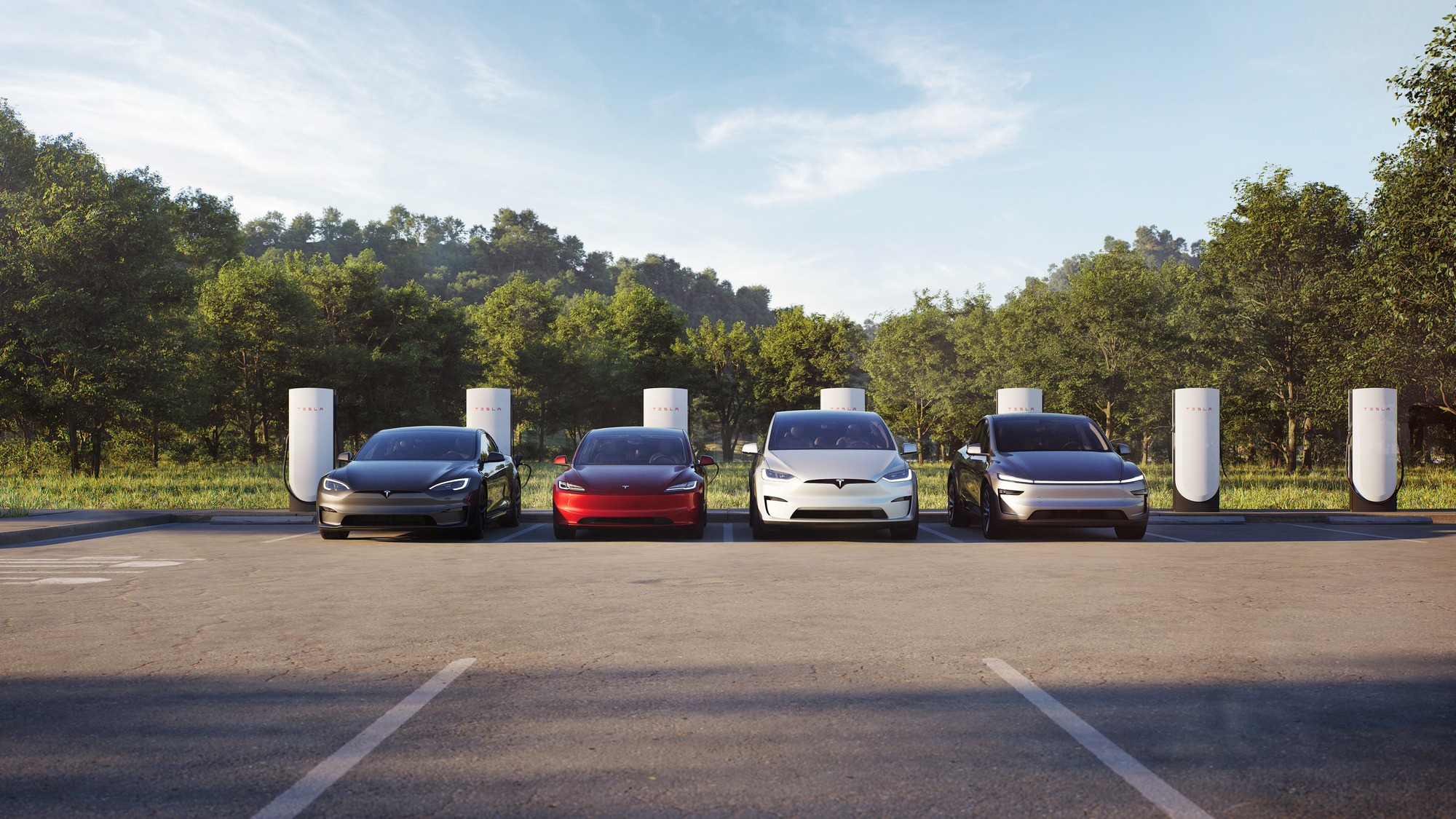
Tesla reported deliveries for the first quarter of 2026 today, missing expectations set by Wall Street analysts slightly as the company aims to have a massive year in terms of sales, along with other projects.
Tesla delivered 358,023 vehicles in the first quarter of 2026, marking a 6.3 percent increase from 336,681 vehicles in Q1 2025.
The figure, however, fell short of Wall Street’s consensus estimate of 365,645 units, reflecting ongoing headwinds in the global EV market. Production reached approximately 362,000 vehicles, with Model 3 and Model Y accounting for the vast majority. The results come as Tesla navigates softening demand, intensifying competition in China and Europe, and the expiration of key U.S. federal tax incentives.
🚨 BREAKING: Tesla delivered 358,023 vehicles in Q1 2026
Tesla also reported record energy deployments of 8.8 GWh
Wall Street had delivery consensus estimates of 365,645 pic.twitter.com/EVNAu5L3UT
— TESLARATI (@Teslarati) April 2, 2026
Energy storage deployments provided a bright spot, hitting a record 8.8 GWh in Q1. This underscores the accelerating momentum in Tesla’s energy segment, which has become a critical growth driver even as automotive volumes stabilize.
Year-over-year, the energy business continues to outpace vehicle sales, with analysts noting strong backlog demand for Megapack systems amid rising grid-scale needs for renewables and AI data centers.
Looking ahead, analysts project full-year 2026 vehicle deliveries in the range of 1.69 million units—a modest 3-5% rise from roughly 1.64 million in 2025.
Growth is expected to accelerate in the second half as production ramps and new incentives emerge in select markets. However, risks remain: persistent high interest rates, price competition from legacy automakers and Chinese EV makers, and potential margin pressure could cap upside.
Tesla has not issued official full-year guidance, but executives have signaled confidence in sequential quarterly improvements driven by cost reductions and refreshed lineups.
By the end of 2026, Tesla plans several major product launches to reignite momentum. The refreshed Model Y, including a new 7-seater variant already rolling out in select markets, is expected to boost family-oriented sales with updated styling, efficiency gains, and interior enhancements.
Autonomous ambitions remain central to Tesla’s mission, and that’s where the vast majority of the attention has been put. Volume production of the Cybercab (Robotaxi) is targeted to begin ramping in 2026, potentially unlocking new revenue streams through unsupervised Full Self-Driving (FSD) deployment.
A next-generation affordable EV platform, possibly under $30,000, is also in advanced planning stages for 2026 or 2027 introduction. On the energy front, the Megapack 3 and larger Megablock systems will drive further deployment scale.
While Q1 highlights transitional challenges in autos, Tesla’s diversified roadmap, spanning refreshed consumer vehicles, commercial trucks, Robotaxis, and explosive energy growth, positions the company for a stronger second half and beyond. Investors will watch Q2 closely for signs of sustained recovery, especially with new vehicles potentially on the horizon.
Elon Musk
NASA sends humans to the Moon for the first time since 1972 – Here’s what’s next
NASA’s Artemis II launched four astronauts toward the Moon on the first crewed lunar mission since 1972.

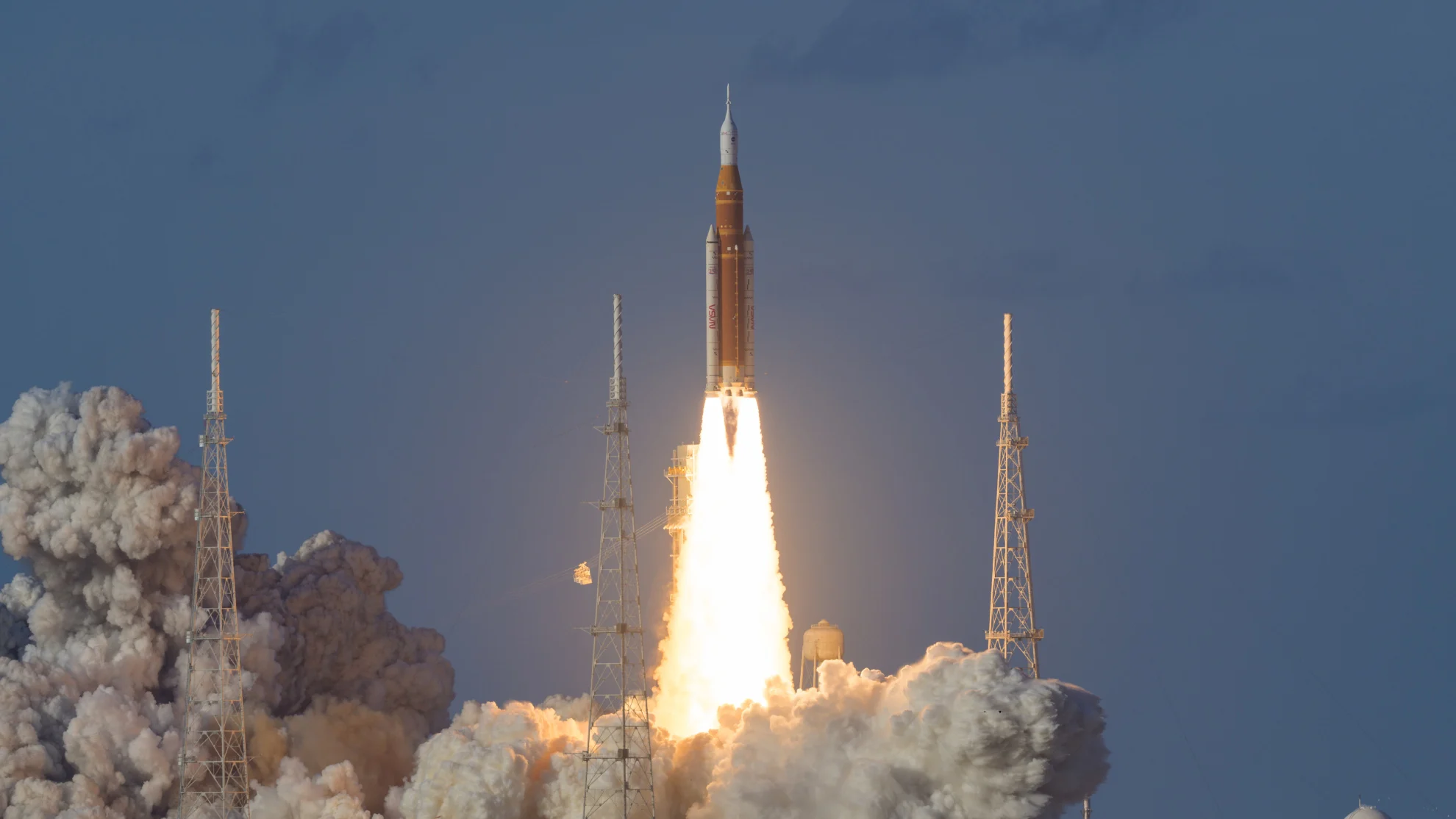
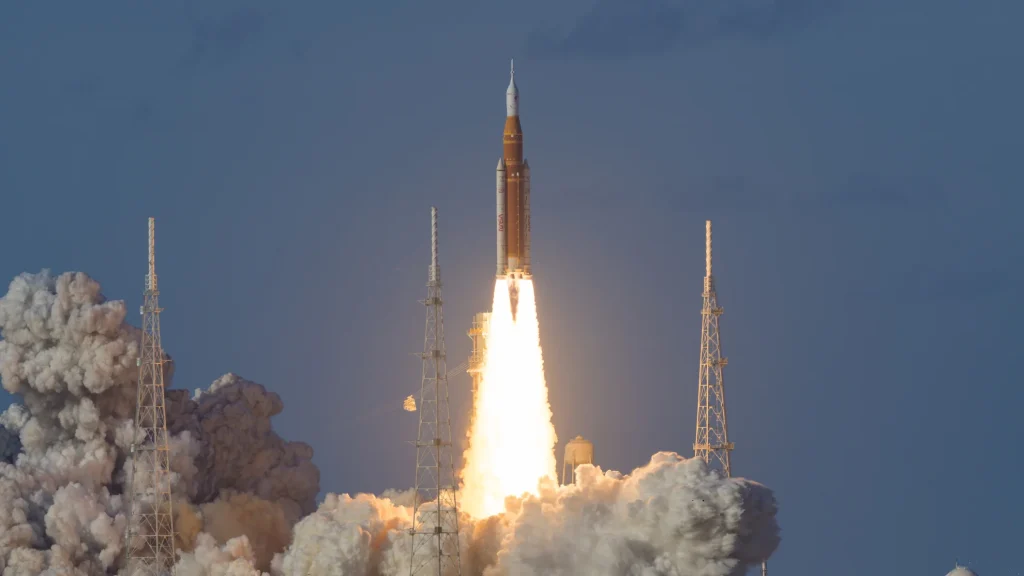
NASA’s Space Launch System rocket launches carrying the Orion spacecraft with NASA astronauts Reid Wiseman, commander; Victor Glover, pilot; Christina Koch, mission specialist; and CSA (Canadian Space Agency) astronaut Jeremy Hansen, mission specialist on NASA’s Artemis II mission, Wednesday, April 1, 2026, from Operations and Support Building II at NASA’s Kennedy Space Center in Florida. NASA’s Artemis II mission will take Wiseman, Glover, Koch, and Hansen on a 10-day journey around the Moon and back aboard SLS rocket and Orion spacecraft launched at 6:35pm EDT from Launch Complex 39B. (NASA/Bill Ingalls)
NASA launched four astronauts toward the Moon on April 1, 2026, marking the first crewed lunar mission since Apollo 17 in December 1972. The Artemis II mission lifted off from Kennedy Space Center aboard the Space Launch System rocket at 6:35 p.m. EDT, sending commander Reid Wiseman, pilot Victor Glover, mission specialist Christina Koch, and Canadian astronaut Jeremy Hansen on a 10-day journey around the far side of the Moon and back.
The mission does not include a lunar landing. It is a test flight designed to validate the Orion spacecraft’s life support systems, navigation, and communications in deep space with a crew aboard for the first time. If the crew reaches the planned distance of 252,000 miles from Earth, they will set a new record for the farthest any human has ever traveled, surpassing even the Apollo 13 distance record.
As Teslarati reported, SpaceX holds a central role in what comes next. The Starship Human Landing System is under contract to carry astronauts to the lunar surface for Artemis IV, now targeting 2028, after NASA restructured its mission sequence due to delays in Starship’s orbital refueling demonstration. Before any Moon landing happens, SpaceX must prove it can transfer propellant between two Starships in orbit, something no rocket program has done at this scale.
The last time humans left Earth’s orbit was 53 years ago. Gene Cernan and Harrison Schmitt of Apollo 17 were the final people to walk on the Moon, a record that stands to this day. Elon Musk has long argued that returning is not optional. “It’s been now almost half a century since humans were last on the Moon,” Musk said. “That’s too long, we need to get back there and have a permanent base on the Moon.”
The Artemis program involves 60 countries signed onto the Artemis Accords, and this mission sets several firsts beyond distance. Glover becomes the first person of color to travel beyond low Earth orbit, Koch the first woman, and Hansen the first non-American astronaut to reach the Moon’s vicinity. According to NASA’s live mission updates, the spacecraft’s solar arrays deployed successfully after liftoff and the crew completed a proximity operations demonstration within the first hours of flight.
Artemis II is step one. The Moon landing and the permanent lunar base come later. But after more than five decades, humans are heading back.
News
Tesla removes Model S and X custom orders as sunset officially begins
In a significant development that marks the beginning of the end for two of its longest-running models, Tesla has removed the custom order configurator for the Model S sedan and Model X SUV from its website.
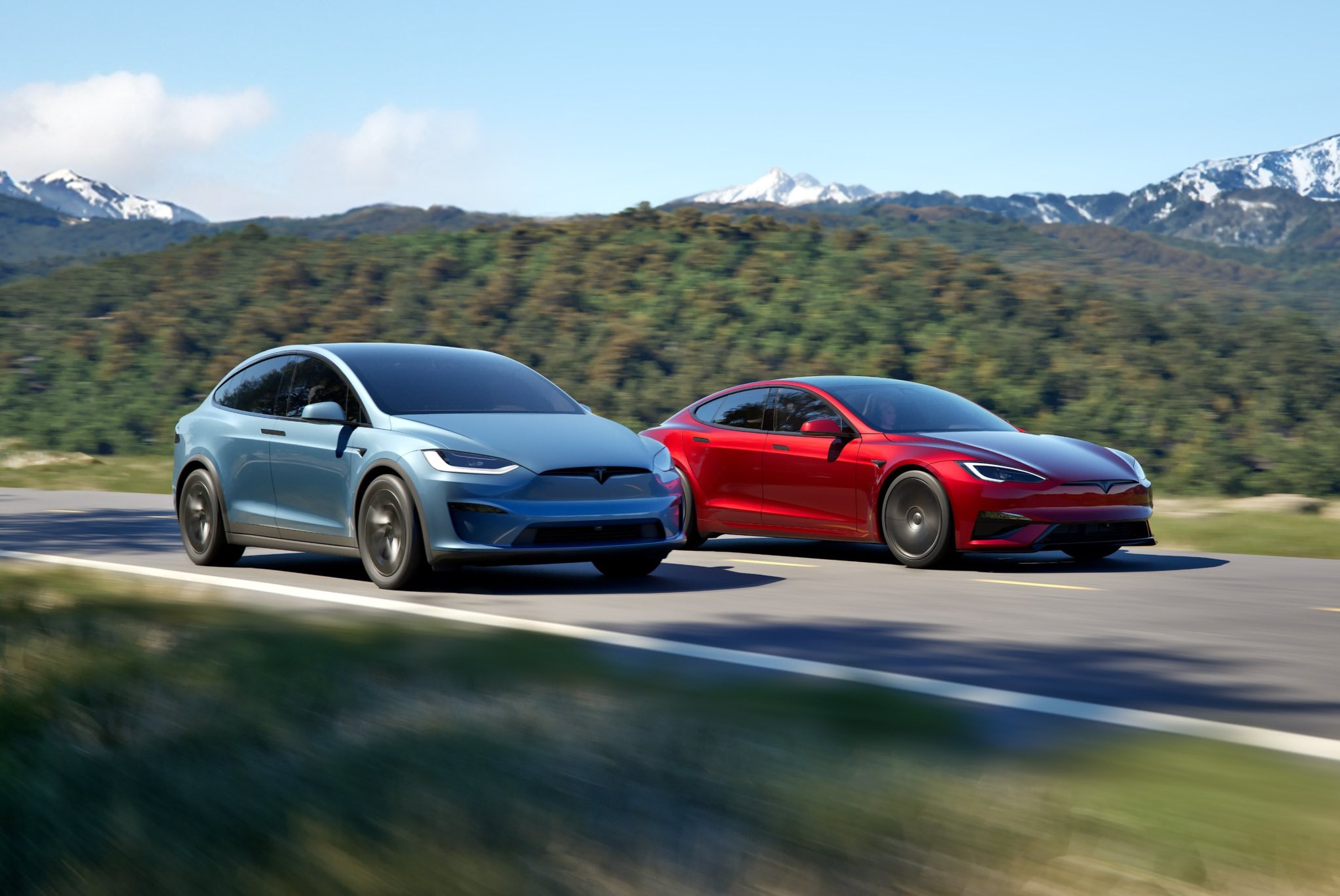
Tesla has officially started the “honorable discharge” of the Model S and Model X with a massive move, removing the two vehicles from Custom Orders and only offering inventory options.
It is the latest move Tesla has made to pull the Model S and Model X from its lineup, a decision CEO Elon Musk announced during its last quarterly earnings call.
Tesla brings closure to flagship ‘sentimental’ models, Musk confirms
In a significant development that marks the beginning of the end for two of its longest-running models, Tesla has removed the custom order configurator for the Model S sedan and Model X SUV from its website.
As of April 1, visitors to tesla.com/model-s and tesla.com/modelx are now redirected exclusively to limited inventory listings rather than a design studio, allowing buyers to select paint, wheels, interior options, or performance upgrades. Only pre-built vehicles currently in stock are available for purchase or lease.
Tesla CEO Elon Musk confirmed the change directly on X, posting: “Custom orders of the Tesla Model S & X have come to an end. All that’s left are some in inventory.”
Custom orders of the Tesla Model S & X have come to an end. All that’s left are some in inventory.
We will have an official ceremony to mark the ending of an era. I love those cars.
This was me at production launch 14 years ago: pic.twitter.com/6kvCf9HTHc
— Elon Musk (@elonmusk) April 1, 2026
We will have an official ceremony to mark the end of an era.” Accompanying the statement was a throwback photo from the Model S production launch in 2012, underscoring the emotional weight of the decision.
Musk had first signaled the phase-out during the company’s Q4 2025 earnings call in January, describing it as time for an “honorable discharge” of the programs to free up resources at the Fremont factory for Optimus humanoid robot production and autonomous vehicle initiatives.
The Model S, introduced in 2012, and the Model X, which followed in 2015, were instrumental in establishing Tesla as a premium electric vehicle leader.
The sedan offered class-leading range and acceleration, while the SUV’s signature falcon-wing doors became an iconic feature. Together, they proved EVs could compete in the luxury segment. Yet sales volumes have dwindled in recent years as Tesla prioritized higher-volume Model 3 and Model Y vehicles.
The flagships now represent a tiny fraction of overall deliveries, making continued custom production inefficient as the company accelerates toward robotaxis and next-generation platforms.
Prospective buyers are urged to act quickly. Remaining U.S. inventory vehicles—some nearly new—may include incentives such as lifetime free Supercharging, Full Self-Driving (Supervised) capability, and premium connectivity, depending on configuration.
Leasing options start around $1,699 per month for select Model X units, though exact pricing and availability fluctuate. International markets, including Europe and China, have already seen similar restrictions in recent months.
The move aligns with Tesla’s broader strategy to streamline its lineup and redirect manufacturing capacity toward autonomy and AI-driven products. While some enthusiasts lament the loss of personalization, the company views the transition as necessary progress.
Tesla has indicated that once the current inventory sells out, new Model S and Model X vehicles will no longer be offered.
For loyal owners and fans, the promised “official ceremony” may provide a fitting send-off. In the meantime, the website change serves as a clear signal: the era of bespoke flagship Teslas has quietly concluded, and the focus has fully shifted to the future.

Tesla reports Q1 deliveries, missing expectations slightly

NASA sends humans to the Moon for the first time since 1972 – Here’s what’s next

Tesla removes Model S and X custom orders as sunset officially begins

Elon Musk says Tesla is developing a new vehicle: ‘Way cooler than a minivan’

Elon Musk launches TERAFAB: The $25B Tesla-SpaceXAI chip factory that will rewire the AI industry


