News
Tesla gets open invite from Oklahoma to establish its headquarters in state

Tesla has received an invitation to move its headquarters to the Central U.S. state of Oklahoma after CEO Elon Musk hinted last week that his company could be leaving its current Northern California location.
Tesla and Musk have both received a series of offers from multiple U.S. states over the past week. Musk claims Tesla could sever its relationship with California after Alameda County, the jurisdiction that the Fremont factory sits in, overruled State Governor Gavin Newsom’s approval for manufacturing and transportation businesses to resume production.
Oklahoma State Representative Ryan Martinez and Governor Kevin Stitt are among a group of Oklahomans willing to welcome the electric carmaker into their state with open arms, Fox affiliate KOKH in Oklahoma City reported.
After Musk stated Tesla would be moving its company to Nevada and Texas, Rep. Martinez said, “Oklahoma is a wonderful place to do business. We’ve got a low tax base, a low cost of living, great incentives and services, and plenty of space to build a manufacturing headquarters and house all of your people.”
Before the COVID-19 virus ripped through the United States, Musk stated that the company would be exploring lands in the center of the country so it could plan on building a new Gigafactory that would assist in Cybertruck and Model Y production. While Musk posted a poll on his personal Twitter account that specifically mentioned Texas, there is no indication that he or the automaker has settled on the Lone Star State as its next home.
While speculation continues to persist over where Tesla will open its next Gigafactory, Oklahoma is indeed a state that fits all of the company’s needs in terms of land needed, location, and cost of operation.
Oklahoma is a flat and open state located in the center of the United States. When Musk talked about a new facility, he stated it had to be in the middle of the U.S., expediting the delivery process to East Coast customers.
Much of the land in Oklahoma is rural and maintained by farmers or is used for cattle grazing. However, there are large masses that remain unoccupied and would be perfect for Tesla’s newest, and perhaps most expansive, production facility to date.
As Rep. Martinez said, Oklahoma’s tax base, cost of living, and property value are significantly less than California’s. Less expensive operating expenses for the company would increase its profit margins and allow for a more comfortable living experience for employees.
According to bestplaces.net, the average cost of a home in California is $552,800. In Oklahoma, the average house costs just $124,800, making it much more affordable for workers who are on the production lines of Tesla’s factories every day.
Tesla’s invitations to the different U.S. states indicates that many territories recognize the positive economic and environmental impact the automaker would bring. Tesla employs 10,000 people at the Fremont facility. With Musk stating the newest Giga facility would be its largest yet, the company could end up using even more people in its new home.
Elon Musk reopened Tesla’s Fremont facility earlier this week against the wishes of Alameda County. Explicitly focused on getting employees back to work and ramping production, Musk said, “If anyone is arrested, I ask that it only be me.”


News
Tesla puts Giga Berlin in Plaid Mode with new massive investment
The facility, Tesla’s first in Europe, opened in 2022 and has become a cornerstone for Model Y production and, increasingly, in-house battery manufacturing. Recent announcements highlight a dual focus on scaling vehicle output and advancing vertical integration through 4680 battery cells.
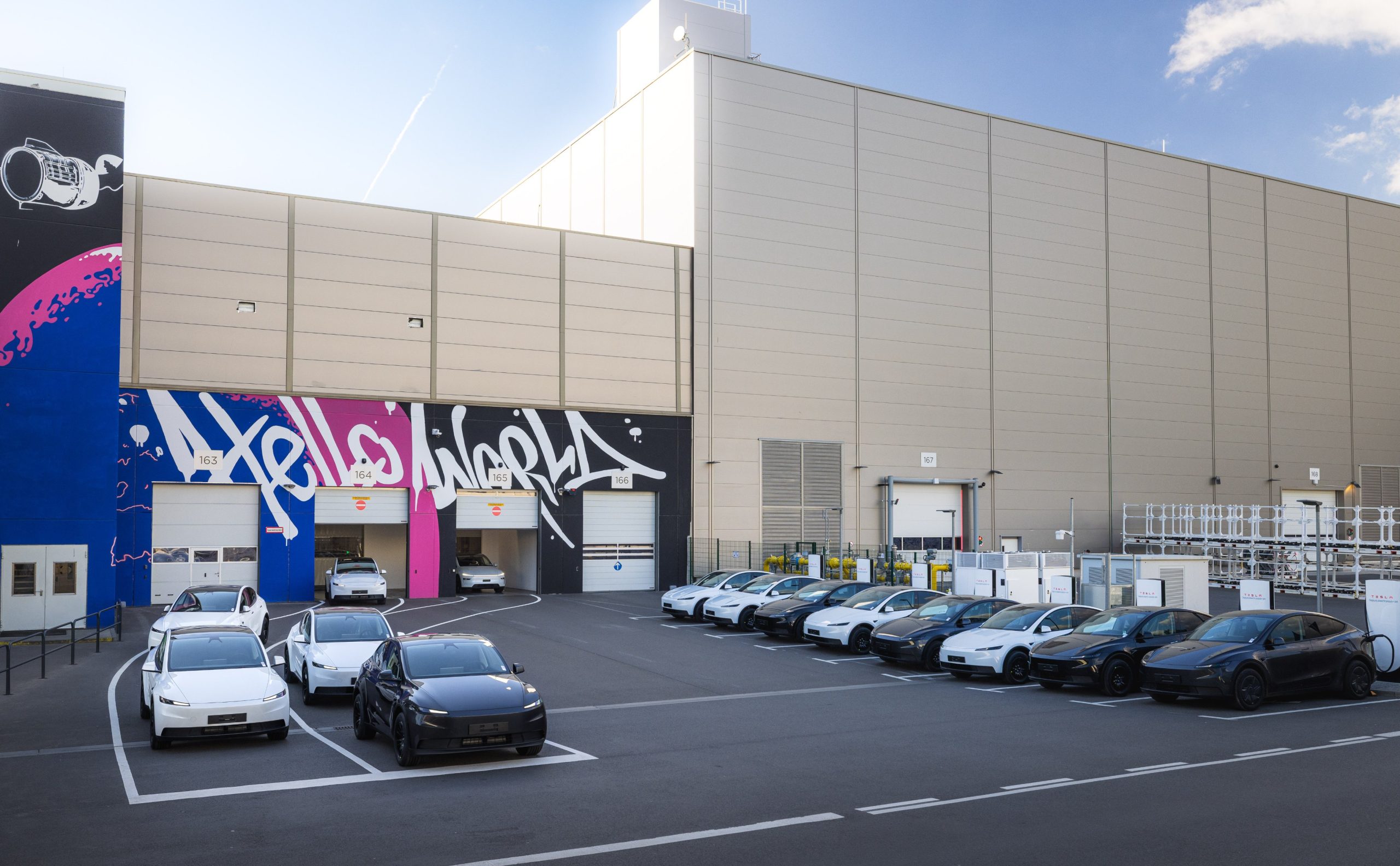
Tesla is pushing forward with significant upgrades at its Gigafactory Berlin-Brandenburg in Grünheide, Germany, signaling renewed confidence in its European operations despite past market challenges.
The facility, Tesla’s first in Europe, opened in 2022 and has become a cornerstone for Model Y production and, increasingly, in-house battery manufacturing. Recent announcements highlight a dual focus on scaling vehicle output and advancing vertical integration through 4680 battery cells.
In April, plant manager André Thierig announced a 20 percent increase in Model Y production starting in July, following a record Q1 output of more than 61,000 vehicles. To support the ramp-up, Tesla plans to hire approximately 1,000 new employees beginning in May and convert 500 temporary workers to permanent positions.
The move is expected to lift weekly production significantly, addressing rebounding demand in Europe after a challenging 2025.
Today, we announced a $ 250m investment for our Giga Berlin Cell factory. This will enable 18GWh of annual 4680 cell production and create more than 1500 new jobs. Good news during challenging times for the German industry. pic.twitter.com/ou4SWMfWh9
— André Thierig (@AndrThie) May 12, 2026
The expansion builds on earlier progress. In 2025, Tesla secured partial approvals to add roughly 2 million square feet of factory space, raising potential annual vehicle capacity from around 500,000 toward 800,000 units, with longer-term ambitions approaching one million vehicles per year. Logistical improvements, new infrastructure, and battery-related facilities are already underway on company-owned land.
Battery production is the latest major focus. On May 12, Thierig revealed an additional $250 million investment in the on-site cell factory. This more than doubles the planned 4680 battery cell capacity to 18 gigawatt-hours annually—up from the 8 GWh target set in December 2025—while creating over 1,500 new battery-related jobs.
Total cell investments at the site now exceed previous figures, bringing the factory closer to full vertical integration: cells, packs, and vehicles produced under one roof. Tesla describes this as unique in Europe and a step toward stronger supply chain resilience.
The plans come amid regulatory and community hurdles. Earlier expansion proposals faced protests over environmental concerns and water usage, leading to phased approvals beginning in 2024. Tesla has navigated these by emphasizing sustainable practices and economic benefits, including thousands of local jobs in Brandenburg.
With nearly 12,000 employees already on site and production steadily climbing, Gigafactory Berlin is poised for growth. The combined vehicle and battery expansions position the plant as a key hub for Tesla’s European ambitions, potentially making it one of the continent’s largest manufacturing complexes if local support continues.
As EV demand recovers, these investments underscore Tesla’s commitment to scaling efficiently in Germany while addressing regional supply chain needs.
News
Honda gives up on all-EV future: ‘Not realistic’
Mibe believes the demand for its gas vehicles is certainly strong enough and has changed “beyond expectations.” As many drivers went for EVs a few years back, hybrids are becoming more popular for consumers as they offer the best of both worlds.
Honda has given up on a previous plan to completely changeover to EVs by 2040, a new report states. The company’s CEO, Toshihiro Mibe, said that the idea is “not realistic.”
Mibe believes the demand for its gas vehicles is certainly strong enough and has changed “beyond expectations.” As many drivers went for EVs a few years back, hybrids are becoming more popular for consumers as they offer the best of both worlds.
Mibe said (via Motor1):
“Because of the uncertainty in the business environment and also the customer demand, is changing beyond our expectation and, therefore, we have judged that it’ll be difficult to achieve. That ratio [100-percent electric in 2040] is not realistic as of now. We have withdrawn this target.”
Instead of going all-electric, Honda still wants to oblige by its hopes to be net carbon neutral by 2050. It will do this by focusing on those popular hybrid powertrains, planning to launch 15 of them by March 2030.
Honda will invest 4.4 trillion yen, or almost $28 billion, to build hybrid powertrains built around four and six-cylinder gas engines.
There are so many companies abandoning their all-electric ambitions or even slowing their roll on building them so quickly. Ford, General Motors, Mercedes, and Nissan have all retreated from aggressive EV targets by either cancelling, delaying, or pausing the development of electric models.
Hyundai’s 2030 targets rely on mixed offerings of electric, hybrid & hydrogen vehicles
Early-decade pledges from multiple brands proved overly ambitious as infrastructure lags, battery costs remain high in some markets, and many buyers prefer hybrids for their convenience and range. Toyota has long championed hybrids, while others have quietly extended internal-combustion timelines.
For Honda—historically known for reliable gasoline engines—this shift leverages its core strengths while buying time to refine electric technology. Whether the hybrid-heavy strategy will protect market share in an increasingly competitive landscape remains to be seen, but one thing is clear: the gas engine is far from dead at Honda, unfortunately.
Elon Musk
Delta Airlines rejects Starlink, and the reason will probably shock you
In a pointed exchange on X, Elon Musk defended SpaceX’s uncompromising approach to Starlink’s in-flight internet service, explaining why Delta Air Lines walked away from a deal.
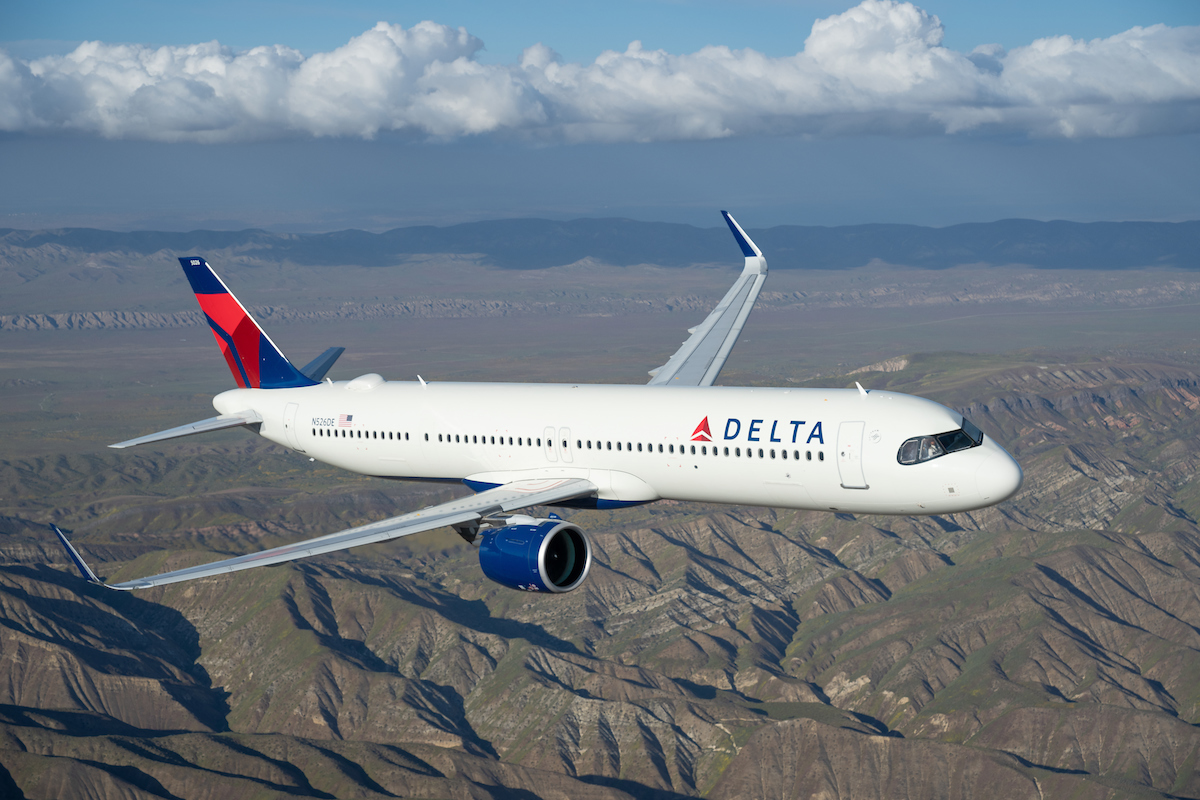
SpaceX frontman Elon Musk explained on Wednesday why commercial airline Delta got cold feet over offering Starlink for stable internet on its flights — and the reason will probably shock you.
In a pointed exchange on X, Elon Musk defended SpaceX’s uncompromising approach to Starlink’s in-flight internet service, explaining why Delta Air Lines walked away from a deal.
Delta rejected Starlink because it insisted on routing all connectivity through its branded “Delta Sync” portal rather than allowing a simple Starlink experience.
Instead, the airline partnered with Amazon’s Project Kuiper—rebranded as Amazon Leo—for high-speed Wi-Fi on up to 500 aircraft, with rollout targeted for 2028. At the time of the announcement, Kuiper had roughly 300 satellites in orbit, while Starlink operated more than 10,400.
The use of the “Delta Sync” portal would not work for SpaceX, as Musk went on to say that:
“SpaceX requires that there be no annoying ‘portal’ to use Starlink. Starlink WiFi must just work effortlessly every time, as though you were at home. Delta wanted to make it painful, difficult and expensive for their customers. Hard to see how that is a winning strategy.”
Musk doubled down in a follow-up post:
“Yes, SpaceX deliberately accepted lower revenue deals with airlines in exchange for making Starlink super easy to use and available to all passengers.”
Not exactly. SpaceX requires that there be no annoying “portal” to use Starlink.
Starlink WiFi must just work effortlessly every time, as though you were at home.
Delta wanted to make it painful, difficult and expensive for their customers. Hard to see how that is a winning…
— Elon Musk (@elonmusk) May 13, 2026
SpaceX has structured its airline agreements to prioritize zero-friction access—no captive portals, no SkyMiles logins, no paywalls or ads blocking basic connectivity.
While this means forgoing higher-margin deals that would let carriers monetize the service more aggressively, it ensures Starlink feels like home broadband at 35,000 feet. Passengers on partner airlines such as United, Qatar Airways, and Air France have already praised the service for enabling seamless video calls, streaming, and work mid-flight without interruptions.
Delta’s choice reflects a different philosophy. By keeping Wi-Fi behind its Delta Sync ecosystem, the airline aims to drive loyalty program engagement and control the digital passenger journey. Yet, critics argue this short-term control comes at the expense of immediate competitiveness.
Airlines already installing Starlink are pulling ahead in customer satisfaction surveys, while Delta passengers face years of reliance on slower, legacy systems until Leo launches.
SpaceX’s decision to trade revenue for simplicity will pay off in the longer term, as Starlink is already positioning itself as the default high-speed option for carriers that value passenger satisfaction over incremental fees.
Musk’s focus on creating not only a great service but also a reasonable user experience highlights SpaceX’s prowess with Starlink as it continues to expand across new partners and regions.

Tesla puts Giga Berlin in Plaid Mode with new massive investment

Honda gives up on all-EV future: ‘Not realistic’


