News
Tesla launches new Model S and Model X, and the changes are slim
Tesla’s newest versions of its flagship vehicles have arrived with some slim changes.

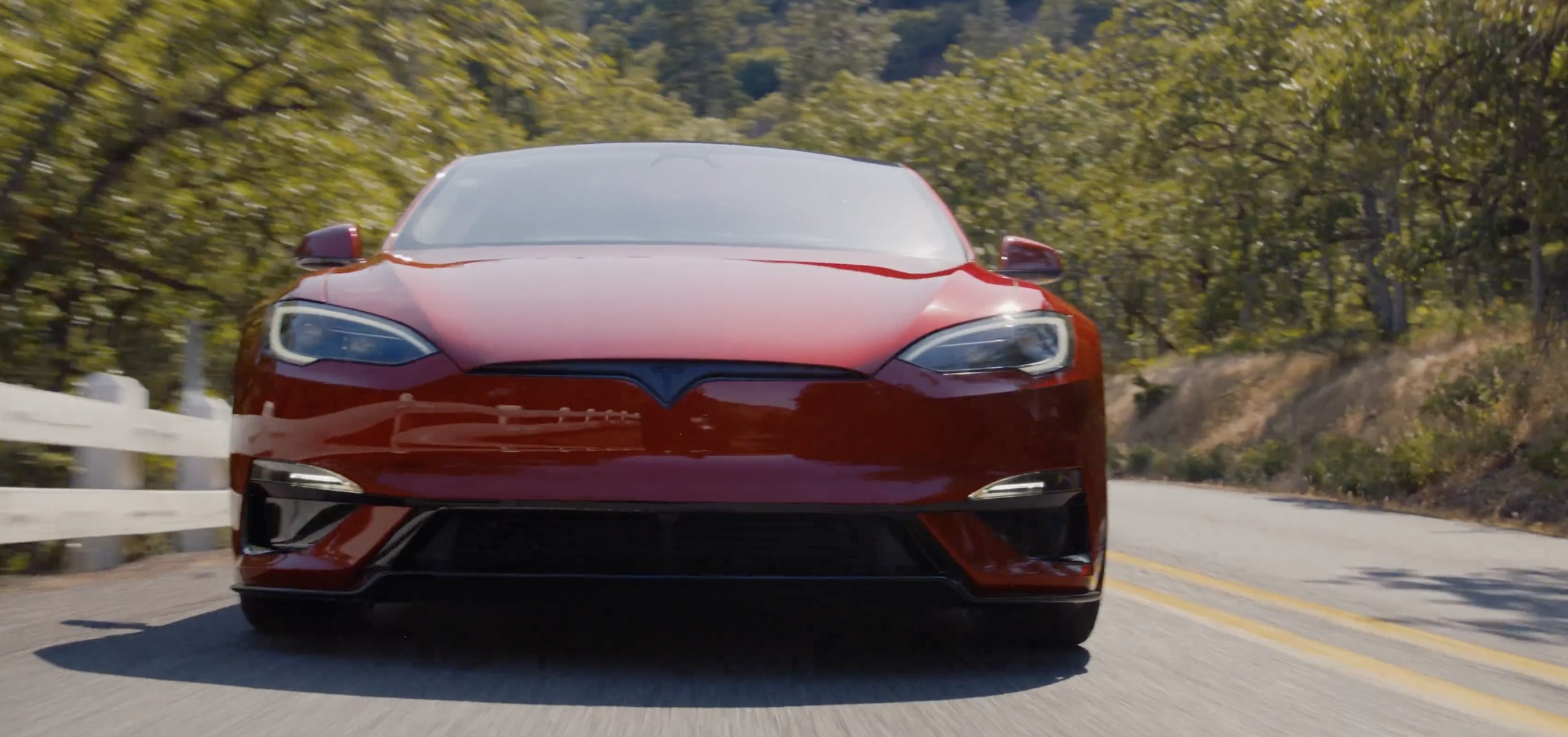
Tesla has officially launched the newest versions of its flagship Model S and Model X vehicles, but the changes are pretty slim, which is something we expected when a couple cars were spotted during public testing recently.
The new “refreshed” Model S and Model X were spotted recently by The Kilowatts, and the changes appeared to be a new front camera, a new color, and only a handful of other changes.
Tesla officially announced the launch of the Model S and Model X on Thursday night, and here’s what it listed as the changes to the two vehicles:
Model S & X are now even better – launching today in the US 🇺🇸
Highlights:
– Frost Blue paint color
– Up to 410 miles of range (Model S Long Range – our longest range Tesla yet)
– Even quieter inside: less wind + road noise & more effective Active Noise Cancellation
– New… pic.twitter.com/i4PcEklOWj
— Tesla (@Tesla) June 13, 2025
- Frost Blue paint color
- Up to 410 miles of range (Model S Long Range – our longest range Tesla yet)
- Even quieter inside: less wind + road noise & more effective Active Noise Cancellation
- New wheel designs & improved aerodynamics = more range
- Front fascia camera for better visibility
- Dynamic ambient lighting that brings unique animations along the dash & doors upon entry
- An even smoother ride thanks to new bushings & suspension design
- Adaptive driving beams
- New exterior styling for Model S Plaid, optimized for high-speed stability
- More space for 3rd row occupants & cargo (Model X)
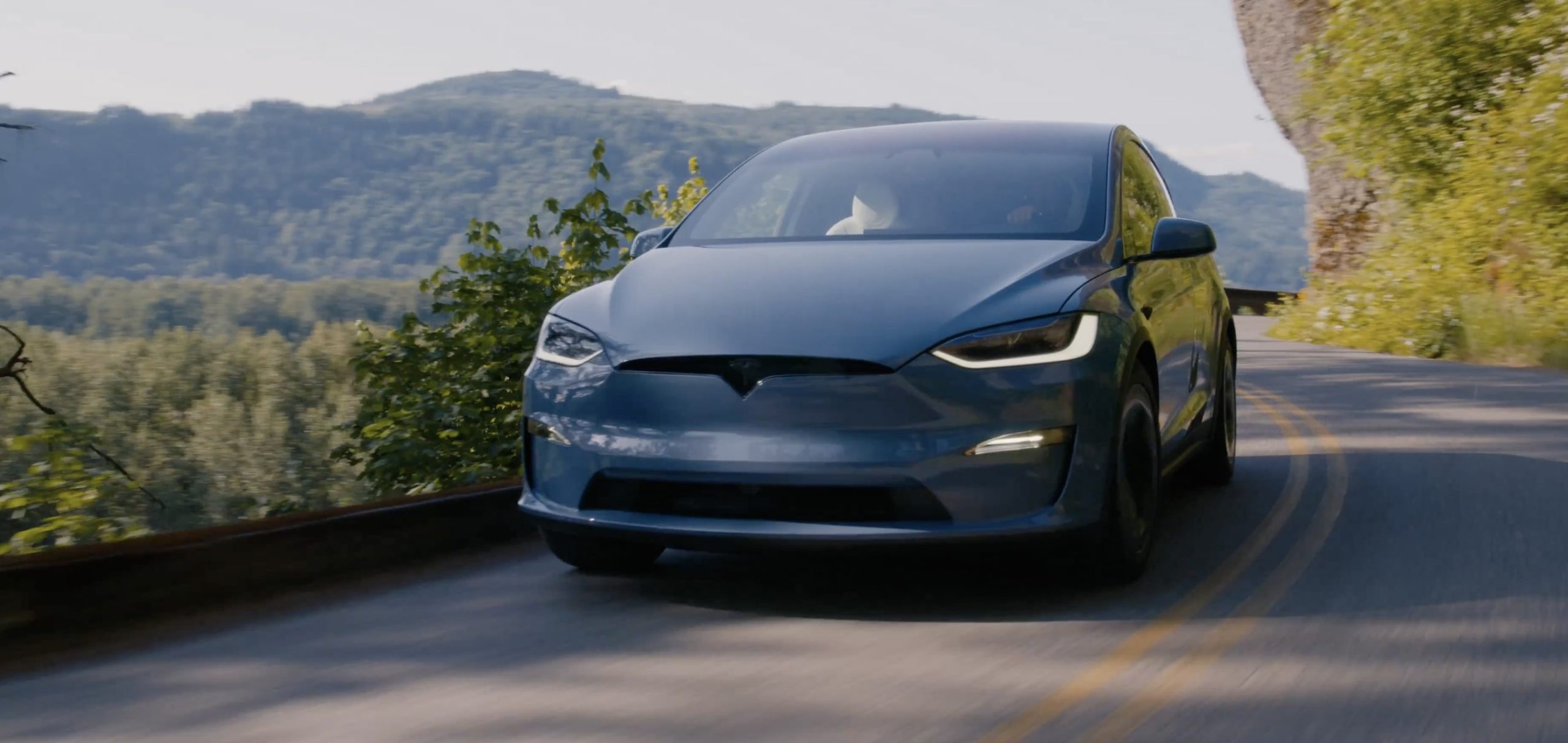
We expected most of these changes, especially the new Frost Blue paint color, as it was spotted by The Kilowatts in its initial coverage of the cars being spotted a few weeks back. Here’s what it looks like officially:
Some of the changes are familiar from the Model Y Refresh, which featured the quieter interior through acoustic-lined glass, a front fascia camera, new bushings, and suspension improvements for a smoother ride.
However, Tesla did refine the Model S Plaid’s exterior for “optimized high-speed stability.” You can see the difference between the two below:
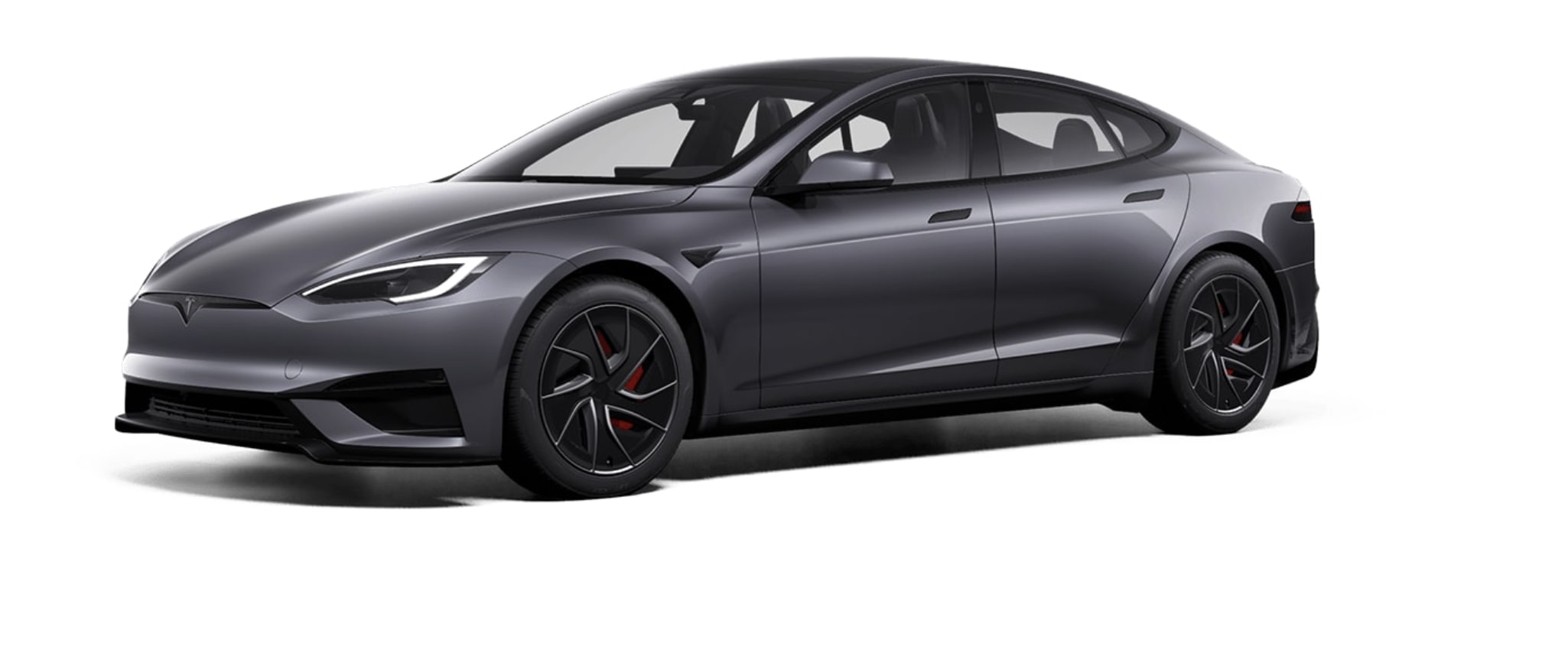
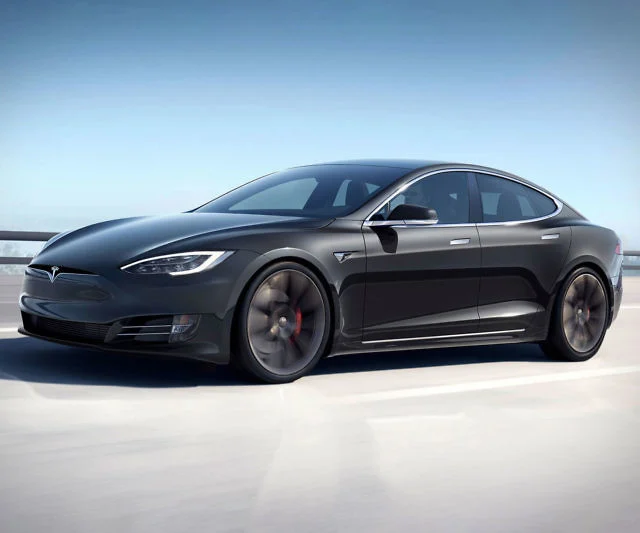
The front-end air diffusers are much deeper, and the front end is more boxy than the previous iteration of the Plaid Model S.
Here are some more images of the Model S that Tesla released in a teaser video:
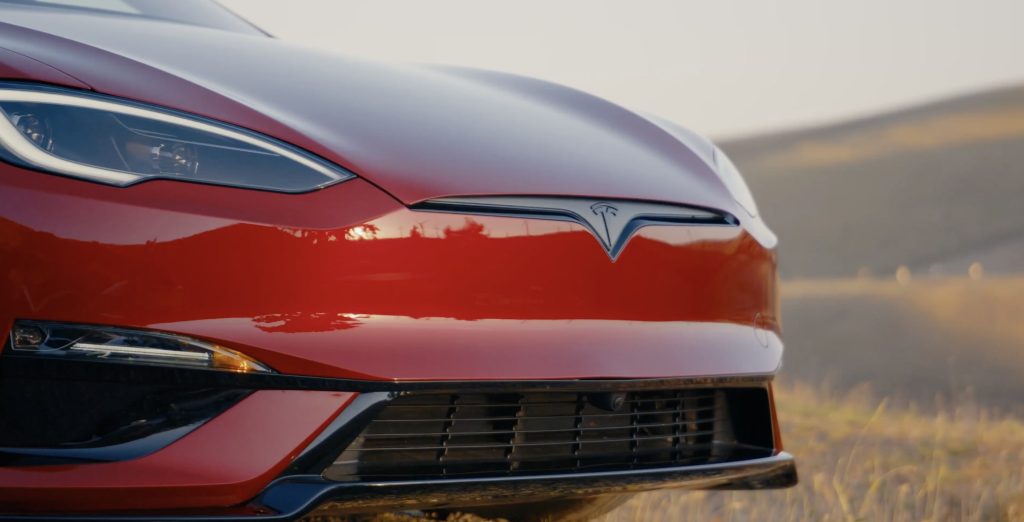
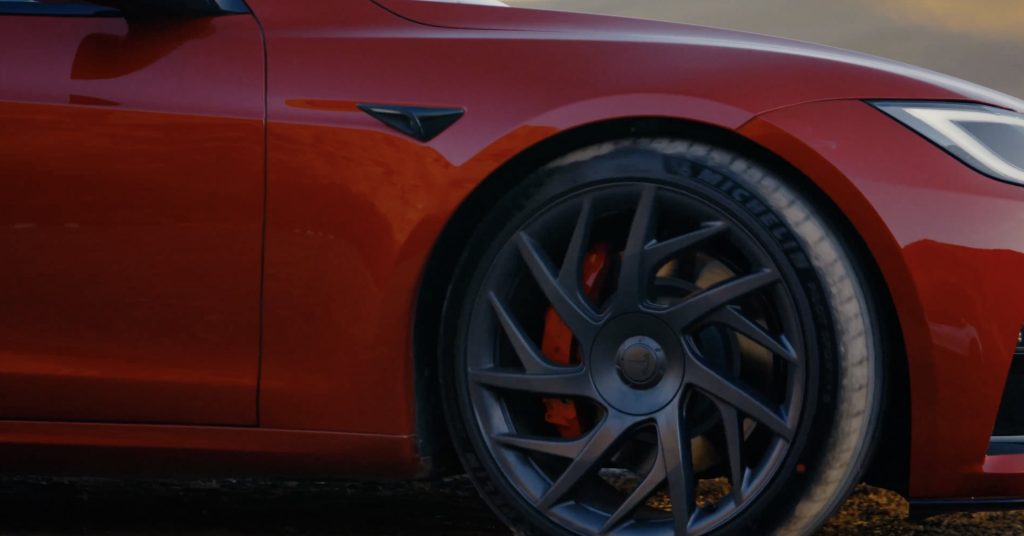
-
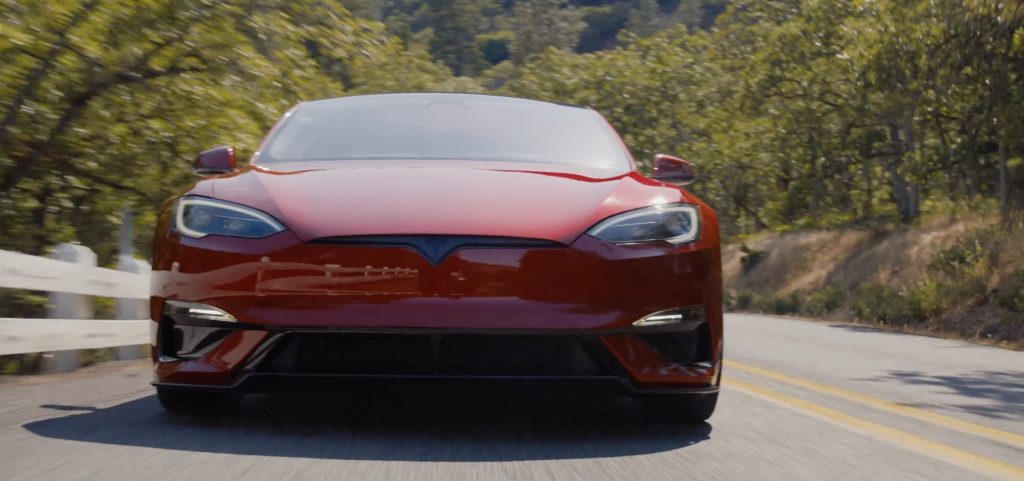
- Credit: Tesla
Tesla sells such a low volume of the Model S and Model X that it was probably less than likely that the company would put endless manpower and effort into completely redesigning it. CEO Elon Musk said a few years ago that the two cars would only stay in production for “sentimental reasons.”
While they are very special to the Tesla family, they are not incredibly important to the mission of the company.


News
SpaceX’s Gwynne Shotwell just made a quiet gesture toward Tesla
SpaceX president Gwynne Shotwell quietly followed Tesla on X, and merger watchers noticed right away.

SpaceX President and COO Gwynne Shotwell has started following Tesla’s official account on X, a small change that landed in the middle of a very loud merger conversation. Whole Mars Catalog joked about it on Sunday.
A follow is not an announcement, and neither company has said anything about a deal. What gives the moment weight is the timing. Barclays analyst Dan Levy has told clients that an agreement could come before Tesla’s annual meeting, which must be held by December 6, with SpaceX as the buyer in an all stock deal, as we reported after the Roadster unveiling. Wedbush’s Dan Ives has stuck with a 2027 timeline.
“Shit, I better start following their X account if i’m gonna be helping run the company”
— Whole Mars Catalog (@wholemars) October 18, 2026
Shotwell is the executive most worth watching if the two companies do move closer. When Musk was asked at the All In Summit why Tesla and SpaceX remain separate, Shotwell sat next to him and said SpaceX personnel had already moved into xAI to fill leadership and engineering gaps. The businesses were integrating “faster than I thought,” she said, though “not fully integrated yet.” Her responsibilities have also grown since SpaceX absorbed xAI, and she now oversees operations that include Grok and the company’s AI compute buildout.
The financial links are already there. Tesla’s $2 billion xAI investment turned into a stake of less than one percent in SpaceX, the two share the Terafab chip project in Austin, and Musk exercised his 2018 Tesla options a week after SpaceX began trading, a sequence analysts flagged as giving SpaceX public shares to use in a deal. Musk holds about 20 percent of Tesla and controls 85.1 percent of SpaceX’s voting power, according to our earlier breakdown.
The next test is close at hand. SpaceX reports its second earnings as a public company on Tuesday after the close, and Tesla follows on Wednesday. Musk told analysts in July that “we can’t talk about combining companies and that kind of thing on an earnings call,” so a direct answer is unlikely from either stage. Tesla shareholders can still submit and vote on questions through the Say portal until 4 p.m. EDT on Monday, and the merger is a recurring theme in the queue.
Elon Musk
Tesla Roadster owners to get “Flying Stunt Mode” and looping track access
Musk says Roadster owners can command the unveiling stunts autonomously, with a Texas looping track.
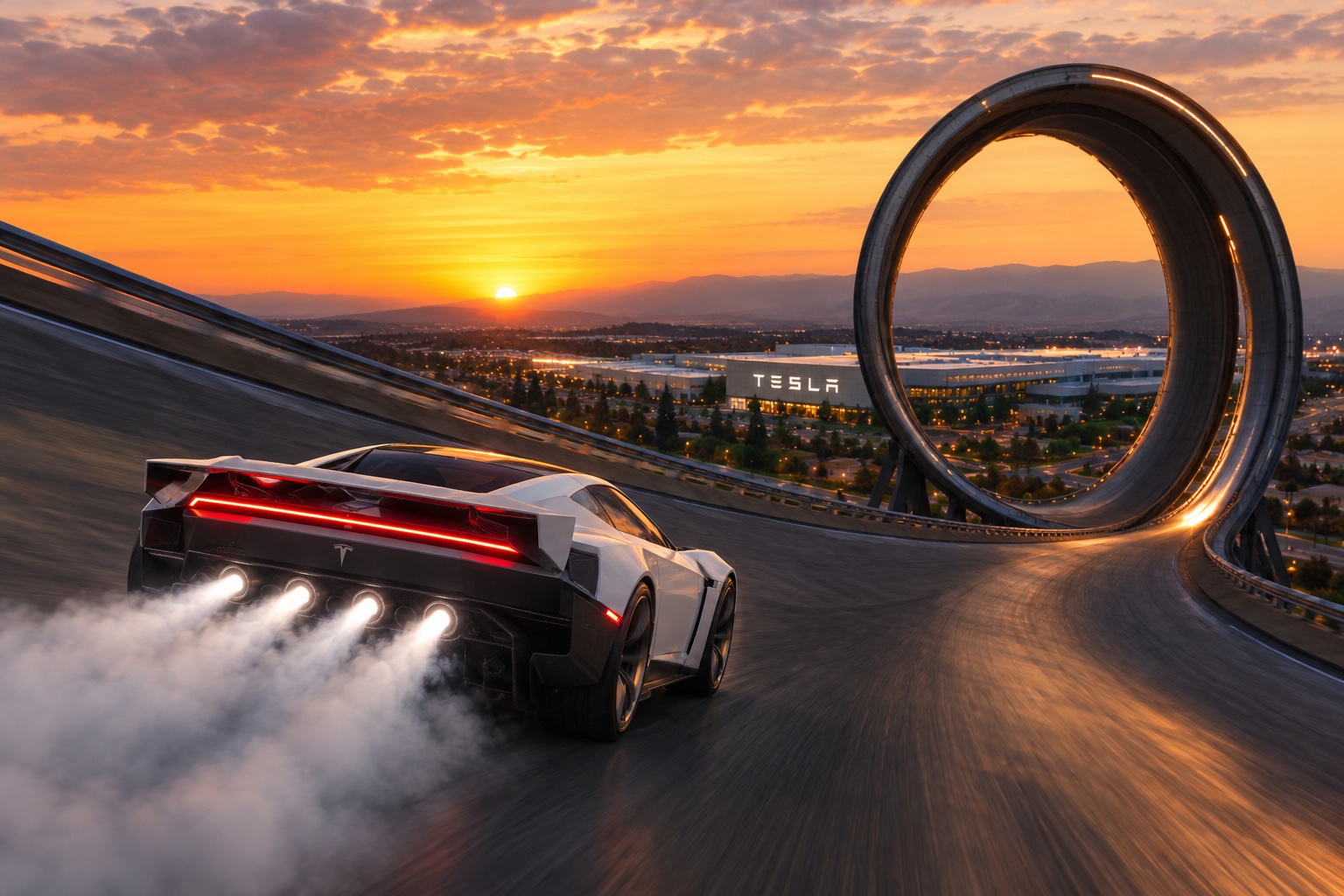
Elon Musk says owners of the new Tesla Roadster will be able to ask the car to perform the stunts Tesla showed at its unveiling, with the car doing the driving itself. Musk made the comment Saturday in a reply on X to tech blogger Robert Scoble, and he added a promise of a looping track at Tesla’s Texas headquarters.
Scoble had argued that the person in the Roadster is not really driving it. In his description, the driver operates a computer that tells another computer what to do, with steering, braking and acceleration all handled by wire. Musk answered, “True. You will be able to ask the Roadster to perform any of the tricks shown autonomously, as it will be sentient. Also, we will have a wild looping track (crazier even than Hot Wheels) at our Texas HQ where you can test out your Roadster.”
@Scobleizer True.
You will be able to ask the Roadster to perform any of the tricks shown autonomously, as it will be sentient.
Also, we will have a wild looping track (crazier even than Hot Wheels) at our Texas HQ where you can test out your Roadster.
— Elon Musk (@elonmusk) October 17, 2026
At the October 15 event outside Waco, the car drove up a curved ramp until it was upside down, flew off on cold gas thrusters, flipped and landed. It also hovered over a Cybercab, Cybertruck, Semi, Model Y and Model 3 while moving. As we noted in our breakdown of the three Roadster configurations, Musk said at the event that the car “literally is just going to puff itself up” to perform the maneuvers whenever an owner wants. Saturday’s reply adds that the car would run them on its own.
Tesla has described some of the hardware that would make that possible. The Roadster uses steer by wire with a yoke, and its cold gas thrusters rely on electric actuators for small adjustments in flight. A fan system under the car creates suction, which Tesla says is strong enough to hold it upside down, a setup we covered in our look at the Roadster’s fan system and thrusters.
Musk did not say when an autonomous stunt feature might arrive, how it would work, or what he means by sentient. He also gave no size, location or opening date for the Texas track. Production is planned for Giga Texas in 2027 or 2028, and Tesla says the car is not approved for public road use. The Rocket version, the one built to fly, is invite only.
The comment follows a week of Musk teasing the event, including his claim that the demo would be a banger, which we covered before the stream. Tesla reports third quarter earnings on October 21, and shareholders can submit and vote on questions through the Say portal until 4 p.m. EDT on October 20, according to our earnings Q&A preview. A question about autonomous Roadster stunts and the Texas track would be a quick way to get specifics from management.
Elon Musk
How to use Grok Bot to block spam calls and texts
Musk told users to ask Grok Bot to scrub their phone numbers from spam lists.
Elon Musk has a new use case for Grok Bot, and it is the spam call. On Thursday he replied to an X user named Arash with a short instruction: “Ask your @Grok @Bot to remove your phone number from spam call & text lists!” Arash had said he got tired of the calls, had an AI bot find his number on listing sites and file removal requests, and packaged the process as a free skill for others.
The skill is called Spam-Call Scrubber, which is described to find a phone number on people search sites and data brokers, submits the opt outs, completes the confirmation emails those sites send back, and rechecks on a schedule the user picks. Using it requires the Grok Bot app. The pitch is time saved, since most broker opt outs sit behind separate forms on separate sites.
Ask your @Grok @Bot to remove your phone number from spam call & text lists!
— Elon Musk (@elonmusk) October 15, 2026
Musk said Grok Bot now gives each bot its own email address, and that it can detect scam emails. On Thursday he also said SpaceX would make users whole if the bot botches a purchase or leaks a card, then told users to shop away from Amazon after the retailer blocked the agent, as Teslarati reported. The terms of service we reviewed at the time put responsibility for what an agent does on the user.
For Tesla owners, Grok Bot is not just a phone app. Tesla brought Grok Bot into its vehicles on September 22, and we argued earlier this week that the Cybercab’s real advantage may be the errands it runs during a ride. Every Cybercab and the rest of the Model Y Robotaxi fleet has it enabled. The more routine tasks like this one become, the more a rider has reason to hand over something personal in the back seat.
The new Spam-Call Scrubber skill can be downloaded for free and works on sites that honor removal requests, while noting that listings can reappear, and illegal robocallers do not check any registry. Whether Spam-Call Scrubber cuts anyone’s call volume is something the first wave of users will find out, and Musk’s endorsement guarantees that wave is coming.

SpaceX’s Gwynne Shotwell just made a quiet gesture toward Tesla

Tesla Roadster owners to get “Flying Stunt Mode” and looping track access

How to use Grok Bot to block spam calls and texts

SpaceX reveals how its 1 Million AI satellite network will work and prevent space collisions

Tesla Roadster: Three configs, one can fly, 0-60 in 0.8 seconds


