News
Tesla Model 3 Highland lands in Netherlands, fueling rumors of imminent launch

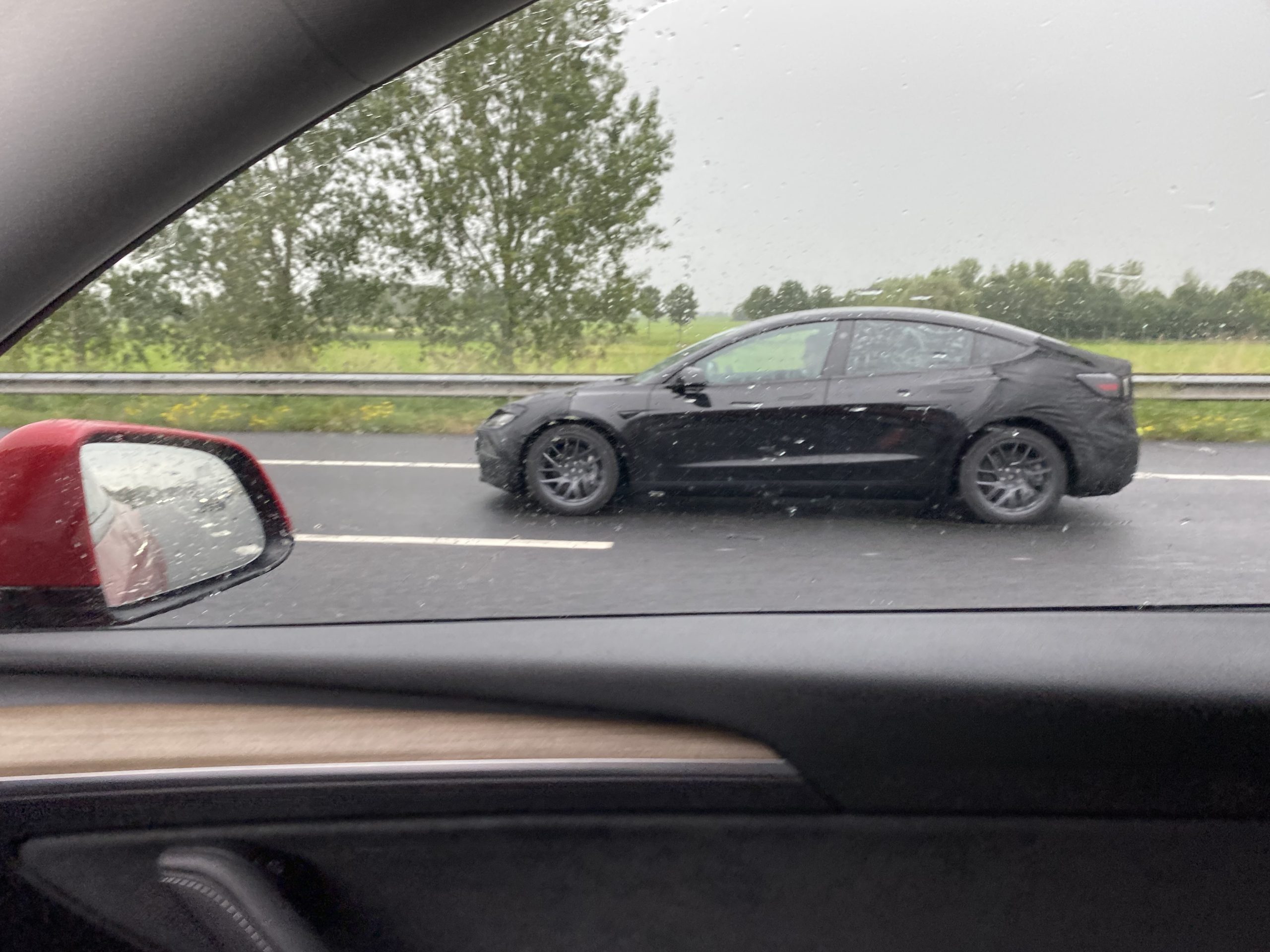
The Tesla Model 3 “Highland” has been spotted in the Netherlands, further fueling rumors of a potentially imminent launch of the freshly-designed mass-market sedan.
Tesla has been developing the Model 3 Highland for over a year, and in the past few months, sightings of the vehicle on roads outside of the United States have been frequent.
Initially thought to be built at Tesla’s Fremont Factory based on filings and other reports, it seems the vehicle will actually be launched in China and will ship to customers in Asia and Europe from the automaker’s Gigafactory Shanghai production plant.
While sightings on public roads in China have been frequent lately, the past week has revealed Tesla is also testing the Model 3 Highland in Europe. Initially, the vehicle was seen in Germany. A few days later, it arrived in France and was spotted on highways and at Superchargers around the country.
Now, Teslarati has fresh images of the Model 3 Highland in the Netherlands, marking the first sighting of the vehicle in the country since its European tour began earlier this week.

Give the gift of Tesla upgrades.
Shop for someone else or treat yourself. Get more shopping power with a Teslarati gift card.
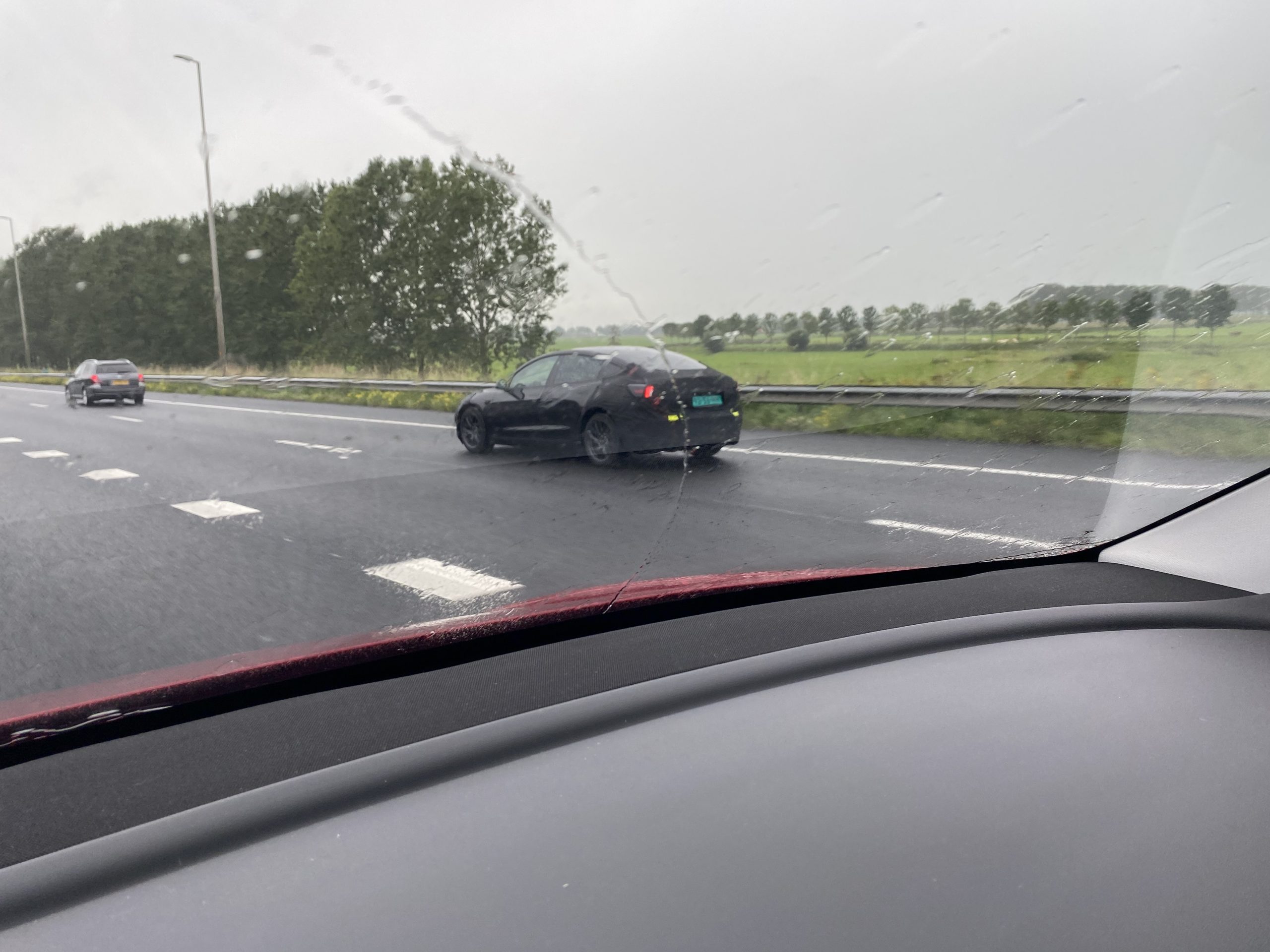
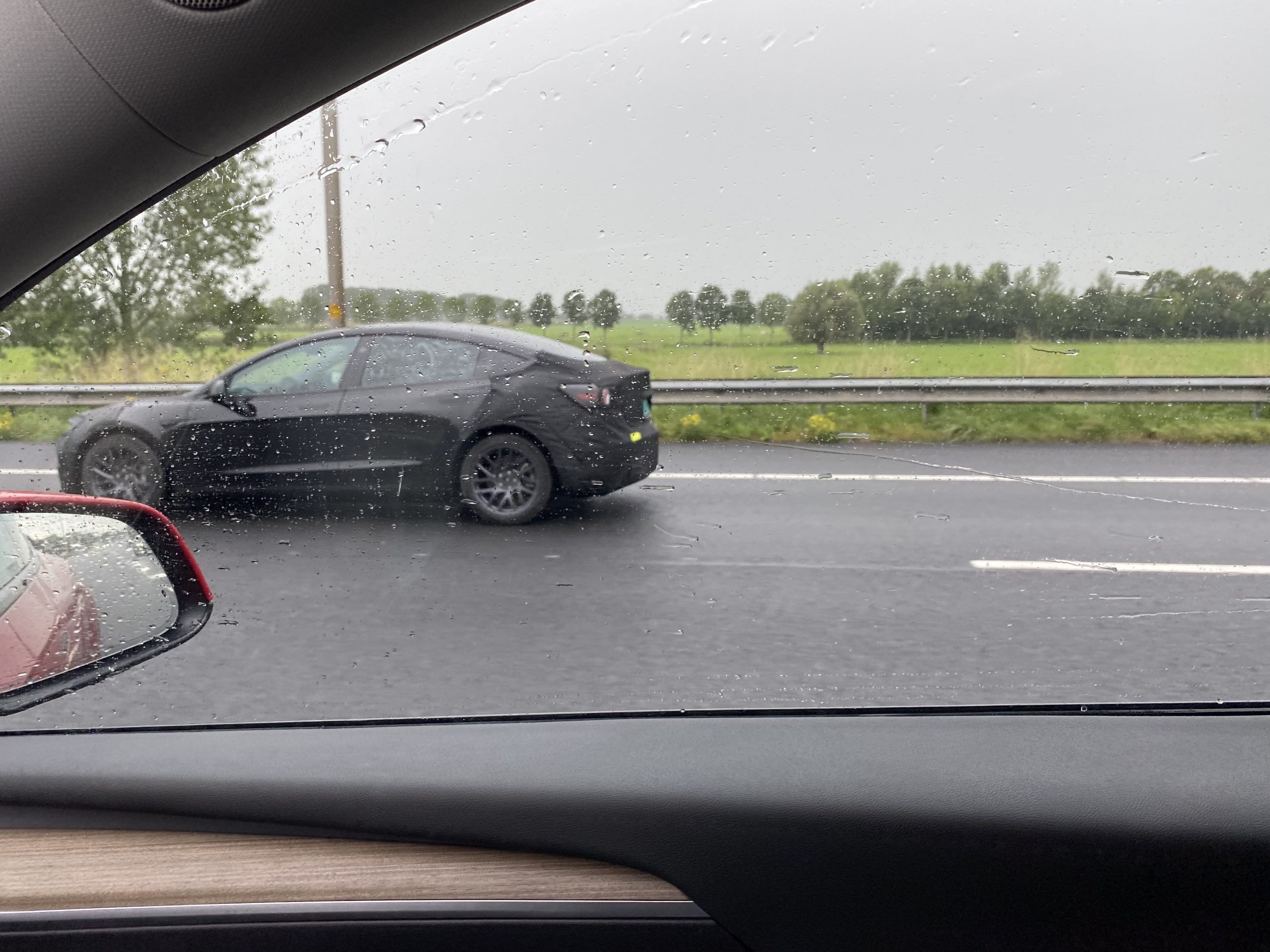
The Model 3 Highland seen in the images was spotted on highway A28 in the Netherlands, less than 10 miles from the company’s Zwolle showroom in Wezep, Netherlands.
The Model 3 Highland sightings from the past few months have shown vehicles also equipped with these front and rear bumper covers. Tesla is bringing a redesigned front end to the vehicle, according to past leaked images that have shown a more streamlined and sporty look. Additionally, Tesla is rumored to be bringing an improved infotainment system, as well as new headlight and taillight designs.
The Model 3 Highland is likely in Europe for testing as Tesla plans to launch it initially in China. Because the vehicle has had so many sightings in Europe, it all but confirms that Tesla will launch the vehicle from Shanghai because the plant is responsible for the production of European Model 3 units.
As far as the U.S. launch of the Model 3 Highland, there is no timetable for an initial launch as of yet. However, Tesla has been overhauling the Fremont Factory in preparation for the car’s production, according to filings that have contained the namesake since last Summer.
I’d love to hear from you! If you have any comments, concerns, or questions, please email me at joey@teslarati.com. You can also reach me on Twitter @KlenderJoey, or if you have news tips, you can email us at tips@teslarati.com.
Give the gift of Tesla upgrades.
Shop for someone else or treat yourself. Get more shopping power with a Teslarati gift card.


News
Tesla’s Cybercab fleet just had its biggest day ever
Tesla registered a record 200 Cybercabs in one day, and Dallas could be next up.

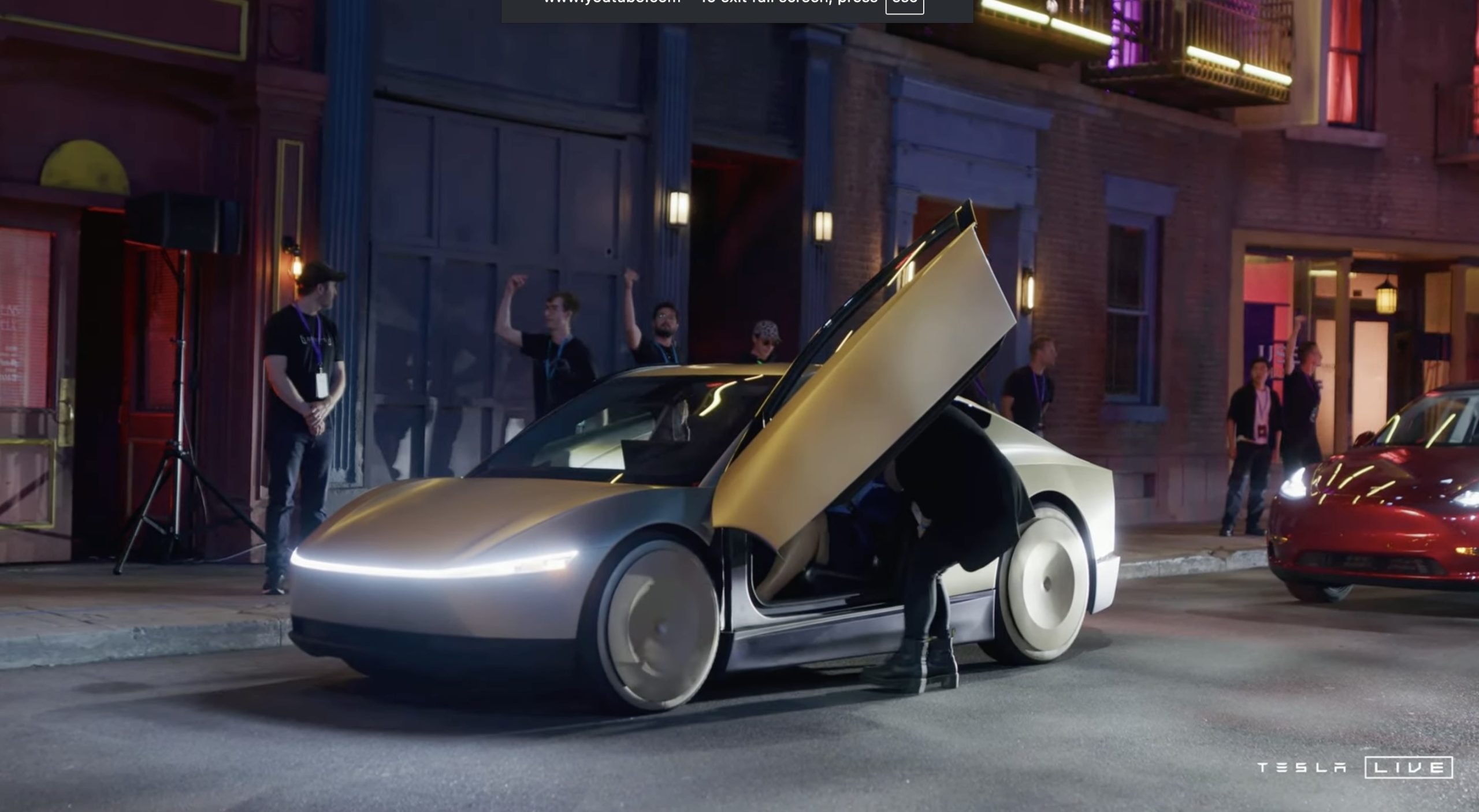
Tesla added a record 200 Cybercabs to its Texas Robotaxi fleet in a single day, pushing the purpose-built two-seater past 750 registered units in the state. The batch landed on the Texas Department of Motor Vehicles automated vehicle register at 3:45 p.m. CT on November 17 and included 200 Cybercabs and one Model Y. Tesla’s Cybercab count had sat at 573 since late October before the jump.
The additions also put Tesla back ahead of Waymo on the register. Tesla now has 1,507 vehicles registered for driverless operation in Texas against Waymo’s 1,321, a lead of 186. Waymo had been ahead by 15 vehicles before the batch arrived. Tesla first passed Waymo on November 10, as Teslarati reported, before Waymo briefly moved back in front.
🚨 There are more CYBERCABS in the Tesla Robotaxi fleet in Texas than Model Y! https://t.co/BdRK2LnnAP — TESLARATI (@Teslarati) November 18, 2026
Cybercabs now make up 51.3 percent of Tesla’s registered Texas fleet, at 773 units against 734 Model Ys. Waymo’s fleet in the state is split between 874 Jaguar I-PACEs and 447 Ojai vehicles.
The register does not say where vehicles will operate, and registration does not mean a car is carrying riders. Still, the timing lines up with Tesla’s plans for Dallas. On the company’s third quarter earnings call in October, AI chief Ashok Elluswamy said, “next month, we’ll be launching in Dallas,” and a video posted over the weekend showed more than 50 Cybercabs parked in rows at a Dallas lot, with more on a car carrier nearby. Tesla has not announced a start date.
Give the gift of Tesla upgrades.
Shop for someone else or treat yourself. Get more shopping power with a Teslarati gift card.
Dallas is already one of Tesla’s busiest Robotaxi markets. Model Y Robotaxis there have run without anyone in the driver’s seat around the clock since November 11, and the city logged 608,130 miles with no safety monitor between January 22 and October 18, second only to Austin, according to Tesla’s first Robotaxi Safety Report. Public Cybercab rides have been limited to Austin since the vehicle joined the service in September.
The fleet growth comes as Tesla shifts more of its factory capacity toward the Cybercab. The company is winding down Cybertruck production at Giga Texas by the end of summer 2027 to make room, and announced this week a €3 billion expansion of Giga Berlin with a new building designed to produce up to 1 million Cybercabs a year starting in 2029, as Teslarati covered.
Some Cybercabs will soon go to private owners too. Tesla began inviting select customers to buy the vehicle for personal use last week at $29,990 with a required $299 monthly Autonomy Subscription, with deliveries targeted for December in the same five Texas cities where Robotaxi operates.
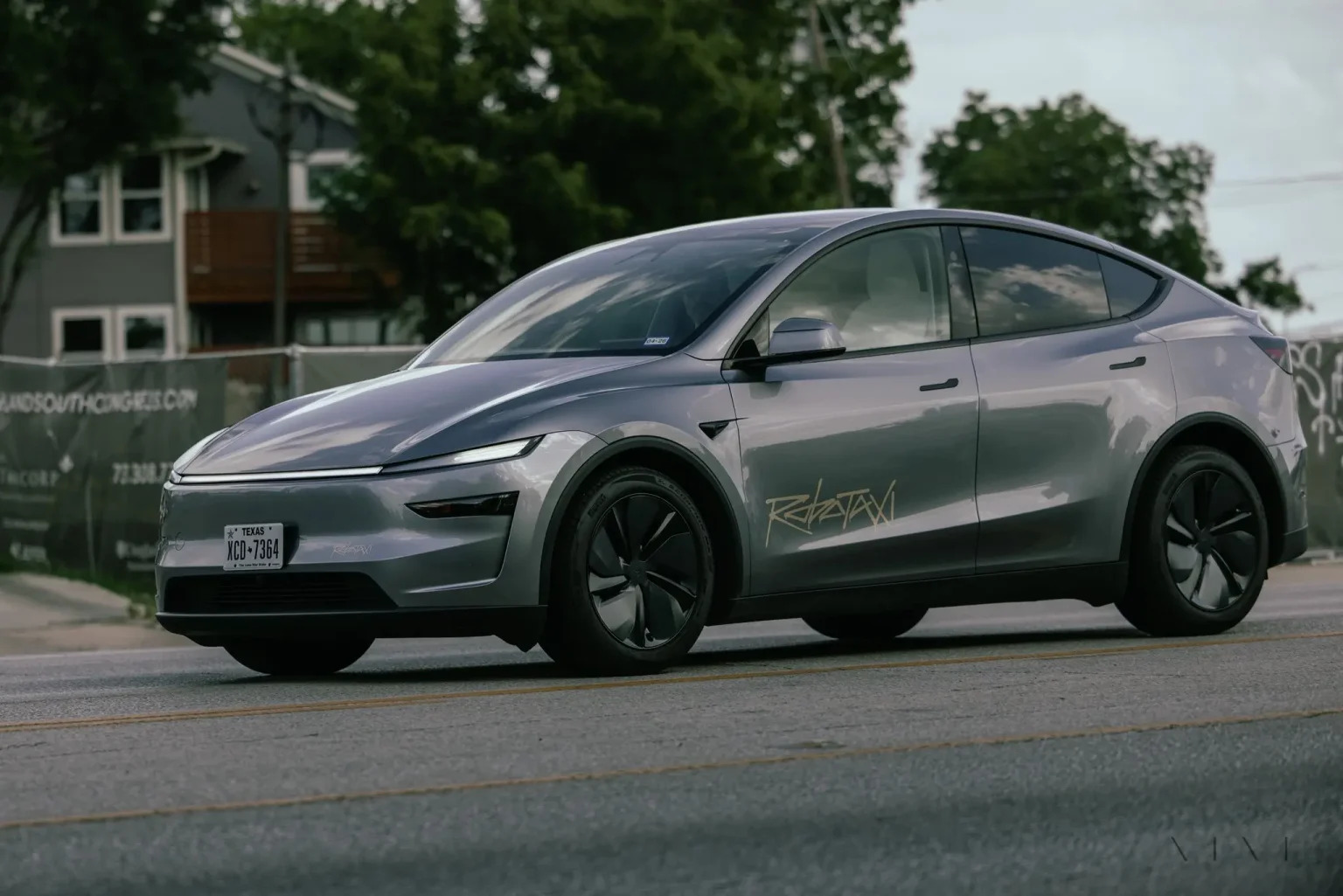
Tesla is now utilizing its in-house Robotaxi platform to give those waiting for their vehicles during Service visits rides instead of offering Uber credits or Loaner vehicles.
Tesla owners in Austin who bring vehicles in for service are receiving in-app prompts to use the company’s Robotaxi network while their cars are being worked on.
One recent notification, sent during a frunk repair, carried the heading “Try Robotaxi During Your Service Visit” and stated that while the vehicle is being serviced, the customer can take an autonomous Robotaxi ride to the next destination in Austin and download the Robotaxi app to get started.
Interesting. While my frunk gets fixed Tesla suggests taking a Robotaxi 😇 https://t.co/QiUbAmrp4a
— Wadesmith (@LanceWade) November 17, 2026
The suggestion arrives as Tesla has long relied on two main ways to keep customers mobile during longer service visits. Service centers have typically offered loaner vehicles drawn from a limited fleet; when those vehicles were unavailable, centers have issued Uber or Lyft credits. Uber credits were widely eliminated years ago, but some locations will still give them out.
Both approaches carry costs: loaner cars occupy inventory that could otherwise be sold, and third-party credits generate recurring expense.
Code discovered in Tesla app version 4.60.5 in September 2026 already listed “sv_transport_robotaxi” among the transportation options available for service appointments, alongside paid loaners and other alternatives, indicating the company had been preparing to route customers through its own autonomous fleet.
Your Tesla could be in the Robotaxi fleet next month, Elon Musk claims
Austin provides the clearest early example. The city remains Tesla’s primary Robotaxi market, with unsupervised Model Y and Cybercab vehicles operating across an expanded zone of roughly 400–440 square miles and running 24/7 since November 11. Public driverless service is also live in Dallas, Fort Worth, Houston, San Antonio, Miami, Orlando, and Tampa.
Directing service customers into this network keeps the vehicles utilized and reduces reliance on external rideshare credits, while giving owners practical experience with the Robotaxi app and vehicles during the repair window. Once service is complete, the same network can be used for the return trip without a staffed loaner handoff.
The Austin notification is the first public instance of the capability the September app code previewed. As Robotaxi expands into additional U.S. markets and the fleet grows, service centers in those cities are positioned to follow the same pattern, presenting autonomous rides as a primary transportation option during the service appointment rather than defaulting to loaner vehicles or third-party credits.
For customers, the change preserves mobility without the logistics of arranging a temporary car; for Tesla, it links the service operation more tightly to the expanding Robotaxi business.
Elon Musk
Sean Duffy fires back at Elon Musk over free Starlink
Sean Duffy says the FAA picked a ground network over Starlink, and Musk isn’t impressed.
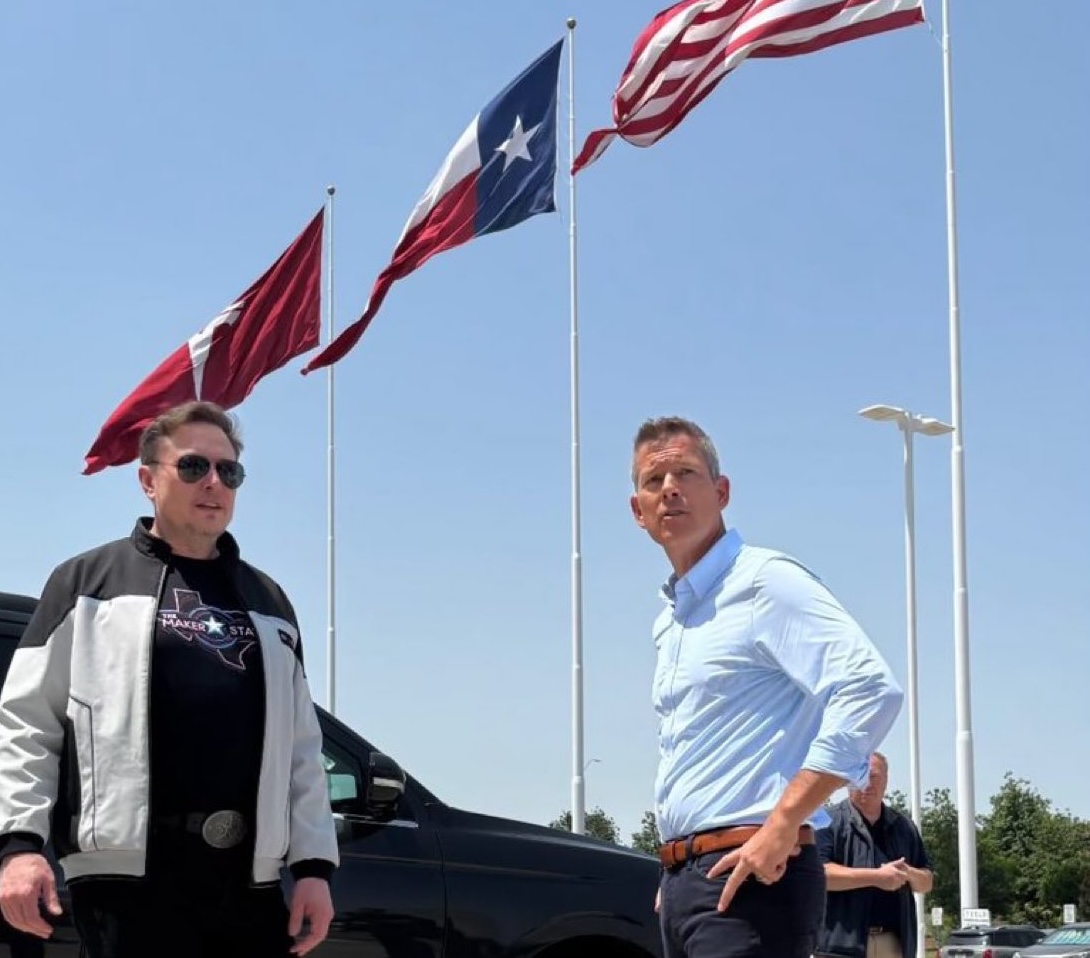
Transportation Secretary Sean Duffy has responded to Elon Musk’s claim that the Federal Aviation Administration turned down free Starlink terminals before last week’s nationwide ground stop, saying the department chose a ground-based network after running into problems with an earlier version of the satellite service. Musk’s reply was a single emoji: “🤦♂️.”
Speaking at a press conference, Duffy said Starlink had been useful in some parts of the system. “I’ve worked well with Elon, and he, Starlink was a great solution for some of our assets in Alaska, but we sent Starlink, in one of its prior iterations, to our tech lab, and, there was some issues that we had to navigate, and we thought that the best method is to have a network that’s based on the ground,” Duffy said, according to a transcript published by ZeroHedge. “Now, I think what he’s doing with Starlink and the speed is remarkable, but, our airspace is very big. We have assets everywhere. And so, again, we used him for different parts of the airspace.”
Duffy did not dispute that the offer was made. He also did not say what problems the FAA found during testing.
The exchange started Monday, when Musk wrote on X, “Free Starlinks for FAA were offered to Sec Duffy, but he said they were not needed. As it turns out, they were,” as Teslarati reported. That post came three days after the FAA grounded departures nationwide on November 13, when its legacy equipment became unstable as data flooded its telecommunications network at 1,000 connection attempts every four to five seconds. The FAA traced the flood to a radar site in Amarillo, Texas, and a radio site in El Dorado, Arkansas, where L3Harris had been installing a new router. Roughly 12,462 flights were canceled that day.
As I was saying …
Free Starlinks for FAA were offered to Sec Duffy, but he said they were not needed. As it turns out, they were.
— Elon Musk (@elonmusk) November 16, 2026
Duffy has also signaled frustration with L3Harris, which runs the FAA’s current network. “I want to get away from L3Harris and get to a new one, but they own the network,” he said. “I can’t cancel the network that they own.” He has asked Congress for $50 billion to modernize air traffic control, arguing against “a patchwork, a fix to a system that’s critical for every single family.”
The FAA’s position on satellite links predates this week. In a July 2025 letter to lawmakers, FAA Administrator Bryan Bedford said the agency “would not use Starlink (or any satellite service) as the sole communications technology” for safety-critical air traffic services. Reuters reported at the time that the FAA was not considering replacing its L3Harris and Verizon contracts with Starlink. Verizon’s FAA Enterprise Network Services contract, awarded in 2023, is valued at up to $2.4 billion over 15 years.
Musk first pressed the issue in February 2025, while he was leading the Department of Government Efficiency, writing that “the Verizon system is not working and so is putting air travelers at serious risk” before correcting himself days later to blame L3Harris. SpaceX said at the time it was supplying Starlink kits to the FAA at no cost and had no intent to take over any existing contract.

Tesla’s Cybercab fleet just had its biggest day ever

Tesla Robotaxi takes over for Uber credits and loaners at Service locations


