
News
Tesla China owner ordered to pay damages after describing Model X as “suicide toy”

Tesla China’s legal team has secured another win, with the electric vehicle maker recently winning a defamation case filed against a Model X owner who previously described his vehicle as a “killing” or “suicide toy” in statements to the media. The court’s judgment required the defendant to post a public apology in a local newspaper and pay a fine of RMB 10,000 ($1,412) due to his actions.
The Model X owner, dubbed in reports as Mr. Wen, was reportedly driving his Model X from Fuyang to Zhengzhou when the vehicle suddenly decreased its speed from 100 km/h to 60 km/h. In later interviews with the media, Mr. Wen stated that the Model X’s brakes failed, which turned the all-electric vehicle into a “suicide toy.”
Apart from this, the Model X owner claimed that no one from Tesla China contacted him about the incident despite the malfunction. This statement was proven false as per the court ruling, since evidence showed that a Tesla China staff member contacted Mr. Wen on the day of the incident to get details on the situation.
The Tesla China staff member reportedly tried to get the vehicle inspected, but despite several tries from the electric vehicle maker, the Model X owner reportedly refused, according to the court order. As noted in the verdict, Mr. Wen later made statements in interviews that were inconsistent with the facts of the case. These statements ended up having a negative impact on Tesla’s business image in China.
Following is a screenshot of the court’s decision on the case.
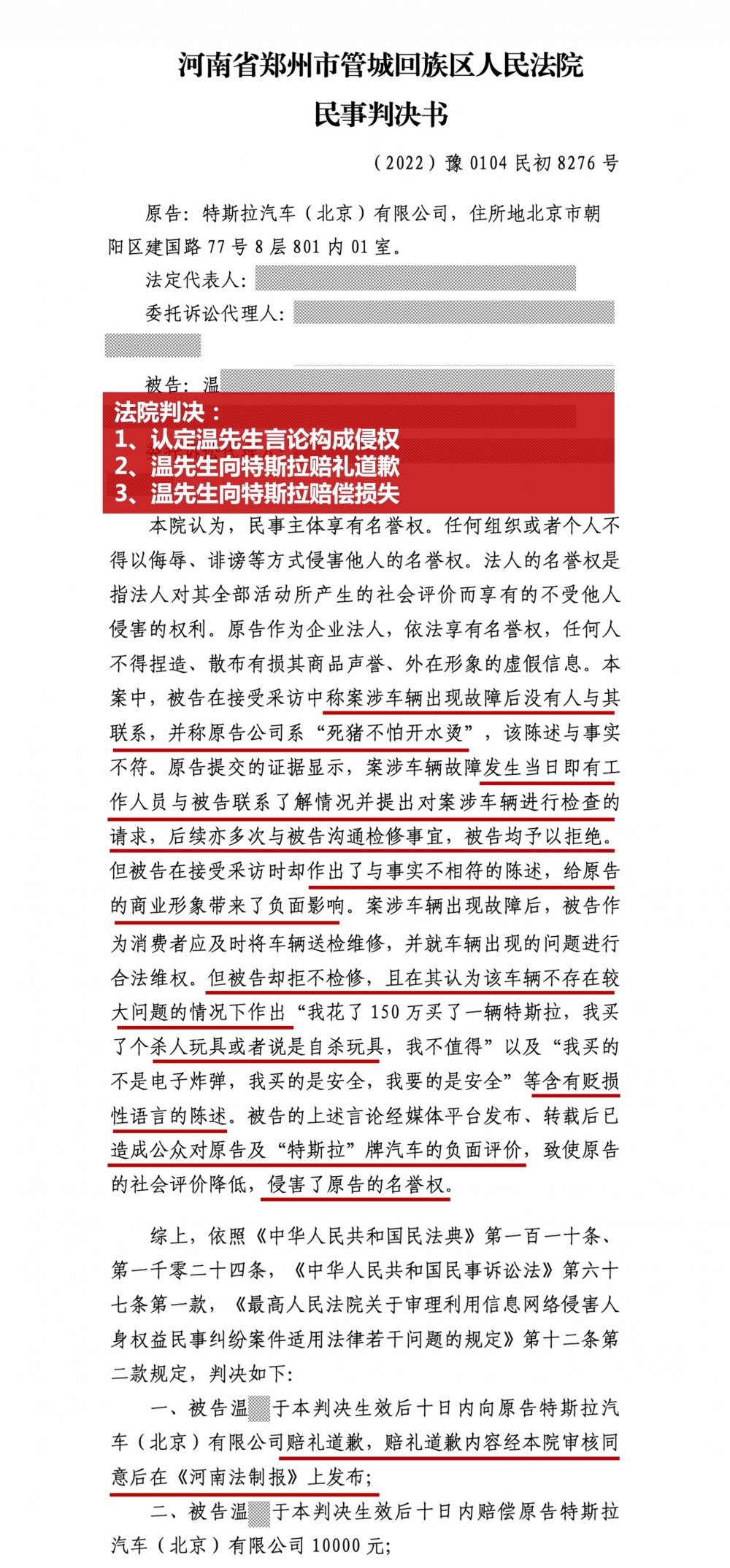
And following is a rough translation of the text.
People’s Court of Guancheng Hui District, Zhengzhou City, Henan Province
Civil Judgment
(2022) Henan 0104 Minchu No. 8276
Plaintiff: Tesla Motors (Beijing) Co., Ltd., domiciled in Chaozhou, Beijing
Room 01, Room 801, 8th Floor, No. 77 Jianguo Road, Yang District.
Legal representative: [redacted]
Agent ad litem: [redacted]
Defendant: Wen
Court judgment:
1. It is determined that Mr. Wen’s remarks constitute infringement
2. Mr. Wen apologizes to Tesla
3. Mr. Wen compensates Tesla for losses
This court holds that civil subjects enjoy the right of reputation. No organization or individual may infringe upon the reputation rights of others by insulting or slandering. The right of reputation of a legal person refers to the right of a legal person not to be infringed by others for the social evaluation generated by all its activities. The plaintiff, as an enterprise legal person, enjoys the right of reputation according to law, and no one is allowed to fabricate or spread false information that damages the reputation and external image of its products. In this case, the defendant stated in an interview that no one contacted him after the vehicle involved in the case broke down, and claimed that the plaintiff company was “a dead pig is not afraid of boiling water”, which is inconsistent with the facts.
The evidence submitted by the plaintiff shows that on the day when the breakdown of the vehicle involved in the case occurred, a staff member contacted the defendant to understand the situation and made a request to inspect the vehicle involved in the case. He also communicated with the defendant many times about maintenance matters, but the defendant refused. However, in the interview, the defendant made a statement that was inconsistent with the facts, telling the plaintiff that consumers should send the vehicle for inspection and maintenance in time, and legally protect the rights of the problems with the vehicle.
However, the defendant refused to overhaul it, and made a statement under the condition that he believed that there was no major problem with the vehicle, “I bought a Tesla for 1.5 million, and I bought a killing toy or a suicide toy. It is worth it” and “I am not buying an electronic bomb, I am buying safety, what I want is safety and other statements containing derogatory language. The above-mentioned remarks of the defendant have been released and reproduced by the media platform, which has caused public criticism of the plaintiff, and the negative evaluation of the “Tesla” brand caused the plaintiff’s social evaluation to be lowered and the plaintiff’s right of reputation was violated.
To sum up, in accordance with Articles 110 and 1024 of the Civil Code of the People’s Republic of China and Paragraph 1 of Article 67 of the Civil Procedure Law of the People’s Republic of China, the Supreme People’s Court Article 12, Paragraph 2 of the Provisions on Several Issues concerning the Application of Law in Civil Dispute Cases of Infringement of Personal Rights and Interests Using Information Networks stipulates that the judgment is as follows:
- The defendant Wen apologized to the plaintiff Tesla Motors (Beijing) Co., Ltd. within ten days after this judgment came into effect, and the content of the apology was reviewed and approved by the court. It was later published in “Henan Legal News”;
- The defendant Wen shall compensate the plaintiff Tesla Motors (Beijing) Co., Ltd. 10,000 yuan within ten days after this judgment takes effect.
Don’t hesitate to contact us with news tips. Just send a message to simon@teslarati.com to give us a heads up.




Elon Musk
Tesla’s Robotaxi expansion wasn’t a joke, it was a warning to competitors
Tesla might have made a joke with its first Robotaxi service area expansion, but it was truly a serious warning to its competitors.

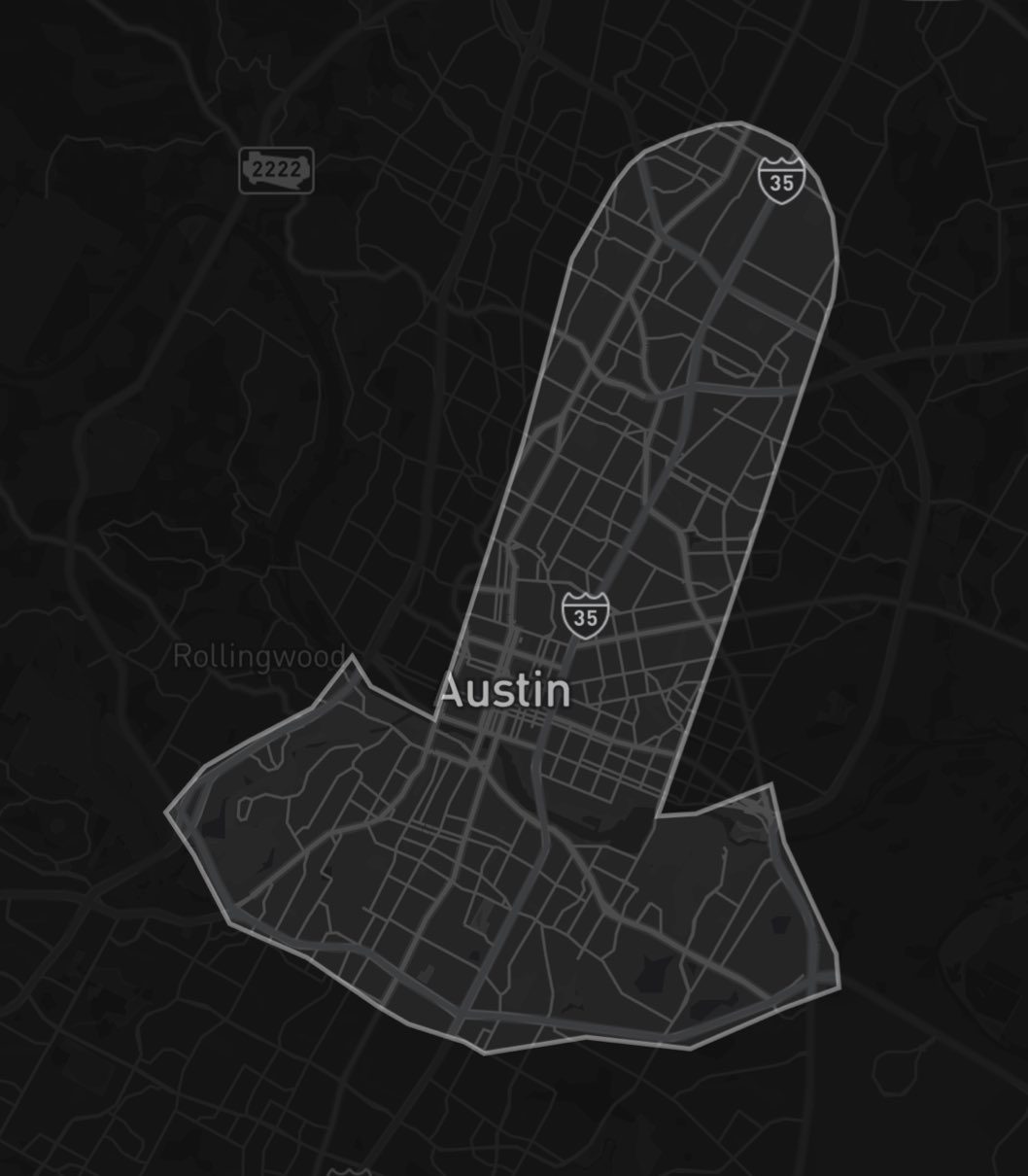
Tesla’s Robotaxi expansion occurred for the first time on Monday, and while the shape of its new service area might be “cocky,” it surely is not a joke. It’s a warning to competitors.
Robotaxi skeptics and Tesla opponents are sitting around throwing hate toward the company’s expansion appearance. Some called it “unserious,” and others say it’s “immature.” The reality is that it has a real meaning that goes much further than the company’s lighthearted and comical attitude toward things.
Proudly unserious
— Tesla (@Tesla) July 14, 2025
For context, Tesla has routinely used the number 69 as a way to price things it sells. 420 is another, an ode to cannabis culture. A few years back, it actually priced its Model S flagship sedan at $69,420. The first rides of the Robotaxi fleet were priced at $4.20. They are now being increased to $6.90.
Some call it childish. Others call it fun. The truth is, nobody is doing it this way.
Tesla updates Robotaxi app with several big changes, including wider service area
But today’s expansion of the Robotaxi service area in Austin is different. Tesla did not expand its shape to different neighborhoods or areas of the City of Austin. It did not expand it by broadening the rectangle that was initially available. Instead, it chose a different strategy, simply because it could:
🚨 Tesla’s new Robotaxi geofence is…
Finish the sentence 🥸 pic.twitter.com/3bjhMqsRm5
— TESLARATI (@Teslarati) July 14, 2025
Tesla could have done anything. It could have expanded in any direction, in any way, but it chose this simply because it has gotten Robotaxi to the point that it can broaden its service area in any direction. It chose this shape because it could.
Other companies might not have the same ability. Of course, many companies probably would not do this even if it could, simply because of the optics. Tesla doesn’t have those concerns; it has been open about its ability to be funny, and yes, immature, at times.
But in reality, it was a stark warning to competitors. “We can go anywhere in Austin, at any time, and we’re confident enough to make a joke about it.”
Tesla’s Robotaxi geofence in Austin grows, and its shape is hard to ignore
As Tesla is already aiming to expand to new states and high-population areas, and with applications filed in Arizona and California, Robotaxi will be in new regions in the coming weeks or months.
For now, it remains in Austin, and Tesla is sending a message to other companies that it is ready to go in any direction. The driverless Robotaxi fleet, bolstered by billions of miles of data, is ready to roam without anyone at the wheel.
News
Tesla Robotaxi has already surpassed Waymo in this key metric
Tesla Robotaxi has already overtaken Waymo in Austin in one key metric, but there’s still more work to do.
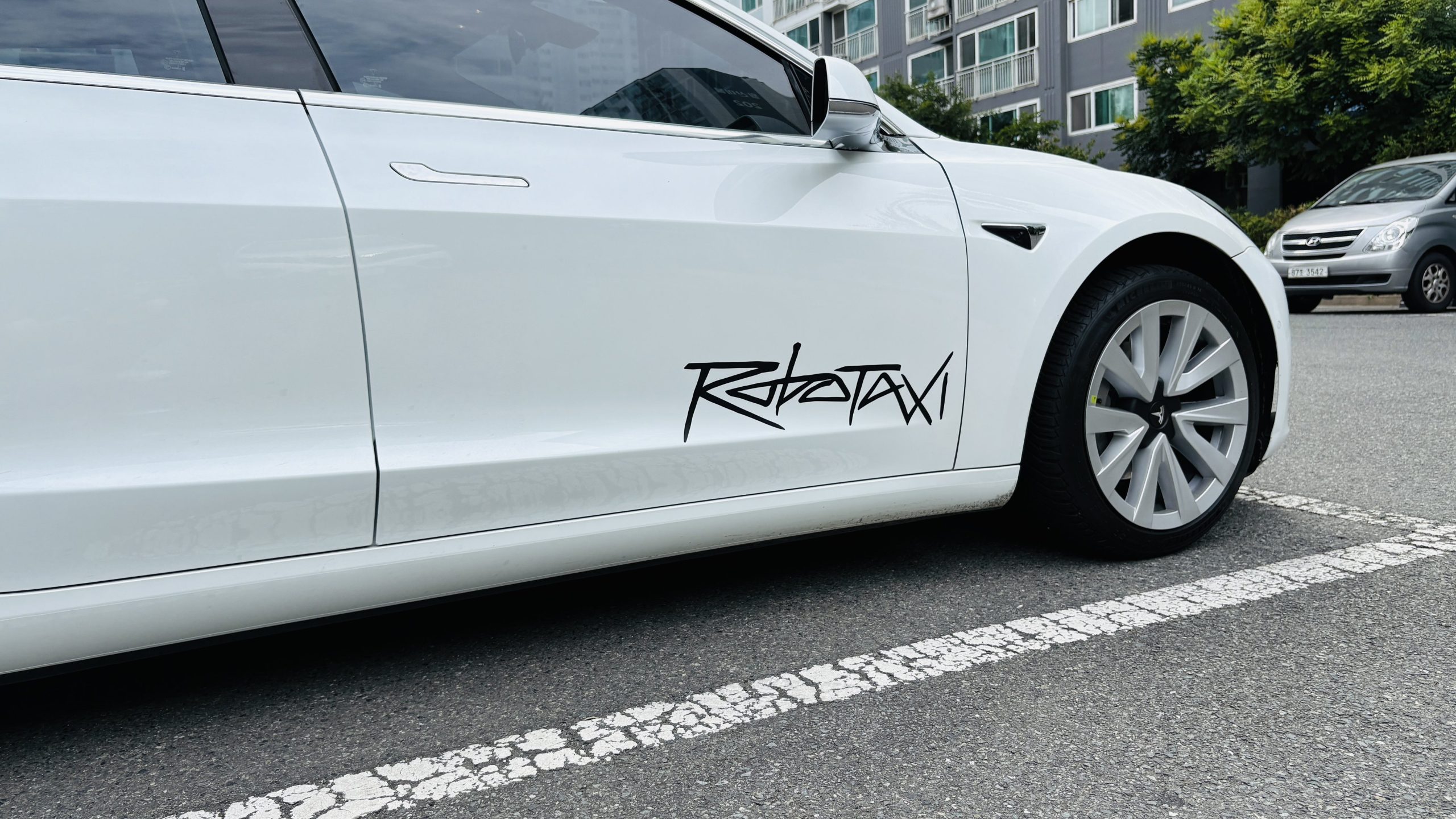
Tesla Robotaxi has already surpassed Waymo in one extremely important key metric: size of service area.
Tesla just expanded its service area in Austin on Monday morning, pushing the boundaries of its Robotaxi fleet in an interesting fashion with new capabilities to the north. Yes, we know what it looks like:
🚨 Tesla’s new Robotaxi geofence is…
Finish the sentence 🥸 pic.twitter.com/3bjhMqsRm5
— TESLARATI (@Teslarati) July 14, 2025
The expansion doubled Tesla Robotaxi’s potential travel locations, which now include the University of Texas at Austin, a school with over 53,000 students.
The doubling of the service area by Tesla has already made its travel area larger than Waymo’s, which launched driverless rides in October 2024. It became available to the public in March 2025.
According to Grok, the AI agent on X, Tesla Robotaxi’s current service area spans 42 square miles, which is five square miles larger than Waymo’s service area of 37 square miles.
Tesla Robotaxi (red) vs. Waymo geofence in Austin.
Much can be said about the shape… but the Robotaxi area is now ~3.9 mi² (10 km²) larger than Waymo’s!! pic.twitter.com/dVfh2ODxJC
— Robin (@xdNiBoR) July 14, 2025
The service area is one of the most important metrics in determining how much progress a self-driving ride-hailing service is making. Safety is the priority of any company operating a ride-hailing network, especially ones that are making it a point to use autonomy to deploy it.
However, these companies are essentially racing for a larger piece of the city or cities they are in. Waymo has expanded to several different regions around the United States, including Arizona and Los Angeles.
Tesla is attempting to do the same in the coming months as it has already filed paperwork in both California and Arizona to deploy its Robotaxi fleet in states across the U.S.
As the platform continues to show more prowess and accuracy in its operation, Tesla will begin to expand to new areas, eventually aiming for a global rollout of its self-driving service.
News
Tesla Megapacks arrive for massive battery replacing coal plant
Tesla Megapacks have started arriving on-site to the Stanwell Battery Project, just as Queensland prepares to wind down the Stanwell coal plant.

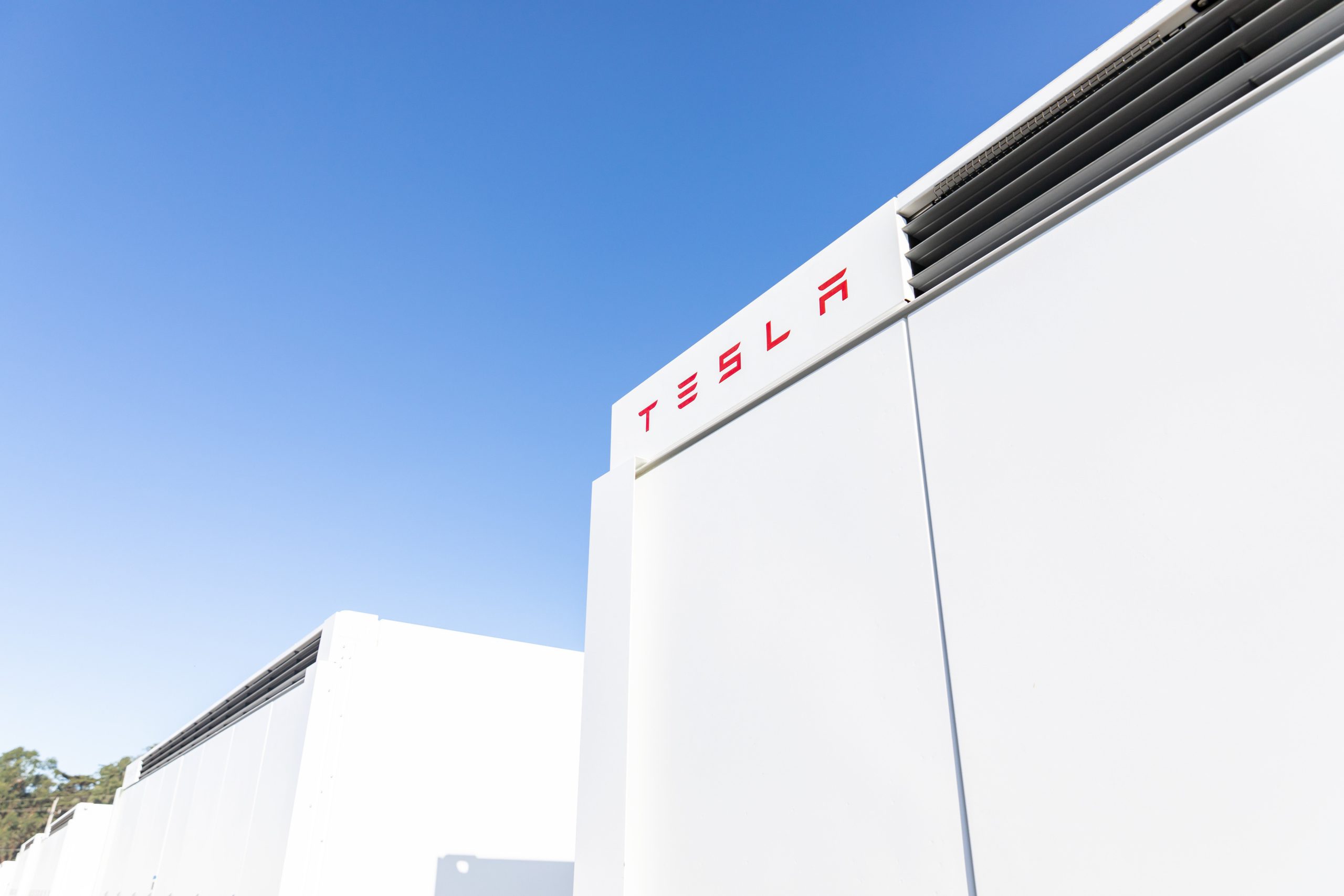
The first of over 300 Tesla Megapacks have arrived to the site of a massive battery energy storage system (BESS) being built in Australia, dubbed the Stanwell Battery Project after a coal plant it’s set to replace.
In a press release last week, the Stanwell Battery Project announced that the first Tesla Megapack 2XL units had arrived to the site, which is located outside of Rockhampton in Queensland, Australia. The project will eventually feature 324 Megapack units, set to arrive in the coming months, in order to support the 300MW/1,200MWh battery project.
“The Stanwell Battery is part of the diversification of our portfolio, to include cleaner and more flexible energy solutions,” said Angie Zahra, Stanwell Central Generation General Manager. “It is just one part of the 800 MW of battery energy storage capacity we have in our pipeline.
“Capable of discharging 300 MW of energy for up to four hours (1,200 MWh), our mega battery will be one of the largest in Queensland.”
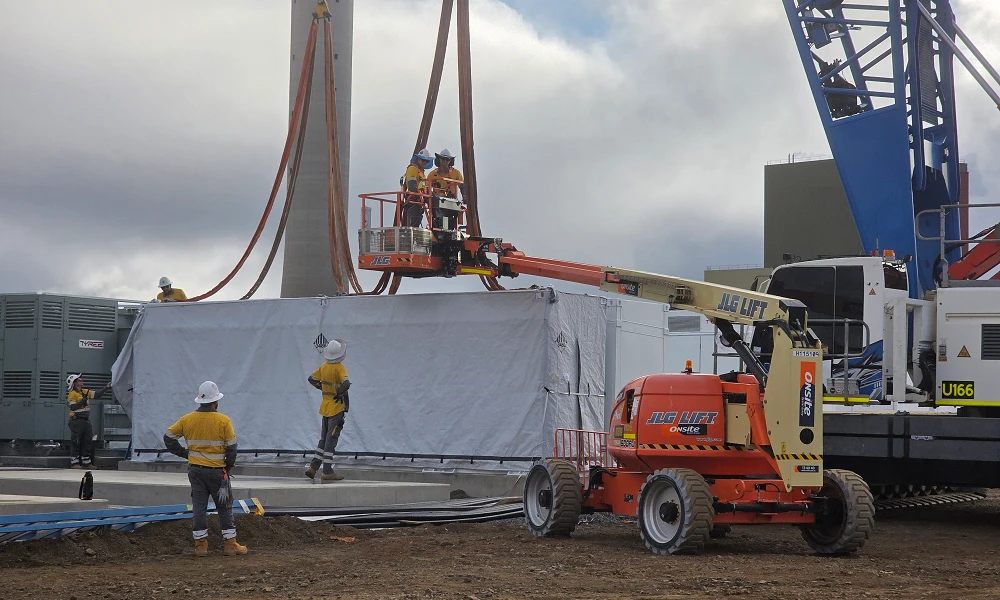
Credit: Stanwell
Did you know Tesla’s Lathrop facility churns out a Megapack every 68 minutes? That’s enough energy to power 3,600 homes for an hour per unit! ⚡️ pic.twitter.com/bG6fpHkB9O
— TESLARATI (@Teslarati) June 11, 2025
READ MORE ON TESLA MEGAPACKS: Tesla Lathrop Megafactory celebrates massive Megapack battery milestone
The state is working with government-owned company Yurika to facilitate construction, and the process is expected to create roughly 80 jobs. The project is expected to come fully online in May 2027, with initial commissioning of the Megapacks aiming for November 2025.
The Stanwell Battery is set to replace the nearby Stanwell coal generation plant, which the government is planning to wind down starting in 2026 as part of efforts to reach an 80 percent renewable energy generation ratio by 2035. Meanwhile, the government is also set to begin winding down the Tarong and Callide coal plants, while several other Megapack projects are being built or coming online. o ya
Tesla currently has two Megapack production facilities, located in Lathrop, California, in the U.S. and another that came online earlier this year in Shanghai, China. The Shanghai Megafactory shipped its first units to Australia in March, while both factories are expected to be capable of producing 10,000 Megapack units per year upon reaching volume production.

Tesla’s Robotaxi expansion wasn’t a joke, it was a warning to competitors

Tesla Robotaxi has already surpassed Waymo in this key metric

Tesla Megapacks arrive for massive battery replacing coal plant


-
 Elon Musk2 weeks ago
Tesla investors will be shocked by Jim Cramer’s latest assessment
-
 News2 days ago
Tesla debuts hands-free Grok AI with update 2025.26: What you need to know
-
 Elon Musk5 days ago
xAI launches Grok 4 with new $300/month SuperGrok Heavy subscription
-
 Elon Musk7 days ago
Elon Musk confirms Grok 4 launch on July 9 with livestream event
-
 News2 weeks ago
Tesla Model 3 ranks as the safest new car in Europe for 2025, per Euro NCAP tests
-
 Elon Musk2 weeks ago
xAI’s Memphis data center receives air permit despite community criticism
-
 News4 days ago
Tesla begins Robotaxi certification push in Arizona: report
-
 Elon Musk2 weeks ago
Tesla scrambles after Musk sidekick exit, CEO takes over sales