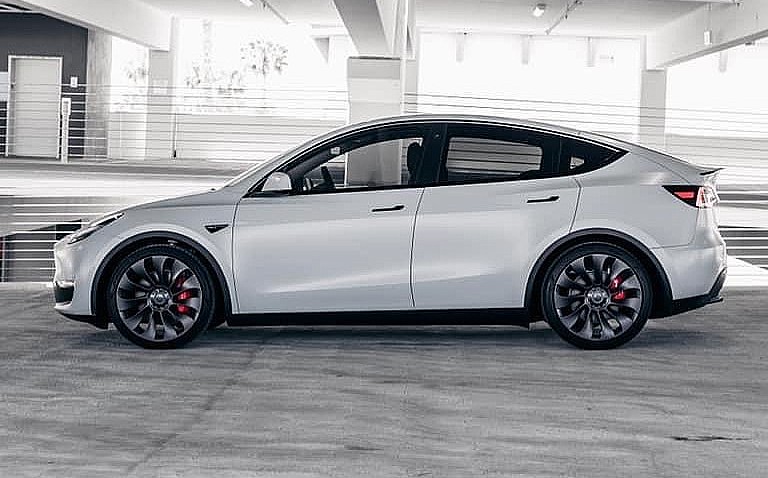
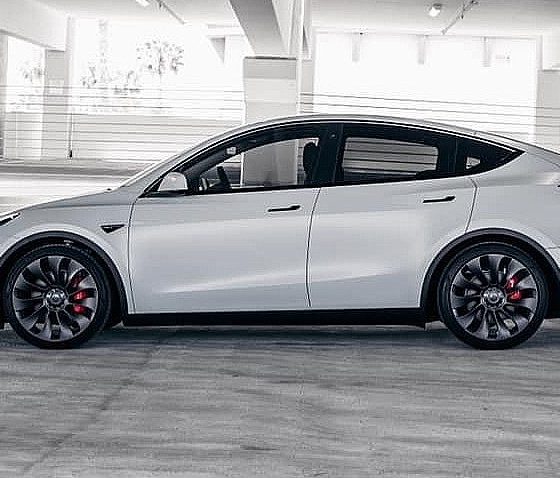

Tesla has rolled out its latest price increase to the most affordable Model Y in its lineup. As per Tesla’s official website, the Model Y All-Wheel Drive now starts at $47,740 before options. Prices for the Model Y Long Range and Model Y Performance are unchanged.
Prior to its recent price increase, the Model Y AWD was priced at $47,490 before options. It should be noted, however, that even with its most recent price increase, the Model Y AWD still qualifies for the Inflation Reduction Act’s $7,500 federal tax credit.
With the $7,500 federal tax credit in place, the Model Y AWD could effectively be purchased for about $40,240. That’s quite a deal for the Model Y, considering its space, power, and overall suite of features.
Following the release of the Internal Revenue Service’s (IRA) list of eligible vehicles for the IRA’s EV tax credit, Tesla rolled out a price adjustment to the Model Y, lowering the vehicle’s price by 6%-9.1%, as noted in a Benzinga report. At the time, the Model Y AWD’s price saw a drop from $49,990 to $46,990. Since then, Tesla has implemented small price adjustments of $250 to the all-electric crossover.
But despite the price adjustments, the Model Y today is still more affordable compared to its price before the April adjustments.
Tesla’s entire lineup of vehicles saw notable reductions to their price this year. Following a series of significant price cuts in January, Tesla saw record deliveries in the first quarter. It also started a price war in China, the world’s largest auto market and arguably the place where Tesla has the most legitimate competition.
So far, Tesla’s aggressive pricing strategies appear to be working, with the company delivering 422,875 vehicles in total during the first quarter of 2023. That was higher than the 405,278 units that were delivered in the fourth quarter of 2022.
Don’t hesitate to contact us with news tips. Just send a message to simon@teslarati.com to give us a heads up.


Tesla just told us twice that the Model Y L is coming to the U.S., and two social media posts definitely just tipped the company’s hand, as if they wanted it to be any other way.
The two social media posts basically confirm that the slightly longer version of the Model Y will be heading to the United States soon, and many have speculated that the company could launch the vehicle as soon as this weekend.
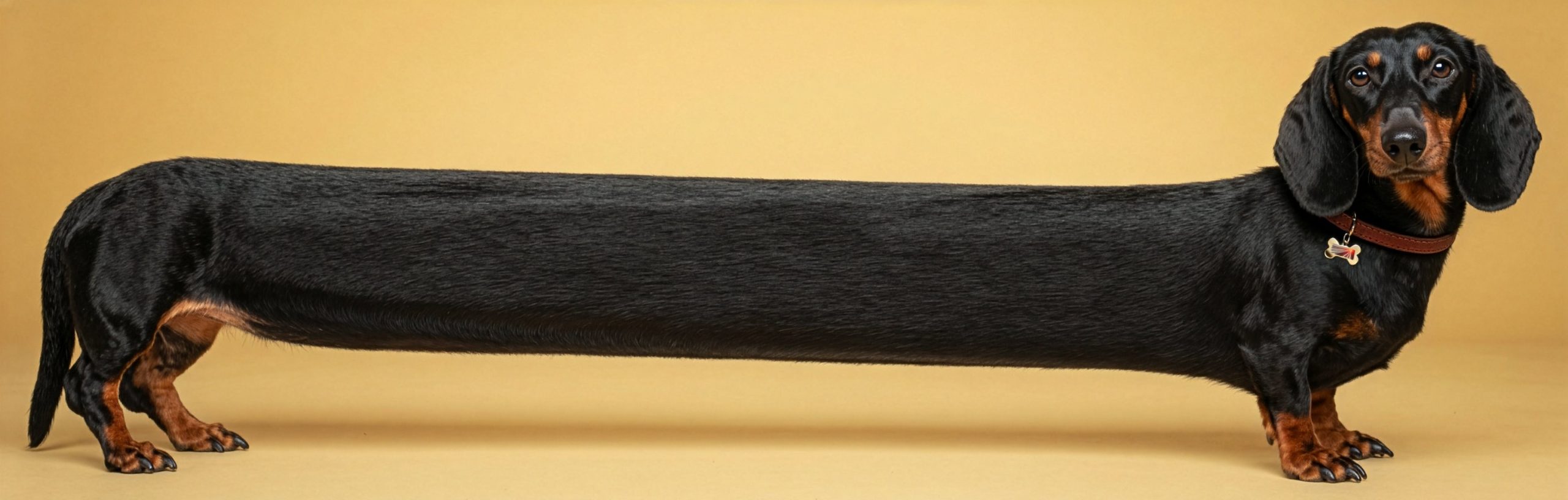
The first post was directly from Tesla, and it showed an incredibly long Dachshund, with words above that said, “Looking forward to the long weekend.”
Looking forward to the long weekend pic.twitter.com/URzH6zOUdn
— Tesla (@Tesla) July 1, 2026
Anyone who knows Tesla knows the company loves to troll its fans and have fun, and this is a perfect example of that. While not a direct acknowledgement, Tesla is very involved on social media, especially CEO Elon Musk’s platform X, and the company is well aware of what is being discussed within the community.
With recent sightings of Model Y L test mules in California, peeks of the vehicle at Giga Texas, and a large call for the car to come to the U.S., Tesla is simply stoking conversation with this.
However, the company also made another move that was recognized on social media. Tesla has a large gallery that includes photos of its products so media and others can use them. This gallery applies to the U.S. market specifically, unless otherwise specified.
Tesla uploaded a Model Y L to the Gallery last night:
This looks like a Model Y L https://t.co/TpnBwrLmH9
— TESLARATI (@Teslarati) July 2, 2026
This seems to be another indication that the Model Y L is coming to the United States.
Musk said last year that the Model Y L could make its way to the United States late this year, but it was not something that was set in stone by Tesla. The company definitely needs to establish something in the SUV market that is larger than the Model Y, and the Model Y L might be the answer.
Even still, there are consumers out there who would love Tesla to develop something even larger, like a competitor to the Tahoe or Expedition. Tesla has not really given much of an indication that it will go in that direction.
Tesla is using the vehicles’ internal microphones to improve build quality, Vice President of Engineering Lars Moravy revealed recently.
It’s no secret that Tesla is always finding ways to make its manufacturing operations more efficient, accurate, and valuable. Constantly trying to make its cars better, the company has never placed any restrictions on what it will do to improve everything from panel gaps to paint.
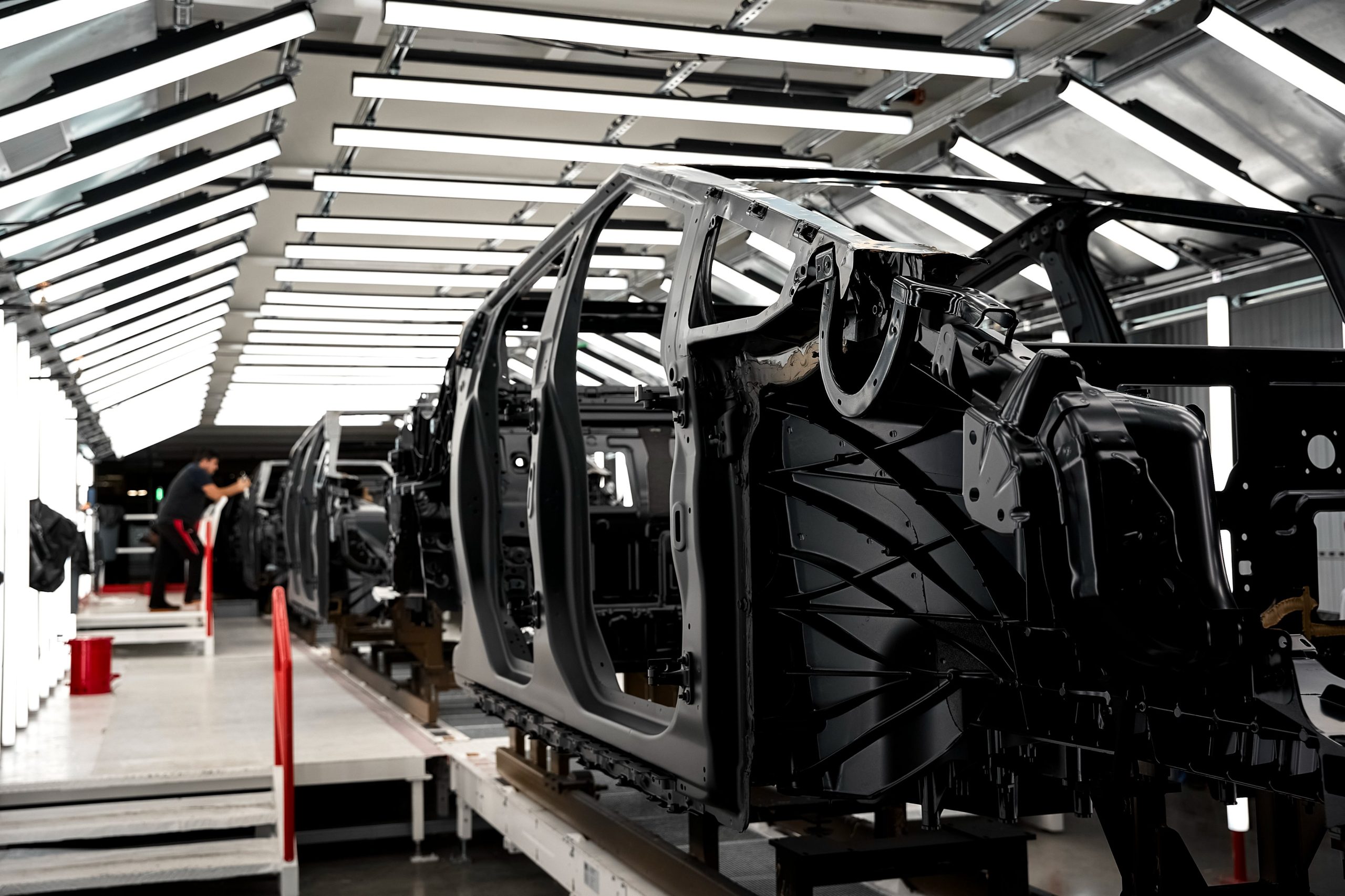
As Teslas have been driving autonomously on the property of the Gigafactory Texas plant for a while now, Moravy revealed to Herbert Ong in a new interview that cars rolling off production lines now autonomously navigate themselves through a bumps, squeaks, and rattles (BSR) portion of the line. This helps to identify any loose or improperly installed internal parts.
The cabin’s microphones, which are used for a variety of things in ownership, simultaneously monitor any noises inside the vehicle while it rolls through the BSR portion of the production line. Moravy actually revealed that Tesla is trying to build “Full Self-Hearing,” an AI system that will detect minor imperfections so they can be corrected before delivery.
It’s no secret that build quality is something that Tesla struggled with as it scaled to a fully massive production operation that manufactures over 1.6 million vehicles per year. However, in recent years, especially, there have not been as many complaints. Tesla has truly improved upon its build quality and paint quality over the past several years, especially in the U.S.
Tesla’s ‘megacasts’ are key to massive build quality improvements
While those improvements have been evident, there are still some complaints; no automaker is perfect with this. But this step will now ensure that every single car that rolls off the production lines at Gigafactory Texas will be void of any creaks, squeaks, or squeals when it leaves the factory.
This measure is one of the most unique we’ve seen in terms of a strategy to avoid build quality issues, but it is not exclusive to Tesla.
Ford uses acoustic analysis AI to find abnormalities in seat motors, climate control units, and other components. Suppliers and OEMs will also use microphone arrays or particle velocity sensors in end-of-line stations.
The full interview with Lars Moravy is available below:
🚨 If you’re a Tesla investor, this is one interview you don’t want to skip. The full video posted below.
Jeff Lutz @thejefflutz and I sat down with Tesla VP of Engineering Lars Moravy, and it was packed with insights!
A few of the biggest takeaways:
• Cybercab is expected to… pic.twitter.com/fhYSr2dCqP
— Herbert Ong (@herbertong) July 1, 2026
Investor's Corner
Tesla crushes Wall Street expectations, beats delivery estimates by over 15 percent

Tesla (NASDAQ: TSLA) beat Wall Street expectations of 406,000 vehicles delivered in Q2 by reporting 480,126 deliveries for the three months ending in June.
Tesla reported it delivered 467,762 Model 3 and Model Y units, while 12,364 Model S, Model X, and Cybertrucks switched hands during the quarter. The Model S and Model X were officially sunset this past quarter and will no longer be part of the company’s Production & Delivery reports moving forward.
🚨 BREAKING: Tesla delivered 480,126 vehicles in Q2, ANNIHILATING Wall Street expectations of 406,000. Production was reported at 451,758.
Deliveries:
Model 3/Y: 467,762
Other Models: 12,364Production:
Model 3/Y: 442,936
Other Models: 8,822 https://t.co/TTHwQAsKt8 pic.twitter.com/7qI4Zj6FE5— TESLARATI (@Teslarati) July 2, 2026
The quarter is a pleasant surprise and a good rebound from Q1, when Tesla slightly missed the Wall Street consensus of 365,645 cars by reporting 358,023 deliveries for the first three motnhs of the year.
Energy storage deployments also provided some strength in Tesla’s delivery report, hitting 13.5 GWh for Q2. This is a particular division of Tesla’s business that has been overwhelmingly robust over the past few years, truly being a strong point of the company’s overall model.
For the year, Tesla analysts still predict deliveries to trend in the 1.69 million unit region, a modest 3 to 5 percent increase from the 1.64 million cars the company delivered last year. Tesla will likely return to more sequential and noticeable year-over-year growth as the Cybercab project starts to ramp up considerably in the next few years.
Tesla has some other potential catalysts to spur vehicle deliveries, too. Not only is it expecting Cybercab to truly start making a change in the next few years, but other vehicles could be entering the company’s lineup.
Tesla sends production Cybercab with no steering wheel, pedals to on-road testing
The slightly longer Model Y L has been a highly speculated release candidate in the U.S. It has already done incredibly well in China, and U.S. buyers have been wanting slightly more interior space than the Model Y. Now that the Model X is gone, it is more needed than ever.
Q2 highlights a pretty stable automotive division within Tesla, and no true concerns arise from these figures, especially considering it managed to beat expectations convincingly.

Tesla just told us twice that Model Y L is coming to the U.S.

Tesla is using vehicle microphones to improve build quality: here’s how


