News
Tesla Semi frames stack up in Nevada as production nears
Tesla Semi frames are being spotted outside of the Nevada production facility ahead of initial high-volume manufacturing.

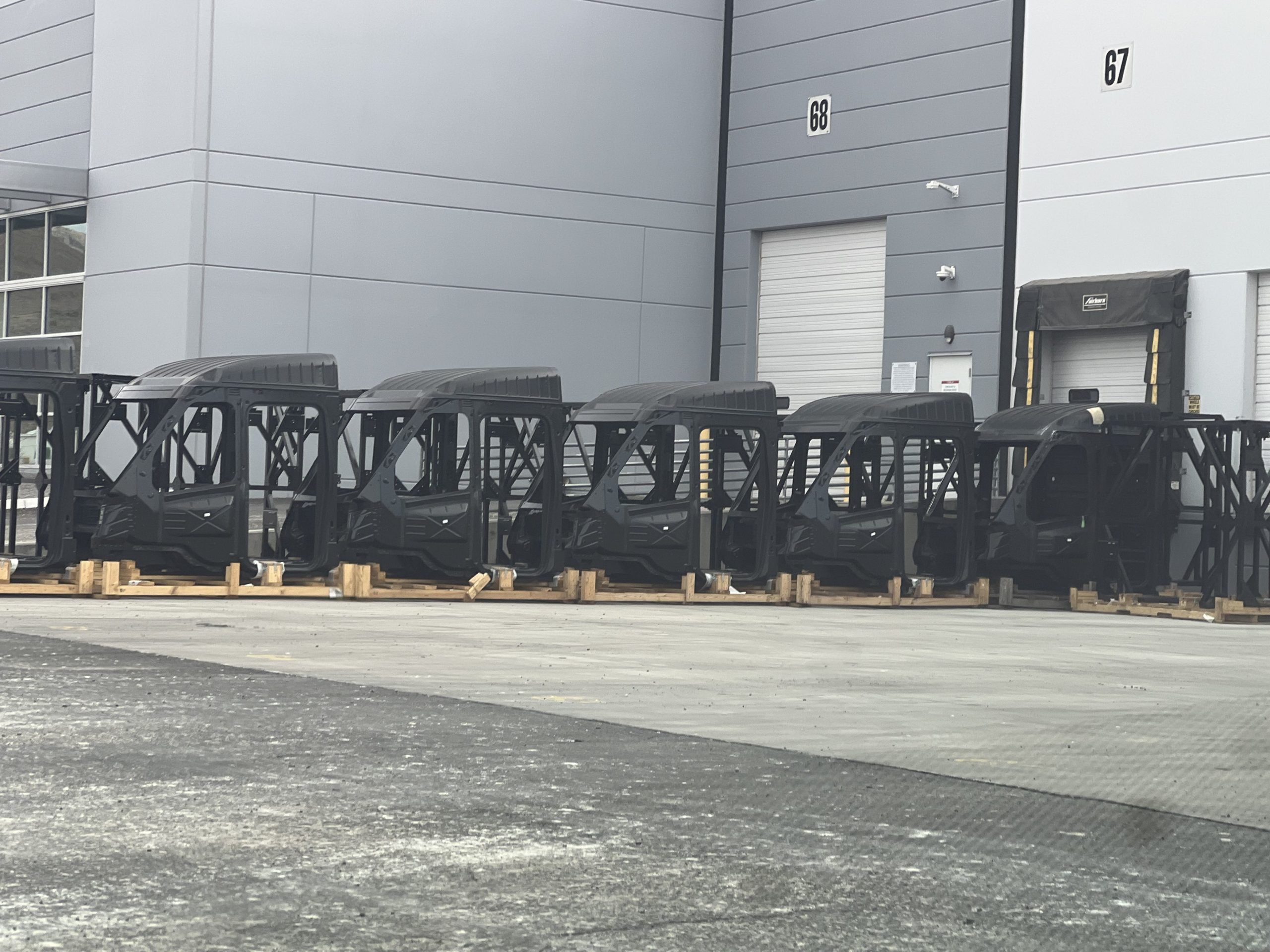
Tesla is moving closer to the initial production of the Semi later this year, and outside of its dedicated factory in Nevada, which will be responsible for building the all-electric truck, frames, and other parts of the vehicle, are beginning to stack up.
The Semi production facility is located on the same property as Gigafactory Nevada, and is moving closer to completion as the construction crews on site have already enclosed walls.
Semi Factory progress update pic.twitter.com/OQ1oXvnjev
— Tesla Semi (@tesla_semi) April 28, 2025
Now, production is moving even closer as parts of the Semi were spotted outside of the Semi production facility in Nevada. The images were captured by Zanegler, a Tesla Semi enthusiast and Giga Nevada tracker:
Assemble these parts and you have the beginning of a Tesla semi. pic.twitter.com/ygCBUjWcJ3
— Zanegler (@HinrichsZane) May 26, 2025
The Semi is already used by a handful of companies, including U.S. Foods, Frito-Lay, and PepsiCo. However, the vehicle is not up for public use quite yet, as Tesla is working with various companies to carry out pilot testing of the Semi to see how it performs during regional runs.
Tesla Semi fleet from Frito-Lay gets more charging at Bakersfield factory
The results have been very encouraging, with the Semi even completing a 1,000-mile run in a single day two years ago.
Now, Tesla is truly focusing on the launch of the factory, which will put production into full swing moving into 2026. Earlier this year, Lars Moravy, Tesla’s VP of Vehicle Engineering, gave an update on the Semi and the company’s current timeline for the product:
“So, we just closed out the Semi factory roof of walls last week in Reno, a schedule, which is great with the weather. In Reno, you never know what’s going to happen. But we’re prepping for mechanical installation of all the equipment in the coming months.
The first builds of the high volumes in design come late this year in 2025 and begin ramping early in 2026. But as we’ve said before, the Semi is a TCO, no-brainer. I think it’s really similar to Optimus. It’s going to be set by how much people pay and it has the total cost of ownership, it’s much, much cheaper than any other transportation you could have.”
Tesla also started ordering parts for the Semi and Cybercab after the tariff situation between the U.S. and China was alleviated.


News
Tesla adds awesome new driving feature to Model Y
Tesla is rolling out a new “Comfort Braking” feature with Software Update 2026.8. The feature is exclusive to the new Model Y, and is currently unavailable for any other vehicle in the Tesla lineup.
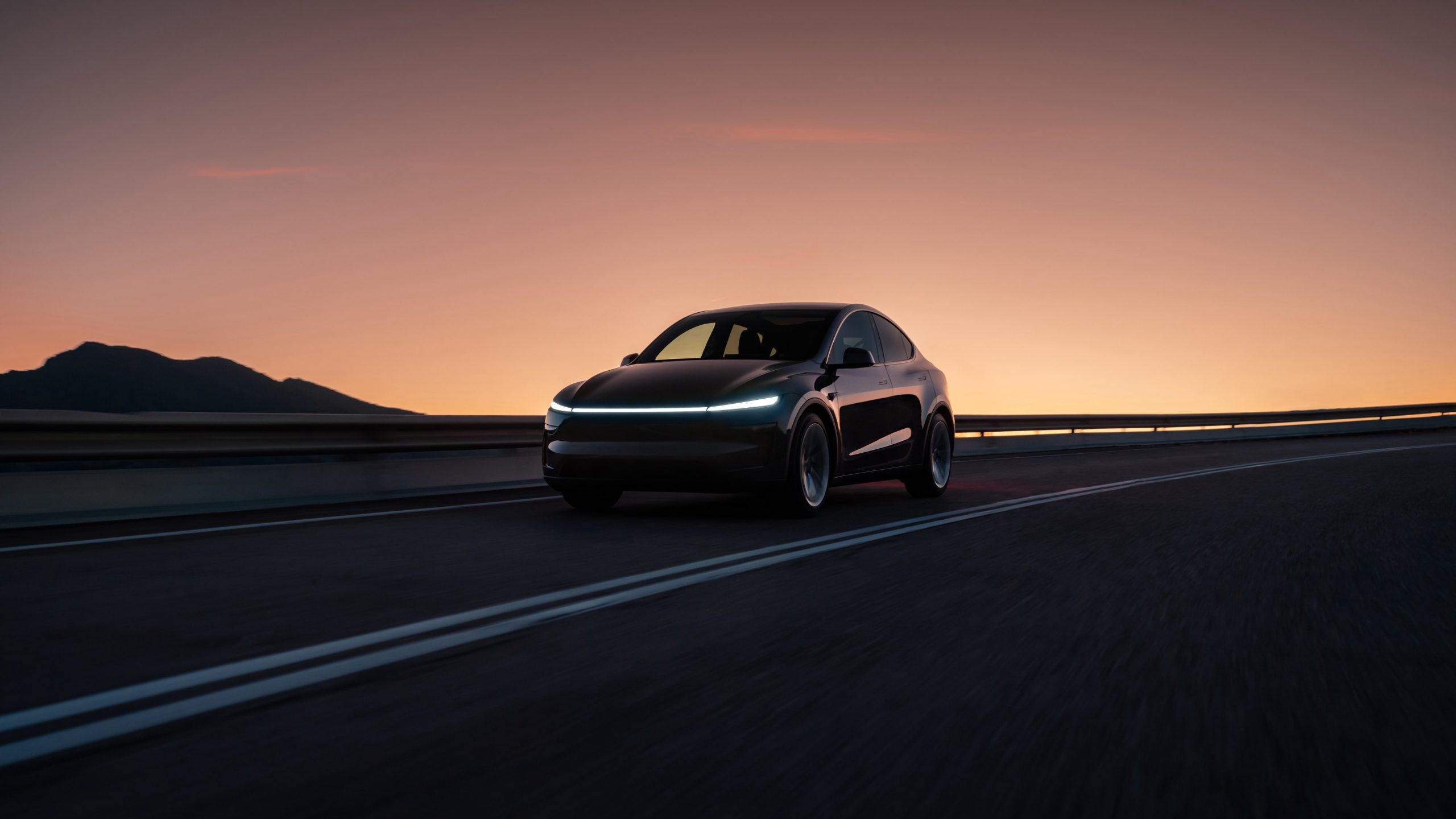
Tesla is adding an awesome new driving feature to Model Y vehicles, effective on Juniper-updated models considered model year 2026 or newer.
Tesla is rolling out a new “Comfort Braking” feature with Software Update 2026.8. The feature is exclusive to the new Model Y, and is currently unavailable for any other vehicle in the Tesla lineup.
Tesla writes in the release notes for the feature:
“Your Tesla now provides a smoother feel as you come to a complete stop during routine braking.”
🚨 Tesla has added a new “Comfort Braking” update with 2026.8
“Your Tesla provides a smoother feel as you come to a complete stop during routine braking.” https://t.co/afqCpBSVeA pic.twitter.com/C6MRmzfzls
— TESLARATI (@Teslarati) March 13, 2026
Interestingly, we’re not too sure what catalyzed Tesla to try to improve braking smoothness, because it hasn’t seemed overly abrupt or rough from my perspective. Although the brake pedal in my Model Y is rarely used due to Regenerative Braking, it seems Tesla wanted to try to make the ride comfort even smoother for owners.
There is always room for improvement, though, and it seems that there is a way to make braking smoother for passengers while the vehicle is coming to a stop.
This is far from the first time Tesla has attempted to improve its ride comfort through Over-the-Air updates, as it has rolled out updates to improve regenerative braking performance, handling while using Full Self-Driving, improvements to Steer-by-Wire to Cybertruck, and even recent releases that have combatted Active Road Noise.
Tesla holds a unique ability to change the functionality of its vehicles through software updates, which have come in handy for many things, including remedying certain recalls and shipping new features to the Full Self-Driving suite.
Tesla seems to have the most seamless OTA processes, as many automakers have the ability to ship improvements through a simple software update.
We’re really excited to test the update, so when we get an opportunity to try out Comfort Braking when it makes it to our Model Y.
News
Tesla finally brings a Robotaxi update that Android users will love
The breakdown of the software version shows that Tesla is actively developing an Android-compatible version of the Robotaxi app, and the company is developing Live Activities for Android.
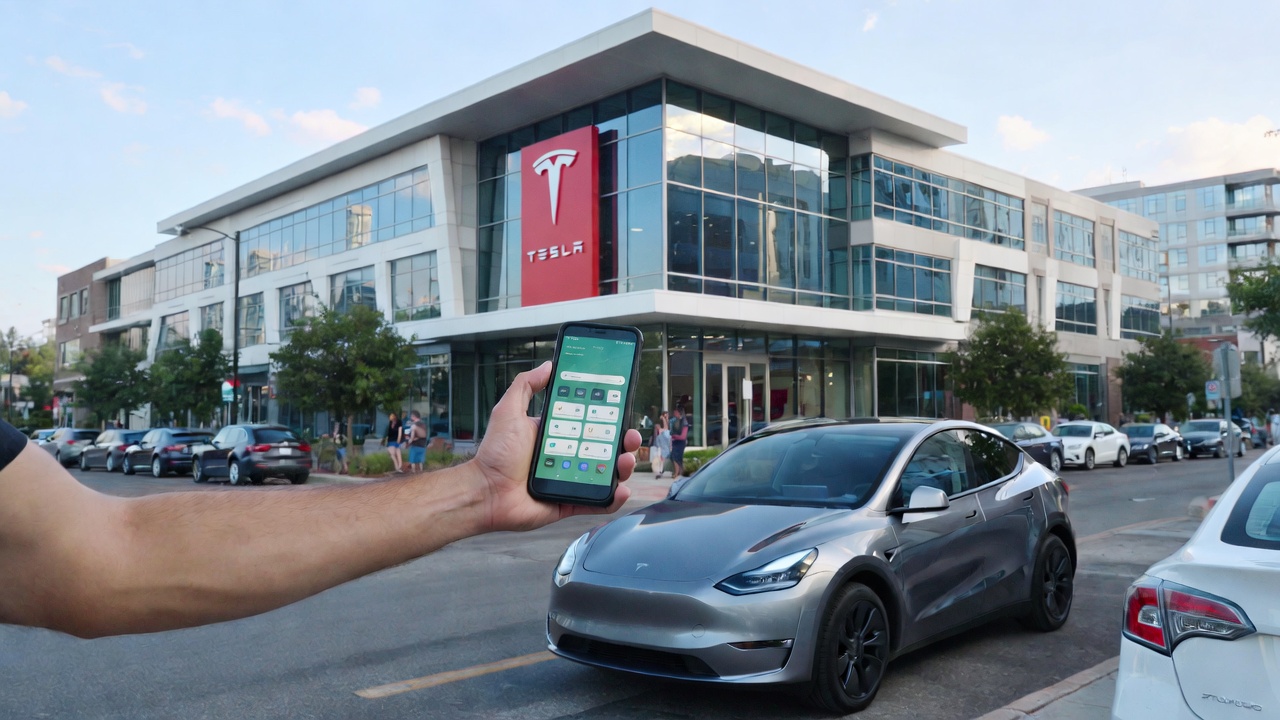
Tesla is finally bringing an update of its Robotaxi platform that Android users will love — mostly because it seems like they will finally be able to use the ride-hailing platform that the company has had active since last June.
Based on a decompile of software version 26.2.0 of the Robotaxi app, Tesla looks to be ready to roll out access to Android users.
According to the breakdown, performed by Tesla App Updates, the company is preparing to roll out an Android version of the app as it is developing several features for that operating system.
🚨 It looks like Tesla is preparing to launch the Robotaxi app for Android users at last!
A decompile of v26.2.0 of the Robotaxi app shows some progress on the Android side for Robotaxi 🤖 🚗 https://t.co/mThmoYuVLy
— TESLARATI (@Teslarati) March 13, 2026
The breakdown of the software version shows that Tesla is actively developing an Android-compatible version of the Robotaxi app, and the company is developing Live Activities for Android:
“Strings like notification_channel_robotaxid_trip_name and android_native_alicorn_eta_text show exactly how Tesla plans to replicate the iOS Live Activities experience. Instead of standard push alerts, Android users are getting a persistent, dynamically updating notification channel.”
This is a big step forward for several reasons. From a face-value perspective, Tesla is finally ready to offer Robotaxi to Android users.
The company has routinely prioritized Apple releases because there is a higher concentration of iPhone users in its ownership base. Additionally, the development process for Apple is simply less laborious.
Tesla is working to increase Android capabilities in its vehicles
Secondly, the Robotaxi rollout has been a typical example of “slowly then all at once.”
Tesla initially released Robotaxi access to a handful of media members and influencers. Eventually, it was expanded to more users, so that anyone using an iOS device could download the app and hail a semi-autonomous ride in Austin or the Bay Area.
Opening up the user base to Android users may show that Tesla is preparing to allow even more users to utilize its Robotaxi platform, and although it seems to be a few months away from only offering fully autonomous rides to anyone with app access, the expansion of the user base to an entirely different user base definitely seems like its a step in the right direction.
News
Lucid unveils Lunar Robotaxi in bid to challenge Tesla’s Cybercab in the autonomous ride hailing race
Lucid’s Lunar robotaxi is gunning for Tesla’s Cybercab in the autonomous ride hailing race

![Lucid Lunar robotaxi concept [Credit: Rendering by TESLARATI]](https://www.teslarati.com/wp-content/uploads/2026/03/lucid-lunar-robotaxi-concept-teslarati-rendering.jpg)
Lucid Group pulled back the curtain on its purpose-built autonomous robotaxi platform dubbed the Lunar Concept. Announced at its New York investor day event, Lunar is arguably the company’s most ambitious concept yet, and a direct line of sight toward the autonomous ride haling market that Tesla looks to control.
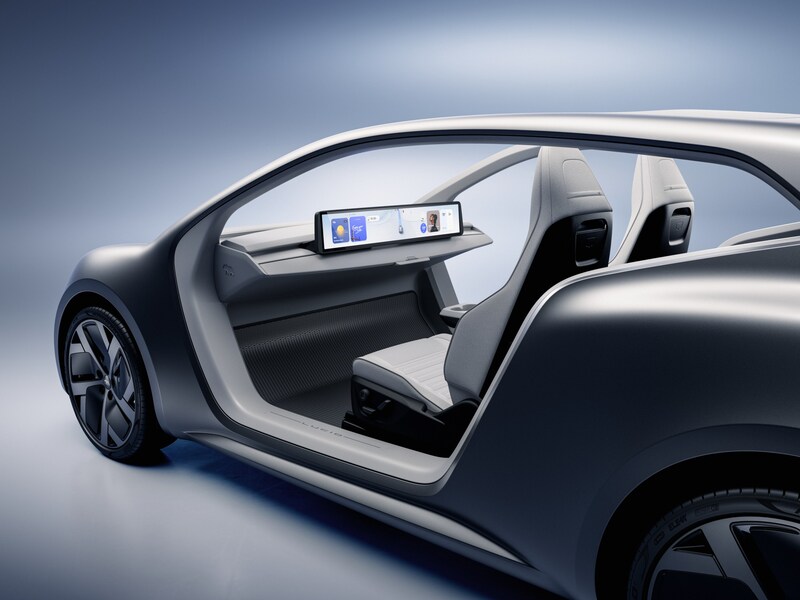
At Lucid Investor Day 2026, the company introduced Lunar, a purpose-built robotaxi concept based on the Midsize platform.
A comparison to Tesla’s Cybercab is unavoidable. The concept of a Tesla robotaxi was first introduced by Elon Musk back in April 2019 during an event dubbed “Autonomy Day,” where he envisioned a network of self-driving Tesla vehicles transporting passengers while not in use by their owners. That vision took another major step in October 2024 when, Musk unveiled the Cybercab at the Tesla “We, Robot” event held at Warner Bros. Studios in Burbank, California, where 20 concept Cybercabs autonomously drove around the studio lot giving rides to attendees.
Fast forward to today, and Tesla’s ambitions are finally materializing, but not without friction. As we recently reported, the Cybercab is being spotted with increasing frequency on public roads and across the grounds of Gigafactory Texas, suggesting that the company’s road testing and validation program is ramping meaningfully ahead of mass production. Tesla already operates a small scale robotaxi service in Austin using supervised Model Ys, but the Cybercab is designed from the ground up for high-volume, low-cost production, with Musk stating an eventual goal of producing one vehicle every 10 seconds.
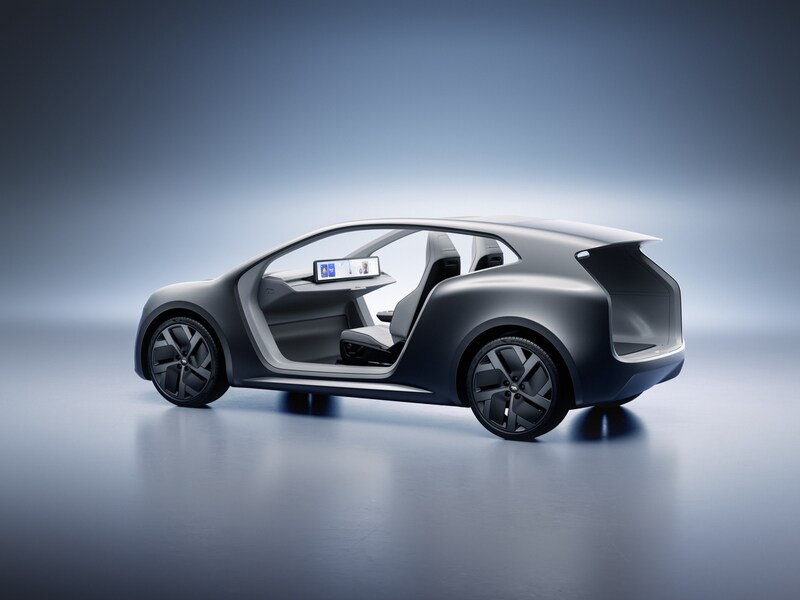
At Lucid Investor Day 2026, the company introduced Lunar, a purpose-built robotaxi concept based on the Midsize platform.
Into this landscape steps Lucid’s Lunar. Built on the company’s all-new Midsize EV platform, which will also underpin consumer SUVs starting below $50,000. The Lunar mirrors the Cybercab’s core philosophy of having two seats, no driver controls, and a focus on fleet economics. The platform introduces Lucid’s redesigned Atlas electric drive unit, engineered to be smaller, lighter, and cheaper to manufacture at scale.
Unlike Tesla’s strategy of building its own ride hailing network from scratch, Lucid is partnering with Uber. The companies are said to be in advanced discussions to deploy Midsize platform vehicles at large scale, with Uber CEO Dara Khosrowshahi publicly backing Lucid’s engineering credentials and autonomous-ready architecture.
In the investor day event, Lucid also outlined a recurring software revenue model, with an in-vehicle AI assistant and monthly autonomous driving subscriptions priced between $69 and $199. This can be seen as a nod to the software revenue stream that Tesla has long championed with its Full Self-Driving subscription.
Tesla’s Cybercab is targeting a price point below $30k and with operating costs as low as 20 cents per mile. But with regulatory hurdles still ahead, the window for competition is open. Lucid’s Lunar may not have a launch date yet, but it arrives at a pivotal moment, and when the robotaxi race is no longer viewed as hypothetical. Rather, every serious EV player needs to come to bat on the same plate that Tesla has had countless practice swings on over the last seven years.

Tesla adds awesome new driving feature to Model Y

Tesla finally brings a Robotaxi update that Android users will love
![Lucid Lunar robotaxi concept [Credit: Rendering by TESLARATI]](https://www.teslarati.com/wp-content/uploads/2026/03/lucid-lunar-robotaxi-concept-teslarati-rendering-80x80.jpg)


