
Tesla (NASDAQ: TSLA) has received a delivery estimate for the second quarter of 2020 from Credit Suisse’s Dan Levy. Levy indicated in a note to investors that the electric automaker could see a delivery number between 90,000 and 100,000 vehicles.
Levy believes reports of a strong June for Tesla will drive the company’s delivery figures into this range, which would be unprecedented considering the company’s main production facility in Fremont, California, was closed for a month and a half at the beginning of the quarter.
“Amid recent reports of a very robust June for Tesla sales, 2Q deliveries could be in the range of 90-100k, vs. sell-side consensus 70k and likely buyside consensus in the 80k range,” Levy wrote in a note to investors. “While expectations have clearly risen, to the extent Tesla posts 2Q deliveries in the 90-100k range, we believe it would be a positive for the stock.”
Levy also predicts Fremont just under 35,000 vehicles will be delivered from Fremont, 31,000 from Tesla’s Giga Shanghai plant in china, and 25,000 from the global inventory. The Credit Suisse analyst believes Tesla produced between 76,000 and 88,000 units during the quarter and believes profitability is “less of a radical idea than it was a few weeks ago,” SeekingAlpha reports.
Levy’s current position on TSLA stock is “Hold,” with a price target of $700.00.
Since Fremont has started operating normally again, Tesla has been driving a substantial push toward making the quarter as successful as possible despite the site’s extended closure due to the coronavirus. A recently leaked email from CEO Elon Musk indicated that the company’s employees should be going “all out” through the end of the month to ensure that the quarter ends with a good outcome.
In China, Tesla was seeking the help of current owners to volunteer at local showrooms. Those who helped would be given special edition souvenirs as payment and would help perform simple tasks like the reception of customers and explaining vehicle features to potential buyers.
Tesla has spent Q2 ramping up the production of its Model Y crossover, a project that was quickly halted after Fremont’s forced shutdown on March 23. The facility remained closed until May 10 when Elon Musk opened the Fremont plant back up without consent from Alameda County health officials. Musk was willing to take the risk and eventually, Tesla and the County’s officials came to an agreement for the electric vehicle production plant to remain open.
Tesla’s Q2 delivery numbers will likely be released within the next week, but curiosity on how the company rebounded after the COVID-19 pandemic remains.
At the time of writing, TSLA stock was up 1.44% at $973.57.
Disclosure: I have no ownership in shares of TSLA and have no plans to initiate any positions within 72 hours.


Investor's Corner
Tesla crushes Wall Street expectations, beats delivery estimates by over 15 percent
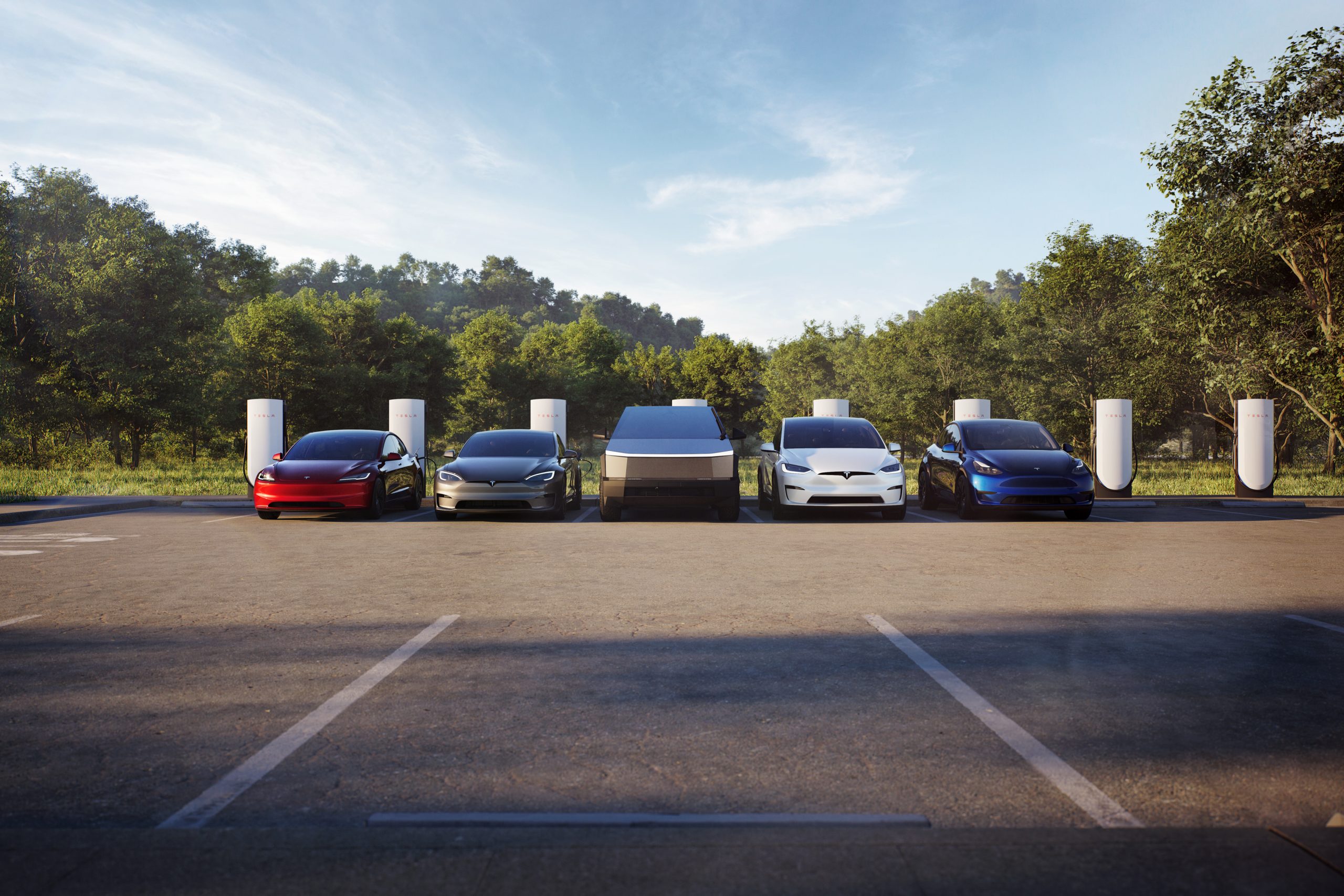
Tesla (NASDAQ: TSLA) beat Wall Street expectations of 406,000 vehicles delivered in Q2 by reporting 480,126 deliveries for the three months ending in June.
Tesla reported it delivered 467,762 Model 3 and Model Y units, while 12,364 Model S, Model X, and Cybertrucks switched hands during the quarter. The Model S and Model X were officially sunset this past quarter and will no longer be part of the company’s Production & Delivery reports moving forward.
🚨 BREAKING: Tesla delivered 480,126 vehicles in Q2, ANNIHILATING Wall Street expectations of 406,000. Production was reported at 451,758.
Deliveries:
Model 3/Y: 467,762
Other Models: 12,364Production:
Model 3/Y: 442,936
Other Models: 8,822 https://t.co/TTHwQAsKt8 pic.twitter.com/7qI4Zj6FE5— TESLARATI (@Teslarati) July 2, 2026
The quarter is a pleasant surprise and a good rebound from Q1, when Tesla slightly missed the Wall Street consensus of 365,645 cars by reporting 358,023 deliveries for the first three motnhs of the year.
Energy storage deployments also provided some strength in Tesla’s delivery report, hitting 13.5 GWh for Q2. This is a particular division of Tesla’s business that has been overwhelmingly robust over the past few years, truly being a strong point of the company’s overall model.
For the year, Tesla analysts still predict deliveries to trend in the 1.69 million unit region, a modest 3 to 5 percent increase from the 1.64 million cars the company delivered last year. Tesla will likely return to more sequential and noticeable year-over-year growth as the Cybercab project starts to ramp up considerably in the next few years.
Tesla has some other potential catalysts to spur vehicle deliveries, too. Not only is it expecting Cybercab to truly start making a change in the next few years, but other vehicles could be entering the company’s lineup.
Tesla sends production Cybercab with no steering wheel, pedals to on-road testing
The slightly longer Model Y L has been a highly speculated release candidate in the U.S. It has already done incredibly well in China, and U.S. buyers have been wanting slightly more interior space than the Model Y. Now that the Model X is gone, it is more needed than ever.
Q2 highlights a pretty stable automotive division within Tesla, and no true concerns arise from these figures, especially considering it managed to beat expectations convincingly.
Investor's Corner
Tesla gets its latest short from Michael Burry: ‘Happy it jumped back to this level’
Tesla short seller Michael Burry, the subject of the film “The Big Short,” where he was portrayed by Steve Carell, has revealed he has opened a new bet against the stock.
In a new update to his Substack newsletter in a post titled “Trading Post June 30, 2026,” Burry revealed a new set of bets against Tesla, Caterpillar, NVIDIA, Applied Materials Inc., and the iShares Semiconductor ETF.
In regard to Tesla, Burry wrote:
“And finally I shorted Tesla at 416.22. Happy it jumped back to this level.”
This means Burry likely opened his new short position after the company’s recent rally on Wall Street, which saw Tesla shares sink in mid-May, only to recover to well over the $400 mark. Currently, shares trade at around $427.
The company saw a big Tuesday as shares climbed considerably, over 10 percent. The size of the Tesla short was not provided, nor did Burry give any information on the position’s structure, the number of shares, dollar value, or whether options were used in the short.
The Tesla and SpaceX merger everyone is talking about is quietly building
Over the years, Burry has been one of the more vocal critics of Tesla, calling its share price “media inflated,” and saying it was “ridiculously overvalued” as recently as December.
The company has largely transitioned away from being known as an automotive company and instead is much more widely regarded as an AI play, mostly due to its Full Self-Driving efforts, Optimus robot development, and data collection related to both.
This has not pulled those skeptics away from being vocal about their distaste for how Tesla is valued, but there’s no denying that the company is a global force in many things, including sustainable energy, automotive, and AI.
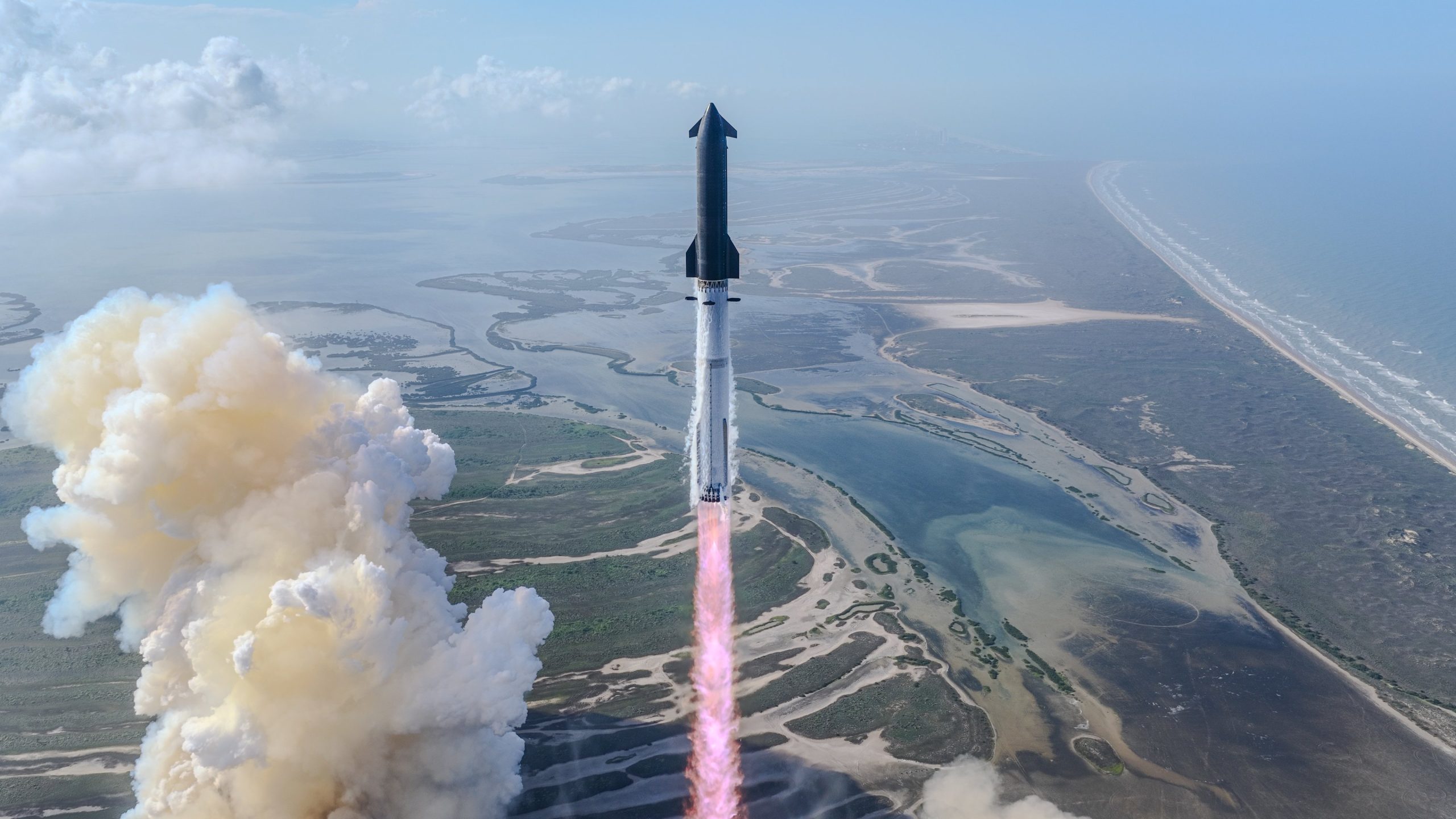
Wedbush Securities is initiating stock coverage on SpaceX (NASDAQ: SPCX), marking the first comments on the company since it went public several weeks ago. Wedbush and its analyst handling coverage, Dan Ives, are widely bullish on fellow Musk company Tesla (NASDAQ: TSLA).
Ives wrote his first note initiating coverage of SpaceX shares on Wednesday with a $190 price target and an ‘Outperform’ rating. The firm believes the company is well positioned off of its IPO because of its wide array of projects, including AI compute power and infrastructure, connectivity projects, and launches.
“We view SpaceX as one of the most differentiated assets within the tech market with a strong footprint across its three core markets, with Starlink driving success with connectivity,” Ives wrote, “Starship launches leading to a demand flywheel and increasing deal flow for its Colossus clusters.”
Elon Musk called it Epic: The full story of SpaceX’s Starship Flight 12
Wedbush leans heavily on Starlink, which they say is the “profitability driver given the strength of its recurring revenue base of ~12 million subscribers as of June 5th.” Ives believes Starlink is still in the “early innings” of penetrating the global telecommunications and broadband market, as it only holds less than a 1 percent share. However, this number is sure to increase over time.
It also highlights the importance of Starship, which it says is an “essential layer” of SpaceX’s overall success. SpaceX developing and displaying the ability to reuse rockets is a major cost and reliability advantage “as it reduces the necessary hardware launch costs while generating a feedback loop for future flights to improve their launch flight rate without accelerating capex spend.”
Finally, SpaceX’s recent AI/Compute projects are also very elementary, Ives writes. It is worth mentioning Wedbush said its $190 price target is derived from a valuation forecast that sees the company yielding roughly $2.48 trillion of implied enterprise value.
There are also some factors that Wedbush did not take into account with its initial coverage. The firm wrote in the note:
“We note that there is optional value coming from Starship’s accelerating scale towards sub-$200/kg unit economics, orbital data centers, and enterprise AI monetization as these factors could drive meaningful upside but these face major hurdles, so we do not take that into account with our valuation.”
SpaceX shares are down just over 2 percent today, trading at around $167 at the time of publication.

Elon Musk outlines Tesla Optimus production expectations
Tesla brings Model Y L ‘Launch Series’ to the U.S. at $61,990


