
Investor's Corner
Tesla (TSLA) Q3 2023 earnings results: $23.5B in revenue and 17.9% gross margin

Tesla (NASDAQ:TSLA) posted its Q3 2023 earnings report after markets closed today. The results, which were discussed in the Q3 2023 Update Letter, were released after the closing bell on Wednesday, October 18, 2023.
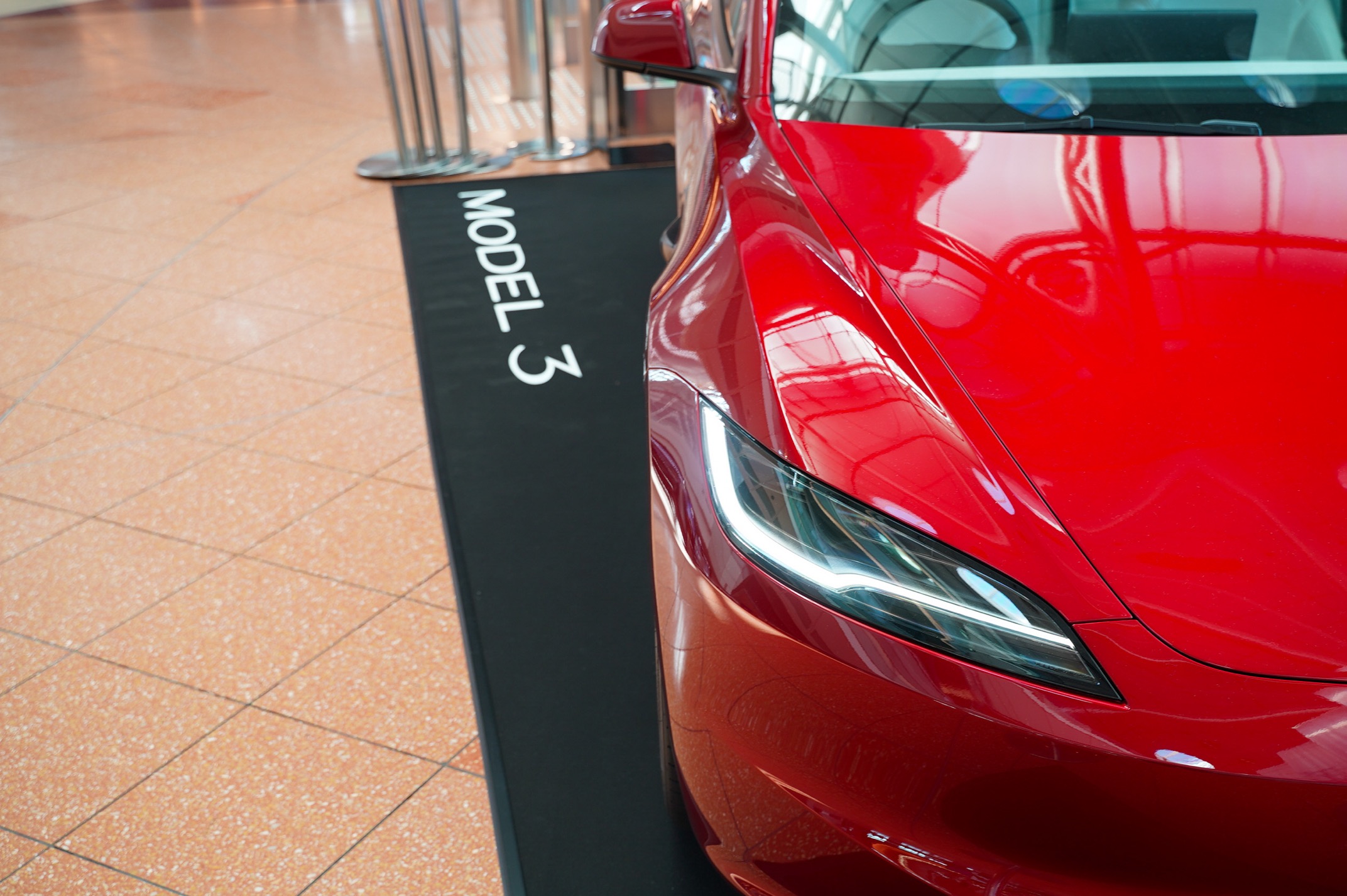
Tesla’s earnings come on the heels of a quarter that saw a decline in production and deliveries, thanks in part to the rollout of the upgraded Model 3 in Gigafactory Shanghai. In the third quarter, Tesla produced 430,488 vehicles and delivered 435,059. Tesla also maintained its target volume of 1.8 million vehicles this 2023.
The following is a quick overview of Tesla’s Q3 2023 earnings results.
REVENUE
In the third quarter, Tesla posted revenues of $23.35 billion. In comparison, analysts expect Tesla to report a revenue of $23.9 billion in Q3 2023. Total revenue grew 9% YoY in Q3 despite the challenging quarter. As per the Q3 2023 Update Letter, Tesla’s third quarter revenues were affected by the company’s growth and increase in vehicle deliveries, as well as the reduced average selling price of its vehicles year-over-year.
EARNINGS PER SHARE
Tesla’s non-GAAP earnings per share for the first quarter of 2023 was listed at $0.66. In comparison, analysts were expecting Tesla to post an earnings per share of $0.72. GAAP earnings per share was at $0.53, which is also below the expected $0.64 per share.
PROFITABILITY
Tesla posted a 7.6% operating margin in Q3. The company also posted a $1.8 billion GAAP operating income, $1.9 billion GAAP net income, and $2.3 billion non-GAAP net income in Q3 in the third quarter. The fact that Tesla remained profitable this Q3 seems to be a testament to the strength of the company’s business.
Overall, operating income decreased year-over-year to $1.8 billion in the third quarter, resulting in a 7.6% operating margin.
CASH
Tesla’s quarter-end cash, cash equivalents, and investments increased sequentially by $3.0 billion to $26.1 billion in the third quarter. This was due to financing activities of $2.3 billion and free cash flow of $0.8 billion.
OTHER KEY UPDATES
- Tesla has more than doubled the size of its AI training compute to accommodate the company’s growing dataset and its Optimus humanoid robot program.
- First Tesla Cybertruck delivery event is set for November 30, 2023
- Gigafactory Texas’ Cybertruck capacity is at 125,000 units per year
- Gigafactory Shanghai’s annual output has been adjusted to over 950,000 vehicles
- FSD Beta’s cumulative miles has reached 525 million
- Tesla Energy deployments hit a record high of 4.0 GWh in Q3 2023
Below is Tesla’s Q3 2023 Update Letter.
Don’t hesitate to contact us with news tips. Just send a message to simon@teslarati.com to give us a heads up.






A Tesla analyst today said that investors should not lose sight of what is truly important in the grand scheme of being a shareholder, and that any near-term drama between CEO Elon Musk and U.S. President Donald Trump should not outshine the progress made by the company.
Gene Munster of Deepwater Management said that Tesla’s progress in autonomy is a much larger influence and a significantly bigger part of the company’s story than any disagreement between political policies.
Munster appeared on CNBC‘s “Closing Bell” yesterday to reiterate this point:
“One thing that is critical for Tesla investors to remember is that what’s going on with the business, with autonomy, the progress that they’re making, albeit early, is much bigger than any feud that is going to happen week-to-week between the President and Elon. So, I understand the reaction, but ultimately, I think that cooler heads will prevail. If they don’t, autonomy is still coming, one way or the other.”
BREAKING: GENE MUNSTER SAYS — $TSLA AUTONOMY IS “MUCH BIGGER” THAN ANY FEUD 👀
He says robotaxis are coming regardless ! pic.twitter.com/ytpPcwUTFy
— TheSonOfWalkley (@TheSonOfWalkley) July 2, 2025
This is a point that other analysts like Dan Ives of Wedbush and Cathie Wood of ARK Invest also made yesterday.
On two occasions over the past month, Musk and President Trump have gotten involved in a very public disagreement over the “Big Beautiful Bill,” which officially passed through the Senate yesterday and is making its way to the House of Representatives.
Musk is upset with the spending in the bill, while President Trump continues to reiterate that the Tesla CEO is only frustrated with the removal of an “EV mandate,” which does not exist federally, nor is it something Musk has expressed any frustration with.
In fact, Musk has pushed back against keeping federal subsidies for EVs, as long as gas and oil subsidies are also removed.
Nevertheless, Ives and Wood both said yesterday that they believe the political hardship between Musk and President Trump will pass because both realize the world is a better place with them on the same team.
Munster’s perspective is that, even though Musk’s feud with President Trump could apply near-term pressure to the stock, the company’s progress in autonomy is an indication that, in the long term, Tesla is set up to succeed.
Tesla launched its Robotaxi platform in Austin on June 22 and is expanding access to more members of the public. Austin residents are now reporting that they have been invited to join the program.
Elon Musk
Tesla surges following better-than-expected delivery report
Tesla saw some positive momentum during trading hours as it reported its deliveries for Q2.

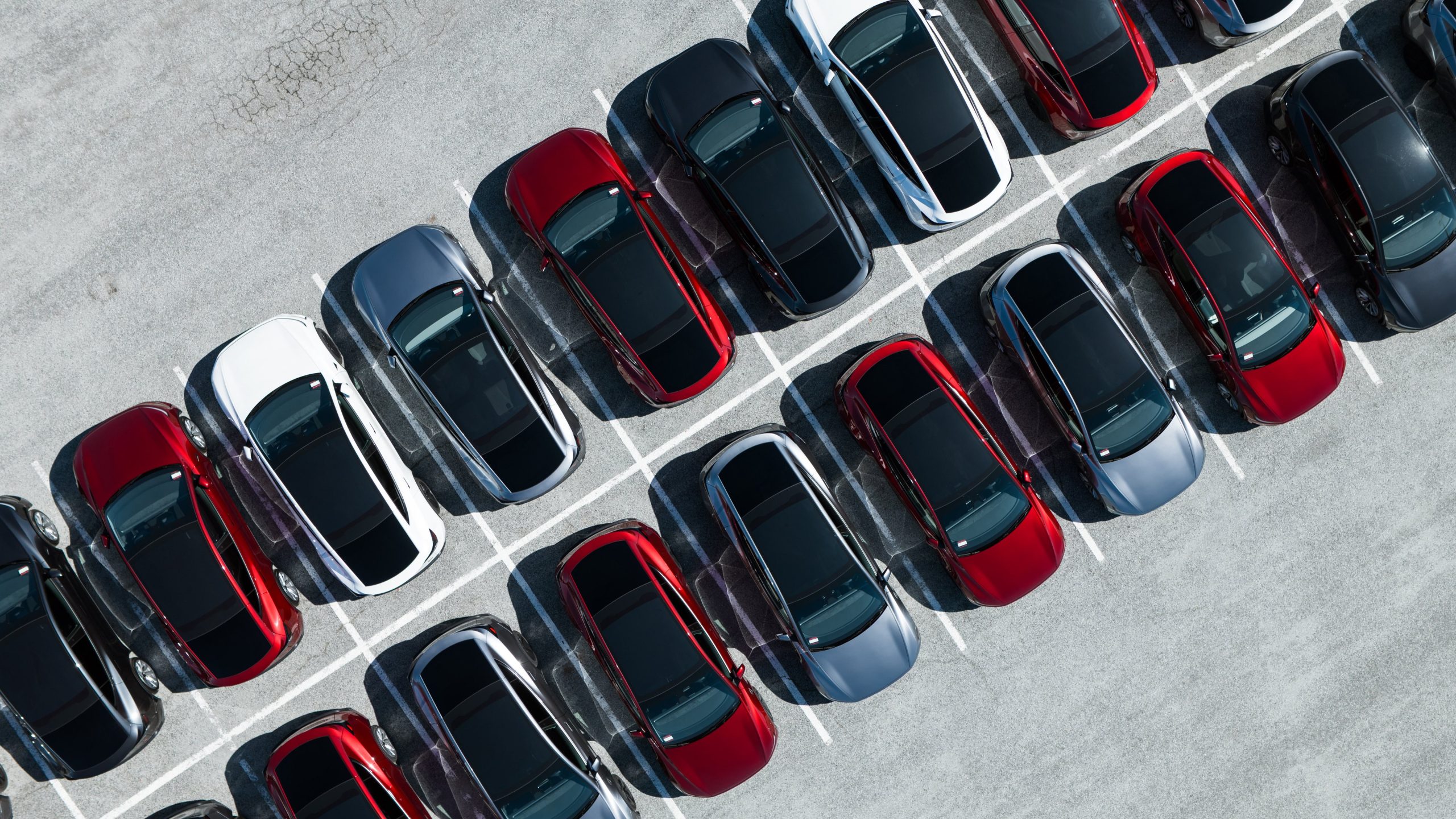
Tesla (NASDAQ: TSLA) surged over four percent on Wednesday morning after the company reported better-than-expected deliveries. It was nearly right on consensus estimations, as Wall Street predicted the company would deliver 385,000 cars in Q2.
Tesla reported that it delivered 384,122 vehicles in Q2. Many, including those inside the Tesla community, were anticipating deliveries in the 340,000 to 360,000 range, while Wall Street seemed to get it just right.
Tesla delivers 384,000 vehicles in Q2 2025, deploys 9.6 GWh in energy storage
Despite Tesla meeting consensus estimations, there were real concerns about what the company would report for Q2.
There were reportedly brief pauses in production at Gigafactory Texas during the quarter and the ramp of the new Model Y configuration across the globe were expected to provide headwinds for the EV maker during the quarter.
At noon on the East Coast, Tesla shares were up about 4.5 percent.
It is expected that Tesla will likely equal the number of deliveries it completed in both of the past two years.
It has hovered at the 1.8 million mark since 2023, and it seems it is right on pace to match that once again. Early last year, Tesla said that annual growth would be “notably lower” than expected due to its development of a new vehicle platform, which will enable more affordable models to be offered to the public.
These cars are expected to be unveiled at some point this year, as Tesla said they were “on track” to be produced in the first half of the year. Tesla has yet to unveil these vehicle designs to the public.
Dan Ives of Wedbush said in a note to investors this morning that the company’s rebound in China in June reflects good things to come, especially given the Model Y and its ramp across the world.
He also said that Musk’s commitment to the company and return from politics played a major role in the company’s performance in Q2:
“If Musk continues to lead and remain in the driver’s seat, we believe Tesla is on a path to an accelerated growth path over the coming years with deliveries expected to ramp in the back-half of 2025 following the Model Y refresh cycle.”
Ives maintained his $500 price target and the ‘Outperform’ rating he held on the stock:
“Tesla’s future is in many ways the brightest it’s ever been in our view given autonomous, FSD, robotics, and many other technology innovations now on the horizon with 90% of the valuation being driven by autonomous and robotics over the coming years but Musk needs to focus on driving Tesla and not putting his political views first. We maintain our OUTPERFORM and $500 PT.”
Moving forward, investors will look to see some gradual growth over the next few quarters. At worst, Tesla should look to match 2023 and 2024 full-year delivery figures, which could be beaten if the automaker can offer those affordable models by the end of the year.
Investor's Corner
Tesla delivers 384,000 vehicles in Q2 2025, deploys 9.6 GWh in energy storage
The quarter’s 9.6 GWh energy storage deployment marks one of Tesla’s highest to date.
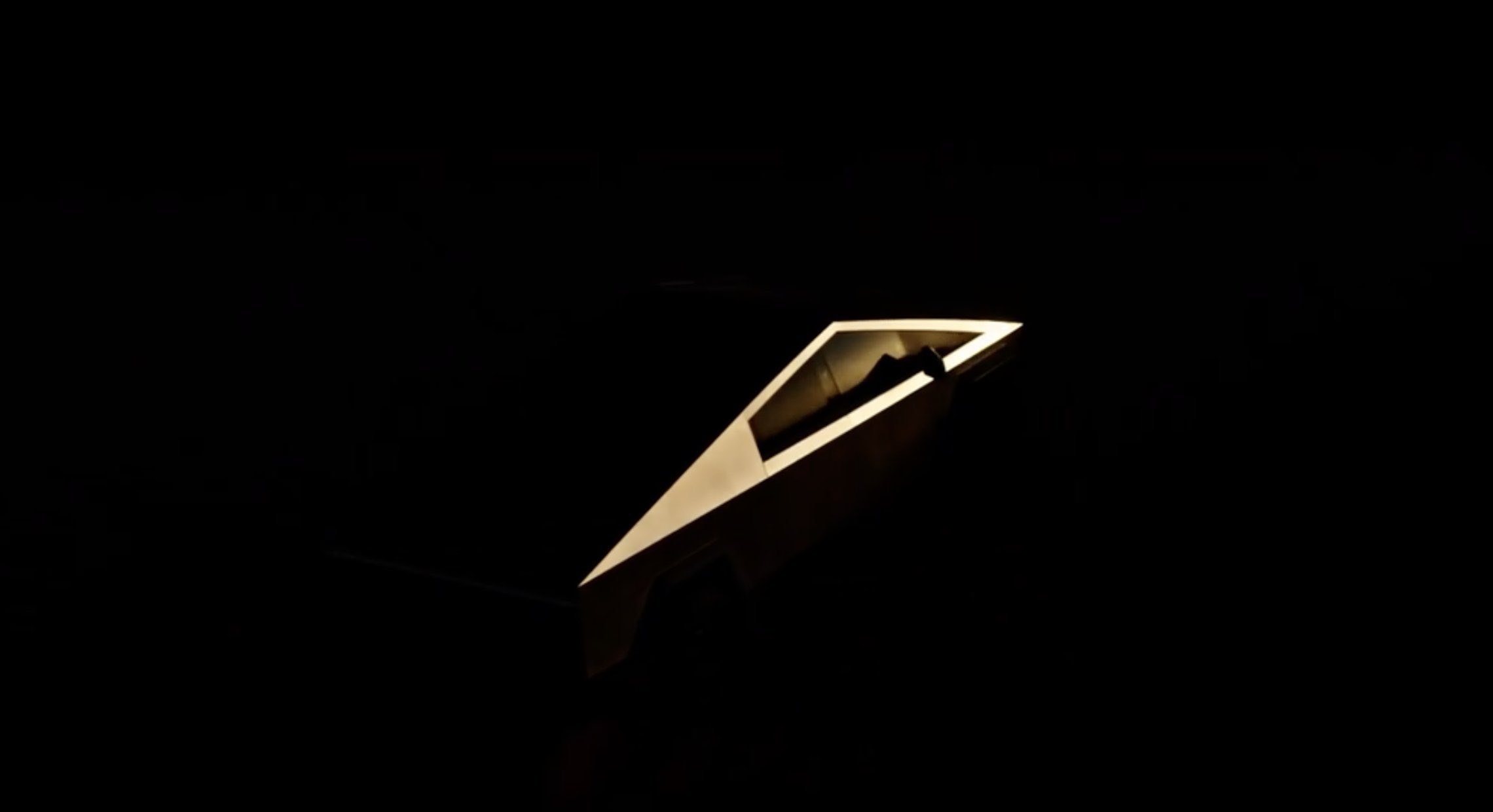
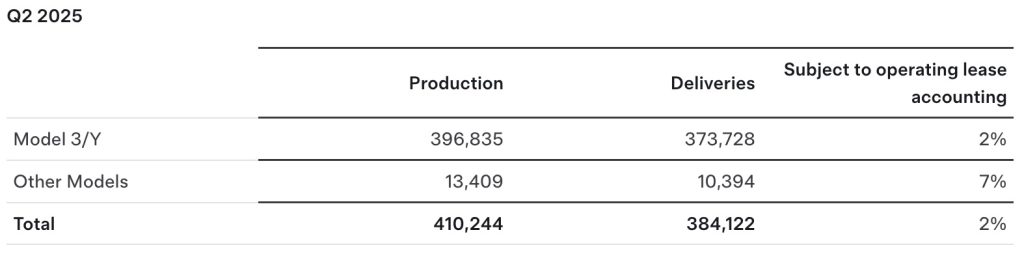
Tesla (NASDAQ: TSLA) has released its Q2 2025 vehicle delivery and production report. As per the report, the company delivered over 384,000 vehicles in the second quarter of 2025, while deploying 9.6 GWh in energy storage. Vehicle production also reached 410,244 units for the quarter.
Model 3/Y dominates output, ahead of earnings call
Of the 410,244 vehicles produced during the quarter, 396,835 were Model 3 and Model Y units, while 13,409 were attributed to Tesla’s other models, which includes the Cybertruck and Model S/X variants. Deliveries followed a similar pattern, with 373,728 Model 3/Ys delivered and 10,394 from other models, totaling 384,122.
The quarter’s 9.6 GWh energy storage deployment marks one of Tesla’s highest to date, signaling continued strength in the Megapack and Powerwall segments.
Year-on-year deliveries edge down, but energy shows resilience
Tesla will share its full Q2 2025 earnings results after the market closes on Wednesday, July 23, 2025, with a live earnings call scheduled for 4:30 p.m. CT / 5:30 p.m. ET. The company will publish its quarterly update at ir.tesla.com, followed by a Q&A webcast featuring company leadership. Executives such as CEO Elon Musk are expected to be in attendance.
Tesla investors are expected to inquire about several of the company’s ongoing projects in the upcoming Q2 2025 earnings call. Expected topics include the new Model Y ramp across the United States, China, and Germany, as well as the ramp of FSD in territories outside the US and China. Questions about the company’s Robotaxi business, as well as the long-referenced but yet to be announced affordable models are also expected.

Tesla begins expanding Robotaxi access: here’s how you can ride

Tesla analyst issues stern warning to investors: forget Trump-Musk feud

Tesla surges following better-than-expected delivery report


-
 Elon Musk2 days ago
Tesla investors will be shocked by Jim Cramer’s latest assessment
-
 News1 week ago
Tesla Robotaxi’s biggest challenge seems to be this one thing
-
 Elon Musk2 weeks ago
Elon Musk slams Bloomberg’s shocking xAI cash burn claims
-
 News2 weeks ago
Texas lawmakers urge Tesla to delay Austin robotaxi launch to September
-
 Elon Musk1 week ago
First Look at Tesla’s Robotaxi App: features, design, and more
-
 Elon Musk2 weeks ago
Tesla Robotaxis are becoming a common sight on Austin’s public roads
-

 Elon Musk2 weeks ago
xAI’s Grok 3 partners with Oracle Cloud for corporate AI innovation
-

 Elon Musk2 weeks ago
SpaceX President meets India Minister after Starlink approval