News
Three things Tesla needs to improve with Full Self-Driving v14 release
These are the three things I’d like to see Tesla Full Self-Driving v14 improve.

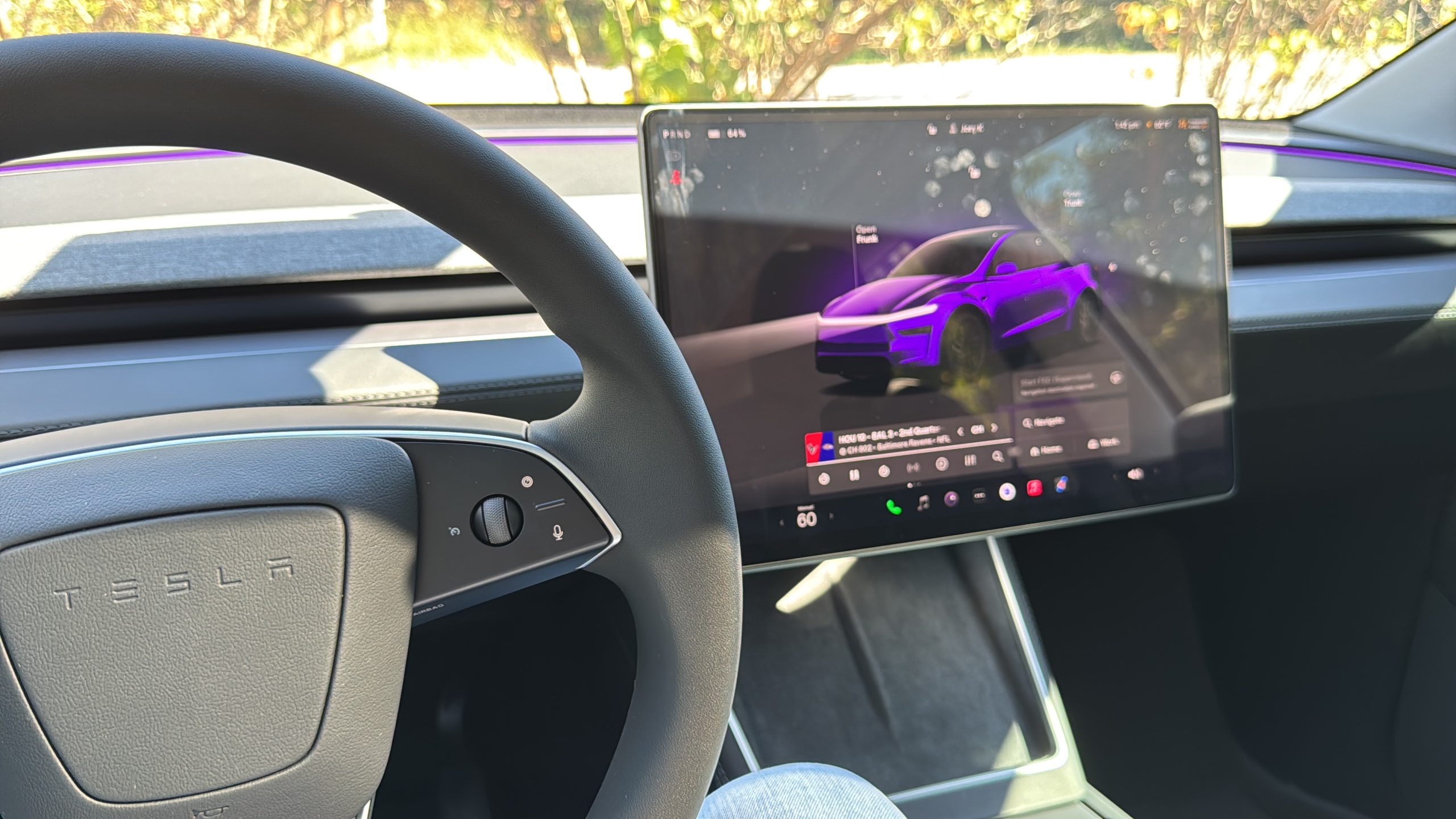
As Tesla plans to release Full Self-Driving version 14 this week after CEO Elon Musk detailed a short delay in its rollout, there are several things that continue to plague what are extremely well-done drives by the suite.
Tesla Full Self-Driving has truly revolutionized the way I travel, and I use it for the majority of my driving. However, it does a few things really poorly, and these issues are consistent across many drives, not just one.
Tesla Full Self-Driving impressions after three weeks of ownership
Musk has called FSD v14 “sentient” and hinted that it would demonstrate drastic improvements from v13. The current version is very good, and it commonly performs some of the more difficult driving tasks well. I have found that it does simple, yet crucial things, somewhat poorly.
These are the three things I’d like to see Tesla Full Self-Driving v14 improve.
Navigation, Routing, and Logical Departure
My biggest complaint is how poorly the navigation system chooses its route of departure. I’ve noticed this specifically from where I Supercharge. The car routinely takes the most illogical route to leave the Supercharger, a path that would require an illegal U-turn to get on the correct route.
I managed to capture this yesterday when leaving the Supercharger to go on a lengthy ride using Full Self-Driving:
You’ll see I overrode the attempt to turn right out of the lot by pushing the turn signal to turn left instead. If you go right, you’ll go around the entire convenience store and end up approaching a traffic light with a “No U-Turn” sign. The car has tried to initiate a U-turn at this light before.
If you’re attempting to get on the highway, you simply have to leave the convenience store on a different route (the one I made the vehicle go in).
It then attempted to enter the right lane when the car needed to remain in the left lane to turn left and access the highway. I manually took over and then reactivated Full Self-Driving when it was in the correct lane.
To achieve Unsupervised Full Self-Driving, such as navigating out of a parking lot and taking the logical route, while also avoiding illegal maneuvers, is incredibly crucial.
Too Much Time in the Left Lane on the Highway
It is illegal to cruise in the left lane on highways in all 50 U.S. states, although certain states enforce it more than others. Colorado, for example, has a law that makes it illegal to drive in the left lane on highways with a speed limit of 65 MPH or greater unless you are passing.
In Florida, it is generally prohibited to use the left lane unless you are passing a slower vehicle.
In Pennsylvania, where I live, cruising in the left lane is illegal on limited-access highways with two or more lanes. Left lanes are designed for passing, while right lanes are intended for cruising.
Full Self-Driving, especially on the “Hurry” drive mode, which drives most realistically, cruises in the left lane, making it in violation of these cruising laws. There are many instances when it has a drastic amount of space between cars in the right lane, and it simply chooses to stay in the left lane:
The clip above is nearly 12 minutes in length without being sped up. In real-time, it had plenty of opportunities to get over and cruise in the left lane. It did not do this until the end of the video.
Tesla should implement a “Preferred Highway Cruising Lane” option for two and three-lane highways, allowing drivers to choose the lane that FSD cruises in.
It also tends to pass vehicles in the slow lane at a speed that is only a mile an hour or two higher than that other car.
This holds up traffic in the left lane; if it is going to overtake a vehicle in the right lane, it needs to do it faster and with more assertiveness. It should not take more than 5-10 seconds to pass a car. Anything longer is disrupting the flow of highway traffic.
Parking
Full Self-Driving does a great job of getting you to your destination, but parking automatically once you’re there has been a pain point.
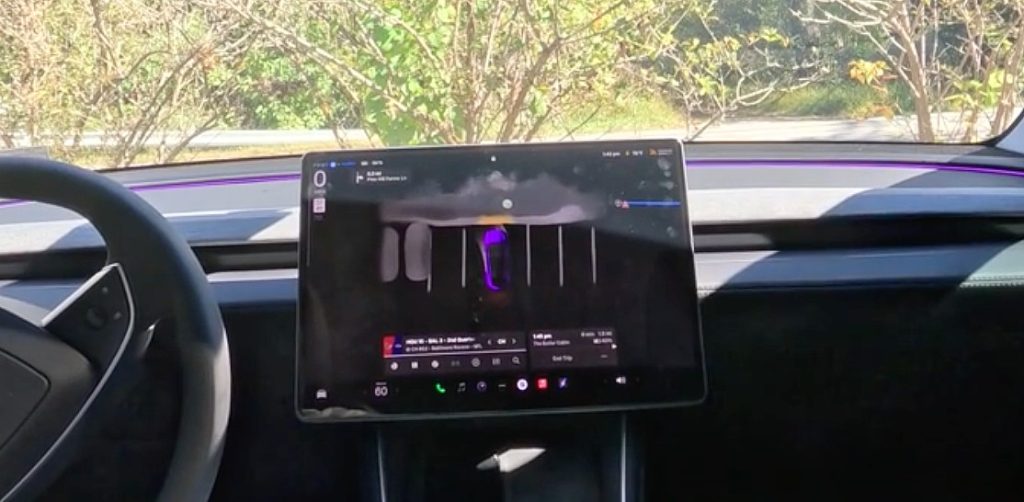
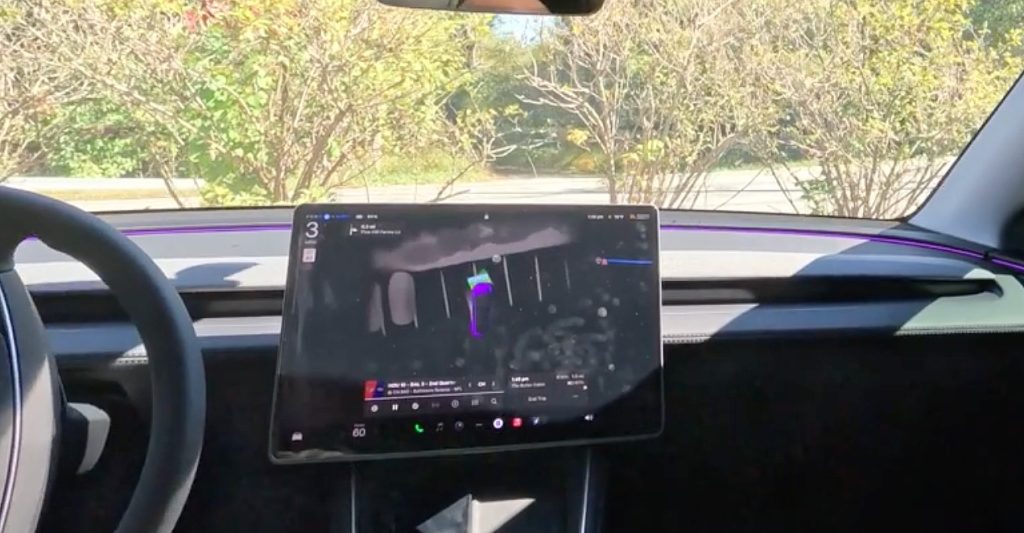
As I was arriving at my destination, it pulled in directly on top of the line separating two parking spots. It does this frequently when I arrive at my house as well.
Here’s what it looked like yesterday:
Parking is one of the easier tasks Full Self-Driving performs, and Autopark does extremely well when the driver manually chooses the spot. I use Autopark on an almost daily basis.
However, if I do not assist the vehicle in choosing a spot, its performance pulling into spaces is pretty lackluster.
With a lot of hype surrounding v14, Tesla has built up considerable anticipation among owners who want to see FSD perform the easy tasks well. As of now, I believe it does the harder things better than the easy things.


News
Tesla’s Cybercab fleet jumped 8x in a month, with Dallas up next
Tesla confirms its first official Cybercab fleet number as Austin scales fast and Dallas looms.

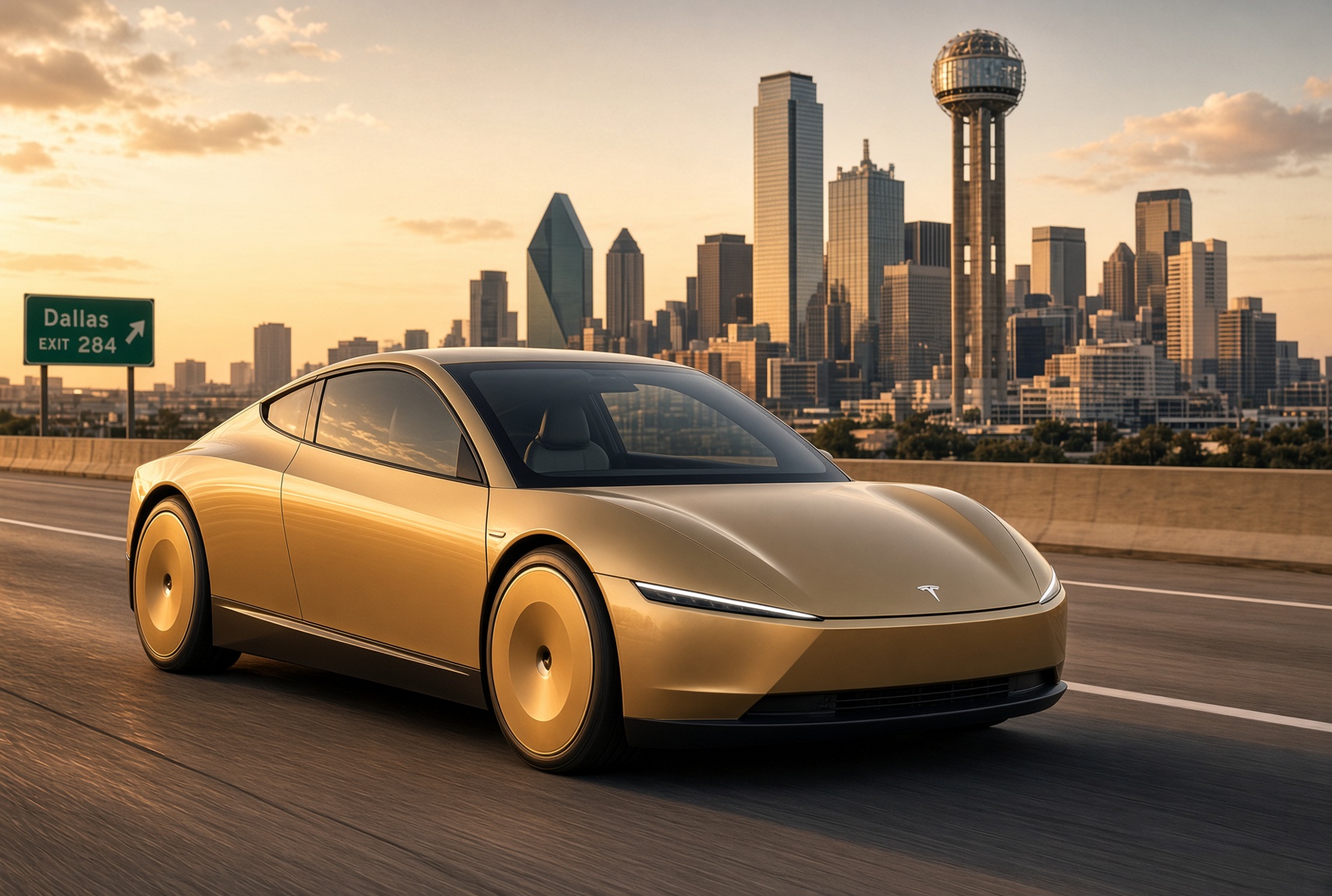
Tesla says more than 300 Cybercabs are now serving Austin, the first time the company has put an official number on its active Cybercab fleet. The figure came from the Robotaxi account on X on Saturday, which wrote that one month after launch the service had “scaled to 300+ Cybercabs serving Austin – an 8x increase in 30 days.”
Ashok Elluswamy, Tesla’s head of AI software, quoted the post with a line that carried the bigger news. “Two years since the 10/10 Cybercab WeRobot event, the cabs are everywhere in Austin now. Dallas soon,” he wrote. It is the first time Tesla has named the next city for public Cybercab rides.
One month after launch, we’ve scaled to 300+ Cybercabs serving Austin – an 8x increase in 30 days https://t.co/EagJy2JAsm
— Robotaxi (@robotaxi) October 10, 2026
Tesla opened Cybercab rides to the public in Austin on September 4, as Teslarati reported, a day after an invite only launch event. The ramp since then has been steep. Our September 28 report had the fleet at well over 100 units after availability jumped from 58 to 125 in a single week. On Thursday, Tesla added 150 Cybercabs to the Texas automated vehicle registry, lifting its registered count to 319 from 169. The first seven appeared on the registry on August 31.
RobotaxiTracker, a community site that counts vehicles from sightings and state records, listed 275 vehicles in unsupervised service in Austin on Saturday, 105 of them Cybercabs, which is well below Tesla’s figure. Tracker counts can lag official numbers, though Sawyer Merritt noted that Cybercab wait times in Austin stayed short on Saturday evening even with more than 2,000 fans in town for X Takeover.
Regulators are watching the rollout. NHTSA opened an audit query into Tesla’s certification that the Cybercab meets federal safety standards, and sworn answers are due October 30. Tesla reports third quarter earnings on October 21, which gives the company a natural venue to define its fleet numbers and put a date on Dallas.
Elon Musk
Elon Musk roasts India’s billionaire Mukesh Ambani as Starlink fight heats up
Elon Musk sarcastically calls Mukesh Ambani ‘Prime Minister’ as the Starlink India standoff escalates again.
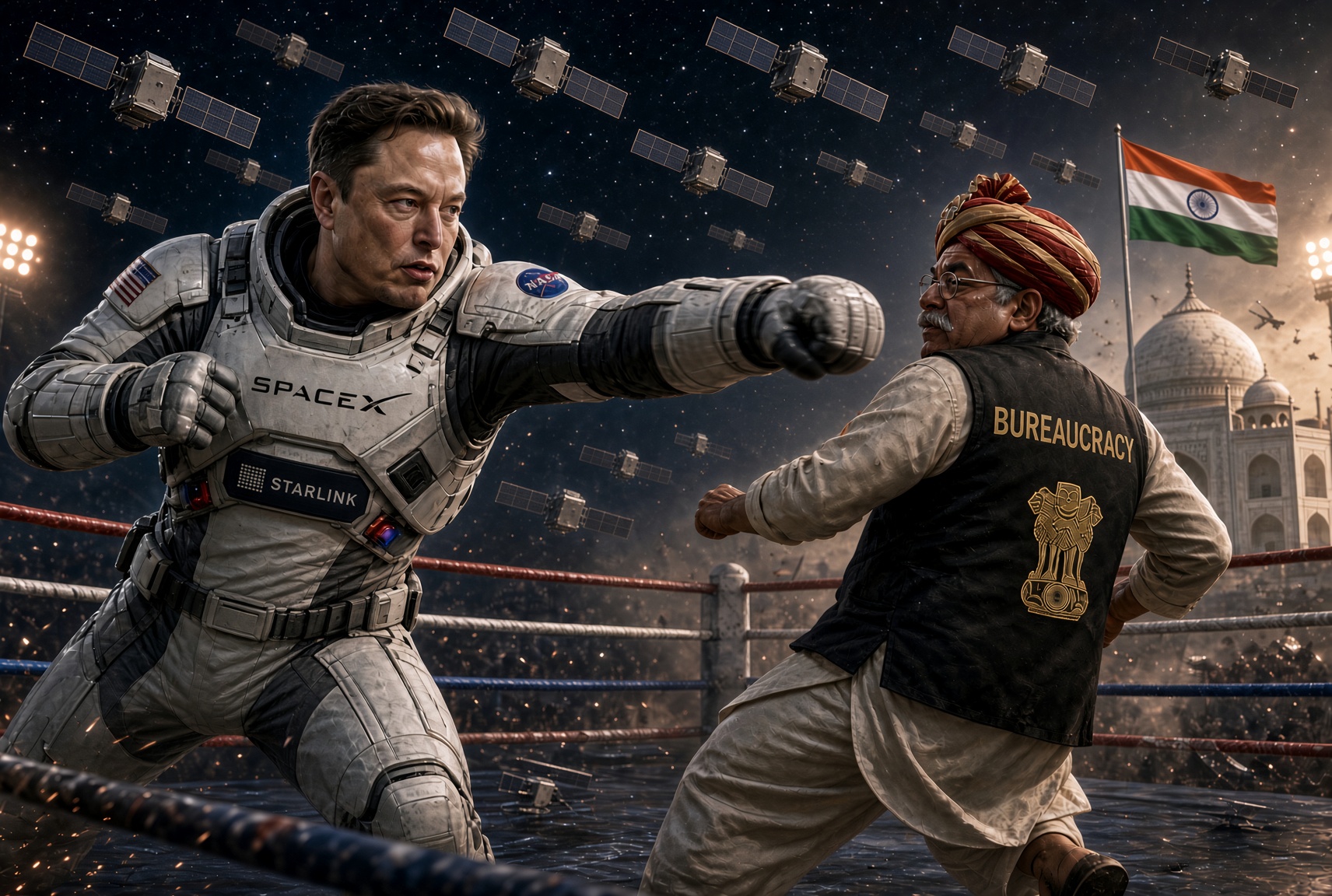
Elon Musk escalated his public fight over Starlink’s launch in India on Friday, addressing Reliance chairman Mukesh Ambani as “Prime Minister Ambani” in a sarcastic post on X. “Please accept my humble apologies for not realizing that you are the real boss of India,” Musk wrote, before accusing Ambani of “monopolistic exploitation” and asking whether he would “consider allowing Starlink to compete.” In follow up posts, he said Starlink has proven essential during natural disasters and would help parts of India with no internet access.
The post came two days into a fight that Musk sparked up on Wednesday, when he said Starlink was “being blocked by certain oligarchs in order to maintain their monopolistic chokehold on the Indian people.” He called it “a crime against the people of India” and left the names out, adding only, “You can guess who they are.” Jio and Airtel together hold more than 80% of India’s telecom market. On Thursday, Musk asked whether Ambani is “the real boss of India” and said Starlink has spent five years complying with “every single law and requirement” of the Indian government.
Dear Prime Minister Ambani,
Please accept my humble apologies for not realizing that you are the real boss of India.
Naturally, you would prefer to maintain your monopolistic exploitation of the great people of India, but would you nonetheless consider allowing Starlink to compete?
There are many areas of India, as there are in all countries, with no Internet access, which denies children the opportunity for education and for small businesses the opportunity to sell their goods to a global market. Starlink would change their lives for the better.
Thank you 🙏
— Elon Musk (@elonmusk) October 9, 2026
India’s government has pushed back each time. The Ministry of Communications called the suggestion that its framework is unfair or discriminatory “baseless and misconceived.” Communications Minister Jyotiraditya Scindia said Friday that three companies hold satcom licenses: Starlink, Jio Satellite Communications, and Bharti backed Eutelsat OneWeb. Amazon’s Kuiper, now Amazon Leo, is still going through the process. None can launch until regulators finalize satellite spectrum pricing and the Home Ministry signs off on each company’s security compliance. Scindia said the telecom regulator and the Department of Telecommunications are close to a decision on pricing, The Hindu reported. Bharti chairman Sunil Mittal also said OneWeb is still waiting on approvals.
Starlink received its operator license in 2025 after a three year wait, and the space regulator IN-SPACe granted what industry executives called the last approval needed in July. The holdup since then centers on security, particularly concern that foreign operators could bypass Indian gateways.
Musk and Ambani have been on opposite sides of this before. In late 2024, Ambani argued for auctioning satellite spectrum, which Musk criticized as out of step with the rest of the world, and India chose administrative allocation instead. By March 2025, the two sides had signed a deal to sell Starlink devices in Reliance stores, and Starlink secured its telecom license that June. That partner is now also a competitor. Jio is reportedly weighing a constellation of 1,600 to 1,650 satellites costing an estimated $10 billion to $15 billion, while Akash Ambani has told shareholders Jio plans to lease capacity from global providers to move quickly.
Elon Musk
Elon Musk’s surprise addition to the X Takeover lineup has fans talking
Elon Musk will join Saturday’s X Takeover at Giga Texas for a live virtual interview.
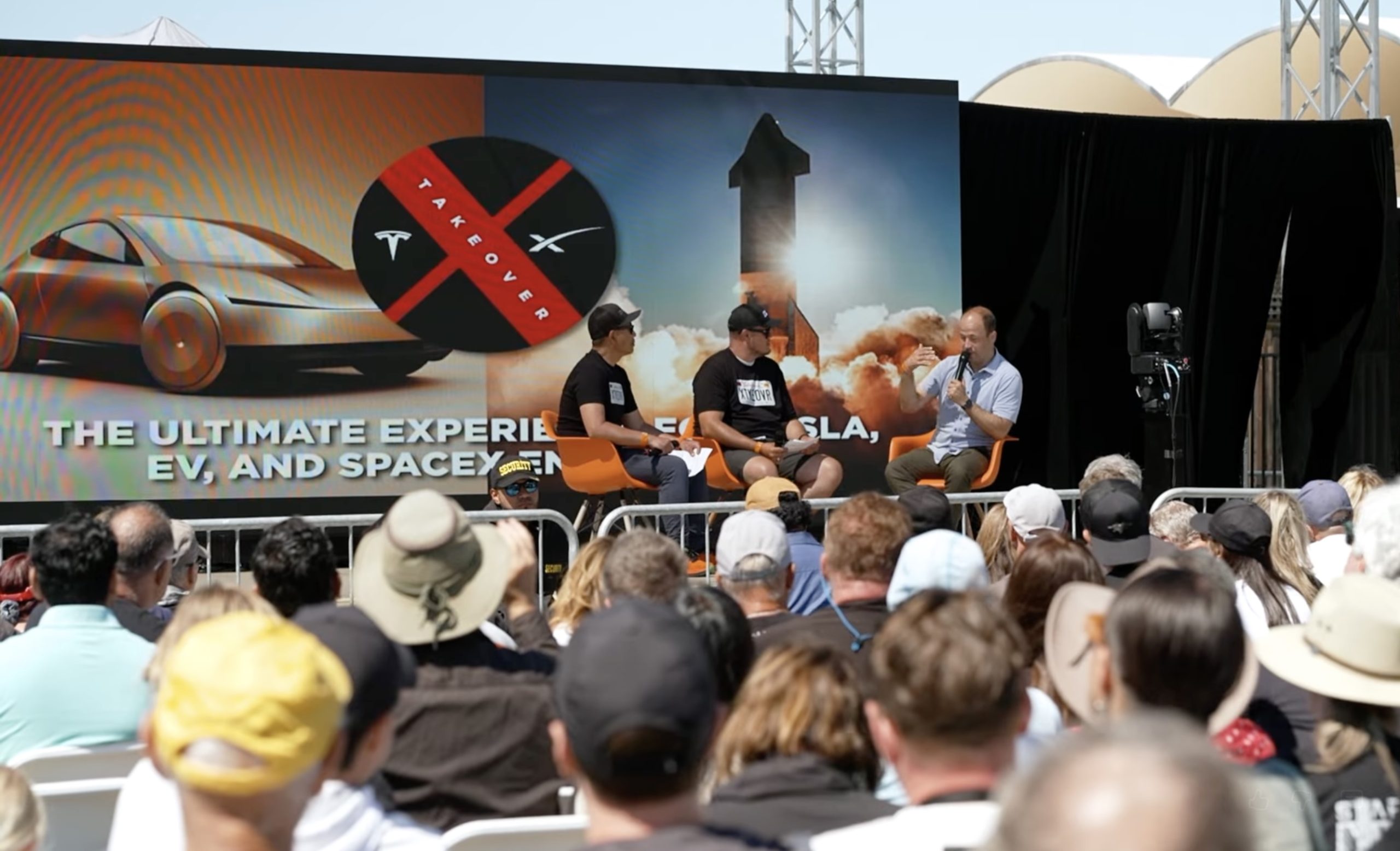
Elon Musk will join X Takeover at Giga Texas on Saturday for a live virtual interview, according to Sawyer Merritt, who shared the news late Thursday. Musk will not be on stage in Austin. The conversation is set to stream for free on the @teslaownersSV account on X.
Organizers had kept expectations in check. In a September update, Tesla Owners Silicon Valley said Musk had appeared at the event twice before but was not promising a third appearance, even as fans hoped he would walk the Giga Texas grounds in person. A virtual spot matches 2024, when Musk gave a surprise interview of about an hour to the crowd in San Luis Obispo, as Teslarati reported at the time.
Wasn’t expecting this 🫡
— Tesla Owners Silicon Valley (@teslaownersSV) October 9, 2026
This year’s edition is a first in several ways. It is the first X Takeover held outside California and the first at a Tesla facility, with tickets selling out in eight days. Tesla provides the venue, but the event is produced independently by Tesla Owners Silicon Valley. The main event runs from 10 a.m. to 6 p.m. CT, followed by a drone and light show at 9 p.m. Maye Musk is the keynote speaker, Franz von Holzhausen is set for a virtual keynote, and Nicki Minaj is the special guest. Joe Tegtmeyer, whose drone footage Teslarati used to track the Optimus factory steel frame at Giga Texas, is also on the speaker list.
Musk’s interview topics have not been revealed, but the backdrop is busy. Tesla doubled its Cybercab fleet in Austin in late September, and last week Musk explained why Robotaxi hours only moved from 10 p.m. to 11 p.m.. Merritt also reported Thursday that Texas DMV records now show 319 registered Cybercabs, up from 169. NHTSA’s deadline for Tesla’s sworn answers on Cybercab certification is October 30, and Tesla reports third quarter earnings on October 21.
Fans who cannot make it to Austin can watch the livestream on X. Musk tends to say more in unscripted settings than he does in prepared remarks, which is the reason this one is worth having open on Saturday.

Tesla’s Cybercab fleet jumped 8x in a month, with Dallas up next

Elon Musk roasts India’s billionaire Mukesh Ambani as Starlink fight heats up

Elon Musk’s surprise addition to the X Takeover lineup has fans talking

The Pentagon taps Elon Musk to design the battlefield of the future

Tesla Roadster’s new patent preps white-knuckle speeds, keeping it grounded


