News
SpaceX, NASA set to launch humanity’s first ‘dinosaur avenger’ spacecraft [webcast]

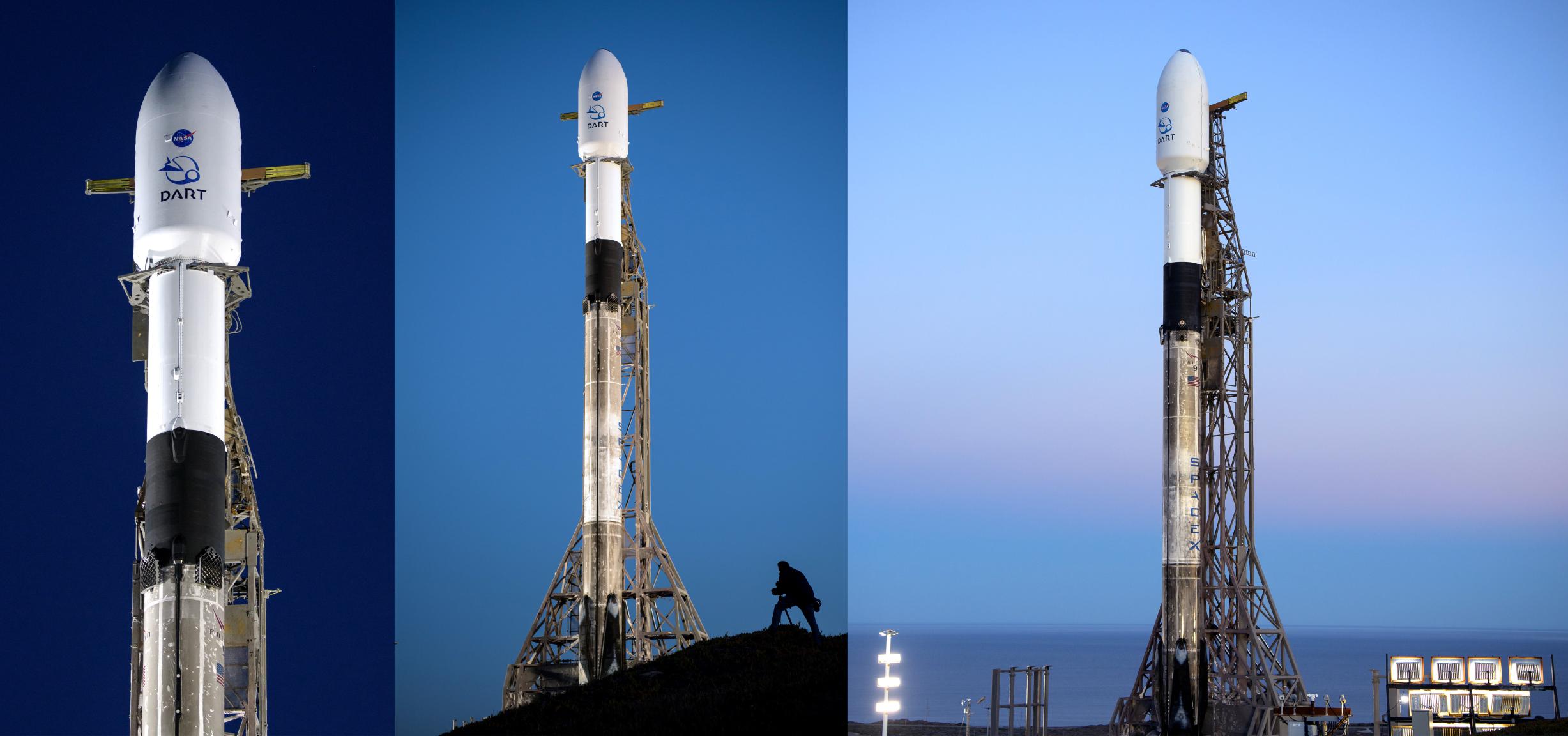
SpaceX is firmly on track to launch NASA’s Double Asteroid Redirection Test (DART) mission – sometimes half-seriously referred to as the first spacecraft designed to avenge the dinosaurs – at 10:21 pm PST, Tuesday, November 23rd (06:21 UTC 24 Nov).
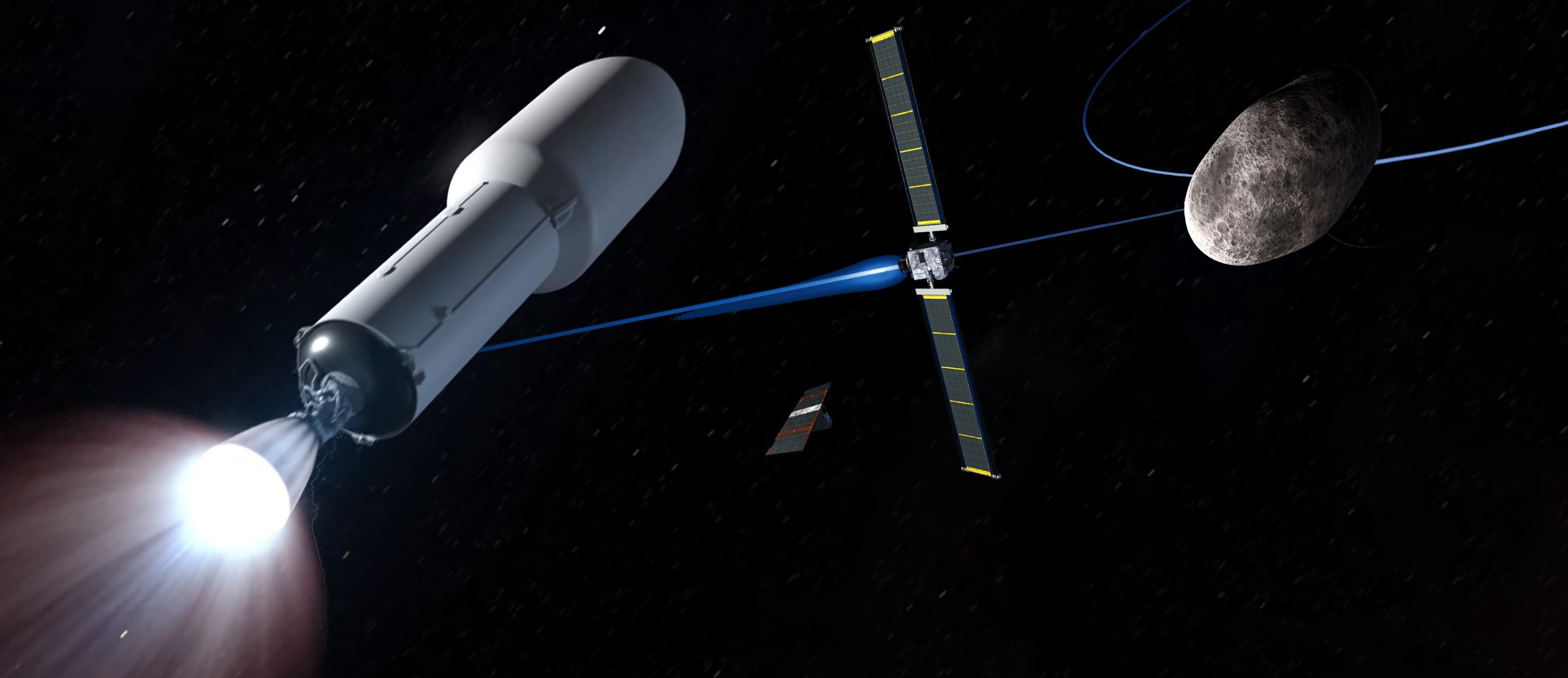
Weighing about 622 kilograms (1370 lb) at liftoff, the Johns Hopkins-built spacecraft will be sent directly towards the binary Didymos asteroid system by a SpaceX Falcon 9 rocket, marking the company’s first interplanetary launch for a paying customer – the first of many more to come. Though DART carries a first-of-its-kind electric thruster and plenty of xenon fuel, Falcon 9 is expected to do almost all of the work, leaving the spacecraft to perform a few small trajectory correction burns with simple chemical thrusters as it homes in on Didymos’ moon Dimorphos.
After liftoff, Falcon 9 will send DART on a trajectory that will take around ten months to reach Dimorphos. About 10 days before that ‘arrival,’ Italian-built cubesat LICIACube will separate from DART and back a few kilometers away. As a result, LICIACube will intentionally miss both asteroids but will be as close as possible to ensure that the two cameras it carries have a front-row seat when DART slams into Dimorphos at 6.6 km/s (4.1 mi/s). Interestingly, while the goal is obviously to not miss, a DART project manager indicated that the spacecraft would probably have plenty of longevity – and 90% of its electric thruster propellant – to retarget a different asteroid system in the event it somehow misses.
If it succeeds, though, NASA anticipates that it’ll be able to observe a slight 1.5% change in Dimorphos’ orbital period (how long it takes to orbit Didymos) with Earth-based telescopes. The most important part of the mission will be confirming whether those theoretical estimates are accurate and, if they aren’t, which assumptions were wrong. Planetary defense is a brand new science and DART will be its first truly verifiable test, so it’s more likely than not that most prelaunch predictions will be somewhat wrong and that determining why they were wrong will help scientists learn about the behavior of asteroids.
Perhaps one day – building upon DART, follow-up reconnaissance mission HERA, and other asteroid missions like Hayabusa2 and OSIRIS-REx – NASA and other space agencies will team up to develop a fleet of planetary defense spacecraft that can intentionally redirect asteroids that threaten Earth, preventing catastrophic impacts like the one that likely wiped out 75% of species and virtually all nonavian dinosaurs around 66 million years ago.
Watch SpaceX’s first interplanetary Falcon 9 launch live at the webcast below, likely beginning around 9:50 pm PST (05:50 UTC).



Tesla’s early strategy for charging units operating within its Robotaxi fleet reveals that the company surely has not lost any of that scrappy DNA that took it from an unlikely success story to the most valuable carmaker in the world.
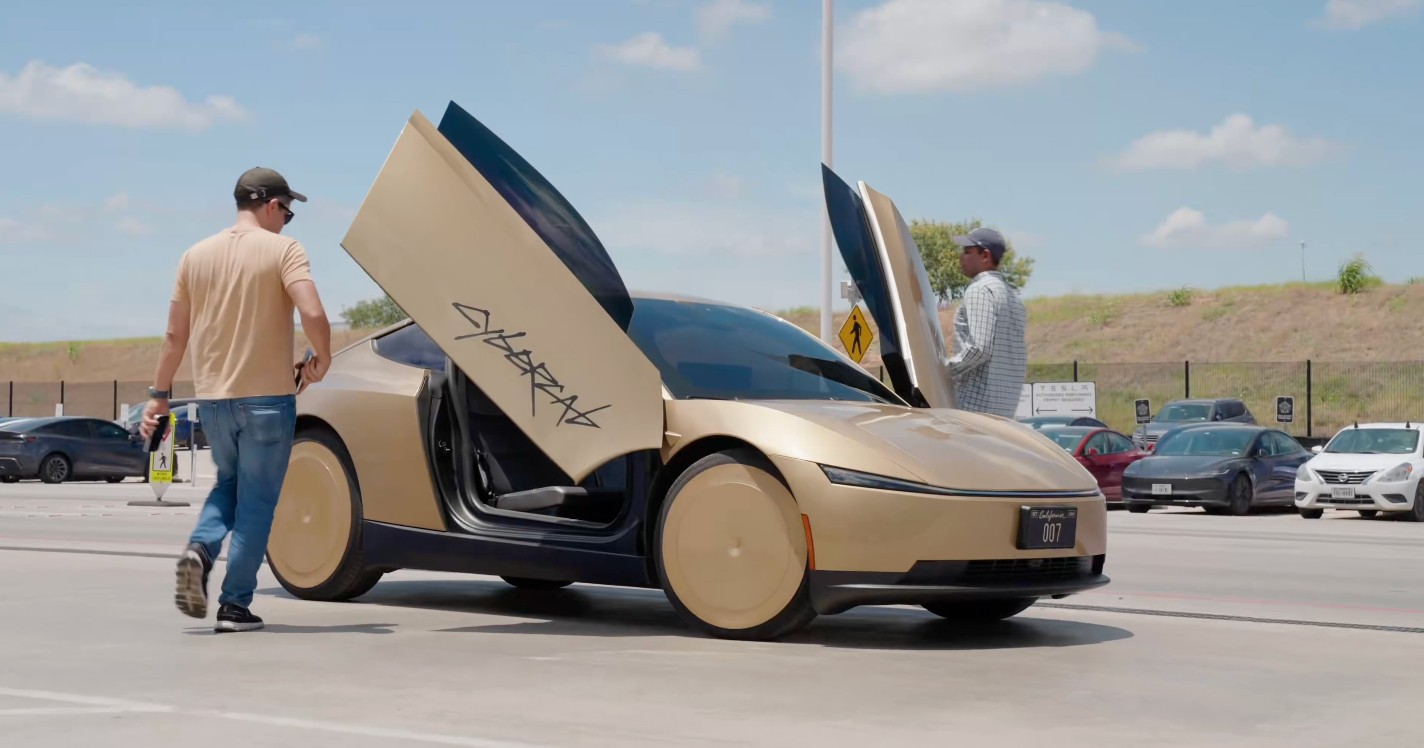
An observer at a Tesla Supercharger in Austin spotted ten total Robotaxi vehicles arrive: one Cybercab and nine Model Y units. A Tesla employee was waiting at the lot and allowed each unit to park itself; every car that arrived had nobody in it.
Tesla wins FCC approval for wireless Cybercab charging system
The Tesla employee would walk around and plug each car in, adjusting the parking if needed:
So look at what I found. This is how Tesla charges unsupervised robotaxis at a public supercharger. Here is a driverless Cybercab showing up with no one in it. There are 9 other Model Ys that showed up too. A Tesla employee is walking around and plugging each of them in. She also moves the cars if they are not positioned well enough to charge. I love this process. One person charges multiple robotaxis at once
— Abhimanyu Yadav (@WorldlyReviewer) October 3, 2026
It’s a very interesting strategy, but extremely understandable at this early point in the Robotaxi program. It’s only been out for about 15 months, and Cybercab just entered the fleet in early September.
On top of that, Tesla is still working tirelessly on its wireless charging apparatus, and a new patent was just published regarding that product last week.
However, this is just another example of how Tesla still has plenty of that scrappy DNA leftover from the “production hell” days, when CEO Elon Musk slept on the floor of the factory, employees were working crazy hours, Tesla was building Sprung Structures to build cars in, and the company was tiptoeing on the brink of bankruptcy.
@Teslarati Sheer magnitude of the entire production system is hard to appreciate. Almost every element of production is >75% automated. Only wire harnesses & general assembly, which are <10% of production costs, are primarily manual.
— Elon Musk (@elonmusk) October 12, 2020
For now, Tesla is utilizing a simple system for recharging its ride-hailing vehicles, and that is a Tesla employee doing it manually until another solution presents itself. Sure, it’s not the most high-tech thing, and it certainly is not what people might have expected at this point in time, but it works, and it’s keeping the entire suite running.
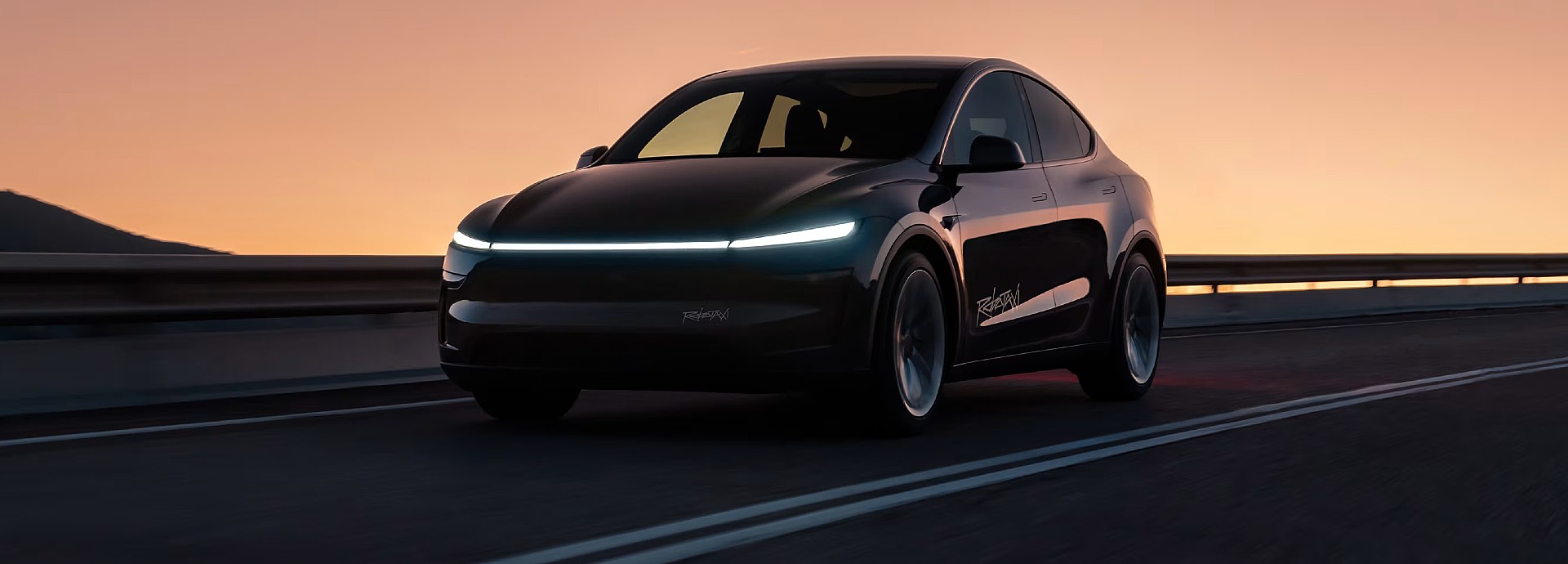
Tesla is expanding its Robotaxi service hours by pushing the time back by one hour, keeping the ride-hailing service operational until 11 p.m., one hour later than previously.
CEO Elon Musk confirmed the change and offered a specific reason the expansion has been gradual: the system still needs to reliably avoid small pets that are difficult to see after dark, as they commonly blend into the color of the road, especially when they’re grey.
The latest adjustment restores only a fraction of the operating window the service once held. When paid Robotaxi rides began in Austin on June 22, 2025, vehicles ran from 6 a.m. to midnight.
In September 2025, Tesla lengthened the day to a 2 a.m. close, producing a 20-hour window that stayed in place for most of the following year. By early August of this year, the cutoff had already been pulled back; an August 26 update formalized hours of 6 a.m. to 10 p.m. across Austin and several other markets.
The October move to 11 p.m. therefore leaves the Austin day one hour shorter than the original launch schedule and three hours shorter than the 2025 peak.
Musk addressed the constraint directly after the announcement. “The main thing we’re trying to solve is making sure that we don’t run over pets when they’re hard to see at night,” he wrote. “Literally trying to avoid grey kittens on grey tarmac in the dark.”
Robotaxi operating hours moved from 10pm to 11pm.
The main thing we’re trying to solve is making sure that we don’t run over pets when they’re hard to see at night. Literally trying to avoid grey kittens on grey tarmac in the dark.
— Elon Musk (@elonmusk) October 3, 2026
The example points to a low-contrast perception problem in which a small animal can blend into the road surface under limited lighting.
Tesla’s vehicles rely on cameras and neural-network processing rather than lidar; Musk has previously argued that advanced vision software can extract useful information even in low light by analyzing photon counts, but the pet-detection case remains the stated limiter in later hours.
The modest schedule change arrives alongside faster growth in the purpose-built Cybercab fleet. Texas registration data tracked by observers showed the Austin Cybercab count rising sharply in recent weeks, reaching 169 vehicles after more than 100 were added in a short span.
Tesla has indicated that a broader shift toward 24-hour operation is tied to the upcoming FSD v15 software release expected this month on Robotaxi vehicles. Until that capability is validated for the edge cases Musk described, the company continues to add service time incrementally rather than jumping straight to overnight coverage.
The one-hour extension gives Austin riders a later option for evening trips while the underlying detection work continues.
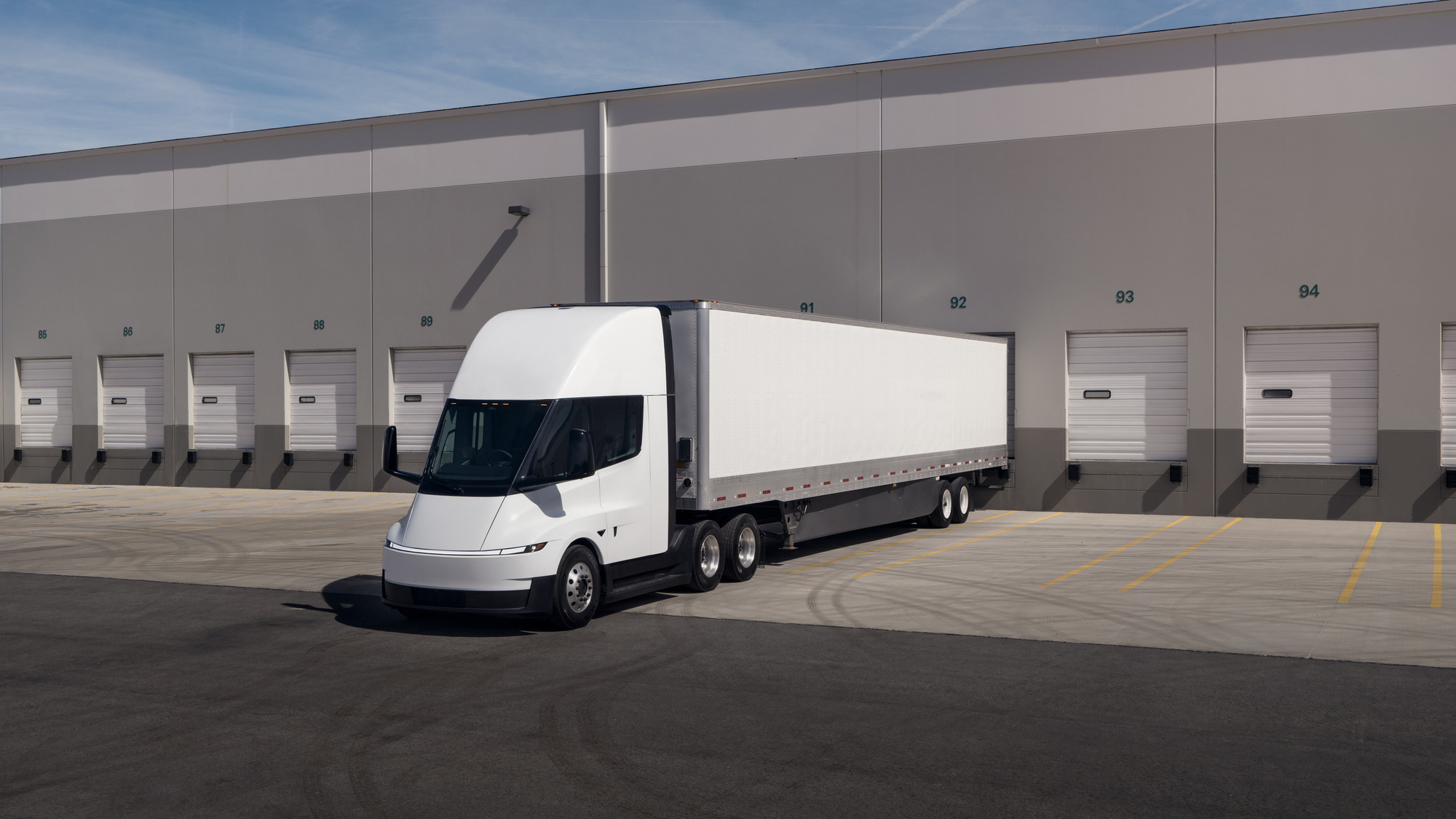
Tesla has snagged a deal with IMC Logistics to supply the company with 50 Semi units for its logistics operations.
IMC handles drayage and landside logistics and has over 2,700 asset trucks in its fleet. In its over forty years of service, it has established more than 50 locations across the United States and spans operations from coast to coast.
Jim Gillis of IMC said that the addition of the Tesla Semi will help IMC move toward a “zero-emission service for long-haul lanes.”
The move is one that has become more common over the past few years, as more and more companies doing large-scale logistics have moved to sustainable powertrains, using either Tesla or others.
🚨 IMC Logistics announced that it will add 50 Tesla Semis to its fleet https://t.co/ymh1Ca2IuX
— TESLARATI (@Teslarati) October 5, 2026
Tesla’s Semi program just entered its first truly public phase, as the company handed over its first production units to companies in September, although a pilot program with companies like PepsiCo. and Frito-Lay has been ongoing for years.
IMC announced its intention to purchase 50 Semi units from Tesla in September, and according to VP of Marketing and Public Relations on September 29 to Trucking Drive, the company will take delivery either this week or took delivery late last week.
With surging prices of diesel and high logistics costs, Tesla and the Semi could truly revolutionize how companies manage their fleets. With the advent of Full Self-Driving, the Semi will potentially cut down on driver fatigue and increase productivity, while decreasing the cost of operation per mile by being cheaper to refuel.
Tesla had a dedicated Semi handover event at the Semi factory in Sparks, Nevada, a few weeks back, as it officially introduced its truck to many company fleets that have been waiting to add these sustainable powertrains.

Tesla reveals early Robotaxi charging strategy, showing scrappy DNA

Tesla Robotaxi expands hours, Musk explains why it’s been a challenge


