Elon Musk
Elon Musk doubles down on Tesla Cybercab timeline once again
“Cybercab, which has no pedals or steering wheel, starts production in April,” Musk said.

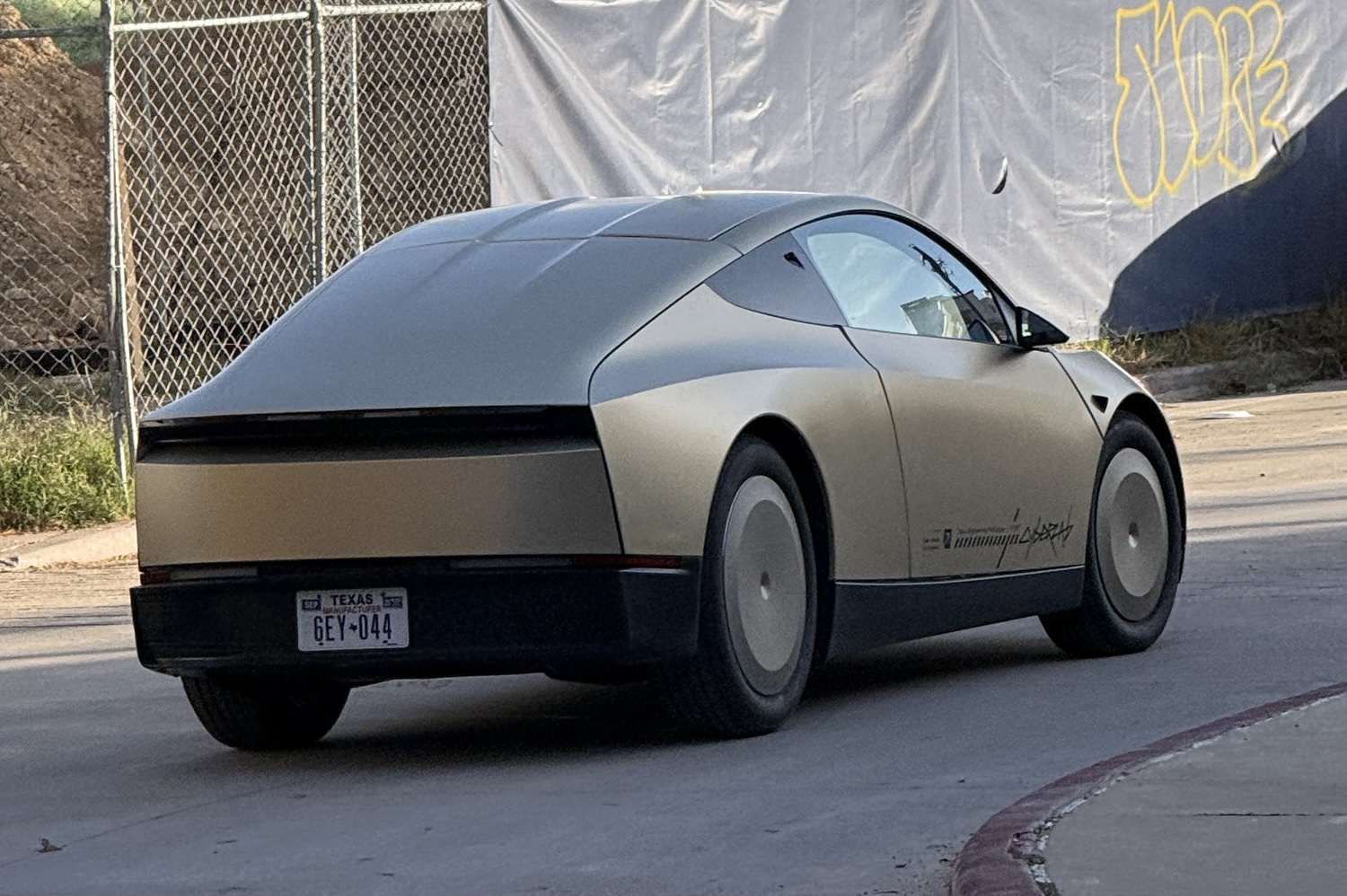
CEO Elon Musk doubled down once again on the timeline of production for the Tesla Cybercab, marking yet another example of the confidence he has in the company’s ability to meet the aggressive timeline for the vehicle.
It is the third time in the past six months that Musk has explicitly stated Cybercab will enter production in April 2026.
On Monday morning, Musk reiterated that Cybercab will enter its initial manufacturing phase in April, and that it would not have any pedals or a steering wheel, two things that have been speculated as potential elements of the vehicle, if needed.
Cybercab, which has no pedals or steering wheel, starts production in April https://t.co/yShxZ2HJqp
— Elon Musk (@elonmusk) February 16, 2026
Musk has been known to be aggressive with timelines, and some products have been teased for years and years before they finally come to fruition.
One of perhaps the biggest complaints about Musk is the fact that Tesla does not normally reach the deadlines that are set: the Roadster, Semi, and Unsupervised Full Self-Driving suite are a few of those that have been given “end of this year” timelines, but have not been fulfilled.
Nevertheless, many are able to look past this as part of the process. New technology takes time to develop, but we’d rather not hear about when, and just the progress itself.
However, the Cybercab is a bit different. Musk has said three times in the past six months that Cybercab will be built in April, and this is something that is sort of out of the ordinary for him.
In December 2025, he said that Tesla was “testing the production system” of the vehicle and that “real production ramp starts in April.
Elon Musk shares incredible detail about Tesla Cybercab efficiency
On January 23, he said that “Cybercab production starts in April.” He did the same on February 16, marking yet another occasion that Musk has his sights set on April for initial production of the vehicle.
Musk has also tempered expectations for the Cybercab’s initial production phase. In January, he noted that Cybercab would be subjected to the S-curve-type production speed:
“…initial production is always very slow and follows an S-curve. The speed of production ramp is inversely proportionate to how many new parts and steps there are. For Cybercab and Optimus, almost everything is new, so the early production rate will be agonizingly slow, but eventually end up being insanely fast.”
Cybercab will be a huge part of Tesla’s autonomous ride-sharing plans moving forward.


Elon Musk
Tesla FSD is about to know your specific house and neighborhood better than any map
Tesla confirmed it is building a feature that lets you teach your car where to go.

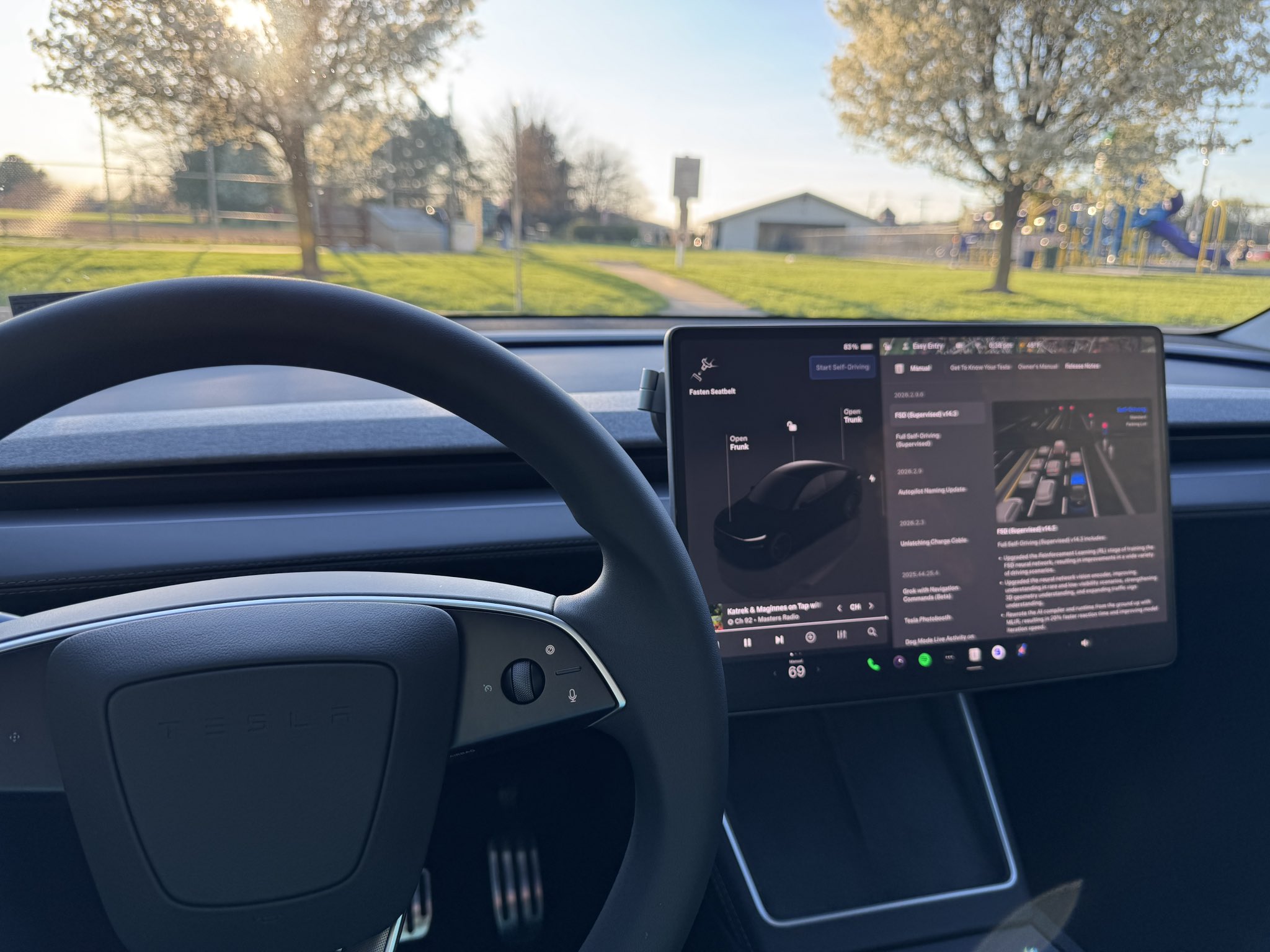
Tesla is building a feature that will let drivers talk to their car in plain language and teach it exactly what to do, with the vehicle remembering those instructions for every future trip. Tesla VP of AI Software Ashok Elluswamy confirmed it this week on X after a user pointed out one of FSD’s most persistent real-world limitations is that the system has no way to receive contextual instructions the way a human driver would.
“FSD would be twice as useful in neighborhoods if I could actually talk to the car and tell it which driveway to pull into, the same way I would with a person driving me home. Right now, there isn’t really an input for telling Tesla what color the house is or giving it specific context like that. Google Maps is also notorious for putting pins on houses that aren’t actually yours.” Tesla owner Chris further noted, “It would be so cool if I could talk to the car while going down my street and say something like, ‘It’s the white house on the left, just past that SUV,’ and then have FSD remember that for next time.”
FSD would be twice as useful in neighborhoods if I could actually talk to the car and tell it which driveway to pull into, the same way I would with a person driving me home.
Right now, there isn’t really an input for telling Tesla what color the house is or giving it specific…
— Chris (@ChrissGPT) July 8, 2026
This feature would carry more weight than it might seem. Grok has been available inside Tesla vehicles since July 2025, expanded to European vehicles in February 2026, and gained a hands-free “Hey Grok” wake word with location-based reminders and natural-language navigation in the Spring 2026 update. But up to this point, Grok has had no authority over how FSD actually drives. Lane changes, braking, speed, and parking maneuvers remain entirely within FSD’s autonomous decision-making loop. What Elluswamy confirmed is that the next step pushes Grok into a supervisor role, one that translates spoken intent directly into driving decisions.
Tesla teases greater Grok FSD integration and ‘Banish’ feature ‘in about 3 months’
Elluswamy acknowledged at a January 2026 conference that while fully integrated voice control is on Tesla’s roadmap, “it opens up an entire area of testing that we have to do. For example, you shouldn’t be able to tell the car to crash, and it shouldn’t crash.” Elon Musk subsequently confirmed on June 23 that Grok voice commands will pass to FSD’s planning layer by September 2026, a three month timeline from confirmation to deployment.
The deeper significance is what this does for Tesla’s AI training flywheel. Every time an owner corrects FSD with a spoken instruction and the car learns and remembers it, that interaction becomes a data point covering an edge case that no simulation or scripted test could have generated. A fleet of millions of Tesla vehicles crowdsourcing hyper-local contextual knowledge, which driveway, which gate entrance, which side of the street, builds a layer of geographic and behavioral intelligence that competitors without a comparable fleet simply cannot replicate at the same speed or scale.
As Teslarati has reported, Tesla’s Cybercab and robotaxi operations have expanded to Miami following the Austin launch, with rider profiles already collecting preference data. Voice-taught contextual instructions linked to individual rider profiles means a Cybercab could eventually know before it arrives exactly which entrance to use, where to wait, and how to navigate the final hundred feet of any trip it has made before.
Elon Musk
California snubs Tesla in its newly passed EV incentive that favors Rivian and Lucid
California passed a $135 million EV incentive that rewards Rivian and Lucid while sidelining Tesla
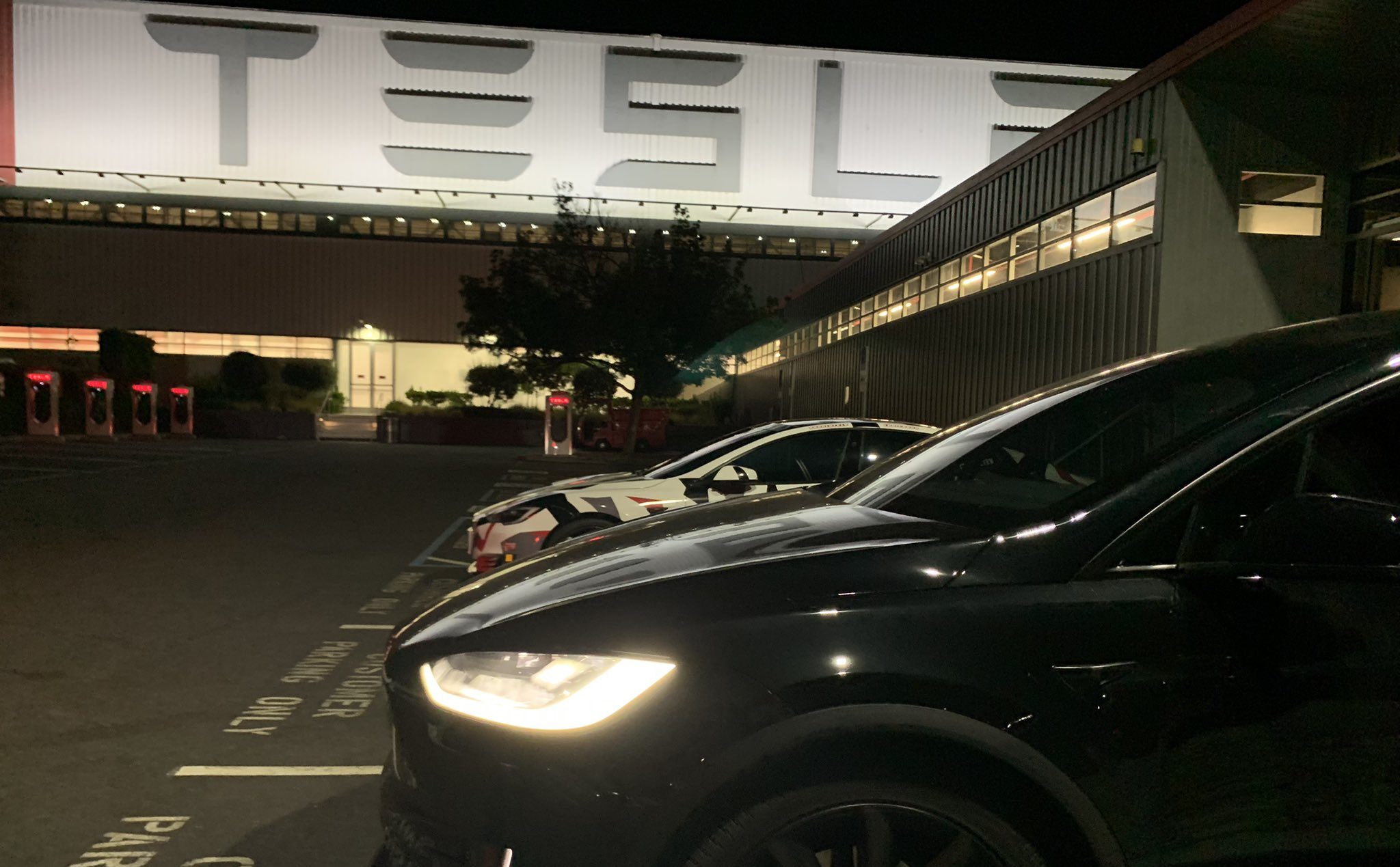
California just drew a line in the EV incentive sand to put Tesla on the wrong side of it. The state recently passed a $135 million program offering first-time electric vehicle buyers a direct incentive with no application required, but the rules were written in a way that leaves Tesla at a structural disadvantage compared to Rivian and Lucid.
The program caps eligible vehicles at $50,000 for new EVs and $25,000 for used ones. That pricing threshold rules out a significant portion of Tesla’s lineup, though some lower-priced Model 3 and Model Y configurations would still qualify. California-based automakers are exempt from the price cap entirely, regardless of what their vehicles cost. Rivian, headquartered in Irvine, and Lucid, based in the San Francisco Bay Area, both benefit from that exemption. Rivian’s R2 starts at roughly $45,000 but has versions above the cap. Lucid’s Air and Gravity start at $70,990 and $79,990 respectively, well above any threshold a non-California company would face.
California hits Tesla Cybercab and Robotaxi driverless cars with new law
Tesla built its reputation and a significant portion of its early market share in California, where EV adoption has consistently led the nation. The company operates its original factory in Fremont, California, and the state was home to Tesla’s headquarters for most of its existence. That changed in 2021 when Tesla moved its corporate headquarters to Austin, Texas. Since then, the relationship between the company and California Governor Gavin Newsom has been openly adversarial, with Musk and Newsom trading public criticism on multiple occasions.
California’s EV incentive landscape has shifted repeatedly in recent years, and Tesla has previously lost eligibility for state-level programs as its vehicles exceeded income-adjusted price thresholds. The federal $7,500 EV tax credit, which Tesla models have qualified for and lost depending on policy cycles, is no longer available after it expired without renewal, making state-level programs more meaningful to buyers than they have been in years.
The practical impact for buyers is more nuanced than the headline suggests. California residents purchasing a Tesla under $50,000 for the first time can still access the incentive. But the exemption written for California-based manufacturers is a structural advantage that rewards where a company plants its headquarters flag rather than where it builds its products, and Tesla moved that flag to Texas.
Elon Musk
SpaceX’s newest logo confirms everything about what it’s become
SpaceX officially absorbed xAI under the SpaceXAI brand, completing the largest private merger in history.
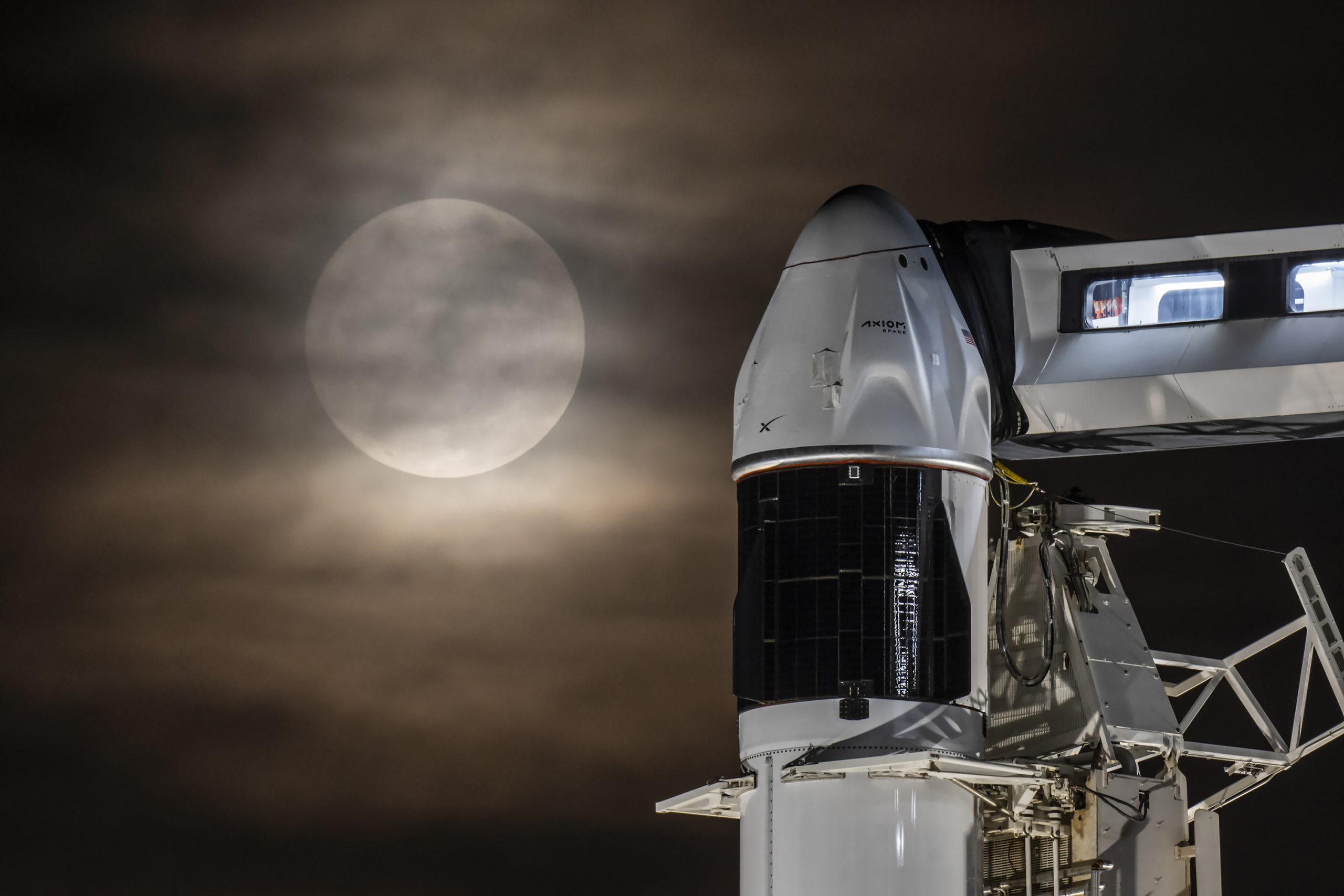
SpaceX made its corporate transformation official in May 2026 when Elon Musk posted on X that xAI would cease to exist as a standalone company. “xAI will be dissolved as a separate company, so it will just be SpaceXAI, the AI products from SpaceX,” he wrote.
A new SpaceXAI logo was announced today, visually embedding the xAI letters inside the SpaceX identity, which can be seen as a deliberate design choice that signals the merger is not a partnership but a full absorption and XAi a core function of the same company. The same way Starlink is not a separate brand but a SpaceX product. The announcement closed the loop on a process that began February 2, 2026, when SpaceX acquired xAI in the largest private merger in history, valued at $1.25 trillion. SpaceX at $1 trillion and xAI at $250 billion.
We are now @SpaceXAI. pic.twitter.com/ema66xDWC9
— SpaceXAI (@SpaceXAI) July 6, 2026
The reason SpaceX bought xAI was stated plainly by Musk at the time of the deal: to build orbital data centers. SpaceX had simultaneously filed with the FCC to launch up to one million satellites designed to function as AI compute nodes in low Earth orbit, escaping what Musk described as the energy constraints limiting AI development on Earth.
xAI provided the AI software stack, with Grok, the X platform, and the Colossus supercomputer infrastructure in Memphis with over 220,000 NVIDIA GPUs, while SpaceX provided the rockets, Starlink, and the capital base to fund it. The two companies needed each other. xAI was burning $2.5 billion in losses on $250 million in revenue. SpaceX was generating an estimated $8 billion in profit on $15 billion in revenue and needed an AI narrative to command the valuation it was targeting for its IPO.
What SpaceX has done, regardless of how the orbital AI vision ultimately plays out, is walk into a public market as something no company has been before: a rocket manufacturer, satellite internet provider, AI software company, social media platform, and supercomputer operator under one ticker. Whether that combination is worth $2 trillion depends entirely on which of those businesses you believe in most.

Tesla FSD is about to know your specific house and neighborhood better than any map

The secret behind Tesla’s Cybercab Gold goes well beyond just the color


