Lifestyle
Elon Musk’s ‘Cyberpunk’ Tesla Pickup Truck: Go, Tesla, Go! Or Why, Elon, Why?

Welcome to a FREE preview of our weekly exclusive! Each week our team goes ‘Beyond the News’ and handcrafts a special edition that includes our thoughts on the biggest stories, why it matters, and how it could impact the future.
You can receive this newsletter along with all of our other members-exclusive newsletters, become a premium member for just $3/month. Your support goes a long way for us behind the scenes! Thank you.
—
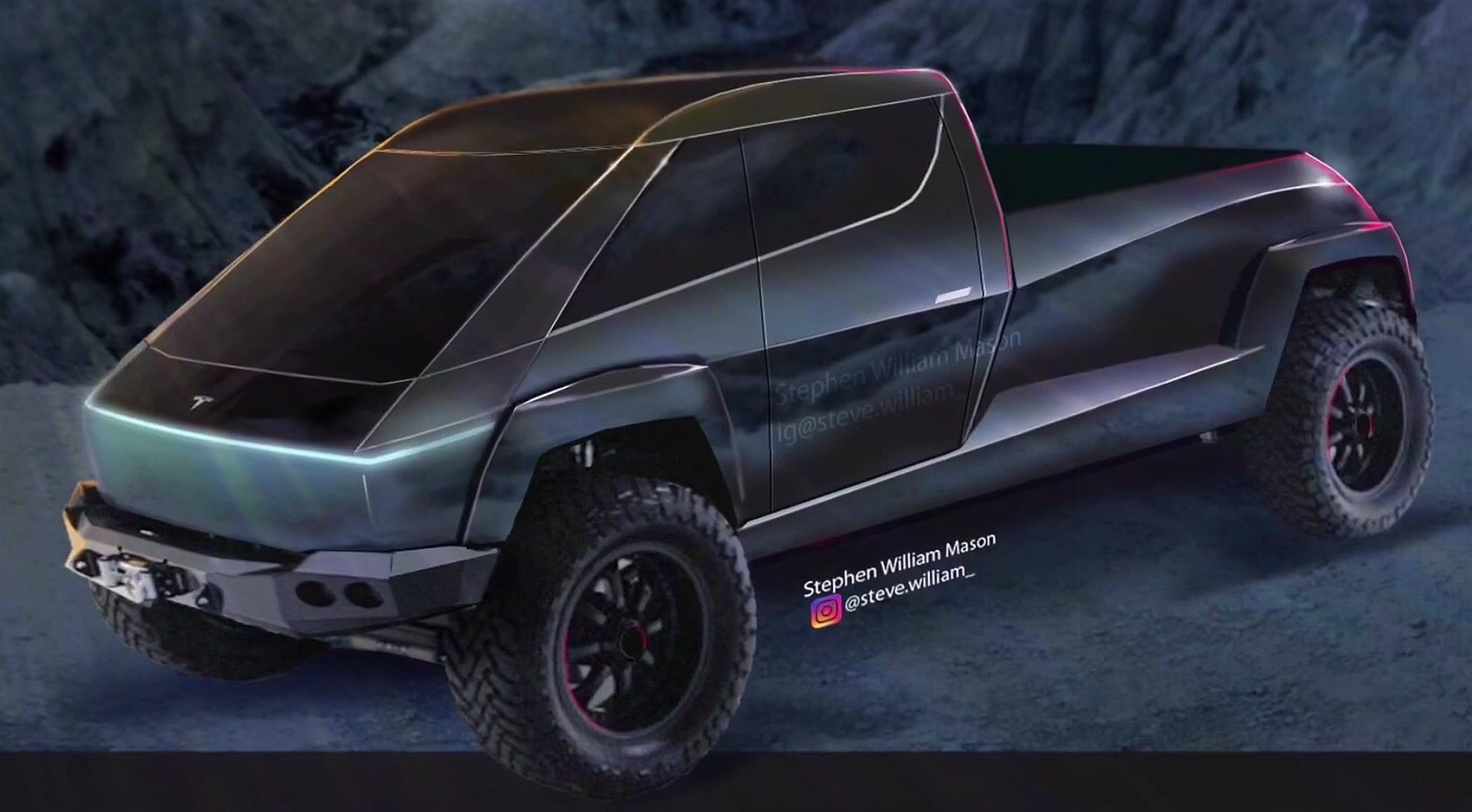
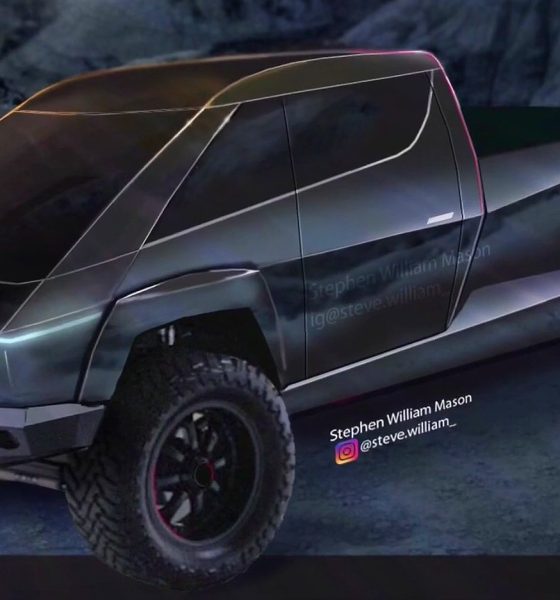
The Tesla Truck reveal is only a month away now, and a few more specifics about what it looks like have been revealed by Elon Musk. We already expected something cyberpunk, but now we also are to expect a military-styled armored personnel carrier as part of its inspiration. This all sounds very cool as a concept vehicle, perhaps, but will it sound cool to a large enough consumer base to be worth the time and effort to put in on the market?
Actually, another question has started to creep into my mind: What exactly is the point of the Tesla Truck?
Whereas other Tesla vehicles were designed to directly take on ICE cars and revolutionize the EV market in their own sporty or practical way, the pickup truck market seems to be more particular about what converts a potential customer into an actual customer. That said, a cyberpunk beast is an odd choice for a company that has proven so many EV myths false and arguably inspired a lot of legislation to be aimed squarely at legacy manufacturers. If Tesla can do it, regulators seem to say, so can you. But one area EVs really need to take on to truly be a completely mainstream option is pickup trucks.
That’s where Rivian seemed to be coming in, albeit their starting prices are a bit on the high side for the mainstream truck customer. It could all be proven completely worth the expense down the line, but when Tesla fired shots with an “under $50k” potential truck price tag, it certainly seemed like there was going to be a real shakeup that put an affordable and all-electric work truck on the road soon. The more I hear about the style of the Tesla Truck, though, the more I scratch my head. Yes, Rivian did their own style thing with the piggy-nose headlights, but that was really just one feature people have started to warm up to. The point of it was also so they would be very recognizable and distinguished as their brand. An entire vehicle going against the grain is a different matter entirely.
I know Musk has his mantra of aiming to design a vehicle that he would personally want to buy, and I respect the logic behind that. However, there’s also the other angle about him that doesn’t jive with Harrison Ford being behind the wheel of this kind of Tesla in a Hollywood production: Making EVs mainstream.
Sure, the Model S and even Model X aren’t really practical purchases for more fiscally-limited consumers (i.e., most of them). There’s an argument to be made for them, though. After proving that EVs could be amazing, the improvements that went into their manufacturing has now translated into the mass market Model 3. There’s already an existing parallel in the ICE world on this as well via racing. The US gas company Sonoco exemplifies this with their motto that their gas is the “official fuel of NASCAR” despite regular car fuel being totally different from racing car fuel. The thought is that if they know how to manufacture super performance gas, their fuel will have an overall higher level of refinement technology that your car will benefit from. I have no idea if it actually does, but that’s the message.
That said, maybe the Tesla Truck is supposed to be this beast that has amazing specs which inspire customers to crave a “normal” looking truck from Tesla to eventually be produced. The next question will be whether enough buyers will go along with the cyberpunk thing and justify the expense from all the tweaks that will inevitably be necessary to develop a mass market pickup truck to follow. The Model S was very expensive, but it was still a traditionally designed sedan which appealed to a large enough consumer base to help fund Tesla’s next developments.
The Tesla Truck is kind of an outlier on this thinking, too. It will be a somewhat inexpensive truck with an even smaller consumer base. Or, does Musk hope to change what people think of in terms of a pickup truck? I am a staunch doubter on this, period. If there’s one thing the pickup market doesn’t seem to be very open to, it’s that sort of radical change. I’ll gladly be proven wrong, but until that day comes, I can’t really entertain this possibility.
Maybe Musk isn’t going for a mass market pickup at all. Maybe he just wants to prove that he can make a truck, make it cheaper, and make it better.
Then again, the Taycan also wasn’t supposed to be a true Tesla competitor, either, yet here we are. Plaid Mode is capturing headlines and significant interest in the EV community. Would we be hearing about it so soon without the Taycan reveal? I have my doubts, but who really knows?


Elon Musk
How to use Grok Bot to block spam calls and texts
Musk told users to ask Grok Bot to scrub their phone numbers from spam lists.

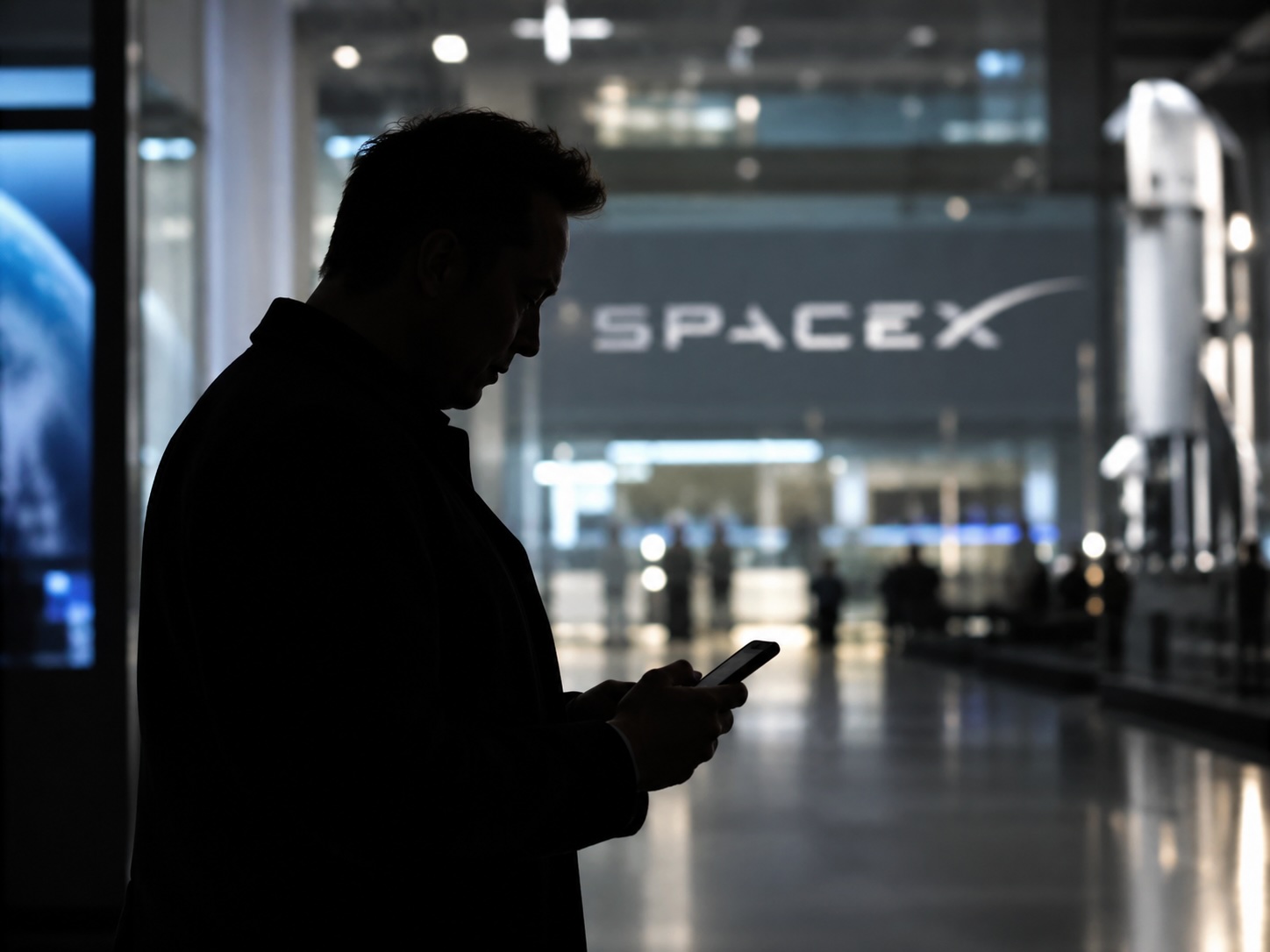
Elon Musk has a new use case for Grok Bot, and it is the spam call. On Thursday he replied to an X user named Arash with a short instruction: “Ask your @Grok @Bot to remove your phone number from spam call & text lists!” Arash had said he got tired of the calls, had an AI bot find his number on listing sites and file removal requests, and packaged the process as a free skill for others.
The skill is called Spam-Call Scrubber, which is described to find a phone number on people search sites and data brokers, submits the opt outs, completes the confirmation emails those sites send back, and rechecks on a schedule the user picks. Using it requires the Grok Bot app. The pitch is time saved, since most broker opt outs sit behind separate forms on separate sites.
Ask your @Grok @Bot to remove your phone number from spam call & text lists!
— Elon Musk (@elonmusk) October 15, 2026
Musk said Grok Bot now gives each bot its own email address, and that it can detect scam emails. On Thursday he also said SpaceX would make users whole if the bot botches a purchase or leaks a card, then told users to shop away from Amazon after the retailer blocked the agent, as Teslarati reported. The terms of service we reviewed at the time put responsibility for what an agent does on the user.
For Tesla owners, Grok Bot is not just a phone app. Tesla brought Grok Bot into its vehicles on September 22, and we argued earlier this week that the Cybercab’s real advantage may be the errands it runs during a ride. Every Cybercab and the rest of the Model Y Robotaxi fleet has it enabled. The more routine tasks like this one become, the more a rider has reason to hand over something personal in the back seat.
The new Spam-Call Scrubber skill can be downloaded for free and works on sites that honor removal requests, while noting that listings can reappear, and illegal robocallers do not check any registry. Whether Spam-Call Scrubber cuts anyone’s call volume is something the first wave of users will find out, and Musk’s endorsement guarantees that wave is coming.
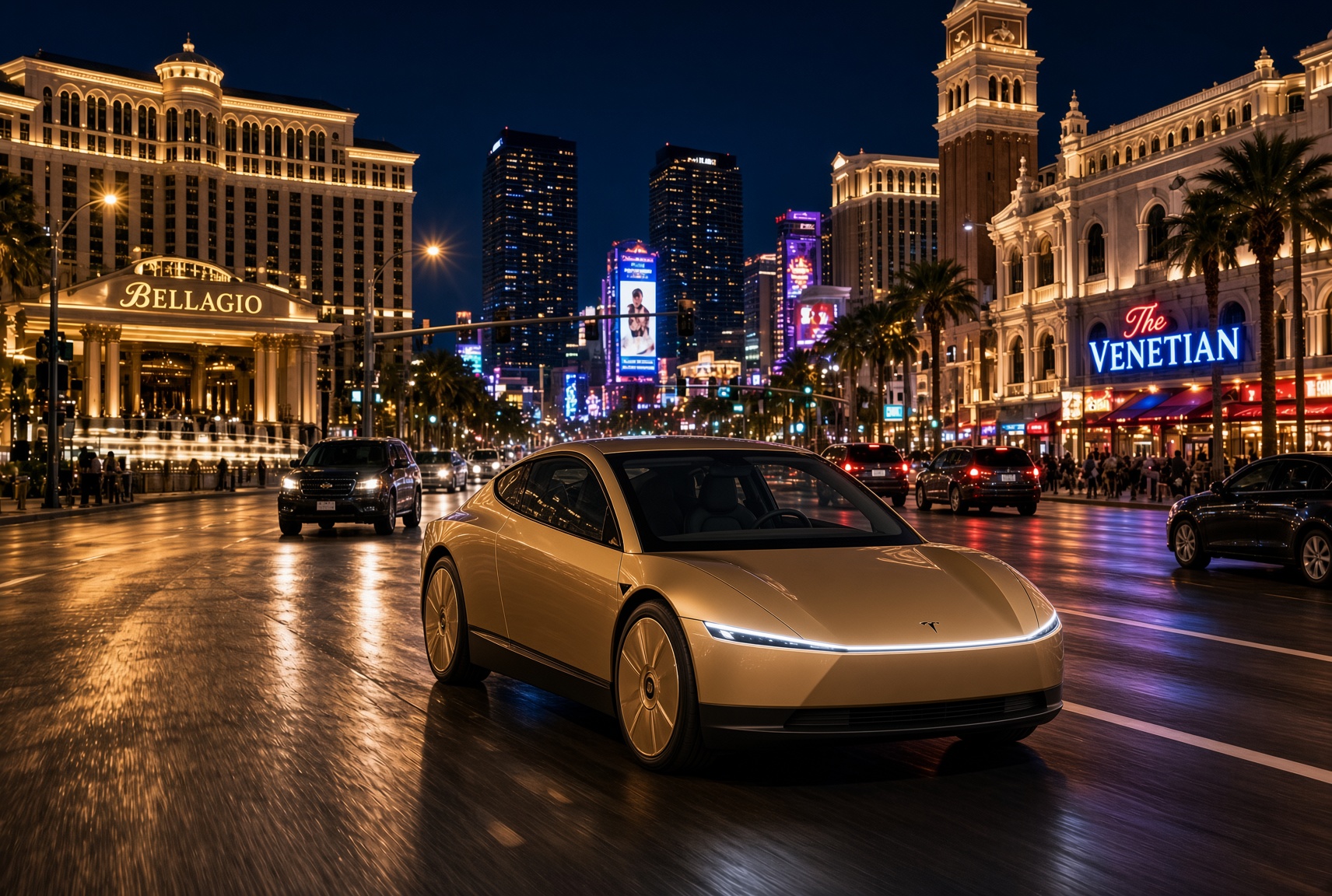
For a century, the car has asked the same thing of its owner, which is basically to pay attention. Even the best ride-hailing app like Uber or Lyft only moved the problem into someone else’s hands. You stopped driving, but you still sat in a stranger’s car, while half listening, and wondering whether to take a phone call in the car without being rude. The Cybercab has no wheel, no pedals and no driver. With Grok @bot now live inside it, it becomes something else entirely, and I think that matters more than the fleet count that everyone is tracking.
Grok @bot is an agent, not a voice assistant. A rider signs in once, and from then on can say what they need and watch it happen. Order dinner from a favorite restaurant. Fill the grocery cart. Move money, answer email, adjust a calendar, push a work project forward. Tesla engineer Yun-Ta Tsai confirmed it is enabled across every Cybercab and the rest of the Model Y fleet, and Tesla’s own pitch is that Full Self-Driving handles the commute while Grok handles the errands.
Think about what that does to a thirty minute ride. Uber sells you a trip, while Waymo sells you the same trip in a more private setting. Tesla is selling the thirty minutes themselves, returned to you with an assistant attached. Errands that used to eat a Saturday get done between pickup and drop off. The ride stops being dead time between two places and becomes a place of its own.
Tesla integrates Grok Bot into its vehicles for the ultimate personal assistant
Best of all, your Bots follow you into any Cybercab, and presumably your own Tesla, then logs you out automatically when you step out. Anyone can bolt a chatbot onto a screen, but much harder to own the vehicle, the autonomy stack and the assistant at once. It also quietly ties SpaceX’s Super Intelligence business to Tesla’s fleet, after Tesla converted its xAI stake into SpaceX equity. The relationship between those two companies is getting harder to describe as separate.
This is also where the hard questions start, because an agent that can spend your money in a vehicle other people also ride in needs some answers. How does it handle a voice it shouldn’t trust? What gets recorded, who can see it, and for how long? What happens when a rider leaves halfway through a task?
If Tesla gets those answers right, the scoreboard changes. We have been counting Cybercabs and wait times. The more telling number may be what riders accomplish per trip. That is data almost no one else will ever have, and it is the real reason to watch Grok @bot.
What do you think? Leave me a comment.
Lifestyle
Tesla’s mirrorless Cybercab will give riders a visibility upgrade
Tesla engineer confirms Cybercab update letting riders pull up rear and repeater cameras on demand.
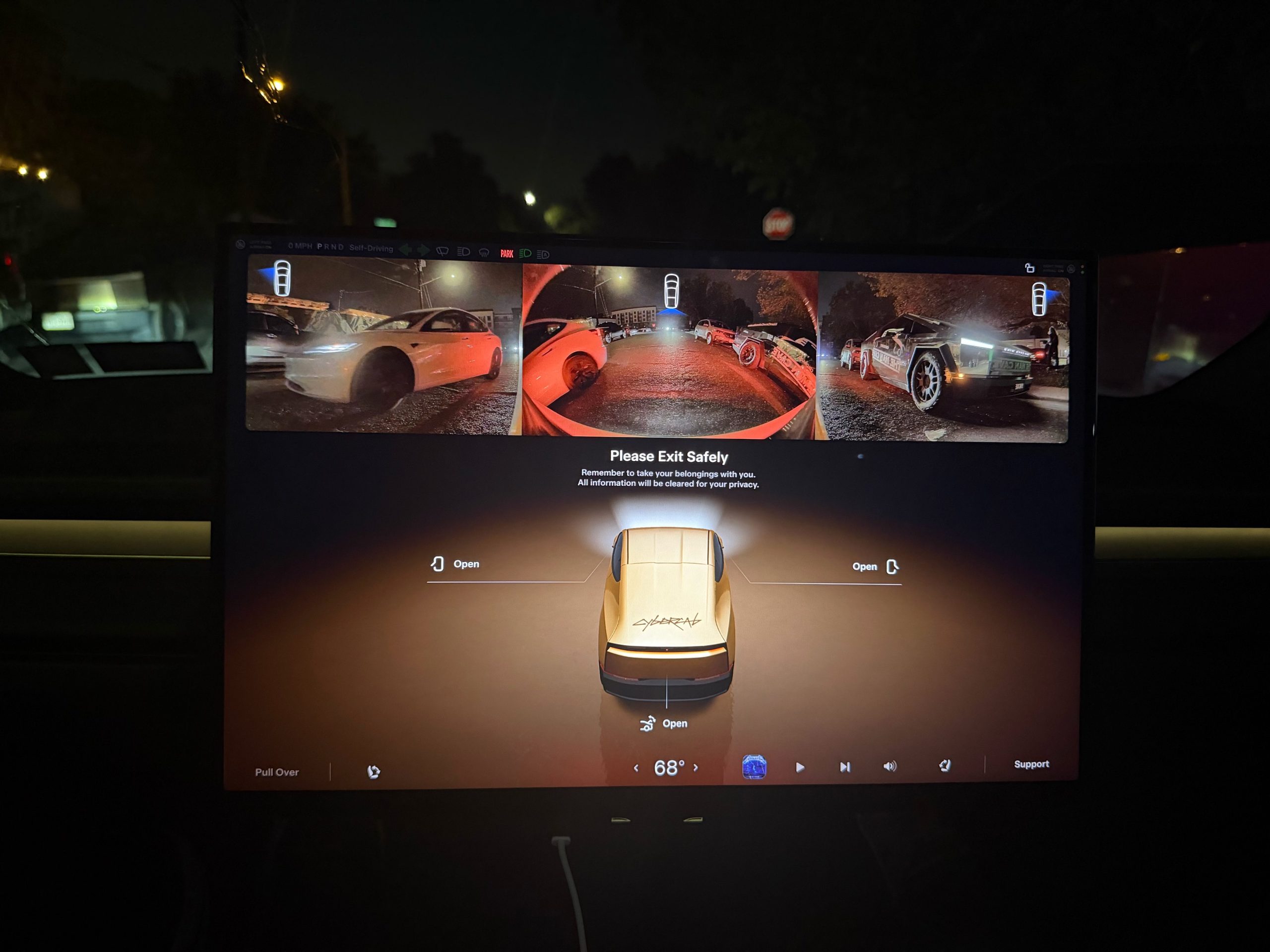
Tesla is working on a Cybercab update that would let passengers pull up the vehicle’s rear and side cameras on demand, and the request came straight from a rider.
The exchange played out on X late Friday. Cybercab rider Dan Burkland shared photos of the two-seater’s cabin screen after an evening ride, praised the UI team’s work, and left one request: let riders open the rear and repeater cameras whenever they want, “especially for peace of mind.” Tesla UI software engineer Evan (@CarCoder) answered with two words: “In development.”
The Tesla UI team absolutely crushed it with the infotainment software. Nicely done @CarCoder!
One feature request: Allow folks to pull up the rear & repeater cameras on demand. This would be great especially for peace of mind. https://t.co/mNAOSLx6pE
— Dan Burkland (@DBurkland) October 10, 2026
The idea fits a pattern Teslarati has tracked since public rides began. Days after paid Cybercab service opened in Austin, Tesla sent riders a survey that asked them to rate the touchscreen, the app and the cabin, and to pick the features they wanted most. We reported on that survey in September, and a camera view is the kind of small software change Tesla can push quickly if riders keep asking.
It also speaks to something unique about the vehicle. With no steering wheel, no pedals and no driver, passengers have no mirror to check and no way to see behind them. The hardware is clearly built for camera awareness, from the repeater cameras to the rear camera. Letting a passenger look through those same cameras would give a nervous first time rider a way to confirm what is around the car.
The timing matters because the fleet is growing fast. Tesla’s Robotaxi account said on Saturday that more than 300 Cybercabs are now serving Austin, an eightfold increase in 30 days, and Tesla AI chief Ashok Elluswamy named Dallas as the next city. More cars and more cities mean more people riding in a driverless vehicle for the first time, which is exactly when small trust features carry weight.
For now, the feature is confirmed only as in development. If Tesla follows its usual pattern with Cybercab software, riders could see it appear in a point release without any announcement, and Teslarati will watch for it.

SpaceX’s biggest earnings test yet lands Tuesday, and Tesla shareholders should be watching

SpaceX’s Gwynne Shotwell just made a quiet gesture toward Tesla

Tesla Roadster owners to get “Flying Stunt Mode” and looping track access

SpaceX reveals how its 1 Million AI satellite network will work and prevent space collisions

Tesla Roadster: Three configs, one can fly, 0-60 in 0.8 seconds


