
News
SpaceX Dragon 2 Capsule Can Land Anywhere, Even Mars
Elon Musk tweeted on Wednesday that SpaceX intends to send a Dragon 2 capsule to Mars and back as early as 2018. Former NASA administrator Lori Garver calls that “a bold statement.”

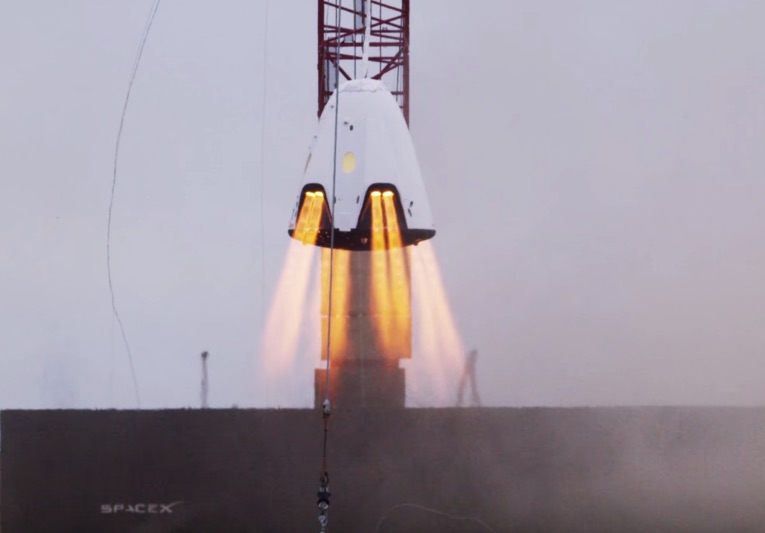
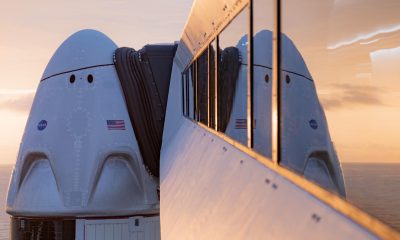
Things are busy at SpaceX these days. With another Falcon 9 launch mission coming up on May 4, and continued R&D on its Dragon 2 capsule designed with transporting humans to Mars in mind, Elon tweeted that the capsule will be capable of landing anywhere in the solar system. This development is especially crucial if Musk intends to colonize Mars within 20 years.
Dragon 2 is designed to be able to land anywhere in the solar system. Red Dragon Mars mission is the first test flight.
— Elon Musk (@elonmusk) April 27, 2016
SpaceX tweeted a short video of the Dragon 2 undergoing a test of its SuperDraco landing system, a critical component of any journey to the Red Planet. This follows tests from earlier in the year when the Dragon 2 capsule was seen performing a hover test.
Recently tested Dragon 2’s SuperDraco propulsive landing system at our McGregor, TX facility. Key for Mars landing pic.twitter.com/dV1nhKDMhr
— SpaceX (@SpaceX) April 27, 2016
Elon says the first unmanned mission to Mars will likely take place in 2018, with manned flights expected to happen by 2026 or earlier. He also tweeted that the current Dragon 2 capsule would not be a comfortable vehicle for the 8 month long trip to Mars because it is only about as big as a Model X on the inside. He thinks it is only suitable for trips in the “earth — moon region.”
Landing a spacecraft on Mars is an incredibly difficult process. Many NASA probes have failed to achieve their objective. Of the 43 robotic missions to Mars attempted by four different countries, only 18 have been successful.
SpaceX will collaborate with NASA for its Mars mission. The space agency says it is providing “technical support” to SpaceX but not financial assistance. In exchange, SpaceX will provide “valuable entry, descent and landing data to NASA for our journey to Mars, while providing support to American industry.”
The collaboration “is more similar to what you might have with a government-to-government agreement,”says Lori Garver, the former deputy administrator of NASA. “So it is breaking new ground, and I think it’s a good sign that NASA is even a partner. It shows there are people at NASA who are as excited about this as a lot of us are.”
Musk’s recent statement about a mission to Mars taking place as early as 2018 caught Garver by surprise. It “is a pretty bold statement from a guy known for bold statements,” she told The Washington Post.
Unleash the Dragon! A "bold statement" indeed! Great to see that NASA is embracing partners in #JourneyToMars https://t.co/d2W4DHWRWG
— Lori Garver (@Lori_Garver) April 27, 2016
Related SpaceX News






News
Tesla launches in India with Model Y, showing pricing will be biggest challenge
Tesla finally got its Model Y launched in India, but it will surely come at a price for consumers.

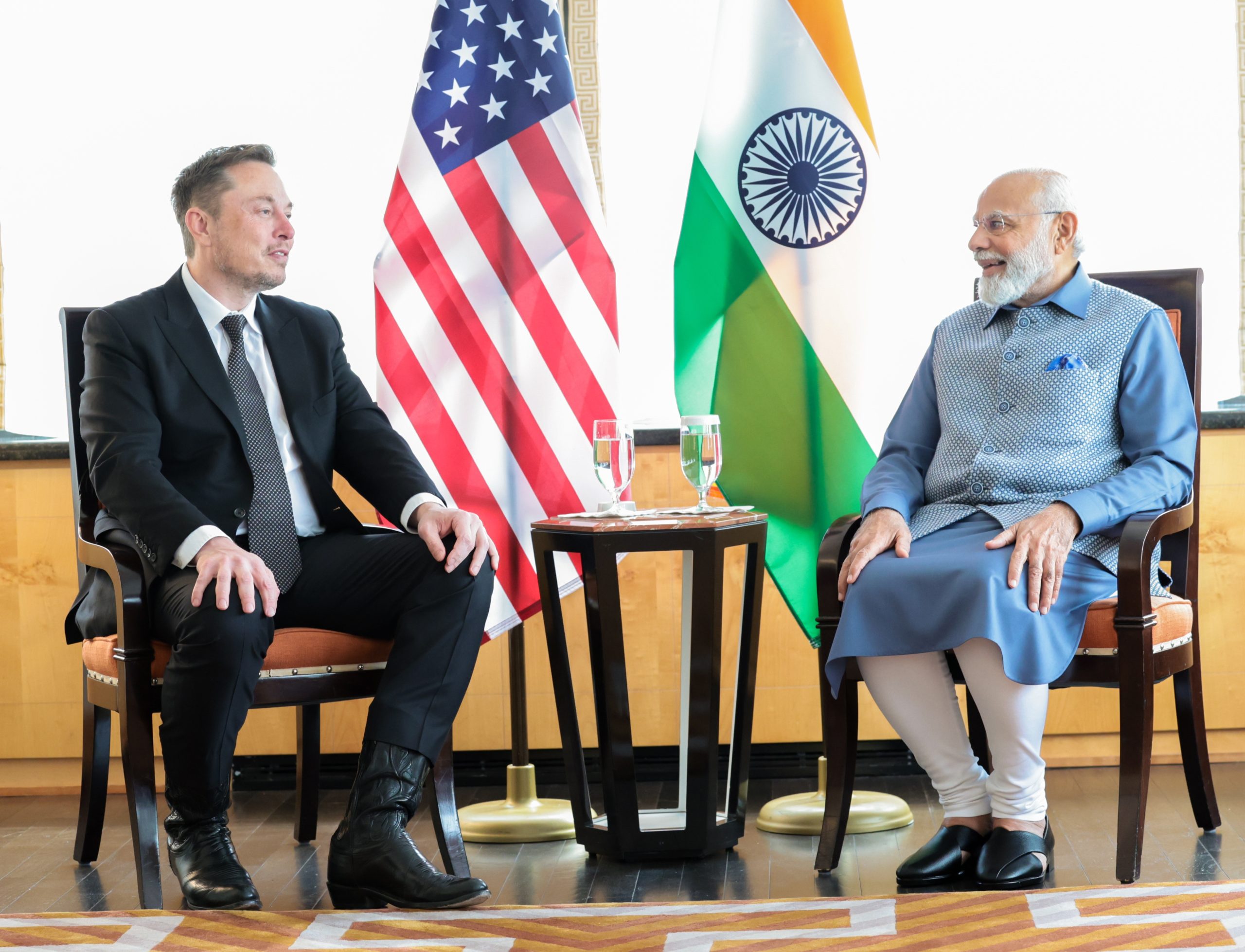
Tesla has officially launched in India following years of delays, as it brought its Model Y to the market for the first time on Tuesday.
However, the launch showed that pricing is going to be its biggest challenge. The all-electric Model Y is priced significantly higher than in other major markets in which Tesla operates.
On Tuesday, Tesla’s Model Y went up for sale for 59,89,000 rupees for the Rear-Wheel Drive configuration, while the Long Range Rear-Wheel Drive was priced at 67,89,000.
This equates to $69,686 for the RWD and $78,994 for the Long Range RWD, a substantial markup compared to what these cars sell for in the United States.
🚨 Here’s the difference in price for the Tesla Model Y in the U.S. compared to India.
🚨 59,89,000 is $69,686
🚨 67,89,000 is $78,994 pic.twitter.com/7EUzyWLcED— TESLARATI (@Teslarati) July 15, 2025
Deliveries are currently scheduled for the third quarter, and it will be interesting to see how many units they can sell in the market at this price point.
The price includes tariffs and additional fees that are applied by the Indian government, which has aimed to work with foreign automakers to come to terms on lower duties that increase vehicle cost.
Tesla Model Y seen testing under wraps in India ahead of launch
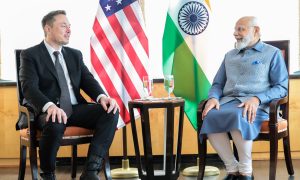
There is a chance that these duties will be removed, which would create a more stable and affordable pricing model for Tesla in the future. President Trump and Indian Prime Minister Narendra Modi continue to iron out those details.
Maharashtra Chief Minister Devendra Fadnavis said to reporters outside the company’s new outlet in the region (via Reuters):
“In the future, we wish to see R&D and manufacturing done in India, and I am sure at an appropriate stage, Tesla will think about it.”
It appears to be eerily similar to the same “game of chicken” Tesla played with Indian government officials for the past few years. Tesla has always wanted to enter India, but was unable to do so due to these import duties.
India wanted Tesla to commit to building a Gigafactory in the country, but Tesla wanted to test demand first.
It seems this could be that demand test, and the duties are going to have a significant impact on what demand will actually be.
Elon Musk
Tesla ups Robotaxi fare price to another comical figure with service area expansion
Tesla upped its fare price for a Robotaxi ride from $4.20 to, you guessed it, $6.90.
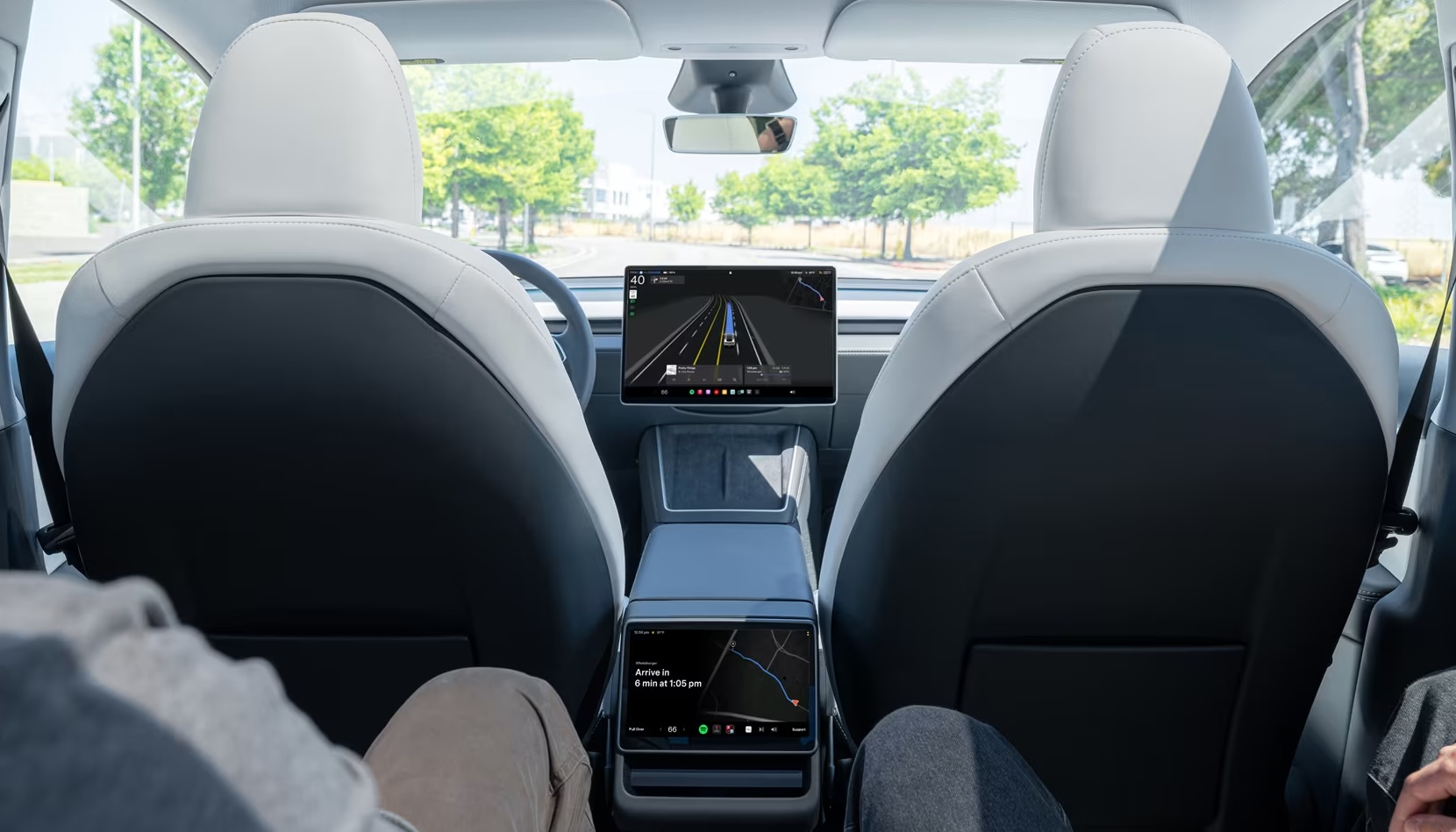
Tesla has upped its fare price for the Robotaxi platform in Austin for the first time since its launch on June 22. The increase came on the same day that Tesla expanded its Service Area for the Robotaxi ride-hailing service, offering rides to a broader portion of the city.
The price is up from $4.20, a figure that many Tesla fans will find amusing, considering CEO Elon Musk has used that number, as well as ’69,’ as a light-hearted attempt at comedy over the past several years.
Musk confirmed yesterday that Tesla would up the price per ride from that $4.20 point to $6.90. Are we really surprised that is what the company decided on, as the expansion of the Service Area also took effect on Monday?
But the price is now a princely $6.90, as foretold in the prophecy 😂
— Elon Musk (@elonmusk) July 14, 2025
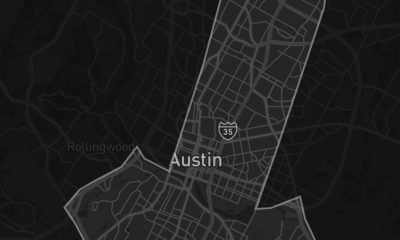
The Service Area expansion was also somewhat of a joke too, especially considering the shape of the new region where the driverless service can travel.
I wrote yesterday about how it might be funny, but in reality, it is more of a message to competitors that Tesla can expand in Austin wherever it wants at any time.
Tesla’s Robotaxi expansion wasn’t a joke, it was a warning to competitors
It was only a matter of time before the Robotaxi platform would subject riders to a higher, flat fee for a ride. This is primarily due to two reasons: the size of the access program is increasing, and, more importantly, the service area is expanding in size.
Tesla has already surpassed Waymo in Austin in terms of its service area, which is roughly five square miles larger. Waymo launched driverless rides to the public back in March, while Tesla’s just became available to a small group in June. Tesla has already expanded it, allowing new members to hail a ride from a driverless Model Y nearly every day.
The Robotaxi app is also becoming more robust as Tesla is adding new features with updates. It has already been updated on two occasions, with the most recent improvements being rolled out yesterday.
Tesla updates Robotaxi app with several big changes, including wider service area
News
Tesla Model Y and Model 3 dominate U.S. EV sales despite headwinds
Tesla’s two mainstream vehicles accounted for more than 40% of all EVs sold in the United States in Q2 2025.

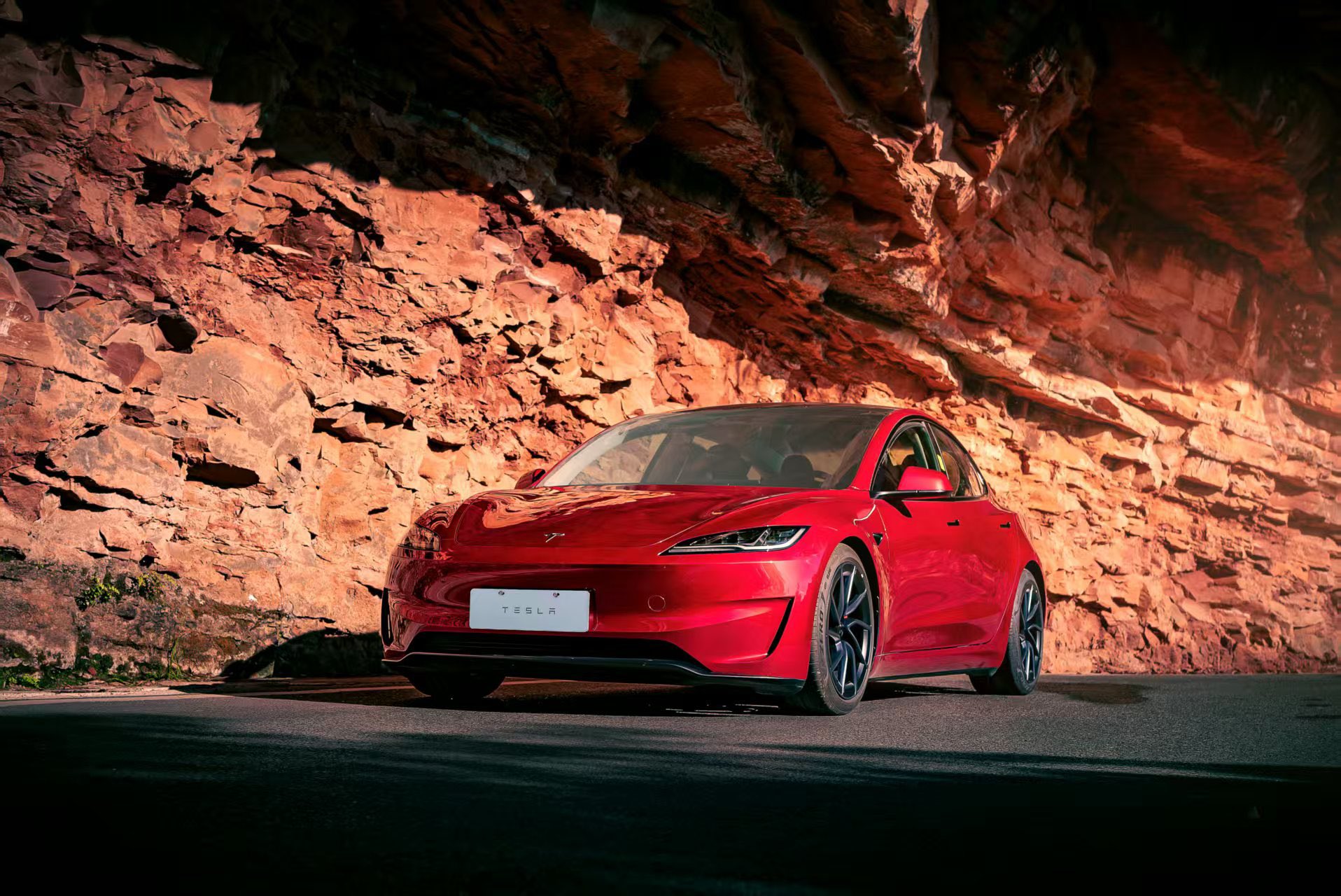
Tesla’s Model Y and Model 3 remained the top-selling electric vehicles in the U.S. during Q2 2025, even as the broader EV market dipped 6.3% year-over-year.
The Model Y logged 86,120 units sold, followed by the Model 3 at 48,803. This means that Tesla’s two mainstream vehicles accounted for 43% of all EVs sold in the United States during the second quarter, as per data from Cox Automotive.
Tesla leads amid tax credit uncertainty and a tough first half
Tesla’s performance in Q2 is notable given a series of hurdles earlier in the year. The company temporarily paused Model Y deliveries in Q1 as it transitioned to the production of the new Model Y, and its retail presence was hit by protests and vandalism tied to political backlash against CEO Elon Musk. The fallout carried into Q2, yet Tesla’s two mass-market vehicles still outsold the next eight EVs combined.
Q2 marked just the third-ever YoY decline in quarterly EV sales, totaling 310,839 units. Electric vehicle sales, however, were still up 4.9% from Q1 and reached a record 607,089 units in the first half of 2025. Analysts also expect a surge in Q3 as buyers rush to qualify for federal EV tax credits before they expire on October 1, Cox Automotive noted in a post.
Legacy rivals gain ground, but Tesla holds its commanding lead
General Motors more than doubled its EV volume in the first half of 2025, selling over 78,000 units and boosting its EV market share to 12.9%. Chevrolet became the second-best-selling EV brand, pushing GM past Ford and Hyundai. Tesla, however, still retained a commanding 44.7% electric vehicle market share despite a 12% drop in in Q2 revenue, following a decline of almost 9% in Q1.
Incentives reached record highs in Q2, averaging 14.8% of transaction prices, roughly $8,500 per vehicle. As government support winds down, the used EV market is also gaining momentum, with over 100,000 used EVs sold in Q2.
Q2 2025 Kelley Blue Book EV Sales Report by Simon Alvarez on Scribd

Tesla launches in India with Model Y, showing pricing will be biggest challenge

Tesla ups Robotaxi fare price to another comical figure with service area expansion

Tesla Model Y and Model 3 dominate U.S. EV sales despite headwinds


-
 News3 days ago
Tesla debuts hands-free Grok AI with update 2025.26: What you need to know
-
 Elon Musk6 days ago
xAI launches Grok 4 with new $300/month SuperGrok Heavy subscription
-
 Elon Musk1 week ago
Elon Musk confirms Grok 4 launch on July 9 with livestream event
-
 News2 weeks ago
Tesla Model 3 ranks as the safest new car in Europe for 2025, per Euro NCAP tests
-
 Elon Musk2 weeks ago
xAI’s Memphis data center receives air permit despite community criticism
-
 News5 days ago
Tesla begins Robotaxi certification push in Arizona: report
-
 Elon Musk2 weeks ago
Tesla reveals it is using AI to make factories more sustainable: here’s how
-
 News2 weeks ago
Tesla UK sales see 14% year-over-year rebound in June: SMMT data