Investor's Corner
In the world of EV stocks, there can only be one winner: Rob Arnott

Electric vehicle stocks have been some of the biggest investment opportunities in the last ten years. It is worth noting that the combination of highly popular technology companies, especially EV entities, with a global pandemic and more accessible retail investment platforms has culminated in a boom for the EV stocks. However, analysts are determining what their own synopses are for the unpredictable and jaw-dropping performance of electric car stocks over the past year. Some believe it is an open field for anyone involved. Others say that Tesla is going to be the outright winner. But Rob Arnott, Chairman of Research Affiliates, says one will win. He just doesn’t know who.
When it comes to market disruption, industries have shown in the past that there are many competitors at first. Many companies come out with new and exciting products, all competing for the opportunity to be the real “disruptor” of whatever industry they are in. Almost 15 years ago, the industry was smartphones, and the company that really introduced the idea of a handheld device that could do more than make phone calls and send text messages wasn’t the company that ultimately left the smartphone boom in the best shape. It was PalmPilot, a now-defunct and irrelevant company that was simply bested by Blackberry.
Still, Blackberry wasn’t the ultimate winner either, because a company called Apple headed by a guy named Steve Jobs came along with a little creation called the iPhone in 2007. Fast forward 14 years, and the iPhone is the most popular smartphone in the world, and Apple is among the most heavily valued companies globally.
In the EV community, there have been several big winners. While Tesla is the most notable, accomplishing an over 700% increase in stock price in 2020, even with the COVID-19 pandemic, there were other big ones. In total, Arnott listed eight companies that saw their stock prices rise over 600% in a year: Tesla, NIO, BYD, XPeng, Li Auto, Nikola, Electra Meccanica, and Arcimoto. Traditional automakers simply lagged behind.
Morgan Stanley explains why Tesla (TSLA) is a “must own” stock now
While all of these new and exciting EV companies are experiencing big gains, Arnott does not believe that they will all be winners. According to his anecdotes regarding past industries, only one will win, and it’s not necessarily the front runner. “In a competitive industry, market disruption benefits society at large, not necessarily the disruptors, and disruptors are often disrupted themselves in due course,” his report said. “We suspect that as EV competition heats up, many companies will fail, as was the case in previous industry booms.”
Ultimately, the winner will be determined by who can dominate the market share, Arnott said. This gives automakers a set of goals to appeal to the consumers it will sell its products to: make an affordable product, make a quality product, and make consumers trust the company.
 -
-
“All of these companies are priced as if they are going to be huge winners, but they are competitors,” Arnott added. “They cannot all assume dominant market share in the years ahead!”
Tesla is undoubtedly the company that has assumed a majority of the EV stock hype in the past year, but will it be able to maintain the momentum and remain the winner? Let us know in the comments.


 -
-
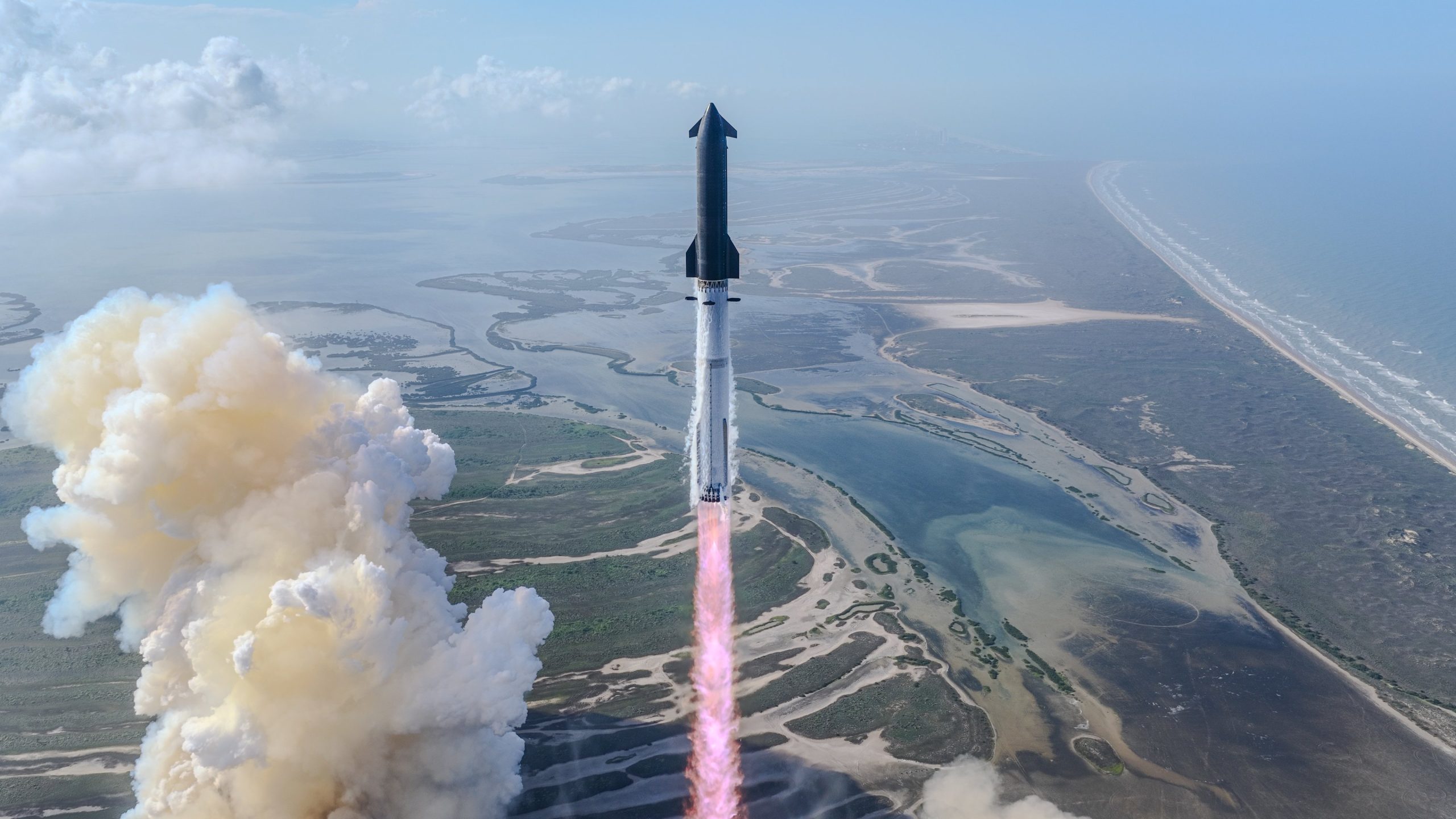
Venture capitalist Chamath Palihapitiya has cautioned investors shorting SpaceX shares, drawing a direct parallel to the intense short-selling pressure Tesla faced in its early public years.
Responding to reports of elevated short interest in the newly public rocket, satellite, and AI company, Palihapitiya noted that similar dynamics played out with Tesla, where aggressive short sellers ultimately “went broke.”
SpaceX (NASDAQ: SPCX) went public on June 12, 2026, in the largest IPO on record, pricing at $135 per share. Shares quickly surged to an all-time high of $225.64 just days later, briefly implying a valuation exceeding $2 trillion. The stock has since retreated sharply amid valuation concerns, lockup expiration fears, and broader market dynamics.
By early August, it traded near $108–$125, representing a roughly 50 percent decline from the peak and bringing the market capitalization closer to the $1.5–1.7 trillion range. On August 4, shares closed up more than 9 percent at $125.33 ahead of earnings before facing pressure in after-hours and premarket trading.
Short interest has climbed dramatically. According to S3 Partners data widely cited in market reports, short positions reached approximately 219.3 million shares by late July, about 34 percent of the limited public float of roughly 640 million shares, and represented a notional value of around $24.6 billion.
Utilization of shares available to borrow hit 95 percent, with borrow fees rising. This level of shorting exceeded the dollar value of short bets against Tesla at the time and built rapidly ahead of two catalysts: the company’s first post-IPO earnings and an August 6 lockup expiration that could free up to 911.5 million additional shares.
-
CEO Elon Musk has issued warnings of his own. In mid-July, as short interest approached one-third of the float, he posted that “the survival probability of firms who maintain a significant short position in SpaceX over time is very low,” reiterating his view that the company could ultimately be worth more than Earth if it achieves its goals.
On August 4, just before earnings, Musk responded to the latest short-interest data by saying, “I try to warn them, but they just double down.”
SpaceX delivered its first quarterly results as a public company after the close on August 4. Second-quarter revenue rose 92 percent year-over-year to $7.8 billion, beating consensus estimates near $6.8–6.9 billion.
The net loss narrowed to $541 million, or 9 cents per share, better than the roughly 23–24 cent loss expected. Starlink/connectivity contributed about $4.3 billion (up 66 percent), while the AI business generated $2.6 billion (up roughly 250 percent). Capital expenditures were heavy at $18.4 billion, largely tied to AI infrastructure. Management projected a $100 billion annualized revenue run rate by year-end 2026 and outlined a path toward $1 trillion in annual revenue by 2030.
The combination of Chamath’s historical reminder, Musk’s repeated alerts, and the company’s ambitious growth targets underscores the high-stakes debate surrounding SPCX. Short sellers are positioned for near-term supply pressure from the lockup, while long-term bulls point to Starlink scale, Starship progress, and AI compute expansion as reasons the bears may ultimately face the same fate as many early Tesla skeptics.
Investor's Corner
SpaceX and Nvidia team up on Musk’s orbital AI bet
SpaceX revealed a new Nvidia satellite partnership, then Musk pledged an exclusive Nvidia hardware commitment.

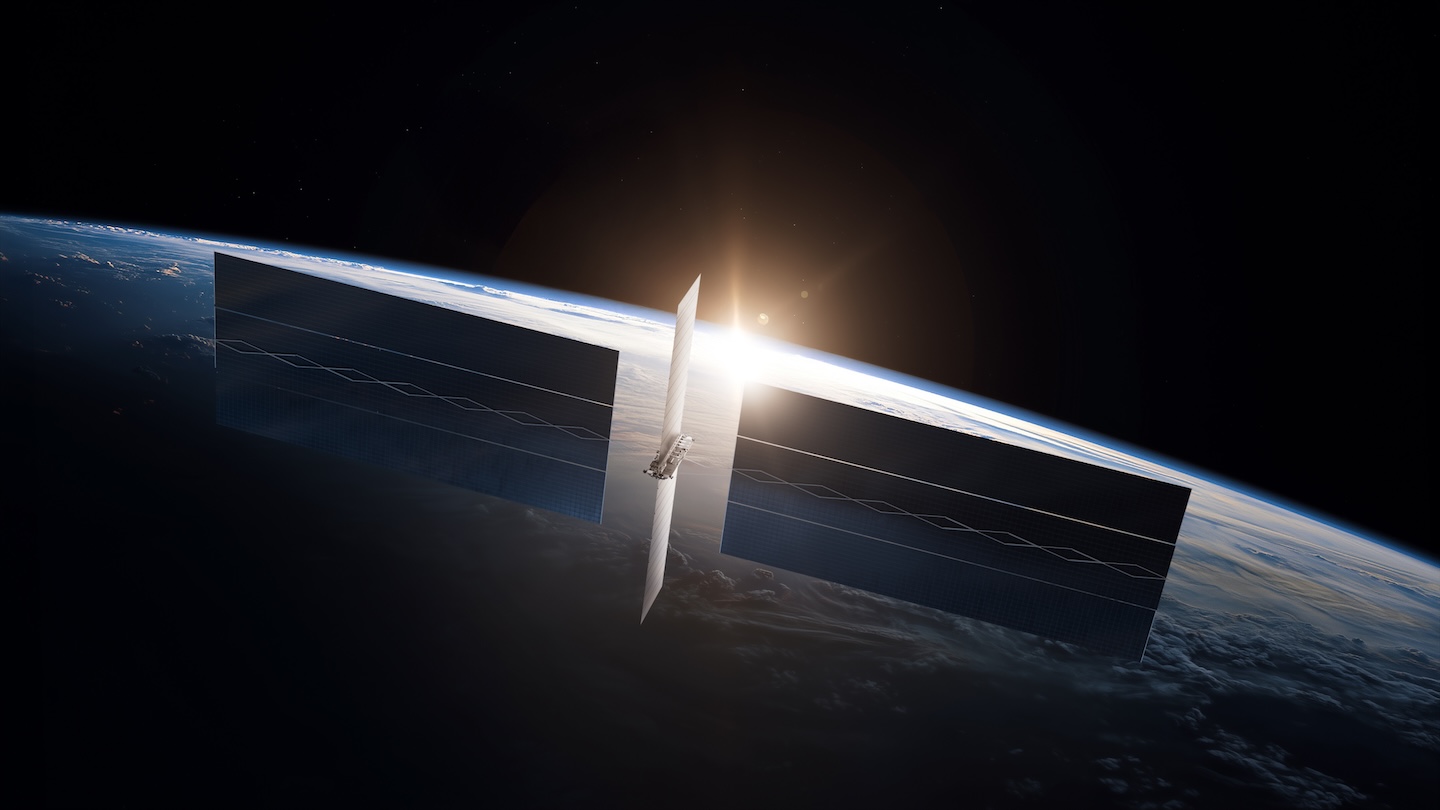
SpaceX and Nvidia are now working together on the hardware that will power Musk’s orbital data center ambitions. SpaceX announced on X on Tuesday that it is partnering with Nvidia to design the compute payload for Starmind AI1, the first satellite in a planned constellation built to run AI workloads directly in orbit. Each Starmind satellite will carry Nvidia’s Rubin GPUs and Vera CPUs, according to the post, which included renderings of the payload design.
The announcement landed hours before SpaceX’s first earnings call as a public company, where Musk went further, saying the company has committed to building its AI infrastructure exclusively on Nvidia hardware. “We think the Vera Rubin architecture is the best architecture. We think it’s the best AI computer, and we greatly value our close cooperation and partnership on many levels with Nvidia,” Musk told investors on the call,. “So we’re exclusive to Nvidia.”
Musk said SpaceX plans to deploy Nvidia’s Vera Rubin NVL72 rackscale system, codenamed Kyber, both on the ground and in space. He set a target of 2 gigawatts of compute capacity online by the end of this year, scaling to roughly 10 gigawatts by the end of 2027.
SpaceX’s newest Starmind will make earth data centers obsolete
Starmind has been in development since Musk confirmed the name in June, following an xAI trademark filing that tipped off the project before SpaceX made it official. The idea is massive in scope and instead of moving data down to ground based servers, satellites equipped with onboard processors and large solar arrays would compute AI workloads in orbit and beam results back to Earth. SpaceX has already filed with the FCC for a constellation of up to one million satellites to support the effort, citing constant solar power and the absence of zoning restrictions as advantages over terrestrial data centers.
The Nvidia exclusivity marks a shift in tone from just two weeks ago, when Musk was busy knocking down a report that SpaceX had ordered $52 billion worth of Nvidia GPUs through Foxconn, calling it fake news at the time. The dollar figure in that rumor may have been wrong, but the underlying direction seems correct. SpaceX’s AI division already leases Colossus compute capacity to Anthropic and Google, and Tuesday’s earnings report showed AI revenue climbing sharply as those deals ramp up.
Nvidia shares rose roughly 3% in Tuesday trading on the news, while SpaceX stock climbed nearly 9% during the day before giving back gains after hours as investors digested the earnings report’s capital spending figures.
-
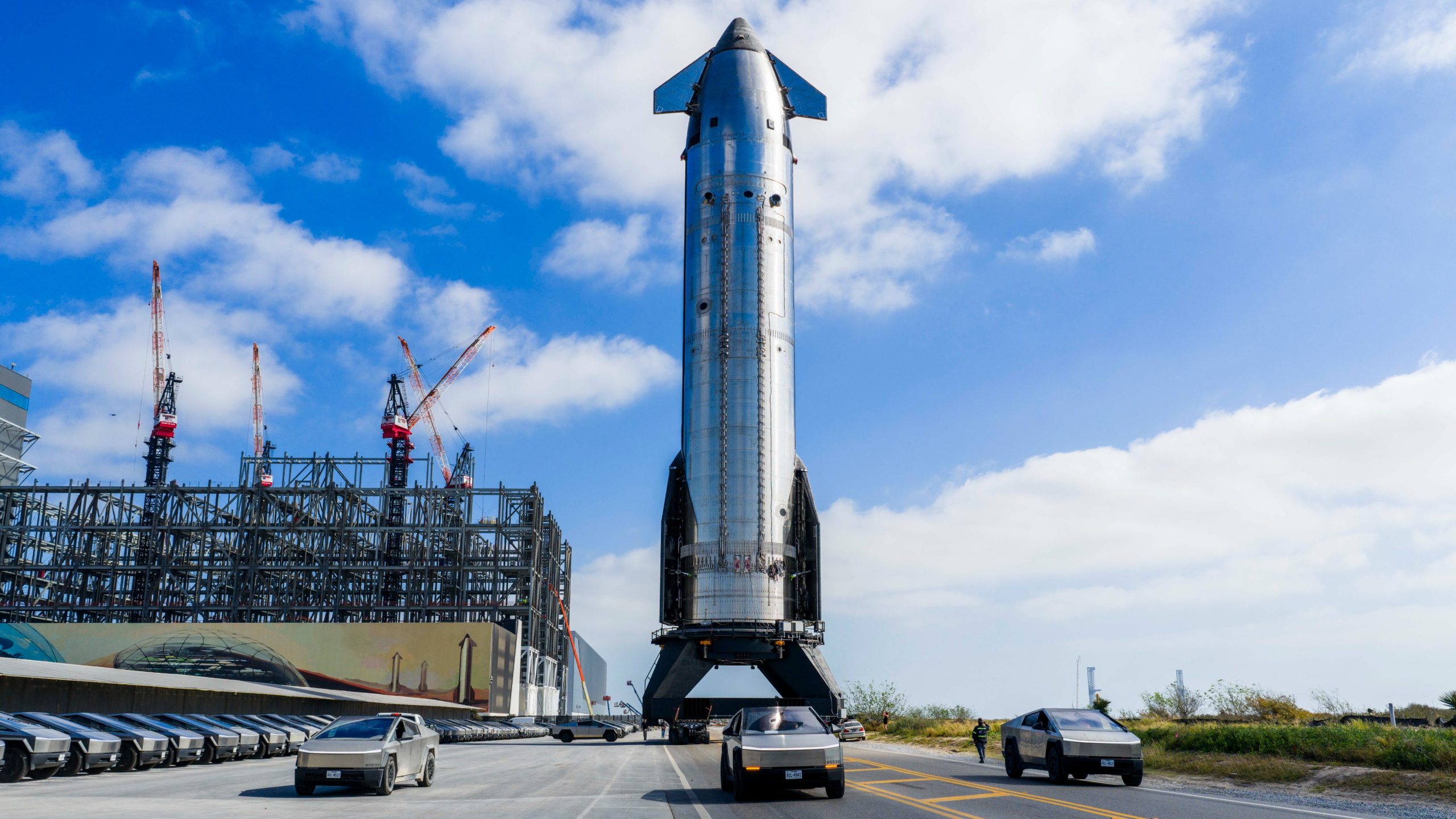
SpaceX (NASDAQ: SPCX) reported a beat in revenues and EBITDA in its first earnings call report while also minimizing losses as its business continues to gain momentum.
After its IPO in July, SpaceX saw some tough losses on Wall Street due to a major selloff after a delay in its 13th Starship test flight. The ship launched later that week and completed what was arguably the most successful IFT operation in the Starship program’s history.
Nevertheless, the company is continuing on and reported some encouraging financials while also promoting what appears to be a robust outlook moving forward in its Space, AI, and Connectivity divisions.
SpaceX to report first-ever earnings today: here’s what to expect
Earnings Results
- Revenues: $7.8 billion reported vs. $6.7 billion expected
- Adjusted EBITDA: $3.5 billion vs. $2 billion expected
- Net loss of $541 million, an improvement of $467 million from net loss of $1.0 billion
Additionally, CFO Bret Johnsen had these comments:
“2026 has been a momentous year so far, and the second quarter demonstrated the true power of SpaceX. Revenue growth accelerated across all our business segments and we delivered strong operating leverage, with significant margin expansion led by our new AI compute agreements. Our unparalleled leadership in launch, Starlink subscriber growth, new enterprise and government partnerships, and best-in-class AI infrastructure underscore our ability to drive meaningful scale and deliver attractive returns. As a newly public company, we are delighted to welcome our broad base of shareholders and bondholders. We ended the second quarter with $100 billion of cash, cash equivalents, and marketable securities, and $47.5 billion in backlog. This financial strength gives us substantial capacity to invest in Starship, Starlink Broadband and Mobile satellites, and our AI platform, while maintaining a disciplined long-term capital allocation framework.”
Space Business Highlights
SpaceX shared some of its biggest Space Business Highlights for Q2:
- Space revenues grew 55% sequentially and 29% year-over-year to $962 million, driven by a higher number of large customer launches and a favorable customer shift compared to the prior year
- Total costs and expenses for the Space segment were up by $389 million year-over-year, as we continued to accelerate R&D investments in our Starship program, which we believe will reduce the cost to orbit by 99% or more relative to the historical average, and unlock significant revenue potential across all business segments
- Leading launch provider for the world with 78 launches and 1,041 metric tons of mass to orbit deployed over the six months ended June 30, 2026, primarily allocated to Connectivity for the deployment of our Starlink constellation
- Starship V3 development continued to advance towards full and rapid reusability:
- Completed Starship V3’s first suborbital mission in May, Flight 12, which achieved a successful lift off from our new Starbase pad, a precision landing of Starship’s upper stage, and deployment of modified V2 Starlink satellites
- Subsequent to the second quarter, completed Starship Flight 13 in July, which achieved all flight objectives including deploying 20 production V3 satellites, demonstrating in-space relight of a Raptor engine, and executing the softest ever splashdown of Starship, providing critical views of an intact heatshield
SpaceX will report its earnings today at 4:30 P.M. EDT.
-

SpaceX has solved Starship’s biggest challenge, Elon Musk says

SpaceX is coming for wireless giants with Starlink Mobile


