
Lifestyle
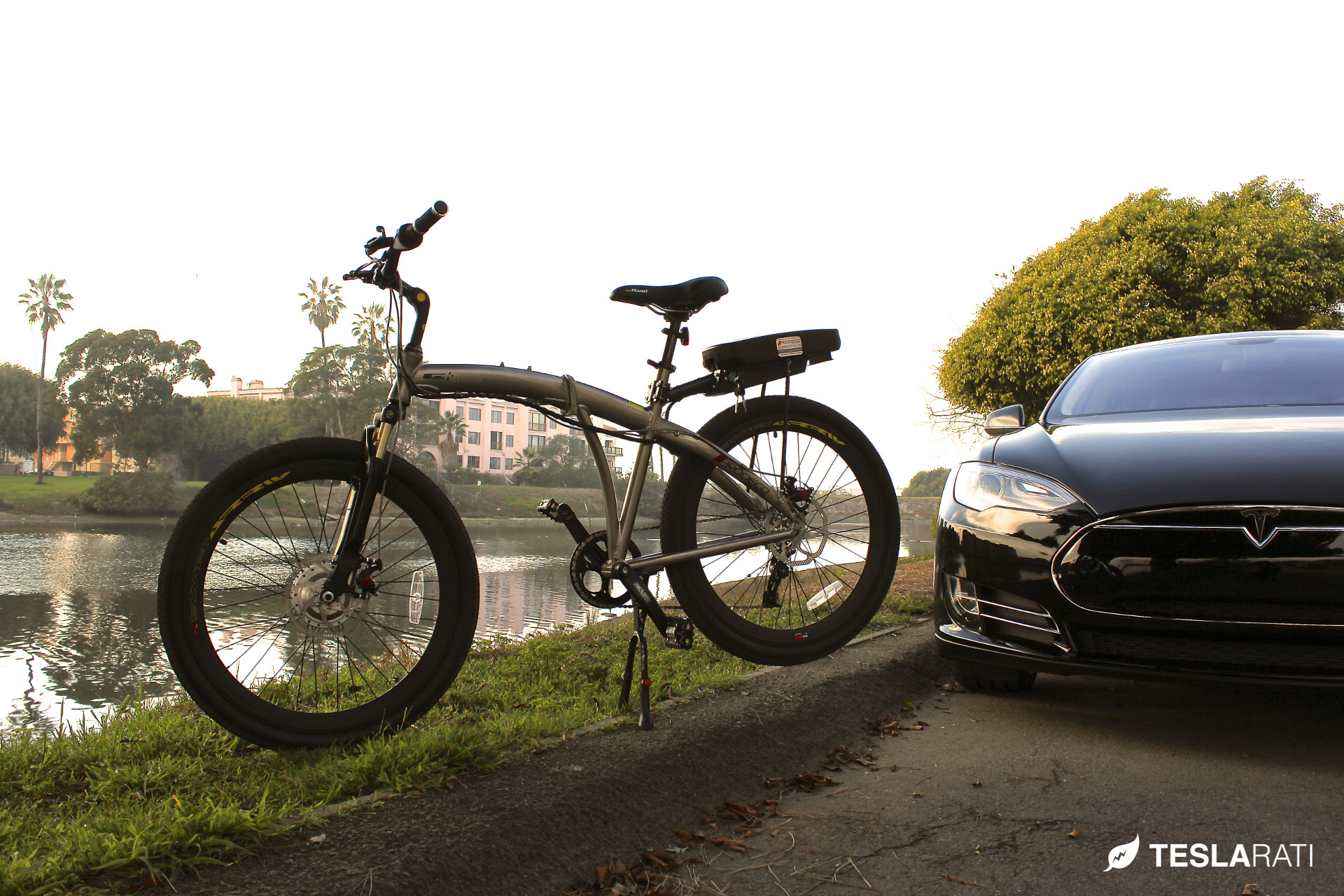
Full Size Folding Electric Bike in a Tesla Model S

Sleek, sexy, powerful, silent, exhilarating, and manufactured in the USA! Kind of sounds like a Tesla Model S, doesn’t it? Well, close. If a Tesla can ever reincarnate, we think it would surely come back in the form of a revolutionary Prodeco Technologies folding electric bike.
If you’re not familiar with electric bikes, also known as e-bikes, they’re essentially bicycles with an integrated electric motor that can assist with propulsion. The small electric motor is attached to either the front or rear wheel and supplements the rider’s pedaling power, making it especially helpful during steep hill climbs or when you’re just feeling lazy.
Prodeco Tech Storm
Prodeco Technologies is one of the world’s largest and most innovative manufacturers within the growing e-bike industry, and has a reputation for craftsmanship, superb design and progressive technology. That’s why we were so excited when we heard about the opportunity to review one of their latest line of folding electric bikes during one of our Supercharged road trips.
Initial impression
We tested their Storm series; an attractive looking bike that compliments the sleek lines of the Tesla Model S very well. We’ve heard that electric bikes tend to be on the heavier side due to the weight of the Lithium-ion batteries (no surprises there), but was shockingly surprised by how “normal” it felt in terms of weight, especially considering that it’s a full-sized electric bike.
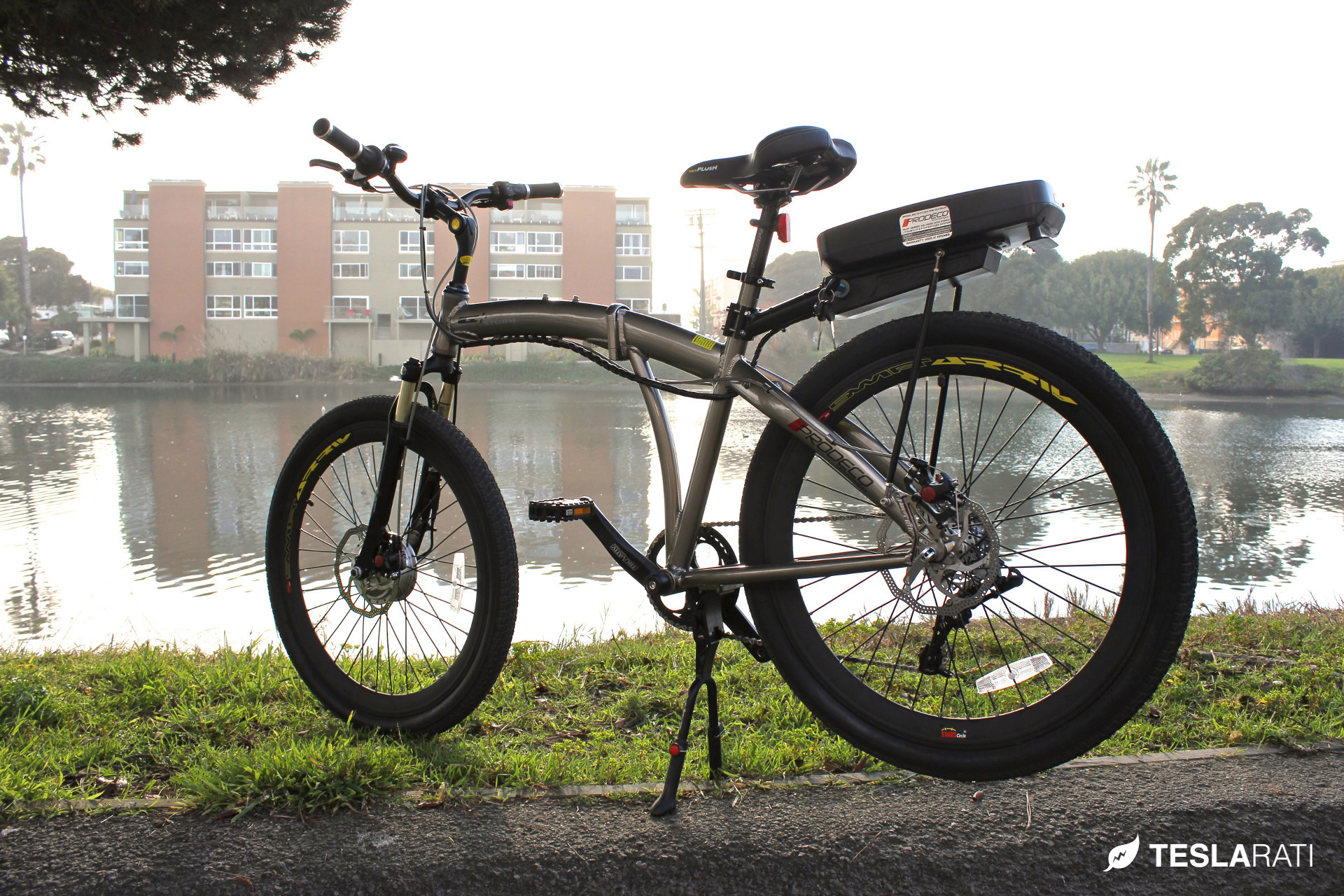
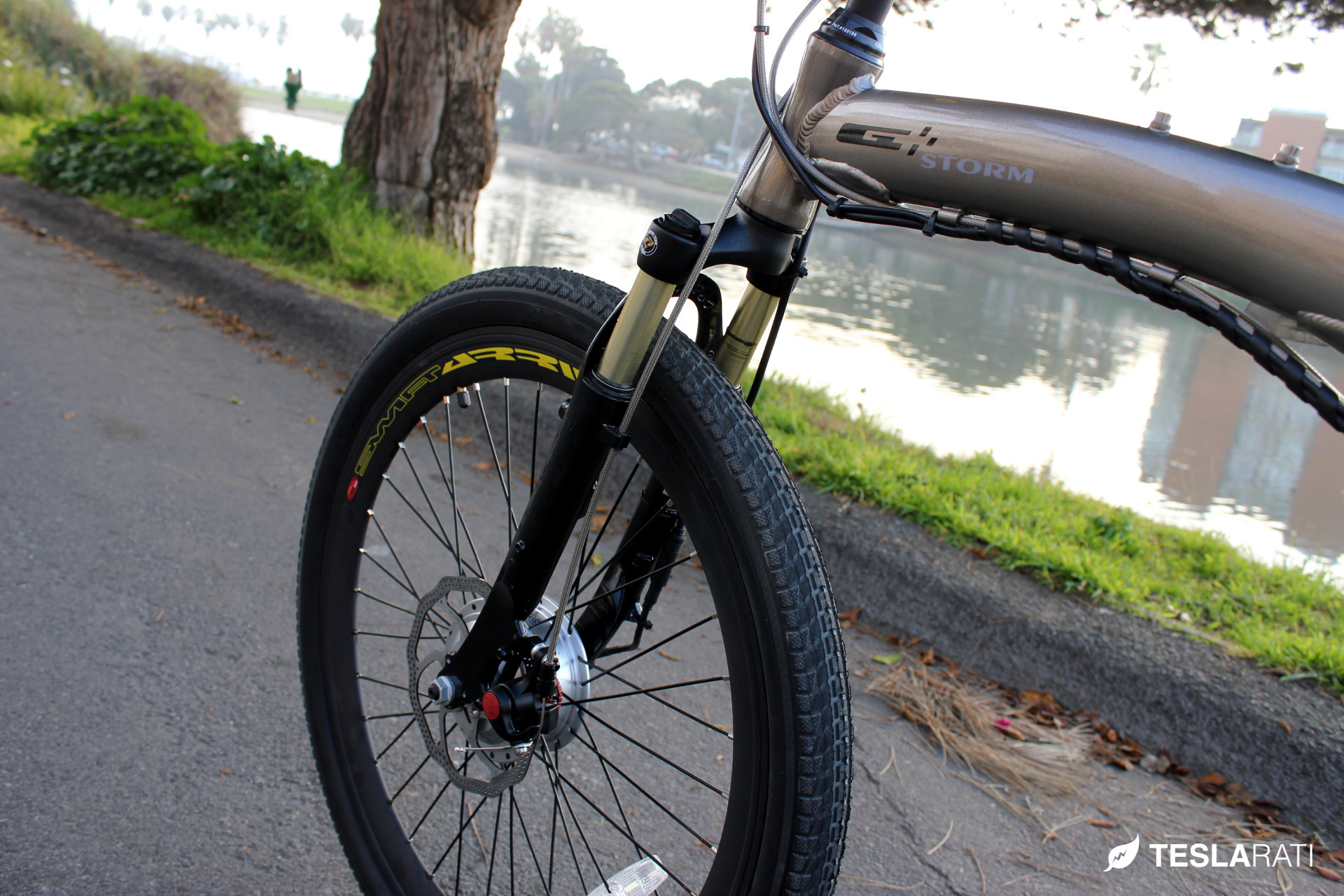
Right away you can tell that the bike has got some serious stopping power, with mountain bike caliber Avid disc brakes attached to both the front and rears. Prodeco clearly took no shortcuts when it came to retrofitting the e-bike with the best available components.
Features
- Lightweight, aircraft-grade all Aluminum Frame
- ½ Twist Throttle
- Avid BB5 Disc Brakes and Avid 180mm HS1 Rotors
- Adjustable Suspension
- SRAM X7 Twist 8 Speed Shifter
- SRAM X5 8 Speed Mid Derailleur
- 38.4V 9Ah LiFePO4 24 Cell Battery
- Front FSG 36V 300W Motor (500 W peak)
- 18 mph speed
- 25-35 miles per charge
- Folds in half – folded dimensions: 48″ x 36″ x 28″
- One of the lightest e-bikes out there at only 49 lbs
- Foldable Pedals
- Adjustable Kickstand
Lithium-Ion Battery Power
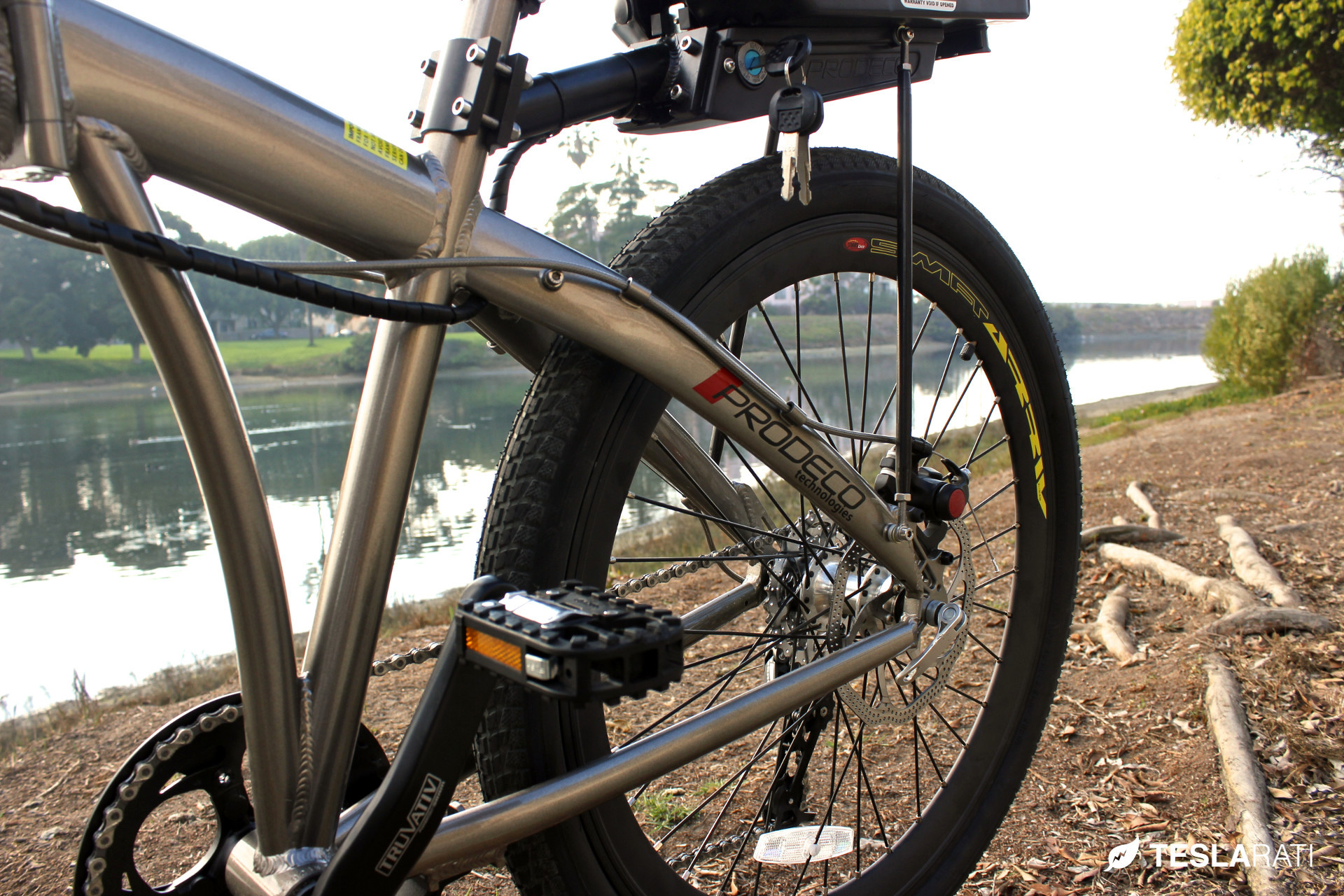 Li-ion Battery (LiFePO4): Like the Tesla, the electric motor and battery are the key, and likely the most expensive, components of the Prodeco Tech electric bicycle. We were told that every Prodeco bike comes with an advanced LiFePO4 battery that uses a Lithium-ion-derived chemistry with a much longer life cycle and higher energy density over other Li-ion technologies. It’s able to maintain a constant discharge voltage which means you’ll have access to full power until the battery is discharged. To us, this translates purely to prolonged fun! More on that later.
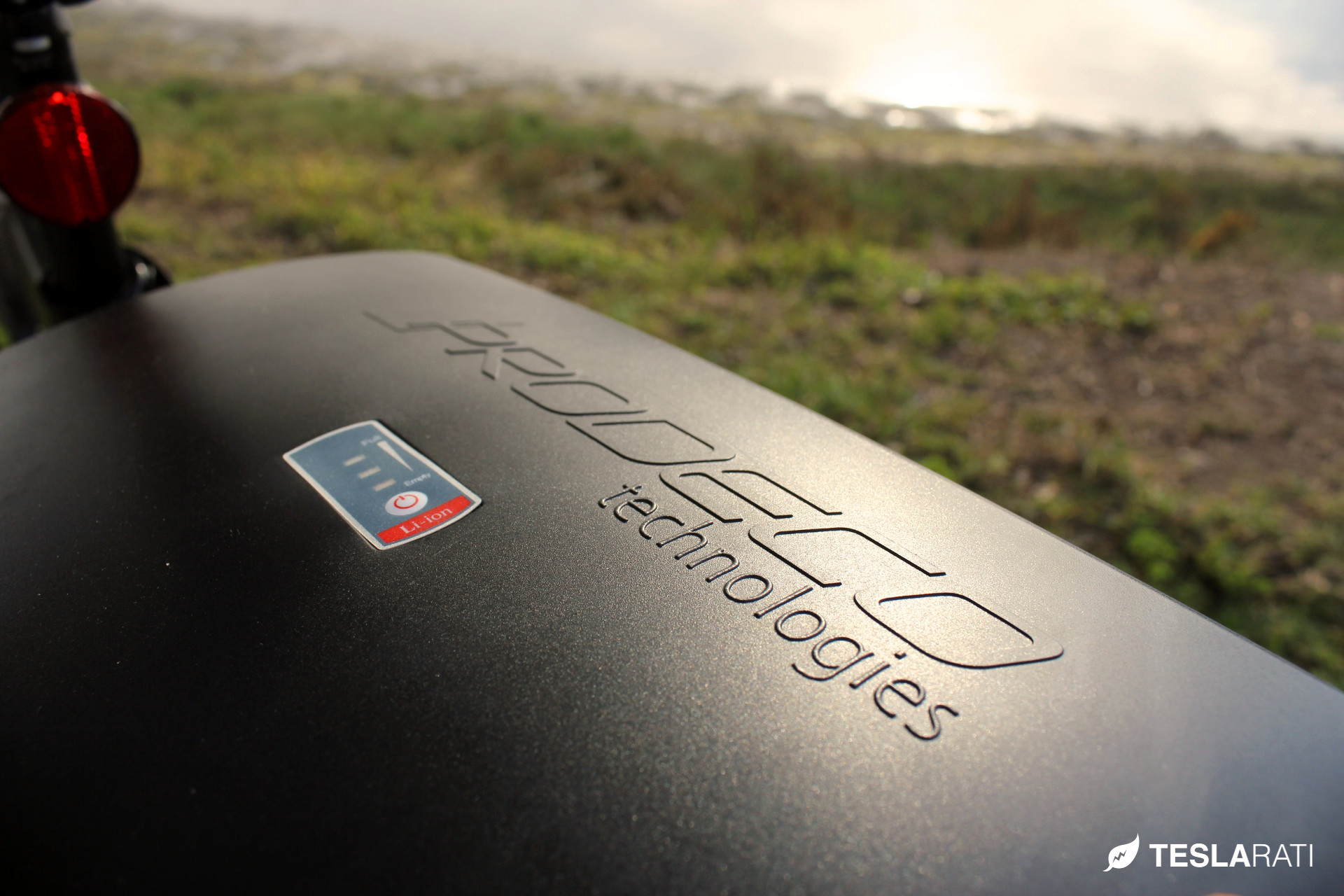
LiFePO4 Technology with battery charge indicator bar.
It’s pretty evident that Prodeco spared no expense or quality when it came to engineering their line of electric bicycles. When we dug into the history of the 7 year old bike company a bit more, we learned that Prodeco Technologies struck a partnership deal with one of the world’s top Li-ion battery producers. The strategic partnership allowed Prodeco to incorporate the high-end LiFePO4 battery, a technology that’s rarely used due to its higher cost, on all of their bikes; giving them a much larger competitive advantage over other e-bike manufacturers. It was a win-win for Prodeco – premium Li-ion battery technology and at a price point that’s often on par, if not cheaper, than e-bikes of much lesser quality.
Electric HUB Motor: Ok, where? Had it not been for the rear-mounted battery pack, a dead giveaway that this was something more than just a regular bike, we would have never been able to tell that the Storm 300 was actually an electric bike. Prodeco went with an ultra lightweight and energy efficient performance motor that’s mounted directly onto the wheel hub. The 300 watt motor (500 watt peak) weighs in at only 5.5 lbs, but what’s even cooler is that the motor is attached via a weatherproof quick-disconnect connector, making motor swaps a cinch. We know what you’re thinking; and yes, you can upgrade to a more powerful version of the electric motor!
Folding Electric Bike in a Tesla Model S
WARNING: This is not a magic trick. What you’re about to see is real. Please try this at home. We fit this full-sized electric bike into the Tesla Model S and still had enough room for 5 adult passengers. Don’t believe us? See for yourself.
Prodeco Tech’s Storm e-bike literally folds in half and stows perfectly into the trunk of the Model S. We didn’t even have to flip the rear seats down!
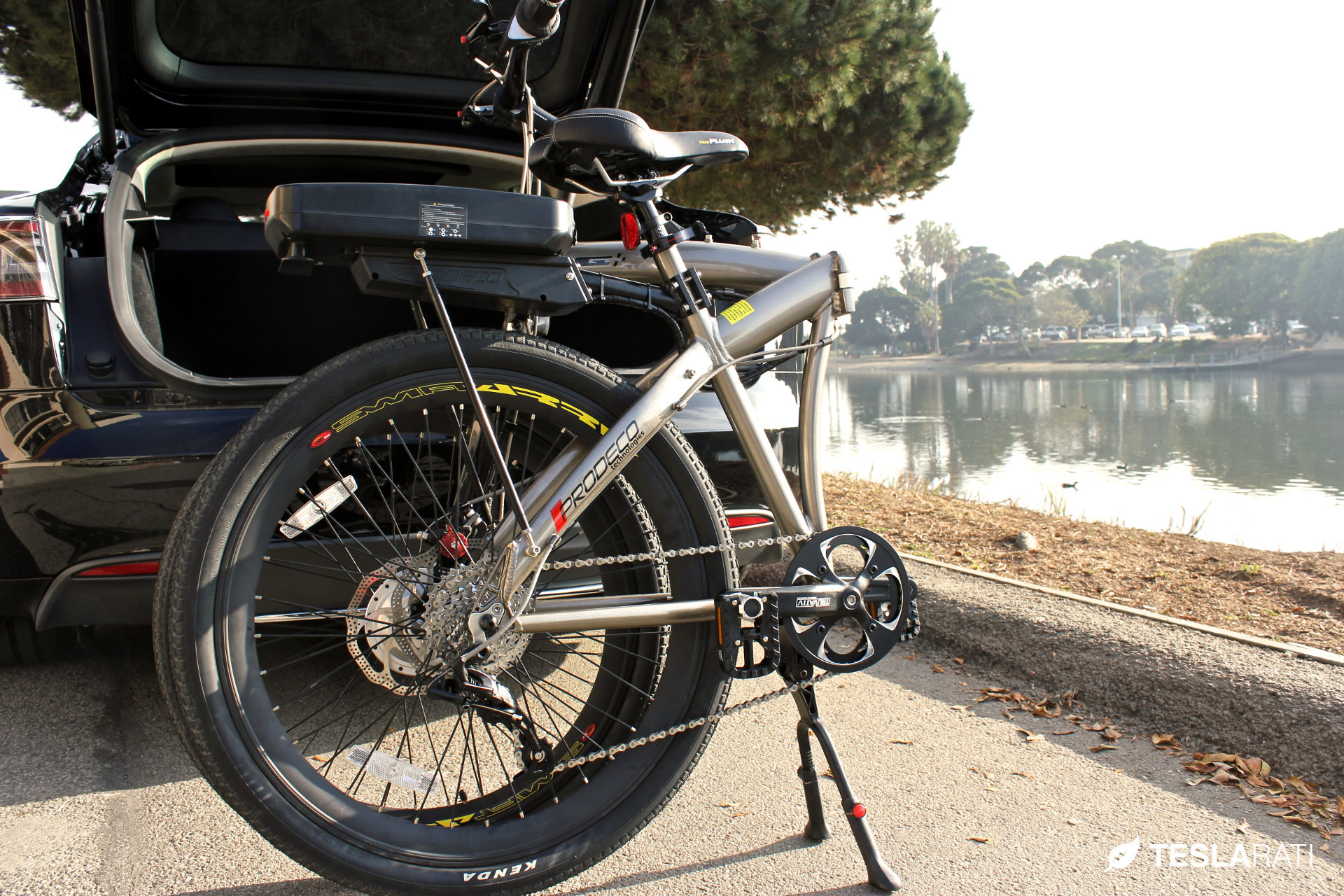
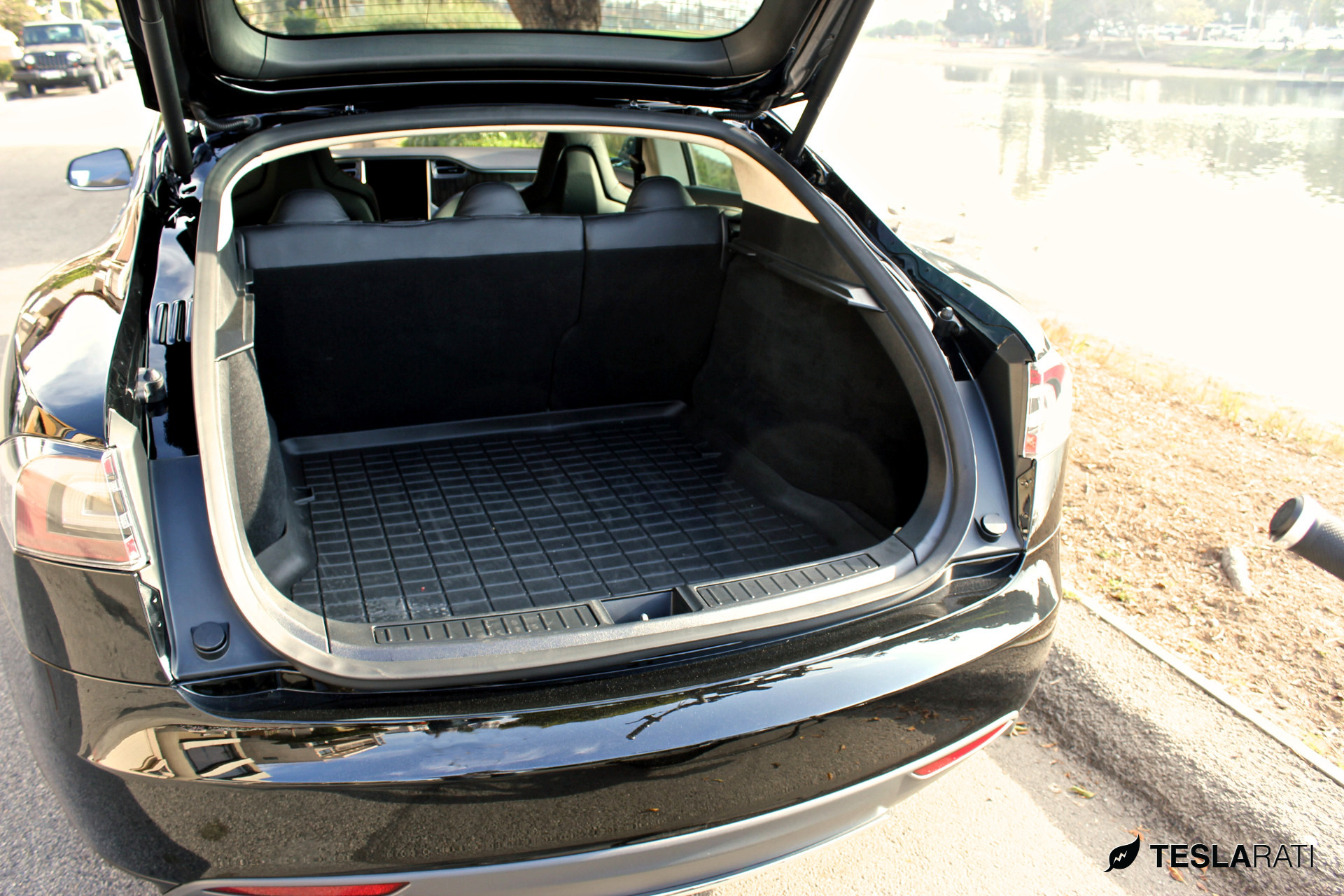


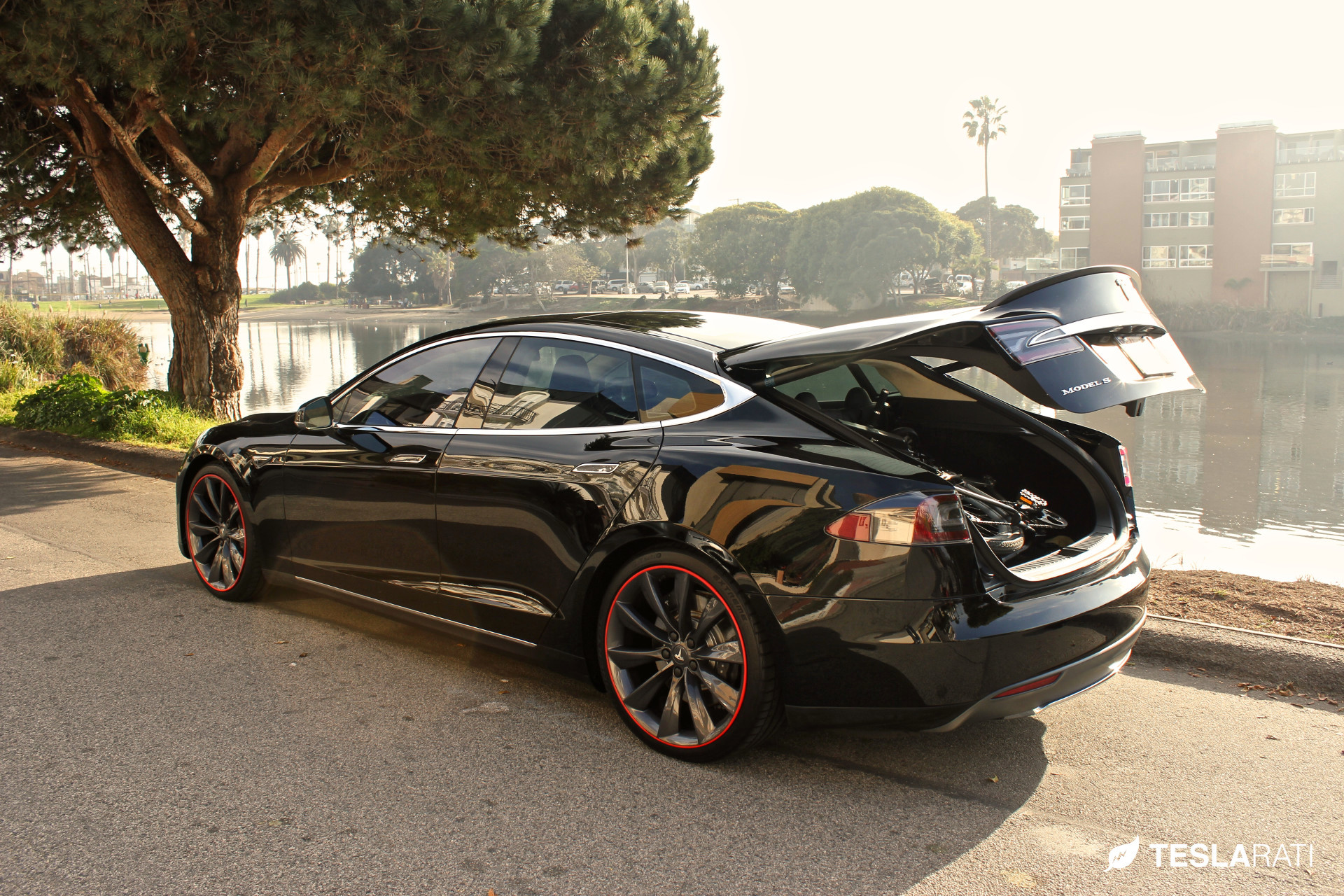
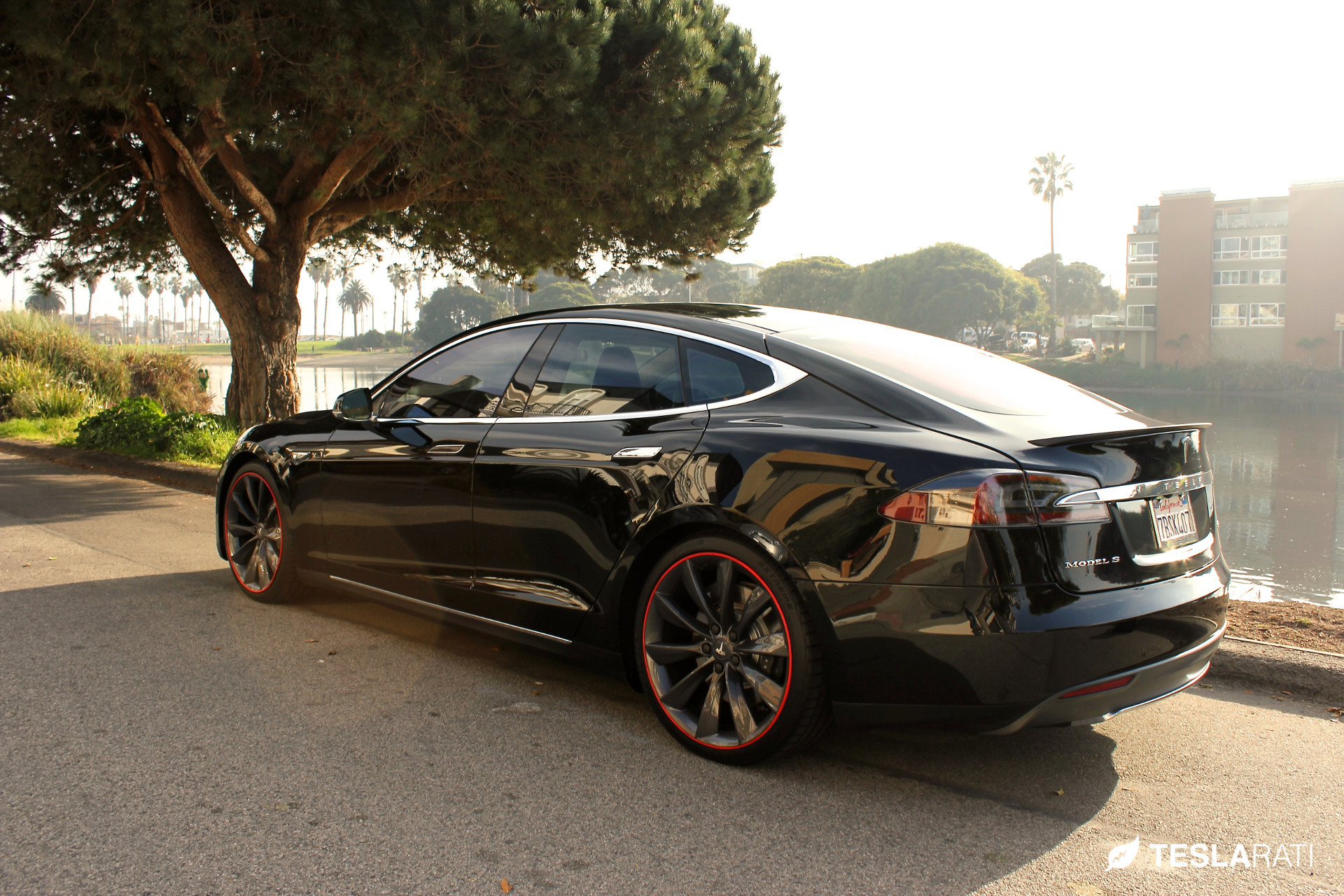
Side note: The Model S was extra shiny that day given that it came off a fresh coat of CQuart Finest. We’re doing a comparison between Opti-Coat Pro vs CQuartz Finest in an upcoming story.
Made in the USA
All Prodeco Technologies electric bicycles are designed, assembled and quality controlled at their 60,000 sq ft facility in South Florida. Each bike is proudly built by hand and takes upwards of 7 hours to complete. Prodeco also offers a lifetime warranty on their aircraft-grade aluminum frames and a 2 yr warranty on the LiFePO4 battery which not many manufacturers can match.
Riding the Prodeco Tech Electric Bike
We packed up the Storm 300 into our Model S and headed out on a test ride in the hills of Malibu Creek state park.
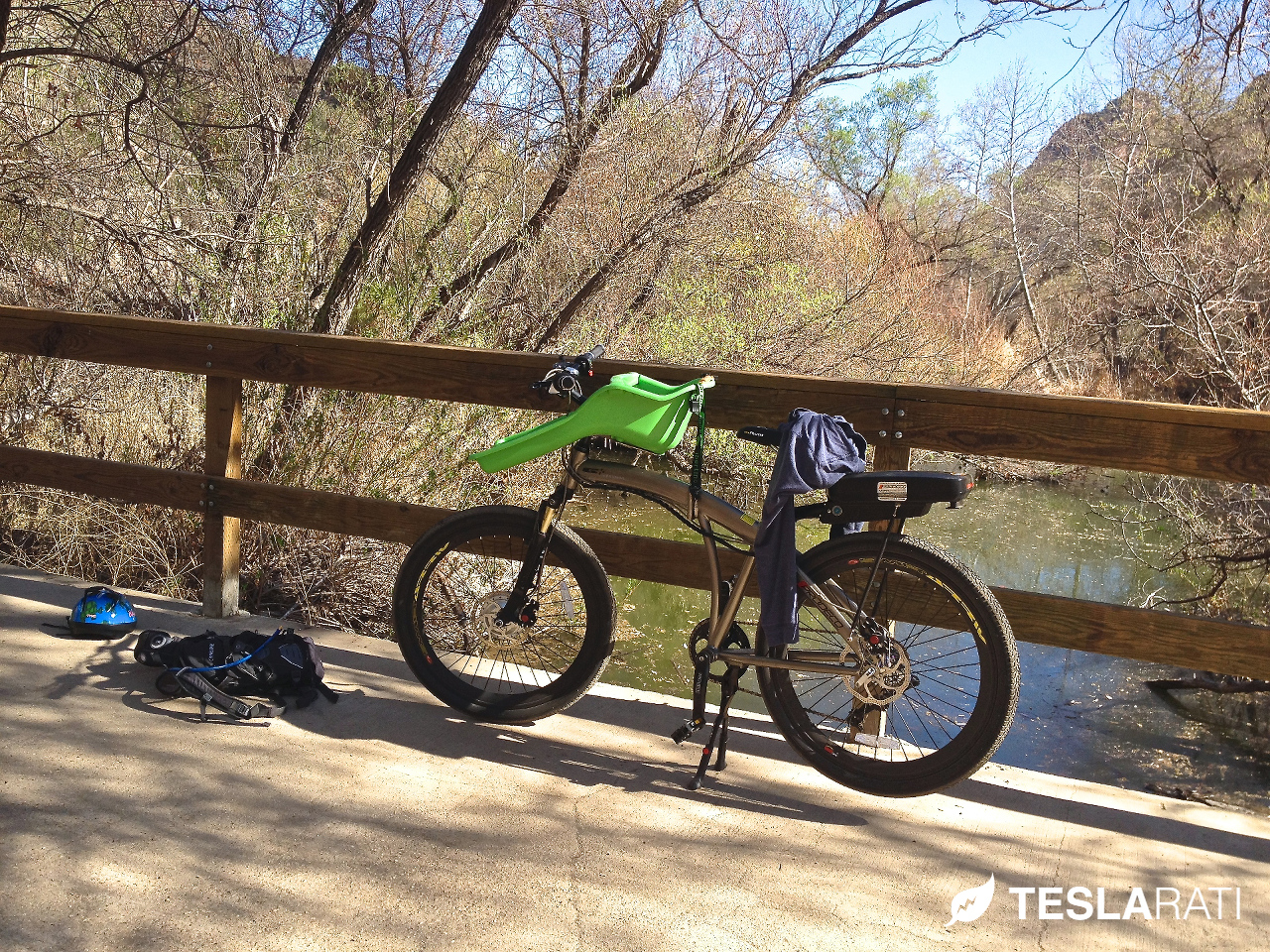
Prodeco Storm test ride at Malibu Creek state park. Toddler seat attachment shown.
Riding an electric bike for the first time is as monumental and life changing as the first time you drove a Tesla Model S. You’re not quite sure what to expect until you hear the subtle whirl and feel the instantaneous torque of the electric motor propel you forward. It’s exhilarating, it’s ridiculously fun and it’s addictive. The impression it leaves on you makes you want to come back for more, because you just feel great doing it.
Turning the key which is situated below the rear-mounted battery activates the electric bike. A set of LEDs, located near the 1/2 twist throttle on the right handle bar, lights up and lets you know that you’re about to have some fun. And we’re off!
The Prodeco bikes are solid and they do a great job absorbing a variety of terrains using their adjustable suspensions. The Storm is primarily a street and light trail bike, however Prodeco offers a huge selection of bikes that can suit even the most discriminating rider. Their Phantom X2 has received countless rave reviews and by far one of their most popular bikes. It’s pretty much the same bike as the Storm, but with upgraded components and a motor that’s 67% more powerful.
Pedaling on the Prodeco Tech Storm is smooth and gear changes happen with lightening quick precision thanks to the SRAM X7 Twist 8 Speed Shifter. Let it be known that pedaling is still required when it comes to riding an electric bicycle. E-bikes are not scooters. The electric motor act as a supplemental source of energy to pedaling, and becomes especially handy during uphill climbs or when you just want to go faster. The 300 watt motor, which delivers 500 watts at peak, is capable of propelling the bike to just shy of 20 mph. Did we already mention that it’s insanely fun to ride?
Conclusion
Prodeco Technologies is the Tesla of electric bikes. Through perfect execution and a no-compromises approach, they’ve managed to revolutionize the electric bike industry and become one of the leaders within the premium segment. It’s no wonder that the ProdecoTech brand has become the bike of choice for Tesla owners and enthusiasts.
The Storm 300 is electric, it’s sleek, stunning to look at, portable, and overall the perfect companion for the Tesla Model S – electric x 2!
MSRP: $1,399.00










Lifestyle
EV fans urge Tesla to acquire Unplugged Performance for edge in fleet and security industry
Unplugged Performance has built a name for itself by producing performance upgrades for Tesla vehicles.

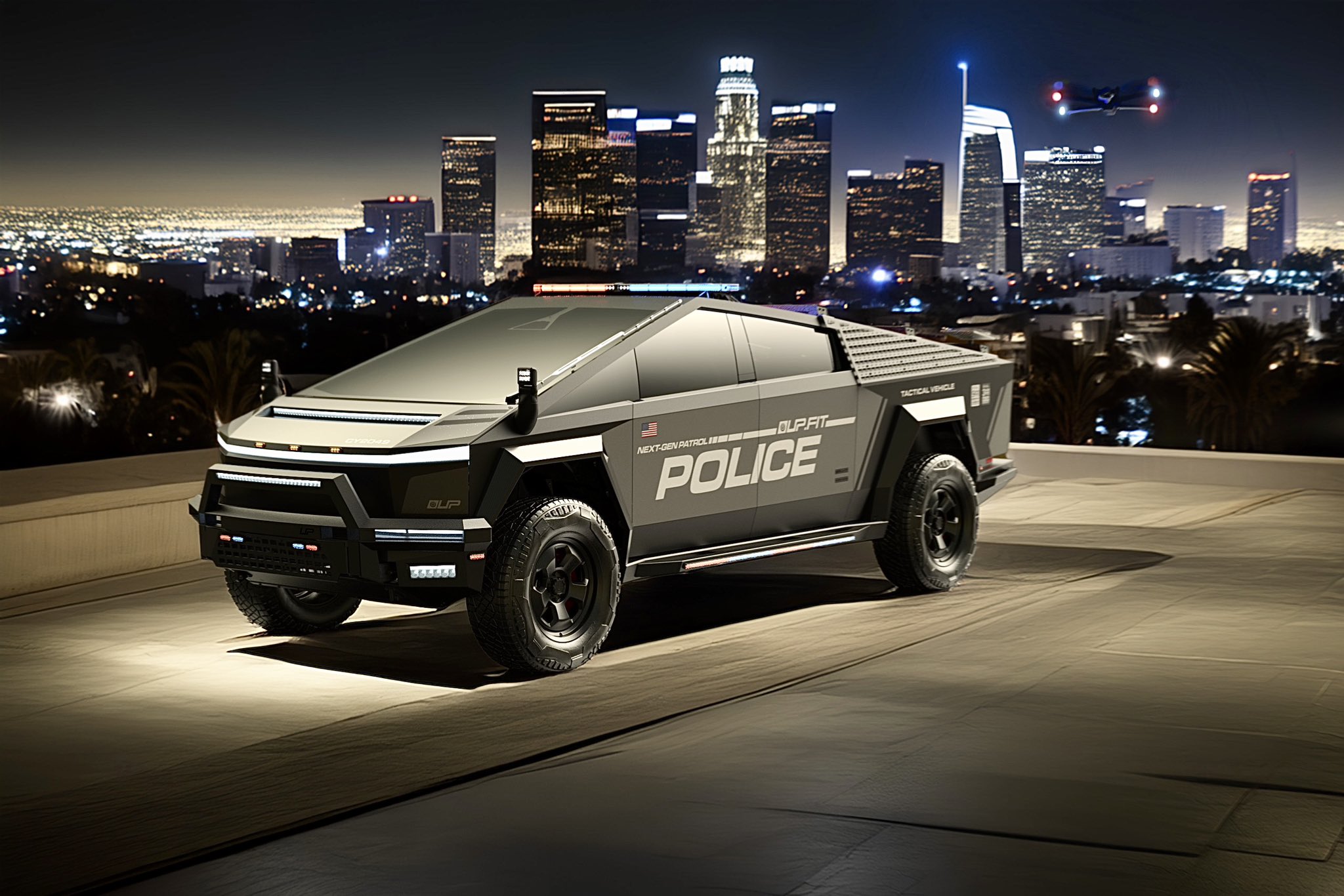
A growing number of Tesla enthusiasts and longtime community voices are calling on the electric vehicle maker to acquire Unplugged Performance, a California-based aftermarket company best known for tuning Tesla vehicles and developing specialized government fleet solutions under its UP.FIT division.
The idea was once considered a niche proposal among EV fans, but it is now gaining serious attention not just as a performance play but as a strategic move to deepen Tesla’s roots in the fleet and security industry.
A strategic fit
Unplugged Performance has built a name for itself by producing performance upgrades for Tesla vehicles, from track-optimized components to visual and aerodynamic upgrades. But in recent years, its UP.FIT division has pivoted toward a more functional future by outfitting Tesla vehicles like Model Ys for police, military, and government use.
That work has sparked growing calls for closer collaboration with Tesla, especially as the EV maker increasingly leans into autonomy, AI, and fleet services as core components of its next chapter.
“I posted this four years ago, but I think it’s more true now than ever,” wrote Whole Mars Catalog, a well-known Tesla investor and FSD Beta tester, on X. “Tesla should buy Unplugged. But not just as a Performance division. What they are doing with UP.FIT unlocks large government and commercial fleet purchases that can improve utilization.”
Tesla fans such as shareholder Sawyer Merritt echoed the sentiment, calling Unplugged a “great fit within Tesla.” adding, “They are literally located directly next to Tesla’s design studio in Hawthorne.”
Enabling the next wave
Supporters of the idea noted that integrating Unplugged into Tesla’s corporate structure could help accelerate the adoption of autonomous technologies in government sectors. With UP.FIT patrol cars already in use across some U.S. police departments, Tesla fans envisioned a future where self-driving Teslas could potentially revolutionize law enforcement, search-and-rescue, and public service logistics.
“Just imagine how autonomous patrol cars could transform policing and bring us into a safer future,” the veteran FSD tester wrote.
The benefits could also extend to Tesla’s existing consumer base. “They also have some incredible products in the works that I think will appeal to many ordinary Tesla drivers — not just those looking for performance or mods. Stuff that’s so good it should have come straight from the design studio next door,” Whole Mars Catalog noted.
Unplugged Performance, founded in 2013, shares not just a product vision with Tesla, but also geography. Its Hawthorne headquarters sits directly adjacent to Tesla’s design studio, and the two companies have maintained a close working relationship over the years. The aftermarket firm has long positioned itself as a “mission-aligned” partner to Tesla.
In response to the recent calls for acquisition, Unplugged Performance acknowledged the support from the community. “Our very existence is to support the Tesla mission with @UpfitTesla and @UnpluggedTesla,” Unplugged CEO Ben Schaffer posted on X. “We love working with Tesla and are grateful for the community’s support since 2013!”
Elon Musk
X account with 184 followers inadvertently saves US space program amid Musk-Trump row
Needless to say, the X user has far more than 184 followers today after his level-headed feat.
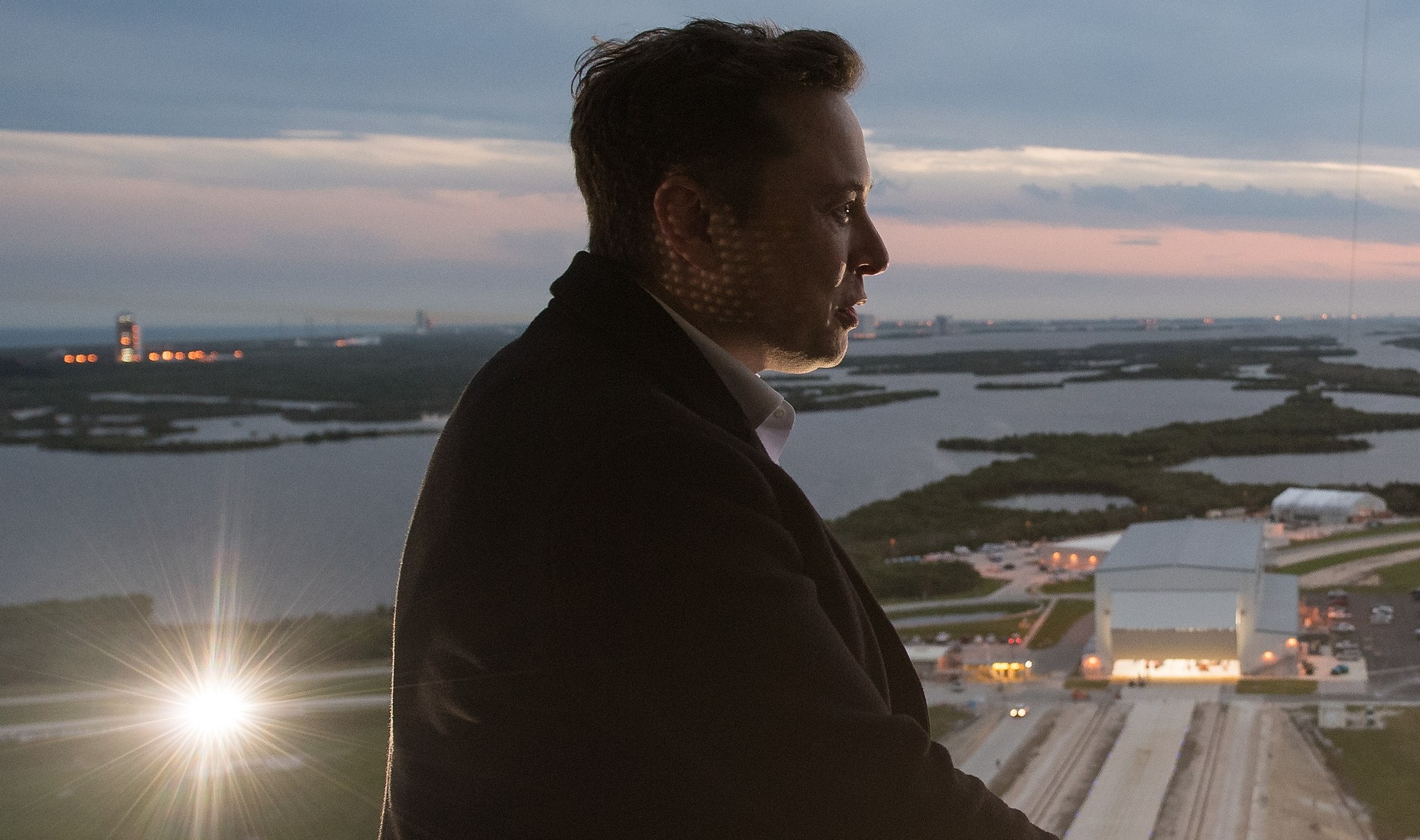
An X user with 184 followers has become the unlikely hero of the United States’ space program by effectively de-escalating a row between SpaceX CEO Elon Musk and President Donald Trump on social media.
Needless to say, the X user has far more than 184 followers today after his level-headed feat.
A Near Fall
During Elon Musk and Donald Trump’s fallout last week, the U.S. President stated in a post on Truth Social that a good way for the United States government to save money would be to terminate subsidies and contracts from the CEO’s companies. Musk responded to Trump’s post by stating that SpaceX will start decommissioning its Dragon spacecraft immediately.
Musk’s comment was received with shock among the space community, partly because the U.S. space program is currently reliant on SpaceX to send supplies and astronauts to the International Space Station (ISS). Without Dragon, the United States will likely have to utilize Russia’s Soyuz for the same services—at a significantly higher price.
X User to the Rescue
It was evident among X users that Musk’s comments about Dragon being decommissioned were posted while emotions were high. It was then no surprise that an X account with 184 followers, @Fab25june, commented on Musk’s post, urging the CEO to rethink his decision. “This is a shame this back and forth. You are both better than this. Cool off and take a step back for a couple days,” the X user wrote in a reply.
Much to the social media platform’s surprise, Musk responded to the user. Even more surprising, the CEO stated that SpaceX would not be decommissioning Dragon after all. “Good advice. Ok, we won’t decommission Dragon,” Musk wrote in a post on X.
Not Planned, But Welcomed
The X user’s comment and Musk’s response were received extremely well by social media users, many of whom noted that @Fab25june’s X comment effectively saved the U.S. space program. In a follow-up comment, the X user, who has over 9,100 followers as of writing, stated that he did not really plan on being a mediator between Musk and Trump.
“Elon Musk replied to me. Somehow, I became the accidental peace broker between two billionaires. I didn’t plan this. I was just being me. Two great minds can do wonders. Sometimes, all it takes is a breather. Grateful for every like, DM, and new follow. Life’s weird. The internet’s weirder. Let’s ride. (Manifesting peace… and maybe a Model Y.)” the X user wrote.
Lifestyle
Tesla Cybertruck takes a bump from epic failing Dodge Charger
The Cybertruck seemed unharmed by the charging Charger.
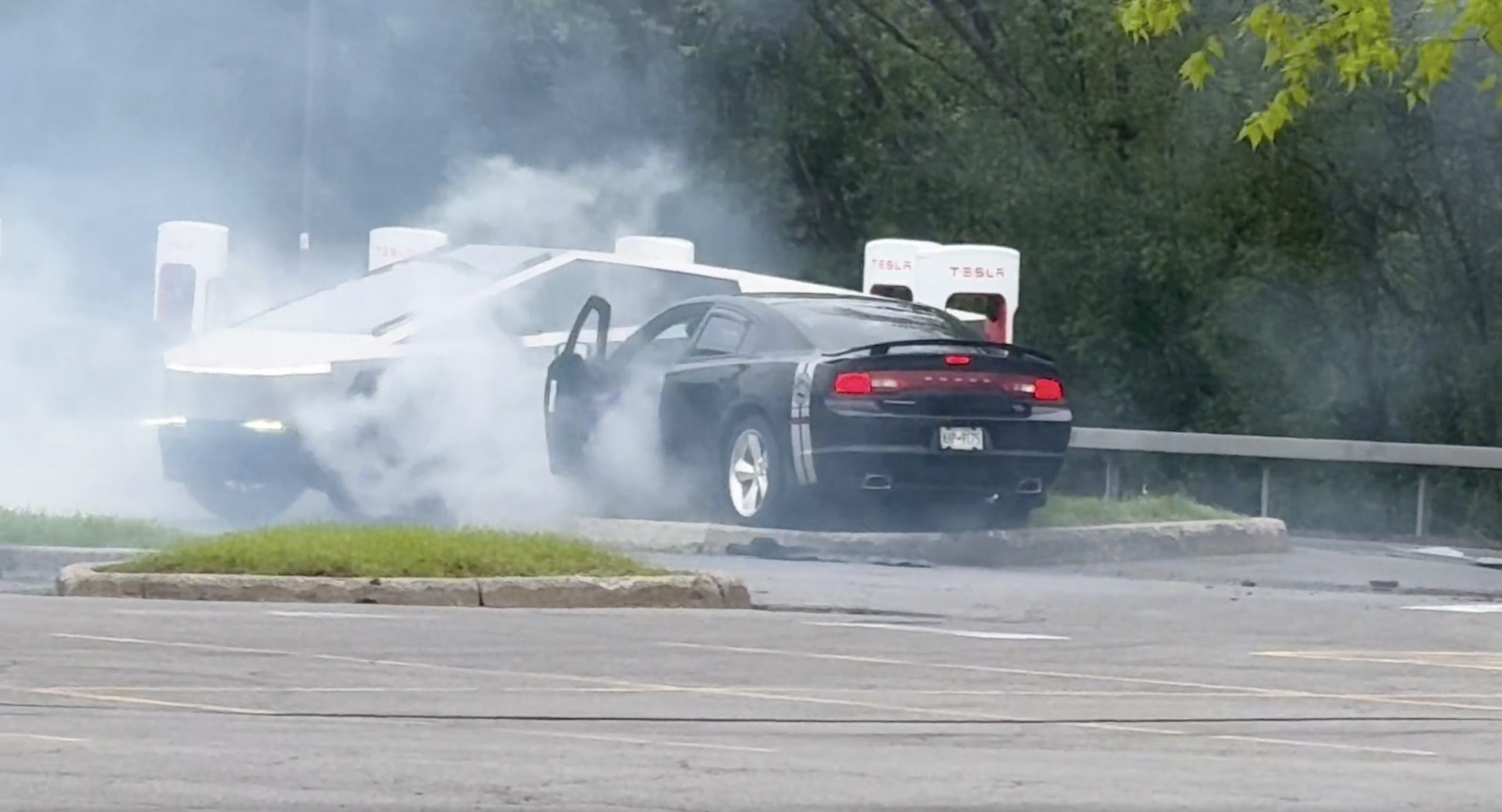
There comes a time in a driver’s life when one is faced with one’s limitations. For the driver of a Dodge Charger, this time came when he lost control and crashed into a Tesla Cybertruck–an absolute epic fail.
A video of the rather unfortunate incident was shared on the r/TeslaLounge subreddit.
Charging Charger Fails
As could be seen in the video, which was posted on the subreddit by Model Y owner u/Hammer_of_something, a group of teens in a Dodge Charger decided to do some burnouts at a Tesla Supercharger. Unfortunately, the driver of the Charger failed in his burnout or donut attempt, resulting in the mopar sedan going over a curb and bumping a charging Cybertruck.
Ironically, the Dodge Charger seemed to have been parked at a Supercharger stall before its driver decided to perform the failed stunt. This suggests that the vehicle was likely ICE-ing a charging stall before it had its epic fail moment. Amusingly enough, the subreddit member noted that the Cybertruck did not seem like it took any damage at all despite its bump. The Charger, however, seemed like it ran into some trouble after crashing into the truck.
Alleged Aftermath
As per the the r/TeslaLounge subreddit member, the Cybertruck owner came rushing out to his vehicle after the Dodge Charger crashed into it. The Model Y owner then sent over the full video of the incident, which clearly showed the Charger attempting a burnout, failing, and bumping into the Cybertruck. The Cybertruck owner likely appreciated the video, in part because it showed the driver of the Dodge Charger absolutely freaking out after the incident.
The Cybertruck is not an impregnable vehicle, but it can take bumps pretty well thanks to its thick stainless steel body. Based on this video, it appears that the Cybertruck can even take bumps from a charging Charger, all while chilling and charging at a Supercharger. As for the teens in the Dodge, they likely had to provide a long explanation to authorities after the incident, since the cops were called to the location.

Tesla launches in India with Model Y, showing pricing will be biggest challenge

Tesla ups Robotaxi fare price to another comical figure with service area expansion

Tesla Model Y and Model 3 dominate U.S. EV sales despite headwinds


-
 News3 days ago
Tesla debuts hands-free Grok AI with update 2025.26: What you need to know
-

 Elon Musk1 week ago
Elon Musk confirms Grok 4 launch on July 9 with livestream event
-
 Elon Musk6 days ago
xAI launches Grok 4 with new $300/month SuperGrok Heavy subscription
-
 News2 weeks ago
Tesla Model 3 ranks as the safest new car in Europe for 2025, per Euro NCAP tests
-

 Elon Musk2 weeks ago
xAI’s Memphis data center receives air permit despite community criticism
-
 News5 days ago
Tesla begins Robotaxi certification push in Arizona: report
-
 Elon Musk2 weeks ago
Tesla reveals it is using AI to make factories more sustainable: here’s how
-
 Elon Musk2 weeks ago
Tesla scrambles after Musk sidekick exit, CEO takes over sales