News
Tesla accused of infringing robotics patents in new lawsuit

Tesla is being accused of infringing robotics patents by a company called Perrone Robotics, which is based out of Charlottesville, Virginia.
The suit was filed in Alexandria, Virginia, and accuses Tesla of knowingly infringing upon five patents related to robotics systems for self-driving vehicles.
The company said its founder, Paul Perrone, developed general-purpose robotics operating systems for individual robots and automated devices.
Perrone Robotics claims that all Tesla vehicles utilizing the company’s Autopilot suite within the last six years infringe the five patents, according to a report from Reuters.
Tesla’s new Safety Report shows Autopilot is nine times safer than humans
One patent was something the company attempted to sell to Tesla back in 2017. The five patents cover a “General Purpose Operating System for Robotics,” otherwise known as GPROS.
The GPROS suite includes extensions for autonomous vehicle controls, path planning, and sensor fusion. One key patent, U.S. 10,331,136, was explicitly offered to Tesla by Perrone back in 2017, but the company rejected it.
The suit aims to halt any further infringements and seeks unspecified damages.
This is far from the first suit Tesla has been involved in, including one from his year with Perceptive Automata LLC, which accused Tesla of infringing on AI models to interpret pedestrian/cyclist intent via cameras without licensing. Tesla appeared in court in August, but its motion to dismiss was partially denied earlier this month.
Tesla also settled a suit with Arsus LLC, which accused Autopilot’s electronic stability features of infringing on rollover prevention tech. Tesla won via an inter partes review in September.
Most of these cases involve non-practicing entities or startups asserting broad autonomous vehicle patents against Tesla’s rapid iteration.
Tesla typically counters with those inter partes reviews, claiming invalidity. Tesla has successfully defended about 70 percent of the autonomous vehicle lawsuits it has been involved in since 2020, but settlements are common to avoid discovery costs.
The case is Perrone Robotics Inc v Tesla Inc, U.S. District Court, Eastern District of Virginia, No. 25-02156. Tesla has not yet listed an attorney for the case, according to the report.


News
Tesla ‘Killer’ heads to the graveyard as AFEELA taps out
SHM has officially discontinued development of its highly anticipated AFEELA electric vehicles. On March 25, the joint venture between Sony and Honda announced it would halt the AFEELA 1 luxury sedan and a planned SUV model.
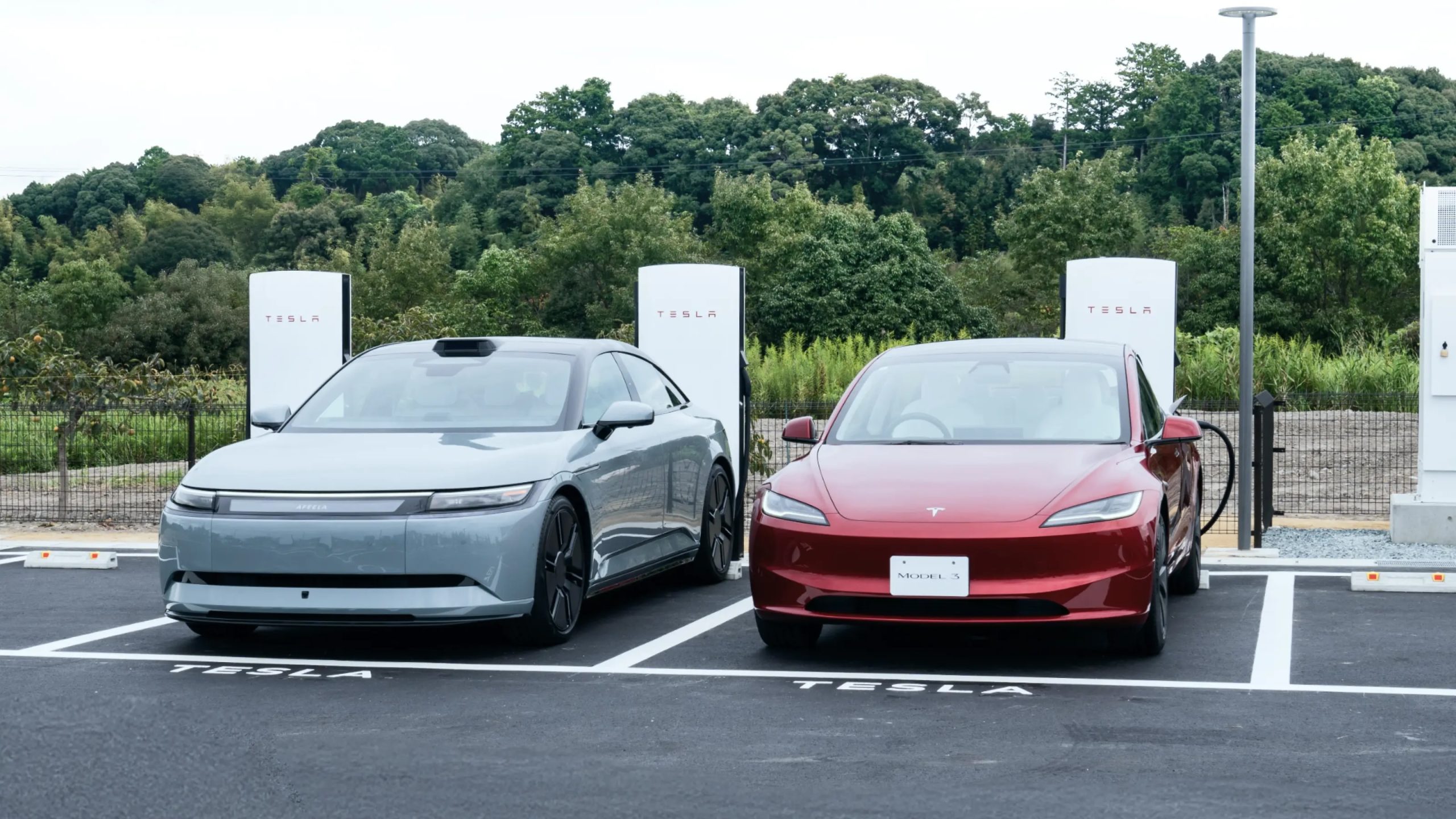
There have been many Tesla “Killers” over the years, all of which have either failed to dethrone the automaker from its dominance in the United States, or even make it to the market altogether.
The Sony Honda Mobility (SHM) project, known as AFEELA, is the latest to make it to the grave, as the company announced its intentions to abandon the project earlier this week, Bloomberg reported.
SHM has officially discontinued development of its highly anticipated AFEELA electric vehicles. On March 25, the joint venture between Sony and Honda announced it would halt the AFEELA 1 luxury sedan and a planned SUV model.
🚗 Tesla Killers Graveyard:
Sony-Honda AFEELA
The sleek, AI-packed luxury sedan with PlayStation integration. Officially cancelled in March 2026 after Honda scaled back its EV plans.Fisker Ocean
Stylish SUV with solar roof promises. Company filed for bankruptcy in 2024 amid… https://t.co/Om14UhISOy— TESLARATI (@Teslarati) March 26, 2026
The decision follows Honda’s March 12 reassessment of its electrification strategy, which scrapped several upcoming EV programs amid slowing demand, high costs, and shifting market conditions.
SHM stated that it could no longer rely on key Honda technologies and manufacturing assets, leaving “no viable path forward.” Reservation fees for early buyers in California are being fully refunded, and the joint venture’s future is now under review.
Launched with fanfare in 2022, the AFEELA was positioned as a tech-forward premium EV blending Honda’s engineering reliability with Sony’s entertainment and AI expertise.
Prototypes featured advanced autonomous driving systems, immersive in-cabin displays, and even PlayStation integration, earning it early media labels as a potential “Tesla Killer.”
Priced around $90,000, the sedan was slated for limited production at Honda’s Ohio plant with deliveries targeted for late 2026. Industry watchers saw it as a serious challenger to Tesla’s dominance in software, connectivity, and premium appeal.
Yet, like many ambitious EV projects, it fell victim to broader industry headwinds: softening consumer demand, persistent high interest rates, and intense competition from established players.
The AFEELA joins a long list of vehicles once hyped as “Tesla Killers” that failed to deliver. In the late 2010s, Fisker’s second act, the Ocean SUV, promised stylish design and solid-state battery tech but collapsed into bankruptcy in 2024 after production delays, quality issues, and financial shortfalls.
Faraday Future poured billions into the FF 91 luxury sedan, touting it as a hyper-tech rival with unmatched performance and features; the company delivered fewer than 100 vehicles before fading into obscurity.
Lordstown Motors’ Endurance electric pickup generated massive pre-order buzz and Wall Street excitement but imploded after exaggerated range claims, a factory sale, and eventual bankruptcy.
Even Lucid Motors’ Air sedan, frequently called a Tesla slayer for its superior range and luxury, has struggled with sluggish sales and missed growth targets despite strong reviews.
Rivian’s R1T and R1S trucks enjoyed similar early acclaim and a blockbuster IPO, yet production ramp-up challenges and profitability woes have prevented it from dethroning Tesla.
The AFEELA’s quiet demise underscores a harsh reality in the EV sector. While Tesla’s first-mover advantage in software, charging infrastructure, and brand loyalty remains formidable, legacy automakers and tech newcomers alike continue to underestimate the complexities of scaling affordable, desirable electric vehicles.
As market realities force tough choices, the graveyard of “Tesla Killers” grows longer, another reminder that innovation alone is rarely enough to topple an established leader.
Elon Musk
TIME honors SpaceX’s Gwynne Shotwell: From employee No. 7 to world’s most valuable company
Time Magazine honors Gwynne Shotwell as SpaceX reaches a $1.25 trillion valuation and eyes its IPO.

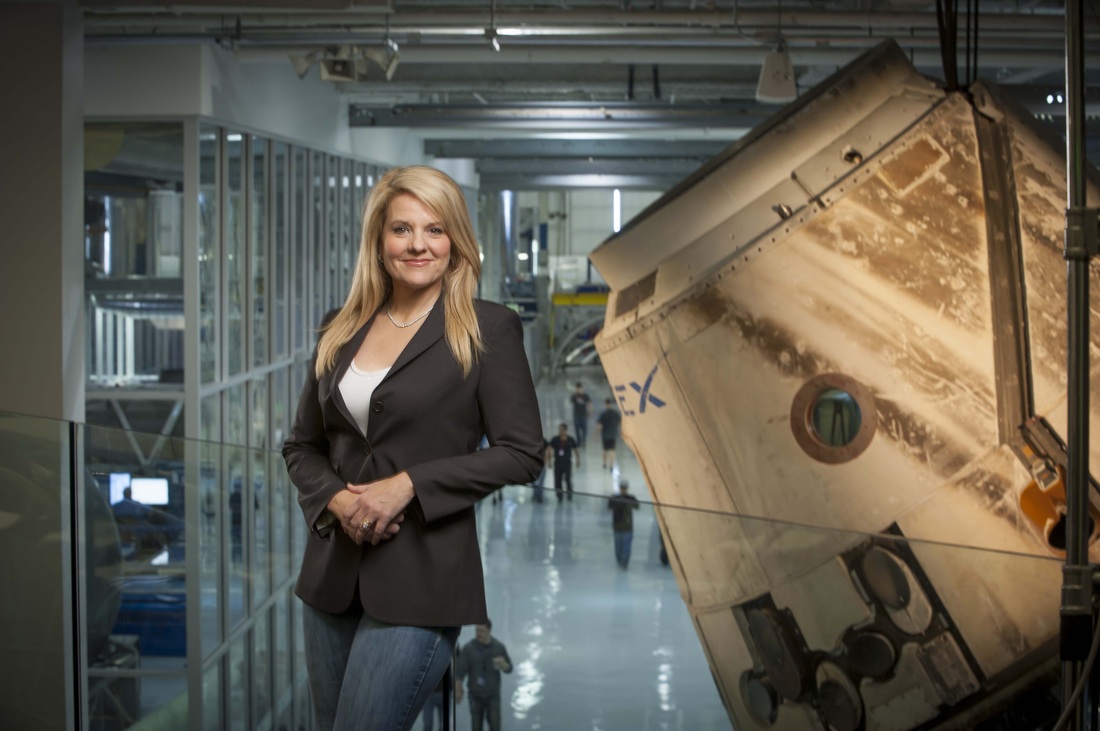
TIME Magazine has put SpaceX President and COO Gwynne Shotwell on its cover, and the timing could not be more fitting. Published today, the profile of Shotwell arrives at a moment when the company she has quietly run for more than two decades stands at the center of the most consequential developments in aerospace, artificial intelligence, and the future of human civilization.
Shotwell joined SpaceX in 2002 as its seventh employee and has never stopped expanding her role. She oversees day-to-day operations across multiple executive teams spanning Falcon, Starlink, Starship, and now xAI following SpaceX’s February 2026 merger with Elon Musk’s artificial intelligence company, a deal that made SpaceX the world’s most valuable private company at a reported valuation of $1.25 trillion. A highly anticipated IPO is expected in the second quarter of 2026.
Will Tesla join the fold? Predicting a triple merger with SpaceX and xAI
Her track record is historic. She oversaw the first landing of an orbital rocket’s first stage, the first reuse and re-landing of an orbital booster, and the first private crewed launch to Earth orbit in May 2020. She built the Falcon launch manifest from nothing to more than 170 contracted missions representing over $20 billion in business. Under her operational leadership, SpaceX completed 96 successful missions in 2023 alone and has now flown more than 20 crewed Falcon 9 missions. Starlink, which she championed as a financial pillar of the company long before it was a mainstream topic, now connects tens of millions of users worldwide and provided a critical communications lifeline to Ukraine following the 2022 invasion.
Elon Musk has never been shy about what Shotwell means to him and to SpaceX. When she shared her vision for worldwide internet connectivity through Starlink, Musk responded on X with a simple statement, “Gwynne is awesome.” It is a sentiment that has been echoed across the industry. NASA Administrator Bill Nelson once said of Musk: “One of the most important decisions he made, as a matter of fact, is he picked a president named Gwynne Shotwell. She runs SpaceX. She is excellent.”
Gwynne is awesome https://t.co/tiXtMWJmPE
— Elon Musk (@elonmusk) September 28, 2024
Now, with Starship targeting its first crewed lunar landing under the Artemis program by 2028, an xAI integration underway, and a pending IPO that could reshape capital markets, Shotwell’s mandate has never been larger. She told Time that 18 Starships are already in various stages of construction at Starbase. “By 2028,” she said, gesturing across the factory floor, “these should be long gone. They better have flown by then.” If Shotwell’s history at SpaceX is any guide, they will.
Elon Musk
SpaceX’s IPO might arrive sooner than you think
Musk has hinted for years that an eventual public offering was inevitable, though he has stressed the need to maintain operational focus. Insiders have told outlets that the CEO is pushing for a significant retail investor allocation, reportedly more than 20 percent of shares, and tighter lock-up periods to limit early selling pressure.
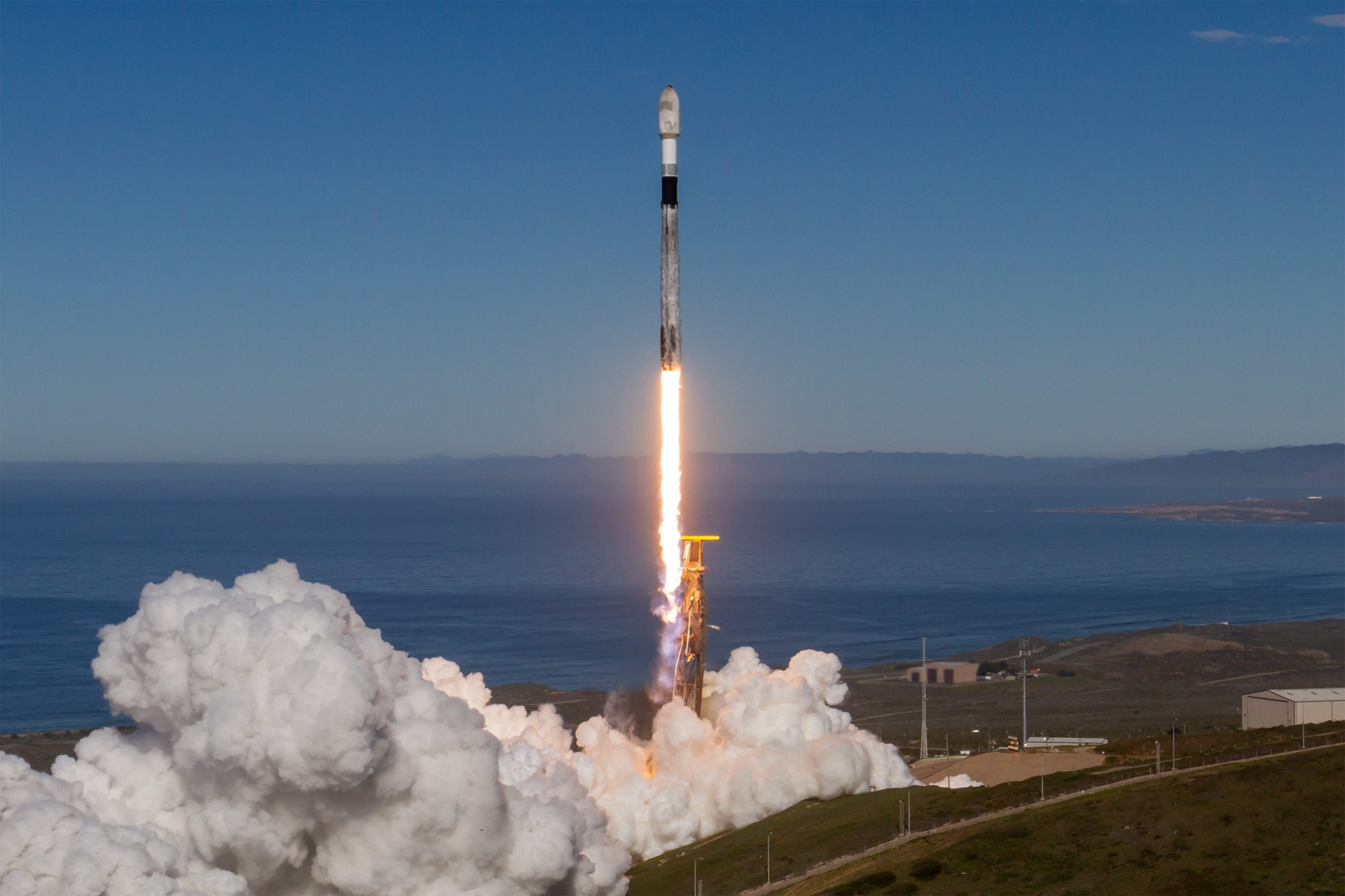
Elon Musk’s SpaceX is on the verge of one of the most anticipated Initial Public Offerings (IPO) in history.
However, a new report from The Information indicates the rocket and satellite giant is aiming to file its IPO prospectus with U.S. regulators as soon as this week, or early next week at the latest.
People familiar with the plans told The Information that advisers involved in the process expect the IPO could raise more than 75 billion dollars, potentially making it the largest stock market debut ever and eclipsing Saudi Aramco’s 29.4 billion dollar offering in 2019.
The filing would mark the formal start of what has long been rumored: SpaceX’s transition from a closely held private powerhouse to a publicly traded company.
The timing aligns with earlier signals.
In late February, Bloomberg reported that SpaceX was targeting a confidential IPO filing in March and a possible public listing in June, with a valuation north of 1.75 trillion dollars. At the time, the company’s private valuation hovered around 1.25 trillion dollars.
SpaceX considering confidential IPO filing this March: report
Starlink, SpaceX’s satellite internet constellation, has been the primary driver of that surge, now serving millions of customers worldwide and generating steady revenue. Recent Starship test flights and a record pace of Falcon launches have further bolstered investor confidence.
Musk has hinted for years that an eventual public offering was inevitable, though he has stressed the need to maintain operational focus. Insiders have told outlets that the CEO is pushing for a significant retail investor allocation, reportedly more than 20 percent of shares, and tighter lock-up periods to limit early selling pressure.
A June listing would give SpaceX immediate access to public capital markets at a moment when demand for space-related stocks remains high. It would also allow early employees and long-time investors to cash out portions of their stakes while giving everyday shareholders a chance to own a piece of the company behind reusable rockets, global broadband, and NASA contracts.
Of course, nothing is certain until the SEC filing appears. Market conditions, regulatory reviews, and Musk’s own schedule could still shift timelines.
Yet the latest word from The Information suggests the window has opened. If the filing lands this week, SpaceX’s roadshow could begin in earnest within weeks, setting the stage for what many analysts already call the IPO of the decade.

Tesla lands on Fortune’s 2026 Most Innovative Companies and the Cybercab is why

Tesla ‘Killer’ heads to the graveyard as AFEELA taps out

TIME honors SpaceX’s Gwynne Shotwell: From employee No. 7 to world’s most valuable company

Elon Musk says Tesla is developing a new vehicle: ‘Way cooler than a minivan’

What is Digital Optimus? The new Tesla and xAI project explained


