News
Tesla fires female engineer who sued over “pervasive harassment”

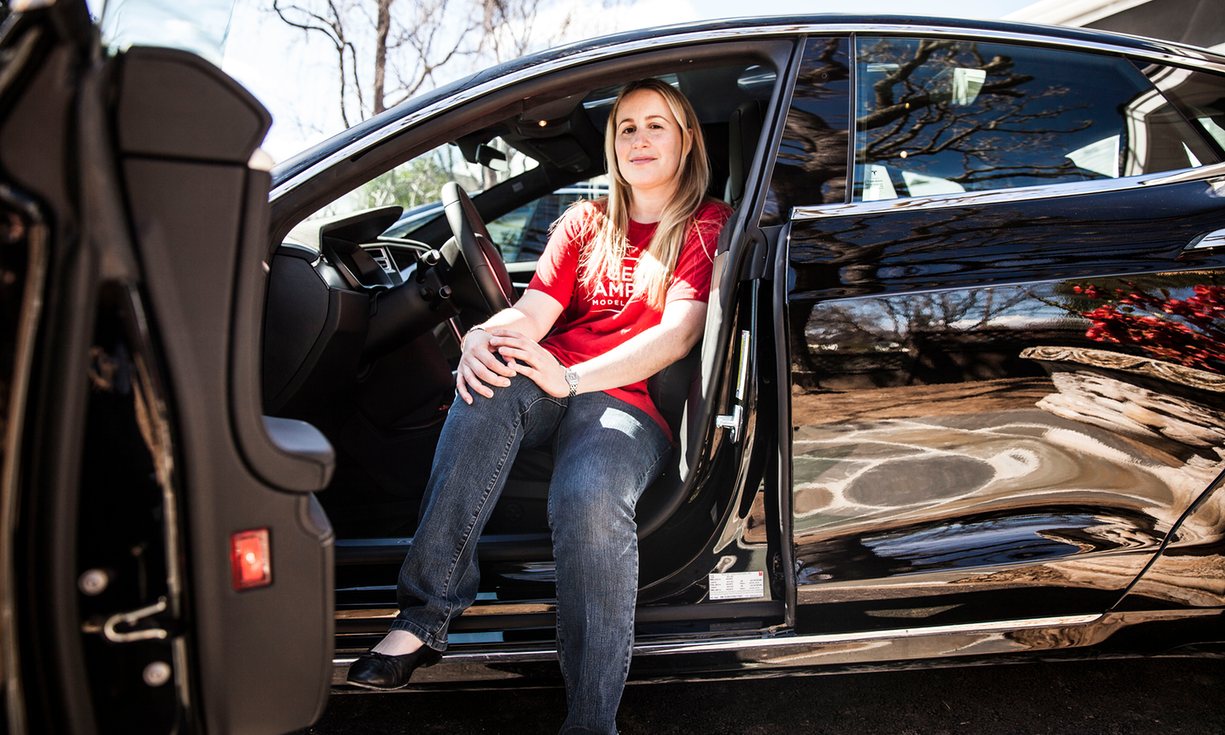
Tesla has fired the female engineer who sued the company for “pervasive harassment.” The Silicon Valley company says AJ Vandermeyden’s termination is justified because her claims were unsubstantiated, however, Vandermeyden’s attorneys allege that her being pink slipped is retaliation for her lawsuit.
Vandermeyden had been with Tesla since April of 2013, and alleged that during her time there she was subjected to behavior including “inappropriate language, whistling, and cat calls” at the hands of the mostly male staff. She further claims that she was paid less than her male colleagues despite performing work “equal in skill, effort, and responsibility.” Vandermeyden also says that her attempts to raise concerns about the quality testing of cars and office behavior toward women were ignored by male superiors.
Tesla confirmed Vandermeyden’s firing to The Verge:
“Despite repeatedly receiving special treatment at the expense of others, Ms. Vandermeyden nonetheless chose to pursue a miscarriage of justice by suing Tesla and falsely attacking our company in the press,” a spokesperson said. “After we carefully considered the facts on multiple occasions and were absolutely convinced that Ms. Vandermeyden’s claims were illegitimate, we had no choice but to end her employment at Tesla.”
Vandermeyden’s lawyer told The Guardian that their client’s termination “proves our case. It’s clear retaliation.” She added “Somebody is trying to instill in employees that when they speak out about matters they are legally allowed to speak out about, they too will be fired.”
Gabrielle Toledano, Tesla’s new global head of Human Resources, personally informed Vandermeyden of her termination. Vandermeyden was fired because she was “behaving in what the evidence indicates is a fundamentally false and misleading manner, not as a result of retaliation for the lawsuit,” the spokesperson said. “It is impossible to trust anyone after they have behaved in such a manner and therefore continued employment is also impossible.”
The story first got national attention when Vandermeyden went public with her lawsuit in February of this year, although the lawsuit was filed in September 2016.
At the time, Tesla said “She sought and was advanced into at least one other new role, evidence of the fact that Tesla is committed to rewarding hard work and talent, regardless of background.”
“Until somebody stands up, nothing is going to change,” she said in an interview with The Guardian about the discrimination lawsuit she filed last year. “I’m an advocate of Tesla. I really do believe they are doing great things. That said, I can’t turn a blind eye if there’s something fundamentally wrong going on.”



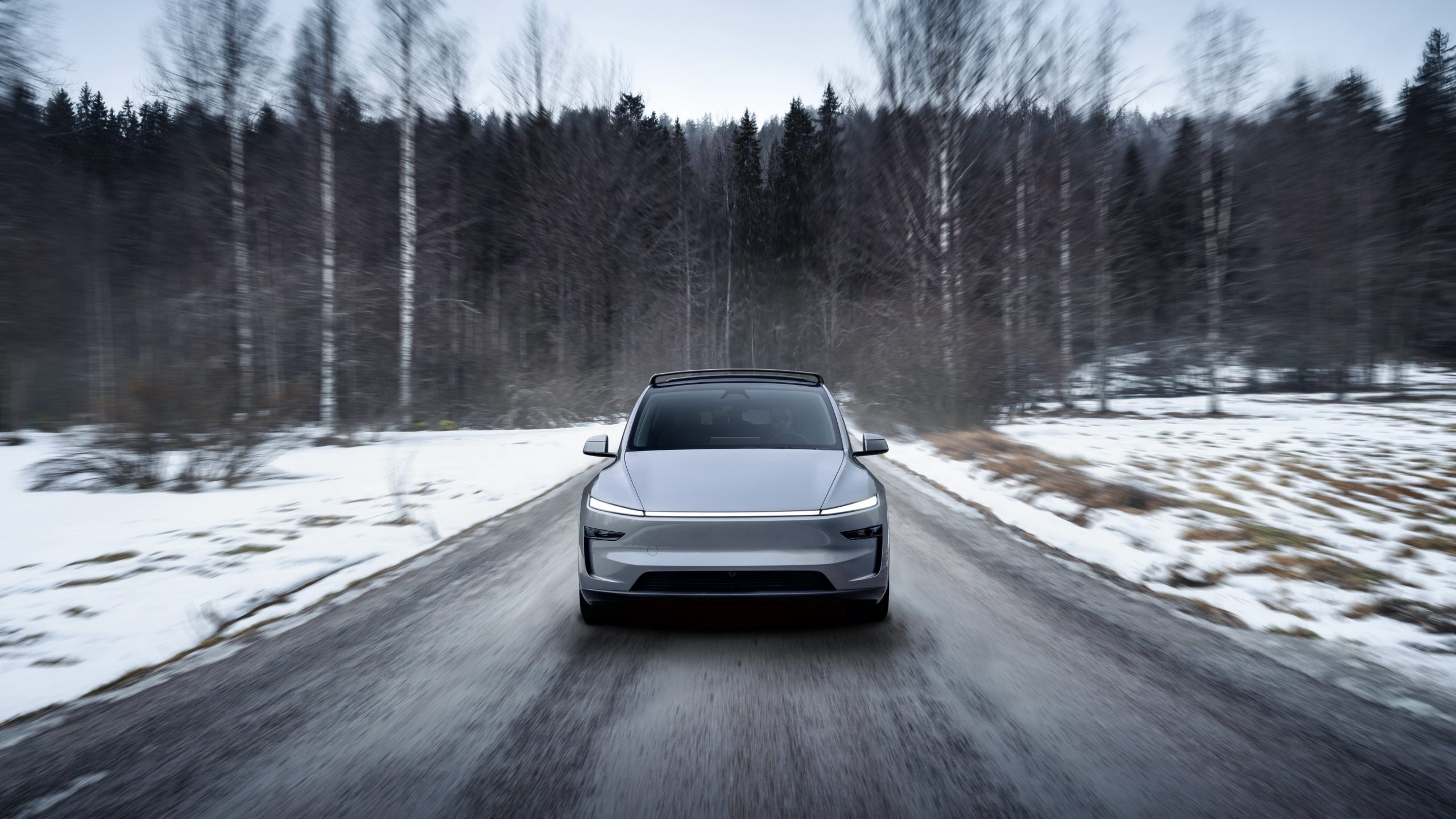
Tesla is staging a powerful rebound in Europe. New vehicle registrations surged dramatically across multiple key markets in May 2026, signaling a strong recovery from the challenges of 2025.
Data released this week show double- and triple-digit year-over-year gains in several countries, driven by refreshed Model Y production, supportive policies, high fuel prices, and renewed consumer interest in electric vehicles.
In France, registrations exploded 655 percent to 5,446 vehicles, marking Tesla’s best May performance ever in the country. Norway, a longtime EV stronghold, saw 3,345 new Teslas registered, up 29 percent from May 2025. The company even captured a commanding 21.5 percent market share there, according to Detroit News.
Growth extended to other markets as well. Sweden posted a 71 percent increase to 858 registrations. Denmark jumped 136 percent to 1,750 units, where the Model Y became the top-selling vehicle overall. Spain climbed 113 percent to 1,690 sales, while Portugal soared nearly 350 percent to 1,463.
RELATED:
Tesla Full Self-Driving expansion in Europe continues with new addition
The May results build on a broader turnaround for Tesla in Europe. The company’s sales on the continent had declined sharply in 2025, dropping between 27 and 28 percent amid production shifts, intense competition from Chinese rivals like BYD, and shifting consumer sentiment.
Early 2026 showed signs of life, with registrations rising about 45 percent across Europe in the first quarter and continuing upward momentum through April, up over 46 percent region-wide.
Europe’s overall electrified vehicle market (including BEVs, PHEVs, and hybrids) grew about 21 percent in May, providing a favorable tailwind. Tesla’s gains align with this trend, boosted by government incentives and high fuel costs that make EVs more attractive.
Earlier data from March and April already hinted at strength in Germany, where registrations had surged dramatically in prior months.
Analysts note that while competition remains fierce, Tesla’s refreshed lineup and Europe’s policy support for EVs are helping the company regain ground. The May surge suggests the worst of the 2025 downturn may be behind it, positioning Tesla for stronger performance in the second half of 2026.
This rebound is welcome news for the EV pioneer, demonstrating resilience in a competitive and evolving market. As more data rolls in, investors and industry watchers will be closely monitoring whether this momentum can sustain through the summer and beyond.
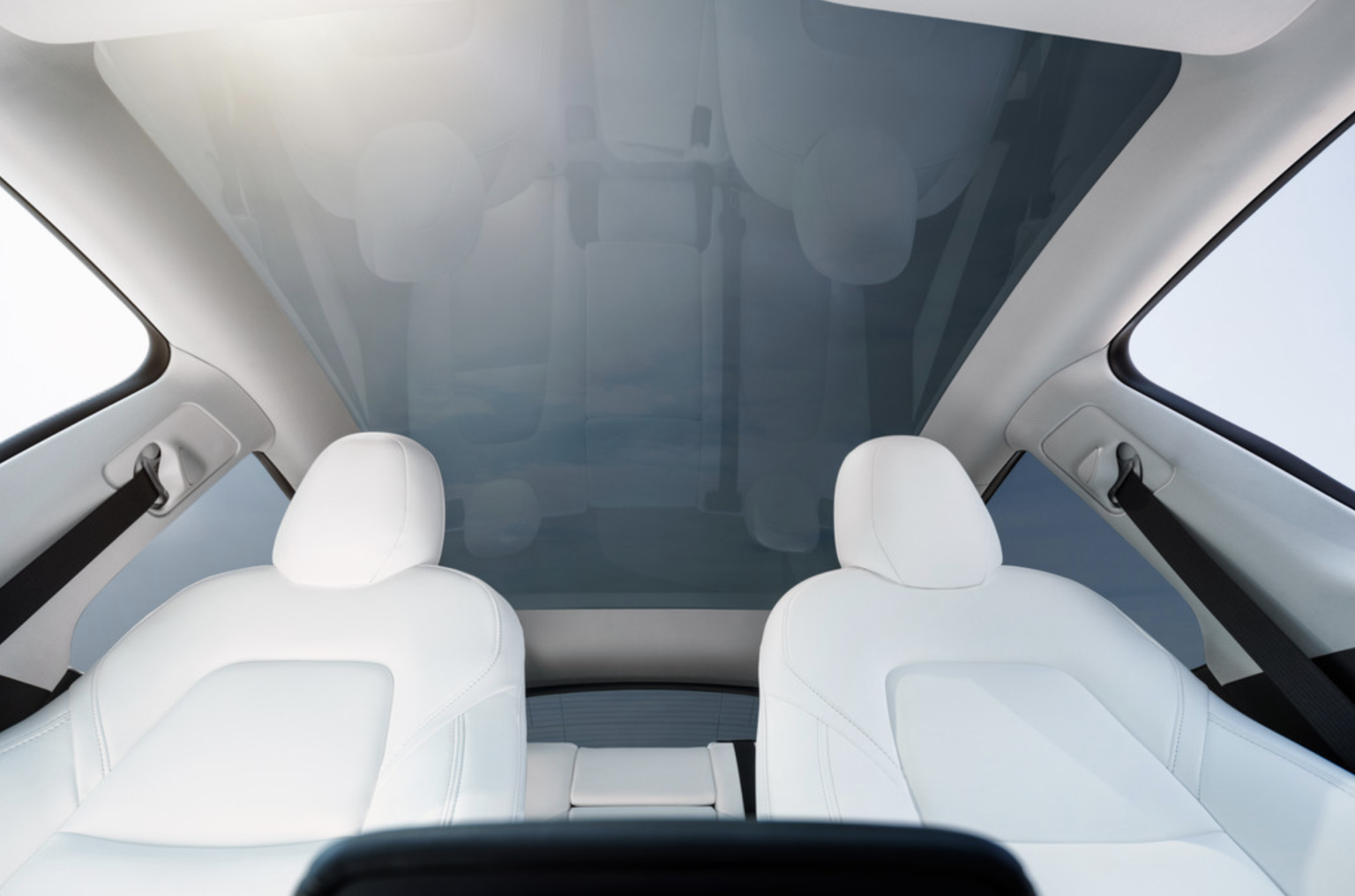
Tesla is planning to improve one of the best features on its lineup of cars, a new patent shows. Tesla’s massive glass roof on its premium models is among the coolest additions to the all-electric vehicles, but the design certainly has its complaints, especially from those who live in even slightly warm climates.
Tesla has published a new patent that promises to transform cabin comfort in its electric vehicles, particularly those equipped with the expansive glass roofs.
The document, identified as US20260091643A1 and titled “Airflow Optimization for Cabin Comfort“, addresses that common complaint. Sunlight streaming through windshields and panoramic roofs creates localized hot air pockets near the dashboard and headliner. These pockets generate significant temperature gradients that conventional heating, ventilation, and air conditioning systems struggle to manage evenly.
The exposure to direct sunlight can make the cabin extremely warm, and even after cooling down the interior temperature, combating the continuous stream of sunlight and heat is a challenge. It uses precious energy that is especially pertinent to range and efficiency.
The patent explains how standard dashboard vents push cool air upward, only to entrain warmer air from these stagnant zones and distribute it throughout the occupied cabin space. This process forces the blower to operate at higher speeds, increasing energy consumption and reducing overall efficiency.
In electric vehicles, where every watt impacts driving range, such inefficiencies prove costly.
🚨 THE MODEL Y L IS THE MOST WATCHED EV LAUNCH OF 2026. ITS GLASS ROOF HAS ONE WEAKNESS — AND A PATENT PUBLISHED THIS WEEK SHOWS @TESLA BUILT THE FIX
The Model Y L launched in China and is now arriving in Korea, Japan, and across Asia-Pacific. It also has a glass roof. So does… https://t.co/wr6XnBn1Oc pic.twitter.com/5sYpniXJbU
— SETI Park (@seti_park) April 5, 2026
Research from AAA indicates that air conditioning can diminish range by up to 17 percent under hot conditions. Tesla’s innovation shifts the approach by extracting heat at its source rather than attempting to dilute it after mixing occurs.
Engineers describe a suction HVAC unit connected to dedicated intakes positioned strategically on the upper dashboard surface and within the headliner.
These intakes link to a hot air pocket extraction duct that channels the warmest air directly into the system’s plenum for conditioning. As the blower activates, it simultaneously draws recirculated cabin air and targeted hot pocket air through filters and cooling coils before redistributing conditioned airflow.
It seems somewhat reminiscent of the Tesla heat pump, which aims to combat colder temperatures.
Tesla highlights Model Y’s heat pump innovations in new promotional video
This method reduces entrainment, lowers peak temperatures, and achieves more uniform comfort levels. Testing data reveals that facial temperature gradients drop from 21 degrees Celsius, or 69.8 degrees Fahrenheit, in conventional setups to just 12 degrees Celsius (53.6 degrees F) with the new system. Blower speeds and compressor power requirements decrease appreciably as a result.
The design incorporates smart controls that monitor sunlight intensity and internal temperature distributions in real time. Suction activates selectively only where needed, optimizing energy use without constant high demand. Furthermore, the extraction duct serves a dual purpose.
In the summer months, it pulls hot air inward for cooling; in winter, it reverses to direct warm air outward for rapid windshield defrosting. This versatility allows the reuse of existing hardware with minimal modifications, potentially enabling retrofits in current Tesla fleets.
Lifestyle
Tesla saves its passengers again – This time after a 300-foot cliff fall in Malibu
A Tesla Model 3 fell 300 feet off a Malibu cliff and both passengers survived.

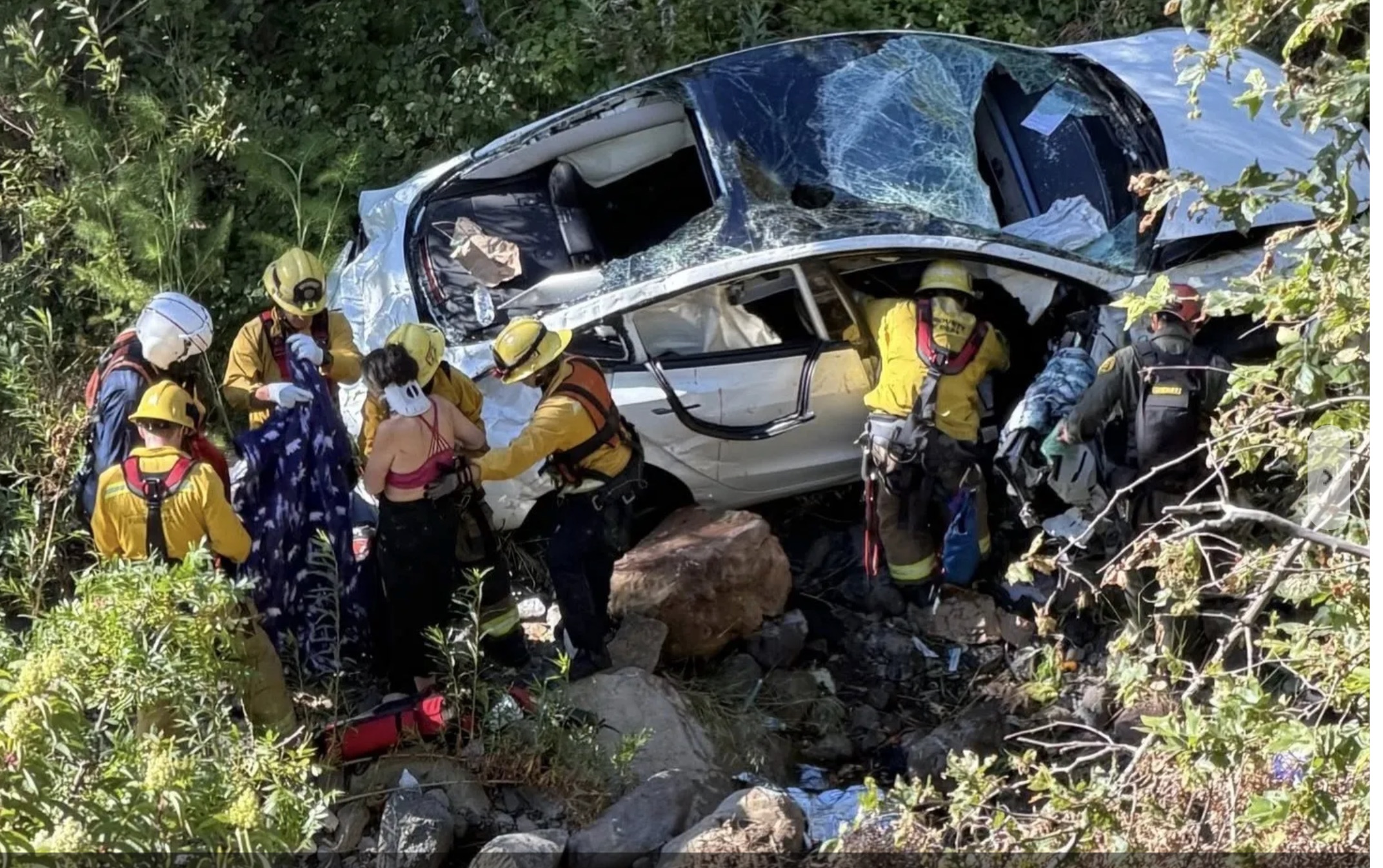
A Tesla Model 3 plunged roughly 300 feet off a cliff on Mulholland Highway in Malibu on Friday morning, May 29, 2026, and both occupants survived. The crash was reported at approximately 7:30 a.m. near the 2500 block of Mulholland Highway, triggering a multi-agency rescue operation involving Malibu Search and Rescue, the Los Angeles County Fire Department, the California Highway Patrol, and McCormick Ambulance.
When first responders arrived, the male driver was outside the vehicle shouting for help while the female passenger remained pinned inside the Tesla. Rescue crews rappelled down the cliffside on ropes to reach the wreckage. A flight medic was lowered by helicopter to begin treating both victims, and the driver was hoisted up to the roadway before crews used the Jaws of Life to free the trapped passenger. Both were airlifted to a local trauma center with moderate injuries despite a remarkable result for a fall that steep.
The outcome is not surprising, considering Model 3 earned an overall 5-star rating from NHTSA in every category and sub-category, and recorded the lowest probability of injury of any car ever evaluated by the U.S. New Car Assessment Program. The absence of a traditional engine in the front of the vehicle creates a longer crumple zone that absorbs impact energy before it reaches occupants, and the battery pack running along the floor gives the car an unusually low center of gravity that reinforces structural rigidity.
This is not the first time a Tesla has kept passengers alive after going off a cliff. A Tesla Model Y carrying a family of four survived a plunge off a cliff at Devil’s Slide near San Francisco in January 2023, with two adults and two children walking away from a 250-foot fall. That incident drew widespread attention to how the structural integrity of Tesla’s electric platform performs in extreme crash scenarios that most vehicles would not survive.
Tesla Model Y driver who drove off cliff with family attempts to avoid criminal conviction

Tesla’s European Comeback: Registrations soar in May as recovery gains momentum

Tesla plans ingenious improvement to one of its best features


