News
Tesla’s Full Self-Driving subscription is coming in Q2 2021

Tesla CEO Elon Musk confirmed today that the electric automaker’s Full Self-Driving subscription program would be available in Q2 2021.
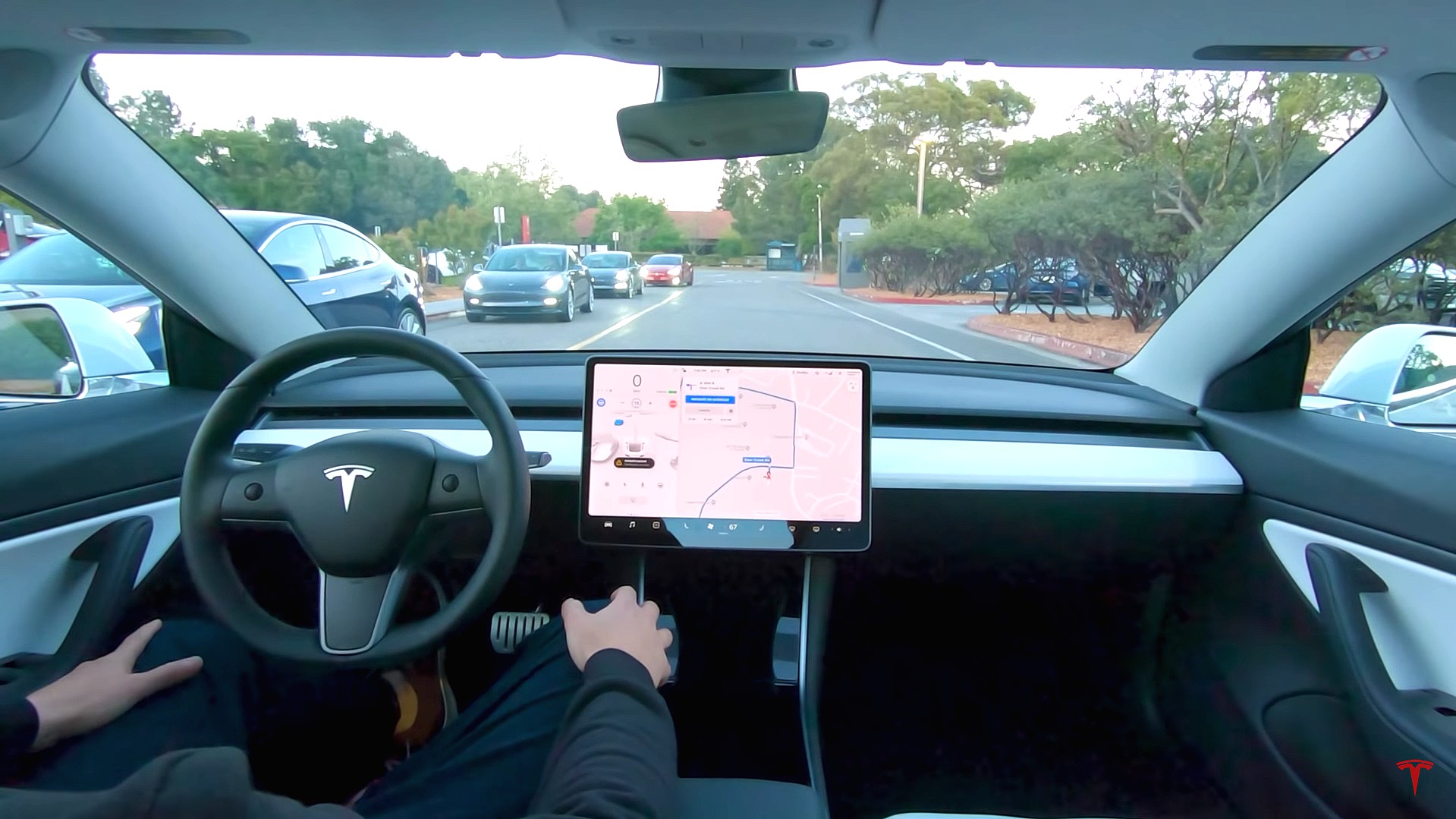
Tesla’s Full Self-Driving suite is a robust, semi-autonomous driving functionality that allows owners to experience arguably the best self-driving program available in the world currently. With Tesla rolling out a Beta version of its FSD suite to a select number of owners in October 2020, the program has expanded to more drivers in 2021. The suite costs $10,000 on top of the car’s cost and can be purchased at any time.
However, owners who choose to wait run the risk of the suite increasing in price as Tesla adds features. Price increases were frequent in 2020, doubling from $5,000 at the beginning of the year to $10,000 by October. The number of features increased and included things like Stop Sign and Traffic Light Detection, which would cause the automaker to make the suite more expensive.
It was rumored early last year that Tesla would offer a subscription service. Elon Musk confirmed that it would be available, but it has encountered several delays. Initially, it was supposed to be rolled out last year. Then it became early 2021, but now Musk indicates that Tesla will release the subscription option in Q2 2021.
Q2 for sure
— Elon Musk (@elonmusk) March 1, 2021
During Tesla’s Q4 2020 Earnings Call in January, Musk said that it would come “in a month or two.” It is most likely that Tesla is waiting to roll out the program because a fairly substantial update is coming to the suite. Musk stated that the company would be “upgrading all Neural Networks to surround video using subnets on focal areas,” and Tesla needed some more time to write and validate the software.
We’re upgrading all NNs to surround video, using subnets on focal areas (vs equal compute on all uncropped pixels) & many other things, so more time needed to write & validate software. Maybe something next week.
This is evolving into solving a big part of physical world AI.
— Elon Musk (@elonmusk) February 24, 2021
The subscription service will be advantageous for those interested in having the FSD software but don’t want to put out the $10,000 lump sum. Musk has said on several occasions that it will be more financially viable to purchase the FSD suite because it “will still be a better long-term deal than [the] subscription.”
Tesla’s FSD suite is virtually invaluable at this point. Musk once indicated that the rollout of a complete FSD suite is valued at $100,000. After it is released in a “feature complete” fashion, Tesla can begin establishing its Robotaxi fleet, which could make owners up to $30,000 per year if they choose to participate in the fully autonomous ride-hailing platform.
What do you think? Leave a comment below or reach out to me personally on Twitter or through email.


Elon Musk
Elon Musk handed Grok something no other AI company can get their hands on
Elon Musk says SpaceX will feed engineering data into Grok’s next model, avoiding restricted material.

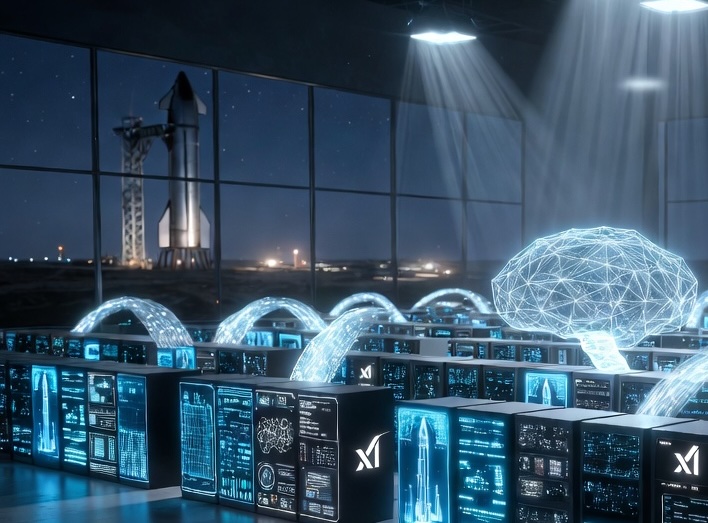
Elon Musk said Tuesday that SpaceX will feed its internal engineering data into the next major training run for Grok, the AI model now folded into SpaceX following February’s merger. In a post on X, Musk wrote that SpaceX’s “massive corpus of world-class engineering data,” excluding anything restricted under U.S. arms export law, will be added during supplemental training of what he called the “2T run,” a reference to a roughly two trillion parameter model that would nearly double the parameters behind the latest Grok 4.5 that’s rolling out.
SpaceX’s massive corpus of world-class engineering data (excluding material blocked by ITAR) will be added during supplemental training of the 2T run.
This will dramatically improve Grok’s engineering capabilities. https://t.co/BbQEViFByn
— Elon Musk (@elonmusk) July 21, 2026
The excluded material that Musk is referring to would fall under the International Traffic in Arms Regulations (ITAR), which restricts export of technical data tied to defense and space hardware. That likely rules out propulsion specifics for Merlin and Raptor engines along with guidance and control details for SpaceX’s launch vehicles, but leaves manufacturing knowledge, materials science, and Starlink hardware design on the table.
The announcement extends a pattern that has been building since SpaceX’s Nasdaq debut in June, when the company went public with Grok and xAI’s Colossus supercomputer folded into the pitch to investors.
Days after that listing, SpaceX closed its $60 billion all stock acquisition of coding startup Cursor, giving xAI both enterprise software distribution and a stream of real world developer data to train on. Grok 4.5 launched July 8 running partly on that Cursor training data, with Musk describing it as roughly comparable to Anthropic’s Opus 4.7 but faster and cheaper to run.
Feeding SpaceX’s own engineering data into the next AI model follows the same logic Musk has applied across xAI’s sister companies. Tesla supplies real world driving data and manufacturing expertise, X supplies conversational data, and now SpaceX supplies aerospace engineering data built up since 2002.
Musk did not give a release date for the upcoming AI model, referred to elsewhere as Grok 4.6. He has said the two trillion parameter run is in its final training phase and expected to wrap this week.
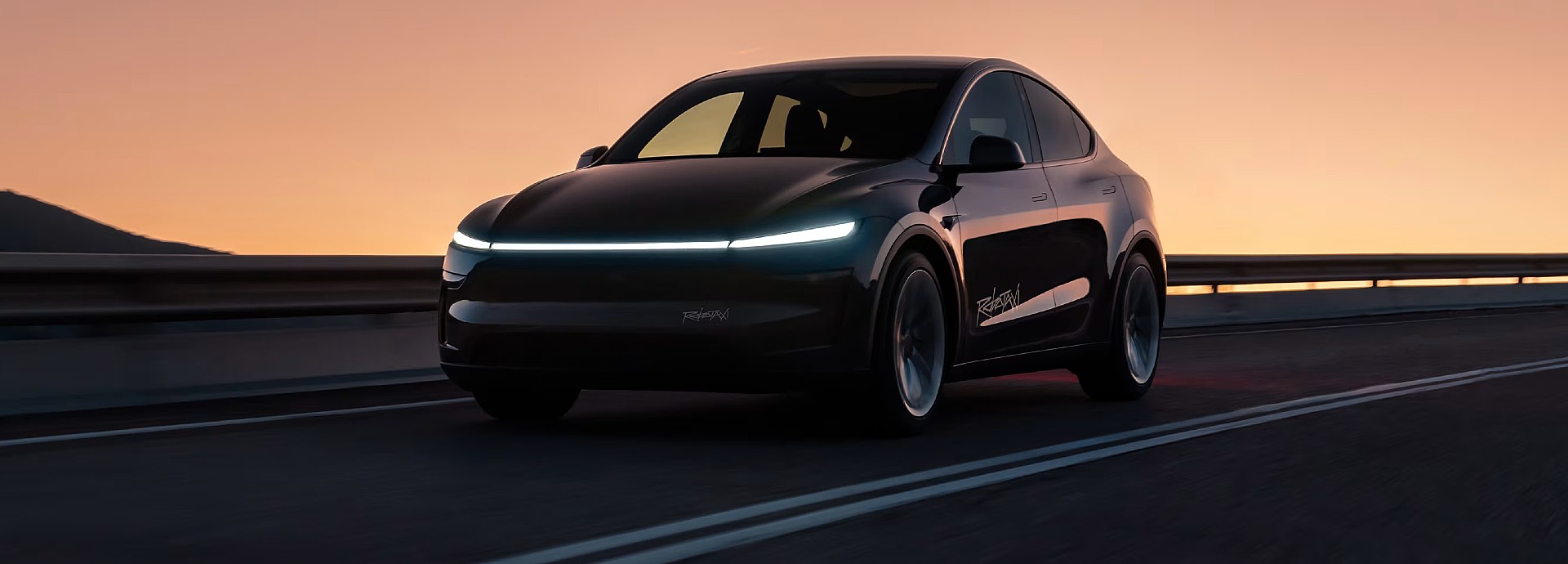
Tesla has extended its Bay Area ride-hailing service to include pickups and drop-offs at San Francisco International Airport (SFO). The update, shared via the company’s official channels on July 21, allows users in the region to request rides directly to and from one of California’s busiest airports.
The expansion builds on Tesla’s secured limousine permit for SFO operations. Public records show the permit became effective March 20, 2026, and remains active through January 31, 2027. Tesla vehicles operating the service now display authorized limousine permits issued by the City and County of San Francisco.
Our Bay Area rideshare service now goes to SFO ✈️
— Tesla AI (@Tesla_AI) July 21, 2026
Tesla’s ride-hailing program in California relies on Model Y vehicles equipped with Full Self-Driving (Supervised) technology. Human safety drivers remain present in compliance with state regulations, distinguishing the service from fully driverless operations.
The Bay Area geofence covers a broad area spanning north of San Francisco to south of San Jose, offering extensive connectivity across the region.
UPDATE: Elon Musk reveals why Tesla didn’t say ‘Robotaxi’ upon California launch
This SFO addition follows earlier progress at other Bay Area airports. Tesla previously expanded service to San Jose Mineta International Airport (SJC) in late 2025. The company had engaged with SFO, SJC, and Oakland International Airport officials as early as September 2025 to secure necessary approvals for passenger transport.
The service provides a new option for travelers seeking electric, app-based transportation integrated with Tesla’s ecosystem. Rides are booked through Tesla’s dedicated ride-hailing application, which handles matching, routing, and payments. Pricing follows standard ride-hailing models, with potential adjustments based on distance, time, and demand.
Tesla’s California ride-hailing program launched in July 2025 with an initial invite-only rollout in the Bay Area. It started alongside operations in Austin, Texas, marking the company’s second major U.S. market.
The Bay Area remains a primary focus in California, with service centered on high-demand corridors connecting residential, commercial, and now major transportation hubs. This latest airport integration represents a practical step in Tesla’s broader mobility ambitions within the state.
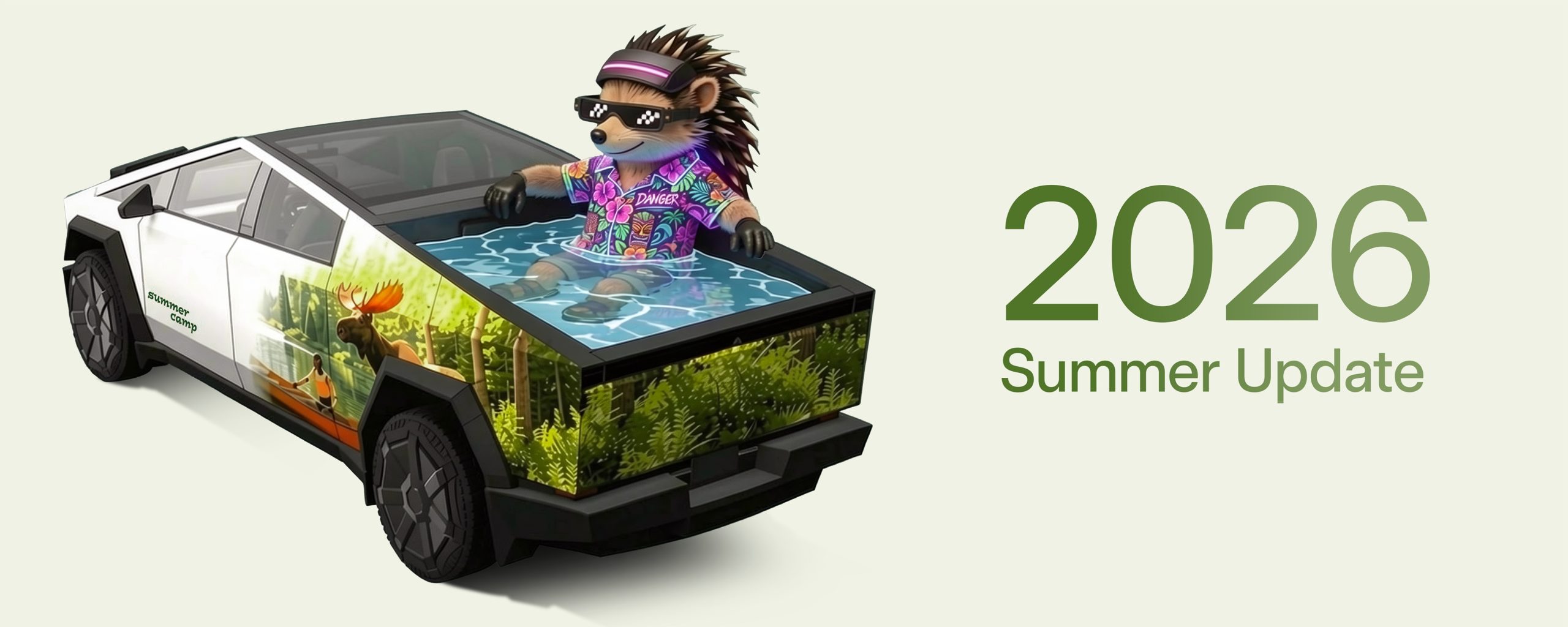
Tesla has officially revealed its 2026 Summer Update, which comes with a variety of crazy new features, including Navigation fixes that owners have been wanting for months.
Tesla routinely releases a larger update with the Spring, Summer, Fall, and Winter updates, where it ships a variety of new features, bug fixes, and other additions to customer cars.
The 2026 Spring Update featured things like “Hey Grok” voice assistance, a redesigned self-driving app, Unreal Engine visual upgrades, and more.
🚨 TESLA’S SUMMER UPDATE FOR 2026 IS HERE:
Featuring:
✅ Self-Driving Stats in Mobile App
✅ Caraoke with Scoring
✅ Automatic Navigation
✅ Preferred Routes
✅ Set Arrival Energy from Mobile App
✅ Send Custom Wraps from Mobile App
✅ Rear Display Lock
✅ Other Improvements
🔌… https://t.co/C9IW3egEhH— TESLARATI (@Teslarati) July 21, 2026
Tesla’s Summer Release has about ten new features; we’ll show you each and detail them below:
New Grok Voice Commands
“Grok can now make phone calls, search and play music, adjust climate, open the glovebox, and answer questions about your Tesla.”
Self-Driving Stats in Mobile App
“View and share self-driving stats from the mobile app.”
Caraoke With Scoring
“Caraoke now scores your singing while in Park. High scores are saved to your Tesla profile.”
Automatic Navigation
“Automatic Navigation now adapts to your routine.
In addition to Home, Work, and upcoming calendar events, your vehicle can now suggest and route to places you visit regularly – like a school drop-off on the way to work, or the gym on the way home.”
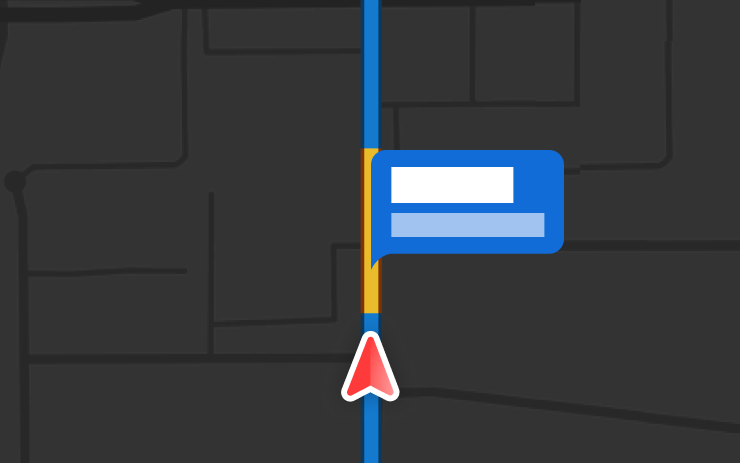
Preferred Routes
“For a more personalized experience, navigation now prioritizes routes that you’ve taken before”
Set Arrival Energy from Mobile App
“Set your desired Arrival Energy from your phone.”
Send Custom Wraps from Mobile App
“Skip the USB drive and upload a custom wrap of your car from the mobile app. Instructions for creating a custom wrap here: https://github.com/teslamotors/custom-wraps.”
Rear Display Lock
“Kids can watch content on the rear screen, but only the front row can control it through the rear screen app.”
Other Improvements
- Find Superchargers by name when searching for a destination
- Add Apple Music songs to queue from search and artist page
- Set your preferred zoom level for the Self-Driving visualization
- Intro animations for new Model 3 and Y

Elon Musk handed Grok something no other AI company can get their hands on

Tesla expands ridesharing service in California to new hotspot


