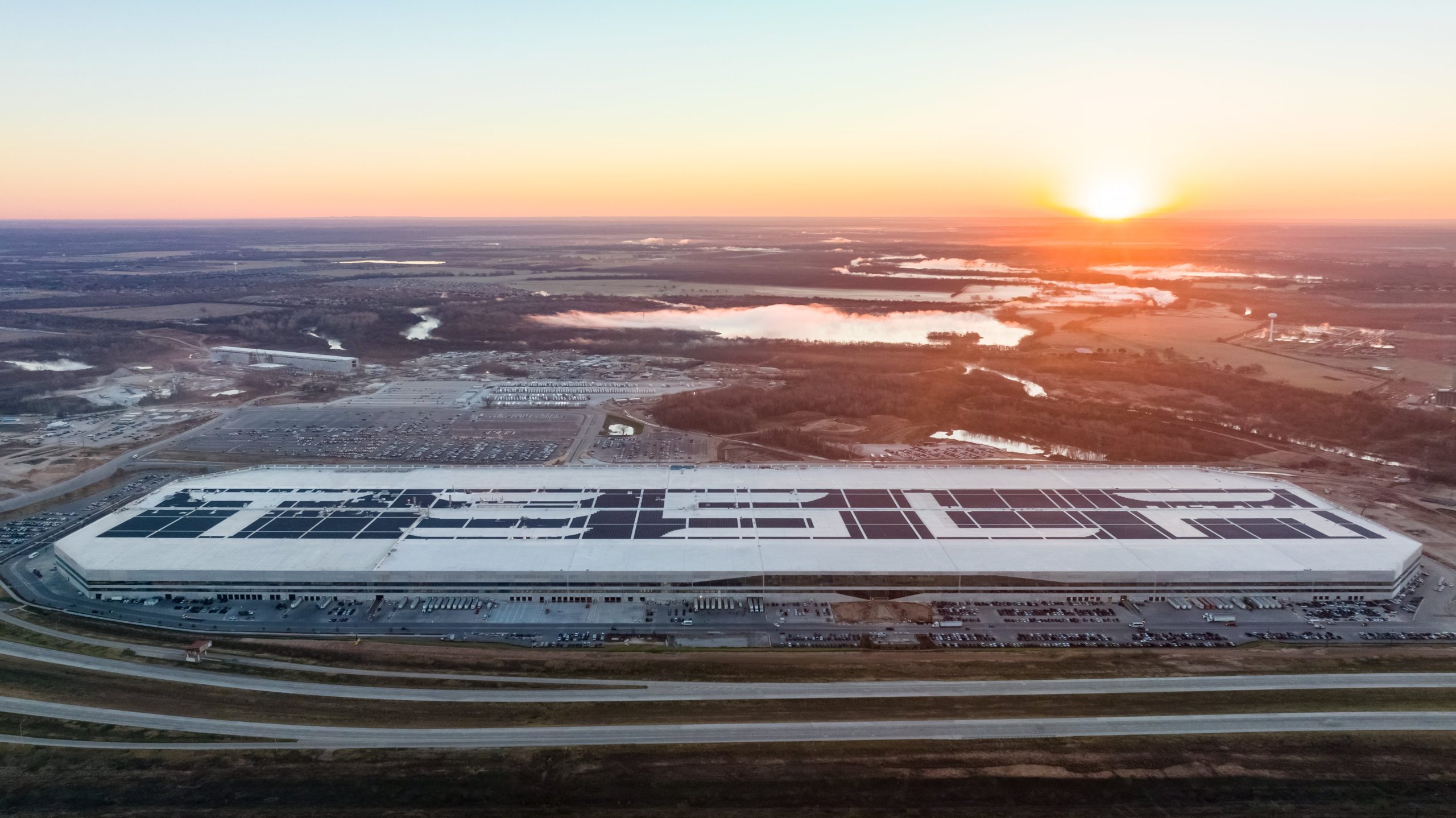

Tesla’s (NASDAQ:TSLA) fourth-quarter and full-year 2022 earnings call comes on the heels of the company’s Q4 and FY 2022 Update Letter. Tesla’s Q4 numbers were very impressive, with the company achieving its highest-ever quarterly revenue, operating income, and net income.
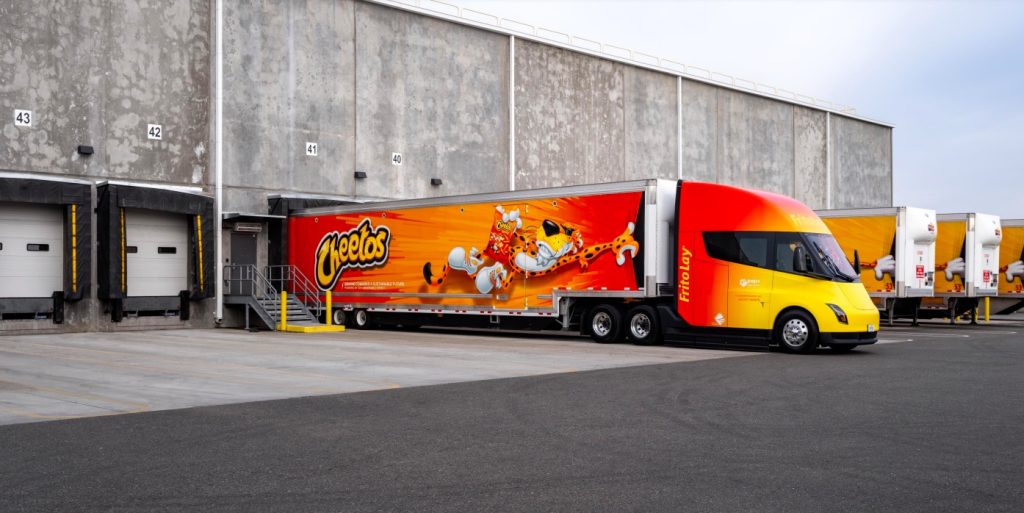
Tesla highlighted a number of its key milestones in the fourth quarter. Both Gigafactory Texas and Giga Berlin were able to achieve a production of 3,000 Model Y per week. The company’s 4680 cell production line was also able to produce enough batteries to make 1,000 battery packs. The Tesla Semi started deliveries in December as well.
In the fourth quarter, Tesla’s total revenues grew 37% to $24.318 billion. Operating income improved year-over-year to $3.9 billion in the fourth quarter as well. However, automotive gross margins were listed at 25.9%, which is impressive but slightly lower than expectations, which were at 26.4%.
The following are live updates from Tesla’s Q4 and FY 2022 earnings call. I will be updating this article in real-time, so please keep refreshing the page to view the latest updates on this story. The first entry starts at the bottom of the page.
17:35 CT – And that wraps up Tesla’s Q4 and FY 2022 earnings call! Thanks so much for staying with us for this live blog. Until the next time!
17:32 CT – Adam Jonas of Morgan Stanley asked if it was time for Tesla to use captives. Kirkhorn noted that Tesla uses captives to support third-party gaps and to support its automotive business. Elon Musk also highlighted that Tesla is adopting cautious strategies. “Tesla is in a good position to handle a recession because it doesn’t have debt and it has $20 billion in cash,” Musk said.
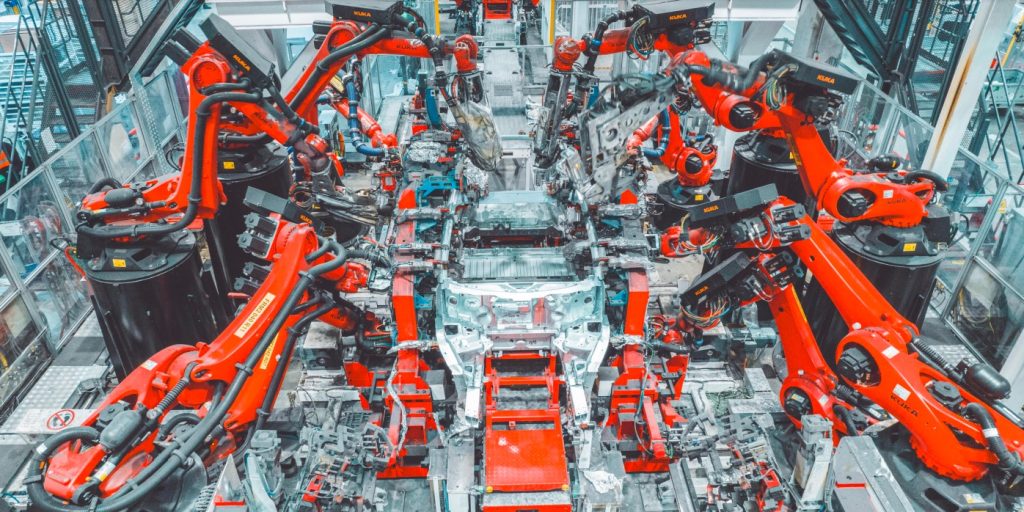
17:26 CT – William Stein of Truist asked about Tesla’s AI element, and if the company can provide more details about Dojo and Optimus. Elon noted that Tesla is still in its early, but Tesla expects that Dojo will be competitive with the Nvidia H1 in 2023 and hopefully surpass it by next year.
17:23 CT – The analyst asked if Tesla wishes to accelerate commercial vehicle production outside the Semi. Elon Musk confirmed that yes, Tesla would be doing this, though the product has not been announced as of yet.
17:22 CT – Tesla executives also highlighted that there is no EV market. However, Chinese carmakers are likely the most likely to be second to Tesla, since they work hard and they work smart. “They work the hardest and the smartest,” Musk said, Elon candidly admits that overall, Tesla China is winning in its own right.
17:21 CT – Another analyst asked what company Tesla sees as its chief competitor five years from now. Elon Musk noted that Tesla doesn’t really know. In self-driving alone, it really seems like Tesla is far ahead of the second placer. “We don’t really know who would be a distant second… Right now, I don’t think you can see a distant second with a telescope” Musk said.
17:19 CT – Alex Potter from Piper Sandler asked about FSD and deferred revenue that was unlocked in the quarter. Kirkhorn noted that Tesla structure its strategy in two ways: Full Self-Driving and Enhanced Autopilot. The analyst asked about the Giga Nevada’s batteries, and how the 4680 cells from Nevada would be allocated in the future. Elon Musk responded that there’s too much guessing at this point. However, not all of the 100 GWh from the 4680 plant in Giga Nevada will be used for the Tesla Semi.
17:15 CT – Elon Musk confirms that Tesla is looking to start using Dojo by the end of this year. “Tesla is really one of the most leading AI companies,” the CEO said.
17:14 CT – The analyst also asked if the take rate for FSD is improving. Musk noted that the trend is very strong toward the use of FSD. “With each incremental improvement, the enthusiasm matches the increases,” Musk said.
17:13 CT – Tesla executives also noted that the Model 3 and Model Y are mature now, so Tesla is seeing areas where costs could be optimized more. The company is learning info that helps increase margins, specifically with the powertrain. These could then reduce its costs through the continuous improvements of its vehicles.
17:10 CT – Pierre Ferragu from New Street Research asked how much time Tesla needs to get to 36K in Texas and Berlin. Kirkhorn noted that Tesla would probably not see 36k this year, but it will make progress. As for Austin and Berlin inefficiencies, Kirkhorn believes that Tesla will see improvement.
17:05 CT – Rod Lache from Wolfe Research asks about Tesla’s 1.8 million forecast. Elon noted that Tesla’s pace is actually at 2 million vehicles this year, but since there are a lot of force majeure events that would probably happen, it’s best to be conservative. Ultimately, internal production potential is closer to 2 million vehicles than 1.8 million.
17:03 CT – Next question is about Cybertruck’s production. Elon notes that Summer 2023 is the target, but it would be slow at first. “I wouldn’t put too much stock in the start of production,” Elon said, noting that volume production is what’s really important. Volume production is important and it will start in 2024.
17:00 CT – Elon adds that Tesla Insurance is a good feedback loop for the company. Through Tesla Insurance, Tesla has adjusted the design of the car and its software to minimize the cost of repair, the CEO noted. Work is still ongoing to make repairs better, of course. “We’re actually solving how to fix the car very quickly and efficiently and get it back to the customer,” Musk said.
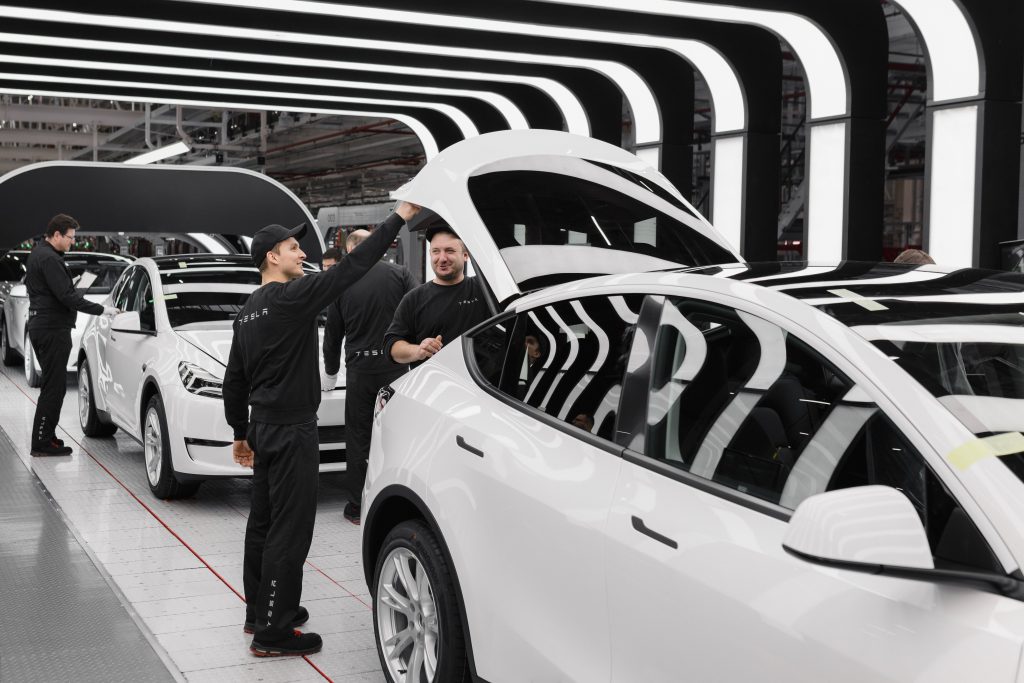
16:58 CT – Next question is directed at the CFO, and it is about Tesla Insurance. Kirkhorn note that it might be some time before Tesla Insurance is large enough for disclosure. “It will take some time before Tesla Insurance warrants specific financial disclosures,” Kirkhorn said, adding that growth is 20% a quarter for now. Take rates are also high after customers take delivery of their cars. Elon adds that Tesla Insurance is a good feedback loop for the company.
16:56 CT – Next questions are about Tesla’s 4680 cell production ramp and Hardware 4. Executives noted that Tesla is making steady progress with Giga Texas’ 4680 ramp. Elon also confirmed that Hardware 4 would be introduced with the Cybertruck. The CEO also noted that he plans to drive the Cybertruck every day when it comes out.
16:53 CT – Next question is about Elon’s political statements on Twitter and if it damages Tesla’s brand. Elon notes that he has about 127 million followers on Twitter, and it’s still growing. “This suggests that I’m reasonably popular,” Musk said. “Twitter is incredibly powerful for driving demand for Tesla, so I’m encouraging automotive brands worldwide to (use) Twitter… I think Twitter is an incredibly powerful tool for driving demand.”
16:51 CT – Next question from investors is about the company’s gross automotive margin, especially following the company’s price cuts. Analysts estimated that automotive gross margin, excluding leases and reg credits, would drop below 20% and the average selling price around $47k across all models. Tesla believes it will be above the metrics mentioned in the question, at least based on current data.
16:48 CT – Kirkhorn states that Tesla will get a different amount of credits, and that the company wants to use incentives to push affordability. “We want to use this to accelerate sustainable energy, which is our mission and the reason for the bill.” Kirkhorn said.
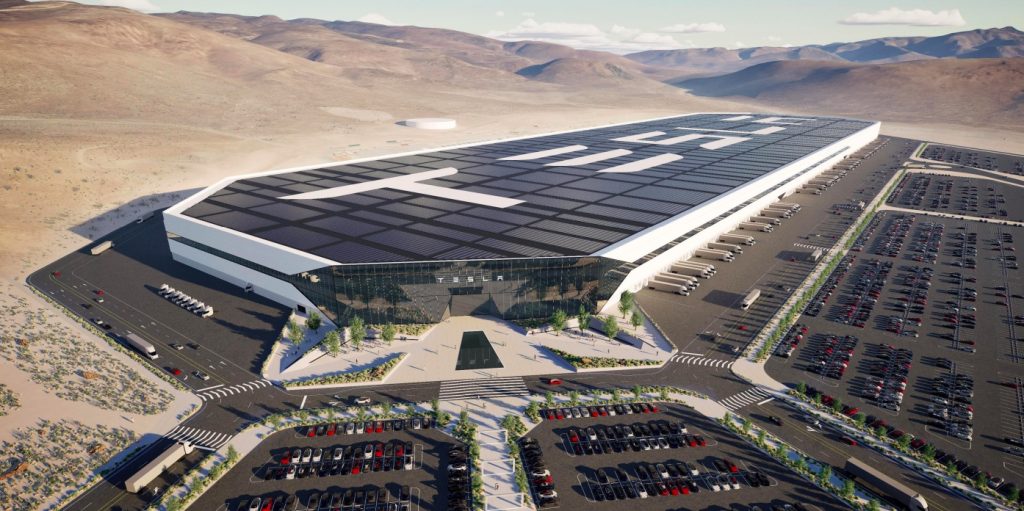
16:46 CT – Another question about credits was asked. Elon noted that long-term, Tesla would be able to get significant value from credits. That being said, this is reliant on domestic manufacturing. “Long-term Tesla expects the value of these credits to be very significant,” Musk said, adding that the value of credits in 2023 won’t be gigantic, but they could be gigantic in the future.
16:45 CT – Investor questions begin. First questions were about demand concerns, which Elon and Zach had already been addressed.
16:44 CT – Kirkhorn noted that Tesla is prioritizing its funding for the company’s future plans. Tesla is working on fixing its inefficiencies, including Berlin/Texas ramp, and in-house cell production, the CFO explained.
16:43 CT – CFO Zachary Kirkhorn takes the stage. Similar to Elon Musk, the CFO thanked the Tesla team for its accomplishments last year. He noted that revenue has increased by 50% and operating income doubled. “We believe we are in a good trajectory,” Kirkhorn said, also highlighting that demand is very strong for the company’s products.
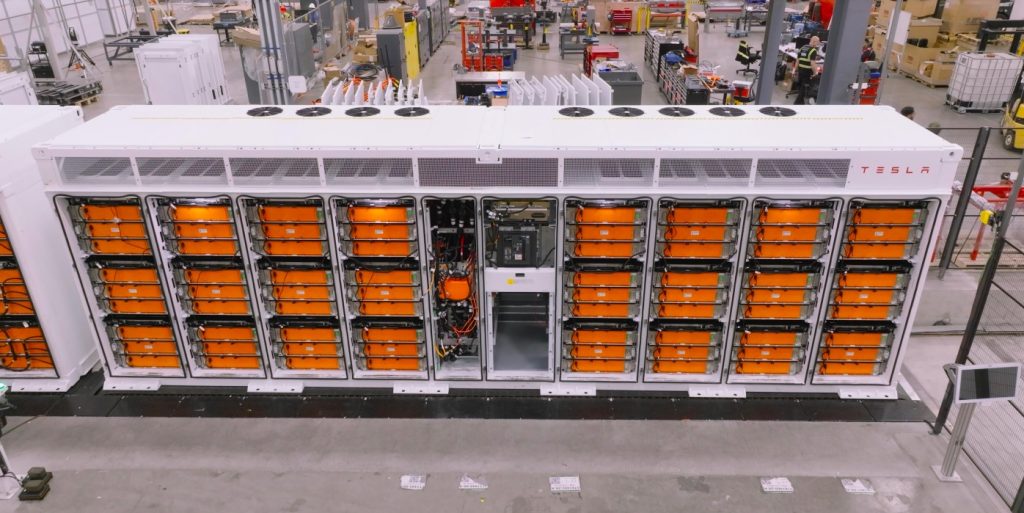
16:40 CT – “I would like to make it clear that there is path towards a sustainable energy future,” Musk said, adding that Tesla is ramping Megapack production at a rate that’s faster than the company’s vehicle output. “Manufacturing technology would be our most important long-term strength,” Musk said.
16:38 CT – Elon also highlighted a number of key updates for Tesla FSD Beta, which has been rolled out to roughly 400,000 users. Total miles driven with FSD Beta outside of highways reached 100 million miles as well. The CEO also highlighted the safety of the FS Beta program. “We would not have released FSD Beta if these statistics were not accurate,” Musk said.
16:37 CT – Elon noted that Tesla’s demand is strong, especially following the price cuts. The company has seen its strongest orders in January 2023, almost twice as much as production. “We think demand will be good despite probably a contraction in the auto industry as a whole,” Elon said.
16:35 CT – Here are Elon’s remarks. “It was a fantastic year for Tesla. It was our best year ever, on every level,” he said.
16:32 CT – And it starts! Elon, Zach, and other executives are present. Martin Vicha is opening the call.
16:29 CT – One minute to go! Who thinks this is going to start in Elon Time? The results are positive though, so Tesla may start this earnings call early.
16:15 CT – This coming call will definitely be interesting. Tesla’s Q4 and FY 2022 vehicle delivery and production report was framed so negatively that it’s almost a pleasant surprise to see the company’s numbers showing a lot of strength. Tesla posted great results in Q4, so it would be interesting to see exactly what the company’s executives would discuss in the earnings call.
Tesla’s Q4 and FY 2022 earnings call webcast can be viewed below.
Don’t hesitate to contact us with news tips. Just send a message to simon@teslarati.com to give us a heads up.



Tesla has its answer to grow its automotive sales over the next few years, TD Cowen analyst Itay Michaeli says, but it just has to bring it to the U.S.
On Thursday, Michaeli reiterated his $490 price target and the ‘Buy’ rating he already held on Tesla stock (NASDAQ: TSLA). However, its automotive division has struggled to show sequential growth over the past few years, mostly due to its focus on AI and Full Self-Driving. Tesla already axed two of its lower-volume vehicles with the Model S and Model X earlier this year.
However, Tesla does not need to engineer an entire new vehicle to trigger an upward tick in sales; it just has to bring it from China to the U.S., Michaeli said.
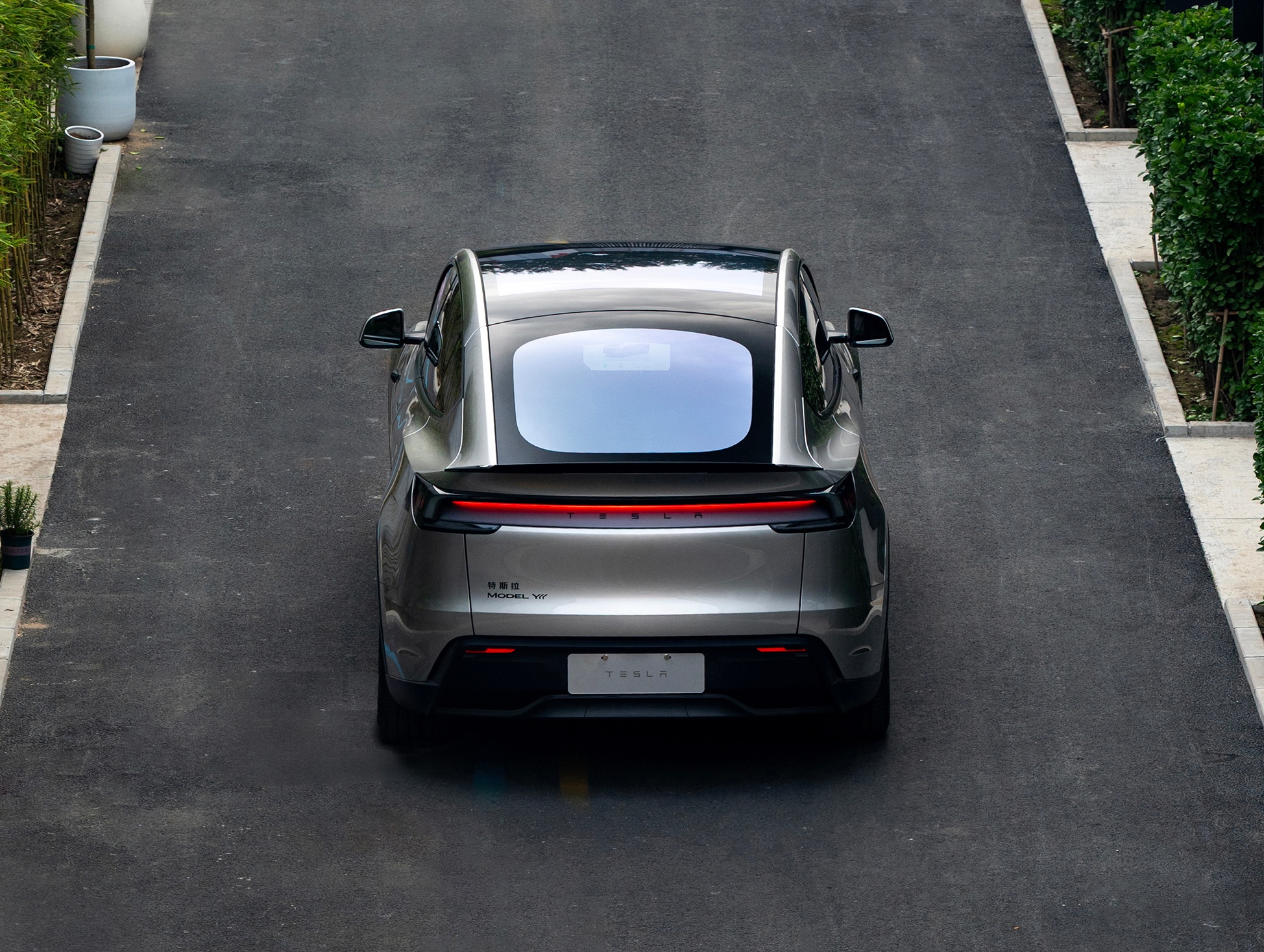
He is talking about the Model Y L, a slightly larger version of the all-electric crossover that is already available in China. U.S. customers have been pleading with CEO Elon Musk to bring it to the country since its launch in Asia last year, but he’s not convinced of it because of the advent of self-driving and its importance in this particular market.
The problem is that Tesla owners have been requesting something larger that could fit a typical American family. The Model Y L is slightly larger than the standard Model Y, but some are concerned that it could still be too small to fit what most people might need.
Instead, they have asked for a full-size SUV from Tesla.
Tesla gives big hint that it will build Cyber SUV, smaller Cybertruck
Nevertheless, the Model Y L still presents a great opportunity for Tesla in the U.S., and Michaeli says that there is an additional sales opportunity of about 100,000 units, with demand potential falling somewhere between 60,000 and 135,000 units.
TD Cowen’s note to investors also analyzed that Tesla’s growth could come from a stock perspective as well, positively impacting the stock price, as it has been widely reliant on vehicle sales, even though Tesla has truly phased itself away from that being an important metric.
Tesla stands to gain greatly from the introduction of the Model Y L in the U.S., but only if Elon Musk sees it as a viable fit for the market. Families may need to see Tesla bring something larger to the U.S., or they might be forced to buy from another automaker that offers something that fits is needs for more interior space to haul around the kids.
Elon Musk
SpaceXAI just launched into your kitchen with their new app
SpaceXAI just powered its first consumer app and it predicts what you want to buy.

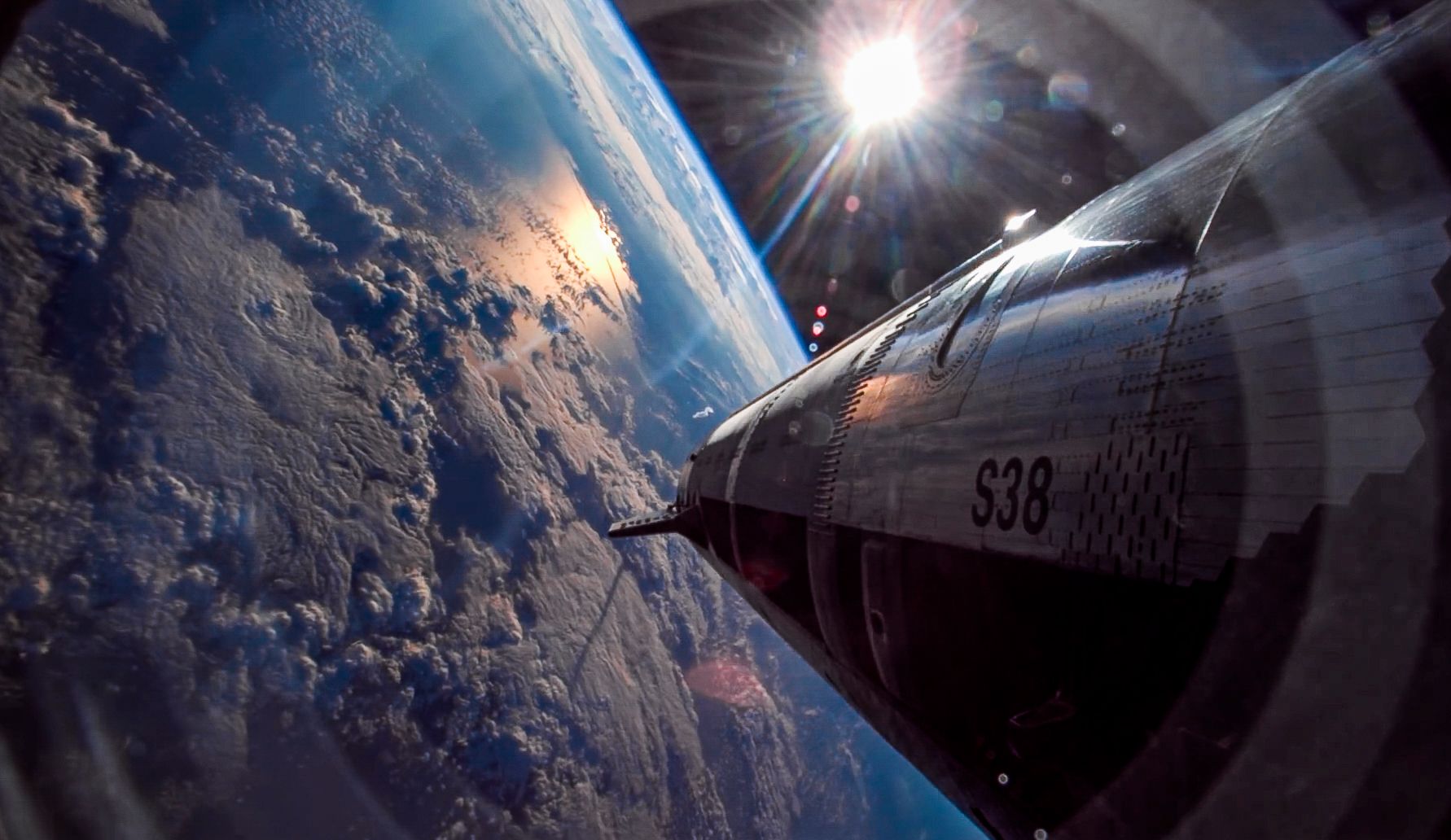
SpaceXAI just made its first move into consumer AI, and it involves your grocery cart. On June 3, 2026, Gopuff and SpaceXAI announced the launch of Go, a Grok-powered shopping assistant built directly into the Gopuff app that predicts what you need before you even start searching for it.
Gopuff is an instant delivery platform that operates more than 400 micro-fulfillment centers across the U.S., delivering everyday essentials, snacks, drinks, and household items in as little as 15 minutes. It is not a restaurant delivery app or a marketplace. It owns its inventory, controls its warehouses, and handles its own logistics, which means it has built one of the most detailed consumer behavior datasets in retail over its 13-year history.
Go combines SpaceXAI’s advanced reasoning, voice, and image generation models with Gopuff’s dataset of hundreds of millions of orders and real-time cultural signals from X to prepare a suggested cart the moment a customer opens the app. It learns each shopper’s habits and automatically builds a personalized cart based on time of day, location, order history, and real-time indicators. Returning customers can check out with a single tap.
Rather than searching for specific items, users can describe a situation like a game-day party or the desire for a healthy breakfast and Go will assemble a cart automatically. It can also predict when shoppers are running low on items like coffee or paper towels and have them packed and delivered in under 15 minutes. Grok voice integration lets users talk to the app in plain conversational language and check out completely hands-free.
Gopuff co-founder and co-CEO Yakir Gola said: “Today, we believe the greatest friction left in commerce is not delivery or instantaneous access to the essentials customers need. It’s the moment before: the thinking, the deciding, the remembering. We’re combining Gopuff’s demand intelligence with xAI’s frontier reasoning to create an everyday shopping experience that feels like a true extension of you.”
Why SpaceX just made a $60 billion bet on AI coding ahead of historic IPO
The timing carries context beyond the product launch. SpaceXAI was formed after SpaceX completed an all-stock merger with Elon Musk’s xAI earlier this year, folding one of the most advanced AI labs in the world into the same corporate structure as the company preparing what could be the largest IPO in history. SpaceXAI is dipping into consumer-focused AI just as it prepares for its public debut, and while Musk has openly discussed building an everything app, this launch uses Grok to power another company’s product rather than launching a standalone consumer platform. Every consumer-facing deployment of Grok ahead of the IPO roadshow adds tangible evidence that SpaceXAI is not just an infrastructure play but a direct competitor in the AI application layer where OpenAI and Google are already fighting for dominance.
Elon Musk
SpaceX’s amended S-1 is sparking a major Tesla merger conversation
A single line in SpaceX’s amended S-1 just sent Tesla stock down 5% in one day.
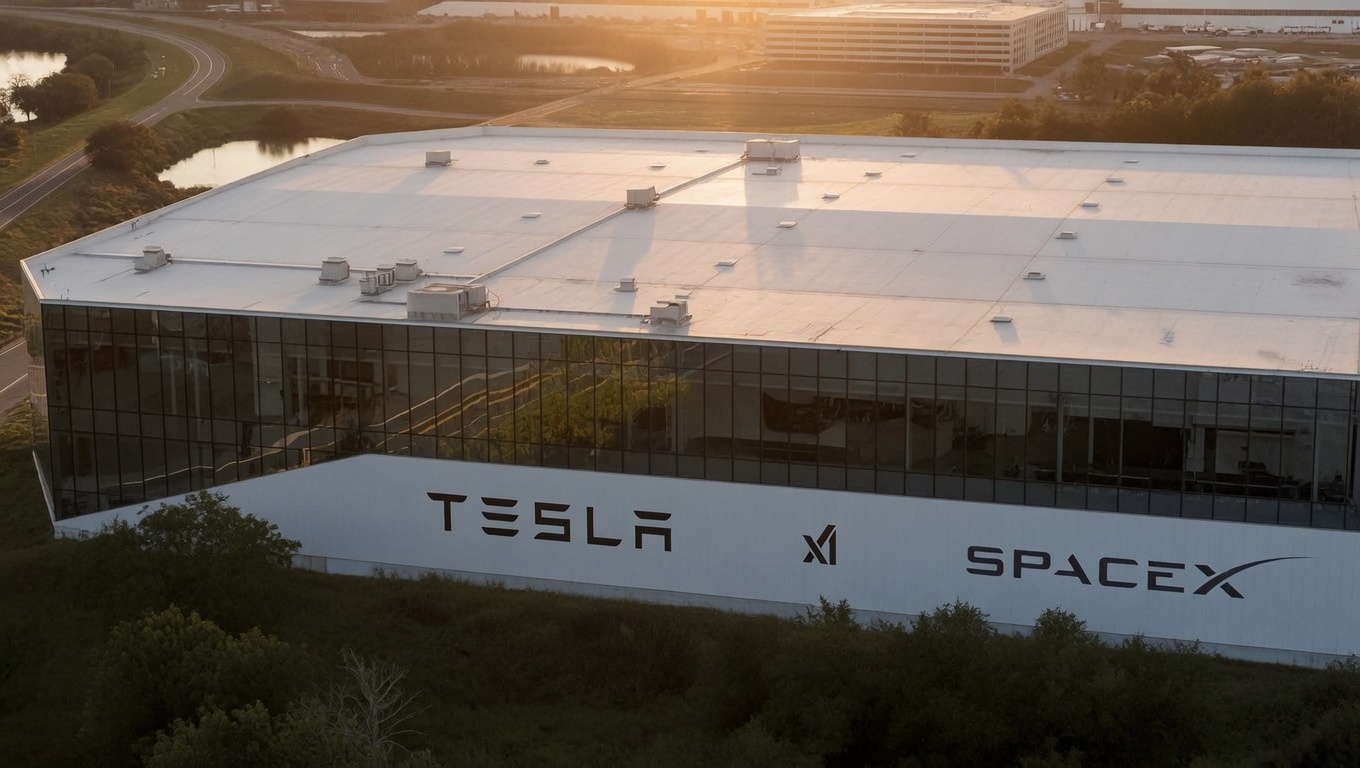
A single line buried in SpaceX’s amended S-1 filing is doing more to move Tesla’s stock price than anything Tesla itself has announced in months. The clause, disclosed as SpaceX prepares for what could be the largest IPO in Wall Street history, states that the company “may issue a significant amount of equity in connection with future transactions.” While this may be seen as boilerplate language in S-1 filings, the historical ties between SpaceX and Tesla, and with Elon Musk reportedly discussing a possible merger with close colleagues, investors are interpreting it as something closer to a signal.
The concern among institutional investors like Gary Black, managing director of The Future Fund, pointed directly to the amended filing on X, saying it “strongly suggests more SPCX equity will be issued,” which could potentially be used to acquire Tesla. He estimated such a deal could be 28% dilutive to Tesla shareholders since SpaceX would likely command a significantly higher valuation multiple. Black added that institutional investors he knows hate the idea of a combination because they prefer pure plays over conglomerates, which he said “nearly always gravitate to the lowest common multiple.”
The Tesla and SpaceX merger everyone is talking about is quietly building
The bull case runs the math differently. Tesla influencer and retail shareholder advocate AleXandra Merz pushed back on what she called a widespread misunderstanding of how merger-of-equals deals actually work. Rather than simply splitting the difference between two market caps, a merger exchange ratio is negotiated based on relative fair market values, meaning the lower valued company typically sees its stock reprice upward toward the deal value.
Under her model, SpaceX enters at a $2.5 trillion valuation and Tesla at $1.6 trillion, producing a combined entity worth $4.1 trillion split evenly between both shareholder groups. That implies Tesla’s side of the deal would be valued at $2.05 trillion, a gain of roughly $450 billion from its current market cap. She cited Dow-DuPont and CBS-Viacom as historical examples of how markets reprice both companies toward the announced exchange ratio after a deal is unveiled.
What does a Merger of Equals mean to Elon’s compensation packages?
Well, it changes everything.
Enjoy https://t.co/uekCldyITw pic.twitter.com/kolq1C9qTu
— AleXandra Merz 🇺🇲 (@TeslaBoomerMama) June 1, 2026
The SpaceX S-1 amendments also revealed just how much financial infrastructure already binds the two companies together. As Teslarati has reported, SpaceX purchased $697 million in Tesla Megapacks, $131 million in Cybertrucks, and the two companies have shared supply chain resources, and semiconductor fabrication plans since well before any merger conversation became public. A retail poll by Tesla influencer Sawyer Merritt is finding that 36% of respondents do not plan to buy SpaceX shares at IPO and 15.3% saying their decision depends on the valuation.
Do you plan on buying @SpaceX stock at its IPO?
— Sawyer Merritt (@SawyerMerritt) June 1, 2026
Whether the merger happens or not, the amended filing is seemingly moving markets and sharpened a debate that is no longer theoretical. SpaceX is weeks away from trading publicly, and Tesla shareholders are now watching every word of every filing for clues about what Musk plans to do next.

Tesla Roadster unveiling gets pushed again, but new event details emerge

Tesla Model 3 has a tasty Supercharging incentive, but it’s ending soon


