Elon Musk
Tesla sues former Optimus engineer for stealing trade secrets
Tesla is suing a former engineer who worked on Optimus after he left and immediately started a robotics company that achieved quick development of a hand.

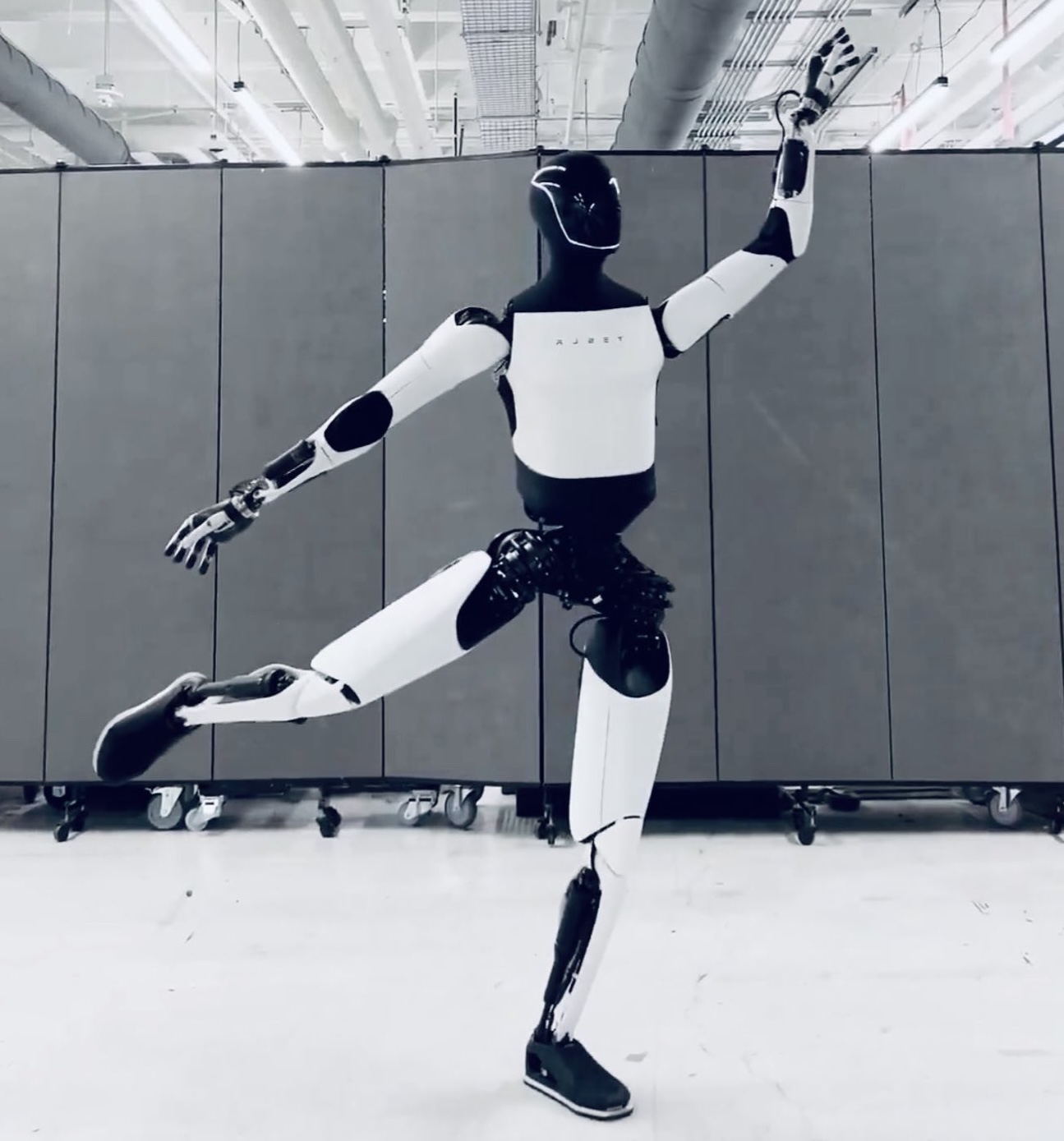
Tesla is suing former Optimus engineer Jay Li in federal court after accusing him of stealing trade secrets and using them to enable a startup he founded after he left.
Li is accused of stealing confidential files and using them to help get his company, “Proception,” off to a rocking start. Tesla says the files Li took helped his new startup “shortcut the typical development process” for robot hands, something that took Tesla years to develop and evolve.
The company said in the complaint (via Reuters):
“Through Li’s pilfering, Defendant Proception purportedly achieved in a matter of months what it has taken Tesla over four years, hundreds of employees, and billions of dollars to achieve.”
Li was an employee at Tesla for several years, working on the Optimus sensor team from 2022 to 2024. The company says it utilized and devoted “extraordinary resources” to the development of Optimus, which has come a long way since its unveiling several years ago.
Tesla Optimus to receive hands with 22 degrees of freedom later this year
Li allegedly downloaded confidential files related to Optimus’ robotic hand movement research before departing the company. He did not work on the hands at the time. However, he left and swiftly started Proception, as the suit states the company was founded just six days after he left Tesla.
Proception was gloating about its ability to build robotic hands just five months after the company was founded. Tesla says the hands have “striking similarities” to its own design for Optimus.
The company is looking for monetary damages and a court order that would block Proception from misusing the secrets it accuses Li of taking.
This is not the first suit Tesla has filed over trade secrets and confidential information theft. Recently, it accused German-Canadian dual citizen Klaus Pflugbeil of stealing battery-related secrets. He was arrested and sentenced to two years in prison.
Men accused of selling Tesla battery secrets arrested in undercover sting
The U.S. Department of Justice used an undercover sting to arrest Pflugbeil.
Tesla is being represented by Josh Krevitt, Orin Snyder, and Angelique Kaounis of Gibson Dunn & Crutcher.
The case is Tesla Inc. v. Perception Inc., U.S. District Court for the Northern District of California, No. 5:25-cv-04963.


Elon Musk
Countdown: America is going back to the Moon and SpaceX holds the key to what comes after
NASA’s Artemis II launches Wednesday, sending humans near the Moon for the first time since 1972.

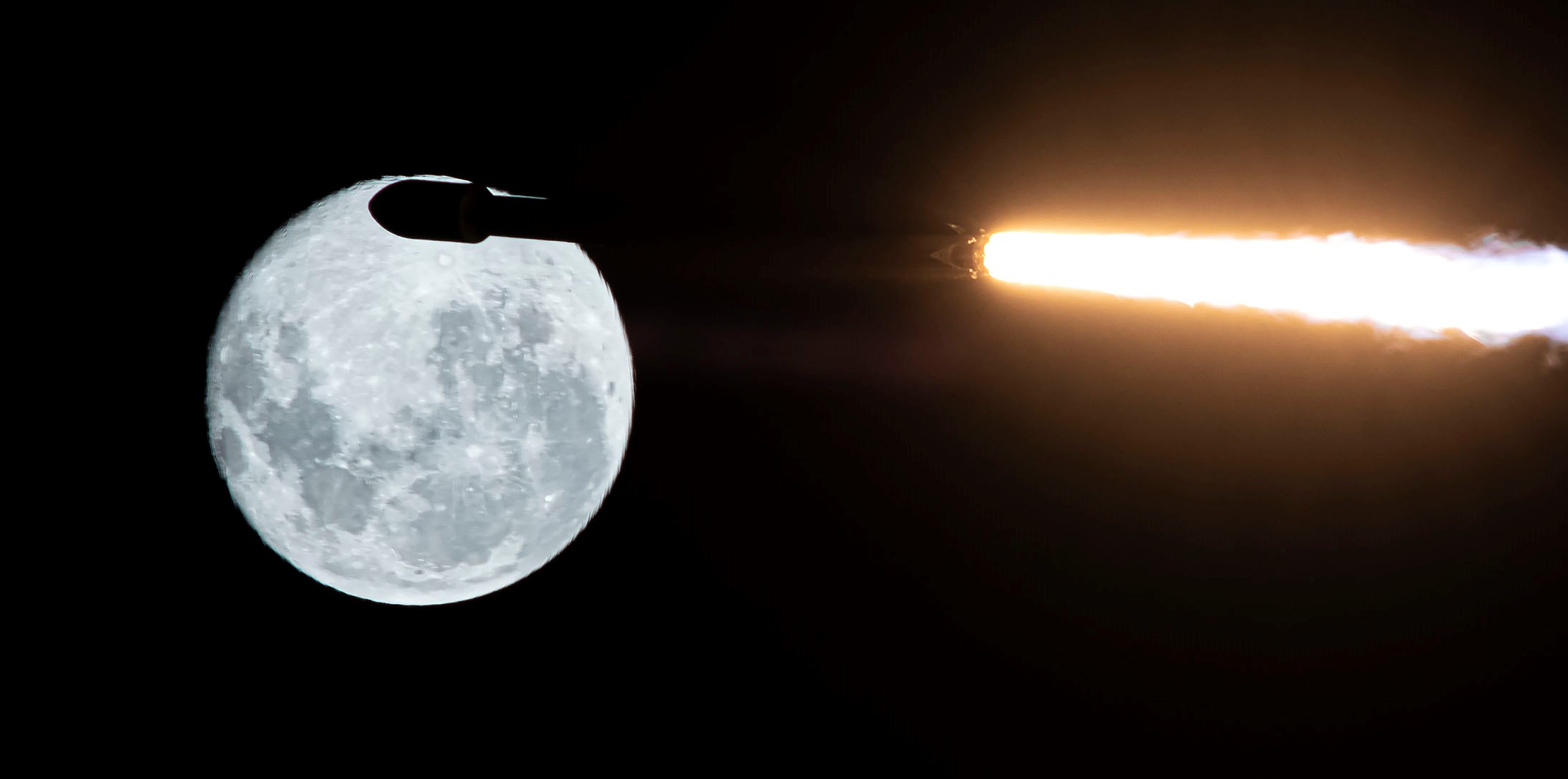
For the first time since Apollo 17 touched down on the lunar surface in December 1972, the United States is sending humans back toward the Moon. NASA’s Artemis II mission is set to launch as early as this week from Kennedy Space Center in Florida, carrying four astronauts on a 10-day journey around the Moon and back to Earth. It will not land anyone on the surface this time, but it is the first crewed flight in over half a century to travel beyond low Earth orbit, and it sets the stage for Elon Musk’s SpaceX missions to follow.
The mission uses NASA’s Space Launch System rocket and the Orion spacecraft, which will fly around the Moon before splashing down in the Pacific Ocean around April 10. For context, an uncrewed Artemis I flew the same path in 2022, proving the hardware worked. Artemis II now tests it with people aboard.
According to NASA’s official countdown blog, launch preparations are on track with an 80 percent chance of favorable weather. “Hey, let’s go to the moon!” Commander Wiseman told reporters upon arriving at Kennedy Space Center.
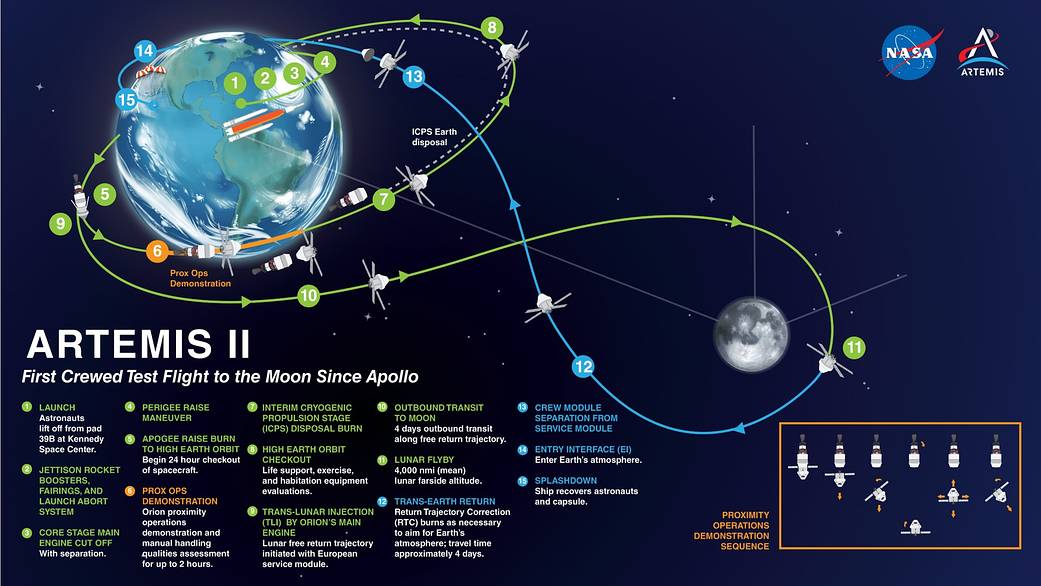
Source: NASA
Beyond Artemis II lies the lander question, and that is where SpaceX enters directly. In 2021, NASA awarded SpaceX a $2.89 billion contract to develop the Starship Human Landing System, a modified version of Starship designed to ferry astronauts from lunar orbit to the surface. The original plan called for SpaceX to deliver that lander for Artemis III, which was to be the first crewed lunar landing. Timing for Starship development, however, caused NASA to restructure the mission sequence entirely.
Before SpaceX’s Starship Human Landing System (HLS) can put anyone on the Moon, it has to solve a problem no rocket has demonstrated at scale, which is refueling in orbit. Because the Starship HLS requires approximately ten tanker launches worth of propellant loaded into a depot in low Earth orbit before it has enough fuel to reach the lunar surface, SpaceX plans to conduct this refueling process using its upgraded V3 Starship. And until that demonstration flies and succeeds, the Starship moon lander remains a question mark.
SpaceX’s Starship V3 is almost ready and it will change space travel forever
In February 2026, NASA Administrator Jared Isaacman confirmed that Artemis III, now planned for mid-2027, and will instead test lunar landers in low Earth orbit, with the actual landing pushed to Artemis IV that’s targeted for 2028.
Musk responded to earlier criticism of SpaceX’s schedule by posting on X that his company is “moving like lightning compared to the rest of the space industry,” and added that “Starship will end up doing the whole Moon mission.” The contract competition was also reopened in October 2025 by then NASA chief Sean Duffy, who cited Starship’s delays and said the agency needed speed given China’s own stated goal of landing astronauts on the Moon by 2030.
They won’t. SpaceX is moving like lightning compared to the rest of the space industry.
Moreover, Starship will end up doing the whole Moon mission. Mark my words.
— Elon Musk (@elonmusk) October 20, 2025
Artemis came from the first Trump administration’s 2017 Space Policy Directive 1, which directed NASA to return humans to the Moon. The program picked up pace through the 2020s, with the Orion spacecraft and SLS taking years to develop at enormous costs. SpaceX entered the picture in 2021 as the chosen lander contractor, tying the commercial space sector into what had historically been an all government undertaking.
Whether SpaceX’s Starship ultimately carries astronauts to the lunar surface or shares that role with Blue Origin’s competing lander, this week’s Artemis II launch is the necessary first step. Getting four humans to the Moon’s vicinity and back safely is the proof of concept everything else depends on.
Elon Musk
Elon Musk debunks latest rumors about SpaceX IPO
Musk has swiftly put to rest circulating reports suggesting that SpaceX would exclude popular retail brokerages Robinhood and SoFi from its highly anticipated initial public offering. In a direct response posted on X on March 31, Musk stated simply, “These reports are false,” addressing widespread speculation fueled by a Reuters article.
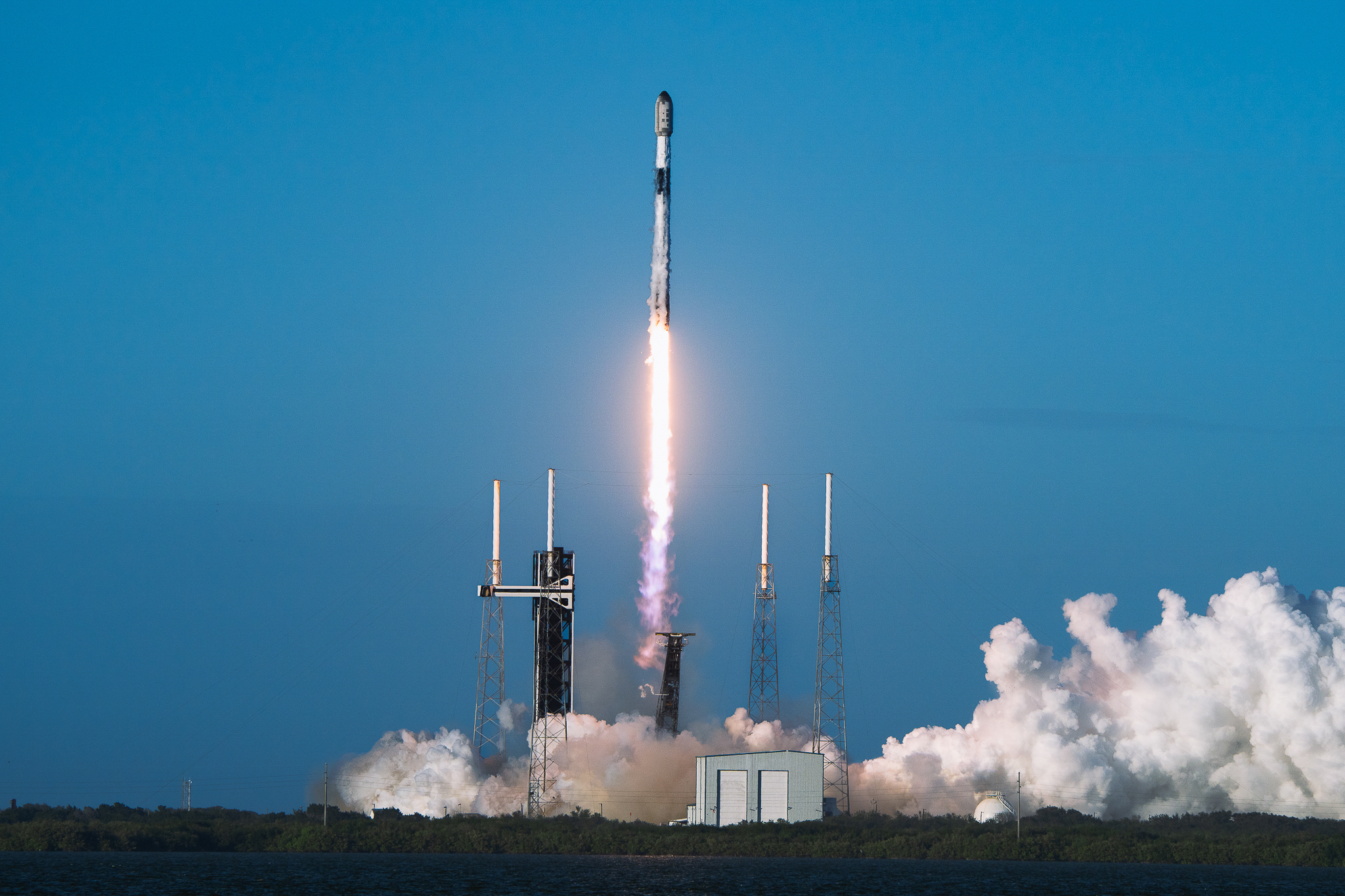
Tesla and SpaceX CEO Elon Musk debunked the latest rumors about the space exploration company’s initial public offering (IPO), which has been the subject of a wide array of speculation over the last few weeks.
With SpaceX likely heading to Wall Street to become a publicly-traded stock in the coming months, there is a lot of speculation surrounding how it will happen, whether the company will potentially combine with Tesla, and more.
Tesla and SpaceX to merge in 2027, Wall Street analyst predicts
But the latest rumors have to do with where SpaceX will list the stock.
Musk has swiftly put to rest circulating reports suggesting that SpaceX would exclude popular retail brokerages Robinhood and SoFi from its highly anticipated initial public offering.
In a direct response posted on X on March 31, Musk stated simply, “These reports are false,” addressing widespread speculation fueled by a Reuters article.
These reports are false
— Elon Musk (@elonmusk) March 31, 2026
The Reuters report, published March 30, claimed that Morgan Stanley’s E*Trade was in talks to lead the sale of SpaceX shares to small U.S. investors.
Sources indicated that Robinhood and SoFi, despite pitching for roles, faced potential exclusion from the retail allocation, with Fidelity also competing for a piece of the action. The story quickly spread across financial media, raising concerns among retail investors eager to participate in what could be one of the largest IPOs in history.
SpaceX has a reported valuation nearing $1.75 trillion, and Musk’s plan to allocate up to 30 percent of shares to individual investors — far above the typical 5-10% — had generated massive excitement.
Musk’s concise denial immediately calmed the narrative. The original X post quoting the rumor garnered significant engagement, with users expressing relief that everyday investors would not be sidelined.
This episode reflects Musk’s hands-on approach to SpaceX’s public debut.
Earlier reporting revealed plans for an unusually large retail slice to leverage Musk’s dedicated fan base and stabilize post-IPO trading. SpaceX aims to file potentially as early as this period, building on momentum from its Starship program and Starlink growth.
The IPO could mark a transformative moment, potentially elevating Musk’s status further while democratizing access to a company long reserved for accredited investors and institutions.
The rumor’s quick debunking also revives debates about retail access in high-profile listings. Robinhood gained popularity during the 2021 meme-stock surge but faced criticism for past trading restrictions.
SoFi has positioned itself as a modern financial platform for younger investors. Excluding them could have limited participation from tech-savvy retail traders who form a core part of Musk’s supporter base across Tesla and SpaceX.
While details remain fluid, Musk’s intervention reinforces commitment to broad accessibility. As preparations advance, investors await official filings. For now, the message is clear: rumors of restricted retail access were overstated, keeping the door open for widespread participation in SpaceX’s public chapter.
This development comes amid broader market enthusiasm for space and technology stocks. Musk’s transparency through X continues to shape public perception, distinguishing SpaceX’s path from traditional Wall Street norms. With retail allocation potentially reaching 30 percent, the IPO promises to be both commercially massive and culturally significant.
Elon Musk
Tesla Optimus Gen 3 is coming to the Tesla Diner with new ambitions
Tesla’s Optimus robot left the Hollywood Diner within months of opening. Now Musk is planning its return with a bigger role and a major Gen 3 upgrade underway.
![Tesla Optimus Gen 3 [Credit: Tesla]](https://www.teslarati.com/wp-content/uploads/2026/03/tesla-optimus-gen3-diner.jpg)
Tesla’s Optimus robot was one of the most talked-about features when the Tesla Diner opened on Santa Monica Boulevard in Hollywood on July 21, 2025. Dubbed “Poptimus” by Tesla fans, the Gen 2 robot stood upstairs at the retro-futuristic, drive-in theater and Tesla Supercharging station, scooping popcorn into bags and handing them to guests with a wave.
The diner itself had been years in the making. Elon Musk first floated the idea in 2018 with a tweet about building an “old-school drive-in, roller skates & rock restaurant” at a Hollywood Supercharger. What eventually opened was a unique two-story neon-lit space, with 80 EV charging stalls, and Optimus serving as a live demonstration of where Tesla’s ambitions were headed.
If our retro-futuristic diner turns out well, which I think it will, @Tesla will establish these in major cities around the world, as well as at Supercharger sites on long distance routes.
An island of good food, good vibes & entertainment, all while Supercharging! https://t.co/zmbv6GfqKf
— Elon Musk (@elonmusk) July 21, 2025
But Optimus did not stay long, and was gone by December 2025.
Now, the robot is set to return with a more demanding job. Musk has ambitions for Optimus to take on a food runner role in 2026, delivering meals directly to cars at the Supercharger stalls. While the latest Gen 3 Optimus is likely to initially take on its previous popcorn-serving role, it wouldn’t be out of the question for Optimus to see a quick promotion. With improved hand dexterity that features 50 total actuators and 22 degrees of freedom per hand, and significantly more powerful processing through Tesla’s latest AI5 chip that includes Grok-powered voice interaction, Musk described Optimus at the Abundance Summit on March 12, 2026, as “by far the most advanced robot in the world, Nothing’s even close.”
Back to work
See you at Tesla Diner tomorrow pic.twitter.com/H3tTajrUbu
— Tesla Optimus (@Tesla_Optimus) March 30, 2026
That confidence is backed by a major manufacturing shift. At the Q4 2025 earnings call in January, Musk announced Tesla would discontinue the Model S and Model X and convert those Fremont production lines to build Optimus. “It’s time to basically bring the Model S and X programs to an end,” he said, calling for a pivot that reflects where the Tesla’s future lies.

Countdown: America is going back to the Moon and SpaceX holds the key to what comes after

Elon Musk debunks latest rumors about SpaceX IPO
![Tesla Optimus Gen 3 [Credit: Tesla]](https://www.teslarati.com/wp-content/uploads/2026/03/tesla-optimus-gen3-diner-80x80.jpg)
Tesla Optimus Gen 3 is coming to the Tesla Diner with new ambitions

Elon Musk says Tesla is developing a new vehicle: ‘Way cooler than a minivan’

Elon Musk launches TERAFAB: The $25B Tesla-SpaceXAI chip factory that will rewire the AI industry


