Investor's Corner
Tesla (TSLA) Q2 2025 earnings call: What investors want to know

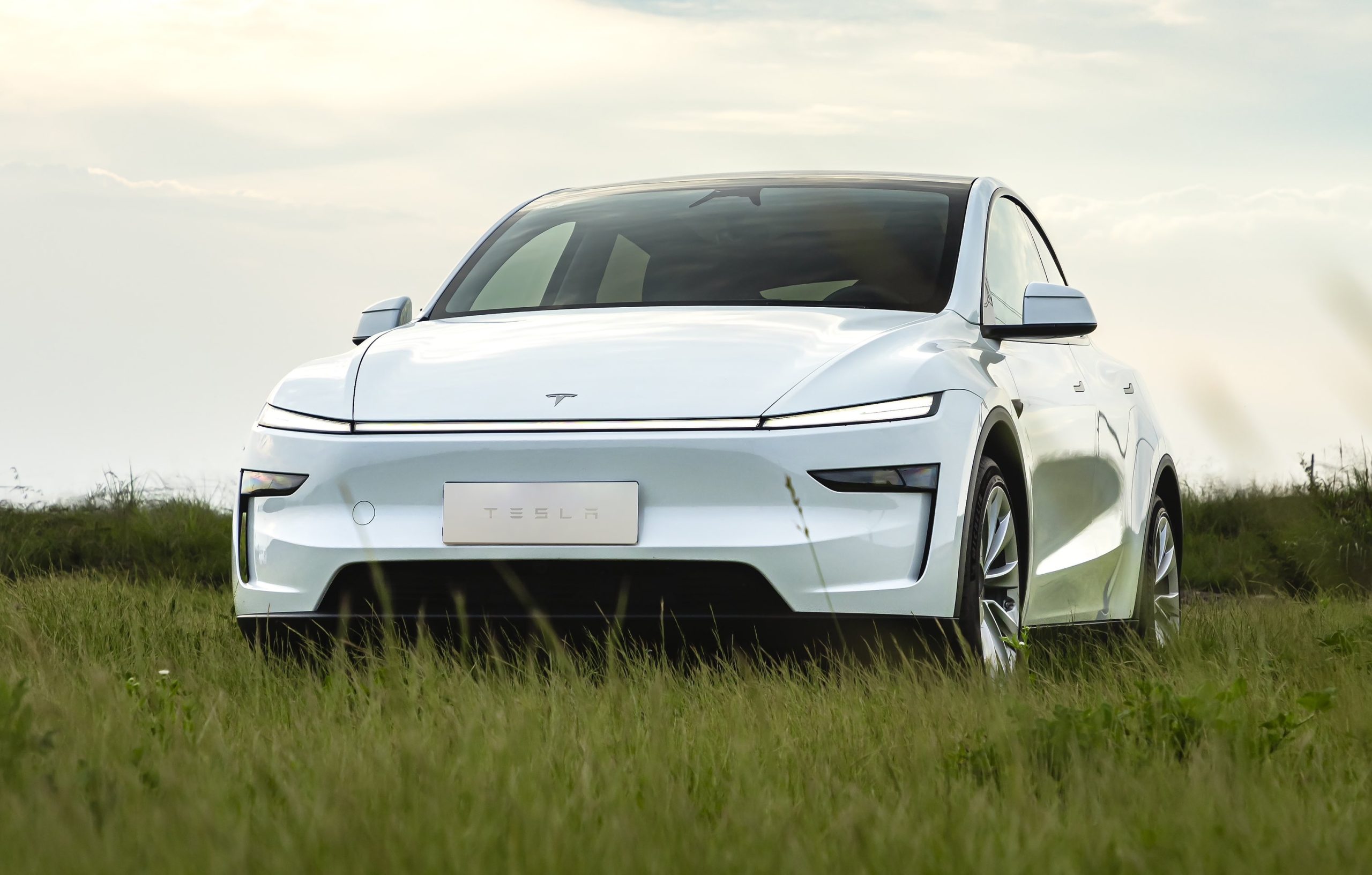
Tesla (NASDAQ:TSLA) is set to report its second-quarter 2025 financial results on Wednesday, July 23, after markets close. With this in mind, Tesla investors have aggregated their top questions for the company at its upcoming Q&A session.
The upcoming earnings report follows a mixed delivery quarter. Tesla produced over 410,000 vehicles and delivered more than 384,000 units globally. In the energy segment, Tesla deployed 9.6 GWh of storage products, continuing momentum for its Megapack business. Tesla’s vehicle sales are currently down year-over-year, though a good part of this was due to the Model Y changeover in the first quarter.
Following are Tesla investors’ top questions for management, as aggregated in Say.
- Can you give us some insight (into) how robotaxis have been performing so far and what rate you expect to expand in terms of vehicles, geofence, cities, and supervisors?
- What are the key technical and regulatory hurdles still remaining for unsupervised FSD to be available for personal use? Timeline?
- What specific factory tasks is Optimus currently performing, and what is the expected timeline for scaling production to enable external sales? How does Tesla envision Optimus contributing to revenue in the next 2–3 years?
- Can you provide an update on the development and production timeline for Tesla’s more affordable models? How will these models balance cost reduction with profitability, and what impact do you expect on demand in the current economic climate?
- When do you anticipate customer vehicles to receive unsupervised FSD?
- Are there any news for HW3 users getting retrofits or upgrades? Will they get HW4 or some future version of HW5?
- Have any meaningful Optimus milestones changed for this year or next, and will thousands of Optimus be performing tasks in Tesla factories by year-end?
- Will there be a new AI day to explain the advancements the Autopilot, Optimus, and Dojo/chip teams have made over the past several years? We still do not know much about HW4.
- Cybertruck ramp is now a year in, but sales have lagged other models. How are you thinking through boosting sales of such an incredible product?
- When will there be a new CEO compensation package presented and considered for the next stage of the company’s growth?
Tesla will release its Q2 update letter on its Investor Relations website after markets close on Wednesday. A live Q&A webcast with management will then follow at 4:30 p.m. CT (5:30 p.m. ET) to discuss the company’s performance and outlook.


Elon Musk
TIME honors SpaceX’s Gwynne Shotwell: From employee No. 7 to world’s most valuable company
Time Magazine honors Gwynne Shotwell as SpaceX reaches a $1.25 trillion valuation and eyes its IPO.

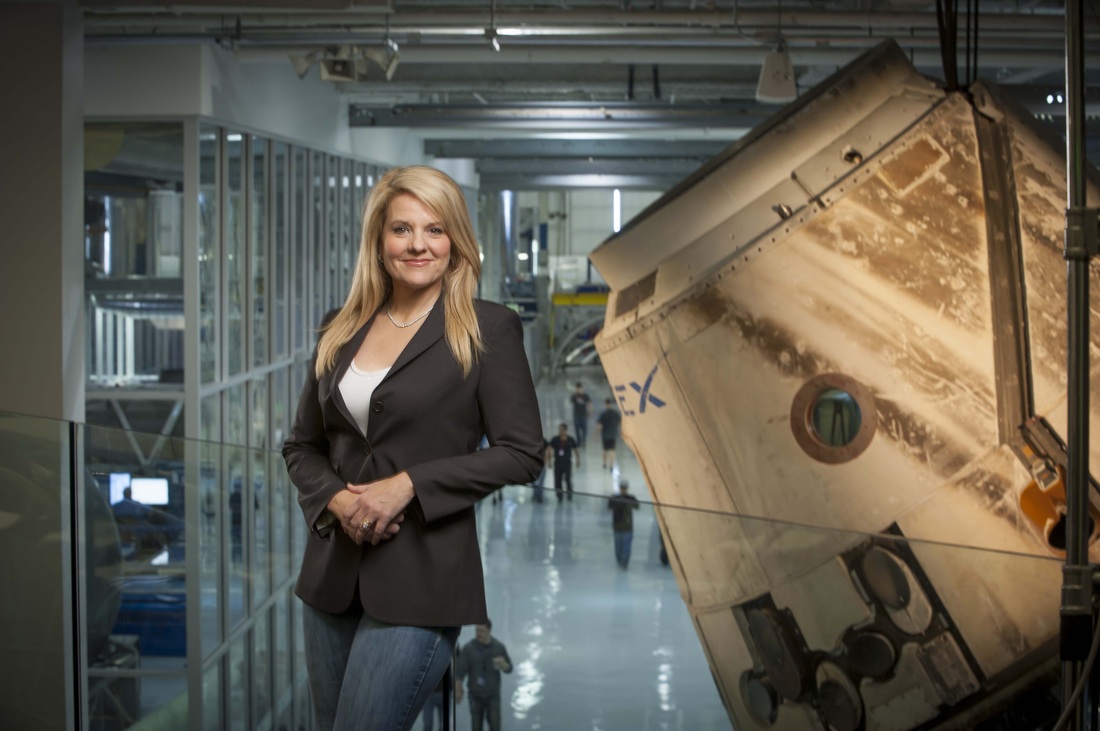
TIME Magazine has put SpaceX President and COO Gwynne Shotwell on its cover, and the timing could not be more fitting. Published today, the profile of Shotwell arrives at a moment when the company she has quietly run for more than two decades stands at the center of the most consequential developments in aerospace, artificial intelligence, and the future of human civilization.
Shotwell joined SpaceX in 2002 as its seventh employee and has never stopped expanding her role. She oversees day-to-day operations across multiple executive teams spanning Falcon, Starlink, Starship, and now xAI following SpaceX’s February 2026 merger with Elon Musk’s artificial intelligence company, a deal that made SpaceX the world’s most valuable private company at a reported valuation of $1.25 trillion. A highly anticipated IPO is expected in the second quarter of 2026.
Will Tesla join the fold? Predicting a triple merger with SpaceX and xAI
Her track record is historic. She oversaw the first landing of an orbital rocket’s first stage, the first reuse and re-landing of an orbital booster, and the first private crewed launch to Earth orbit in May 2020. She built the Falcon launch manifest from nothing to more than 170 contracted missions representing over $20 billion in business. Under her operational leadership, SpaceX completed 96 successful missions in 2023 alone and has now flown more than 20 crewed Falcon 9 missions. Starlink, which she championed as a financial pillar of the company long before it was a mainstream topic, now connects tens of millions of users worldwide and provided a critical communications lifeline to Ukraine following the 2022 invasion.
Elon Musk has never been shy about what Shotwell means to him and to SpaceX. When she shared her vision for worldwide internet connectivity through Starlink, Musk responded on X with a simple statement, “Gwynne is awesome.” It is a sentiment that has been echoed across the industry. NASA Administrator Bill Nelson once said of Musk: “One of the most important decisions he made, as a matter of fact, is he picked a president named Gwynne Shotwell. She runs SpaceX. She is excellent.”
Gwynne is awesome https://t.co/tiXtMWJmPE
— Elon Musk (@elonmusk) September 28, 2024
Now, with Starship targeting its first crewed lunar landing under the Artemis program by 2028, an xAI integration underway, and a pending IPO that could reshape capital markets, Shotwell’s mandate has never been larger. She told Time that 18 Starships are already in various stages of construction at Starbase. “By 2028,” she said, gesturing across the factory floor, “these should be long gone. They better have flown by then.” If Shotwell’s history at SpaceX is any guide, they will.
Elon Musk
SpaceX’s IPO might arrive sooner than you think
Musk has hinted for years that an eventual public offering was inevitable, though he has stressed the need to maintain operational focus. Insiders have told outlets that the CEO is pushing for a significant retail investor allocation, reportedly more than 20 percent of shares, and tighter lock-up periods to limit early selling pressure.

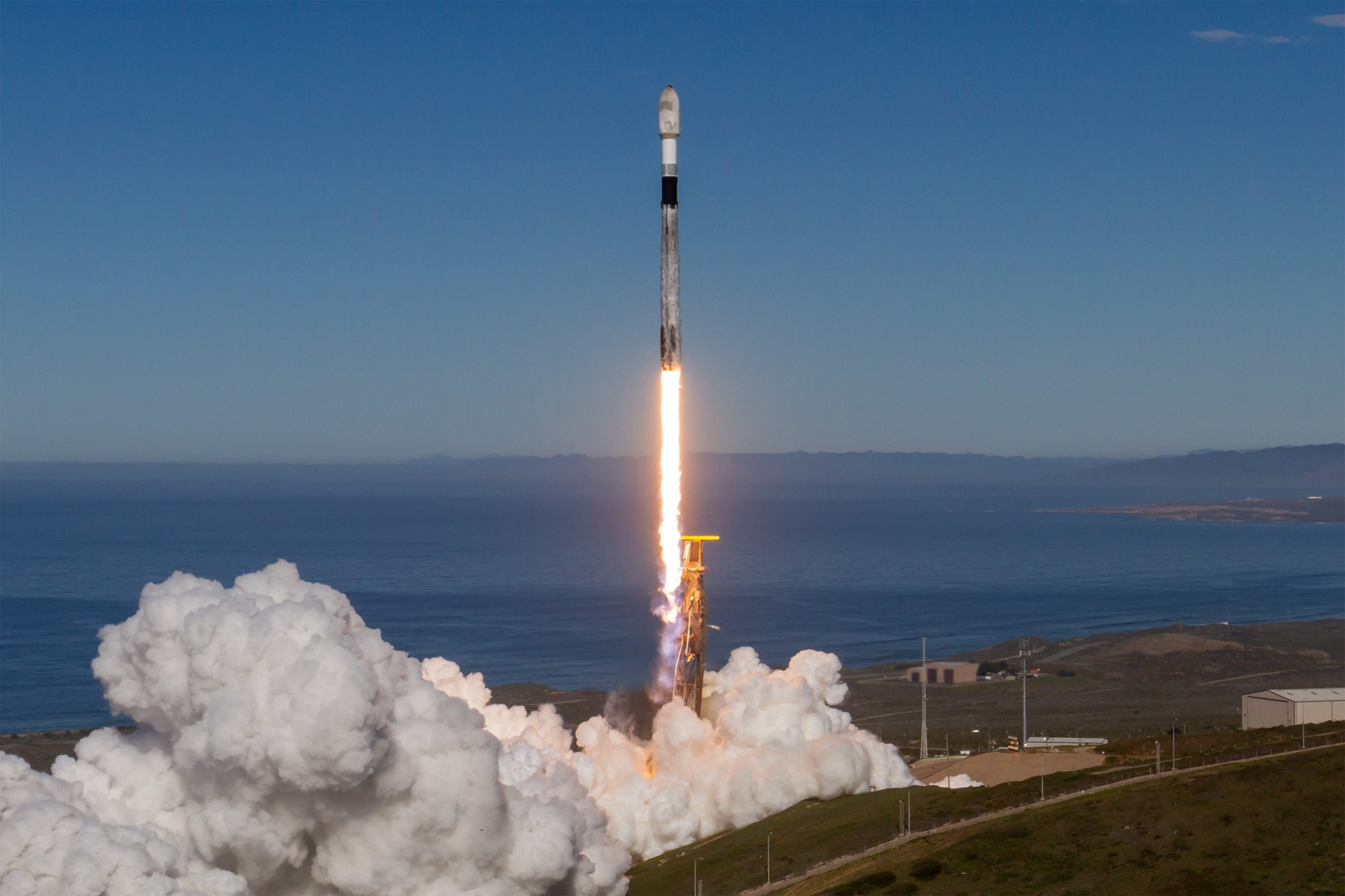
Elon Musk’s SpaceX is on the verge of one of the most anticipated Initial Public Offerings (IPO) in history.
However, a new report from The Information indicates the rocket and satellite giant is aiming to file its IPO prospectus with U.S. regulators as soon as this week, or early next week at the latest.
People familiar with the plans told The Information that advisers involved in the process expect the IPO could raise more than 75 billion dollars, potentially making it the largest stock market debut ever and eclipsing Saudi Aramco’s 29.4 billion dollar offering in 2019.
The filing would mark the formal start of what has long been rumored: SpaceX’s transition from a closely held private powerhouse to a publicly traded company.
The timing aligns with earlier signals.
In late February, Bloomberg reported that SpaceX was targeting a confidential IPO filing in March and a possible public listing in June, with a valuation north of 1.75 trillion dollars. At the time, the company’s private valuation hovered around 1.25 trillion dollars.
SpaceX considering confidential IPO filing this March: report
Starlink, SpaceX’s satellite internet constellation, has been the primary driver of that surge, now serving millions of customers worldwide and generating steady revenue. Recent Starship test flights and a record pace of Falcon launches have further bolstered investor confidence.
Musk has hinted for years that an eventual public offering was inevitable, though he has stressed the need to maintain operational focus. Insiders have told outlets that the CEO is pushing for a significant retail investor allocation, reportedly more than 20 percent of shares, and tighter lock-up periods to limit early selling pressure.
A June listing would give SpaceX immediate access to public capital markets at a moment when demand for space-related stocks remains high. It would also allow early employees and long-time investors to cash out portions of their stakes while giving everyday shareholders a chance to own a piece of the company behind reusable rockets, global broadband, and NASA contracts.
Of course, nothing is certain until the SEC filing appears. Market conditions, regulatory reviews, and Musk’s own schedule could still shift timelines.
Yet the latest word from The Information suggests the window has opened. If the filing lands this week, SpaceX’s roadshow could begin in earnest within weeks, setting the stage for what many analysts already call the IPO of the decade.
Investor's Corner
Tesla gets tip of the hat from major Wall Street firm on self-driving prowess
“Tesla is at the forefront of autonomous driving, supported by a camera-only approach that is technically harder but much cheaper than the multi-sensor systems widely used in the industry. This strategy should allow Tesla to scale more profitably compared to Robotaxi competitors, helped by a growing data engine from its existing fleet,” BoA wrote.
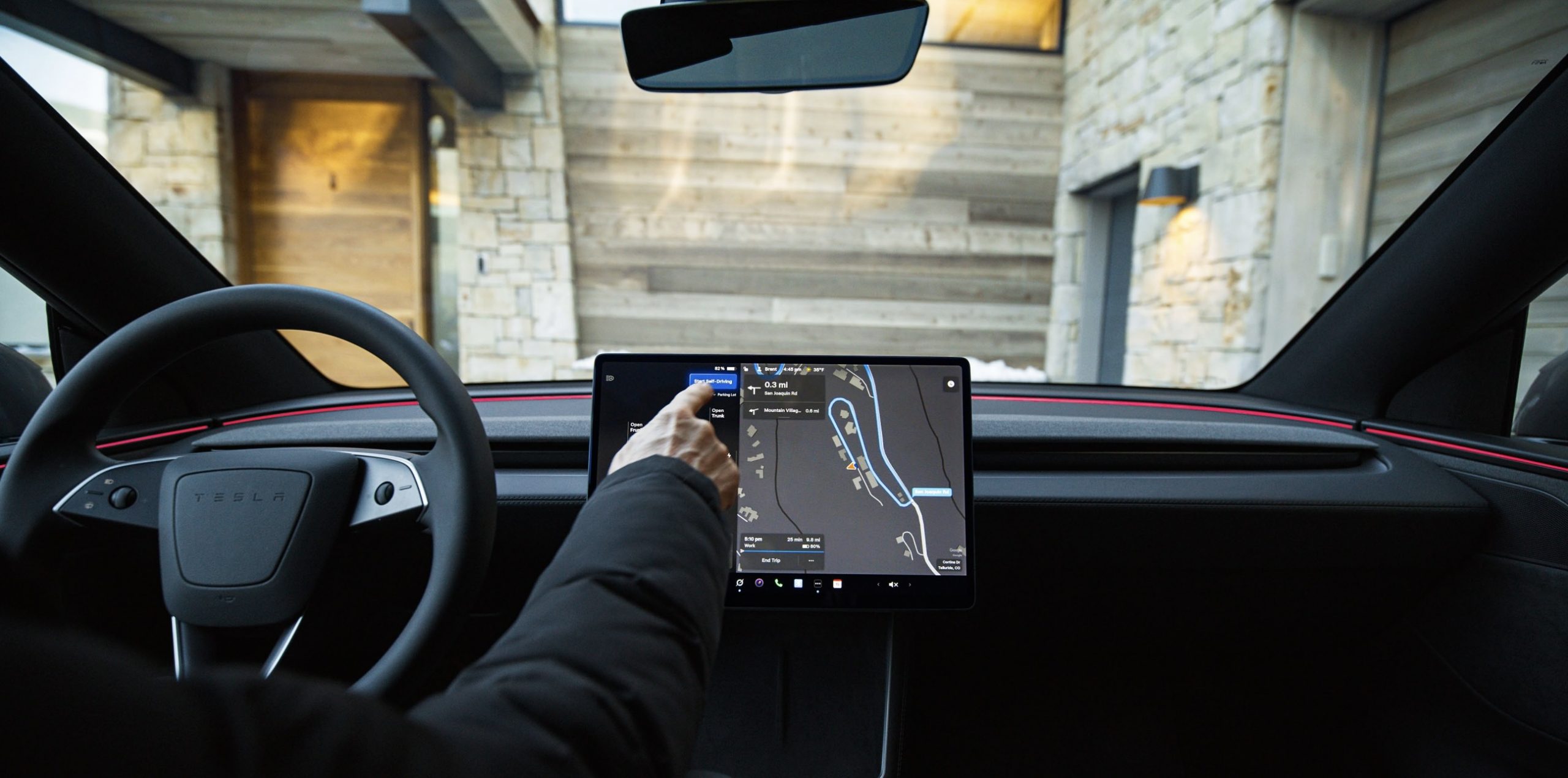
Tesla received a tip of the hat from major Wall Street firm Bank of America on Wednesday, as it reinitiated coverage on Tesla shares with a bullish stance that comes with a ‘Buy’ rating and a $460 price target.
In a new note that marks a sharp reversal from its neutral position earlier in 2025, the bank declared Tesla’s Full Self-Driving (FSD) technology the “leading consumer autonomy solution.”
Analysts highlighted Tesla’s camera-only architecture, known as Tesla Vision, as a strategic masterstroke. While technically more challenging than the multi-sensor setups favored by rivals, the vision-based approach is dramatically cheaper to produce and maintain.
This cost edge, combined with Tesla’s rapidly expanding real-world data engine, positions the company to scale robotaxis far more profitably than competitors, BofA argues in the new note:
“Tesla is at the forefront of autonomous driving, supported by a camera-only approach that is technically harder but much cheaper than the multi-sensor systems widely used in the industry. This strategy should allow Tesla to scale more profitably compared to Robotaxi competitors, helped by a growing data engine from its existing fleet.”
The bank now attributes roughly 52% of Tesla’s total valuation to its Robotaxi ambitions. It also flagged meaningful upside from the Optimus humanoid robot program and the fast-growing energy storage business, suggesting the auto segment’s recent headwinds, including expired incentives, are being eclipsed by these higher-margin opportunities.
Tesla’s own data underscores exactly why Wall Street is waking up to FSD’s potential. According to Tesla’s official safety reporting page, the FSD Supervised fleet has now surpassed 8.4 billion cumulative miles driven.
Tesla FSD (Supervised) fleet passes 8.4 billion cumulative miles
That total ballooned from just 6 million miles in 2021 to 80 million in 2022, 670 million in 2023, 2.25 billion in 2024, and a staggering 4.25 billion in 2025 alone. In the first 50 days of 2026, owners added another 1 billion miles — averaging more than 20 million miles per day.
This avalanche of real-world, camera-captured footage, much of it on complex city streets, gives Tesla an unmatched training dataset. Every mile feeds its neural networks, accelerating improvement cycles that lidar-dependent rivals simply cannot match at scale.
Tesla owners themselves will tell you the suite gets better with every release, bringing new features and improvements to its self-driving project.
The $460 target implies roughly 15 percent upside from recent trading levels around $400. While regulatory and safety hurdles remain, BofA’s endorsement signals growing institutional conviction that Tesla’s data advantage is not hype; it’s a tangible moat already delivering billions of miles of proof.

Tesla lands on Fortune’s 2026 Most Innovative Companies and the Cybercab is why

Tesla ‘Killer’ heads to the graveyard as AFEELA taps out

TIME honors SpaceX’s Gwynne Shotwell: From employee No. 7 to world’s most valuable company

Elon Musk says Tesla is developing a new vehicle: ‘Way cooler than a minivan’

What is Digital Optimus? The new Tesla and xAI project explained


