Lifestyle
Tesla on Mars: A vision of an all-electric infrastructure on the Red Planet

The words Elon Musk and Mars find themselves in the same sentence frequently, and for good reason. After all, why would Musk just be content merely working on the problems of Earth knowing full well that it would only take one extinction-level event to wipe it all out? If we manage to avoid all major asteroids, the Sun is still going to expand and burn us up in about 5 billion years, so we should probably practice living somewhere else in the meantime. Or so goes the argument. [For what it’s worth, I don’t need the existential argument to want to colonize other planets.]
SpaceX and Musk have big plans to shuttle the first long-term residents of Mars to their new regolith-covered home. But in the meantime, Musk is also running an all-electric car company that’s expanding by the minute and keeps selling more and more cars. Tesla and SpaceX have already seen some relationship crossover, and two places particularly stand out: Musk’s cherry red Roadster sent into space by the maiden launch of Falcon Heavy, complete with Starman as its passenger; and the upcoming SpaceX thruster package that will be an option on the next generation Roadster.
Now, imagine if that relationship were expanded to a colony-level scale on Mars…
[[[[[ Camera fades to black then fades back in. ]]]]]
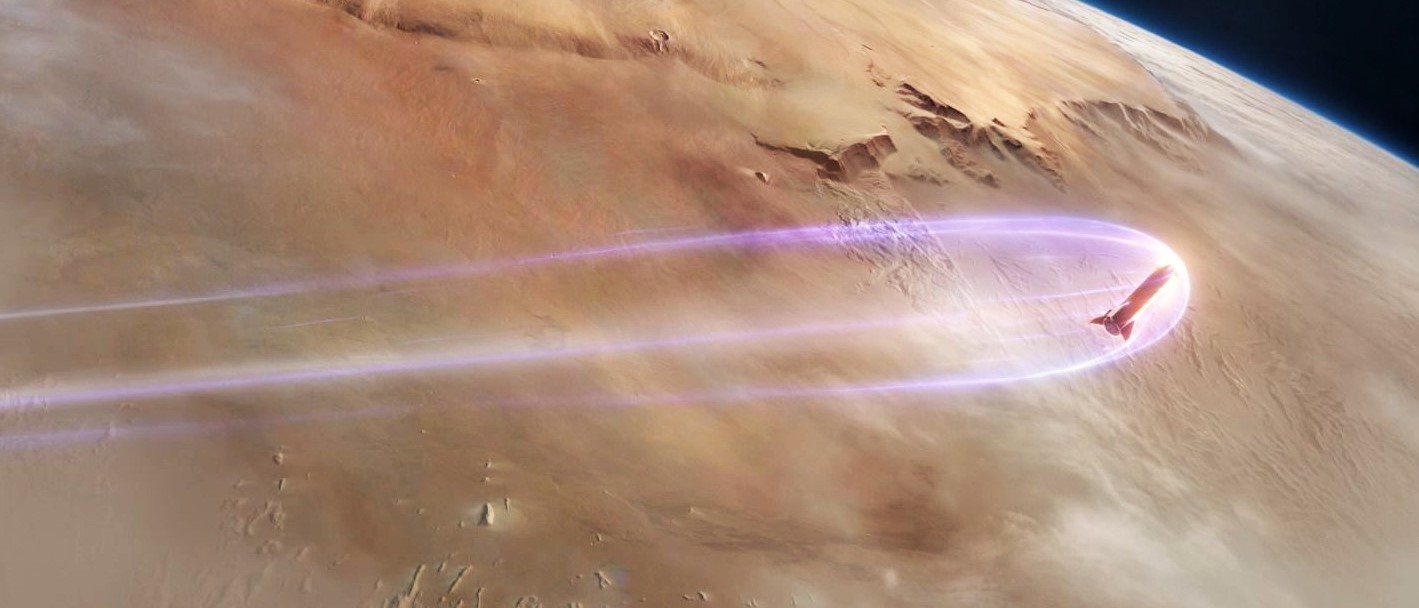
The year is 2050, and you’ve caught a seat on the last cargo ship bound for Mars full of red planet editions (rpe) of Models S, 3, X, and Y on their way for delivery to Colony Bravo. This is one of the last shipments to come from Earth before the Terafactory finishes construction and begins manufacturing on site. The company’s production lines were retooled to build the vehicles to work without air or air pressure and under extreme temperatures and high levels of UV radiation, along with a few other things to help traverse the planet’s surface better. However, skipping the satellite clean room procedures will be a welcome change for Tesla as it’s just one less thing their factory has to comply with to meet planetary protection regulations.
You’re on your way to visit your niece and nephew who were among the first humans to be born on Mars. Since the journey and stay on the planet will be long, you’ve taken up a contract job repairing Tesla tiles on habitation modules. That’s how you scored this economy class flight and can finally afford to see your brother for the first time since he and his wife left Earth for an Autopilot programming job at Tesla’s Gale Crater headquarters a few years ago.
Your brother picks you up in his Roadster (rpe). He tells you a bit about the work he’s doing training Tesla’s neural net to map out the red planet as you drive along and take in the sights. The mapping has been very useful to the researchers on Mars for route and site planning. Licensing deals are now in the works with relocation companies to help the next wave of colonists pick out prime real estate. One of the groups is going to set up the first terraforming projects using some type of silicon aerogel.
After arriving at your brother’s house, you finally meet your niece and nephew and the team of doctors monitoring their development. It seems a little invasive to have medical people in and out of their personal space so frequently, but your brother’s wife swears it’s become normal for them. You take note that the family’s habitat has both a top dome with Tesla tiles for electricity and an underground residence that’s connected to the larger city infrastructure via tunneled highways. A couple of them run on Hyper-T technology, Tesla’s Martian-modified version of the Earth-based Hyperloop, and the oldest tunnels were put in place by The Boring Company; however, several other digging and construction companies have since moved in, and Boring decided to just license its tech on Mars so it could focus on all the Earth projects it was busy with.
You get a quick tour of your brother’s local community and see that large facilities and shopping centers are also underground, but most garden pods are open to the surface with similar top domes to what your brother has, albeit much taller. You pass a battery storage center full of Tesla Megapacks (rpe) that are connected to solar panels at the surface.
Your brother next takes you to the lodging facility that Tesla contracted for you. According to the area’s website, you’re staying in a modified Tesla Semi (rpe) that’s been converted into a type of RV. Since the big rigs were already climate controlled and pressurized for construction work throughout the planet, the retro fits were pretty cheap and give newcomers affordable housing while they settle into their new lives and contract one of the digging companies to bore out a residence.
On the way to your lodging, your brother sees a geologically interesting patch of regolith and wants to grab a few bits for his rock collection. Using the Roadster’s split-chamber function, an airlock is formed around the driver’s seat after a clear divider goes up between the two of you and seals into place. He zips his walkaround suit up to the atmospheric helmet stored under his seat and goes outside for a bit.
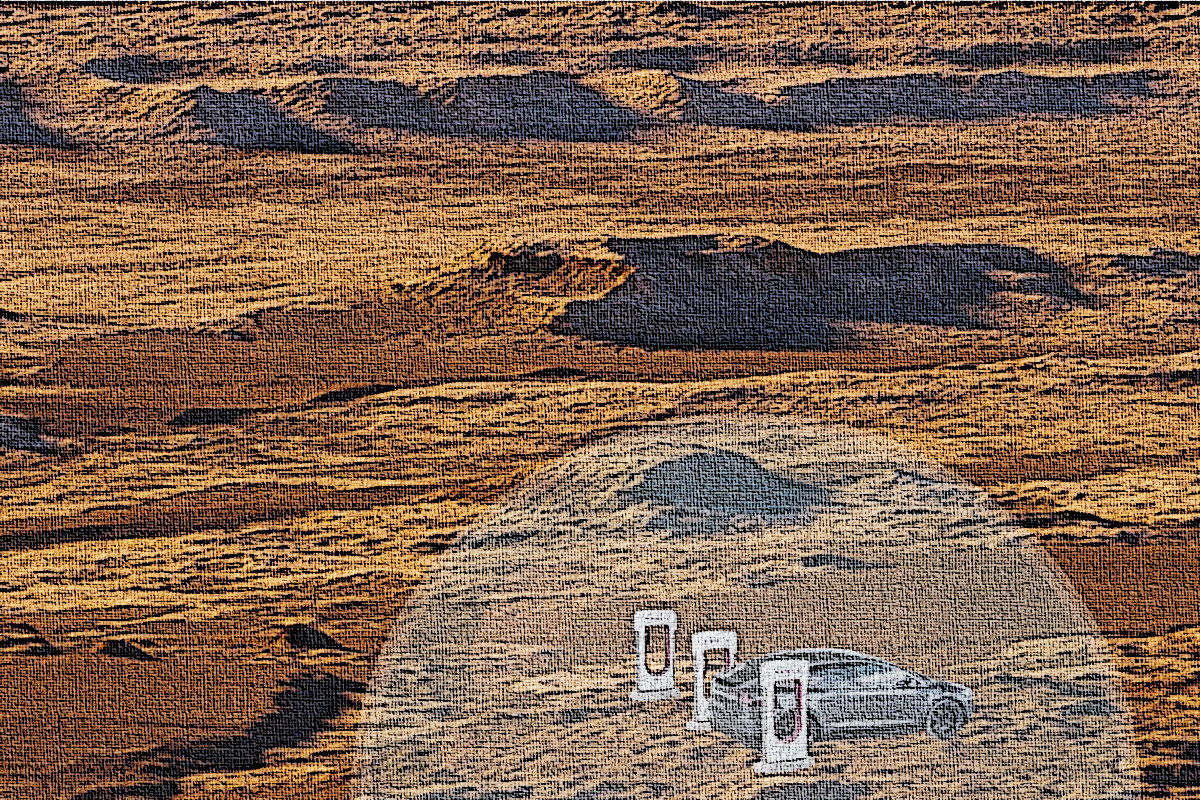
After he comes back inside, he remembers that he didn’t offer to feed you lunch at his house and asks if you want to check out one of the local Supercharger stations where there’s a nice retro-themed restaurant. You don’t have to report to Tesla until tomorrow, so you’re up for it. Once there, you enter a car-sized airlock before moving into the charging area. Your brother mentions some things about how the Superchargers work there and how they need a pressurized environment like this one, prompting you to look upward. Somehow you missed the giant bubble encompassing the whole facility.
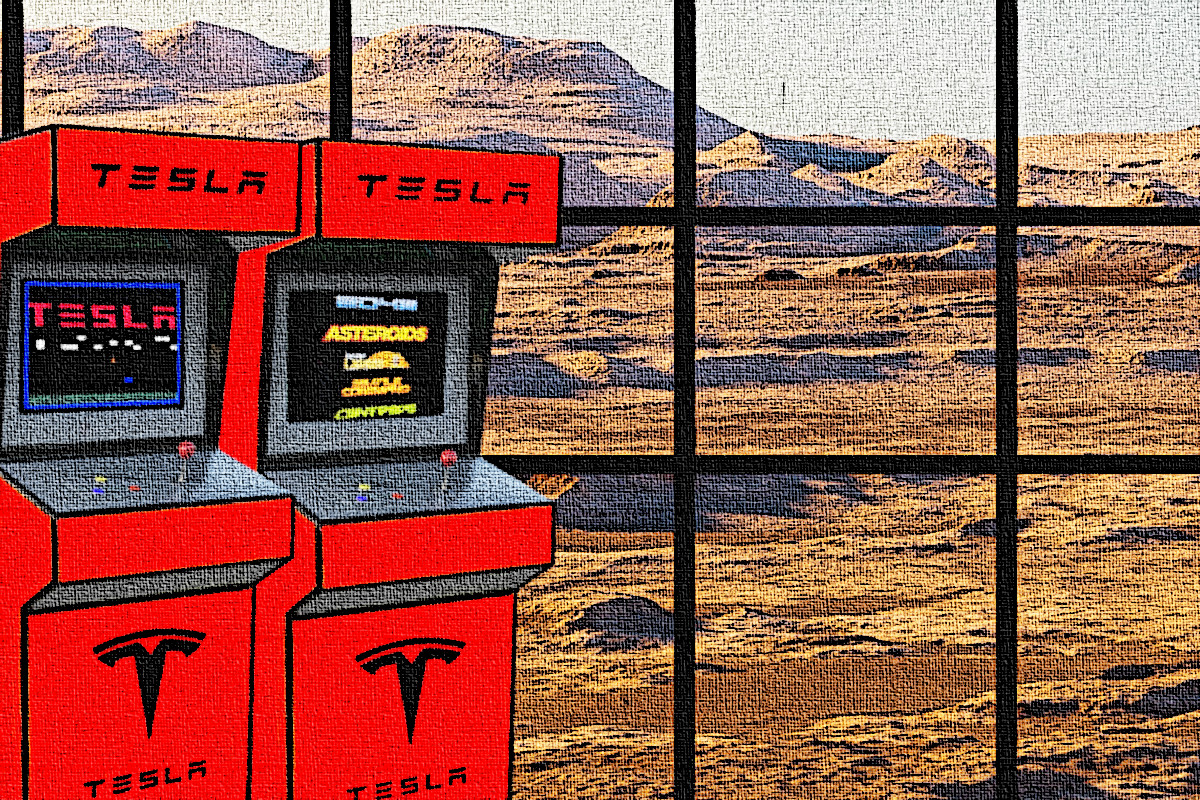
You both exit the Roadster and start heading towards Maye’s Diner a few hundred feet away. There’s an arcade in a building next door and before you ask about it, your brother tells you it was his favorite place to go when he first moved to Mars. It has all the old Teslatari classics, but the real draw is the virtual reality (VR) games from Tesla’s Full-Self Driving (FSD) launch.
You remember the cool looking sunglasses that were sent to customers who’d purchased FSD that turned out to be VR headsets with games and experiences integrated with the Autopilot. Game obstacles were mapped from the actual roads as the cars were driving. Your brother reminds you that’s what inspired him to move to the red planet – the Total Recall VR experience that came pre-loaded in his Model S. The two of you then grab a bite to eat at Maye’s and head out.
Once at your RV habitat, you watch the local news streamed from your included Starlink-M Internet plan, and then notice you have mail already. It’s just marketing, but you read it anyway, kind of like you would read flyers for tourist attractions on vacation. The ad says Amazon Red has a new members deal for Earth classic deliveries. “A taste of home!” it says, along with explaining how the company makes deliveries to Mars every two weeks, regardless of orbital synchronization, and that all products are certified sterile by the Planetary Protection Food & Drug Agency. You wonder if the food items need to be reconstituted but then decide you’ve had enough information for one day and head to bed.
[[[[[ Camera fades in and out again. ]]]]]
So, do you think Tesla will have a big presence on Mars once Musk et al. get there??


Elon Musk
How to use Grok Bot to block spam calls and texts
Musk told users to ask Grok Bot to scrub their phone numbers from spam lists.

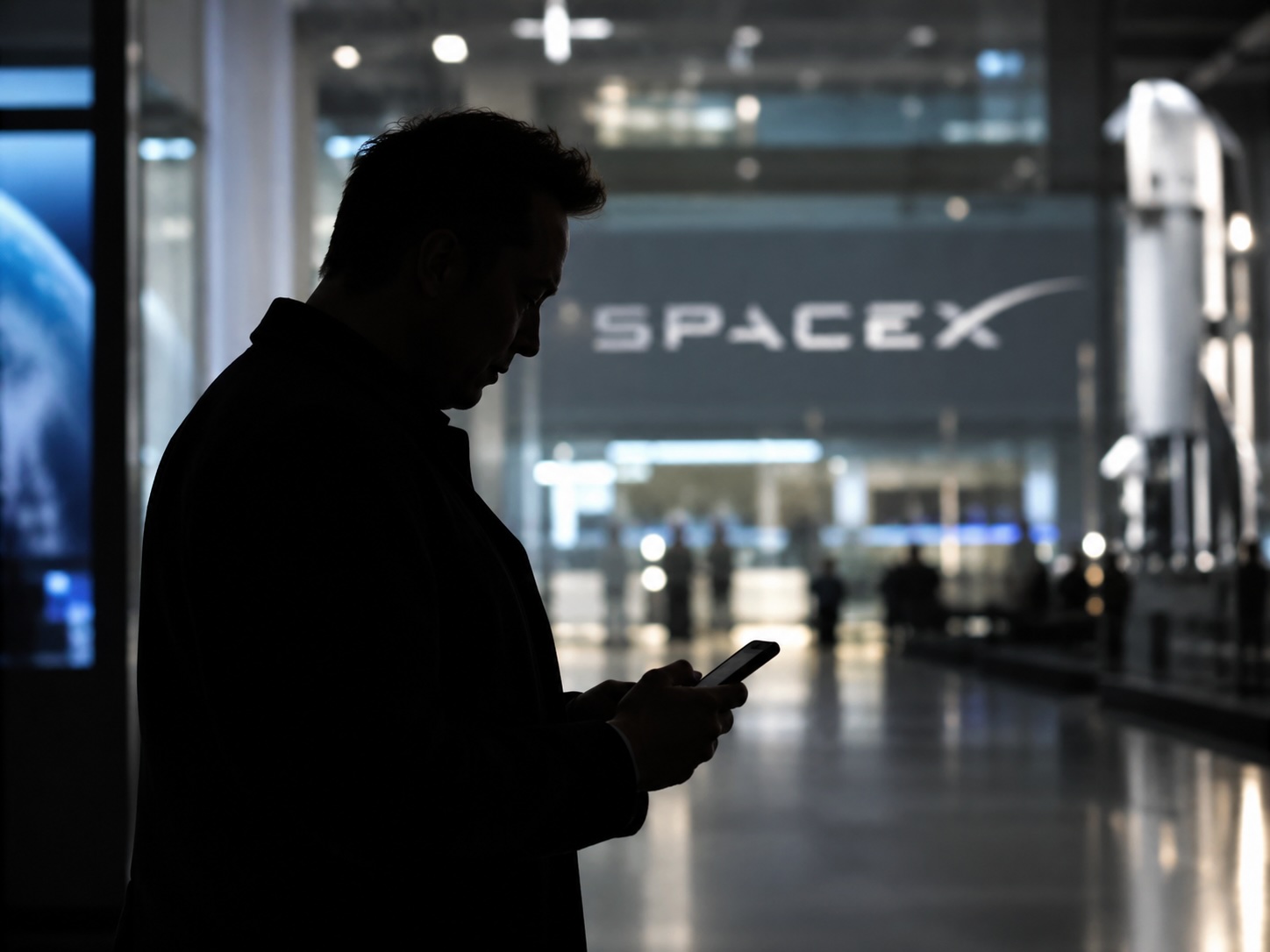
Elon Musk has a new use case for Grok Bot, and it is the spam call. On Thursday he replied to an X user named Arash with a short instruction: “Ask your @Grok @Bot to remove your phone number from spam call & text lists!” Arash had said he got tired of the calls, had an AI bot find his number on listing sites and file removal requests, and packaged the process as a free skill for others.
The skill is called Spam-Call Scrubber, which is described to find a phone number on people search sites and data brokers, submits the opt outs, completes the confirmation emails those sites send back, and rechecks on a schedule the user picks. Using it requires the Grok Bot app. The pitch is time saved, since most broker opt outs sit behind separate forms on separate sites.
Ask your @Grok @Bot to remove your phone number from spam call & text lists!
— Elon Musk (@elonmusk) October 15, 2026
Musk said Grok Bot now gives each bot its own email address, and that it can detect scam emails. On Thursday he also said SpaceX would make users whole if the bot botches a purchase or leaks a card, then told users to shop away from Amazon after the retailer blocked the agent, as Teslarati reported. The terms of service we reviewed at the time put responsibility for what an agent does on the user.
For Tesla owners, Grok Bot is not just a phone app. Tesla brought Grok Bot into its vehicles on September 22, and we argued earlier this week that the Cybercab’s real advantage may be the errands it runs during a ride. Every Cybercab and the rest of the Model Y Robotaxi fleet has it enabled. The more routine tasks like this one become, the more a rider has reason to hand over something personal in the back seat.
The new Spam-Call Scrubber skill can be downloaded for free and works on sites that honor removal requests, while noting that listings can reappear, and illegal robocallers do not check any registry. Whether Spam-Call Scrubber cuts anyone’s call volume is something the first wave of users will find out, and Musk’s endorsement guarantees that wave is coming.
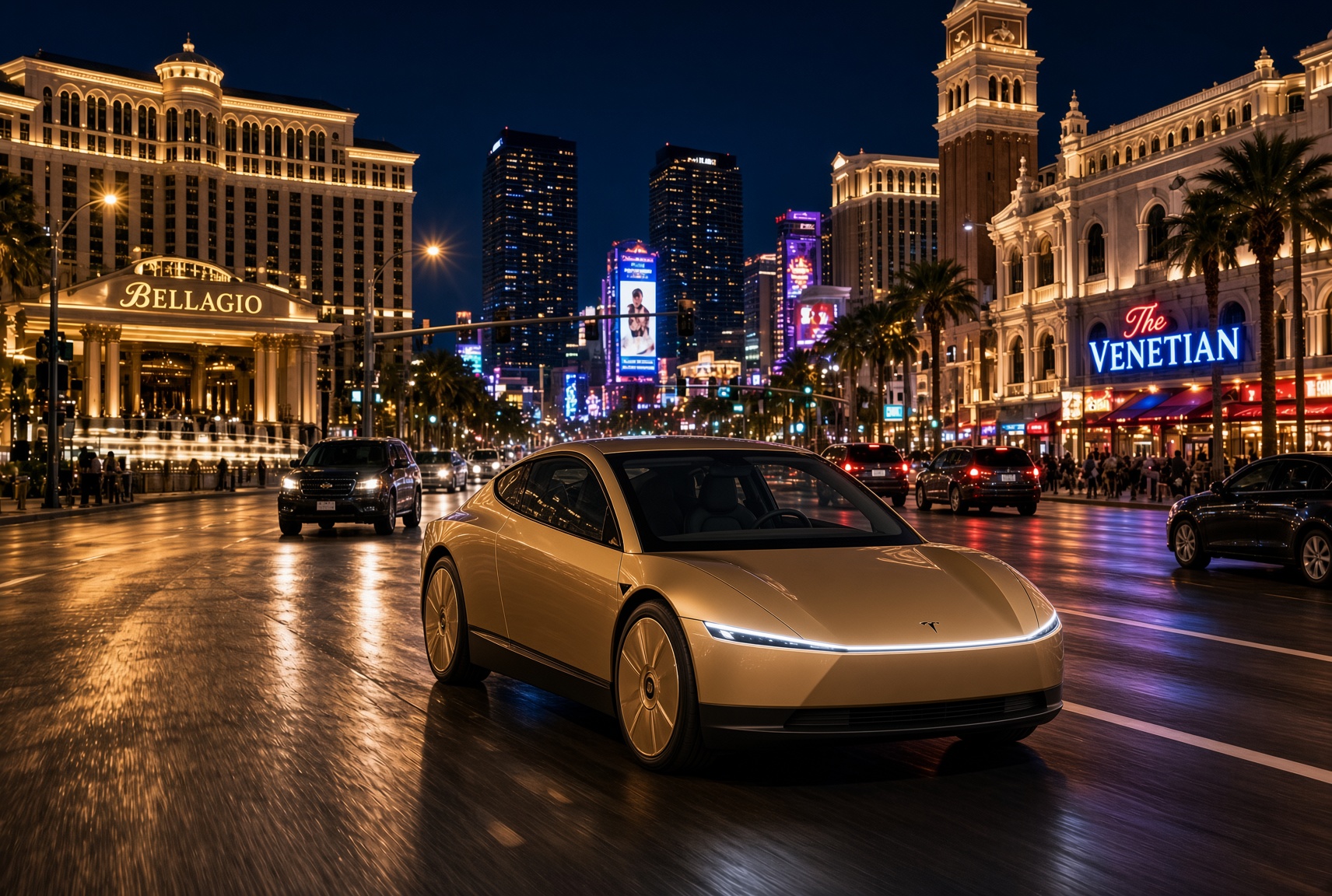
For a century, the car has asked the same thing of its owner, which is basically to pay attention. Even the best ride-hailing app like Uber or Lyft only moved the problem into someone else’s hands. You stopped driving, but you still sat in a stranger’s car, while half listening, and wondering whether to take a phone call in the car without being rude. The Cybercab has no wheel, no pedals and no driver. With Grok @bot now live inside it, it becomes something else entirely, and I think that matters more than the fleet count that everyone is tracking.
Grok @bot is an agent, not a voice assistant. A rider signs in once, and from then on can say what they need and watch it happen. Order dinner from a favorite restaurant. Fill the grocery cart. Move money, answer email, adjust a calendar, push a work project forward. Tesla engineer Yun-Ta Tsai confirmed it is enabled across every Cybercab and the rest of the Model Y fleet, and Tesla’s own pitch is that Full Self-Driving handles the commute while Grok handles the errands.
Think about what that does to a thirty minute ride. Uber sells you a trip, while Waymo sells you the same trip in a more private setting. Tesla is selling the thirty minutes themselves, returned to you with an assistant attached. Errands that used to eat a Saturday get done between pickup and drop off. The ride stops being dead time between two places and becomes a place of its own.
Tesla integrates Grok Bot into its vehicles for the ultimate personal assistant
Best of all, your Bots follow you into any Cybercab, and presumably your own Tesla, then logs you out automatically when you step out. Anyone can bolt a chatbot onto a screen, but much harder to own the vehicle, the autonomy stack and the assistant at once. It also quietly ties SpaceX’s Super Intelligence business to Tesla’s fleet, after Tesla converted its xAI stake into SpaceX equity. The relationship between those two companies is getting harder to describe as separate.
This is also where the hard questions start, because an agent that can spend your money in a vehicle other people also ride in needs some answers. How does it handle a voice it shouldn’t trust? What gets recorded, who can see it, and for how long? What happens when a rider leaves halfway through a task?
If Tesla gets those answers right, the scoreboard changes. We have been counting Cybercabs and wait times. The more telling number may be what riders accomplish per trip. That is data almost no one else will ever have, and it is the real reason to watch Grok @bot.
What do you think? Leave me a comment.
Lifestyle
Tesla’s mirrorless Cybercab will give riders a visibility upgrade
Tesla engineer confirms Cybercab update letting riders pull up rear and repeater cameras on demand.
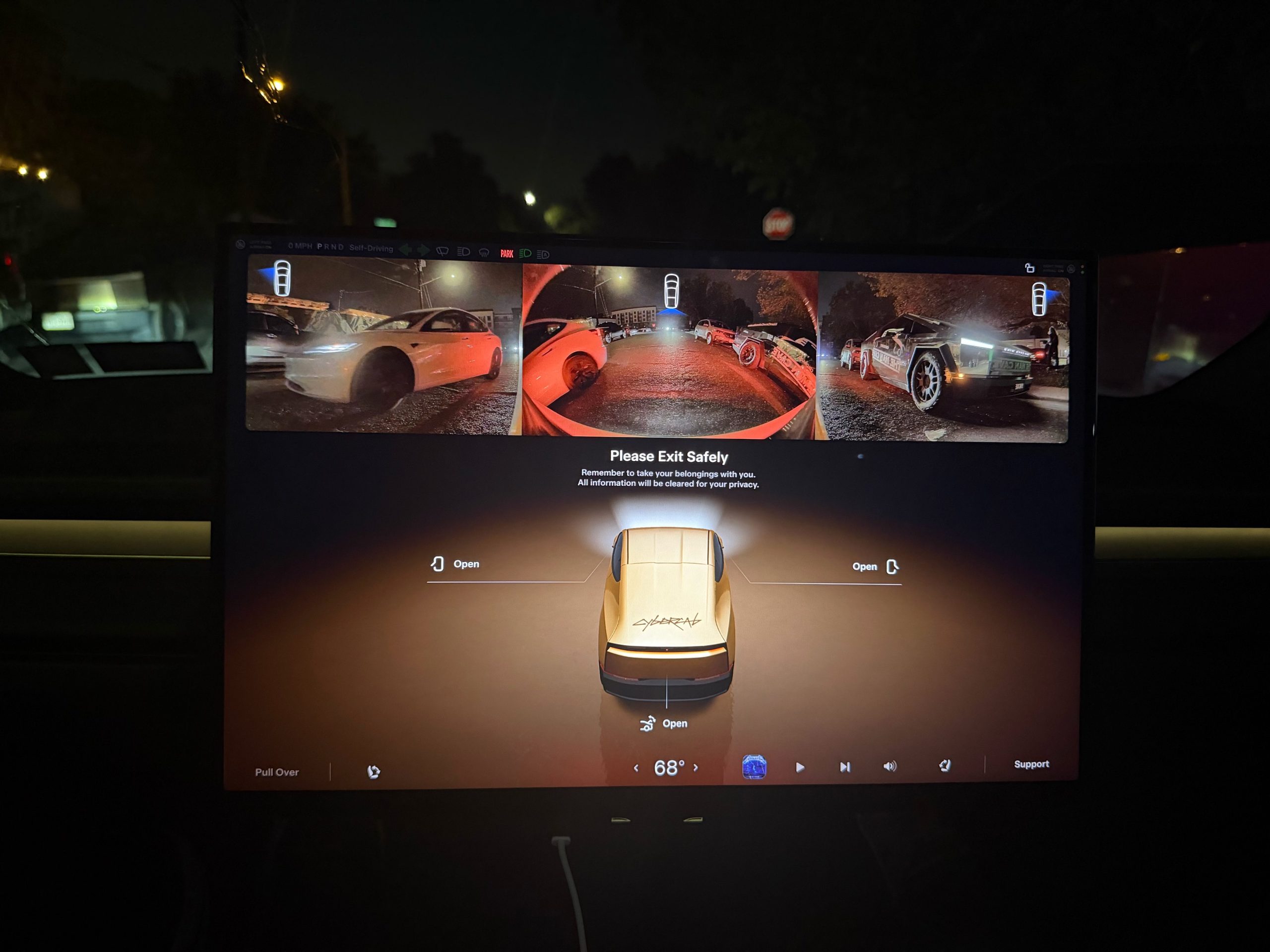
Tesla is working on a Cybercab update that would let passengers pull up the vehicle’s rear and side cameras on demand, and the request came straight from a rider.
The exchange played out on X late Friday. Cybercab rider Dan Burkland shared photos of the two-seater’s cabin screen after an evening ride, praised the UI team’s work, and left one request: let riders open the rear and repeater cameras whenever they want, “especially for peace of mind.” Tesla UI software engineer Evan (@CarCoder) answered with two words: “In development.”
The Tesla UI team absolutely crushed it with the infotainment software. Nicely done @CarCoder!
One feature request: Allow folks to pull up the rear & repeater cameras on demand. This would be great especially for peace of mind. https://t.co/mNAOSLx6pE
— Dan Burkland (@DBurkland) October 10, 2026
The idea fits a pattern Teslarati has tracked since public rides began. Days after paid Cybercab service opened in Austin, Tesla sent riders a survey that asked them to rate the touchscreen, the app and the cabin, and to pick the features they wanted most. We reported on that survey in September, and a camera view is the kind of small software change Tesla can push quickly if riders keep asking.
It also speaks to something unique about the vehicle. With no steering wheel, no pedals and no driver, passengers have no mirror to check and no way to see behind them. The hardware is clearly built for camera awareness, from the repeater cameras to the rear camera. Letting a passenger look through those same cameras would give a nervous first time rider a way to confirm what is around the car.
The timing matters because the fleet is growing fast. Tesla’s Robotaxi account said on Saturday that more than 300 Cybercabs are now serving Austin, an eightfold increase in 30 days, and Tesla AI chief Ashok Elluswamy named Dallas as the next city. More cars and more cities mean more people riding in a driverless vehicle for the first time, which is exactly when small trust features carry weight.
For now, the feature is confirmed only as in development. If Tesla follows its usual pattern with Cybercab software, riders could see it appear in a point release without any announcement, and Teslarati will watch for it.

Tesla’s secretive “Project Crystal Sun” gets a big green light in Texas

Tesla is building its own maps to fix Navigation issues


