Lifestyle
Tesla lends its automation expertise in search for COVID-19 vaccine

Tesla CEO Elon Musk may have strong disagreements over the political handling of the COVID-19 pandemic, but his actions to help solve the matter strike a more positive note, namely one of progress in vaccine technology.
In a recent Twitter discussion about the uptick in national cases, Musk offered his thoughts on using RNA for immunization therapies.
“In principle, I think synthetic RNA (and DNA) has amazing potential,” he replied. “This basically makes the solution to many diseases a software problem.” Musk then brought attention to the current work Tesla is doing via Tesla Grohmann Automation GmbH in Germany. “Tesla, as a side project, is building RNA microfactories for CureVac & possibly others.”
CureVac AG is a German biotechnology company founded in 2000 with the primary goal of using proteins created with stabilized messenger RNA (mRNA) in disease therapeutics. As described on their official website, the company has “…develop[ed] an extensive in-house nucleotide sequence library that allows us to optimally assemble the various pieces of the mRNA puzzle for the desired therapeutic use…Each CureVac product can be thought of as a tailored molecular creation.” The protein-centric nature of these products may enable the development of a wide variety of therapies, including cancer immunotherapy, antibody production, treatments for rare diseases, and prophylactic vaccines.
In principle, I think synthetic RNA (and DNA) has amazing potential. This basically makes the solution to many diseases a software problem.
— Elon Musk (@elonmusk) July 2, 2020
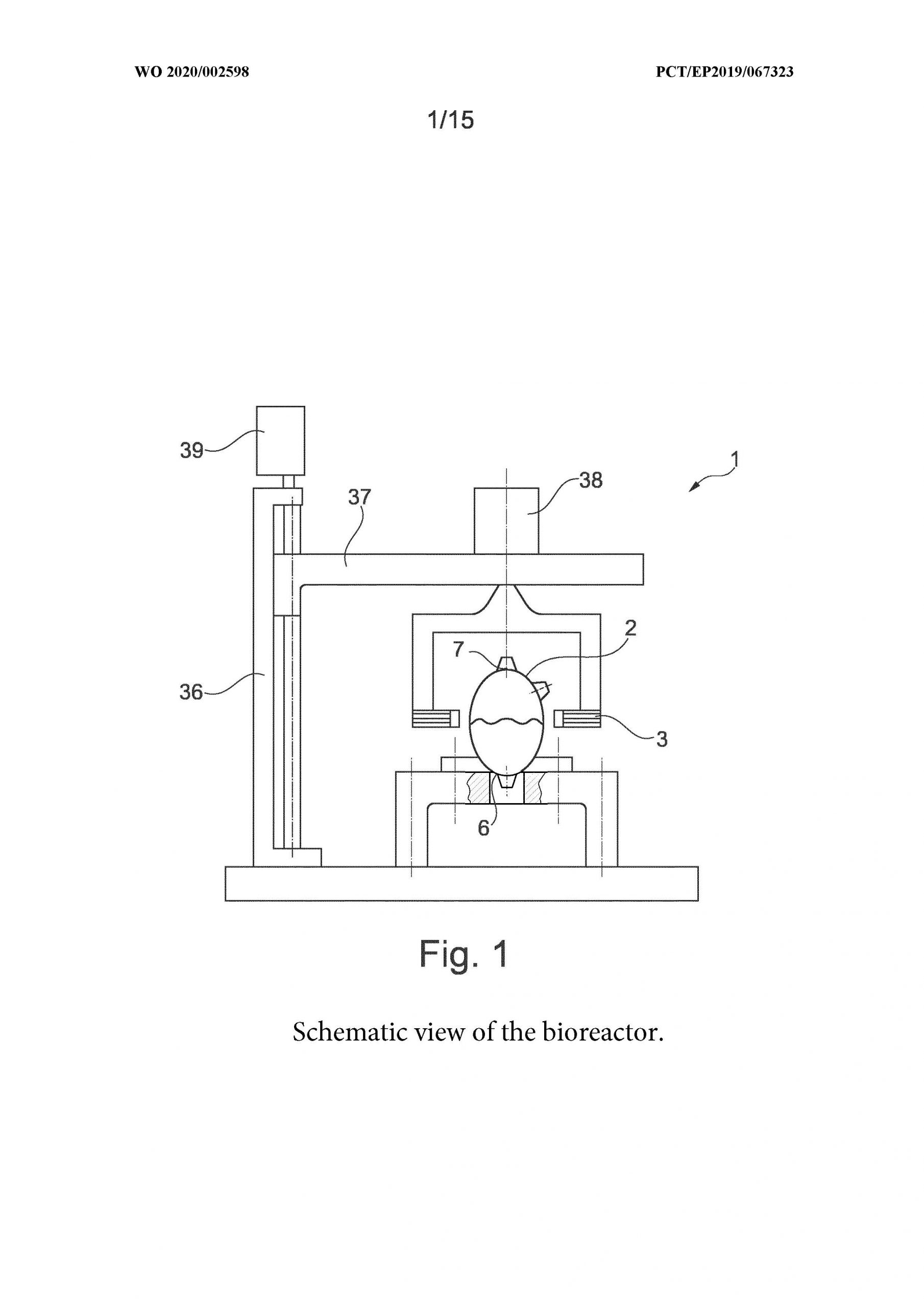
CureVac’s vaccines use a dose of synthetic mRNA coded for disease-specific proteins or antigens which induce the immune system to respond and produce antibodies. Musk’s comment about diseases being a software problem seems to refer in part to this type of technology. The production side of this specialized mRNA looks to be where their relationship with Tesla is formalized. Specifically, the two companies have developed a bioreactor (referred to by Musk as an ‘RNA microfactory’) which combines Tesla Grohmann’s automation technology with CureVac’s tailored mRNA coding and printing.
A press release by CureVac from February 2019 refers to the bioreactor as The RNA Printer™ describing it as “…a transportable, down-scaled, automated messenger RNA (mRNA) printing facility…that can target known pathogens (including Lassa Fever, Yellow Fever, and Rabies) and prepare for rapid response to new and previously unknown pathogens (referred to by WHO as “Disease X”).” Several partnerships and grants have been accumulated by CureVac to further its development of the machine’s capabilities, and the race for a COVID-19 vaccine has brought even more attention and support to the technology.
Although this pandemic has now provided a spotlight on the Tesla and CureVac partnership, a joint patent application for the bioprinter was originally filed in 2018. Published in January this year, the invention is descriptively titled “Bioreactor for RNA in vitro Transcription” and assigned International Patent Publication No. WO-2020/002598. The Background section of the application provides a bit more insight to the technology, its potential, and why Tesla-style automation really makes a difference in what’s possible:
“A critical step in RNA production is the generation of a suitable DNA template, which at industrial scale is a major cost factor…Manufacturing of RNA requires a large degree of manual handling in a GMP-regulated laboratory executed by well-trained technical staff. In consequence, current established manufacturing processes are time consuming, cost intensive, and require a lot of laboratory space and laboratory equipment.”
Essentially, automating much of the manufacturing process would improve speed and reduce errors from human interaction, just as is the case with Tesla’s automated car manufacturing. Unlike automotive large-scale productions, however, this bioprinter would be much smaller. With staffing needs reduced and the equipment needs reduced to a single machine, portability comes into play.
“…an acceleration of RNA manufacturing would be highly advantageous and of major importance for public health, especially in the context of pandemic scenarios. Further advantageous in that context would be the production of the RNA therapeutics in the region of the outbreak which would, however, require a portable RNA production apparatus.”
It’s not clear exactly which parts of the invention were specifically Tesla’s contribution aside from Musk’s indication that his company would be manufacturing the machines.
Overall, as stated in CureVac’s press release, The RNA Printer™ will be capable of producing enough customized mRNA for 100,000+ vaccine doses within a few weeks and on-site of the outbreak location. The same machine would be flexible enough to be used for a wide variety of pathogens. Notably, CureVac was recently cleared for phase I human trials of its mRNA vaccine for COVID-19.
Musk’s interest in biotechnology is well known to those who follow his many projects and businesses, especially in terms of artificial intelligence as it relates to human-computer interfaces via Neuralink. However, this more traditional philanthropic involvement is surely quite welcome in a world turned upside down by a pandemic.


Elon Musk
Elon Musk drops a surprise update on Boring Company’s next big dig
Musk says Boring Company could shrink the Austin to San Antonio drive to just minutes.

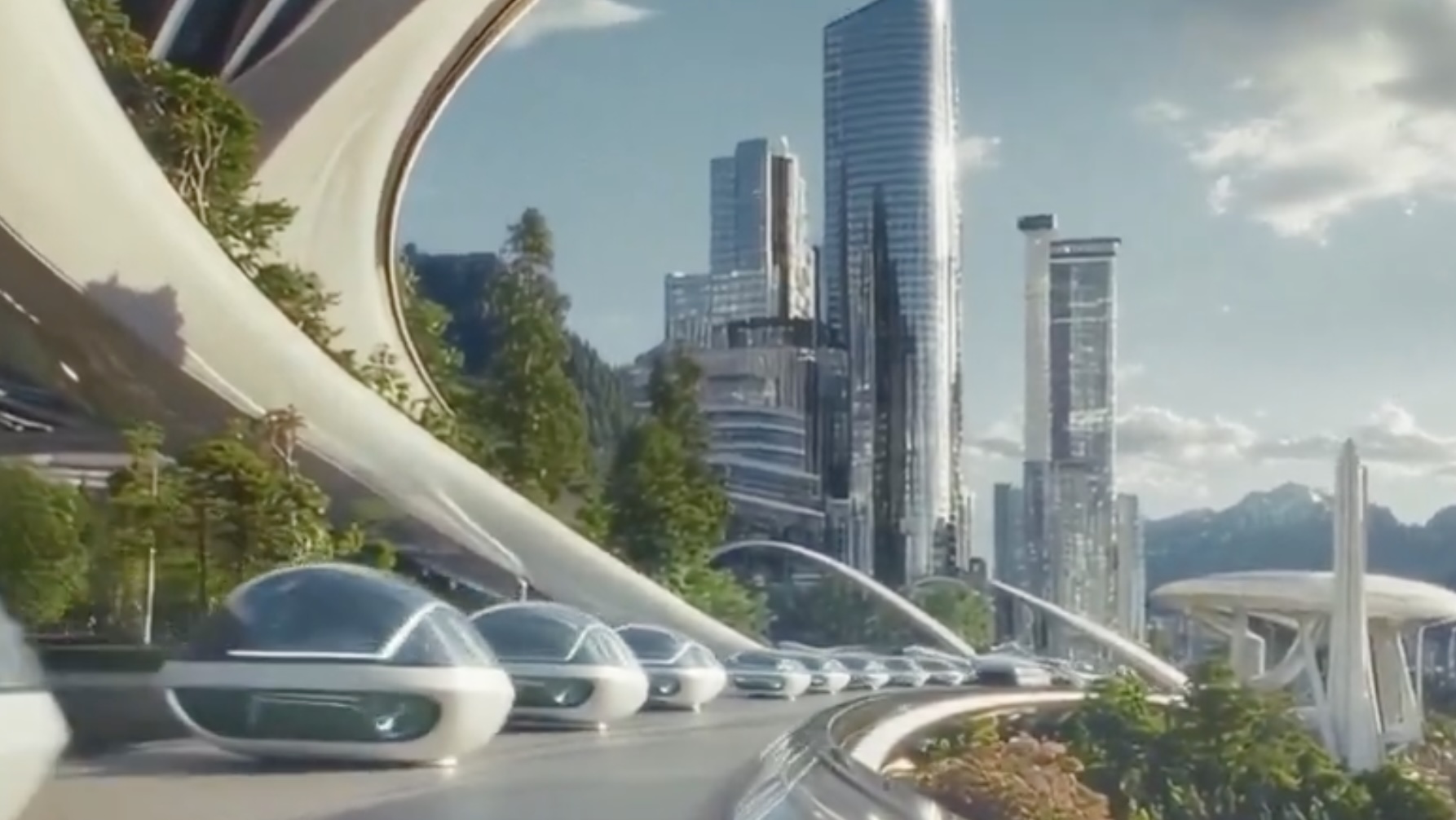
Elon Musk says The Boring Company is working on what he called “a simple, precursor Hyperloop” tunnel connecting Austin and San Antonio, targeting speeds above 200 mph and cutting a drive that can take up to two and a half hours down to a consistent under 30 minutes. Musk posted the idea on X Sunday, in a reply to a repost of an AI generated video imagining a science fiction future with human colonies on other worlds, which he shared with the line “This is the future we shall bring into being.”
This is the future we shall bring into being pic.twitter.com/8aD0w8MDVc
— Elon Musk (@elonmusk) September 20, 2026
The Boring Company’s own account picked up the idea in the same thread, adding a detail about how the trip would actually work: “Because Loop/Hyperloop is express (i.e. no intermediate stops), one could travel from an Austin parking lot to a favorite San Antonio restaurant in about 30 minutes. As long as they both have Loop stations.” That framing ties the proposed intercity link to the same station model the company already runs in Las Vegas, where riders enter the tunnel network through small, garage style stops rather than one central terminal.
This is not the company’s first run at the Austin to San Antonio corridor. Boring Company floated tunnels between the two cities as far back as 2021, and later competed for a separate San Antonio Loop project tied to the airport before that specific bid stalled. Pitches for tunnels in Chicago, Los Angeles, and a New York to Washington corridor have followed a similar pattern of big announcement without a shovel in the ground.
What is different this time is the balance sheet, especially since The Boring Company closed a 3 billion dollar funding round led by investors in the United Arab Emirates earlier this month at a valuation near 23 billion dollars, giving the tunneling company more capital to chase speculative projects than it had during its earlier Texas pitches. The company is also mid-build on two other intercity systems it has actually broken ground on, inc;luding a Nashville tunnel linking downtown to the airport, where a second boring machine finished commissioning in June, and its Las Vegas network, where the station count keeps climbing on paper faster than tunnels get dug.
That gap between announcement and execution is the reason to treat Sunday’s post as an opening bid rather than a project. A tunnel spanning roughly 80 miles between two metro areas, running at speeds Boring Company has not demonstrated over any real distance, would dwarf anything the company has built. For now, the Austin to San Antonio Hyperloop exists as a caption under an AI generated space video.
Elon Musk
Tesla eyes supply partners for Optimus mass production
Tesla certified three Chinese suppliers for Optimus mass production, signaling its robot timeline is accelerating.
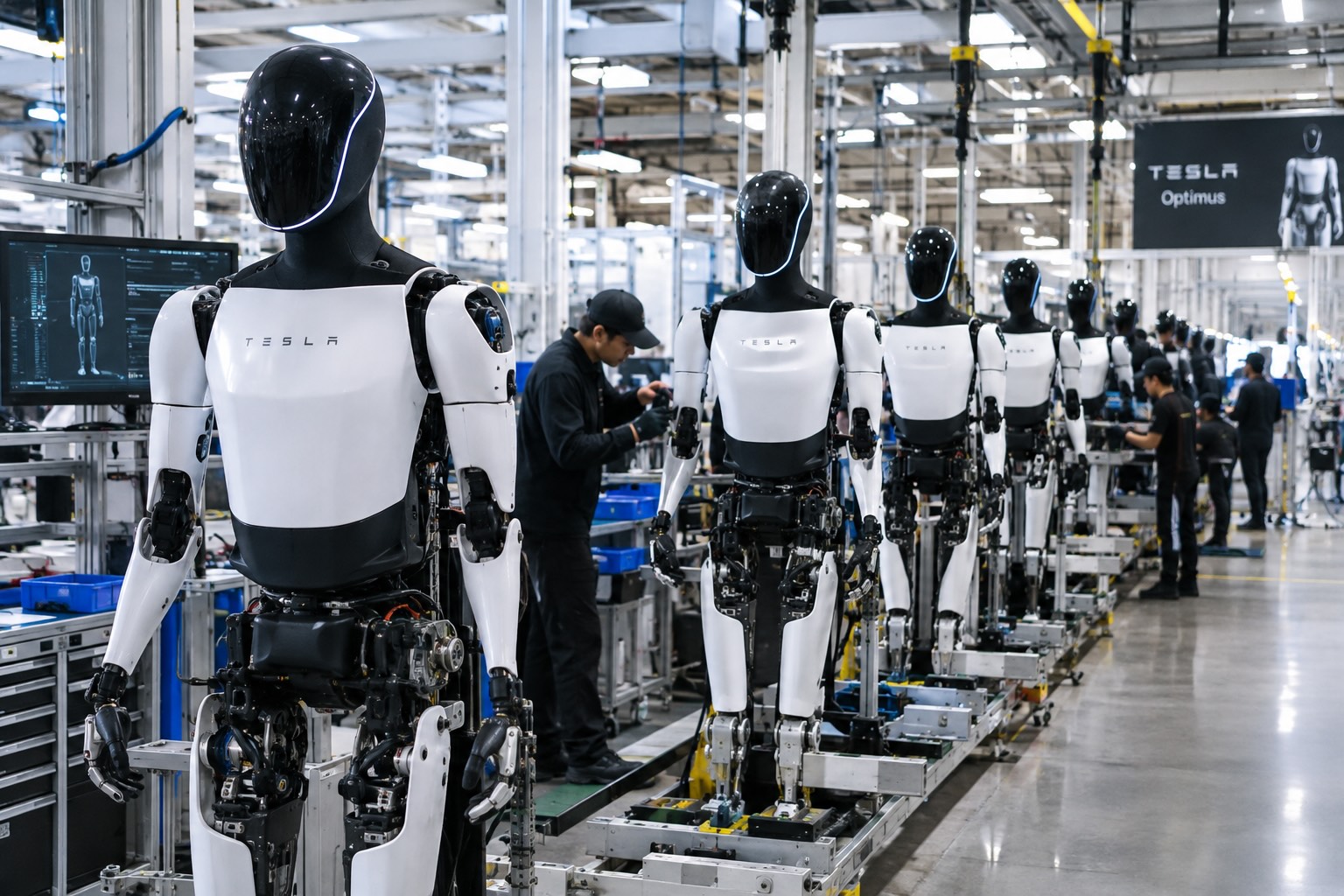
Tesla’s robotics team traveled to Ningbo, in China’s Zhejiang province, on September 16 and spent the following day auditing component suppliers for Optimus, according to a Bloomberg report cited by RobotAIGeek. The visit moved three manufacturers from provisional status to certified mass production partners: Tuopu Group, which handles actuators and chassis components, Ningbo Joyson Electronic, a sensor supplier, and Zhejiang Sanhua Intelligent Controls, which builds thermal management systems. All three already supply parts to Tesla’s electric vehicles, and the audit reportedly came with fresh orders that supply chain reports put at an initial batch of roughly 5,000 units.
Tuopu, Joyson, and Sanhua built their manufacturing base serving the automotive industry, where tolerances and volume requirements are already close to what a mass produced humanoid robot demands. Sanhua in particular has history here. Teslarati reported last October that the company had received a roughly $685 million order for linear actuators tied to Optimus, a volume industry watchers estimated could cover around 180,000 robots once production ramped.
Supply chain reports tied to this week’s audit put Tesla’s near term production goal at about 1,000 Optimus units a week by late September, rising to 2,000 to 2,500 units a week by the end of the year. That pace would put real weight behind the timeline Tesla has been building toward since May, when it wound down Model S and Model X production at Fremont to convert that floor space into a dedicated Optimus line targeting one million units annually. JPMorgan analysts who toured the factory in August confirmed the conversion took roughly four months, a pace Musk has called unprecedented for a facility that size.
New drone video shows Tesla’s Optimus Factory reaching a turning point
Fremont is only the first phase. A second, larger Optimus plant is rising at Gigafactory Texas, where drone footage shared by Joe Tegtmeyer last week showed the structural steel nearing completion on the north end of the building. Tesla has said that facility is meant to eventually support production of up to 10 million units a year, though volume output there is not expected before 2027.
Commercial sales of Optimus are still targeted for the second half of 2027, but production is expected to start well before then. JPMorgan analyst Rajat Gupta has said Tesla’s “Optimus Academy” program, which uses early units to collect real world training data inside Tesla’s own facilities, is expected to be running later this year. Bloomberg Intelligence analyst Ian Ma described the Ningbo audits as “a positive commercialization signal for China’s humanoid supply chain,” noting that sentiment could improve further if the visit leads to confirmed supplier nominations and larger orders. The Solactive China Humanoid Robotics Index rose about 1.4% on the news, though it remains down roughly 30% for the year.
Elon Musk
Tesla primes Cybercabs for 4K streaming and high bandwidth gaming with Starlink integration
Tesla is now shipping Cybercabs from Giga Texas with Starlink hardware built in as standard.
Tesla’s Cybercabs are now leaving Gigafactory Texas with Starlink hardware on the rear hatch in significant numbers, according to drone footage captured Tuesday by longtime Austin drone observer Joe Tegtmeyer. Production at the factory ramped back up after the Labor Day weekend, and his flyover of the outbound lot showed rows of gold Cybercabs alongside Model Y Long Wheelbase units, many carrying the satellite module for the first time as standard equipment rather than a one off retrofit.
Giga Texas today is busy with production coming back up following the long weekend. Of interest today in the outbound lot is the appearance of hundreds of Mode; YL’s and many more Cybercabs and for the 1st time equipped with the Starlink module one the hatch in big numbers.
At… pic.twitter.com/G9yl6s51m4
— Joe Tegtmeyer 🚀 🤠🛸😎 (@JoeTegtmeyer) September 8, 2026
Tesla first showed Starlink built into an actual Cybercab on August 10, when the Robotaxi account posted images of a single gold unit with the antenna integrated into the roofline above the taillights and called it the first Cybercab with Starlink integration. That followed a July reveal where Tesla and Starlink jointly posted a cutaway diagram of the antenna placement without a working vehicle to back it up. Ashok Elluswamy, Tesla’s VP of AI software, said at the time that the connection isn’t required for the car to drive itself. It exists mainly for navigation, customer service and keeping tabs on the fleet.
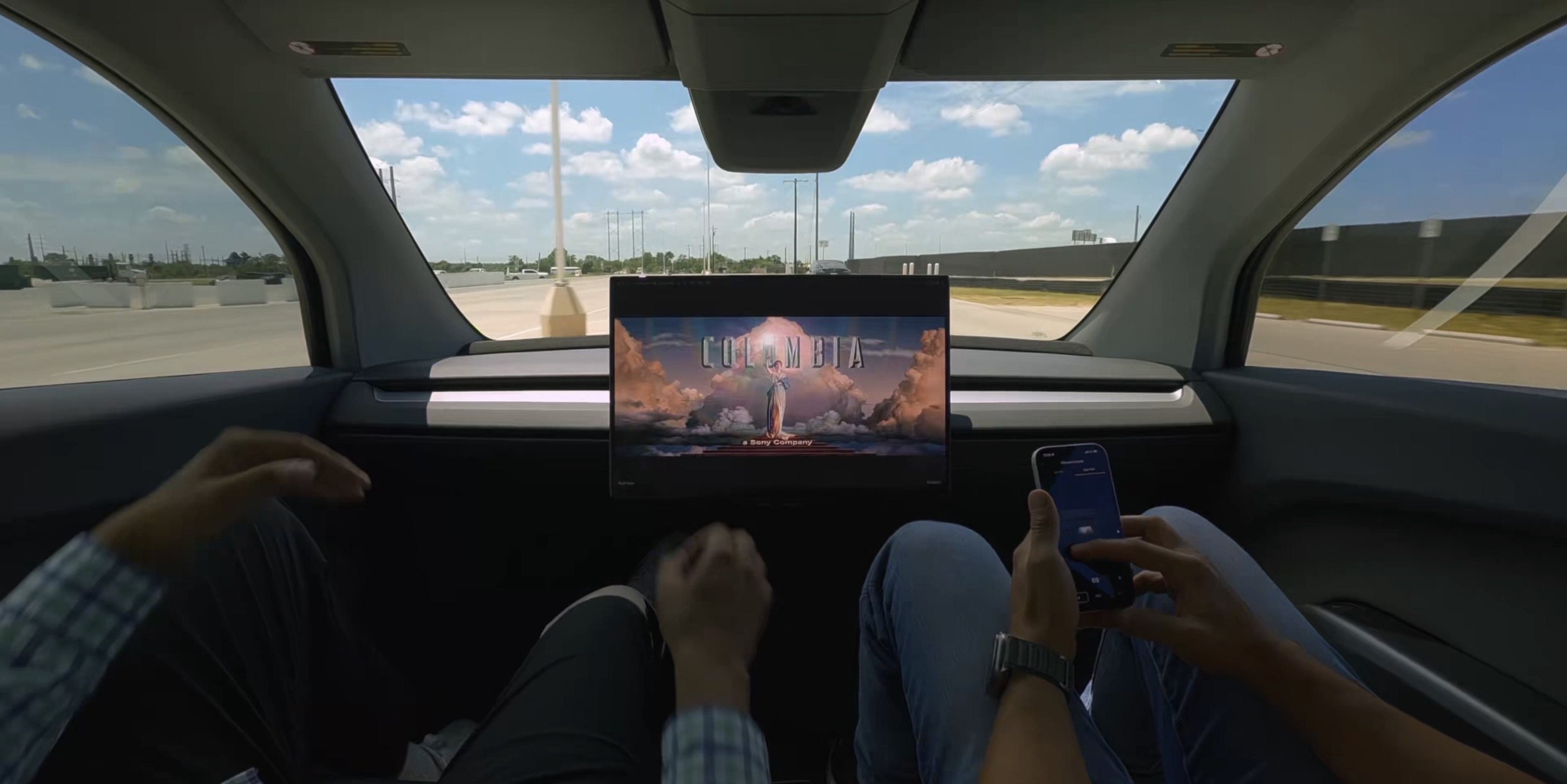
Musk has made a different case in public. During Tesla’s Q2 earnings call, he said the company can’t afford robotaxis stranded in what he called “Bermuda Triangles of lack of cellular connectivity,” and he separately claimed on X that Starlink will eventually reach every Tesla built, calling it the only way to deliver high bandwidth to billions of vehicles. He has also pitched the antenna as an entertainment upgrade, telling riders they would be able to stream 4K video or play games during a trip.
The rollout has moved fast since. Robotaxi service opened to the public in Austin on September 3, and Cybercabs had already been spotted with Starlink hardware in Houston and near Miami International Airport in the weeks before Tuesday’s factory footage showed the module shipping at volume rather than on scattered test units. Whether the satellite link earns its keep is still an open question. Tesla’s unsupervised service currently runs in dense metro geofences in Texas and Florida, markets where cellular coverage is already strong, which is not where the rural dead zones Musk describes tend to show up.

Why automakers keep turning down Elon Musk’s Tesla Full Self-Driving offer

Tesla Roadster is available for order once again following brief hold


