News
Lucid unveils Air’s Dual-Motor, 1,080 HP powertrain and 9.9-second quarter mile

Lucid Motors has released details on the powertrain it will use for its first electric vehicle, the Air. Lucid will equip the vehicle’s top configuration with a Dual-Motor, All-Wheel-Drive powertrain that is capable of 1,080 horsepower. Additionally, the Air was able to complete consecutive quarter-mile runs at under 10 seconds.
Lucid has developed the Air since 2016, and it has been fine-tuning the vehicle’s powertrain and all-electric, 113 kWh battery pack in preparation for entry into an increasingly competitive market. Over the past few weeks, the automaker has slowly released numerous details about the Air and its capabilities, starting with its 517-mile range and interior features. Now, Lucid is getting to the good stuff and is detailing its all-electric powertrain, which is the fastest to ever complete a quarter-mile.
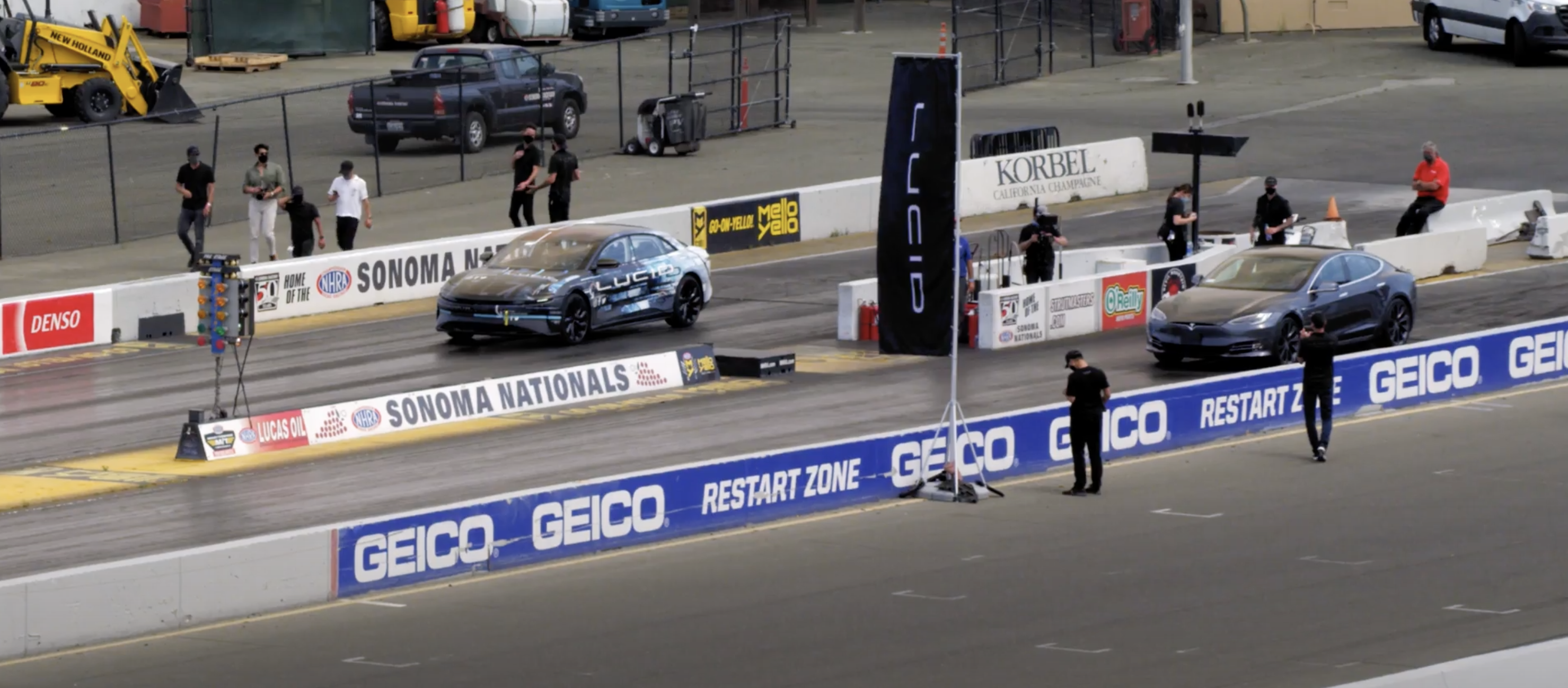
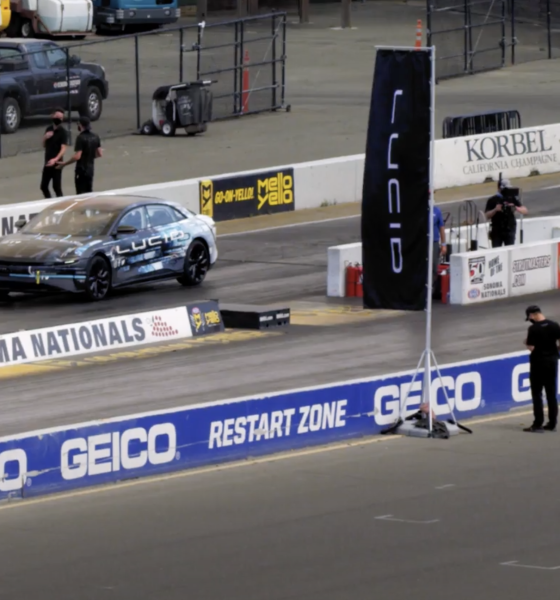
The quarter-mile record was set by the Air’s Dream Edition variant at Sonoma Raceway in Northern California. Not only did the Air manage to set the record for the fastest quarter-mile time for an EV, but it beat the Tesla Model S and Porsche Taycan in the process.
Peter Rawlinson, CEO and CTO at Lucid, said that the company’s watchword has been “focus” since day one. But the focus goes much further than creating a fast performance vehicle.
-
- Credit: Lucid Motors
-
- Credit: Lucid Motors
“Our watchword has been ‘focus’ since day one at Lucid – a focus on sound engineering principles, a focus on creating efficiencies, and a focus on maximizing power to create a world-class EV,” Rawlinson said.
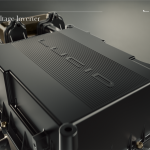
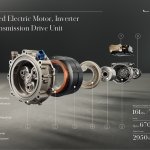
Lucid’s focus has been to create a vehicle that highlights the optimization that the company’s engineering teams have worked on for the last three-and-a-half years. At the heart of the Air, a 900V+ electric drive unit that is small enough to fit in a regular suitcase packs over 650 horsepower. It is 45% lighter and 59% lighter than the closest competitor, the company said. At speeds capable of up to 20,000 RPM, the Lucid powertrain holds significant advantages over any car in the electric vehicle market.
“When the Lucid Air comes to market next spring, the world will see that we have developed the best electric vehicle technology possible by a wide margin and effectively created a new benchmark for EVs. The result is nothing short of a technological tour de force in every facet upon which a luxury performance car is measured,” Rawlinson said.
-
- Credit: Lucid Motors
-
- Credit: Lucid Motors
-
- Credit: Lucid Motors
-
- Credit: Lucid Motors
Creating efficiency with every part of an electric vehicle was crucial to Lucid’s mission to develop a world-class powertrain. The Air’s internal parts can achieve high-performance through a series of new inventions that are part of lucid’s intellectual property.
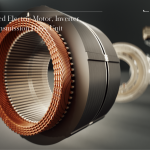
“Most notably, an elegant and revolutionary new motor winding technology has been introduced to maximize power output and reduce electrical losses. The motor also features an innovative cooling system that more effectively removes heat from
the stator winding, minimizing losses and boosting efficiency,” the company said in a release.
The compact design, which Teslarati detailed in late-August, paves the way for the electric drive unit to take up as little room as possible while powering the Air to new heights.
“This is achieved in part by the transmission and differential, which have been fully integrated for the first time in an electric motor – together, they comprise a single rotational system that is both lightweight and extremely efficient. Meanwhile, Lucid
leverages a high voltage, silicon-carbide MOSFET system in its inverters to maximize efficiency, especially in real-world driving conditions,” Lucid said.
Lucid will debut the Air during an online reveal event on September 9, 2020. In addition to the Air’s finalized interior and exterior designs, Lucid will also release new details about pricing, production specifications, and available configurations during the event.


Elon Musk
Elon Musk breaks his silence on the Starlink impact to Ukraine drones
Musk says the US military and president set Starshield limits, not SpaceX, amid Ukraine complaints.

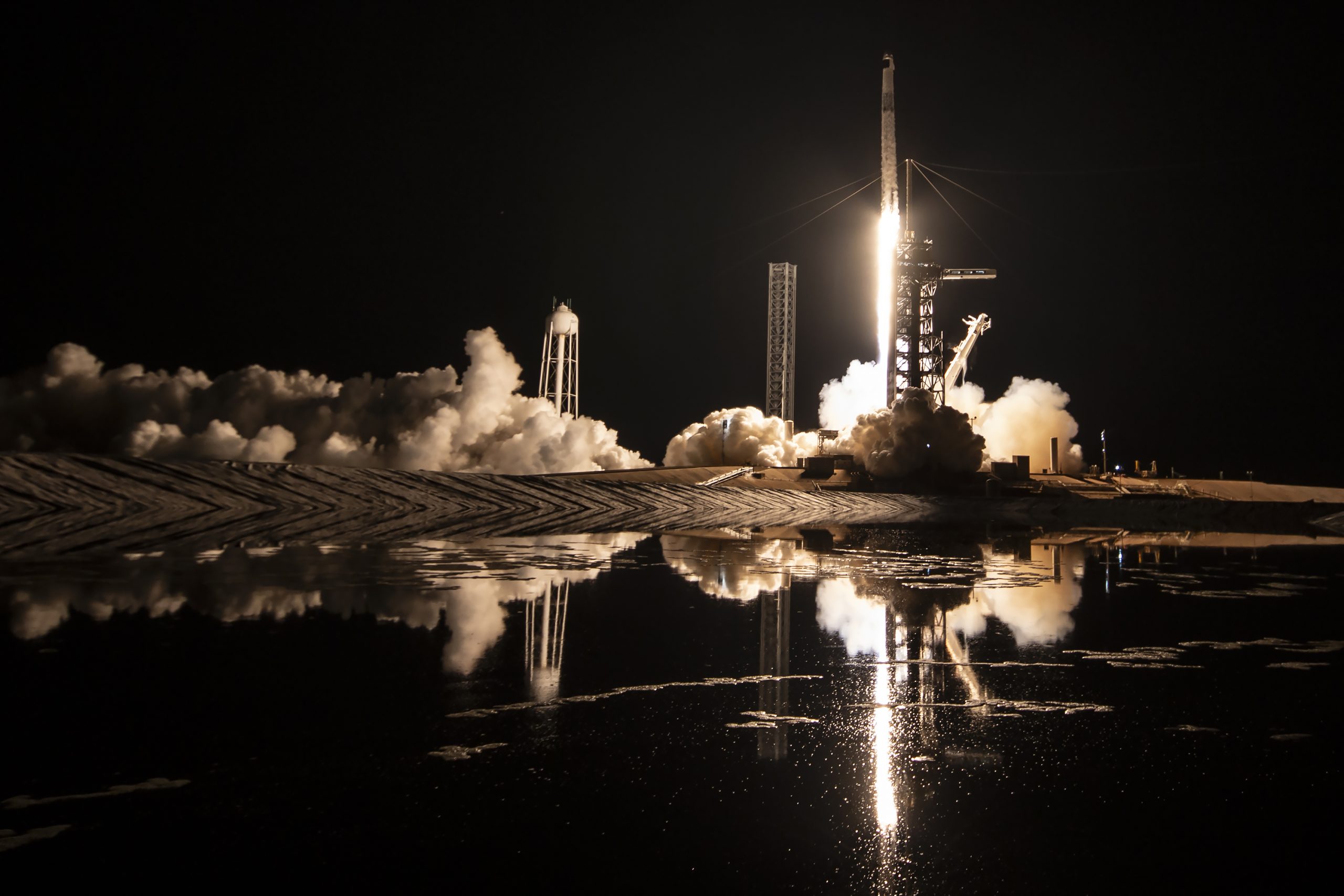
Elon Musk says the speed limit cutting out Ukraine’s military Starlink terminals is not SpaceX’s decision. In a post on X Wednesday, Musk wrote that “Starshield systems are owned and controlled by the US government. Any limits on speed or usage are decided by the US military and ultimately POTUS.” He added that Starlink is a commercial service limited to civilian or defensive activities and “cannot be used for offensive military action, as doing so would be inappropriate for a commercial company.”
He was replying to Mykhailo Fedorov, Ukraine’s former defense minister, who had thanked Musk for restoring connectivity at speeds up to 160 km/h and said removing the Starshield limit entirely is “now critical for Ukraine’s defense.”
Starshield systems are owned and controlled by the US government. Any limits on speed or usage are decided by the US military and ultimately POTUS.
Starlink is a commercial service owned and controlled by SpaceX. Usage of Starlink is limited to civilian or defensive activities and cannot be used for offensive military action, as doing so would be inappropriate for a commercial company.
— Elon Musk (@elonmusk) October 14, 2026
The complaint started Tuesday night, when Ukrainian officials said military terminals began losing service above roughly 100 mph. Presidential adviser Serhiy Beskrestnov said the defense forces got no warning and several missions were disrupted, as Teslarati reported earlier Wednesday. The 7th Rapid Reaction Corps told Reuters connections dropped for 10 to 20 seconds at speeds well below the limit, which made drones harder to control. Poland’s foreign minister, Radoslaw Sikorski, asked Musk on X whether he is “playing politics with your products again.”
That is why the Starlink and Starshield distinction matters. SpaceX introduced Starshield in 2022 as the government version of Starlink, with an initial focus on Earth observation, communications and hosted payloads. It won a Space Force contract in 2023 with a $70 million ceiling. In December 2024, the Pentagon moved Ukraine’s terminals onto Starshield, covering about 3,000 units across two contracts. Ukraine’s military connections therefore run through a service that Musk now says sits under Washington’s control.
While Musk’s post describes who holds authority, it does not infer that anyone ordered the limit, and neither SpaceX nor the US government has confirmed who set it. Ukrainian officials have pointed to the timing, which follows President Trump’s push for an energy ceasefire and Musk’s Saturday post that “Zelensky has gone too far.” The BBC noted Trump denied threatening to restrict intelligence sharing with Kyiv, and no evidence has been presented that Washington requested the cap.
The episode also revives a promise from 2025. After Poland accused him of threatening Ukraine’s access, Musk said Starlink “will never turn off its terminals” and would not be used as a bargaining chip. Poland has since supplied more than 29,000 terminals to Ukraine. Teslarati also covered Kyiv’s search for Starlink alternatives in 2025, and the latest dispute gives that search new urgency.
Investor's Corner
Tesla opens the Q&A for its biggest earnings call yet
Tesla opens its Q3 earnings Q&A, and Cybercab, Robotaxi, Optimus and regulators loom over October 21.

Tesla has opened its shareholder question portal for the Q3 2026 earnings call, with the Say Q&A page already listing questions. Investors have until 4:00 p.m. EDT on October 20 to submit and vote on what management should answer.
The call is set for Wednesday, October 21. Tesla will post results after the market closes, with a live webcast at 4:30 p.m. CT, or 5:30 p.m. ET, through its investor relations site.
Say ranks questions by the number of shares behind the votes, which gives institutional holders extra weight over the retail crowd.
Ahead of Q2, retail investors asked why Robotaxi growth had stalled, when Cybercab would start customer rides, and where the Optimus Gen 3 ramp stood, while an institutional holder asked how Tesla and SpaceX would split Terafab duties. Cybercab has since answered one of those. Tesla said last week it has 300 plus Cybercabs serving Austin, up eightfold in 30 days, with Dallas named as the next city. The questions now are likely to move from when to how fast.
There is also a regulatory question hanging over the call. NHTSA has demanded sworn answers on how the pedal free Cybercab was certified against federal safety standards, with responses due October 30, nine days after the call. Whether an analyst raises it live is unknown, but it is the kind of exposure that tends to find its way into a Q&A.
The numbers will not be the main draw. Tesla already reported 486,532 deliveries and 13.7 GWh of storage for the quarter. Consensus sits around 43 to 45 cents per share on roughly $27.8 billion in revenue, according to Zacks, after a Q2 report that missed on EPS. Goldman Sachs, which holds a Neutral rating and a $360 target, argues the outlook for Robotaxi, FSD and Optimus will matter more to the stock than the quarter itself.
The call also lands six days after the rescheduled Roadster event, which Tesla will stream on X on Thursday, October 15, at 7:55 p.m. CT. If the Roadster shows up with a production date or a SpaceX thruster package, expect it to climb the voting list before the deadline.
Elon Musk
Ukraine says Starlink is cutting out its military drones as Poland calls out Elon Musk
Ukrainian officials allege SpaceX limited military Starlink speeds, disrupting drone missions; SpaceX has not commented.
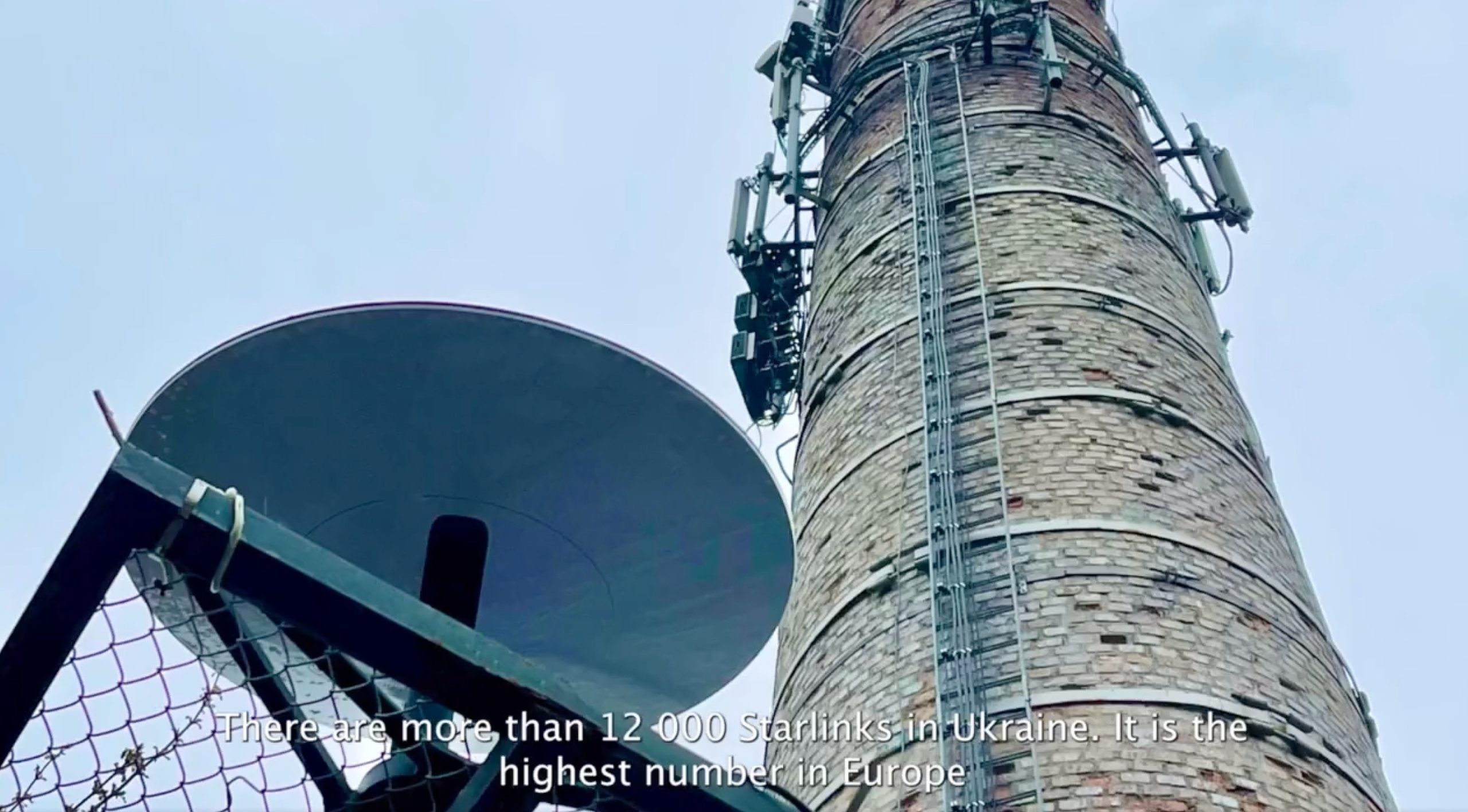
Ukrainian officials are accusing SpaceX of placing a speed limit on the military version of Starlink that their forces use to fly drones, but SpaceX has not confirmed that any change was made. Presidential adviser Serhiy Beskrestnov said in a Telegram post on Wednesday that Starshield terminals have begun losing service when they move faster than about 100 miles per hour, according to a Reuters report. “Our defense forces did not receive a warning about this limitation, and this led to the disruption of several missions,” he wrote.
Ukraine’s 7th Rapid Reaction Corps told Reuters that connections dropped for 10 to 20 seconds at just 68 to 75 mph, which made the drones harder to control. Volunteer Serhiy Sternenko, citing military reports, said the dropouts are now starting at 37 to 43 mph. These accounts come from Ukrainian officials and military sources and have not been independently verified. Regular civilian terminals were reportedly not affected, according to EUalive.
.@POTUS: We told Zelensky, ‘You can do whatever you want to Russia, but don’t hit the refineries because that’s a world problem.’ And what does he do? He goes and hits the diesel fuel. He better damn well stop. https://t.co/CdRlMcPlKr
— Rapid Response 47 (@RapidResponse47) October 10, 2026
SpaceX has not publicly commented or explained what, if anything, changed. Beskrestnov and other Ukrainian officials believe the issue is intentional and point to the timing. Washington has been pressing Kyiv to stop long range strikes on Russian oil refineries after President Trump called for an “energy ceasefire,” and Musk posted on Saturday that “Zelensky has gone too far.” EUalive noted that neither Ukrainian nor Polish officials have presented evidence that the limit was ordered by Washington or by SpaceX, so the link to politics remains an allegation. Other explanations, such as a technical or policy change affecting fast moving terminals, have not been ruled out.
Poland’s foreign minister, Radosław Sikorski, responded on X by quote tweeting a Kyiv Independent report and writing: “Hey, @elonmusk, big man, are you playing politics with your products again? As your European customers, we are watching you.” Poland is the largest funder of Ukraine’s Starlink service, having supplied more than 29,000 terminals and covering operating costs Sikorski has put at roughly $50 million a year. The wording echoes their 2025 clash, when Musk told Sikorski to “be quiet, small man.” At the time of writing, neither Musk nor SpaceX had responded to the claims.
Hey, @elonmusk, big man, are you playing politics with your products again?
As your European customers, we are watching you.— Radosław Sikorski 🇵🇱🇪🇺 (@sikorskiradek) October 14, 2026
The dispute sits on top of a long history. Musk confirmed in February 2022 that Starlink was active in Ukraine after a request from a Ukrainian minister. That October, SpaceX asked the Pentagon to share the bill and Musk said the cost was approaching $20 million a month, before he reversed course and said SpaceX would keep paying. In December 2024 the Pentagon moved some of those terminals onto the Starshield service, the government version now at the center of the complaints.
SpaceX has also changed how its network treats certain terminals in Ukraine before, and that time it was with Kyiv’s cooperation. In February, Ukrainian officials confirmed that terminals believed to be used by Russian troops were disabled after coordination with SpaceX, a step that Ukrainian commanders later said hurt Russian assaults. Whether anything similar is behind the latest reports is unclear, which is why Kyiv is asking for answers.
Ukraine is already looking at backups. Defense tech company Stetman is developing its own satellite system, UASAT-NANO, and officials in Europe have discussed alternatives to Starlink since early 2025, though none match its scale yet.

Elon Musk breaks his silence on the Starlink impact to Ukraine drones

Tesla opens the Q&A for its biggest earnings call yet

Ukraine says Starlink is cutting out its military drones as Poland calls out Elon Musk

The Pentagon taps Elon Musk to design the battlefield of the future

SpaceX reveals how its 1 Million AI satellite network will work and prevent space collisions


