News
Starlink India launch gains traction with telecom license approval
Starlink just secured its telecom license in India! High-speed satellite internet could go live in 2 months.

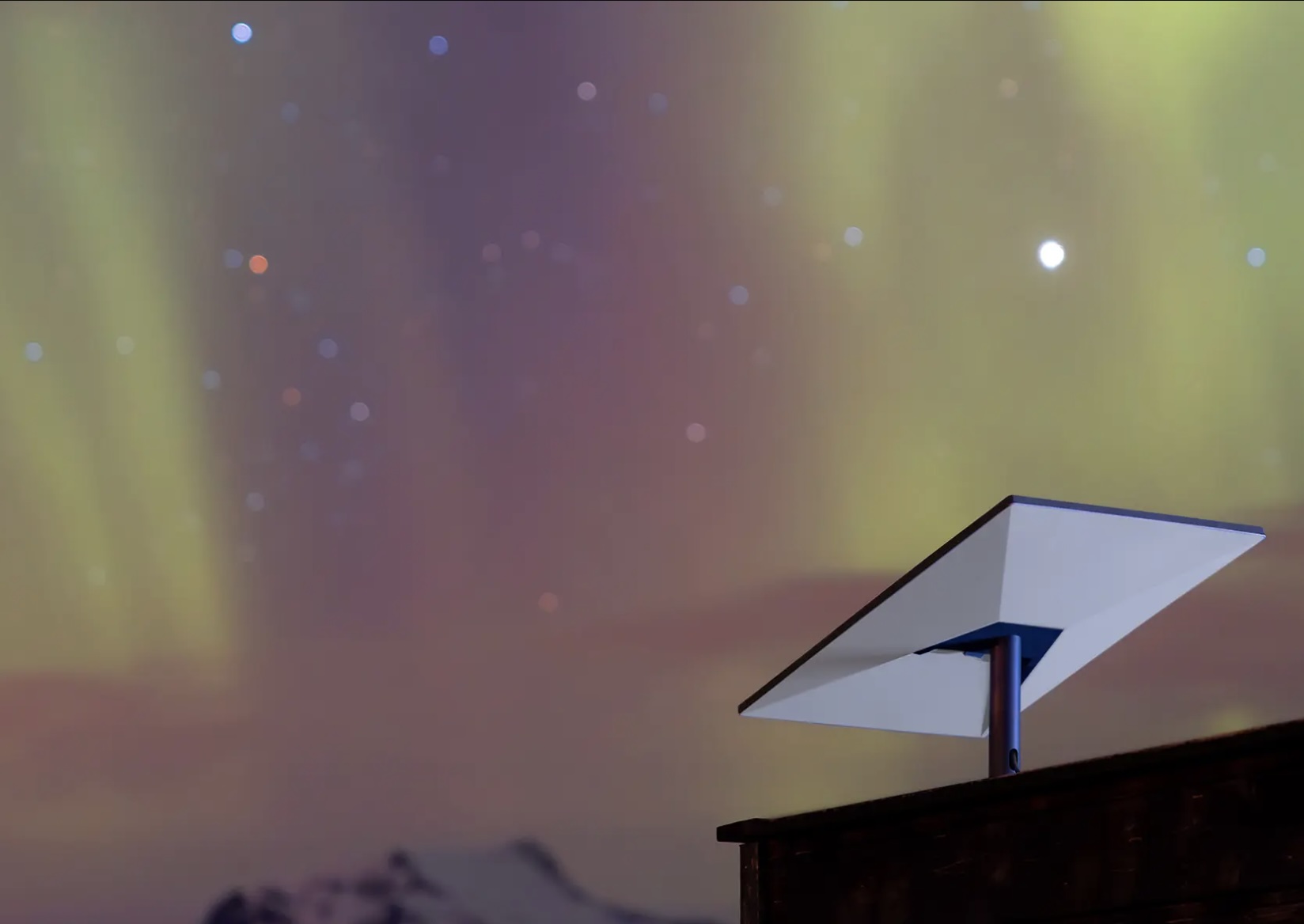
Starlink India’s launch cleared a key regulatory hurdle after securing a long-awaited license from the country’s telecom ministry. Starlink’s license approval in India paves the way for commercial operations to begin, marking a significant milestone after a three-year wait.
The Department of Telecommunications granted Starlink a Global Mobile Personal Communication by Satellite (GMPCS) license, enabling it to roll out its high-speed internet service. Local reports hinted that Starlink plans to launch its services within the next two months. Starlink India’s services are expected to be priced at ₹3,000 per month for unlimited data. Starlink service would require a ₹33,000 hardware kit, including a dish and router.
“Starlink is finally ready to enter the Indian market,” sources familiar with the rollout plans confirmed, noting a one-month free trial for new users.
Starlink’s low-Earth orbit satellite network promises low-latency, high-speed internet that is ideal for rural India, border areas, and hilly terrains. With over 7,000 satellites in orbit and millions of global users, Starlink aims to bridge India’s digital divide, especially in areas with limited traditional broadband.
Starlink has forged distribution partnerships with Indian telecom giants Reliance Jio and Bharti Airtel to streamline deployment and retail logistics. However, the company still awaits spectrum allocation and final clearances from India’s space regulator, IN-SPACe, and national security agencies before its full launch, expected before August 2025.
India’s satellite internet market is becoming increasingly competitive, with Starlink joining rivals like OneWeb and Jio Satellite Communications. While Starlink positions itself as a premium offering, its entry has sparked debate among domestic telecom operators over spectrum pricing.
Local reports noted that other players in the industry have raised concerns over the lower regulatory fees proposed for satellite firms compared to terrestrial operators, highlighting tensions in the sector.
Starlink India’s launch represents a transformative step toward expanding internet access in one of the world’s largest markets. Starlink could redefine connectivity for millions in underserved regions by leveraging its advanced satellite technology and strategic partnerships. As the company navigates remaining regulatory steps, its timely rollout could set a new standard for satellite internet in India, intensifying competition and driving innovation in the telecom landscape.


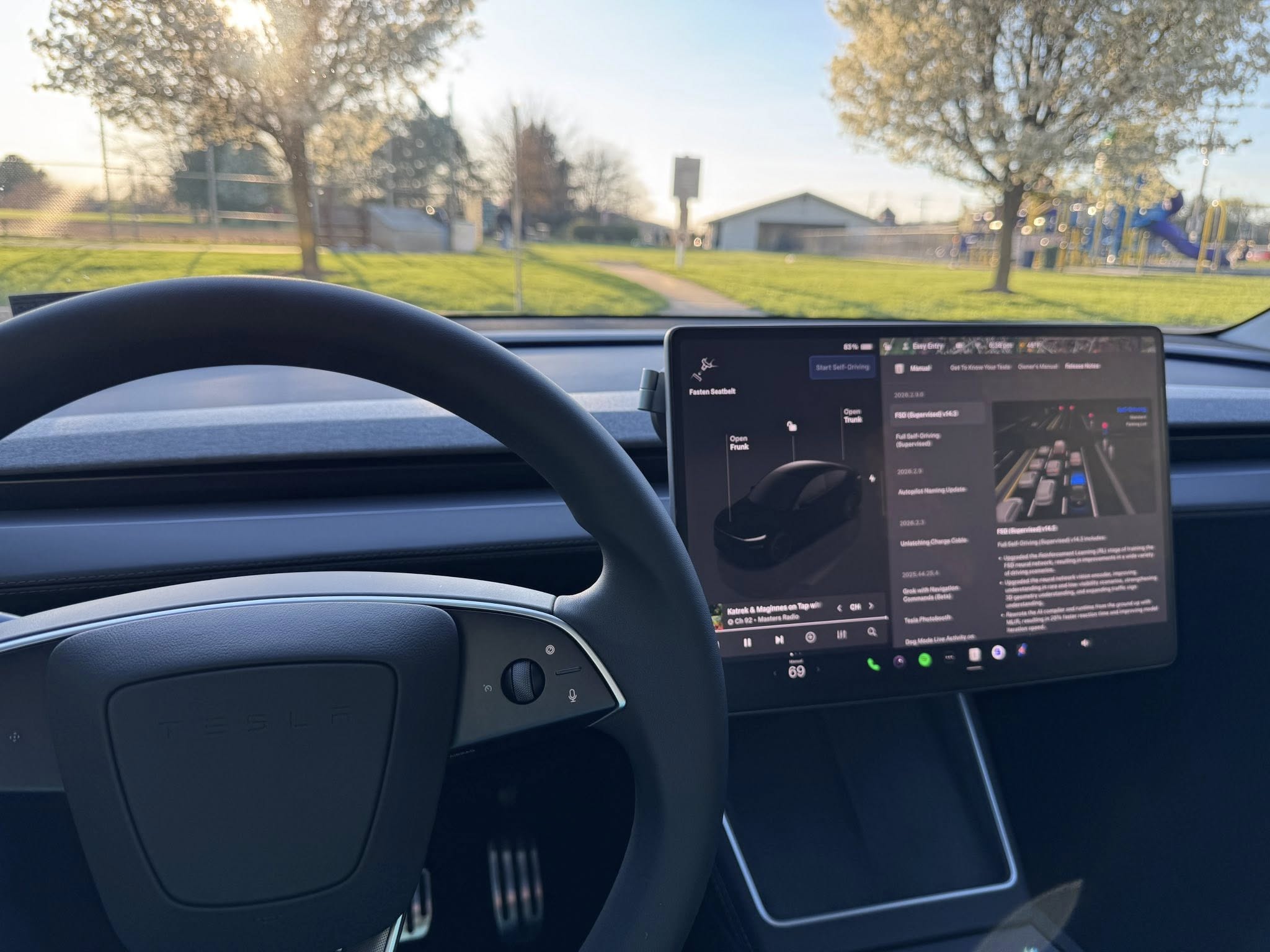
Tesla started rolling out Full Self-Driving v14.3 to Early Access Program (EAP) members earlier today, and I had the opportunity to see some of the improvements that were made from v14.2.2.5.
While a lot of things got better, and I truly enjoyed using Full Self-Driving again after being stuck with the widely confusing and frustrating v14.2.2.5, Tesla still has one major problem on its hands, and it has to do with Navigation and Routing. I truly believe those issues will be the biggest challenges Tesla will face with autonomy: the car simply going the correct way, not conflicting with what the navigation says, and taking the simplest and most ideal route to a destination.
Here’s what I noticed as an improvement with my first hour with v14.3. This is not a full review, nor is it reflective of everything I will likely experience with this new version. This is simply what I saw as a noticeable improvement from the past version, v14.2.2.5.
There is also a more streamlined version on X, available at the thread below:
Tesla Full Self-Driving v14.3 testing now: pic.twitter.com/9UuP11Fv9f
— TESLARATI (@Teslarati) April 7, 2026
Yellow Light Behavior is Significantly Better
On v14.2.2.5, I had so many instances of the car slamming the brakes on to stop at a yellow light when it was clearly the safer option to proceed through. There were several times when the car would be about 20 feet from the line, traveling at 15-20 MPH, the light would turn yellow, and it would slam the brakes to stop. I would nudge it through yellow lights constantly because of this by putting my foot on the accelerator.
The instances I’m talking about here would not have been close calls — the car would have likely moved through the intersection completely before the light would turn red.
On multiple occasions this evening, FSD proceeded through yellow lights safely, without hesitation or any brake stabbing. It was refreshing:
🚨 Here’s an EXCELLENT example:
v14.2.2.5 would have slammed the brakes and stopped at this stop sign. I would have tapped the accelerator to proceed.You can see the light turns yellow and the car makes — in my opinion — the correct decision to proceed. https://t.co/hHMikimkbp pic.twitter.com/Iesta1OYoV
— TESLARATI (@Teslarati) April 7, 2026
This was a huge complaint with v14.2.2.5. Sometimes, it’s a safer option to go through a yellow light, especially when you have traffic behind you. It’s a great way to get rear-ended.
Parking Performance
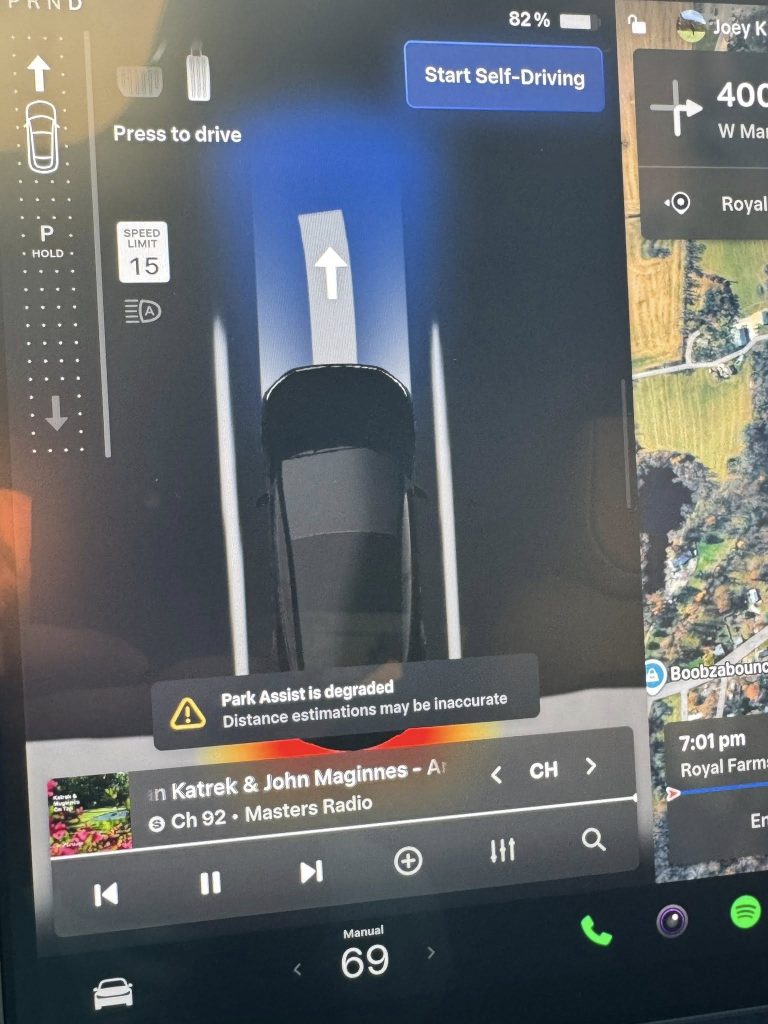
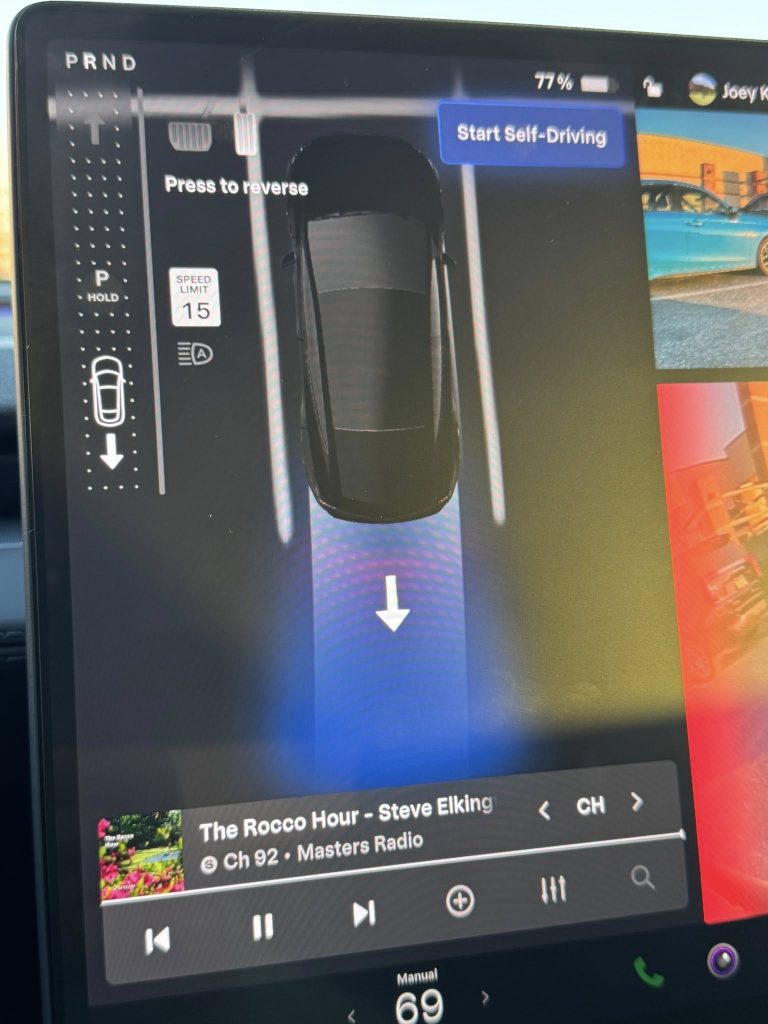
I had four instances of parking, and FSD v14.3 really did a flawless job. I was very impressed with how solid it was, but also with how efficiently it moved into the spot. When there was traffic around with past versions, I usually chose to park manually just because FSD took its time getting into a spot. I don’t see that being an issue anymore.
I complained about parking a lot and shared several images on X and Facebook of those examples:
Still a few issues with parking on FSD v14.2.2.4 pic.twitter.com/BphvVWDPqe
— TESLARATI (@Teslarati) February 5, 2026
No issues with it this evening. 4/4. Here are two looks:
Highway Performance
FSD v14.3 passed the five cars shown in this image:
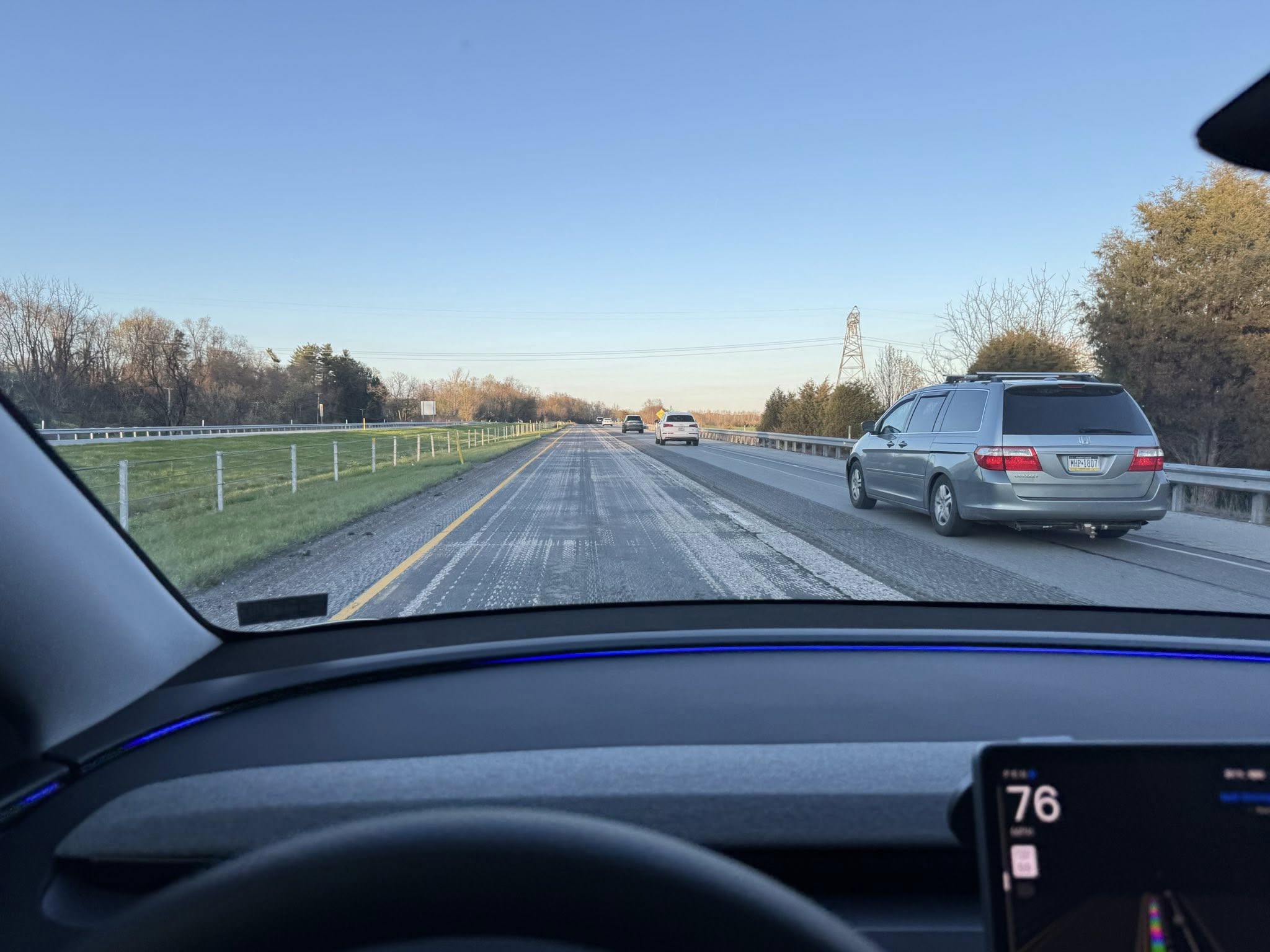
The sixth was 200-300 yards ahead of the fifth. In v14.2.2.5, FSD would usually stay in the left lane, especially on Hurry and Mad Max. It did not do that, as it instead chose to get back over in the right lane after passing the final car.
Speed was not much of a concern here, even though it was going 21 MPH over. Although it was fast, I did have a line of cars behind me traveling at the same speed, and FSD had just merged about a half mile prior, so I chose to let it continue.
There were no instances of camping in the left lane for extended periods of time. I do want to do more testing with the Speed Profiles because they were in need of some work with the previous version. I am starting to side with those who want a Max Speed setting, which was removed last year.
Navigation and Routing Still Need Work
I was heading back toward where I came from, so I turned “Avoid Highways” on to take a different way. This confused the Routing system, and instead of turning left, then right, as the Routing said, the car turned right, then indicated for another right, basically going in a big rectangle. The car ignored the second right-hand turn and continued straight. I ended up turning “Avoid Highways” off and letting the car pick the same routing option as what took me here.
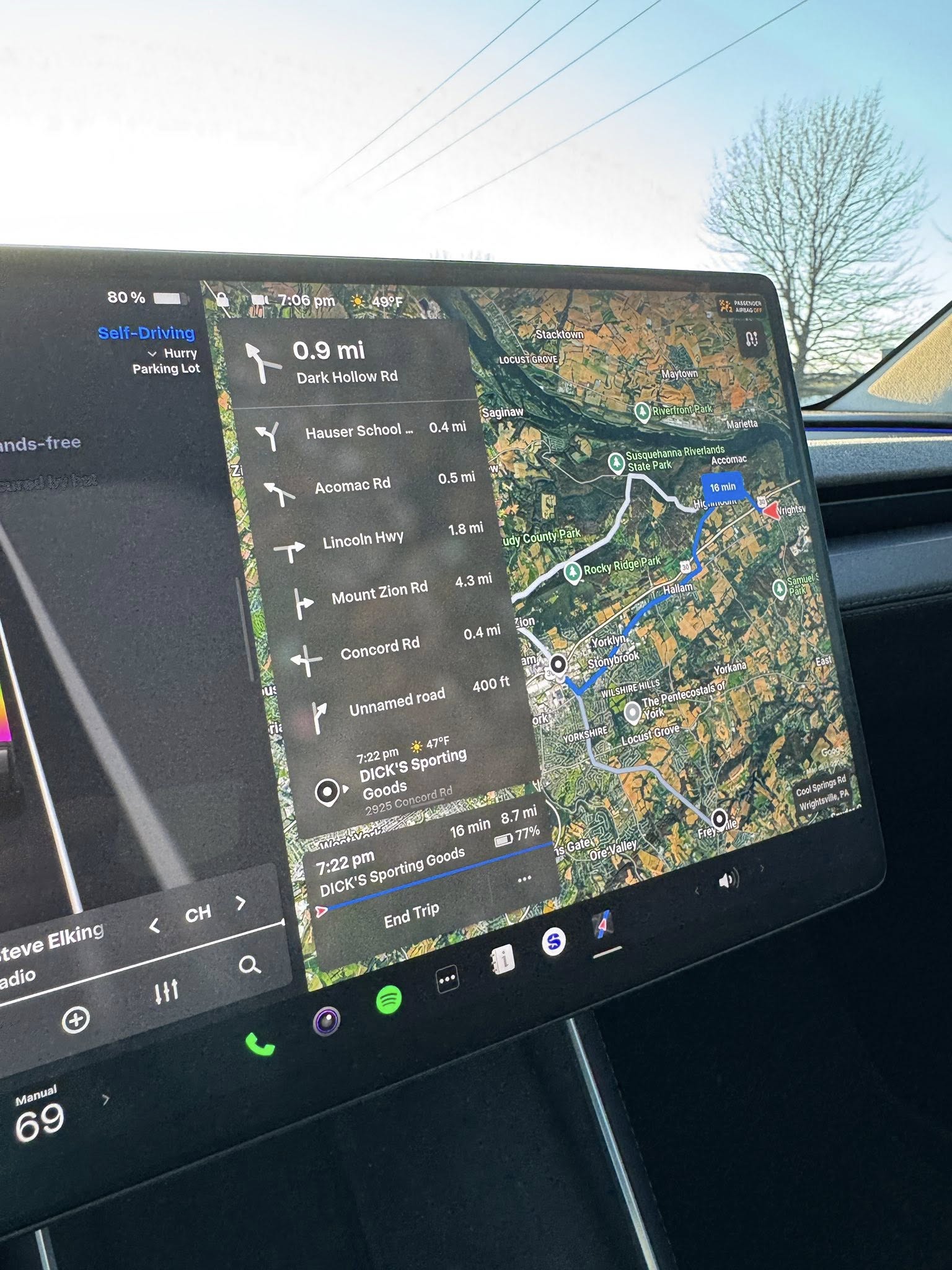
I have truly complained so much about Navigation and Routing that I’m starting to feel sort of bad. It is obviously such a massive challenge for some reason, but I am confident it will improve. I recall seeing Tesla hiring someone for this role a few months back, so perhaps there is hope for it to get better.
Smarter Behavior When Approaching Exits/Routing
This probably should be grouped in with Highway Behavior, but I wanted to highlight it on its own.
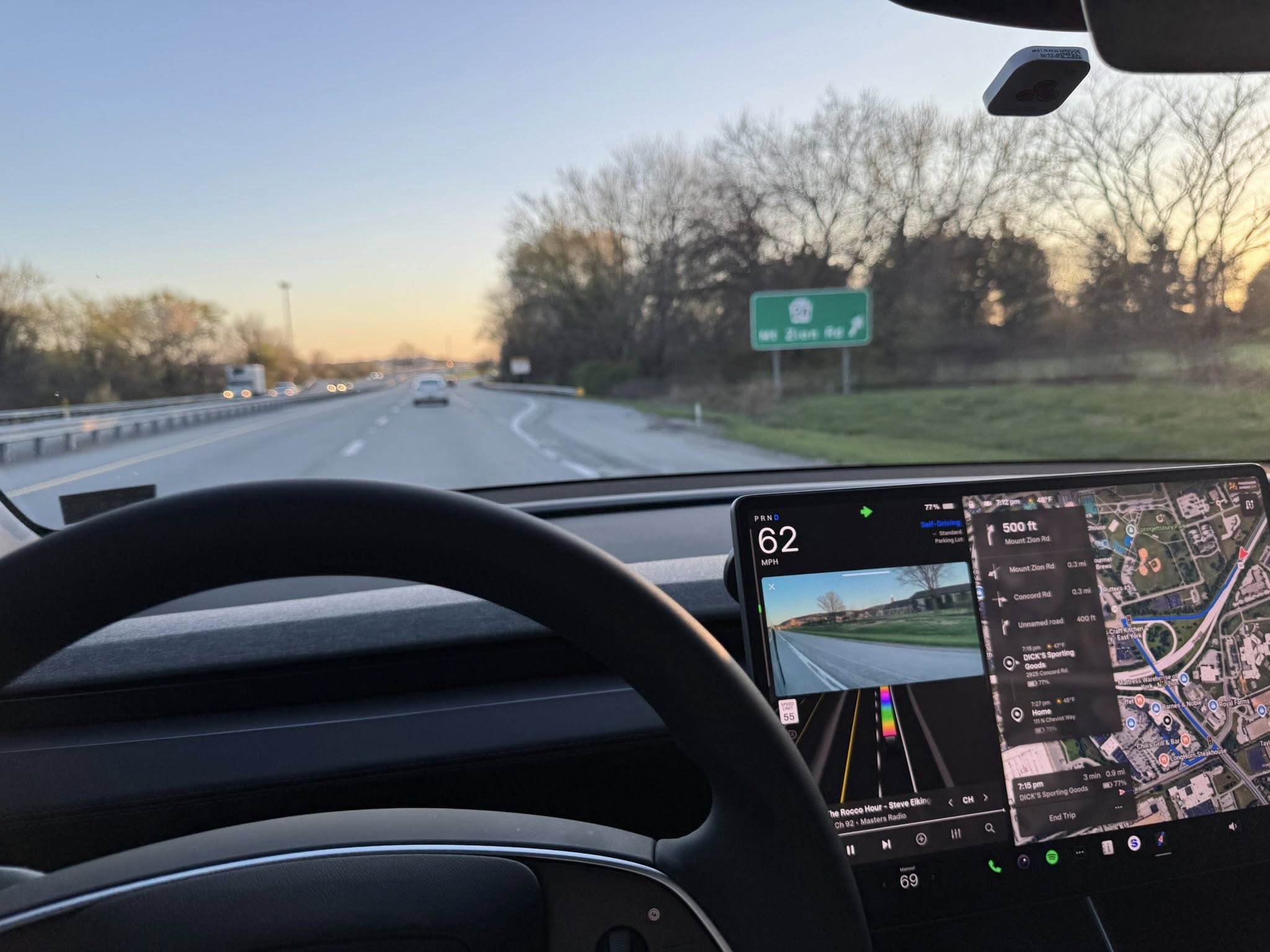
The highway exit pictured was always frustrating for v14.2.2.5. In the Hurry speed profile, I have seen it try to execute passes on multiple cars with as little as 0.6 miles to spare before taking the exit.
With three cars ahead of it, it chose to reduce speed and just wait until the exit. It was refreshing to see an improvement here, so I hope this behavior persists. Sometimes there’s just no reason to pass when you’re less than a mile from getting off the highway anyway.
Larger Visibility Warnings
Tesla seems to have increased the size of these “Camera Visibility Limited” warnings. Previously, they were just small thumbnails:
🚨 The warnings of “Camera Visibility Limited” appear to be larger with v14.3
Previously, it was a small thumbnail. Haven’t seen it this magnified before. https://t.co/iKJLsZ8P4Q pic.twitter.com/qRWwFyIZNd— TESLARATI (@Teslarati) April 7, 2026
Stop Sign Behavior
This is probably the biggest improvement of all, because how it behaved at Stop Signs in v14.2.2.5 was so incredibly terrible and disruptive to the flow of a busy intersection.
There are several four-way, all-stop intersections near me. In the past, FSD would stop well behind the Stop Sign or the white-painted line on the road. It would then inch forward, stopping again at this line, essentially making two stops at a single intersection.
If there is visibility, I don’t truly care where FSD stops, as long as it stops once. Stopping twice just isn’t ideal or logical. I can’t imagine many humans would do it, I know I wouldn’t.
I didn’t have that issue this evening:
🚨 Here’s a look with some commentary – Previously, FSD would stop where it did in this video, then again at the white line, before proceeding. https://t.co/xwyVGMy28y pic.twitter.com/MObgUa7DoA
— TESLARATI (@Teslarati) April 7, 2026
This was pretty tight, too, in the sense that both my car and the other one got to the intersection at the same time. FSD may have stopped first, but the other vehicle was probably around the same point that I was when FSD decided to stop. I was happy to see the assertiveness to proceed; it felt like it was ideal to just go through. I was happy it didn’t stop a second time up at the line. I’d be fine if it stopped at the line, as long as that was the only stop it made.
News
Tesla Full Self-Driving v14.3 rolls out: here’s what’s new
We are in EAP and will be on the road with v14.3 in the coming hours, so we’ll have a lot of things to discuss over the next few days, especially coming from v14.2.2.5, which I called the most “confusing” FSD release of all time.

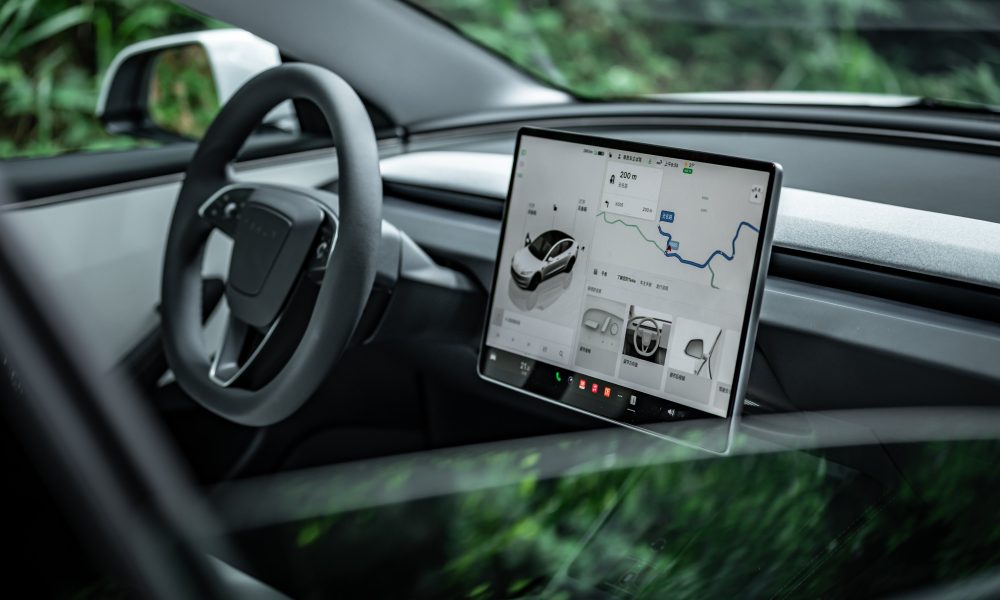
Tesla has officially started rolling out Full Self-Driving v14.3 to Early Access Program (EAP) members, and there are a lot of new improvements.
We are in EAP and will be on the road with v14.3 in the coming hours, so we’ll have a lot of things to discuss over the next few days, especially coming from v14.2.2.5, which I called the most “confusing” FSD release of all time.
🚨 Tesla Full Self-Driving v14.3 is here and it is coming with so many new features
Looks like there will be some MAJOR improvements to the general performance.
Truly seems like it will be significantly different than v14.2 pic.twitter.com/mhdfBLuDup
— TESLARATI (@Teslarati) April 7, 2026
Tesla brought out a lot of improvements, according to the v14.3 release notes, which list a vast number of fixes, new features, and new capabilities.
Here’s what Tesla’s release notes for the v14.3 release state:
- Improved parking location pin prediction, now shown on a map with a P icon.
- Increased decisiveness of parking spot selection and maneuvering.
- Rewrote the Al compiler and runtime from the ground up with MLIR, resulting in 20% faster reaction time and improving model iteration speed.
- Enhanced response to emergency vehicles, school buses, right-of-way violators, and other rare vehicles.
- Mitigated unnecessary lane biasing and minor tailgating behaviors.
- Improved handling of small animals by focusing RL training on harder examples and adding rewards for better proactive safety.
- Improved traffic light handling at complex intersections with compound lights, curved roads, and yellow light stopping – driven by training on hard RL examples sourced from the Tesla fleet.
- Upgraded the Reinforcement Learning (RL) stage of training the FSD neural network, resulting in improvements in a wide variety of driving scenarios.
- Upgraded the neural network vision encoder, improving understanding in rare and low-visibility scenarios, strengthening 3D geometry understanding, and expanding traffic sign understanding.
- Improved handling for rare and unusual objects extending, hanging, or leaning into the vehicle path by sourcing infrequent events from the fleet.
- Improved handling of temporary system degradations by maintaining control and automatically recovering without driver intervention, reducing unnecessary disengagements.
Tesla also listed a handful of future improvements as well:
- Expand reasoning to all behaviors beyond destination handling
- Add pothole avoidance
- Improve driver monitoring system sensitivity with better eye gaze tracking, eye wear handling, and higher accuracy in variable lighting situations
CEO Elon Musk has said that v14.3 could be “where the last big piece of the puzzle finally lands.” We have high expectations for this release because, in a lot of ways, v14.2’s final version was extremely disappointing and seemed to be a regression more than anything.
Nevertheless, Full Self-Driving v14.3 is going to be quite an interesting test, considering this is also the first time Musk has stated it will feel like the car will be “sentient.”
Reasoning will be a bigger piece of the puzzle with this release, although there were some elements of it in v14.2.
Tesla AI Head says future FSD feature has already partially shipped
We plan to travel plenty of miles with it over the next few days, so we’ll keep you posted on what our thoughts are.
News
Tesla Model Y ownership review after six months: What I love and what I don’t
I pay about $25 more a month than I did for my Bronco Sport for my Tesla. It was a no-brainer to switch. Like any car, it isn’t perfect, but my Tesla has more things right than any other car I’ve owned, and that makes it truly incredible.
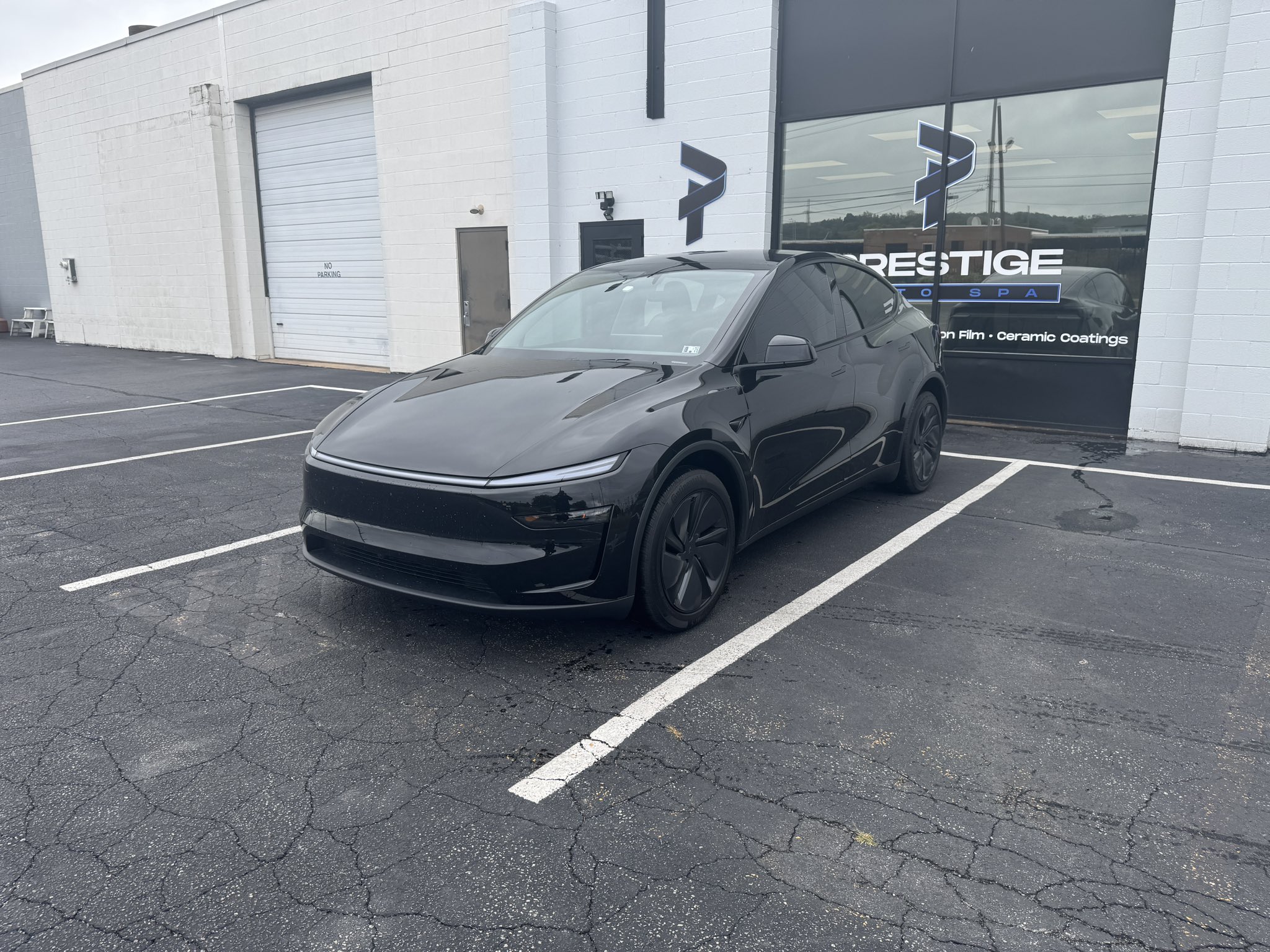
It has been just over six months since I took delivery of my Diamond Black Tesla Model Y Premium Long Range (at that time, it was called the Tesla Model Y Long Range All-Wheel-Drive).
In those six months, I have had the opportunity to experience true and pure electric vehicle ownership, what comes with it after driving a gas vehicle for my entire life, and, to be completely frank, there are not many things I would change.
My brand new ride! Thank you @tesla @elonmusk for building one badass car
Officially a battery boy pic.twitter.com/jzpMawmTZs— Joey Klender (@KlenderJoey) August 30, 2025
Owning a Tesla was something I never thought I’d do until I owned a house, simply to take advantage of the advantage of home charging. However, I had to take the chance last year with the elimination of the $7,500 electric vehicle tax credit, as well as to avoid the mountainous stack of repair bills that were presenting themselves with my Ford Bronco Sport.
There are a lot of things I love about my Model Y, and there are a handful of things I wish I could change. In this piece, I plan to break down the ownership experience through about six months with my Tesla Model Y, hoping to provide you with enough insight to potentially make a change — or stick with what you have.
Things I Love About My Tesla Model Y
Driving Experience
Tesla really pushes Full Self-Driving and autonomy, but there are times that, as an owner, I feel I need to drive this car manually. Tesla put so much effort into the Model Y’s engineering and driving experience that it feels like a bit of a disservice to have it drive itself around all the time.
The suspension in this vehicle, as well as its ability to handle sharp corners, its quick acceleration, and its ability to hug the road at spirited speeds, is truly something you need to feel for yourself. I personally have never had a car that was truly geared toward driving this way. Other than a short-lived ownership experience with a Honda Civic a few years back (something I won’t ever do again), all of my vehicles have been SUVs or compact crossovers.
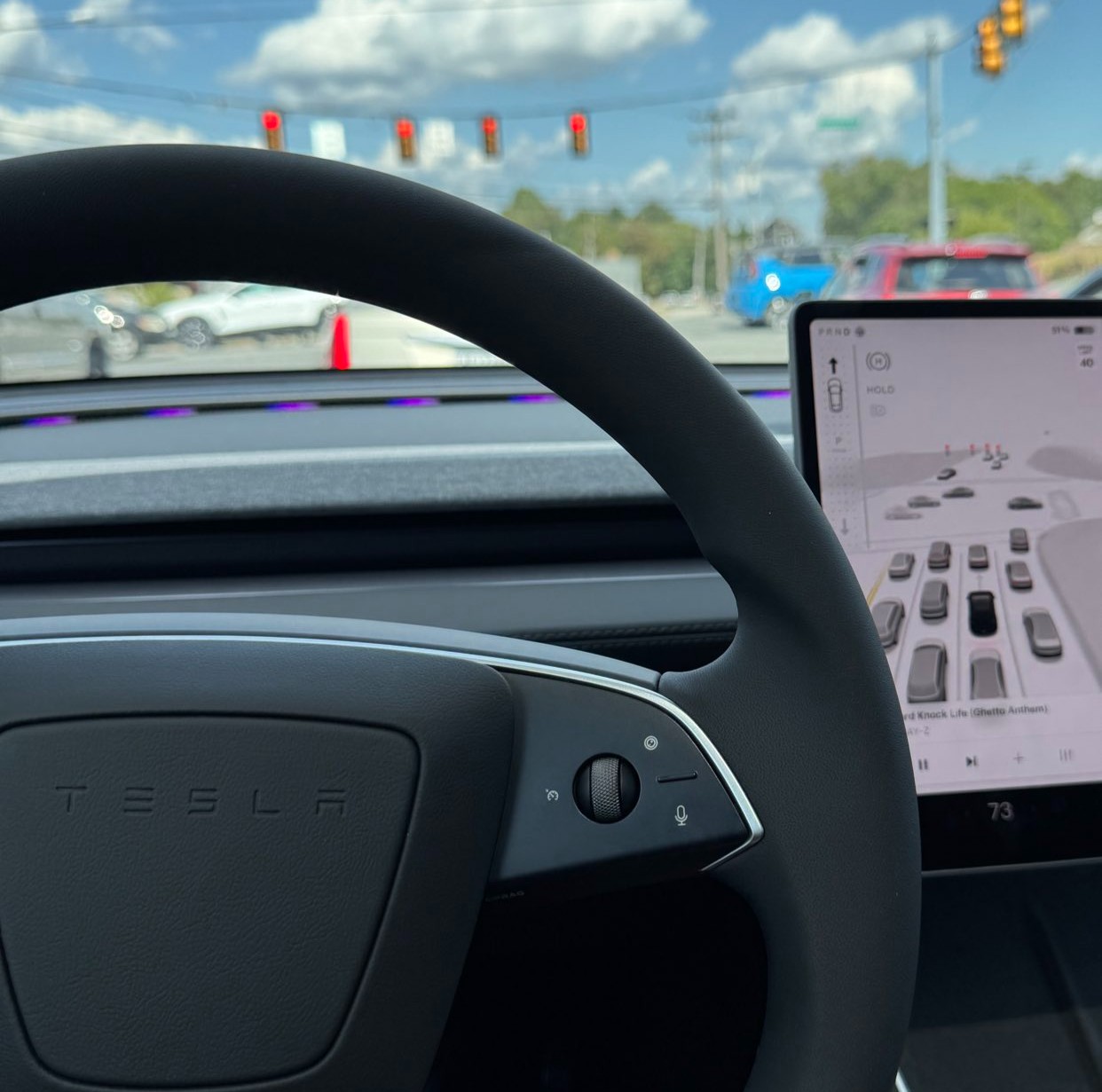
Credit: Joey Klender
Having a car that offers both a fun driving experience and cargo space is what the Model Y truly is all about. It’s a fun car to drive, but it also has a lot of functionality.
It is always a treat when it’s a little warmer out, I can roll the windows down, and take my Model Y to a tight back road in Pennsylvania to have some fun. I have never loved driving in the traditional sense. I don’t hate it, but it’s not necessarily “fun” to me, but that’s probably because I never had a car that was engineered to make the driving experience enjoyable.
This has truly changed my perspective on driving, and the Model Y is probably the second-most-fun car I’ve ever had the pleasure of driving. The first? The Tesla Model S.
Home Charging and Supercharging
Now, Home Charging is relatively new to me, and I covered my process for figuring that out in another article, which is linked here.
https://t.co/zJRwyQDcDE pic.twitter.com/AIhp21omh8
— TESLARATI (@Teslarati) March 15, 2026
Waking up in the morning and having some additional range is really a great feeling — and with gas prices going through the stratosphere, the money I’m saving on gas is something quite special.
Supercharging is also a fun experience for me. Do I wish it were a faster experience? Sure. But there’s plenty to do in the car: Netflix, Hulu, Tesla Arcade, or head into whatever convenience store is nearby, use the restroom, and grab a bite to eat.
I have come to enjoy the evenings that I’ll head over to the Supercharger and plug my car in for half an hour before a longer drive the next day (if I didn’t plug in soon enough at home and need some fast-charging).
Tesla also added a new Supercharging “Wrapped” feature at the end of the year, gamifying the entire Supercharging experience. I’m excited to see all the places I’ve charged at the end of 2026.
Sporty, Clean, and Fun Interior
The interior of my Tesla is probably one of the most underrated features of my car, but it’s definitely my favorite. With vehicles I’ve purchased in the past, the big selling point is the inside for me, not the outside. Of course, I want my car to look good to others, but ultimately, I’m paying the payment and I’m spending 100% of the time I’m using the car on the inside of it.
…and I thought mine was bad https://t.co/xysshGcp2A pic.twitter.com/bsimX94DYH
— TESLARATI (@Teslarati) February 22, 2026
This highlights the need for a comfy, cozy, and capable cabin that has all the features I could want. In Pennsylvania, we have cold winters and hot and humid summers. The Model Y has heated seats and a steering wheel, as well as A/C seats. The HVAC is incredibly capable, customizable, and comfortable for all passengers, allowing them to make adjustments wherever needed.
At night, the black interior coupled with the accent lighting makes for one of the coolest, spaceship-like interiors on the market. Tesla always called it a “Rave Cave,” and it truly feels like it.
Tech: From Full Self-Driving to Other Features
Tech is really the biggest part of owning a Tesla; it is so advanced that it almost feels like it’s not even a car. Full Self-Driving is obviously such a huge advantage, and I’ve talked about it in great detail, both positively and negatively.
I could write 1,000 words on FSD, but I don’t want to focus on it solely, because there are so many other things that need to be highlighted.
One thing Tesla really has over others is the ability to improve its cars continually. Simple features like a charging adjustment, new modes, or activating features that weren’t quite ready previously are all things Tesla has added through Over-the-Air updates.
I don’t know if I could pick just one as a favorite, but in the six months I’ve had my car, the most useful thing I’ve come across outside of FSD is Summon. While it is hit or miss a lot of the time, there are little features, like moving the car forward or back from the Tesla App, that are incredibly useful. Adjusting a park job, making snow shoveling around the car easier, or even moving the car slightly when I’m taking photos or video is incredibly seamless with this functionality.
Cargo and Interior Space
One of my big concerns when going from a Bronco Sport to a Model Y was cargo space, only to find out the Model Y has more space than the Bronco Sport. I always have something in the trunk, whether it is luggage, my golf bag, shoes, or groceries. I’ve never felt like I’ve needed more space in this car, although I’m sure that day will come when I get the boys together for a golf trip and I am driving.
I’ve packed luggage for my Fiancèe and a few of her friends on a trip to Disney with no issues. Four girls going to Disney for five days is a challenge that will frighten even the most capable vehicles. I had no issues.
But what is also great about the Model Y is that it has the room to do other things, like fit an entire mattress for camping. SNUUZU makes an amazing Tesla mattress that I have thrown in the car to watch sunsets. This Summer, I’ll do some camping with it.
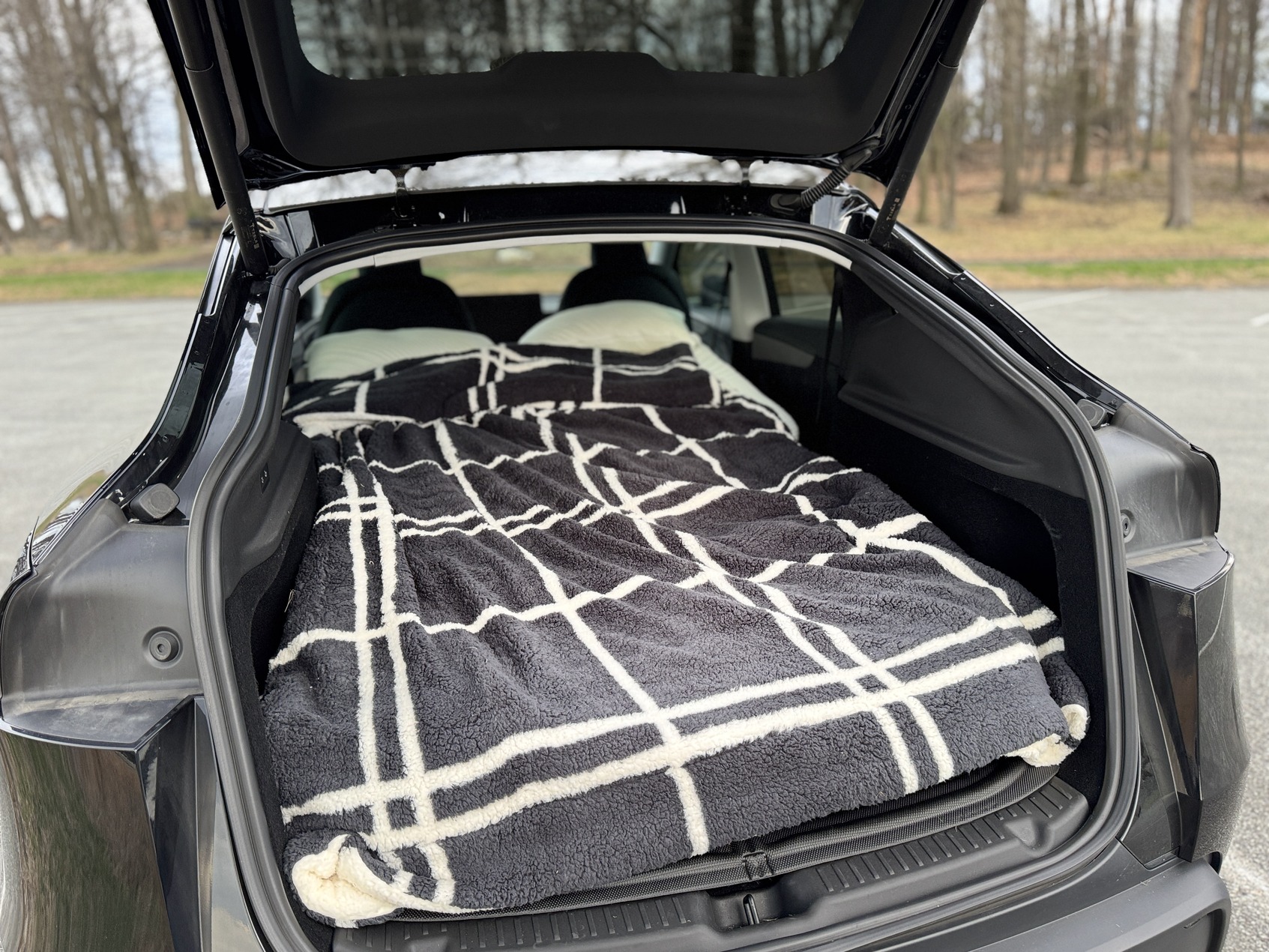
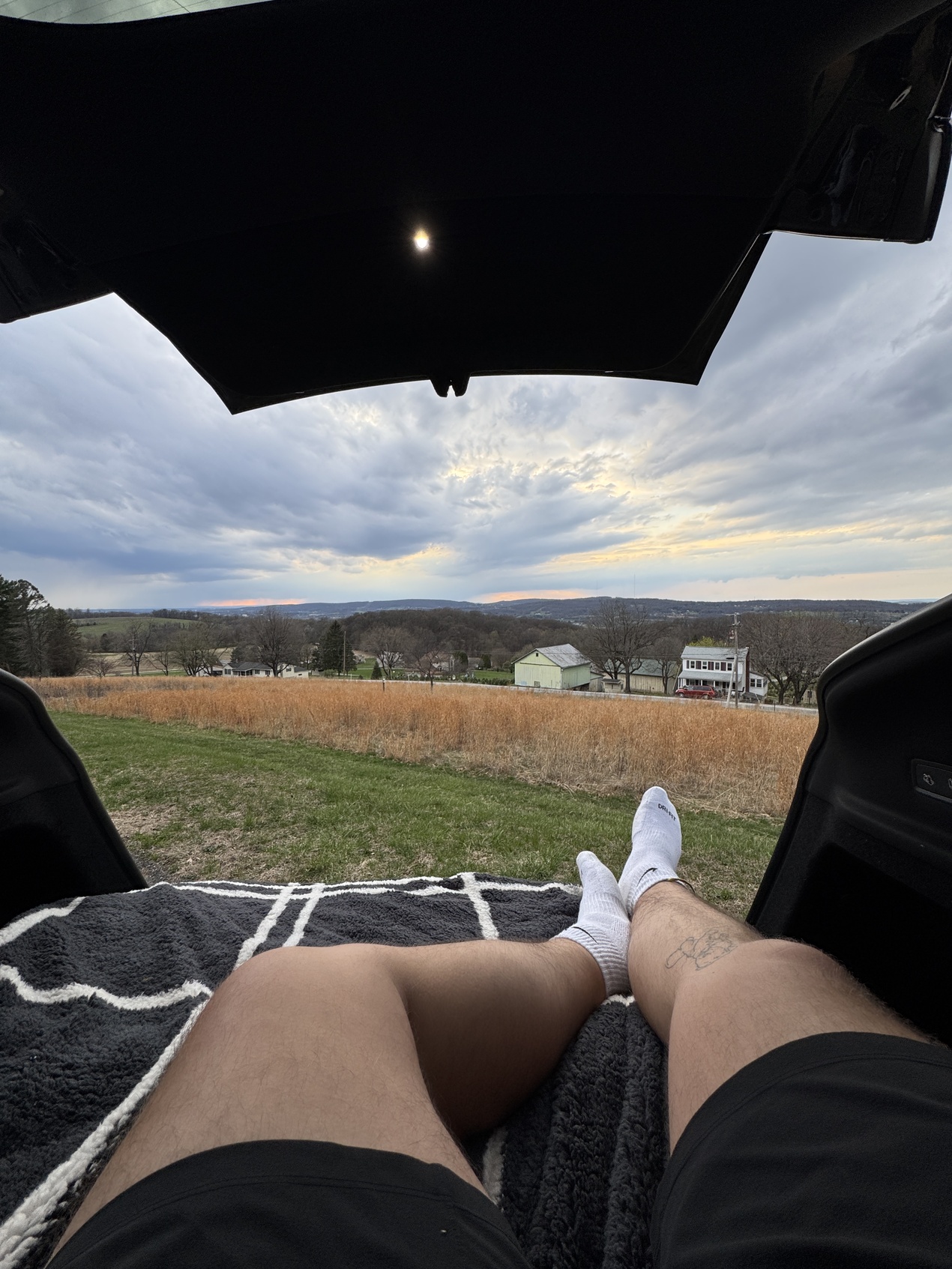
It’s one of the many things about this car that I really love.
Things About My Tesla Model Y I Do Not Love
Winter Range
There’s no getting around the fact that owning this car without a faster charging option at home in the winter is truly frustrating. I was charging much more frequently in January and February than in any other month.
I took a 40-mile round-trip drive to grab some hot wings with friends in January. It took about 105 miles of range.
The cold weather was truly a frustrating time to own an EV, and my problems would have been solved with a Level 2 charger at home. Even still, the drives that were a few hours long were going to be fit with 10-15 minute stops to grab some range at a Supercharger.
Navigation
I really think that Tesla could have the best navigation out there. They always talk about licensing FSD, but if they were to license their Navigation software, I think it could overtake Apple Maps, Waze, and others. With a weather radar, live traffic updates, satellite imagery, and more, the Navigation system is truly the best around.
I’m just going to say it and I know I’ll get some hate for it, but v14.2.2.5 is the worst FSD release since v14.
Constantly in the wrong lane, a lot of weird maneuvers, so many additional nav errors, routing, speed control, parking, and that’s just to name a few.v14.3 cannot…
— TESLARATI (@Teslarati) March 30, 2026
However, the Navigation itself, meaning the routing, is absolutely abysmal. It doesn’t learn from mistakes, it doesn’t learn more ideal routing, and it doesn’t seem to improve at any point. It still tries to leave my neighborhood by turning left out of a right-turn-only exit. It routinely takes some of the most head-scratching routes to local destinations.
Consistently using the FSD disengage feature to report the problems to Tesla’s AI Team doesn’t seem to yield much of a result. It would be great if there were a “Learn” mode so that it could be less on Tesla to refine things, and the car would just learn automatically.
Cup Holders
This is a really trivial and nitpicky point of criticism, but boy, do these cupholders need to be larger. Many of my reusable water bottles do not fit in them, so I had to grab a $25 cup holder “adapter” from Amazon. It obstructs the center console from opening comfortably, but it is what it is. It fits standard cups, soft drink containers from fast food restaurants, and bottles of water, at least for the most part.
It would be nice if Tesla could think about something for the next Model Y refresh here, although I may be the only one to really complain about them.
Final Thoughts
I pay about $25 more a month than I did for my Bronco Sport for my Tesla. It was a no-brainer to switch. Like any car, it isn’t perfect, but my Tesla has more things right than any other car I’ve owned, and that makes it truly incredible.
Sometimes I am still baffled that this is my car. It feels crazy to drive something that is so far ahead of any other car I’ve driven. Three of my friends own Teslas now, all of us bought them at the same time last year, and all four of us don’t know if we’d ever consider going back.
🚨 Tesla Model Y 6 Month Ownership Review:
What I Love:
✅ Driving Experience
✅ Simplicity
✅ FSD
✅ Constant Improvement via OTA UpdatesWhat I Don’t Love:
🛑 Range in the Winter
🛑 When people who don’t pay my car payment tell me I shouldn’t own a Tesla pic.twitter.com/0zuI04iQMX— TESLARATI (@Teslarati) April 3, 2026

Tesla Full Self-Driving v14.3: First Impressions

Tesla Full Self-Driving v14.3 rolls out: here’s what’s new


