Energy
Tesla Model S, X has no plans to use 2170 battery cells, says Musk

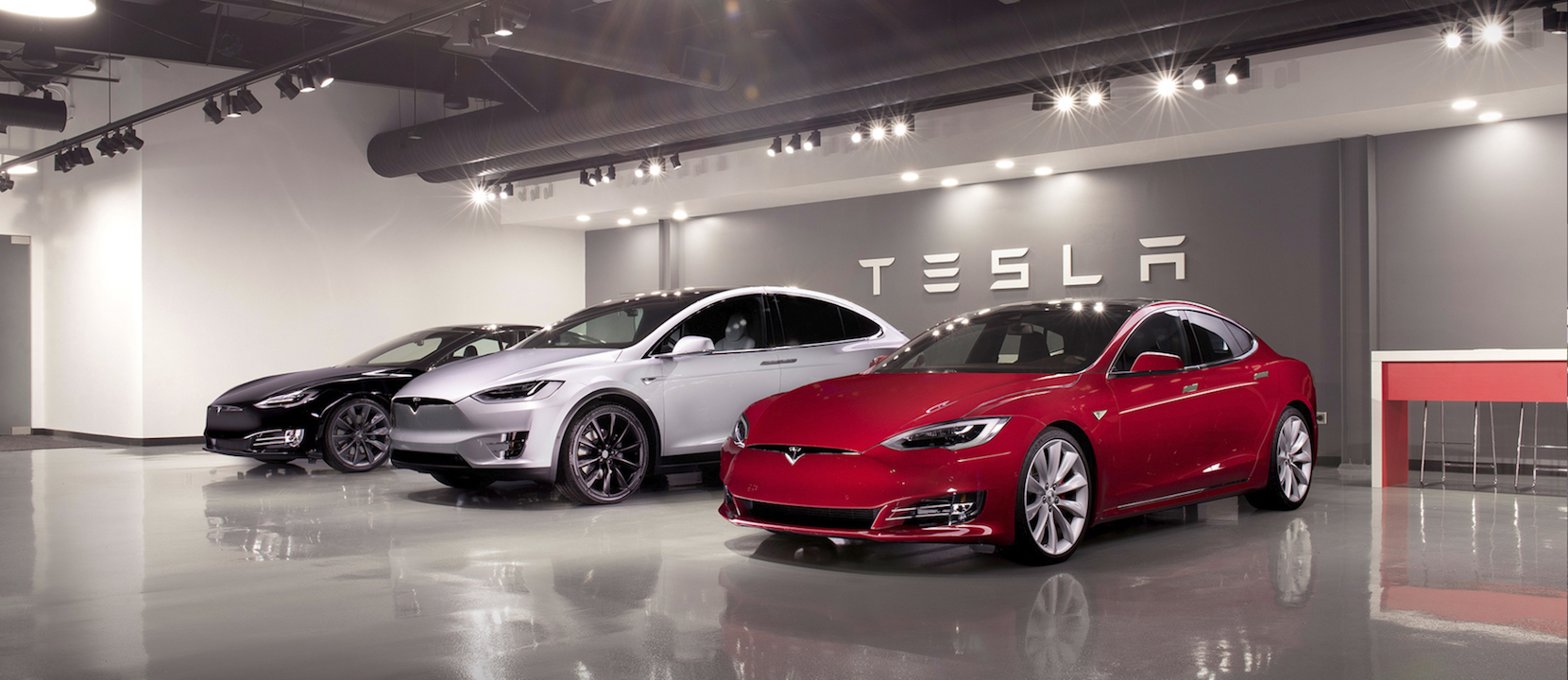
Tesla CEO Elon Musk confirmed today with a tweet that Tesla has no plans to use its new 2170 lithium ion cell in the Model S and X.
The news flies in the face of past assumptions that Tesla would convert all of its vehicles to the new cells being produced at Gigafactory 1 in Nevada. The new 2170 cells were designed from the ground up to be the optimal size and energy density for electric vehicles, balancing energy storage with external surface area to allow for sufficient cooling.
No plans to change cell form factor for X and S
— Elon Musk (@elonmusk) June 19, 2017
Tesla has exclusively used the commodity 18650 lithium ion cells in its vehicles to date through its partnership with Panasonic. From its learnings with 18650, Tesla developed the 2170 cell as the new base unit for the Tesla Model 3, Powerwall 2 and Powerpack 2 products.
The news brings into question the source of the 18650 form factor. Will Tesla produce new 18650 cells with revised cell chemistry at the Gigafactory in conjunction with Panasonic? The Gigafactory was designed and built to leverage scaled production to drive the cost of lithium ion cells down to levels that would make electric vehicles affordable for more buyers around the world. With more lithium ion production capacity than the rest of the world combined, it will be able to produce them at a lower cost than any other supplier.
Why maintain two battery standards? Tesla has partnered with Panasonic for its batteries since the beginning, and as such has existing contracts with the company that may come into play with the decision.
The answer is likely much simpler than battery sourcing or supply chains. With the production lines for Model S and X well established at the Fremont factory and the factory already bursting at the seams just to accommodate Model 3 production, it is likely that Tesla is simply out of space at the Fremont factory. Reworking the factory to accommodate a different battery specification would add value in the long term in supply chain simplification, but is likely too much headache for too little return for the time being.
It is likely that Tesla will convert to a single battery cell for all of its products in the future, but for now it will simply have to wait. As dad used to say, don’t fix it if it’s not broken.



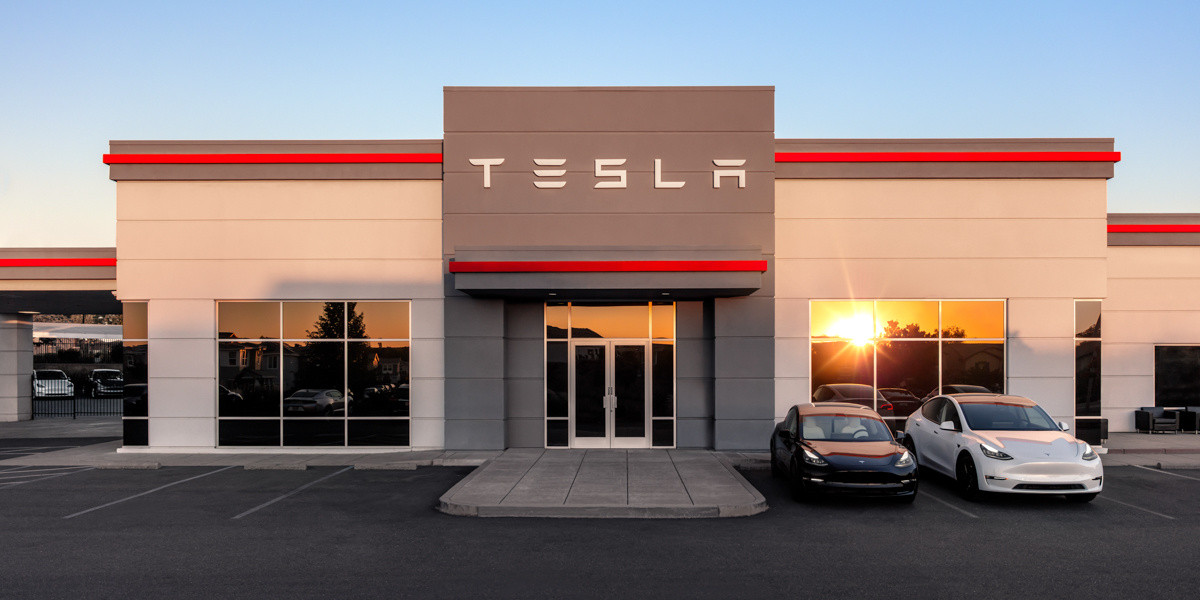
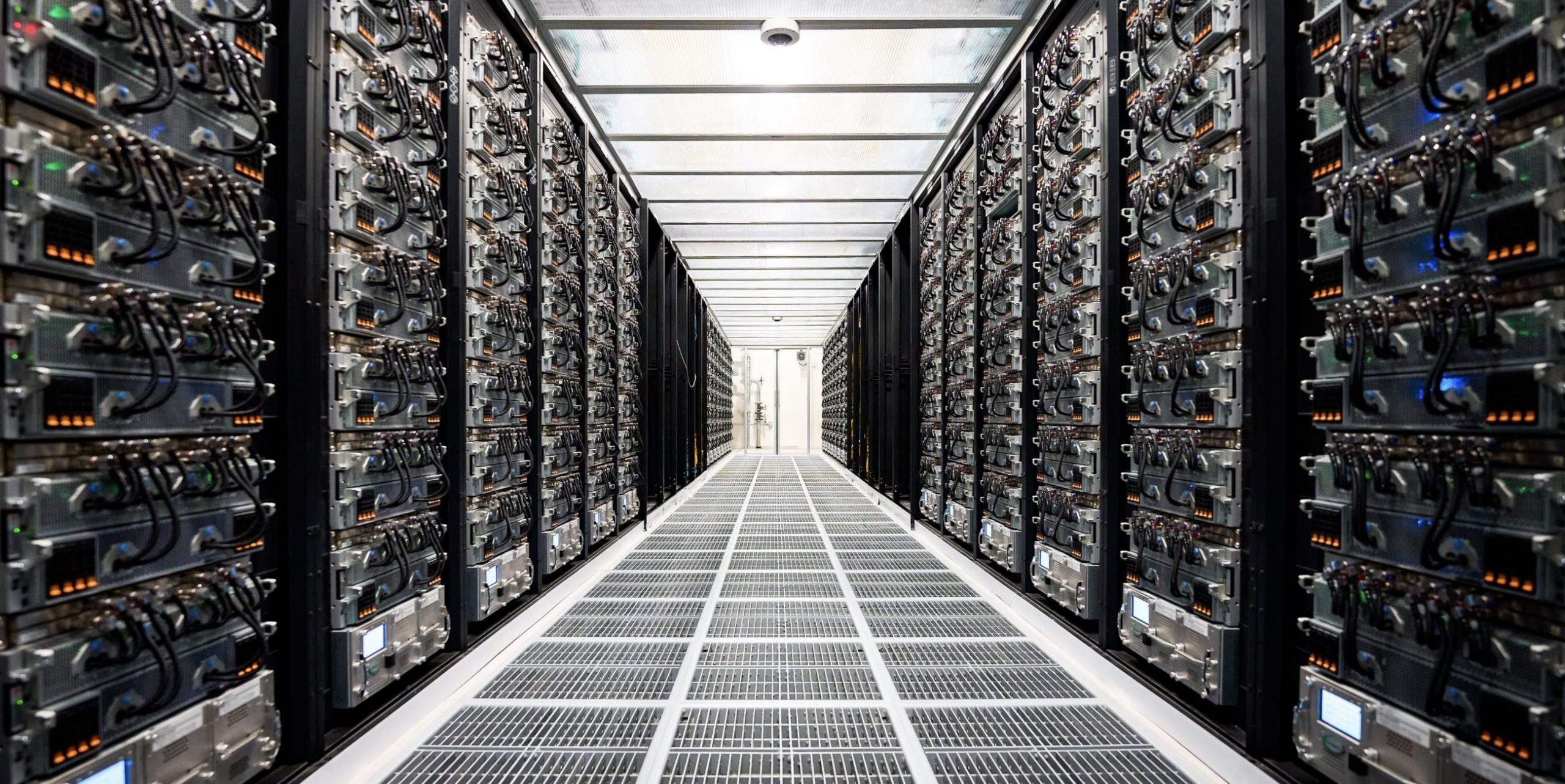
Tesla just trademarked ‘MEGAPOD’ with the United States Patent and Trademark Office (USPTO), its latest move in what seems to be a hint that the company is incredibly focused on its AI efforts and storage needs as compute increases.
The application carries serial number 99893717 and lists the applicant as Tesla, Inc., located at 1 Tesla Road, Austin, Texas 78725.
The filing remains in ‘live pending’ status, and it is a new application waiting for assignment to an examining attorney. It has not yet been published or registered.
Tesla just trademarked MEGAPOD
Summary:
“Modular data center hardware systems for artificial intelligence computing, comprised of computer servers, computer hardware for artificial intelligence processing, computer networking hardware, electrical power distribution units, and… pic.twitter.com/3l85DsKadl— Robin (@xdNiBoR) June 19, 2026
According to the official goods and services description in the application, Tesla describes ‘MEGAPOD’ as:
“Modular data center hardware systems for artificial intelligence computing, comprised of computer servers, computer hardware for artificial intelligence processing, computer networking hardware, electrical power distribution units, and cooling systems, sold as a unit; self-contained modular computing hardware systems for artificial intelligence workloads; integrated computer hardware platforms for artificial intelligence computing, namely, enclosures containing computer hardware, power distribution hardware, and cooling hardware, sold as a unit; downloadable software for monitoring, managing, optimizing, and regulating modular artificial intelligence computing hardware systems.”
This description specifies complete, self-contained modular units that integrate servers and specialized AI processing hardware with networking components, power distribution, and cooling systems. It also includes associated downloadable software for oversight and optimization of these systems. The language emphasizes hardware sold “as a unit” and enclosures that combine the necessary elements for AI computing workloads.
Tesla has an established history of developing and commercializing modular hardware systems. Its Megapack product line, for example, consists of utility-scale battery energy storage systems designed as containerized units for grid applications. The MEGAPOD filing follows a similar pattern of protecting a name for modular, integrated hardware platforms, this time focused on artificial intelligence computing infrastructure.
This could be an early move, especially as Tesla did not have trademark rights to the word ‘Cybercab,’ the name of its self-driving, ride-hailing-focused vehicle.
Trademark applications of this type allow companies to secure priority rights to a name for defined categories of goods and services. The USPTO examines applications for compliance with legal requirements, including distinctiveness and absence of conflicts with prior marks. If the application proceeds successfully through examination, publication, and any opposition period, it could result in a federal trademark registration providing nationwide protection. This is what Tesla’s obvious intention is with ‘MEGAPOD.’
Public reports and analysis suggest MEGAPOD could represent modular, container-style AI computing pods designed for easy deployment. These would bundle servers, AI accelerators, power systems, and cooling into self-contained units suitable for distributed AI workloads. This approach aligns with Tesla’s announced AI compute strategy.
In March 2026, Elon Musk outlined plans for “Digital Optimus” (also referred to as Macrohard), a joint Tesla-xAI project for AI agents capable of handling complex digital tasks. The plans include running these agents on Tesla’s AI4 hardware in parked vehicles as well as dedicated compute units installed at Supercharger stations, which collectively offer substantial unused electrical capacity.
What is Digital Optimus? The new Tesla and xAI project explained
A modular hardware platform like the one described in the ‘MEGAPOD’ filing would support scalable, rapid deployment of such distributed compute resources. It could complement Tesla’s other AI infrastructure efforts, including the Dojo supercomputer used for training models and the development of AI systems for autonomous driving and robotics, by enabling edge or regional AI inference without reliance on traditional centralized data centers.
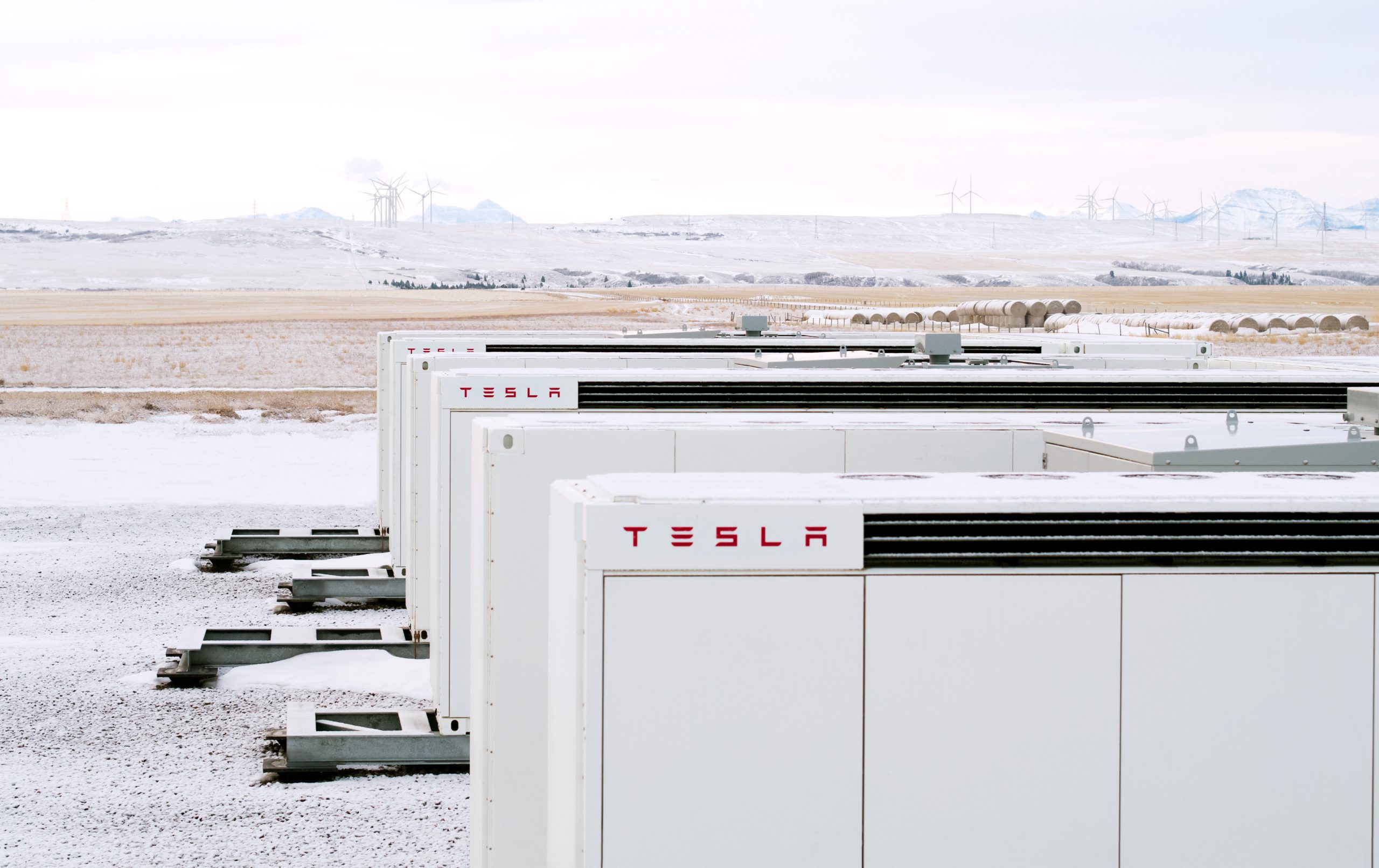
In a notable intersection of Big Tech powerhouses, Meta, led by Mark Zuckerberg, has partnered with Canadian energy infrastructure giant Enbridge on a significant renewable energy initiative that will rely on battery technology from Elon Musk’s Tesla.
The project, which was announced this week, marks another step in Meta’s aggressive push to power its expanding data center operations with clean energy, dispelling many of the complaints people have about them.
This new development is located near Cheyenne, Wyoming, and will feature a 365-megawatt (MW) solar farm paired with a 200 MW/1,600 megawatt-hour (MWh) battery energy storage system, also known as BESS. Tesla is providing the batteries for the project, valued at roughly $200 million.
The story was originally reported by Utility Dive.
This Wyoming project represents the first phase of Enbridge and Meta’s joint “Cowboy Project.” Once operational, it will deliver power to Meta’s regional data centers through Cheyenne Light, Fuel, and Power under Wyoming’s Large Power Contract Service tariff.
This tariff, originally developed in collaboration with Microsoft and Black Hills Energy, is designed specifically for large loads like data centers. It ensures that the renewable supply serves hyperscale customers without impacting retail electricity rates for other users.
The battery system will operate under a long-term tolling agreement, providing dispatchable capacity that enhances grid reliability. During periods of high demand, the utility can access the backup generation, addressing one of the key challenges of integrating large-scale renewables with the explosive growth of data center electricity demand driven by artificial intelligence.
This latest collaboration builds on prior joint efforts between Enbridge and Meta in Texas, including the 600 MW Clear Fork Solar, 152 MW Easter Wind, and 300 MW Cone Wind projects. Together with the Wyoming initiative, the companies have now partnered on roughly 1.6 gigawatts (GW) of combined solar, wind, and storage capacity.
The deal highlights the intensifying demand for reliable, low-carbon power from technology giants. Meta has committed to supporting its data center growth with renewable energy, joining peers like Microsoft and Google in seeking large-scale solutions. Enbridge’s Allen Capps described the project as “one of the larger utility-scale battery installations supporting U.S. data center operations and growth.”
The involvement of Tesla’s battery technology adds an intriguing layer, linking two of the world’s most prominent tech leaders—Zuckerberg and Musk—in the clean energy transition.
As data centers continue to drive unprecedented electricity load growth across the United States, projects like this one illustrate how hyperscalers are turning to strategic partnerships with traditional energy players and innovative storage solutions to meet both sustainability goals and reliability needs.
Elon Musk
Why SpaceX just made a $60 billion bet on AI coding ahead of historic IPO
SpaceX has secured an option to acquire Cursor AI for $60 billion ahead of its historic IPO.

SpaceX announced today it has struck a deal with AI coding startup Cursor, securing the option to acquire the company outright for $60 billion later this year, while committing $10 billion for joint development work in the interim. The announcement described the partnership as building “the world’s best coding and knowledge work AI,” and comes just days after Cursor was separately reported to be raising $2 billion at a valuation above $50 billion.
The move makes strategic sense given where each company currently stands. Cursor currently pays retail prices to Anthropic and OpenAI to the same companies competing directly against it with Claude Code and Codex. That means every dollar of revenue Cursor earns partially funds its own competition. With SpaceX bringing computational infrastructure to the Cursor platform, that could reduce Cursor’s dependence on OpenAI and Anthropic’s Claude AI as its providers. Access to SpaceX’s Colossus supercomputer, with compute equivalent to one million Nvidia H100 chips, gives Cursor the infrastructure to run and train its own models at a scale it could never afford independently. That one change restructures the entire unit economics of the business.
Elon Musk teases crazy outlook for xAI against its competitors
Cursor’s $2 billion in annualized revenue and enterprise reach across more than half of Fortune 500 companies gives SpaceX something its xAI subsidiary currently lacks, which is a proven, fast-growing software business with real enterprise distribution.
For Cursor, SpaceX’s $10 billion in joint development funding is transformational. Cursor raised $3.3 billion across all of 2025 to reach that $2 billion in revenue. A single $10 billion commitment from SpaceX, even as a development payment rather than an acquisition, dwarfs everything Cursor has raised in its entire existence. That capital accelerates product development, enterprise sales infrastructure, and proprietary model training simultaneously.
The timing is deliberate. SpaceX filed confidentially with the SEC on April 1, 2026, targeting a June listing at a $1.75 trillion valuation, in what would be the largest public offering in history. The company is expected to begin its roadshow the week of June 8, with Bank of America, Goldman Sachs, JPMorgan, and Morgan Stanley serving as underwriters. Adding Cursor to the portfolio before that roadshow gives IPO investors a concrete enterprise software revenue story to price in, alongside rockets and satellite internet.
The deal also addresses a weakness that became visible after February’s xAI merger. Several xAI co-founders departed following that acquisition, and SpaceX had already hired two Cursor engineers, signaling where its AI talent strategy was heading. Cursor, for its part, faces a pricing disadvantage competing against Anthropic’s Claude Code.
Whether SpaceX exercises the full acquisition option before its IPO or after remains the open question. Either way, this deal reshapes what investors will be buying into when SpaceX goes public.

Tesla Q2 delivery consensus confirms this long-standing theory

Tesla looks keen to bring larger Model Y L to the U.S.


