Investor's Corner
Tesla inks new battery supply deal with Panasonic ahead of Battery Day

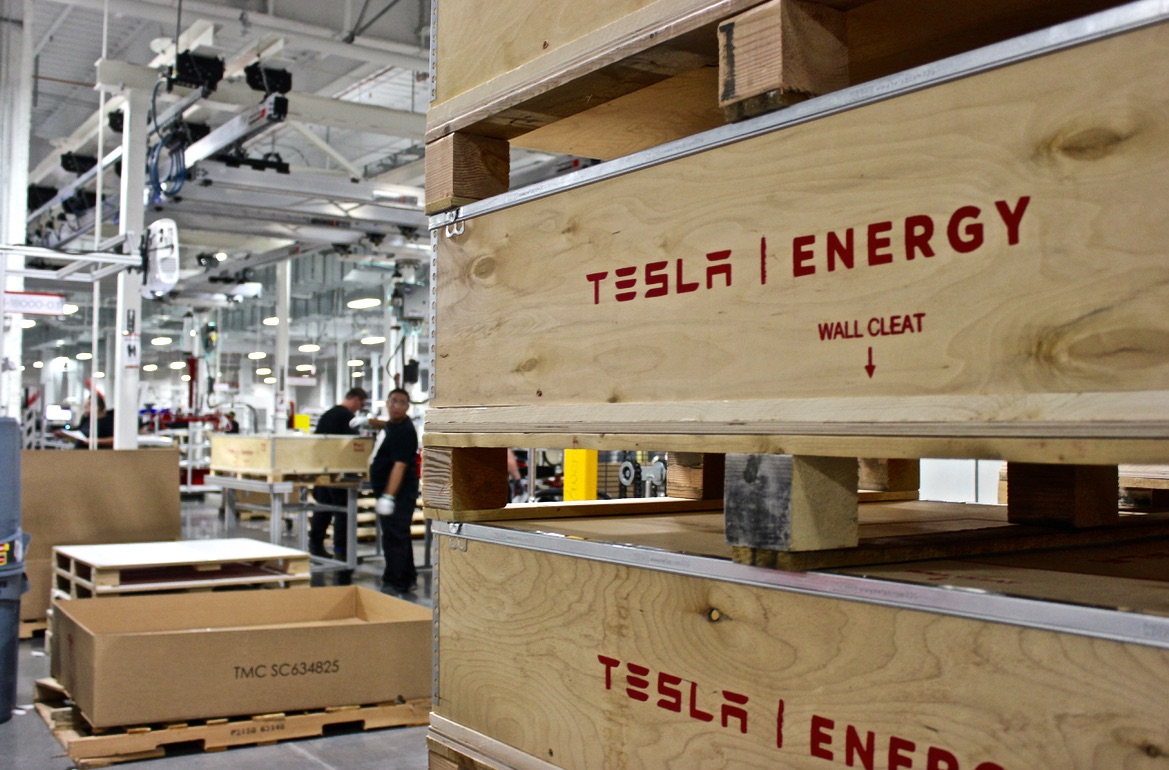
Tesla has entered into a new battery supply deal with Panasonic.
According to an SEC filing from June 16, the two companies have amended the general terms and conditions between Tesla and Panasonic, originally outlined in their agreements from October 1, 2014.
A new three-year agreement calls for Panasonic’s supply of 2170 lithium-ion battery cells to Gigafactory 1 in Sparks, Nevada, where the two companies hold joint operations. Panasonic has agreed to production capacity commitments under the stipulation that Tesla meets purchase volume commitments over the first two years of the agreement.
Also of note in the FORM 8-K filing is the mention of a new pricing agreement between Tesla and Panasonic.
“Tesla and Panasonic also entered into the 2020 Pricing Agreement (Gigafactory 2170 Cells) (the “Agreement”), effective as of April 1, 2020 until March 31, 2023, relating to the manufacture and supply by Panasonic of lithium-ion battery cells at Gigafactory Nevada.”
In May, Tesla and Panasonic entered discussions to begin expanding the battery and powertrain production facility in Nevada. Due to the increased demand for Tesla’s electric vehicles, the two companies saw an advantage in expanding the plant. Both parties were also hinted toward the possibility of developing new battery cells, “possibly with higher capacity,” Reuters reported.
The announcement of the partnership comes before Tesla’s Battery Day, which was initially scheduled for April 2020. However, the COVID-19 pandemic postponed the event, and it has currently not been rescheduled. CEO Elon Musk stated that Tesla was considering a hybrid event that would be half-webcam and half-physical event, but the company opted against the option.
Even though Tesla has not determined a new date for its Battery Day event, the company has continued to make strides toward developing its batteries. Tesla has openly been working toward a million-mile battery for its electric vehicles. The cell assembly would also be useful for its energy products and is estimated to have a twenty-year lifespan. The company is also working toward creating cathode chemistries that are free of or contain less cobalt than previous cell makeups.
Ultimately, the company’s goal is to end a shortage of batteries and begin a massive production phase of lithium-ion cells that will keep up with the increasing demand for Tesla’s electric cars. After Elon Musk announced last week that it would bring its highly-anticipated Semi to “volume production,” it is evident that Tesla’s cell shortage is coming to a close, and the company is on the brink of price parity with gas cars.


Investor's Corner
Tesla gets its latest short from Michael Burry: ‘Happy it jumped back to this level’
Tesla short seller Michael Burry, the subject of the film “The Big Short,” where he was portrayed by Steve Carell, has revealed he has opened a new bet against the stock.
In a new update to his Substack newsletter in a post titled “Trading Post June 30, 2026,” Burry revealed a new set of bets against Tesla, Caterpillar, NVIDIA, Applied Materials Inc., and the iShares Semiconductor ETF.
In regard to Tesla, Burry wrote:
“And finally I shorted Tesla at 416.22. Happy it jumped back to this level.”
This means Burry likely opened his new short position after the company’s recent rally on Wall Street, which saw Tesla shares sink in mid-May, only to recover to well over the $400 mark. Currently, shares trade at around $427.
The company saw a big Tuesday as shares climbed considerably, over 10 percent. The size of the Tesla short was not provided, nor did Burry give any information on the position’s structure, the number of shares, dollar value, or whether options were used in the short.
The Tesla and SpaceX merger everyone is talking about is quietly building
Over the years, Burry has been one of the more vocal critics of Tesla, calling its share price “media inflated,” and saying it was “ridiculously overvalued” as recently as December.
The company has largely transitioned away from being known as an automotive company and instead is much more widely regarded as an AI play, mostly due to its Full Self-Driving efforts, Optimus robot development, and data collection related to both.
This has not pulled those skeptics away from being vocal about their distaste for how Tesla is valued, but there’s no denying that the company is a global force in many things, including sustainable energy, automotive, and AI.
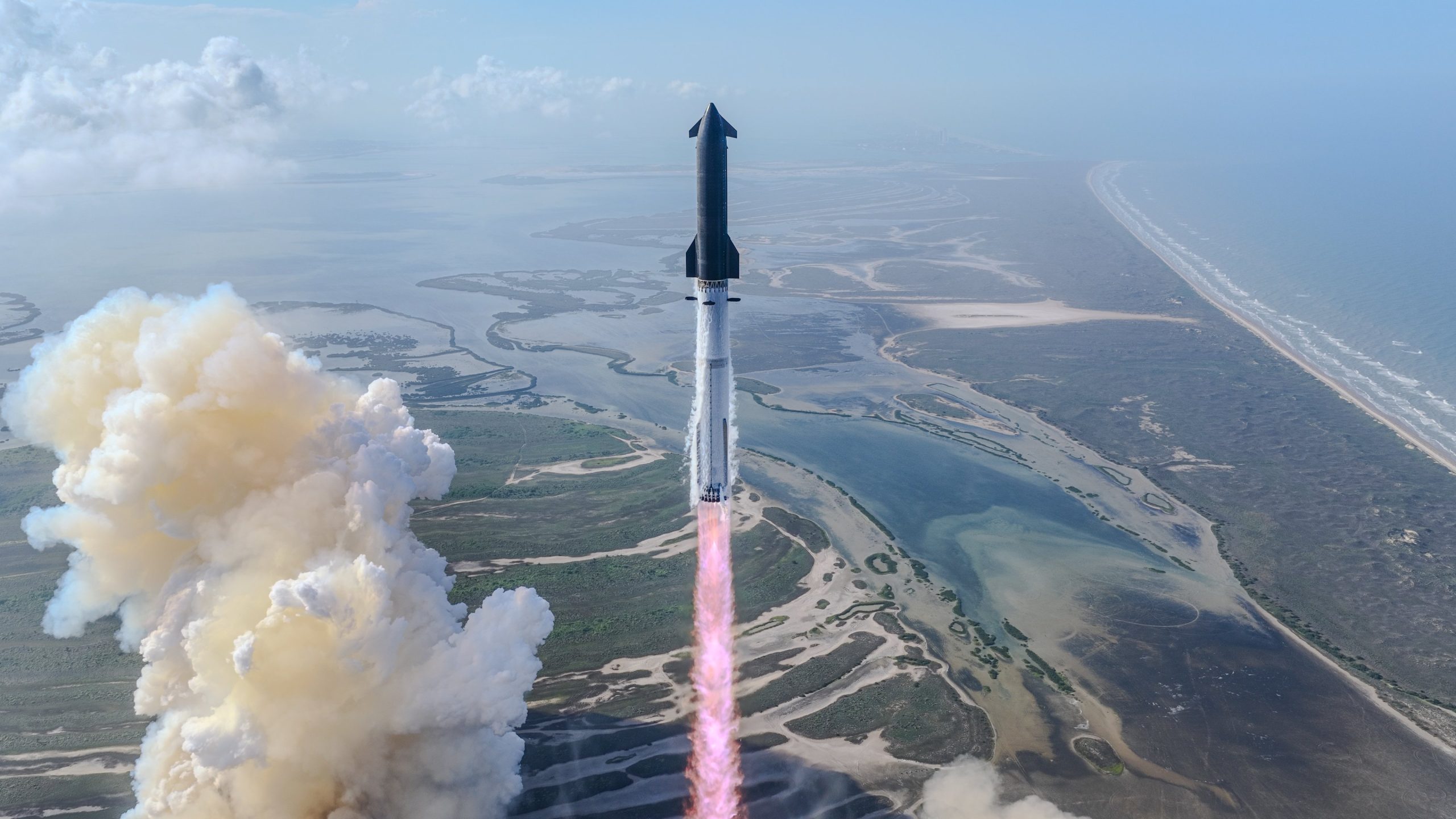
Wedbush Securities is initiating stock coverage on SpaceX (NASDAQ: SPCX), marking the first comments on the company since it went public several weeks ago. Wedbush and its analyst handling coverage, Dan Ives, are widely bullish on fellow Musk company Tesla (NASDAQ: TSLA).
Ives wrote his first note initiating coverage of SpaceX shares on Wednesday with a $190 price target and an ‘Outperform’ rating. The firm believes the company is well positioned off of its IPO because of its wide array of projects, including AI compute power and infrastructure, connectivity projects, and launches.
“We view SpaceX as one of the most differentiated assets within the tech market with a strong footprint across its three core markets, with Starlink driving success with connectivity,” Ives wrote, “Starship launches leading to a demand flywheel and increasing deal flow for its Colossus clusters.”
Elon Musk called it Epic: The full story of SpaceX’s Starship Flight 12
Wedbush leans heavily on Starlink, which they say is the “profitability driver given the strength of its recurring revenue base of ~12 million subscribers as of June 5th.” Ives believes Starlink is still in the “early innings” of penetrating the global telecommunications and broadband market, as it only holds less than a 1 percent share. However, this number is sure to increase over time.
It also highlights the importance of Starship, which it says is an “essential layer” of SpaceX’s overall success. SpaceX developing and displaying the ability to reuse rockets is a major cost and reliability advantage “as it reduces the necessary hardware launch costs while generating a feedback loop for future flights to improve their launch flight rate without accelerating capex spend.”
Finally, SpaceX’s recent AI/Compute projects are also very elementary, Ives writes. It is worth mentioning Wedbush said its $190 price target is derived from a valuation forecast that sees the company yielding roughly $2.48 trillion of implied enterprise value.
There are also some factors that Wedbush did not take into account with its initial coverage. The firm wrote in the note:
“We note that there is optional value coming from Starship’s accelerating scale towards sub-$200/kg unit economics, orbital data centers, and enterprise AI monetization as these factors could drive meaningful upside but these face major hurdles, so we do not take that into account with our valuation.”
SpaceX shares are down just over 2 percent today, trading at around $167 at the time of publication.
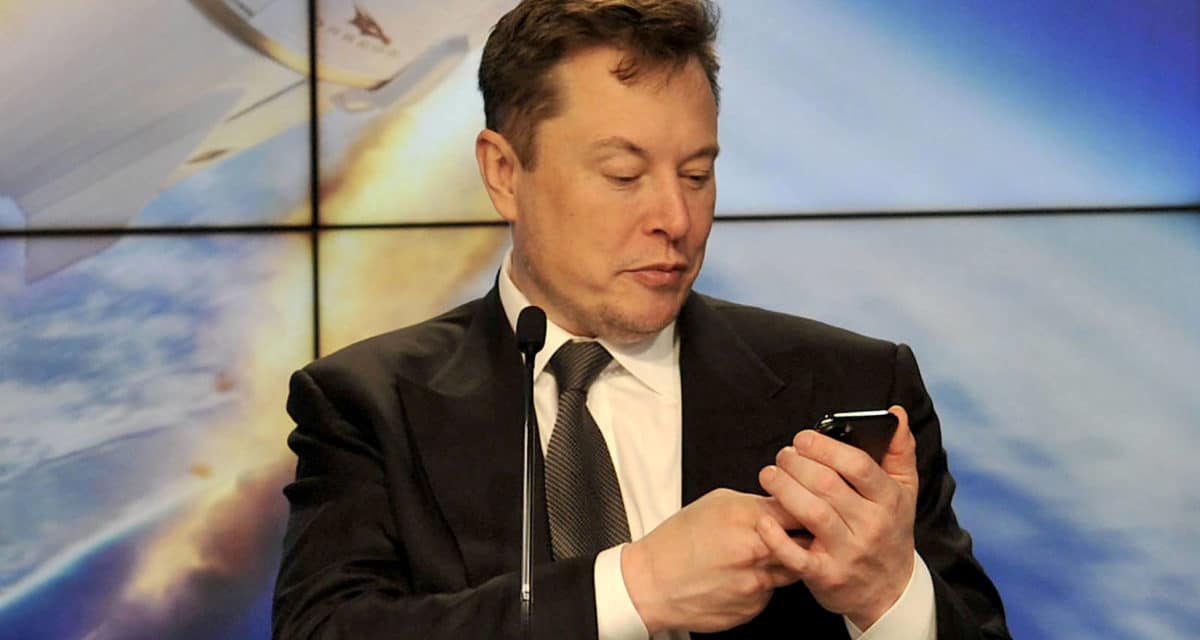
For years, there have been images and videos across social media platforms that have reminded me of when I was a 15-year-old kid teased by “Xbox 720” videos on YouTube. These videos are of the supposed “Tesla Phone” that Elon Musk was secretly developing in between leading Tesla with its electric cars and SpaceX with its reusable rockets.
Would you buy a Tesla phone ? pic.twitter.com/aaTwvvIJit
— Tesla Owners Silicon Valley (@teslaownersSV) October 6, 2023
Although Musk has put those rumors to bed several times, it was never completely out of the realm that he could get involved in cell phones in some capacity. Think outside the box and more macro-level, though. Instead of reinventing the computer, Musk reinvented connectivity by developing Starlink with SpaceX.
It could be something similar, TD Cowen analyst Gregory Williams said in a note last week, where he hinted SpaceX could be gathering some steam to acquire T-Mobile.
Williams said it would be the “clear choice” for SpaceX if it decided to go through with a network acquisition. He also suggested AT&T.
The move would be possible through selling more of its own stock, which would help SpaceX raise the money to purchase T-Mobile, which would cost roughly $300 billion. It could be one of the moves SpaceX makes post-IPO in terms of an acquisition: it already acquired Cursor AI for $60 billion.
Other analysts, like Dan Ives of Wedbush, believe SpaceX and Tesla will eventually merge into one anyway, and that conglomeration could come as soon as this year, some have said.
The implications of SpaceX purchasing T-Mobile are massive. A combined entity would create a truly ubiquitous network: T-Mobile’s terrestrial 5G towers and Starlink’s growing constellation of Direct-to-Cell satellites. This would essentially eliminate dead zones across the U.S. and potentially globally.
SpaceX would instantly become a full-scale facilities-based carrier with satellite differentiation; a huge advantage. This would pressure AT&T and Verizon heavily.
There are also concerns like a potential reduction in long-term competition, and of course, a deal of that size would face intense scrutiny from government agencies.
The strategic fit is compelling due to the existing Starlink–T-Mobile partnership and complementary technologies (space + terrestrial). It could create a dominant integrated communications player. However, the regulatory, financial, and execution hurdles are enormous — this remains highly speculative with no indication SpaceX is actively pursuing it right now.

Tesla Optimus project fires up as Musk sees production line progress

Tesla gets its latest short from Michael Burry: ‘Happy it jumped back to this level’


