
Tesla is set to possibly receive a reduction in India’s import duties under the condition that it plans to manufacture cars in the country, government officials said.
For years, Tesla has attempted to enter India as a domestic carmaker to supply its electric vehicles to potential customers in the Indian market. Upon the request of the company’s fans, CEO Elon Musk stated in late 2020 that the company would begin making an entrance. It was just unclear how.
Tesla’s eventual emergence into India as a car manufacturer and sales entity has been a tumultuous road in 2021. At the beginning of the year, Tesla applied for and received two business licenses: one as a manufacturer and one for sales. However, despite receiving permission to build and sell Tesla’s popular electric cars in India, Musk was not convinced that the automaker would be successful to the point that would warrant the company to build a new manufacturing facility in India. As a result, Musk stated that he would be more comfortable testing the waters of demand by importing the company’s four all-electric models to India. If things went well, a Gigafactory would be built.
Tesla factory in Tilburg, Netherlands. (Credit: Tesla)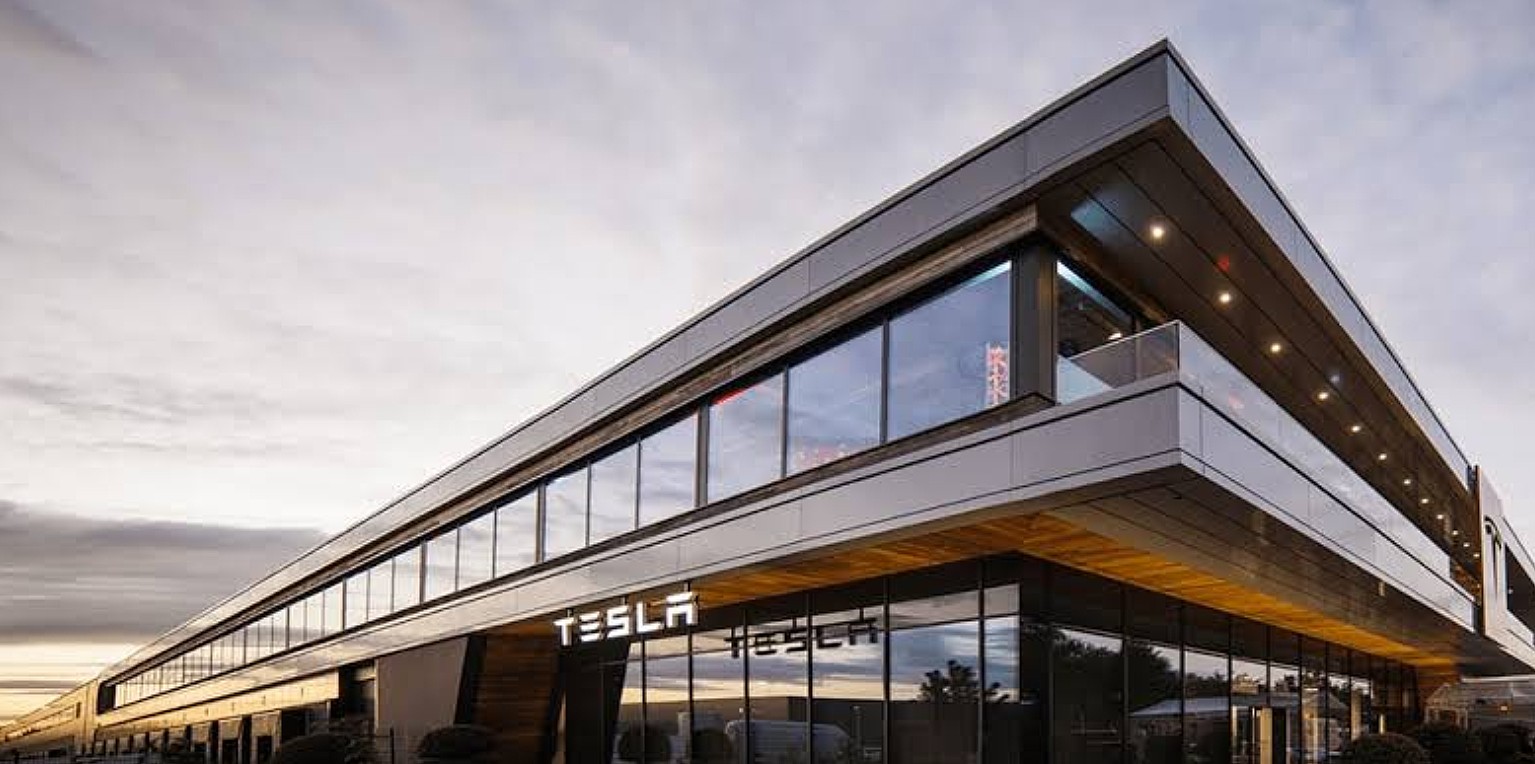
This brought Tesla’s executives to request import duty reductions for Tesla and other EV manufacturers in mid-July. The request cited a more appropriate import duty rate of forty percent, more reasonable than the sixty percent tax that applies to cars under $40,000 and the one hundred percent penalty applied to cars over that threshold. The request didn’t appeal to country politicians, who have held their priorities on local, domestic manufacturing. Foreign companies would have to pay to play in India, including Tesla.
Indian officials said:
“The government has made its stance against company-specific incentives clear. This also applies for one particular company requesting industrywide changes to existing policy. Over the past four years, multiple demands were made by a large US-based firm to open up the market at lower import duties as well. Now, they locally produce in India and are ramping up capacity.”
Now, high-ranking Indian government officials are reconsidering Tesla’s request, stating that the country could lower import duties if Tesla commits to manufacturing vehicles in a facility that it will build in India.
“We will be open to consider, especially if they will set up a manufacturing place here,” an official told India Today.
The official added that this would not apply to Tesla specifically but to any foreign EV company that wanted to receive reduced import duties on its vehicles.
Don’t hesitate to contact us with tips! Email us at tips@teslarati.com, or you can email me directly at joey@teslarati.com.


Lifestyle
Tesla wins over Netflix’s Selling Sunset star, who’s now ditching his Bentley
Selling Sunset’s Jason Oppenheim swapped his Bentley for a Tesla and promised ten for employees.

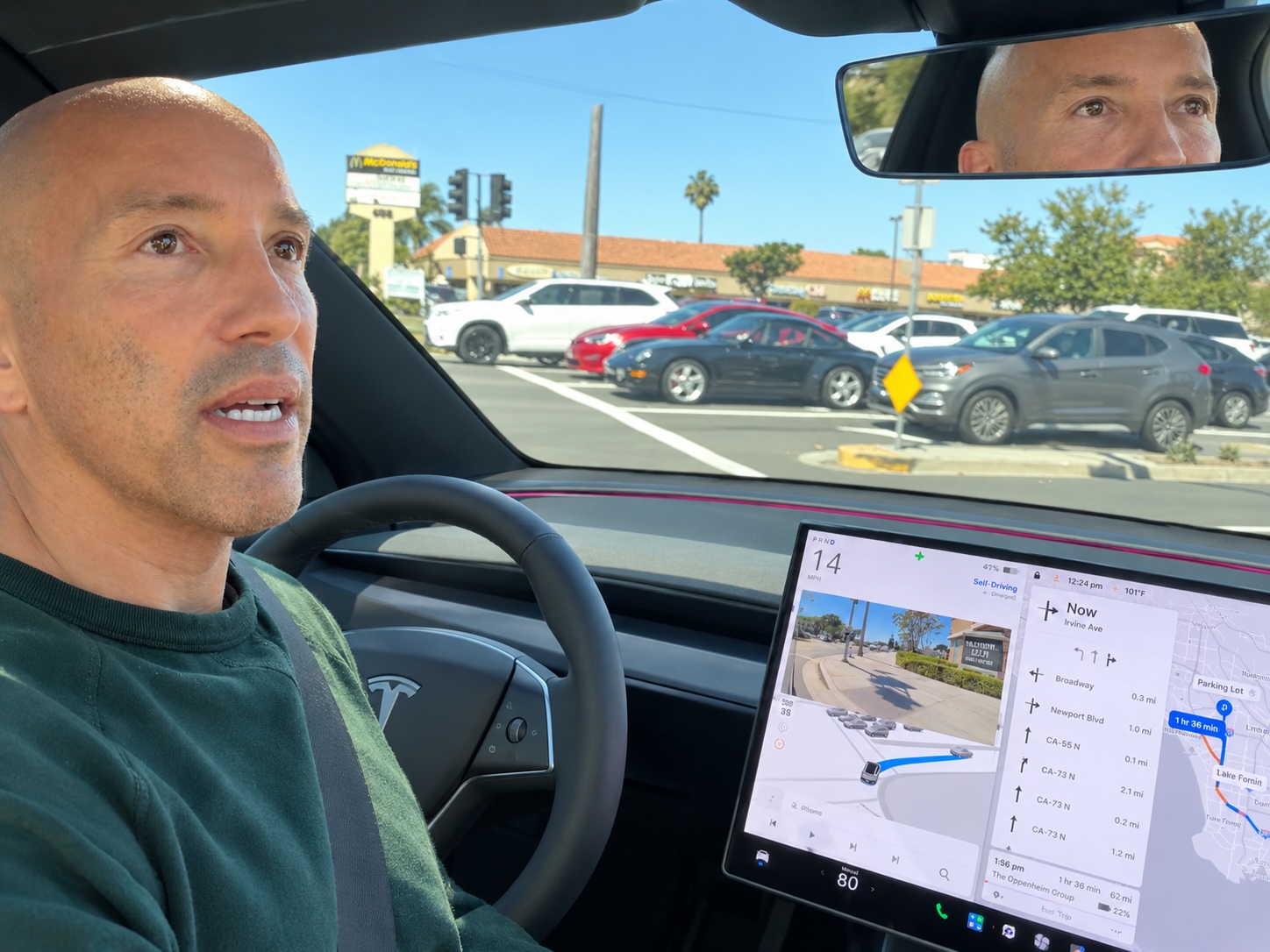
Jason Oppenheim, the luxury real estate broker best known as the star of Netflix’s Selling Sunset, has parked his Bentley for good and moved into a Tesla Model Y, and he says Full Self-Driving (Supervised) is the reason.
Oppenheim, who founded The Oppenheim Group, the Los Angeles brokerage at the center of the show, posted a video to X on Saturday evening that he called “the most important video I’ve ever posted.” In it, he rides from Newport Beach to his firm’s Los Angeles office, a trip he put at roughly an hour and 15 minutes, while FSD handles the drive and parks the car without him touching the wheel or the accelerator. He said he handed the Bentley to his father because he no longer has any use for it.
Tesla shared the clip from its main account on X about two hours later, pulling out the quote that has since spread well beyond the Tesla community:
“[FSD Supervised] is life-changing. I was on the phone with my brother last night, and I made him buy one. He literally bought one while we were talking. I’m buying 10 of my employees a Tesla with FSD. It’s 8x safer than the average driver. There’s nothing more important than the safety of you and your loved ones.”
Oppenheim was candid about why the safety pitch landed with him. He admitted in the video that he is a distracted driver who answers emails and texts behind the wheel, and framed the employee purchases as a way to keep his team off their phones while driving. Elon Musk posted “Tesla FSD feels like magic” less than half an hour after the video went live.
The endorsement lands at a convenient moment for Tesla. The company delivered 486,532 vehicles in Q3, beating Wall Street’s estimates and marking its best quarter ever without the $7,500 federal EV tax credit.
A public service announcement. https://t.co/NYa1IpKwBX
— Jason Oppenheim (@OppenheimJason) October 4, 2026
Tesla FSD has been subscription only in the U.S. since February at $99 per month, and Tesla said in its Q2 update that active subscriptions hit 1.48 million, up 56 percent year over year, with more than 55 percent of new North American deliveries leaving with FSD attached. That attach rate is the figure Ron Baron cited last month when he told CNBC “the time to buy the stock is now.” At current pricing, Oppenheim’s 10 employee cars alone would add $990 a month, or about $11,880 a year, in FSD revenue.
Tesla AI head Ashok Elluswamy said in July that FSD had logged more than 12 billion miles while going roughly twice as far between collisions as manual driving. FSD also remains a supervised system, so Oppenheim and his employees are still required to watch the road, even as Tesla rolls out v14.3.10 with Automatic Collision Evasion, which can steer or brake on its own to avoid a frontal crash.
Elon Musk
Elon Musk follows Trump’s lead, says a SpaceX name change is coming
Elon Musk says SpaceXAI will become SpaceXSI, marking its second rebrand in under three months.
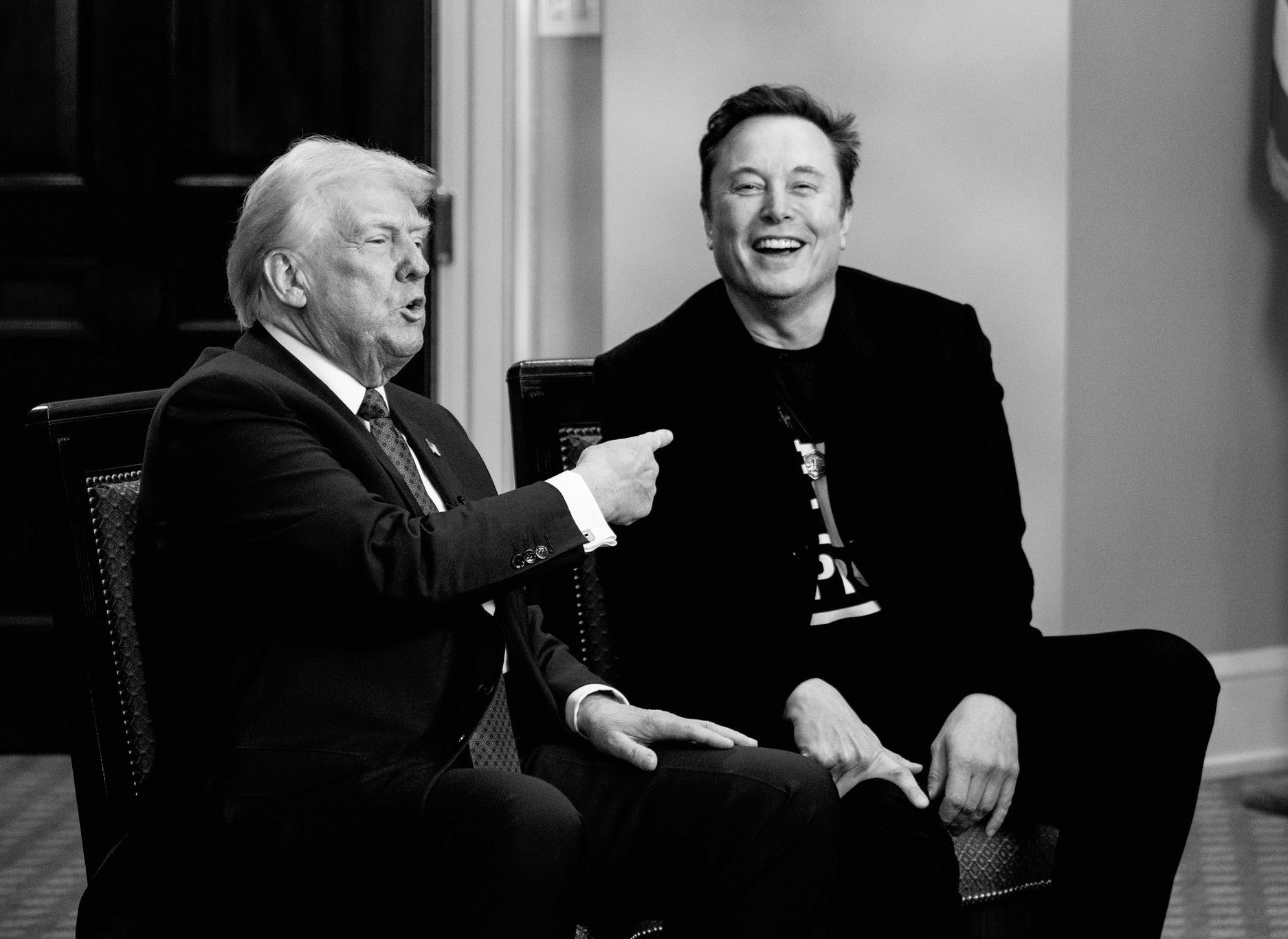
Elon Musk wants to rename his artificial intelligence company again, less than three months after its last rebrand.
In a string of posts on X early Sunday morning, Musk wrote “No more AI,” followed by “SI” and “It’s better.” He then added, “SpaceX is a super intelligence company.” When a user asked whether SpaceXAI could become SpaceXSI, Musk replied, “Yes, we will make that change.”
The posts extend a terminology push that began at the White House last week. On September 29, President Donald Trump signed an executive order directing federal agencies to replace “artificial intelligence” and “AI” with “Super Intelligence” and “SI” on government websites, policy documents and press releases. The same day, Musk sat beside Trump as the heads of the largest AI companies signed a voluntary safety accord, as Teslarati reported. Speaking to reporters afterward, Musk caught himself mid sentence: “I think it is worth highlighting the positive benefits of A.I. … S.I., pardon me.”
Elon Musk and Trump are closer than ever, and Tesla could be the big winner
SpaceXSI would be the third name for the business since February. SpaceX acquired xAI on February 2 in a deal that valued the combined company at $1.25 trillion. In May, Musk said xAI would be dissolved as a separate company, and on July 6 the division adopted the SpaceXAI name and a new logo that placed the xAI letters inside the SpaceX identity.
Musk gave no timeline. He did not say whether SpaceXSI would be a legal name change or a branding update, whether the @SpaceXAI handle on X would change, or how the shift would apply to products like Grok. The company had not issued a formal announcement as of Sunday morning.
The change would reach well beyond a chatbot. SpaceXAI now houses Grok, the X platform, the Colossus training clusters in Memphis and the coding tool Cursor, which SpaceX acquired in August. It also runs the orbital compute effort SpaceX is building around Nvidia hardware, which Musk said during the company’s first earnings call would be exclusive to Nvidia.
It’s unclear if rivals like Anthropic, OpenAI, Google, Meta and Nvidia have plans to also rename their companies or products. OpenAI CEO Sam Altman has continued to say “AI” in public, while Nvidia CEO Jensen Huang has gone partway, describing data centers as “super intelligence factories.”
The rename would also line up SpaceX’s AI branding with the federal government’s language as Musk takes on a new advisory role at the Pentagon, where he is helping lead the Project Meridian study on the future of warfare.
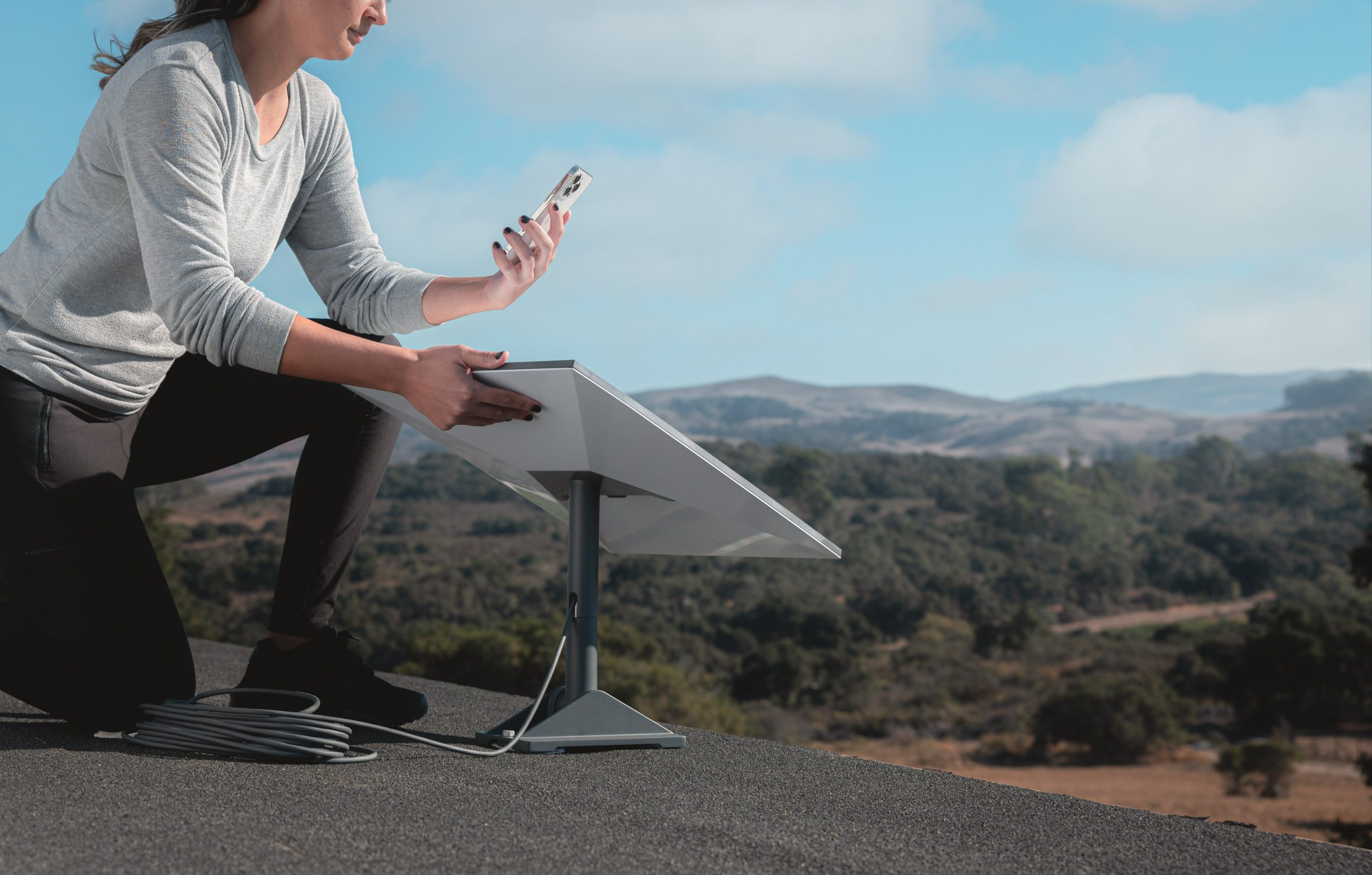
Starlink is launching a new beta path for ordinary property owners and local operators to turn a single Starlink kit into a small shared-access business for passive income.
Under the Starlink for Communities program, a host installs one dish and router setup in a location with nearby demand: an apartment complex, campground, rural crossroads, or event site. Neighbors or local users can buy short-term passes rather than full individual subscriptions, giving the Starlink provider a potential path to passive income.
Hour, day, and week passes cover one device. A month pass covers up to four. Starlink handles account creation, payments, access controls, and the satellite link itself. The host’s role is mainly placement, power, and basic upkeep, with earnings tied to each paid connection.
Big news! SpaceX is introducing a new @Starlink for Communities program that lets you earn money by providing Starlink internet to your neighbors or people nearby, who can pay for access by the hour, day, week, or month.
Neighbors pay for the access they need, while the person… pic.twitter.com/DtOUs0Ekvt
— Sawyer Merritt (@SawyerMerritt) October 1, 2026
The model echoes the passive-income vision long attached to Tesla’s Robotaxi plans, and it seems like it’s something Musk has hinted toward in the past as he believes AI will make the need to work relatively optional. In both cases, the platform owns the hard parts of matching, billing, and network management, while an individual supplies a physical asset that sits idle much of the time.
A Starlink host’s dish can serve multiple nearby users without each household buying and installing its own terminal. A Tesla owner, under the stated Robotaxi concept, would leave a vehicle enrolled in the fleet during unused hours so the car generates rides while the owner is at work or asleep.
Both arrangements convert under-utilized hardware into a revenue stream. They also let the company scale coverage or capacity without owning every endpoint.
Differences are practical. A Starlink kit is a fixed, relatively low-cost terminal whose main constraint is local congestion and line-of-sight. A Tesla Robotaxi is a mobile, high-value vehicle whose earnings depend on demand density, utilization rates, insurance, cleaning, and charging.
Starlink’s program is already accepting host applications in multiple countries and describes the revenue split as ongoing. Tesla’s owner-network version remains more aspirational.
The company currently operates a limited company-controlled robotaxi service in select areas and has solicited interest from fleet buyers for Cybercab vehicles, while private Full Self-Driving owners have not yet been able to dispatch their own cars for paid rides at scale.
Tesla primes Cybercabs for 4K streaming and high bandwidth gaming with Starlink integration
Starlink is a satellite broadband service operated by SpaceX that uses a constellation of low-Earth-orbit satellites to deliver internet to locations where terrestrial broadband is slow, expensive, or absent. It has grown to millions of subscribers worldwide by selling direct residential, mobile, and enterprise terminals, and have become widely available at a wide array at retail locations like Target and Best Buy.
The Communities program extends that reach by letting hosts resell short bursts of capacity to people nearby, while also providing high-speed internet access to those who are simply around a Starlink user.

Tesla wins over Netflix’s Selling Sunset star, who’s now ditching his Bentley

Elon Musk follows Trump’s lead, says a SpaceX name change is coming


