
News
Buy Tesla or Build One: Why Apple Should Make a Car

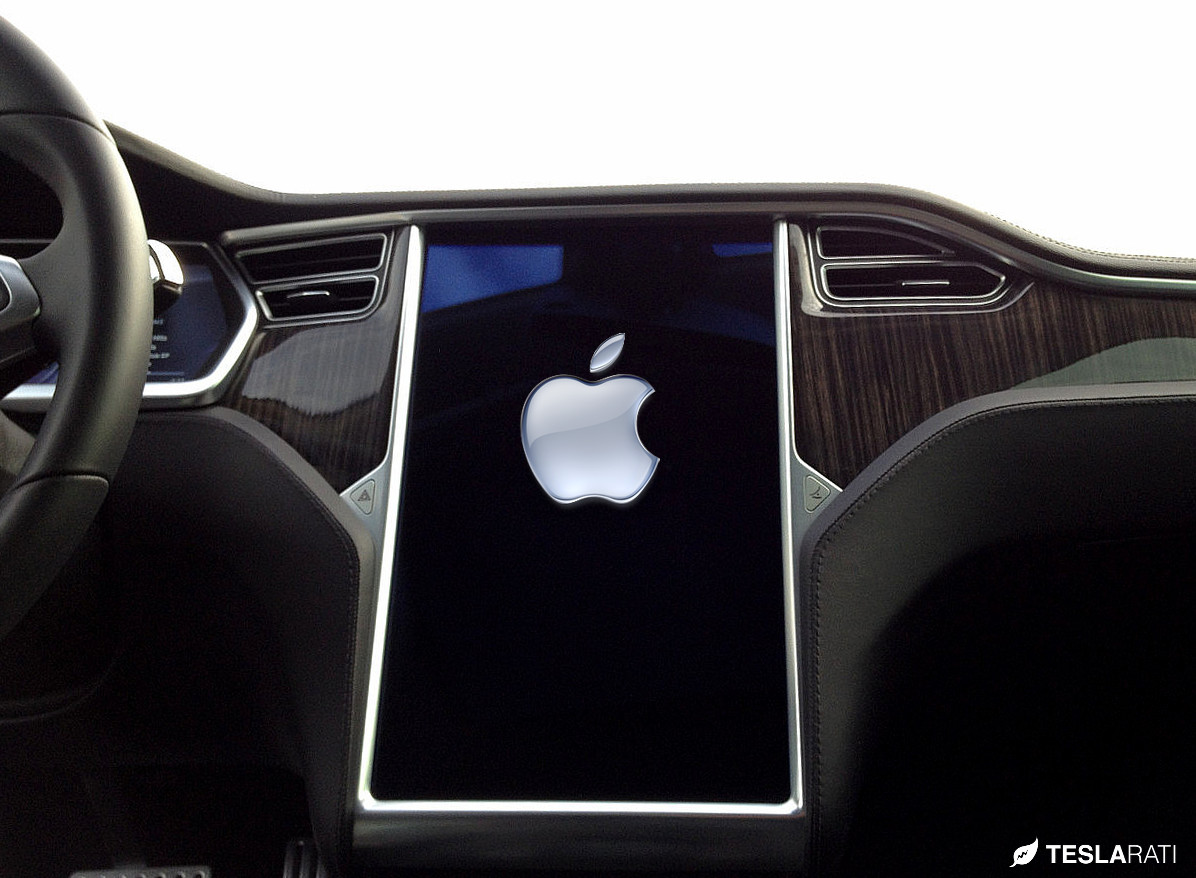
Once Upon a Tesla
First there were the rumors that Apple might buy Tesla. Then came the loose talk about Apple employing an army of engineers to build their own car, many apparently leaving Tesla to join the effort and cashing in nicely. Now the rumors about Apple buying Tesla are back. Really, it’s hard to keep up.
It’s difficult to believe that the closed shop and tight-lipped Apple culture would purposely leak this kind of intel. Was it a disgruntled employee? Perhaps it’s just more difficult to keep a secret these days with Social Media eavesdropping as if it were a fly on the wall. Or, maybe it’s nothing at all.
Disclaimer
I drive a Model S and own TSLA stock. I’m an Apple fan, but don’t own APPL. My first computer was a Macintosh Powerbook 165 Series made in 1993. I still have it and it boots up even today. I’ve purchased a vast number of Apple products over the decades and I can’t think of a brand I’m more invested in than Apple. As an admirer of great design they won me over early on and continue to do so. And, I’ll be one of the first to get my wrist on the Apple Watch in April.
Barriers Were Made to be Broken
The idea of Apple designing and building a car is not new. For years many of us have been playing the game, “What would (fill in the blank) look like if Apple made it?” It’s right up there with the design school project to sketch out the “internet enabled refrigerator.” Apple broke the music barrier, the phone barrier and the design barrier for computers. Tesla broke the electric car barrier and they did it in ten years. They are the Jackie Robinson of the auto industry having flung open the door to electric vehicles while traditional auto makers refused to even seriously try.
Certainly there is some effort out of Detroit and others as of late and they should be applauded for realizing their miss. Mr. Musk’s gift of releasing Tesla’s patents was completely in line with the Tesla Way. I wonder how much of that intellectual property is being incorporated by others? My guess is not much. Companies prefer to take credit for their own innovation and invention; always thinking they can do it better.
Panic in Detroit
The media likes stirring the pot about how BMW is going to eat Tesla’s lunch and GM could put Tesla out of business tomorrow. And how Porsche is developing a “Tesla Fighter.” Today’s electric car activity outside of Tesla would not even be in the blue sky discussions if it weren’t for the success of the Model S. Tesla should not be dismissed as an “ankle biter,” which I would define as a non-threatening annoyance. Tesla is in fact a real threat to the car “smoke stack” industry. Respect Tesla or not, but know they are not going away. They may evolve or merge and it may not always be about cars, but it will likely be about some combination of energy and transportation, built on software and brilliant design.
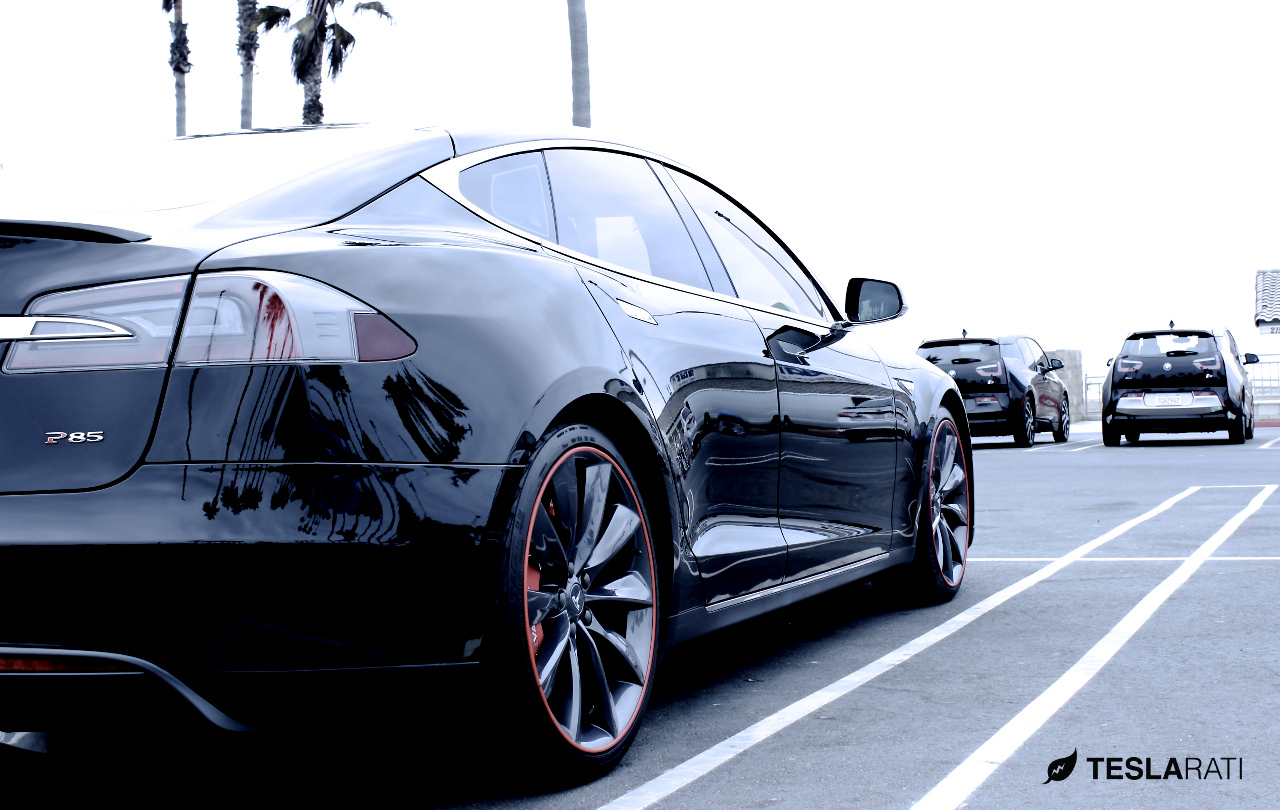
Tesla’s 85kWh Model S encountering new competition in the EV space from BMW.
I make no bold predictions about Tesla’s potential market cap or when Apple will buy Tesla or for how much. That’s not my arena so I will stay in my lane. I agree it’s fun, but the stakes are on an entirely new level here. This activity is about something more important than corporate profits. (I know profits are important. I work in financial services). Tesla is fundamentally about designing and enabling an entirely new future that is more environmentally responsible than the past and better for consumers.
Tesla should inspire our imagination, not make us think about their stock price or how many cars they sold yesterday. Google didn’t think about their stock price when they launched their Autonomous Car project. Newer companies have a distinct advantage in that they don’t need to repack their baggage. When you lack a history it’s easier to make a better future.
It’s fascinating to me that Tesla and potentially Apple have more insight into what the “car of the future” could be than GM, Ford, or Chrysler. Is Silicon Valley the new Detroit?
Why Apple Must try for a Car
The world has become more connected over the last few years. The Internet of Things, powerful wireless connectivity and the transition to internet IPv6 will greatly expand the number of IP addresses that can be supported and makes a fully connected world possible. Apple’s seamless integration of device, content and software has made that world vision believable.
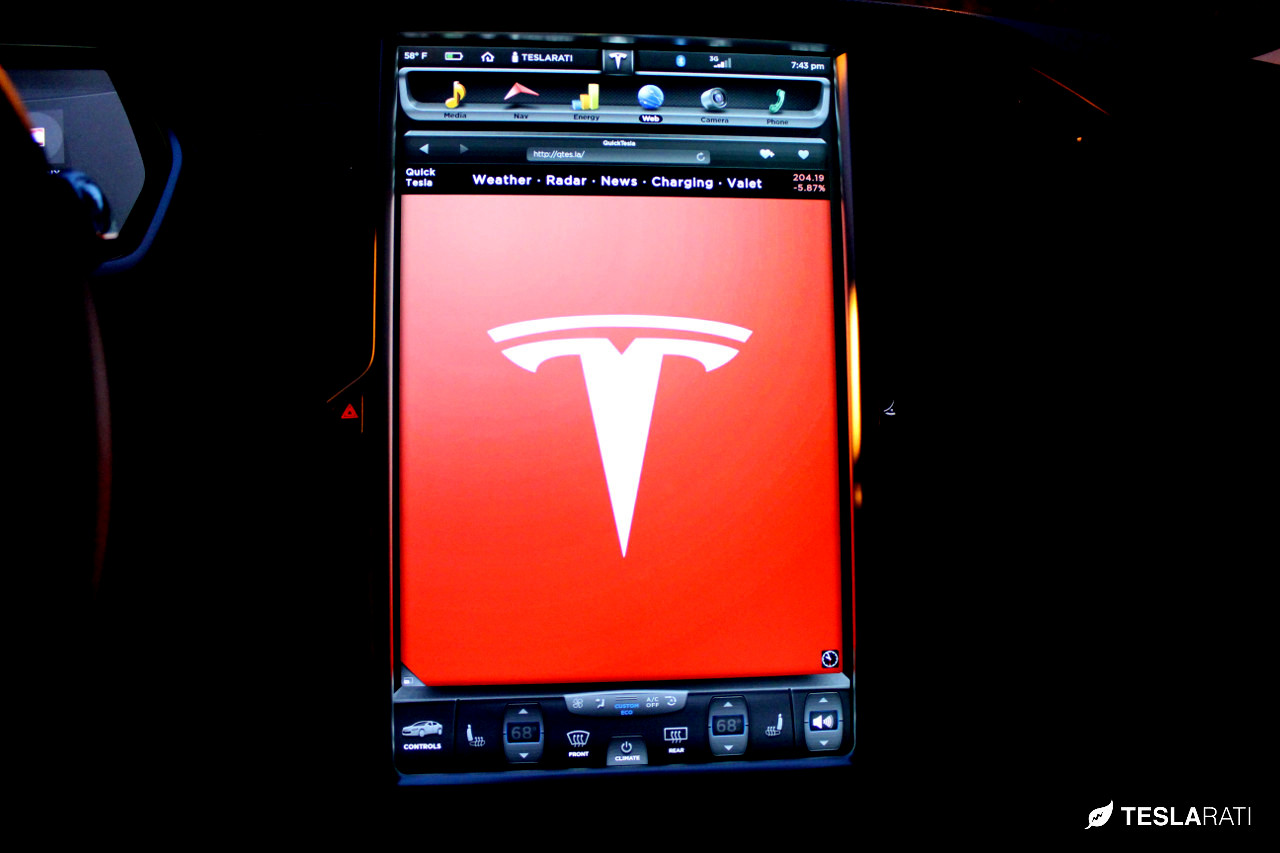
A large 17″ touchscreen center stack on the Model S provides an iPad-like experience.
A large touchscreen in a car like the Tesla could emulate your Mac, or iPad, or iPhone screen with shared apps and programs. My iCalendar already synchs with that touchscreen from my iPhone as soon as I open the door. Apple’s software capabilities could take this to fascinating extremes. Music, programs, even Siri are all possible in an Apple Car operating system. Not to mention self-driving cars and the ultimate vision to eliminate collisions.
I believe the challenge for Apple lies in the hardware. A car is not a music player or a phone. No one drives an Apple product. It doesn’t have wheels or doors; nor does it carry precious human cargo. There are very few laws that govern phone safety. No crash tests to pass, or airbags to install. A car is not just a software engineering exercise that needs a shell. It’s a big, complex, and messy manufacturing problem that cannot be outsourced to Foxconn.
Tesla does have amazing software, but it did not, and could not abandon the deeply ingrained culture of what it means to own and drive a car. Tesla’s big robotic engineering science coupled with Apple’s software capabilities would make an unstoppable combination.
Tim Cook tackling transportation is akin to Steve Jobs entering the retail space. It makes perfect sense for Apple and Apple’s vision. Their culture is to be a catalyst for innovation, vision and ultimately forward change. These are arguably the most important attributes for any business or culture.
If Apple is serious about making a car, they can choose their adventure. Buy Tesla, or build it on their own. Either way, I’m excited that we have another bright set of minds at work on disrupting a carbon monopoly. If Apple is now seriously in the game, it’s GM, Ford, Chrysler, BMW, Toyota, Honda, Nissan, BMW, Subaru… who should keep an eye on their lunch.
My One Prediction
Fast forward to 2021. Apple unveils their version of a car. Turns out I do have a prediction after all, and it’s rock solid. Apple will not sell their cars through a dealership network.




Elon Musk
Tesla reveals it is using AI to make factories more sustainable: here’s how
Tesla is using AI in its Gigafactory Nevada factory to improve HVAC efficiency.

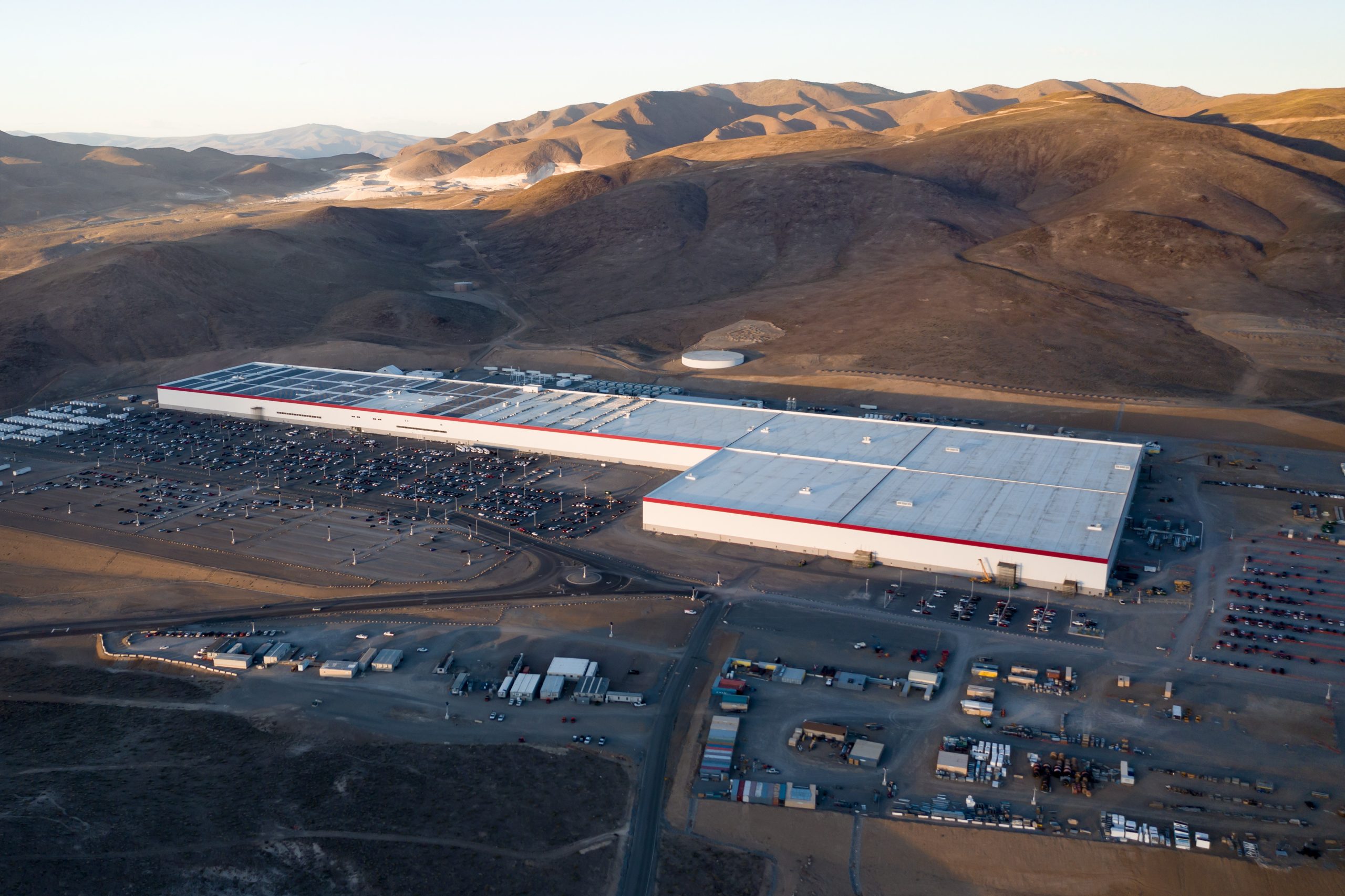
Tesla has revealed in its Extended Impact Report for 2024 that it is using Artificial Intelligence (AI) to enable its factories to be more sustainable. One example it used was its achievement of managing “the majority of the HVAC infrastructure at Gigafactory Nevada is now AI-controlled” last year.
In a commitment to becoming more efficient and making its production as eco-friendly as possible, Tesla has been working for years to find solutions to reduce energy consumption in its factories.
For example, in 2023, Tesla implemented optimization controls in the plastics and paint shops located at Gigafactory Texas, which increased the efficiency of natural gas consumption. Tesla plans to phase out natural gas use across its factories eventually, but for now, it prioritizes work to reduce emissions from that energy source specifically.
It also uses Hygrometric Control Logic for Air Handling Units at Giafactory Berlin, resulting in 17,000 MWh in energy savings each year. At Gigafactory Nevada, Tesla saves 9.5 GWh of energy through the use of N-Methylpyrrolidone refineries when extracting critical raw material.
Perhaps the most interesting way Tesla is conserving energy is through the use of AI at Gigafactory Nevada, as it describes its use of AI to reduce energy demand:
“In 2023, AI Control for HVAC was expanded from Nevada and Texas to now include our Berlin-Brandenburg and Fremont factories. AI Control policy enables HVAC systems within each factory to work together to process sensor data, model factory dynamics, and apply control actions that safely minimize the energy required to support production. In 2024, this system achieved two milestones: the majority of HVAC infrastructure at Gigafactory Nevada is now AI-controlled, reducing fan and thermal energy demand; and the AI algorithm was extended to manage entire chiller plants, creating a closed-loop control system that optimizes both chilled water consumption and the energy required for its generation, all while maintaining factory conditions.”
Tesla utilizes AI Control “primarily on systems that heat or cool critical factory production spaces and equipment.” AI Control communicates with the preexisting standard control logic of each system, and any issues can be resolved by quickly reverting back to standard control. There were none in 2024.
Tesla says that it is utilizing AI to drive impact at its factories, and it has proven to be a valuable tool in reducing energy consumption at one of its facilities.
Elon Musk
Tesla analysts believe Musk and Trump feud will pass
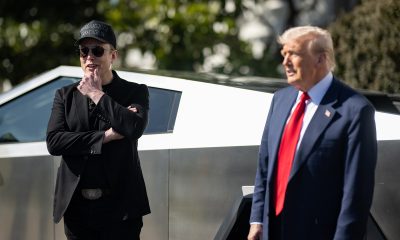
Tesla CEO Elon Musk and U.S. President Donald Trump’s feud shall pass, several bulls say.
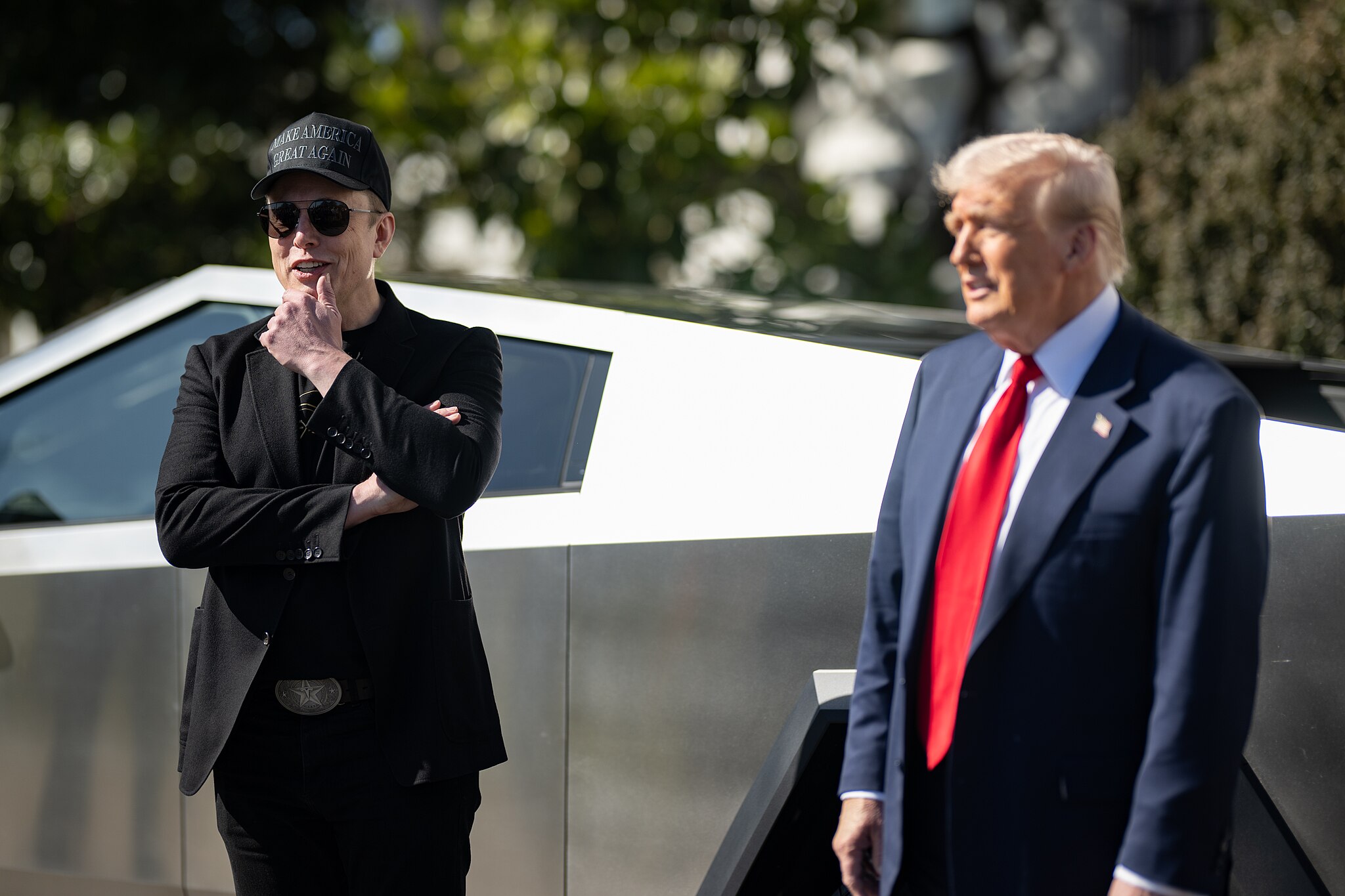
Tesla analysts are breaking down the current feud between CEO Elon Musk and U.S. President Donald Trump, as the two continue to disagree on the “Big Beautiful Bill” and its impact on the country’s national debt.
Musk, who headed the Department of Government Efficiency (DOGE) under the Trump Administration, left his post in May. Soon thereafter, he and President Trump entered a very public and verbal disagreement, where things turned sour. They reconciled to an extent, and things seemed to be in the past.
However, the second disagreement between the two started on Monday, as Musk continued to push back on the “Big Beautiful Bill” that the Trump administration is attempting to sign into law. It would, by Musk’s estimation, increase spending and reverse the work DOGE did to trim the deficit.
Every member of Congress who campaigned on reducing government spending and then immediately voted for the biggest debt increase in history should hang their head in shame!
And they will lose their primary next year if it is the last thing I do on this Earth.
— Elon Musk (@elonmusk) June 30, 2025
President Trump has hinted that DOGE could be “the monster” that “eats Elon,” threatening to end the subsidies that SpaceX and Tesla receive. Musk has not been opposed to ending government subsidies for companies, including his own, as long as they are all abolished.
How Tesla could benefit from the ‘Big Beautiful Bill’ that axes EV subsidies
Despite this contentious back-and-forth between the two, analysts are sharing their opinions now, and a few of the more bullish Tesla observers are convinced that this feud will pass, Trump and Musk will resolve their differences as they have before, and things will return to normal.
ARK Invest’s Cathie Wood said this morning that the feud between Musk and Trump is another example of “this too shall pass:”
BREAKING: CATHIE WOOD SAYS — ELON AND TRUMP FEUD “WILL PASS” 👀 $TSLA
She remains bullish ! pic.twitter.com/w5rW2gfCkx
— TheSonOfWalkley (@TheSonOfWalkley) July 1, 2025
Additionally, Wedbush’s Dan Ives, in a note to investors this morning, said that the situation “will settle:”
“We believe this situation will settle and at the end of the day Musk needs Trump and Trump needs Musk given the AI Arms Race going on between the US and China. The jabs between Musk and Trump will continue as the Budget rolls through Congress but Tesla investors want Musk to focus on driving Tesla and stop this political angle…which has turned into a life of its own in a roller coaster ride since the November elections.”
Tesla shares are down about 5 percent at 3:10 p.m. on the East Coast.
Elon Musk
Tesla scrambles after Musk sidekick exit, CEO takes over sales
Tesla CEO Elon Musk is reportedly overseeing sales in North America and Europe, Bloomberg reports.
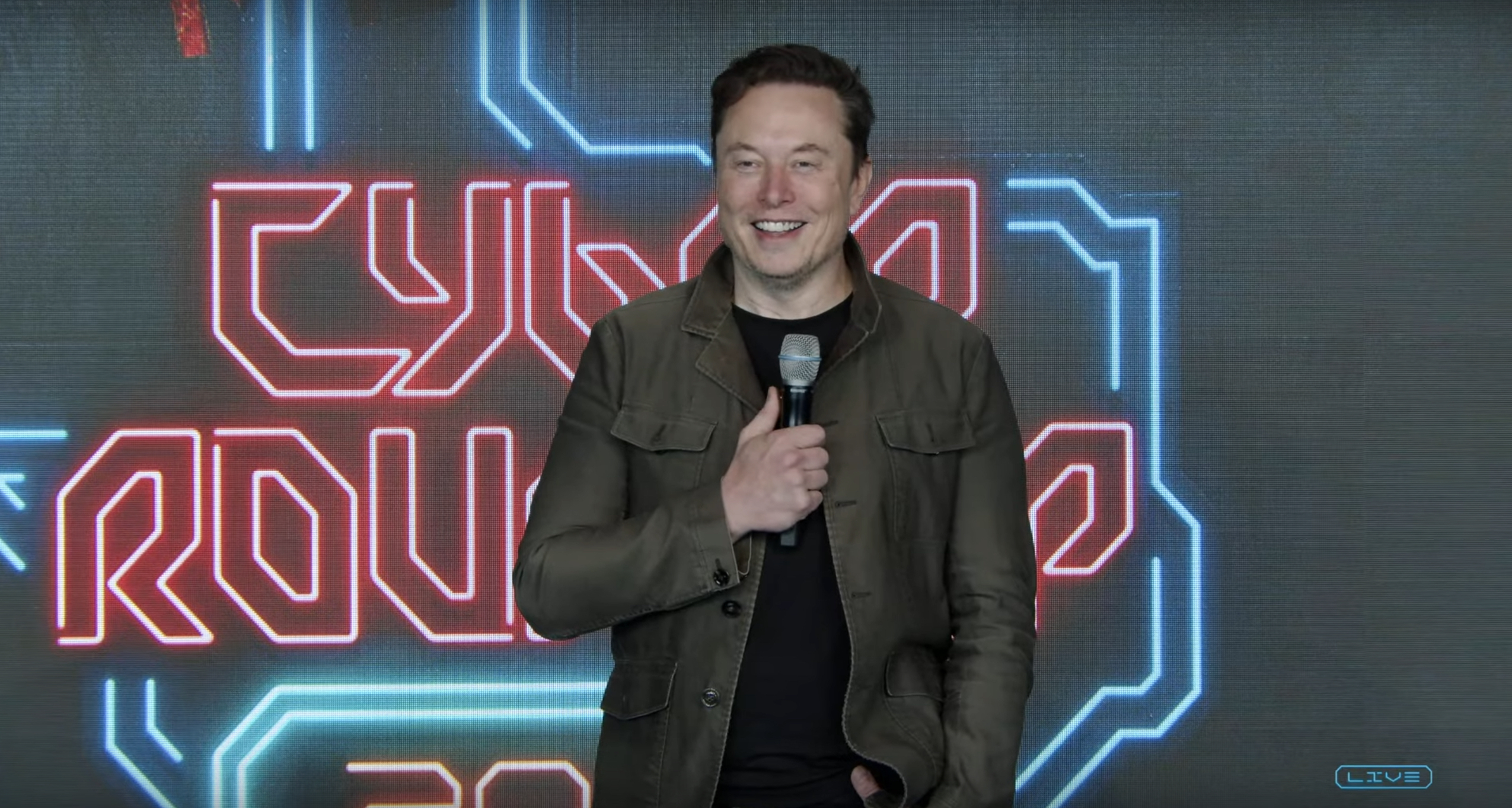
Tesla scrambled its executives around following the exit of CEO Elon Musk’s sidekick last week, Omead Afshar. Afshar was relieved of his duties as Head of Sales for both North America and Europe.
Bloomberg is reporting that Musk is now overseeing both regions for sales, according to sources familiar with the matter. Afshar left the company last week, likely due to slow sales in both markets, ending a seven-year term with the electric automaker.
Tesla’s Omead Afshar, known as Elon Musk’s right-hand man, leaves company: reports
Afshar was promoted to the role late last year as Musk was becoming more involved in the road to the White House with President Donald Trump.
Afshar, whose LinkedIn account stated he was working within the “Office of the CEO,” was known as Musk’s right-hand man for years.
Additionally, Tom Zhu, currently the Senior Vice President of Automotive at Tesla, will oversee sales in Asia, according to the report.
It is a scramble by Tesla to get the company’s proven executives over the pain points the automaker has found halfway through the year. Sales are looking to be close to the 1.8 million vehicles the company delivered in both of the past two years.
Tesla is pivoting to pay more attention to the struggling automotive sales that it has felt over the past six months. Although it is still performing well and is the best-selling EV maker by a long way, it is struggling to find growth despite redesigning its vehicles and launching new tech and improvements within them.
The company is also looking to focus more on its deployment of autonomous tech, especially as it recently launched its Robotaxi platform in Austin just over a week ago.
However, while this is the long-term catalyst for Tesla, sales still need some work, and it appears the company’s strategy is to put its biggest guns on its biggest problems.

Tesla reveals it is using AI to make factories more sustainable: here’s how

Tesla analysts believe Musk and Trump feud will pass

Tesla scrambles after Musk sidekick exit, CEO takes over sales


-
 Elon Musk1 day ago
Tesla investors will be shocked by Jim Cramer’s latest assessment
-
 News6 days ago
Tesla Robotaxi’s biggest challenge seems to be this one thing
-

 News2 weeks ago
Tesla’s Grok integration will be more realistic with this cool feature
-
 Elon Musk2 weeks ago
Elon Musk slams Bloomberg’s shocking xAI cash burn claims
-
 News2 weeks ago
Tesla China roars back with highest vehicle registrations this Q2 so far
-
 News2 weeks ago
Texas lawmakers urge Tesla to delay Austin robotaxi launch to September
-
 News2 weeks ago
Tesla dominates Cars.com’s Made in America Index with clean sweep
-
 Elon Musk1 week ago
First Look at Tesla’s Robotaxi App: features, design, and more