Tesla
Tesla Giga Berlin to receive petition from IG Metall union
Over 3,000 out of 11,000 Tesla Giga Berlin employees signed a union petition demanding longer breaks & more staff.

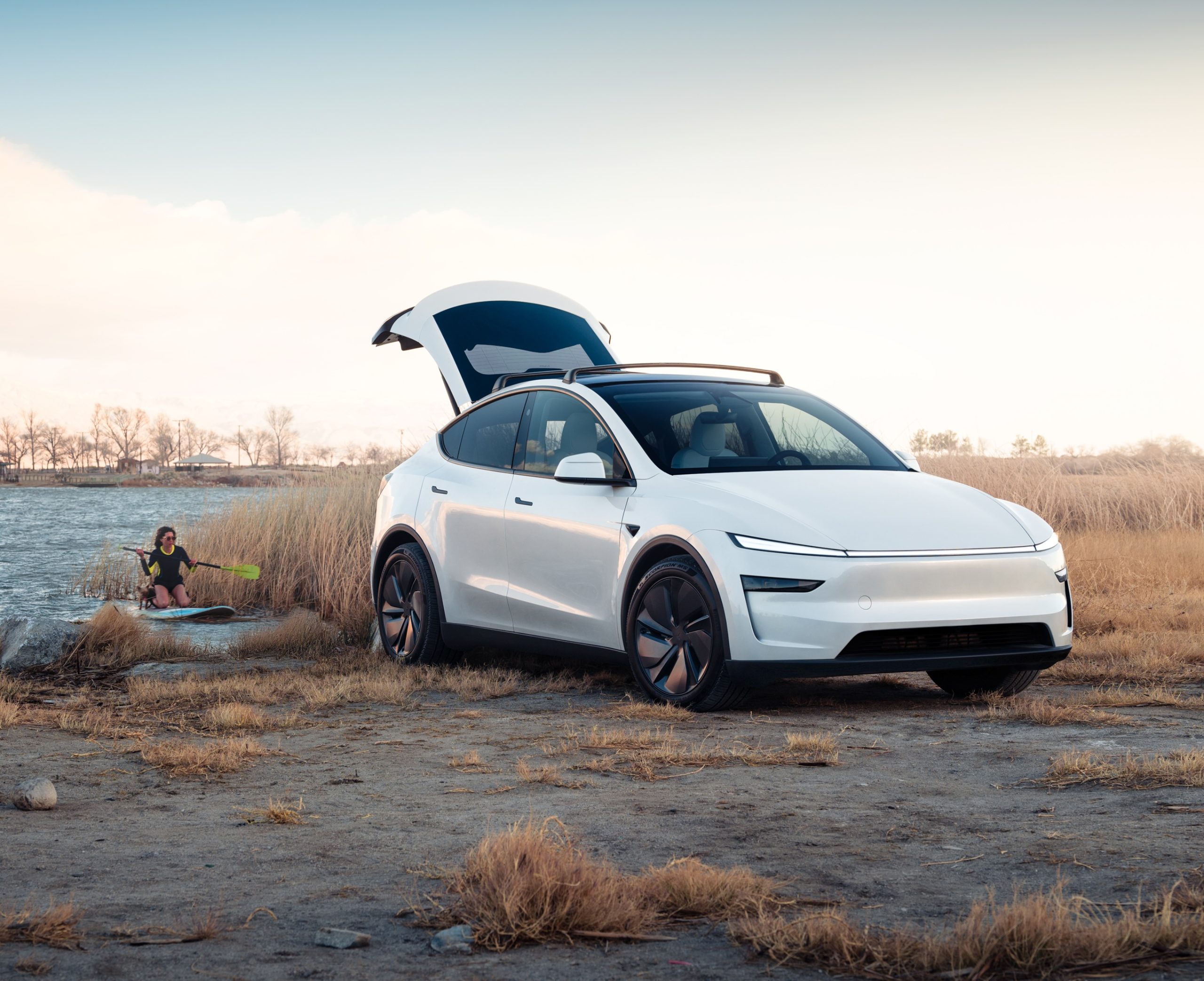
Tesla Giga Berlin will reportedly receive a petition from IG Metall, asking for more breaks and staff at the factory.
According to Reuters, approximately 3,086 Tesla Giga Berlin workers signed a union petition requesting longer breaks and more staff at the factory. Representatives from the IG Metall union plan to give Tesla Giga Berlin management a copy of the petition during a works council meeting on Thursday, March 20, 2025.
Tesla’s Berlin factory employs around 11,000 workers. During the upcoming works council meeting, Tesla plans to present the results of a survey that asked around 7,500 Giga Berlin employees if they were satisfied with their jobs.
Based on Tesla’s results, 80% of the 7,500 Giga Berlin workers who participated in the survey said they were satisfied with their jobs. Approximately 5% of the survey’s respondents stated they were unhappy with their jobs and the rest of the participants were neutral.
Tesla Giga Berlin recently provided 300 temporary workers with permanent employment contracts. The new hires will likely help Tesla ramp up production for its 2025 Model Y. An IG Metall representative shared some concerns that the 300 new Giga Berlin hired would not be enough to meet increased demand for the new Model Y.
Tesla is in the middle of upgrading its factories in China, Germany, and the United States to produce its redesigned Model Y “Juniper.” The transition to the new Tesla Model Y resulted in several Wall Street analysts reducing the company’s Q1 2025 delivery estimates. In some cases, analysts have also lowered their Tesla price targets.
For instance, Wells Fargo analyst Colin Langan cut Tesla’s price target to $130. Langan predicts Tesla will report first-quarter deliveries of 360,000 units. Meanwhile, Goldman Sachs lowered its Q1 2025 delivery estimates for Tesla to 375,000 units.
For perspective, Tesla delivered approximately 386,810 units in Q1 2024. While in the first quarter of 2023, Tesla delivered 422,875 units.


Elon Musk
SpaceX just combined Grok, Cursor, and X into one mega plan
SpaceXSI merges Grok, Cursor, and X Premium into one plan, raising questions for Tesla owners.

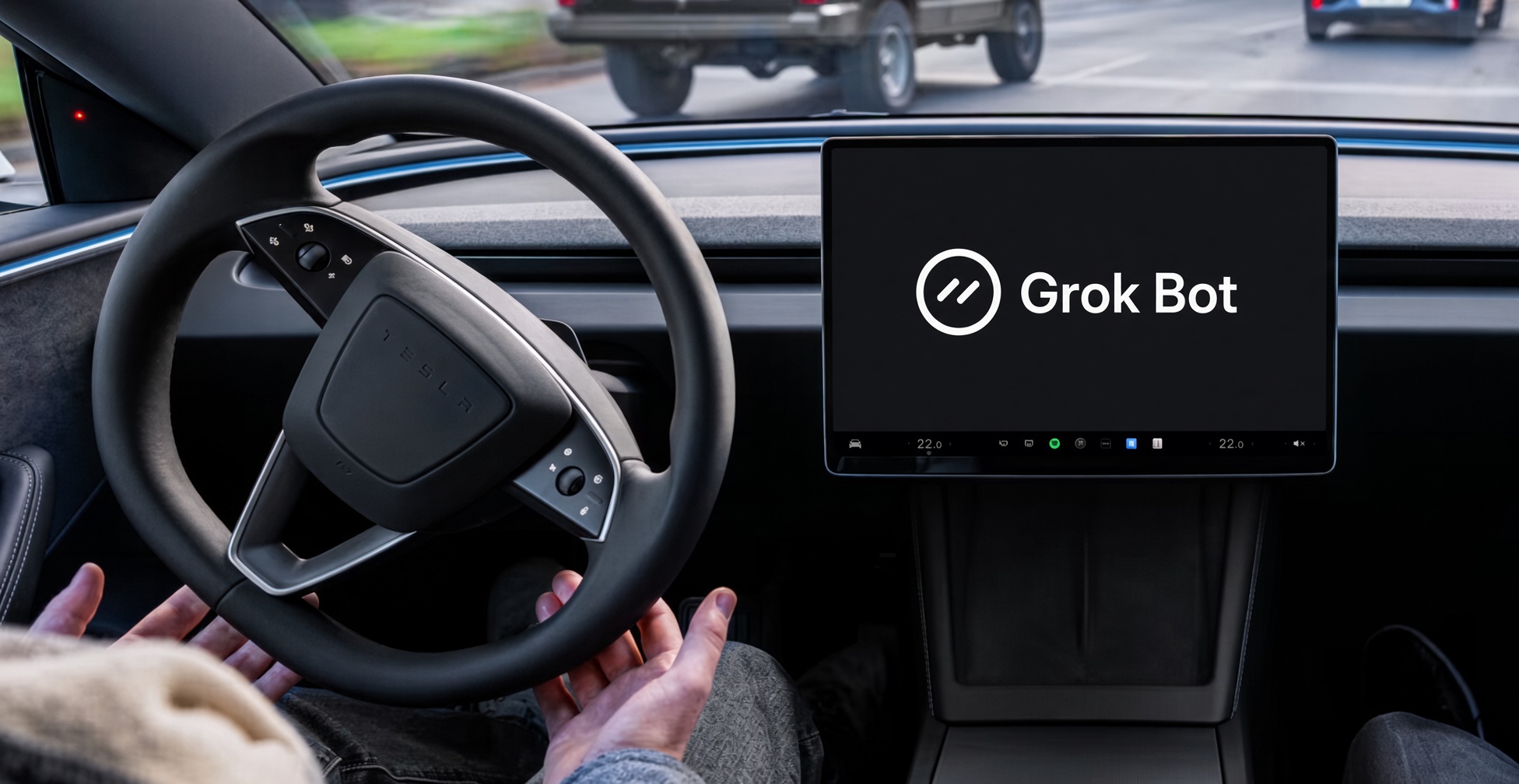
SpaceX Super Intelligence has rolled out The X Subscription, a single plan that combines Grok, Grok Bot, Cursor, and X Premium.
There are five levels, including a free plan that includes daily Grok access and a starter allowance for Cursor’s coding agents. Plus is $8 per month, Premium is $30, Super is $100, and Ultra is $200. Usage scales as you move up, with Premium offering four times the Plus allowance, Super 15 times, and Ultra 50 times. Annual billing brings the prices down a bit further, with Premium at $300 per year.
We’ve unified plans across Grok, Cursor, and X Premium.
Introducing The X Subscription. https://t.co/SvkrVvBa0p
— SpaceX Super Intelligence (@SpaceXSI) October 12, 2026
The $30 Premium tier is where SpaceXSI says it packs the benefits of SuperGrok, Cursor Pro, and X Premium+, which previously added up to $90 per month. Grok Bot, the agent that handles tasks like ordering food or managing a calendar, is included from Premium upward but not on Plus. Paid plans share one weekly usage pool across Grok and Cursor, and each plan includes at least twice the coding usage of the comparable Cursor plan. Third party models in Cursor remain available on Premium and above, but they are billed separately at API list prices.
That last detail matters because of what has happened around Cursor this year. SpaceX exercised its option to buy the company for $60 billion in June, and the deal closed in August. Weeks later, OpenAI said it will cut Cursor’s access to its models on November 12. Bundling Cursor with Grok usage gives SpaceXSI a reason to steer developers toward its own models.
Tesla integrates Grok Bot into its vehicles for the ultimate personal assistant
For Tesla owners, the connection is Grok Bot. Tesla brought it into its vehicles last month, and at that point access inside the car was limited to SuperGrok Heavy subscribers. Grok Bot is now enabled across every Cybercab and the rest of the Model Y Robotaxi fleet. Neither SpaceXSI nor Tesla has said how the new plans change inside the car access for owners, or whether a $30 Premium subscription now covers Grok Bot in a personal Tesla. That is the question owners will want answered first.
The company is also changing its name along the way. The rollout follows the rebrand Musk announced on October 4, when he said SpaceXAI would become SpaceXSI, and the plan page now carries that branding.
The X Subscription is available to new customers starting now, and SpaceXSI says it will reach everyone globally over the next few days. Existing SuperGrok, Cursor, and X Premium subscribers do not have to switch. The option to move will appear gradually in billing settings, with a prorated refund for the unused time on the old plan. Switching is permanent once the accounts are unified, and old plans are closed to new sign ups.
Energy
Taiwan power firm bets big on Tesla Megapacks as AI data center thirst grows
Taiwan’s Apollo Power orders 260 Tesla Megapacks, betting AI data centers will need more electricity.
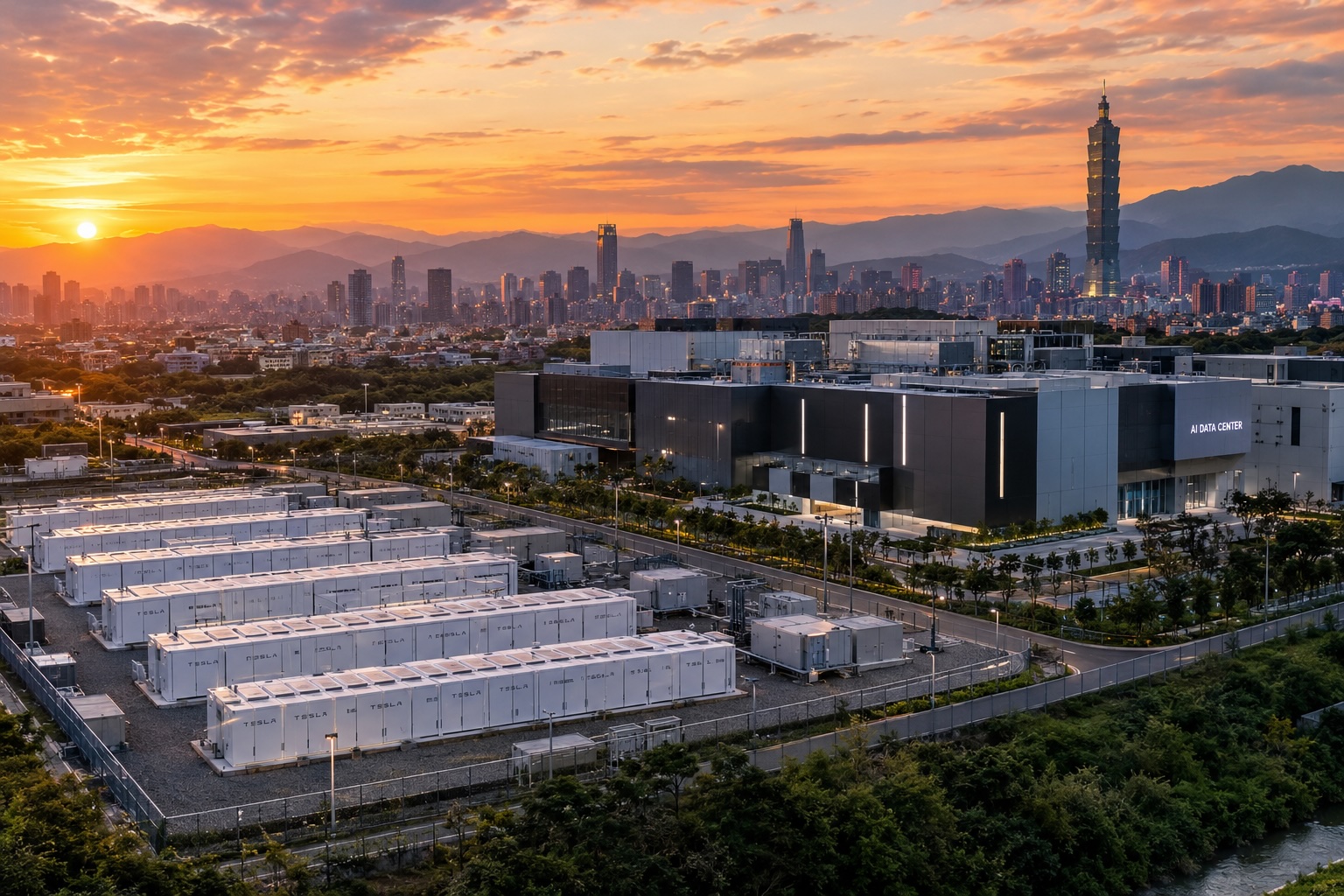
A Taiwanese power company has ordered 260 Tesla Megapack 2XL units, roughly 1GWh of storage, betting that electricity rather than chips will decide how fast AI data centers come online. Apollo Power signed the contract with Tesla’s Taiwan energy arm on October 8, according to the company’s filing with the Taiwan stock exchange.
The filing says the units are meant for behind the meter storage and resilient grid projects, with delivery in batches from the end of 2027 and sites operating in 2028. Apollo and Tesla did not disclose a price, citing a confidentiality agreement. Apollo plans to pay for the equipment through a cash capital increase and bank financing, and it noted the purchase is not revenue and does not mean it holds firm orders from its partners.
Biggo reported that only about 33 units are under signed customer contracts, with roughly 150 more in negotiation. The same report put total project investment near NT$130 billion, but that figure includes installation work, with the equipment itself making up about 40 to 50 percent. In other words, a large share of this order is Apollo reserving supply ahead of demand. Apollo’s chairman told local media global large storage supply is tight, which is why the company locked in the units early, according to Yahoo Taiwan Finance.
Apollo also launched an AI data center and grid resilience alliance with Phison, Gigabyte and Shihlin Electric. The pitch rests on a pilot at Phison’s Zhunan plant, where Apollo and Tesla Energy Taiwan installed grid forming Megapack 2XLs in June. Tesla Energy Taiwan general manager Sun Hsiao-Han said the project went from demo to 1GWh in four months, and that Tesla Energy has deployed more than 50GWh worldwide.
Taiwan’s cabinet has approved amendments that would require large energy users to install their own generation and storage, which gives enterprise storage a regulatory tailwind.
The deal fits a pattern Teslarati has tracked. Tesla’s Megablock targets 1GWh commissioned in 20 business days, a pitch aimed squarely at fast moving data center builds. Megapacks already back xAI’s Colossus in Memphis and a 400MW AI campus in Brazil. Sun Media adds that Megapack 2XL was named among the first products in Nvidia’s DSX Ready qualification for battery storage in AI factories.
Deliveries are more than a year away, so the real test is how much of that 260 unit order turns into signed customer contracts.
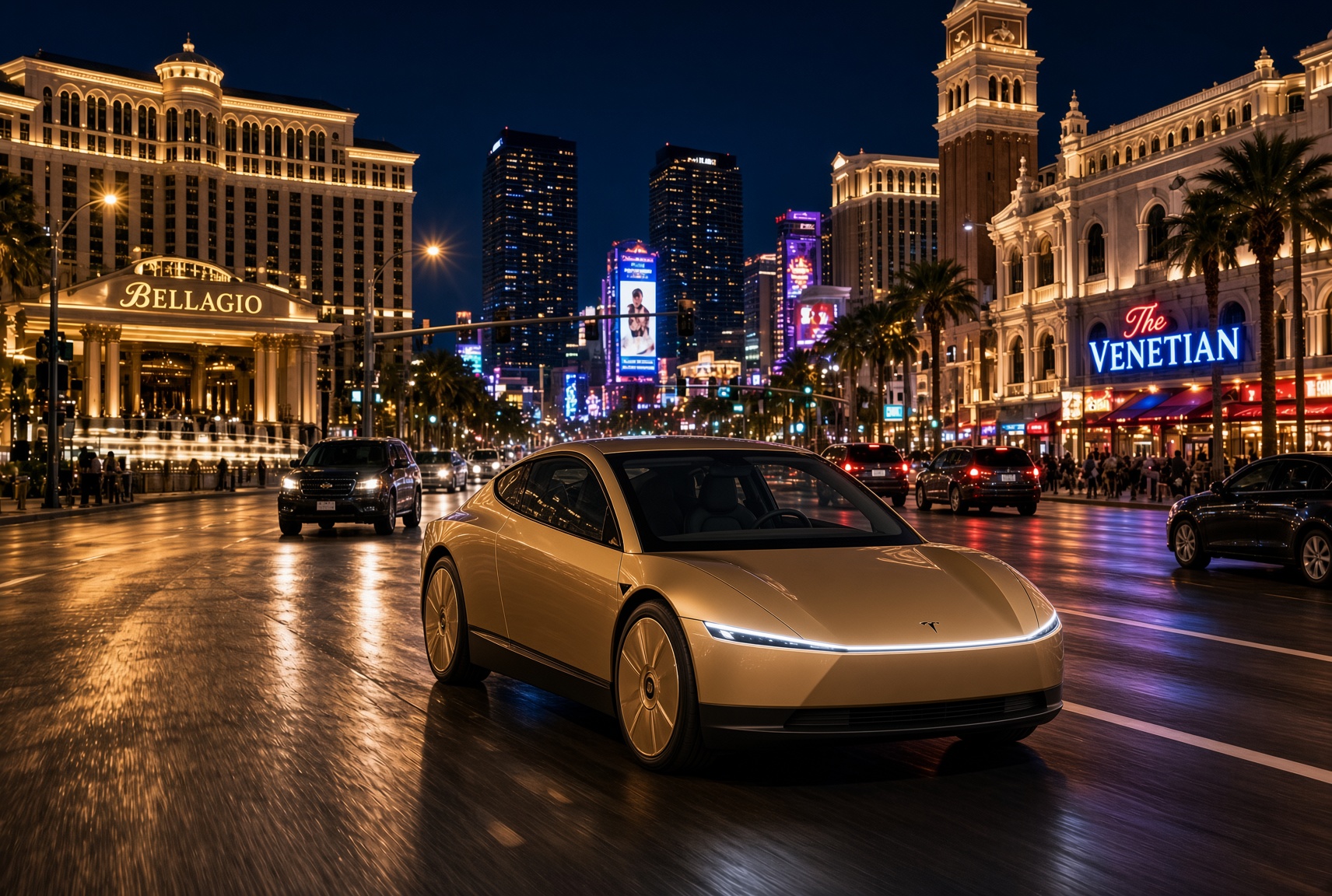
For a century, the car has asked the same thing of its owner, which is basically to pay attention. Even the best ride-hailing app like Uber or Lyft only moved the problem into someone else’s hands. You stopped driving, but you still sat in a stranger’s car, while half listening, and wondering whether to take a phone call in the car without being rude. The Cybercab has no wheel, no pedals and no driver. With Grok @bot now live inside it, it becomes something else entirely, and I think that matters more than the fleet count that everyone is tracking.
Grok @bot is an agent, not a voice assistant. A rider signs in once, and from then on can say what they need and watch it happen. Order dinner from a favorite restaurant. Fill the grocery cart. Move money, answer email, adjust a calendar, push a work project forward. Tesla engineer Yun-Ta Tsai confirmed it is enabled across every Cybercab and the rest of the Model Y fleet, and Tesla’s own pitch is that Full Self-Driving handles the commute while Grok handles the errands.
Think about what that does to a thirty minute ride. Uber sells you a trip, while Waymo sells you the same trip in a more private setting. Tesla is selling the thirty minutes themselves, returned to you with an assistant attached. Errands that used to eat a Saturday get done between pickup and drop off. The ride stops being dead time between two places and becomes a place of its own.
Tesla integrates Grok Bot into its vehicles for the ultimate personal assistant
Best of all, your Bots follow you into any Cybercab, and presumably your own Tesla, then logs you out automatically when you step out. Anyone can bolt a chatbot onto a screen, but much harder to own the vehicle, the autonomy stack and the assistant at once. It also quietly ties SpaceX’s Super Intelligence business to Tesla’s fleet, after Tesla converted its xAI stake into SpaceX equity. The relationship between those two companies is getting harder to describe as separate.
This is also where the hard questions start, because an agent that can spend your money in a vehicle other people also ride in needs some answers. How does it handle a voice it shouldn’t trust? What gets recorded, who can see it, and for how long? What happens when a rider leaves halfway through a task?
If Tesla gets those answers right, the scoreboard changes. We have been counting Cybercabs and wait times. The more telling number may be what riders accomplish per trip. That is data almost no one else will ever have, and it is the real reason to watch Grok @bot.
What do you think? Leave me a comment.

SpaceX just combined Grok, Cursor, and X into one mega plan

Taiwan power firm bets big on Tesla Megapacks as AI data center thirst grows

Tesla Cybercab and Robotaxi’s real advantage won’t be the ride service

The Pentagon taps Elon Musk to design the battlefield of the future

Tesla Roadster’s new patent preps white-knuckle speeds, keeping it grounded


