
News
Tesla’s ‘skunkworks lab’ for its custom battery cell pilot production line is growing

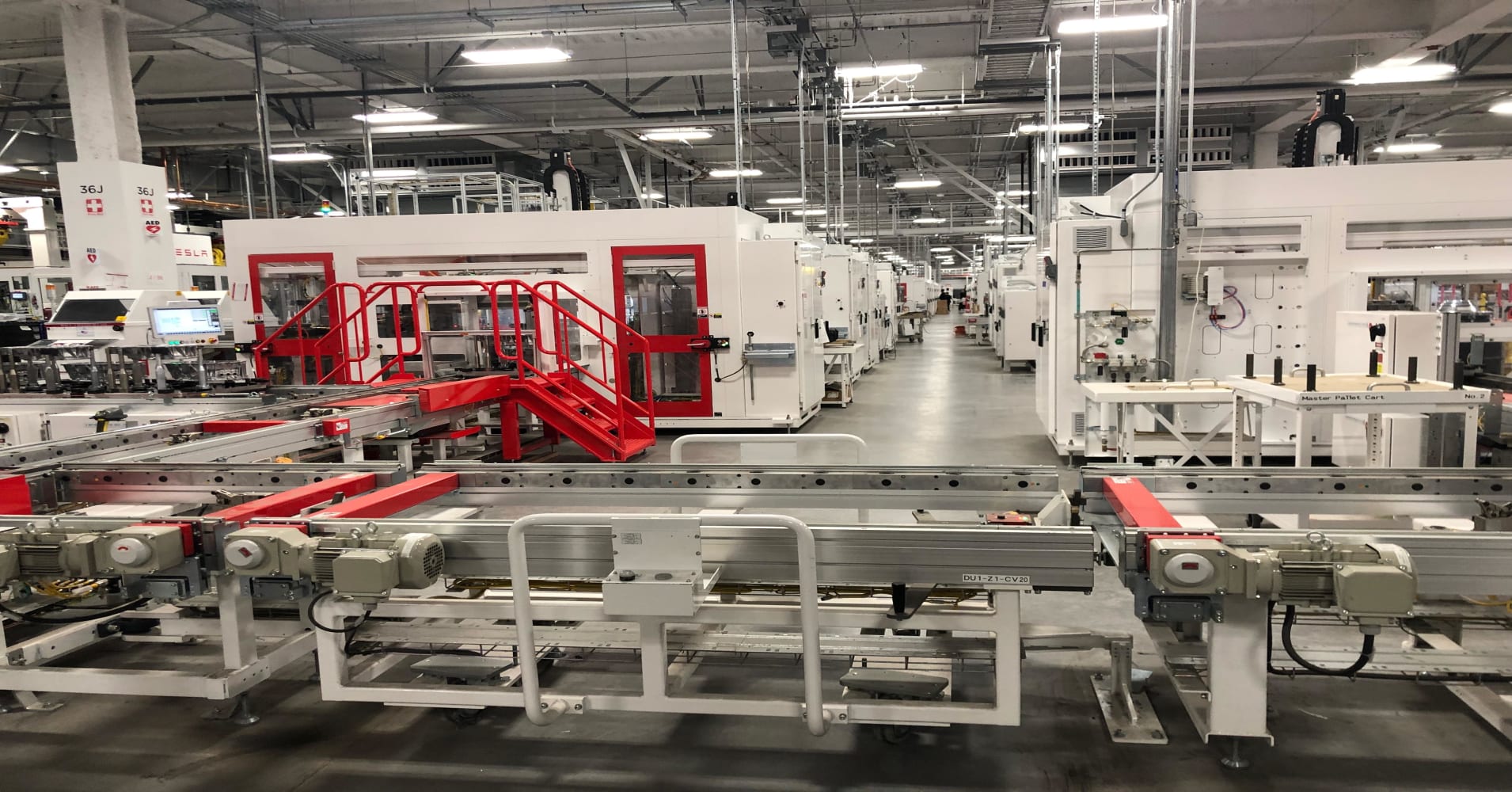
Tesla’s Battery Day may still be a couple of months away, but hints about the highly-anticipated event’s details are already abounding. With Elon Musk specifically mentioning that the event will be held in Fremont, and that it will include a tour of the company’s pilot battery cell production line, it appears that previous reports, which point to a “skunkworks lab” in the city, were accurate. What’s more, documents filed by the electric car maker in previous months seem to indicate that its mysterious pilot battery cell facility is growing.
Initial leaks and reports about Tesla’s mysterious “skunkworks lab” were posted as early as June 2019, with a CNBC article stating that the facility is located at Kato Road, just a few minutes away from the Fremont factory, where the Model S, Model 3, Model X, and Model Y are built. Citing former and current Tesla employees, the news agency stated that Tesla’s R&D teams were focused on prototyping and designing advanced lithium-ion batteries, as well as new equipment and processes that could usher in the mass production of the next-gen cells.
These batteries are now widely speculated to be the million-mile battery that has been mentioned by the company. The million-mile battery is a significant part of Tesla’s game plan, being the one defining factor that could help electric vehicles achieve price parity with gas powered cars, and allow battery storage devices to last decades when deployed. Amidst the wait for Battery Day, speculations are abounding that Tesla will be conducting a deep dive into its million-mile batteries during the event, similar to how Autonomy Day included an in-depth discussion on the company’s custom Hardware 3.0 computer.
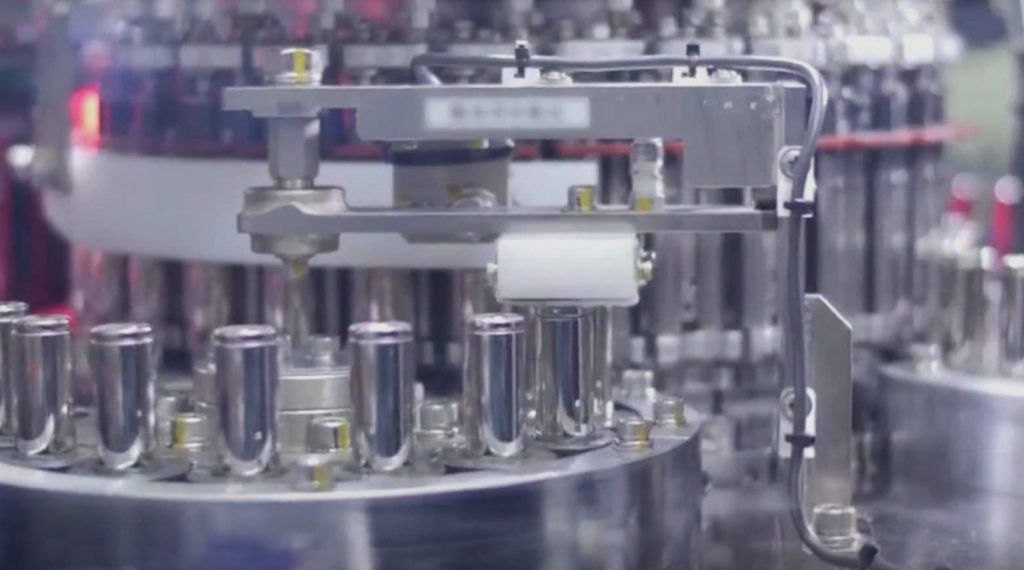
As it turned out, Tesla’s skunkworks lab at Kato Road has been very busy this year. A proposal submitted last March, for example, outlines plans to redevelop the existing site by adding floors to the facility. According to Tesla, the redesigned building will be housing 45 research and development employees and up to 425 manufacturing workers that are spread through several shifts from Monday through Friday. This appears to suggest that the company, as early as March this year, was looking to ramp the battery cell output of its pilot production line.
Interestingly enough, Tesla has also been posting multiple job listings on its Careers page that were specifically focused on battery cell manufacturing. By May 2020, Tesla had posted job listings for Cell Engineers, Production Process Engineers, and Controls Engineers. A look at these listings would show references to a battery cell manufacturing operations, and as luck would have it, the posts listed Fremont, California as their location.
Further documents show that Tesla had also requested to increase its power demand by 6 MW, further hinting that activities in the site are poised to ramp soon. This proposal, based on a response from PG&E that was recently shared online, was approved.
Based on these filings and job listings, it is evident that Tesla’s pilot battery cell manufacturing line has been ramping, or at least is poised to ramp, its operations. This is particularly impressive, considering that the Kato Road facility, which reportedly hosts the company’s skunkworks lab, is a fairly small site, comprising of two buildings that cover 184,880 sq. ft. combined. This means that even in this relatively small location, Tesla has been able to create a pilot line for a new breed of batteries that can change the EV game. This is quite a significant accomplishment, considering that previous battery lines are known to consume a lot of space.
Tesla’s Gigafactory Nevada facility is the perfect example of this. Giga Nevada primarily produces battery cells, and it is poised to be one of the largest buildings in the world by footprint once it’s complete. If Tesla’s pilot battery cell production line in Kato Road is indeed fully functional and ramped, then one can only imagine how much more batteries facilities like Gigafactory Nevada can produce with the company’s next-generation technology.
Tesla’s proposal for an expansion of its Kato Road facility could be accessed below.
Tesla Kato Road Update by Simon Alvarez on Scribd
H/T JPR007




Elon Musk
Tesla analysts believe Musk and Trump feud will pass
Tesla CEO Elon Musk and U.S. President Donald Trump’s feud shall pass, several bulls say.

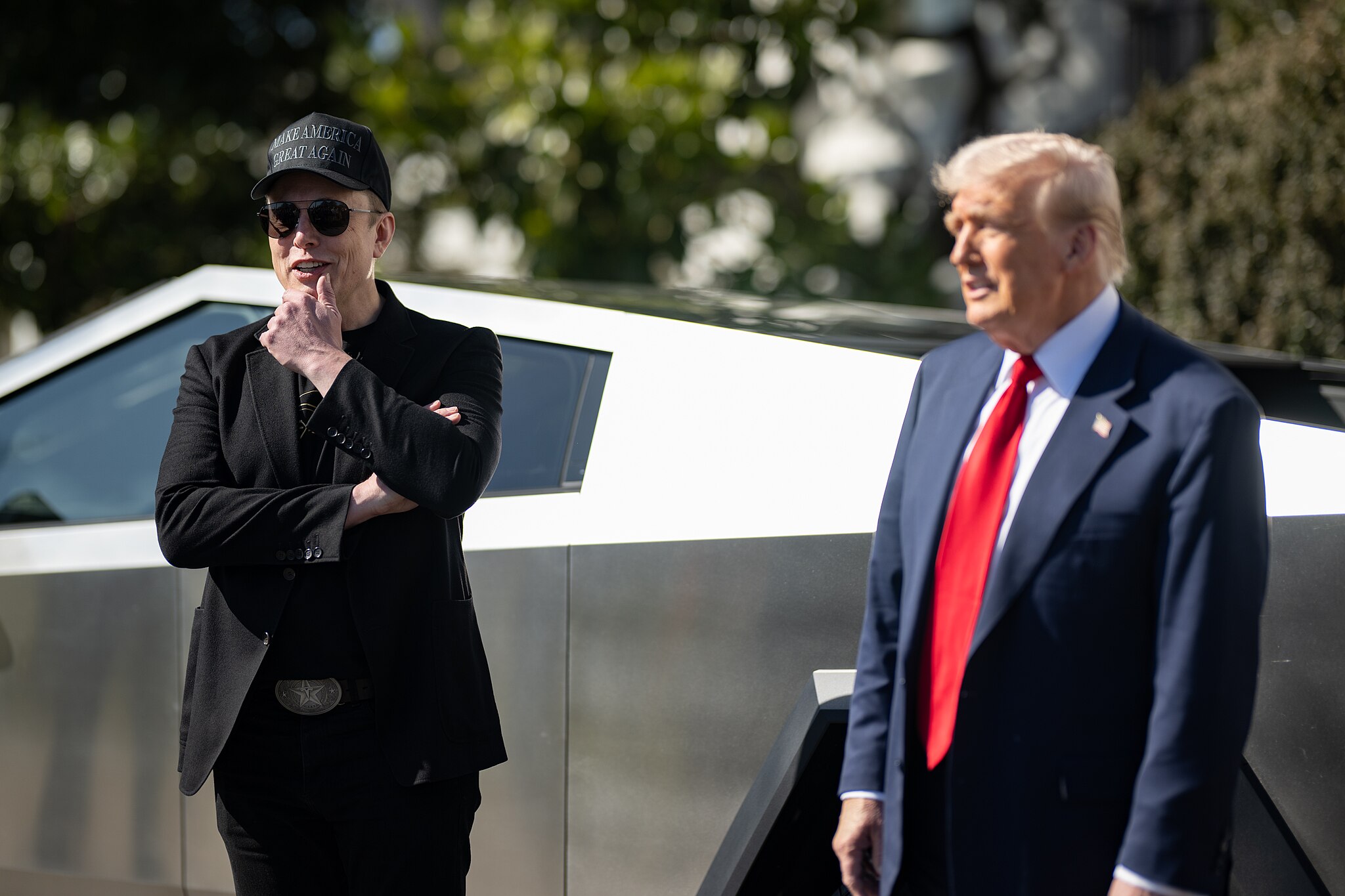
Tesla analysts are breaking down the current feud between CEO Elon Musk and U.S. President Donald Trump, as the two continue to disagree on the “Big Beautiful Bill” and its impact on the country’s national debt.
Musk, who headed the Department of Government Efficiency (DOGE) under the Trump Administration, left his post in May. Soon thereafter, he and President Trump entered a very public and verbal disagreement, where things turned sour. They reconciled to an extent, and things seemed to be in the past.
However, the second disagreement between the two started on Monday, as Musk continued to push back on the “Big Beautiful Bill” that the Trump administration is attempting to sign into law. It would, by Musk’s estimation, increase spending and reverse the work DOGE did to trim the deficit.
Every member of Congress who campaigned on reducing government spending and then immediately voted for the biggest debt increase in history should hang their head in shame!
And they will lose their primary next year if it is the last thing I do on this Earth.
— Elon Musk (@elonmusk) June 30, 2025
President Trump has hinted that DOGE could be “the monster” that “eats Elon,” threatening to end the subsidies that SpaceX and Tesla receive. Musk has not been opposed to ending government subsidies for companies, including his own, as long as they are all abolished.
How Tesla could benefit from the ‘Big Beautiful Bill’ that axes EV subsidies
Despite this contentious back-and-forth between the two, analysts are sharing their opinions now, and a few of the more bullish Tesla observers are convinced that this feud will pass, Trump and Musk will resolve their differences as they have before, and things will return to normal.
ARK Invest’s Cathie Wood said this morning that the feud between Musk and Trump is another example of “this too shall pass:”
BREAKING: CATHIE WOOD SAYS — ELON AND TRUMP FEUD “WILL PASS” 👀 $TSLA
She remains bullish ! pic.twitter.com/w5rW2gfCkx
— TheSonOfWalkley (@TheSonOfWalkley) July 1, 2025
Additionally, Wedbush’s Dan Ives, in a note to investors this morning, said that the situation “will settle:”
“We believe this situation will settle and at the end of the day Musk needs Trump and Trump needs Musk given the AI Arms Race going on between the US and China. The jabs between Musk and Trump will continue as the Budget rolls through Congress but Tesla investors want Musk to focus on driving Tesla and stop this political angle…which has turned into a life of its own in a roller coaster ride since the November elections.”
Tesla shares are down about 5 percent at 3:10 p.m. on the East Coast.
Elon Musk
Tesla scrambles after Musk sidekick exit, CEO takes over sales
Tesla CEO Elon Musk is reportedly overseeing sales in North America and Europe, Bloomberg reports.
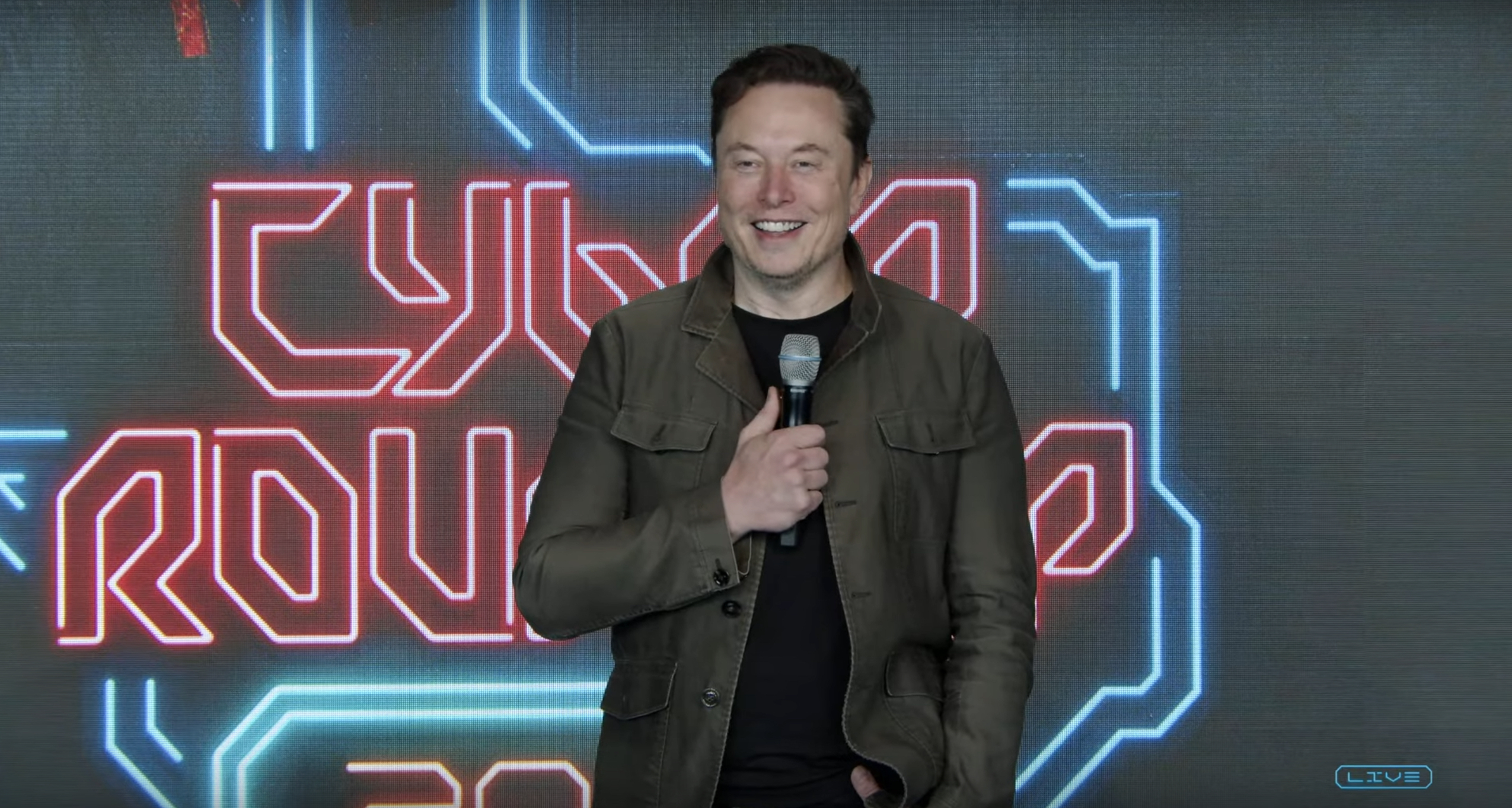
Tesla scrambled its executives around following the exit of CEO Elon Musk’s sidekick last week, Omead Afshar. Afshar was relieved of his duties as Head of Sales for both North America and Europe.
Bloomberg is reporting that Musk is now overseeing both regions for sales, according to sources familiar with the matter. Afshar left the company last week, likely due to slow sales in both markets, ending a seven-year term with the electric automaker.
Tesla’s Omead Afshar, known as Elon Musk’s right-hand man, leaves company: reports
Afshar was promoted to the role late last year as Musk was becoming more involved in the road to the White House with President Donald Trump.
Afshar, whose LinkedIn account stated he was working within the “Office of the CEO,” was known as Musk’s right-hand man for years.
Additionally, Tom Zhu, currently the Senior Vice President of Automotive at Tesla, will oversee sales in Asia, according to the report.
It is a scramble by Tesla to get the company’s proven executives over the pain points the automaker has found halfway through the year. Sales are looking to be close to the 1.8 million vehicles the company delivered in both of the past two years.
Tesla is pivoting to pay more attention to the struggling automotive sales that it has felt over the past six months. Although it is still performing well and is the best-selling EV maker by a long way, it is struggling to find growth despite redesigning its vehicles and launching new tech and improvements within them.
The company is also looking to focus more on its deployment of autonomous tech, especially as it recently launched its Robotaxi platform in Austin just over a week ago.
However, while this is the long-term catalyst for Tesla, sales still need some work, and it appears the company’s strategy is to put its biggest guns on its biggest problems.
News
Tesla upgrades Model 3 and Model Y in China, hikes price for long-range sedan
Tesla’s long-range Model 3 now comes with a higher CLTC-rated range of 753 km (468 miles).
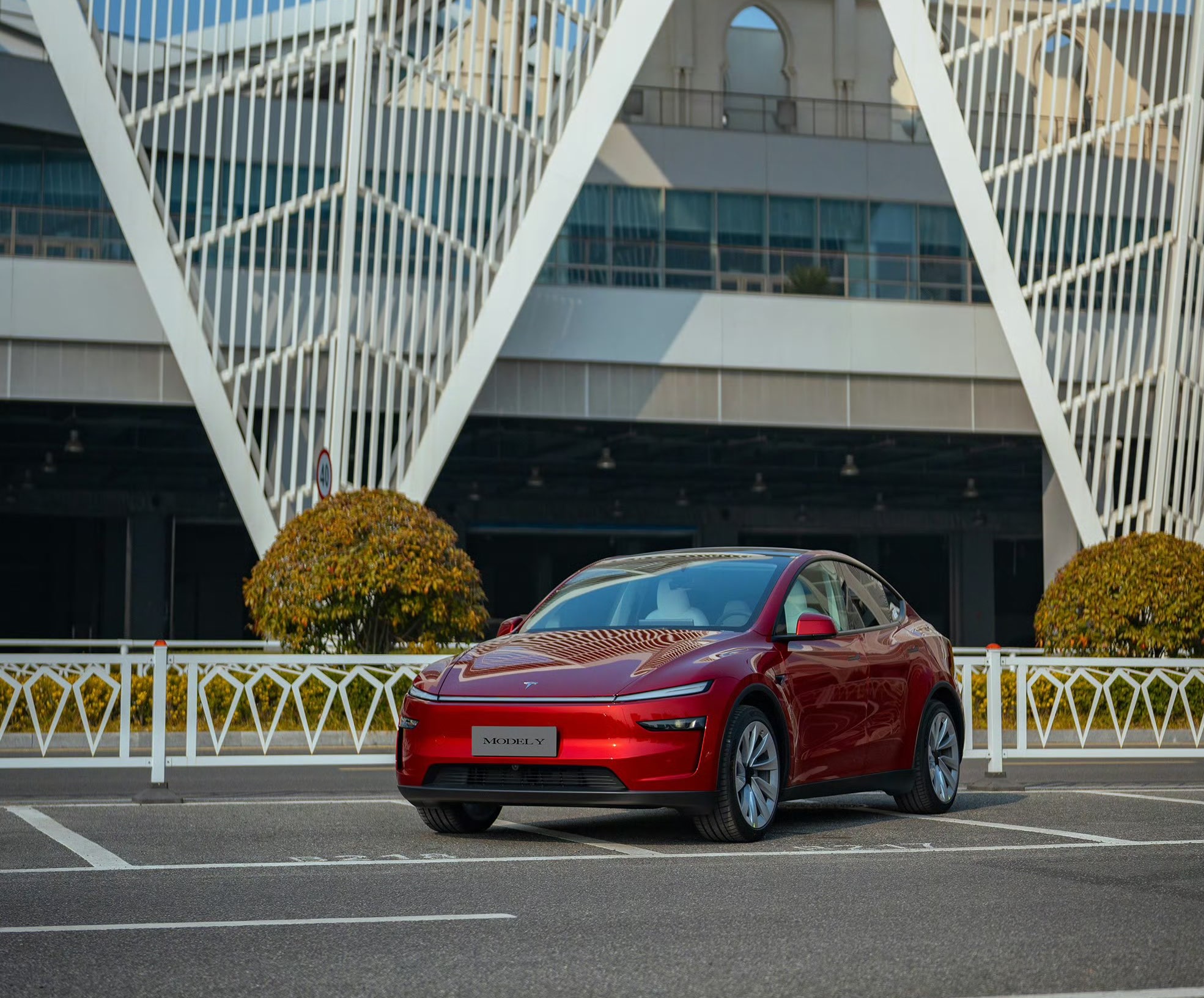
Tesla has rolled out a series of quiet upgrades to its Model 3 and Model Y in China, enhancing range and performance for long-range variants. The updates come with a price hike for the Model 3 Long Range All-Wheel Drive, which now costs RMB 285,500 (about $39,300), up RMB 10,000 ($1,400) from the previous price.
Model 3 gets acceleration boost, extended range
Tesla’s long-range Model 3 now comes with a higher CLTC-rated range of 753 km (468 miles), up from 713 km (443 miles), and a faster 0–100 km/h acceleration time of 3.8 seconds, down from 4.4 seconds. These changes suggest that Tesla has bundled the previously optional Acceleration Boost for the Model 3, once priced at RMB 14,100 ($1,968), as a standard feature.
Delivery wait times for the long-range Model 3 have also been shortened, from 3–5 weeks to just 1–3 weeks, as per CNEV Post. No changes were made to the entry-level RWD or Performance versions, which retain their RMB 235,500 and RMB 339,500 price points, respectively. Wait times for those trims also remain at 1–3 weeks and 8–10 weeks.
Model Y range increases, pricing holds steady
The Model Y Long Range has also seen its CLTC-rated range increase from 719 km (447 miles) to 750 km (466 miles), though its price remains unchanged at RMB 313,500 ($43,759). The model maintains a 0–100 km/h time of 4.3 seconds.
Tesla also updated delivery times for the Model Y lineup. The Long Range variant now shows a wait time of 1–3 weeks, an improvement from the previous 3–5 weeks. The entry-level RWD version maintained its starting price of RMB 263,500, though its delivery window is now shorter at 2–4 weeks.
Tesla continues to offer several purchase incentives in China, including an RMB 8,000 discount for select paint options, an RMB 8,000 insurance subsidy, and five years of interest-free financing for eligible variants.

Tesla analysts believe Musk and Trump feud will pass

Tesla scrambles after Musk sidekick exit, CEO takes over sales

Tesla upgrades Model 3 and Model Y in China, hikes price for long-range sedan


-
 Elon Musk1 day ago
Tesla investors will be shocked by Jim Cramer’s latest assessment
-
 News6 days ago
Tesla Robotaxi’s biggest challenge seems to be this one thing
-

 News2 weeks ago
Tesla’s Grok integration will be more realistic with this cool feature
-
 Elon Musk2 weeks ago
Elon Musk slams Bloomberg’s shocking xAI cash burn claims
-
 News2 weeks ago
Tesla China roars back with highest vehicle registrations this Q2 so far
-
 News2 weeks ago
Texas lawmakers urge Tesla to delay Austin robotaxi launch to September
-
 News2 weeks ago
Tesla dominates Cars.com’s Made in America Index with clean sweep
-
 Elon Musk1 week ago
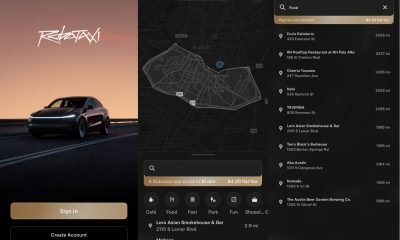
First Look at Tesla’s Robotaxi App: features, design, and more