
Tesla has begun sending out the first batch of 2023 Cyber Roundup invites. The update was posted by Tesla Investor Relations head Martin Viecha on Twitter.
Earlier this month, Tesla announced that its 2023 Annual Shareholder Meeting, also known as the 2023 Cyber Roundup, would take place on May 16, 2023. The event will be at 3 PM CT at Gigafactory Texas. Tesla investors who wish to attend the event in person were encouraged by the electric vehicle maker to sign up online.
As noted by the Tesla executive in his recent Twitter post, the first batch of 2023 Cyber Roundup invites has been sent. He also advised Tesla shareholders who signed up for a chance to attend the event to check their spam folders and RSVP within the next two days.
Tesla shareholders who are selected to attend the 2023 Cyber Roundup in person will be required to confirm their identity with valid government-issued identification. Tesla also previously noted that selections for the attendees of the 2023 Annual Shareholders Meeting are not transferable.
The 2023 Cyber Roundup is shaping up to be quite an interesting event. For one, it is extremely early in the year, especially considering that the 2022 Cyber Roundup was held in August. The event is also quite exciting, as TSLA shareholders will be voting on whether Tesla co-founder and former CTO JB Straubel will be elected as a member of the company’s Board of Directors.
In addition to the possible selection of JB Straubel for Tesla’s Board of Directors, the 2023 Cyber Roundup may also feature discussions about the company’s current and upcoming projects. As such, it would not be unexpected if aspects of the Cybertruck’s manufacturing are discussed during the event, given that its initial production is set to begin this summer.
A livestream link for the 2023 Annual Shareholder Meeting has been made available on YouTube, which can be accessed below.
Don’t hesitate to contact us with news tips. Just send a message to simon@teslarati.com to give us a heads up.


Elon Musk
Elon Musk debunks latest rumors about SpaceX IPO
Musk has swiftly put to rest circulating reports suggesting that SpaceX would exclude popular retail brokerages Robinhood and SoFi from its highly anticipated initial public offering. In a direct response posted on X on March 31, Musk stated simply, “These reports are false,” addressing widespread speculation fueled by a Reuters article.

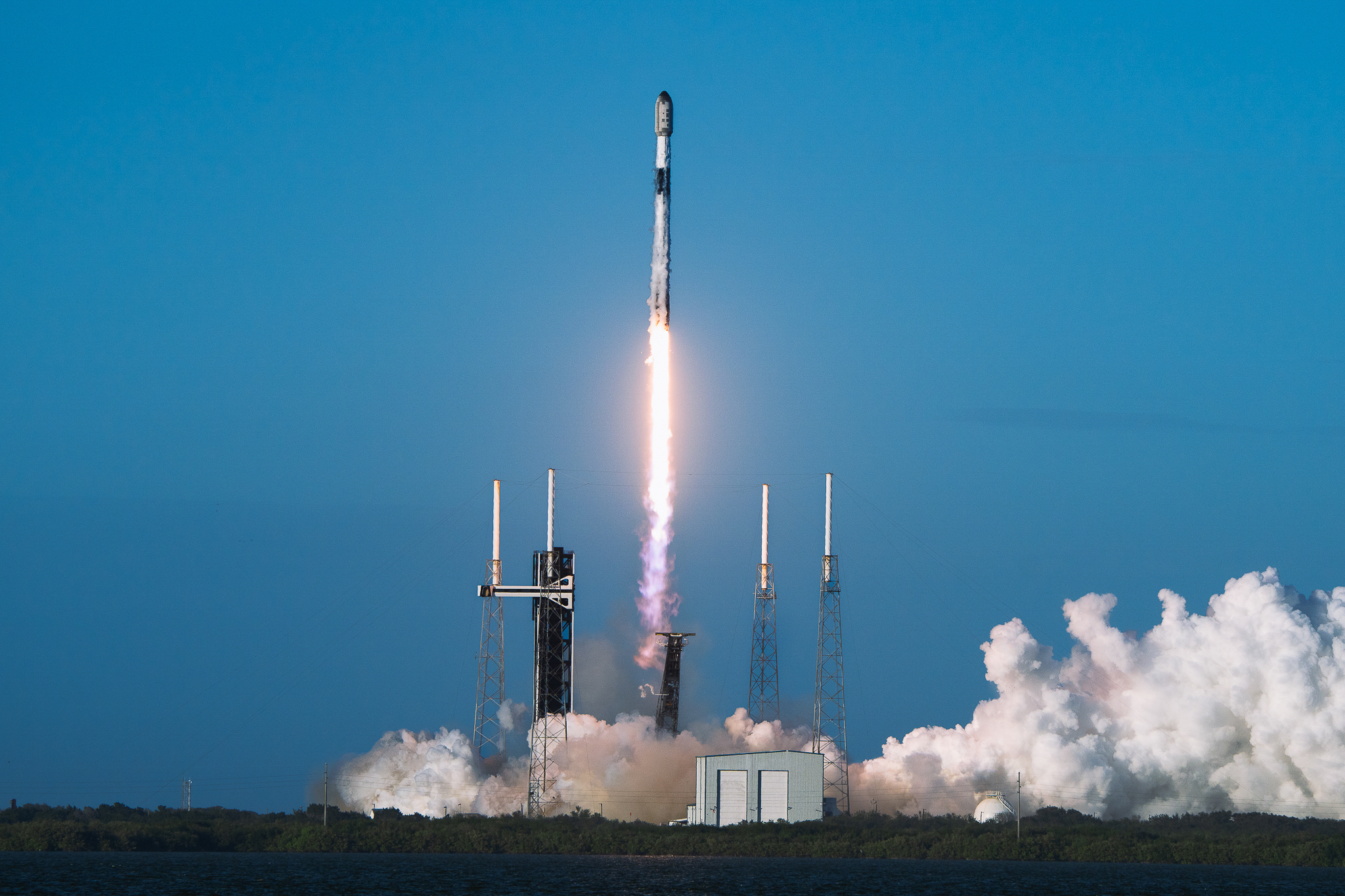
Tesla and SpaceX CEO Elon Musk debunked the latest rumors about the space exploration company’s initial public offering (IPO), which has been the subject of a wide array of speculation over the last few weeks.
With SpaceX likely heading to Wall Street to become a publicly-traded stock in the coming months, there is a lot of speculation surrounding how it will happen, whether the company will potentially combine with Tesla, and more.
Tesla and SpaceX to merge in 2027, Wall Street analyst predicts
But the latest rumors have to do with where SpaceX will list the stock.
Musk has swiftly put to rest circulating reports suggesting that SpaceX would exclude popular retail brokerages Robinhood and SoFi from its highly anticipated initial public offering.
In a direct response posted on X on March 31, Musk stated simply, “These reports are false,” addressing widespread speculation fueled by a Reuters article.
These reports are false
— Elon Musk (@elonmusk) March 31, 2026
The Reuters report, published March 30, claimed that Morgan Stanley’s E*Trade was in talks to lead the sale of SpaceX shares to small U.S. investors.
Sources indicated that Robinhood and SoFi, despite pitching for roles, faced potential exclusion from the retail allocation, with Fidelity also competing for a piece of the action. The story quickly spread across financial media, raising concerns among retail investors eager to participate in what could be one of the largest IPOs in history.
SpaceX has a reported valuation nearing $1.75 trillion, and Musk’s plan to allocate up to 30 percent of shares to individual investors — far above the typical 5-10% — had generated massive excitement.
Musk’s concise denial immediately calmed the narrative. The original X post quoting the rumor garnered significant engagement, with users expressing relief that everyday investors would not be sidelined.
This episode reflects Musk’s hands-on approach to SpaceX’s public debut.
Earlier reporting revealed plans for an unusually large retail slice to leverage Musk’s dedicated fan base and stabilize post-IPO trading. SpaceX aims to file potentially as early as this period, building on momentum from its Starship program and Starlink growth.
The IPO could mark a transformative moment, potentially elevating Musk’s status further while democratizing access to a company long reserved for accredited investors and institutions.
The rumor’s quick debunking also revives debates about retail access in high-profile listings. Robinhood gained popularity during the 2021 meme-stock surge but faced criticism for past trading restrictions.
SoFi has positioned itself as a modern financial platform for younger investors. Excluding them could have limited participation from tech-savvy retail traders who form a core part of Musk’s supporter base across Tesla and SpaceX.
While details remain fluid, Musk’s intervention reinforces commitment to broad accessibility. As preparations advance, investors await official filings. For now, the message is clear: rumors of restricted retail access were overstated, keeping the door open for widespread participation in SpaceX’s public chapter.
This development comes amid broader market enthusiasm for space and technology stocks. Musk’s transparency through X continues to shape public perception, distinguishing SpaceX’s path from traditional Wall Street norms. With retail allocation potentially reaching 30 percent, the IPO promises to be both commercially massive and culturally significant.
Elon Musk
Tesla Optimus Gen 3 is coming to the Tesla Diner with new ambitions
Tesla’s Optimus robot left the Hollywood Diner within months of opening. Now Musk is planning its return with a bigger role and a major Gen 3 upgrade underway.

![Tesla Optimus Gen 3 [Credit: Tesla]](https://www.teslarati.com/wp-content/uploads/2026/03/tesla-optimus-gen3-diner.jpg)
Tesla’s Optimus robot was one of the most talked-about features when the Tesla Diner opened on Santa Monica Boulevard in Hollywood on July 21, 2025. Dubbed “Poptimus” by Tesla fans, the Gen 2 robot stood upstairs at the retro-futuristic, drive-in theater and Tesla Supercharging station, scooping popcorn into bags and handing them to guests with a wave.
The diner itself had been years in the making. Elon Musk first floated the idea in 2018 with a tweet about building an “old-school drive-in, roller skates & rock restaurant” at a Hollywood Supercharger. What eventually opened was a unique two-story neon-lit space, with 80 EV charging stalls, and Optimus serving as a live demonstration of where Tesla’s ambitions were headed.
If our retro-futuristic diner turns out well, which I think it will, @Tesla will establish these in major cities around the world, as well as at Supercharger sites on long distance routes.
An island of good food, good vibes & entertainment, all while Supercharging! https://t.co/zmbv6GfqKf
— Elon Musk (@elonmusk) July 21, 2025
But Optimus did not stay long, and was gone by December 2025.
Now, the robot is set to return with a more demanding job. Musk has ambitions for Optimus to take on a food runner role in 2026, delivering meals directly to cars at the Supercharger stalls. While the latest Gen 3 Optimus is likely to initially take on its previous popcorn-serving role, it wouldn’t be out of the question for Optimus to see a quick promotion. With improved hand dexterity that features 50 total actuators and 22 degrees of freedom per hand, and significantly more powerful processing through Tesla’s latest AI5 chip that includes Grok-powered voice interaction, Musk described Optimus at the Abundance Summit on March 12, 2026, as “by far the most advanced robot in the world, Nothing’s even close.”
Back to work
See you at Tesla Diner tomorrow pic.twitter.com/H3tTajrUbu
— Tesla Optimus (@Tesla_Optimus) March 30, 2026
That confidence is backed by a major manufacturing shift. At the Q4 2025 earnings call in January, Musk announced Tesla would discontinue the Model S and Model X and convert those Fremont production lines to build Optimus. “It’s time to basically bring the Model S and X programs to an end,” he said, calling for a pivot that reflects where the Tesla’s future lies.
Elon Musk
Musk forces Judge’s exit from shareholder battles over viral social media slip-up
McCormick insisted in a court filing that she harbors no actual bias against Musk or the defendants. She claimed she either never clicked the “support” button, LinkedIn’s version of a “like,” or did so accidentally.
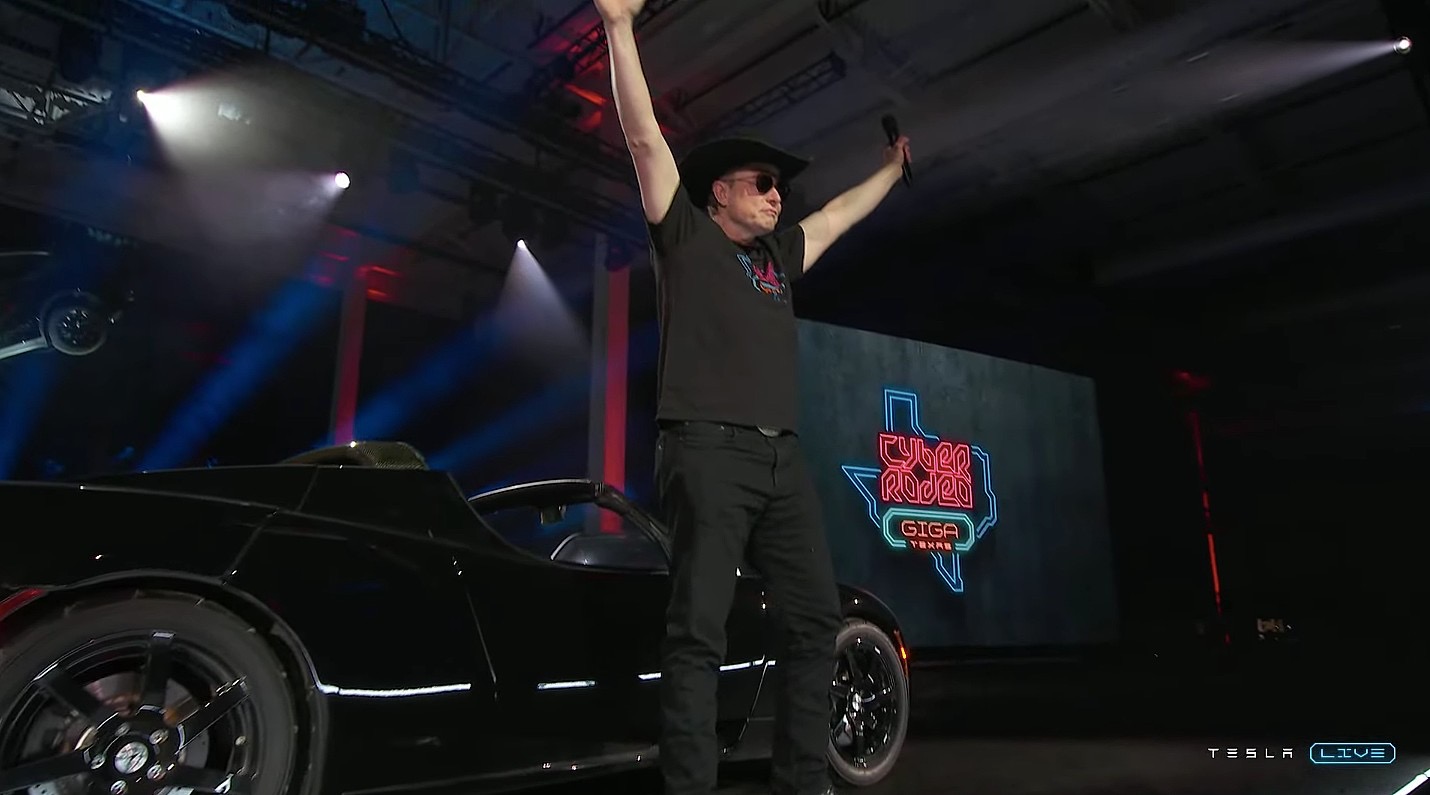
Many Tesla fans are familiar with the name Kathaleen McCormick, especially if they are investors in the company.
McCormick is a Delaware Chancery Court Judge who presided over Tesla CEO Elon Musk’s pay package lawsuit over the past few years, as well as his purchase of Twitter. However, she will no longer be sitting in on any issues related to Musk.
Elon Musk demands Delaware Judge recuse herself after ‘support’ post celebrating $2B court loss
In a rare admission of potential optics issues in one of America’s most powerful corporate courts, Delaware Chancery Court Chancellor Kathaleen McCormick stepped aside Monday from a cluster of shareholder lawsuits targeting Elon Musk and Tesla’s board.
The move came just days after Musk’s legal team highlighted her apparent “support” on LinkedIn for a post that mocked the billionaire over his 2022 tweets about the $44 billion Twitter acquisition.
McCormick insisted in a court filing that she harbors no actual bias against Musk or the defendants. She claimed she either never clicked the “support” button, LinkedIn’s version of a “like,” or did so accidentally.
She wrote in a newly published memo from the Delaware Chancery Court:
“The motion for recusal rests on a false premise — that I support a LinkedIn post about Mr. Musk, which I do not in fact support. I am not biased against the defendants in these actions.”
Yet she granted the reassignment anyway, acknowledging that the intense media scrutiny surrounding her involvement had become “detrimental to the administration of justice.”
The consolidated cases will now be handled by three of her colleagues on the Delaware Court of Chancery, the nation’s go-to venue for high-stakes corporate disputes. The lawsuits accuse Musk and Tesla directors of breaching fiduciary duties through lavish executive compensation and lax governance oversight.
One prominent claim, filed by a Detroit pension fund, challenges massive stock awards granted to board members, alleging the payouts harmed the company. The litigation also overlaps with issues stemming from Musk’s turbulent 2022 Twitter purchase.
McCormick’s history with Musk made her a lightning rod. In 2022, she presided over the fast-tracked lawsuit that ultimately forced Musk to complete the Twitter deal after he tried to back out.
Then in 2024, she struck down his record $56 billion Tesla compensation package, ruling the approval process was flawed and overly CEO-friendly. The Delaware Supreme Court later reinstated the pay on technical grounds, but the ruling fueled Musk’s long-standing criticism of the state’s judiciary.
Musk has repeatedly urged companies to reincorporate elsewhere, arguing Delaware courts have grown hostile to visionary leaders. Monday’s recusal hands him a symbolic victory and underscores how personal social-media activity can collide with judicial impartiality standards.
Delaware law requires judges to step aside if there’s even a “reasonable basis” to question their neutrality.
Court watchers say the episode highlights growing tensions in corporate America’s legal epicenter. While McCormick maintained her impartiality, the appearance of bias proved too costly to ignore. The cases will proceed without her, but the broader debate over Delaware’s dominance in business litigation is far from over.

Elon Musk debunks latest rumors about SpaceX IPO
![Tesla Optimus Gen 3 [Credit: Tesla]](https://www.teslarati.com/wp-content/uploads/2026/03/tesla-optimus-gen3-diner-80x80.jpg)
Tesla Optimus Gen 3 is coming to the Tesla Diner with new ambitions

Musk forces Judge’s exit from shareholder battles over viral social media slip-up

Elon Musk says Tesla is developing a new vehicle: ‘Way cooler than a minivan’

Elon Musk launches TERAFAB: The $25B Tesla-SpaceXAI chip factory that will rewire the AI industry


