
Tesla’s (NASDAQ:TSLA) fourth-quarter earnings call comes on the heels of yet another blockbuster quarter that saw the electric car maker posting $7.38 billion in revenue and an earnings per share of $2.14, beating the Street’s estimates.
As revealed in the company’s Q4 and Full Year 2019 Update Letter, Tesla is GAAP profitable once more and is likely on track towards even more stable financial ground. The company generated $1.1 billion of free cash flow for the year, propelled in part by the sustained, stable demand for the Tesla Model 3.
For today’s earnings call, Tesla executives are expected to address questions surrounding the company’s plans for the coming year, as well as the electric car maker’s upcoming projects such as Giga Berlin and the ongoing expansion of Giga Shanghai.
The following are live updates from Tesla’s Q4 2019 earnings call. I will be updating this article in real-time, so please keep refreshing the page to view the latest updates on this story.
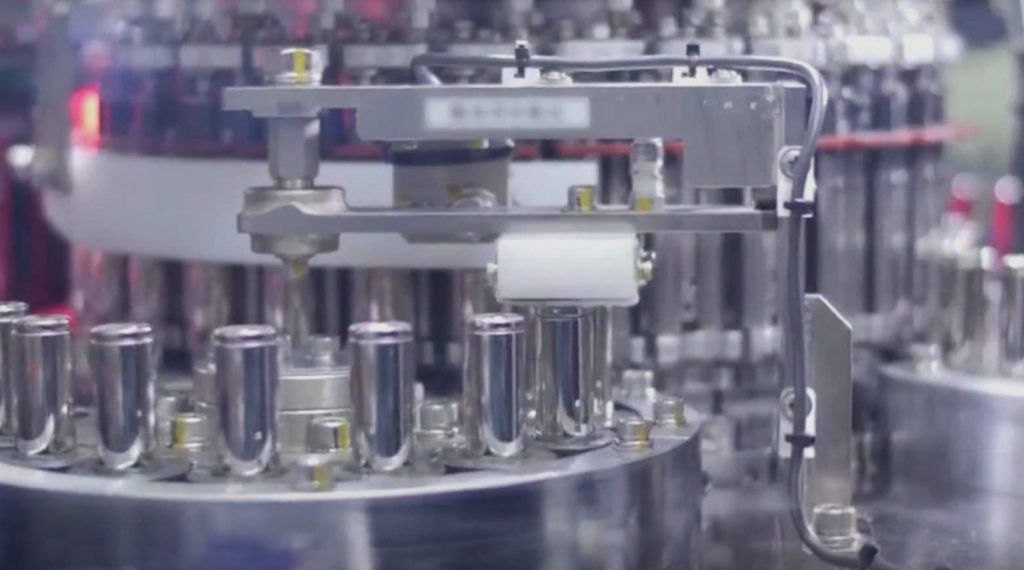
16:29 PT – Joseph Osha from JMP Securities inquired about Tesla’s acquisition of Maxwell technologies. Musk referred once more to the company’s upcoming Battery Day, where the company will discuss its plans with the company’s technologies, including its supercapacitors and dry electrode innovations, which Musk said will play an important part in Tesla’s future plans.
16:26 PT – While answering an inquiry from Pierre Ferragu of New Street Research, Musk remarked that Tesla has gone way deep in battery technology. “Wow, we really know a lot about batteries,” he said.
16:25 PT – Dan Levy of Credit Suisse reiterates the idea that Tesla should raise capital now to acquire more companies. Elon Musk jokingly asked the analyst which company should Tesla acquire now. Levy seemed flustered.
To be fair, Musk has a point here, and Kirkhorn discussed this point too. There’s not a lot of sense in raising money right now since Tesla is already spending its funds as much as it can.
16:20 PT – Elon Musk and Kirkhorn noted that at this point, Tesla’s priority is all about lowering its costs and increasing its margins. This will apply to the Model 3 and Model Y ramp, with the latter likely enjoying a lot of demand. The Tesla executives also mentioned that Tesla is now testing the waters when it comes to products that are low cost and high margin, which are represented by paid software upgrades such as the Model 3’s Acceleration Boost Upgrade.
16:15 PT – Gene Munster of Loup Ventures takes the floor and asks a question about the Cybertruck, particularly its expected demand and costs for production. Elon Musk declined to release specific figures, though he noted that demand is healthy for the all-electric truck. He also stated that the focus with the Cybertruck is all about battery production. This makes sense, especially since the Cybertruck, as well as vehicles like the Semi, require a lot of batteries. This is a challenging endeavor, and it will be discussed in Tesla’s upcoming Battery Day.
Elon did state that Battery Day could probably happen after this quarter.
16:05 PT – Adam Jonas of Morgan Stanley issues his inquiry, asks if Teslas will be compatible with Starlink. Musk stated that this is something that can happen in the future, explaining that Starlink is a high-bandwith system. It’s a lot of bandwith for a car, but it can be done, though the antenna to receive Starlink signals are about the size of a pizza box. Musk then added that he doesn’t really think about it very much.
16:00 PT – Addressing retail investors’ questions, Kirkhorn noted that the vehicles produced in Giga Shanghai will be just as, if not more profitable than vehicles produced in the United States. Musk added that it’s mostly a matter of costs. There’s just far more optimizations that can be done if a factory could produce vehicles for that specific region.
When asked if it is wise to raise money now, Musk stated that Tesla at this point is actually spending what it can right now. “We’re spending money efficiently, and we’re not artificially limiting our progress. In line with that, it does not make sense to raise money at this level,” Musk said. Kirkhorn believes this strategy, explaining that Tesla has gotten smarter about how the company is when it comes to spending money.
But what’s the most encouraging part here is that both Musk and Kirkhorn promised that there will be no slowdown when it comes to Tesla’s growth.
15:55 PT – Tesla starts taking questions from retail investors. First up, solar installations. Musk stated that Tesla is working with firms to take on the roofing market for the Solarglass Roof. In the future, the CEO stated that homeowners would simply have the choice of having a roof that generates power, or a roof that’s simply a roof.
Another question from retail shareholders involved the Tesla Network, and if it can be deployed even before FSD is fully approved. Elon Musk stated that such an idea makes sense. Kirkhorn added that Tesla intends to allow customers to have the choice to enter their vehicle to a ride-sharing network.
When it comes to Tesla Insurance and its existing coverage, Kirkhorn stated that the priority right now is to expand the service. “There’s a significant amount of innovation in this space,” the CTO said. Musk also stated that there will be a discount in Tesla Insurance if owners use Autopilot. Higher use of Autopilot would mean lower insurance costs.
Musk also noted that Tesla’s feature complete FSD will likely happen within the next few months. He added that he was very optimistic about its target timeframe, which was initially set for the end of 2019.
15:45 PT – Kirkhorn sets expectations for Q1, describing that the company’s profitability may be impacted due to unexpected headwinds in China such as the outbreak of the Coronavirus. Ongoing projects such as Giga Berlin and Giga Shanghai would also play a part.
15:43 PT – CTO Zach Kirkhorn stated that 2019 was a key year for Tesla. The company transitioned from meeting a reservation backlog to generating more demand for the Model 3. Capacity-wise, Tesla learned a lot in the Model 3 ramp in Fremont and Giga Nevada. These were aggregated and applied to facilities such as Giga Shanghai.
Kirkhorn also mentioned something notable — Tesla is starting to earn from its software services. This is huge, as the company could generate quite a lot of profit from its software-based services. The Acceleration Boost alone is notable.
The CTO added that the Model Y’s margins will likely be better than the Model 3. This bodes very well for the electric car maker. The MIC Model 3 is also seeing healthy demand in China.
15:38 PT – Elon further notes the company’s rationale with the Cybertruck, and how Tesla opted to stay out of the box with the vehicle’s design. The CEO added that the brutalist vehicle actually has quite a lot of demand.
“The demand has been incredible. I think we can make for as many as we can sell for many years. It’s going to be pretty nuts,” he said, adding that the product is better than what many people realize. This totally makes me want a Cybertruck even more.
“(We’re) super fired up where Tesla will be in the next ten years,” Musk said.
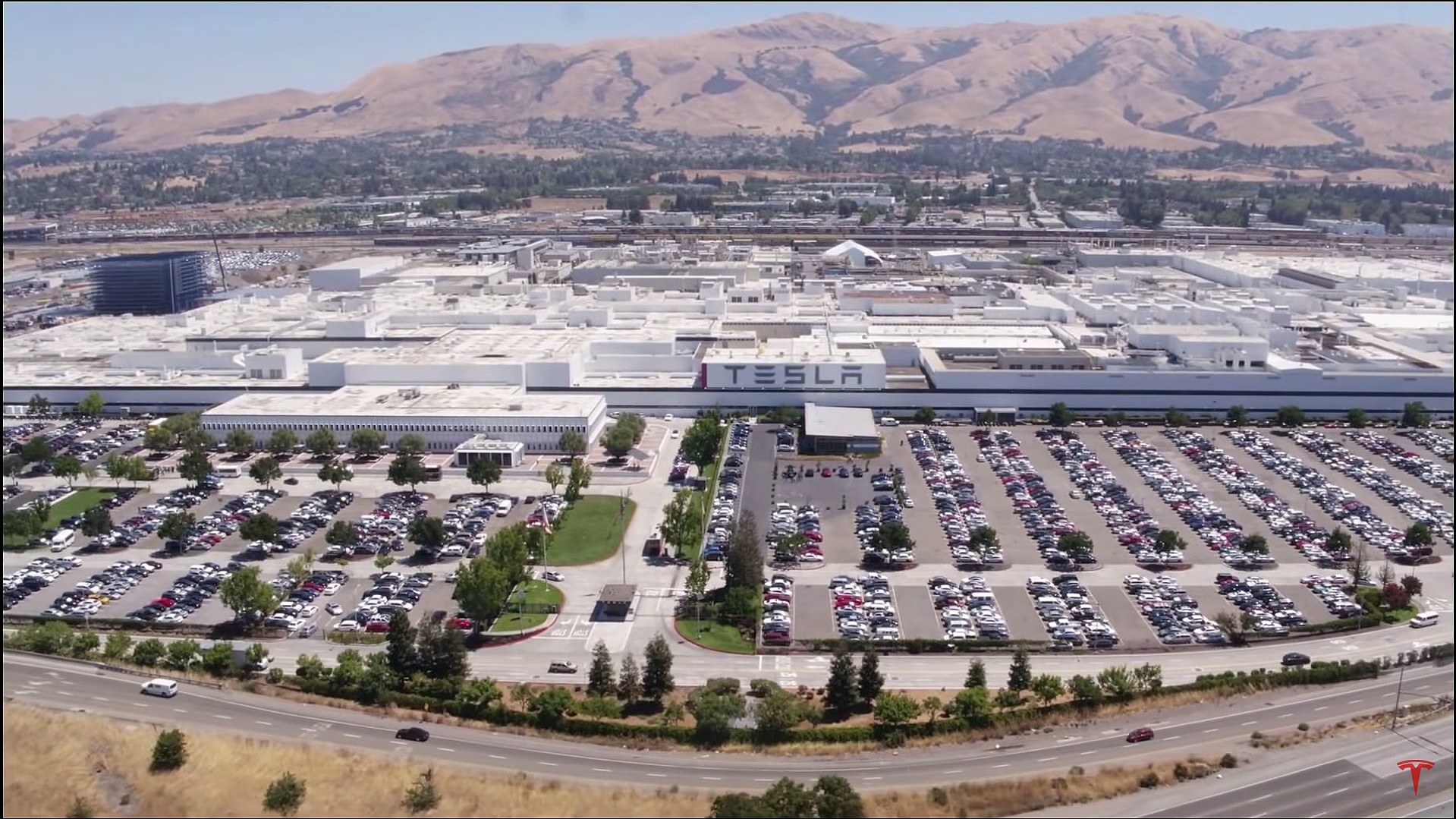
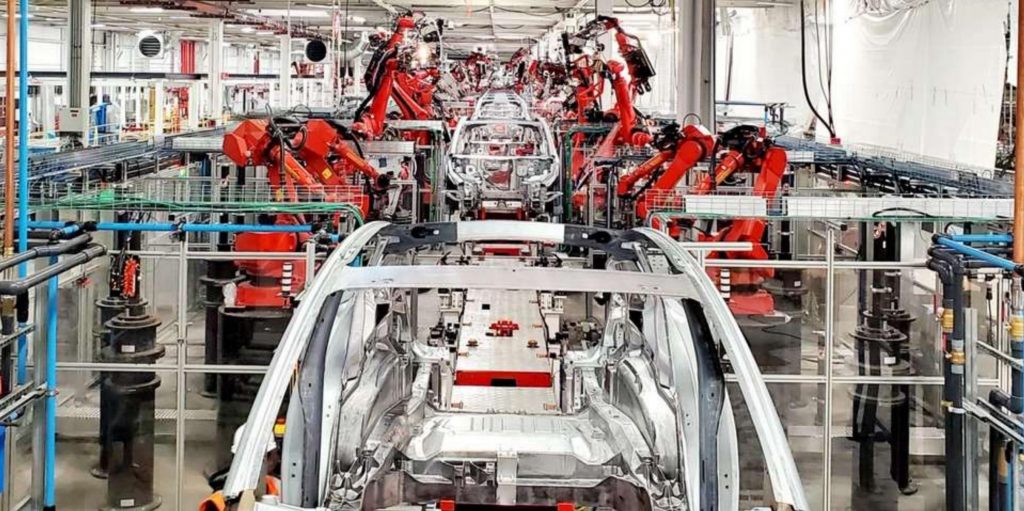
15:33 PT – Martin Viecha opens the call and introduces the participants of the call. Elon Musk takes over and mentions Tesla’s strong demand. He focuses on Tesla having the highest demand EVs in the world with zero advertising spend. Musk also noted that Fremont is already at a production pace comparable to NUMMI’s peak before. And this is before the Model Y.
Elon specifically mentions Giga Shanghai and congratulates the China team. “I think it’s going to be an incredible asset for the company. There’s a lot of good progress there,” he said.
Musk also revealed that Model Y initial production has begun. The crossover is efficient like a beast — 315 miles per charge. This is more than what the company initially stated during its unveiling last year.
15:30 PT – And it’s time for the earnings call to begin. But so far, it seems like the call will be starting a bit later than expected. Elon Time V2? Let’s see.
15:20 PT – Hello and good day, everyone, and welcome to yet another Live Blog coverage of Tesla’s earnings report. With the electric car maker posting yet another profitable quarter. I’m no prophet, but there’s a good chance that 2020 will be far kinder to TSLA shareholders than in 2019.
Other Tesla Q4 and Full Year 2019 Highlights


Elon Musk
Tesla confirmed HW3 can’t do Unsupervised FSD but there’s more to the story
Tesla confirmed HW3 vehicles cannot run unsupervised FSD, replacing its free upgrade promise with a discounted trade-in.

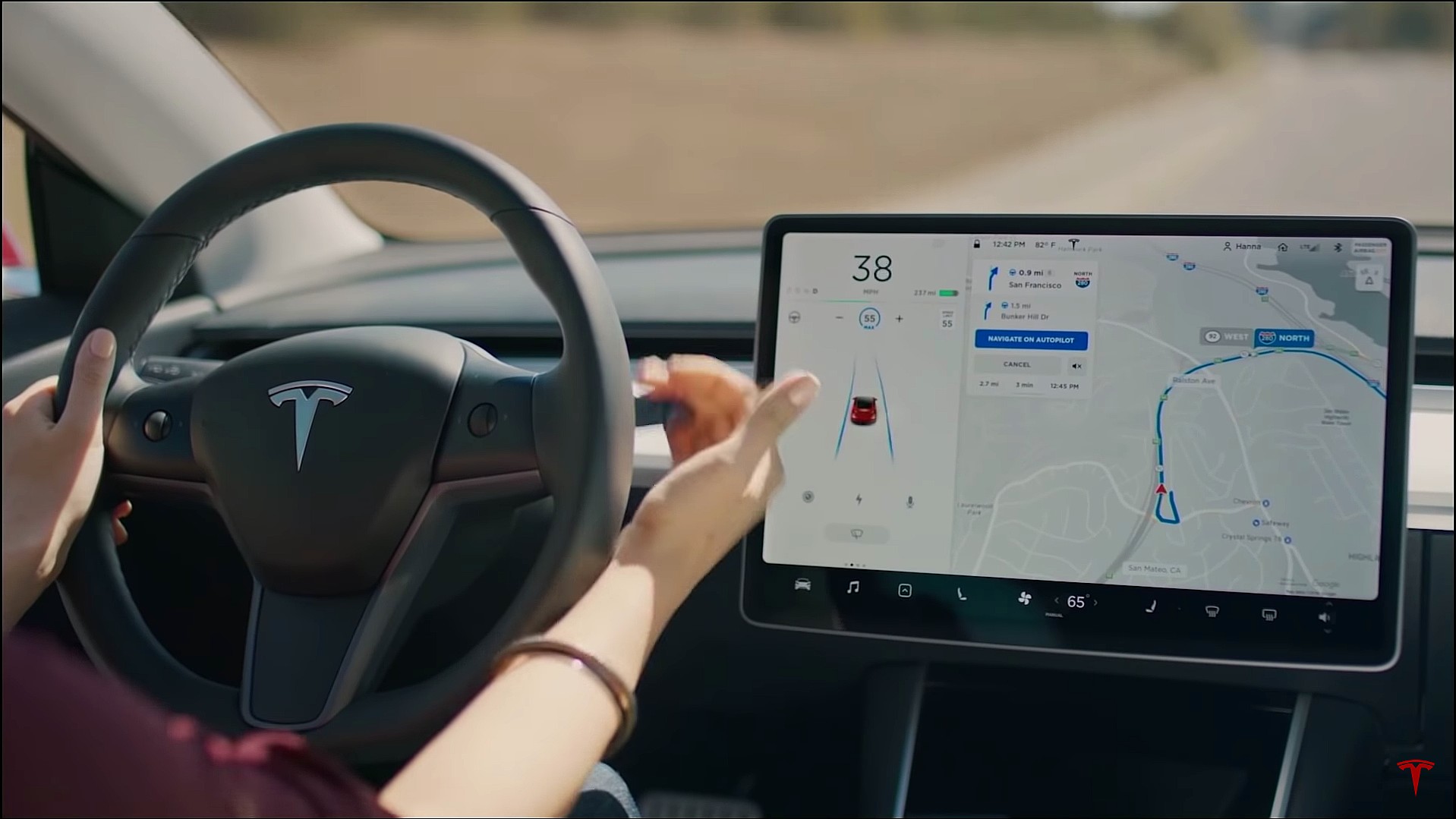
Tesla has officially confirmed that early vehicles with its Autopilot Hardware 3 (HW3) will not be capable of unsupervised Full Self-Driving, while extending a path forward for legacy owners through a discounted trade-in program. The announcement came by way of Elon Musk in today’s Tesla Q1 2026 earnings call.
🚨 Our LIVE updates on the Tesla Earnings Call will take place here in a thread 🧵
Follow along below: pic.twitter.com/hzJeBitzJU
— TESLARATI (@Teslarati) April 22, 2026
The history here matters. HW3 launched in April 2019, and Tesla sold Full Self-Driving packages to owners on the understanding that the hardware was sufficient for full autonomy. Some owners paid between $8,000 and $15,000 for FSD during that period. For years, as FSD’s AI models grew more demanding, HW3 vehicles fell progressively further behind, eventually landing on FSD v12.6 in January 2025 while AI4 vehicles moved to v13 and then v14. When Musk acknowledged in January 2025 that HW3 simply could not reach unsupervised operation, and alluded to a difficult hardware retrofit.
The near-term offering is more concrete. Tesla’s head of Autopilot Ashok Elluswamy confirmed on today’s call that a V14-lite will be coming to HW3 vehicles in late June, bringing all the V14 features currently running on AI4 hardware. That is a meaningful software update for owners who have been frozen at v12.6 for over a year, and it represents genuine effort to keep older hardware relevant. Unsupervised FSD for vehicles is now targeted for Q4 2026 at the earliest, with Musk describing it as a gradual, geography-limited rollout.
For HW3 owners, the over-the-air V14-lite update is welcomed, and the discounted trade-in path at least acknowledges an old obligation. What happens next with the trade-in pricing will define how this chapter ultimately gets written. If Tesla prices the hardware path fairly, acknowledges what early adopters are owed, and delivers V14-lite on the June timeline it committed to today, it has a real opportunity to convert one of the longest-running sore subjects among early adopters into a loyalty story.
Tesla (NASDAQ: TSLA) reported its earnings for the first quarter of 2026 on Wednesday afternoon. Here’s what the company reported compared to what Wall Street analysts expected.
The earnings results come after Tesla reported a miss on vehicle deliveries for the first quarter, delivering 358,023 vehicles and building 408,386 cars during the three-month span.
As Tesla transitions more toward AI and sees itself as less of a car company, expectations for deliveries will begin to become less of a central point in the consensus of how the quarter is perceived.
Nevertheless, Tesla is leaning on its strong foundation as a car company to carry forward its AI ambitions. The first quarter is a good ground layer for the rest of the year.
Tesla Q1 2026 Earnings Results
Tesla’s Earnings Results are as follows:
- Non-GAAP EPS – $0.41 Reported vs. $0.36 Expected
- Revenues – $22.387 billion vs. $22.35 billion Expected
- Free Cash Flow – $1.444 billion
- Profit – $4.72 billion
Tesla beat analyst expectations, so it will be interesting to see how the stock responds. IN the past, we’ve seen Tesla beat analyst expectations considerably, followed by a sharp drop in stock price.
On the same token, we’ve seen Tesla miss and the stock price go up the following trading session.
Tesla will hold its Q1 2026 Earnings Call in about 90 minutes at 5:30 p.m. on the East Coast. Remarks will be made by CEO Elon Musk and other executives, who will shed some light on the investor questions that we covered earlier this week.
You can stream it below. Additionally, we will be doing our Live Blog on X and Facebook.
Q1 2026 Earnings Call at 4:30pm CT https://t.co/pkYIaGJ32y
— Tesla (@Tesla) April 22, 2026
Elon Musk
Tesla Earnings: financial expectations and what we should to hear about
In terms of discussions, Tesla earnings calls are usually a great time to get some clarification on the company’s outlook for its current and future projects.

Tesla (NASDAQ: TSLA) will report its earnings for the first quarter of 2026 this evening after the market closes, and analysts have already put out their expectations from a financial standpoint for the company’s first three months of the year.
Additionally, there will be plenty of things that will be discussed, including the recent expansion of the Robotaxi program, the Roadster unveiling, and Full Self-Driving (Supervised) approvals across the globe.
Financial Expectations
Wall Street consensus expectations put Tesla’s Earnings Per Share (EPS) at $0.36, while revenues are expected to come in around $22.35 billion.
This would compare to an EPS of $0.27 and $19.34 billion compared to Tesla’s Q1 2025. Last quarter, EPS came in at $0.50 on $29.4 billion of revenue.
Tesla beat analyst expectations last quarter, but the next trading day, the stock fell nearly 3.5 percent. We never quite can gauge how the market will respond to Tesla’s earnings; we’ve seen shares rise on a miss and fall on a beat.
It really goes on the news, and investor consensus, it seems.
What to Expect
In terms of discussions, Tesla earnings calls are usually a great time to get some clarification on the company’s outlook for its current and future projects. Right now, the big focus of investors is the Robotaxi program, the Roadster unveiling, and what the outlook for Full Self-Driving’s expansion throughout Europe and the rest of the world looks like.
Robotaxi
Tesla just recently expanded its unsupervised Robotaxi program to Dallas and Houston, joining Austin as the first cities in the U.S. to have access to the company’s ride-hailing suite.
Tesla expands Unsupervised Robotaxi service to two new cities
Some saw this move as a quick effort to turn attention away from a delivery miss and an anticipated miss on earnings. However, we’ve seen Tesla be more than deliberate with its expansion of the Robotaxi suite, so it’s hard to believe the company would make this move if it were not truly ready to do so.
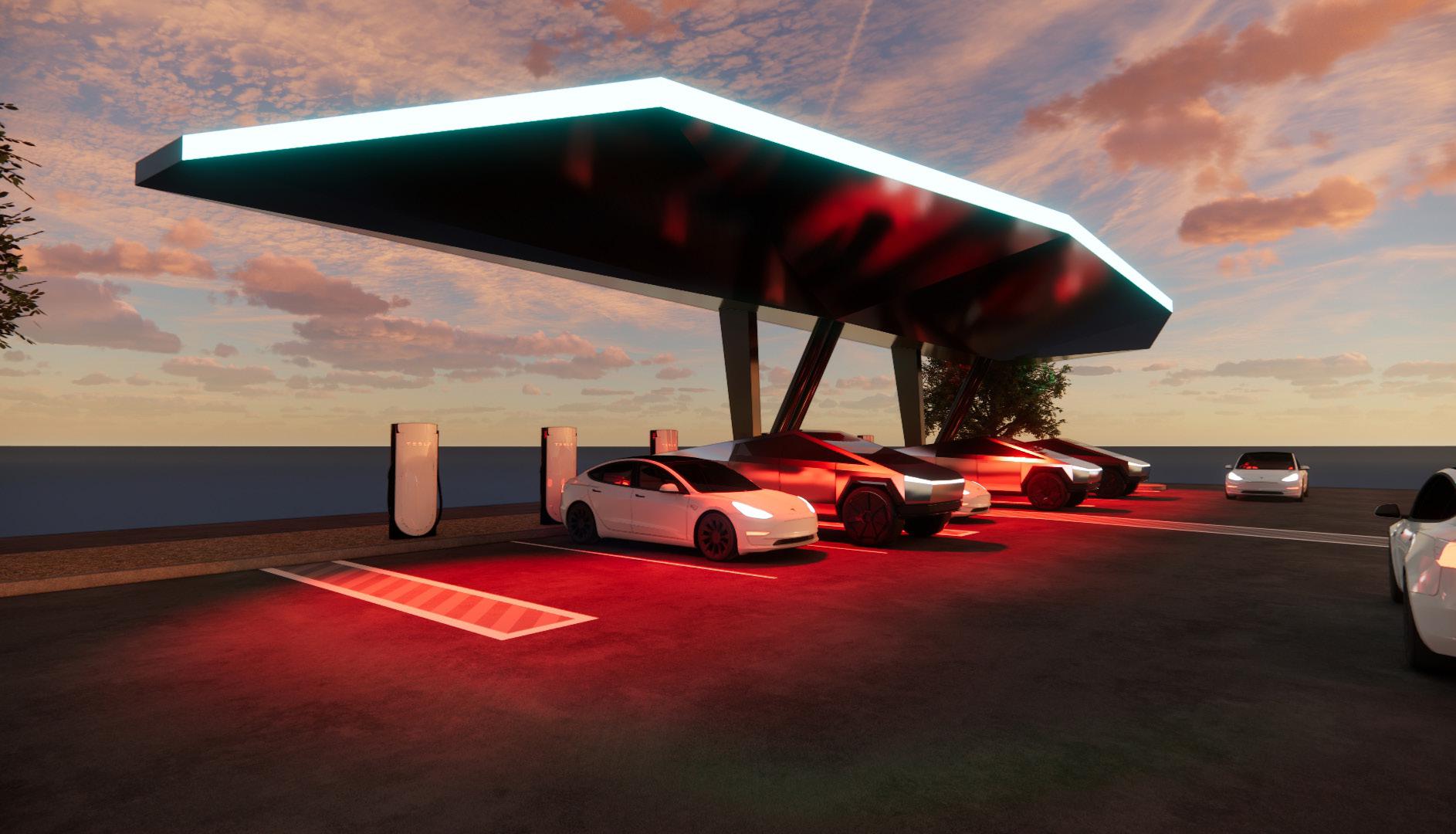
The company is also working to expand its U.S. ride-hailing service outside of Texas and California, and recently filed paperwork to build a Robotaxi-exclusive Supercharger stall.
Expansion is planned for Florida, Nevada, and Arizona at some point this year, with more states to follow.
Roadster Unveiling
The Roadster unveiling was slated for April 1, and then pushed back (once again) to “probably late April,” according to Elon Musk.
It does not appear that the Roadster unveiling will happen within that time frame, at least not to our knowledge. Nobody has received media or press invites for a Roadster unveiling, and given the lofty expectations set for the vehicle by Musk and Co., it seems like something they’d want to show off to the public.
The Roadster has become a truly frustrating project for Tesla and its fans; evidently, there is something that is not up to the expectations Musk and others have. Meanwhile, fans are essentially waiting for something that is six years late.
At this point, also given the company’s focus on autonomy, it almost seems more worth it to just cancel it, remove any and all timelines and expectations, and surprise people with something crazy down the line, maybe in two or three years. There should be no talk of it.
Full Self-Driving Global Expansion
We expect Musk and Co. to shed some details on where it stands with other European government bodies, as it recently was able to roll out FSD (Supervised) to customers in the Netherlands.
Spain is also working with Tesla to assess FSD’s viability as a publicly available option for owners.
With that being said, there should be some additional information for investors as they listen to the call; no talk of it would be a pretty big letdown.
Optimus
There will likely be a date set for the Gen 3 Optimus unveiling, and we’re hopeful Tesla can keep that date set in stone and meet it. Not reaching timelines is a relatively minor issue, but a company can only do this for so long before its fans and investors start to lose trust and disregard any talk about dates.
It seems this is happening already.
Optimus has been pegged as Tesla’s big money maker for the future. The goals and expectations are high, but it is a privilege to have that sort of pressure when investors know the company’s capability.

Tesla Robotaxi service in Austin achieves monumental new accomplishment

Tesla Cybercab just rolled through Miami inside a glass box


